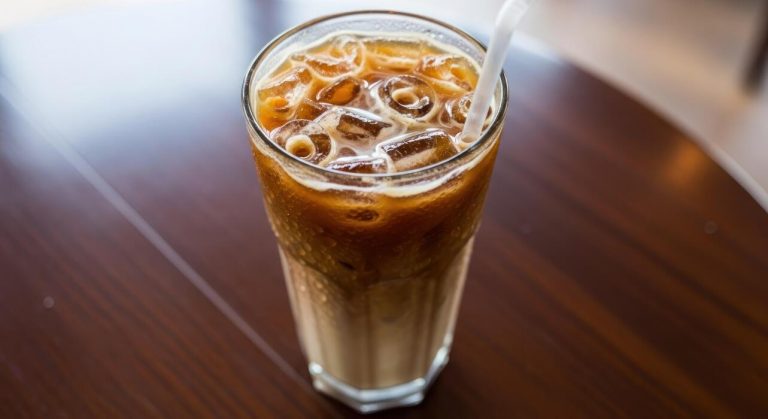
How To Make Really Strong Cold Brew Coffee
If you’re looking for how to make really strong cold brew coffee, you’ve probably tried recipes that end up watery or weak. The core problem is getting maximum caffeine and bold flavor without bitterness. You’re in the right place. The secret is a higher coffee-to-water ratio (1:4 instead of 1:8), a coarse grind, and a longer steep—18 to 24 hours at room temperature. This method extracts deep, concentrated notes, perfect for diluting or drinking straight over ice.
What Makes Cold Brew Coffee Strong?
The difference between strong flavor and high caffeine
When aiming for really strong cold brew, it’s crucial to distinguish between *strong flavor* and *high caffeine*. Strong flavor comes from extracting bitter and acidic compounds, often from over-extraction or dark roasts. High caffeine, however, is about maximizing the alkaloid content without the harsh taste.
For cold brew, strength typically means bold, smooth flavor with noticeable caffeine kick. To achieve this, focus on the coffee-to-water ratio. A standard ratio is 1:8 (coffee to water), but for truly strong cold brew, push it to 1:4 or even 1:3.
This yields a concentrated brew that is both flavorful and caffeinated. Remember, dark roasts don’t necessarily have more caffeine—they just taste bolder. For maximum caffeine, use a medium roast with high-quality beans. The key is to balance extraction time and grind size to avoid bitterness while maximizing strength.
Why cold brew naturally tastes stronger than hot coffee
Cold brew’s unique extraction process makes it taste inherently stronger than hot coffee, even at similar caffeine levels. This is because cold water extracts fewer bitter compounds like tannins and oils, while pulling out sweet, chocolatey, and smooth flavors.
As a result, cold brew tastes more concentrated and robust without the acrid notes. The long steeping time (12-24 hours) allows for a high extraction of caffeine and flavor solids, leading to a dense, syrupy concentrate that can be diluted.
When you drink it straight or with minimal water, the flavor intensity is much higher than a typical hot cup. This natural strength means you can achieve a bold taste with less coffee than you might think.
For truly strong cold brew, use a coarse grind to prevent over-extraction and bitterness, and steep for at least 18 hours for maximum extraction.
Key factors that control cold brew strength
To make really strong cold brew, control three key factors: coffee-to-water ratio, grind size, and steeping time. The ratio is the most direct lever—use 1 part coffee to 4 parts water for a concentrate that’s 2-3 times stronger than regular coffee.
Grind size should be coarse, like sea salt, to avoid over-extraction and sludge. A finer grind increases surface area, potentially making the brew bitter. Steeping time: 18-24 hours in the refrigerator yields maximum caffeine and flavor without acidity.
For extra strength, you can use a higher coffee ratio (e.g., 1:3) and steep for 24 hours, but taste test to avoid bitterness. Also, consider water quality—use filtered water for clean extraction. Finally, stir the grounds halfway through steeping to ensure even extraction.
These factors combine to create a cold brew that’s intensely flavorful and caffeinated, perfect for sipping straight or adding to milk.
Best Coffee Beans for Strong Cold Brew
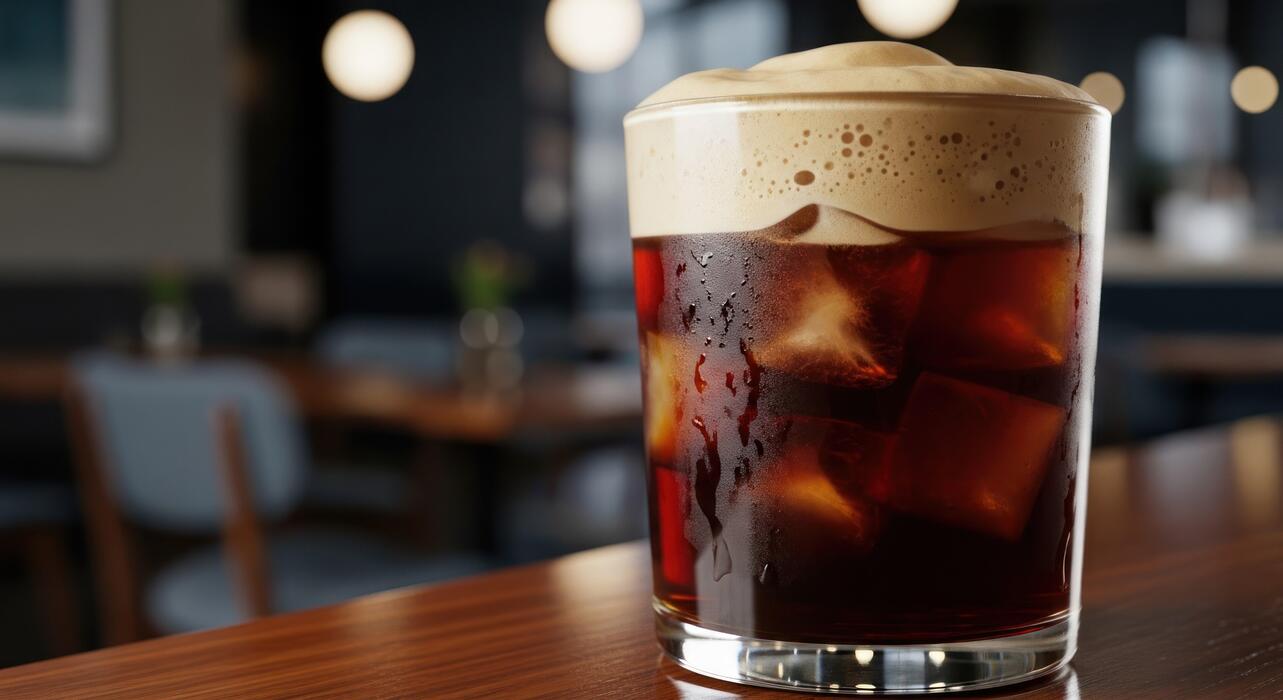
Dark roast vs. light roast for maximum strength
For a truly strong cold brew, dark roast beans are your best bet. While light roasts retain more caffeine by volume, dark roasts offer a bolder, more intense flavor that stands up to dilution and ice.
The roasting process breaks down the bean’s cellular structure, making it easier to extract solubles during the long cold steep. This results in a richer, less acidic concentrate that feels stronger on the palate. Choose a dark roast labeled ‘French,’ ‘Italian,’ or ‘Espresso’ for the most robust profile.
Avoid light roasts if you want maximum body, as they can taste sour or grassy in cold brew. For the strongest cup, use a coarse grind (like sea salt) and steep for 18-24 hours in the fridge. This slow extraction pulls out deep chocolate and caramel notes without bitterness.
Always start with a 1:4 coffee-to-water ratio for a concentrate you can dilute to taste.
Single origin vs. blend: which works better?
For the strongest cold brew, a blend typically outperforms single origin beans. Blends are crafted by roasters to balance flavor, body, and acidity, ensuring a consistent, full-bodied result even after long steeping.
Single origin beans, while unique, can be unpredictable: a high-altitude Ethiopian may turn too fruity or thin, while a Sumatran might be too earthy. Look for blends specifically marketed for cold brew or espresso, as they often contain high-grown Arabica or robusta beans for extra caffeine and crema-like richness.
Robusta beans have nearly double the caffeine of Arabica, making them a powerful choice for a super-strong brew. If you prefer single origin, choose a low-acidity bean like a Brazilian or Colombian with chocolate notes. These handle the long extraction without becoming harsh.
Ultimately, a well-designed blend gives you the boldest, most reliable strength for your cold brew.
How to choose a bold flavor profile
To achieve a bold, strong cold brew, focus on beans with low acidity and high body. Look for tasting notes like dark chocolate, toasted nuts, caramel, or molasses—these flavors intensify during cold steeping. Avoid beans described as ‘bright,’ ‘citrusy,’ or ‘floral,’ as they can become sour or weak.
Choose full-city or Vienna roasts for a balanced but punchy profile. Beans from Brazil, Sumatra, or Guatemala are excellent choices because they naturally produce heavy, syrupy brews. If you want an extra kick, consider a blend with robusta beans (up to 20%)—they add caffeine and a creamy, nutty flavor.
Always check the roast date; fresher beans (within 2-4 weeks) yield more flavor extraction. Grind coarsely to avoid over-extraction, which causes bitterness. Finally, taste your concentrate after 18 hours and adjust steep time—longer steeps (up to 24 hours) pull out more deep, bold compounds for a truly powerful cup.
How to Grind Coffee for Extra Strong Cold Brew
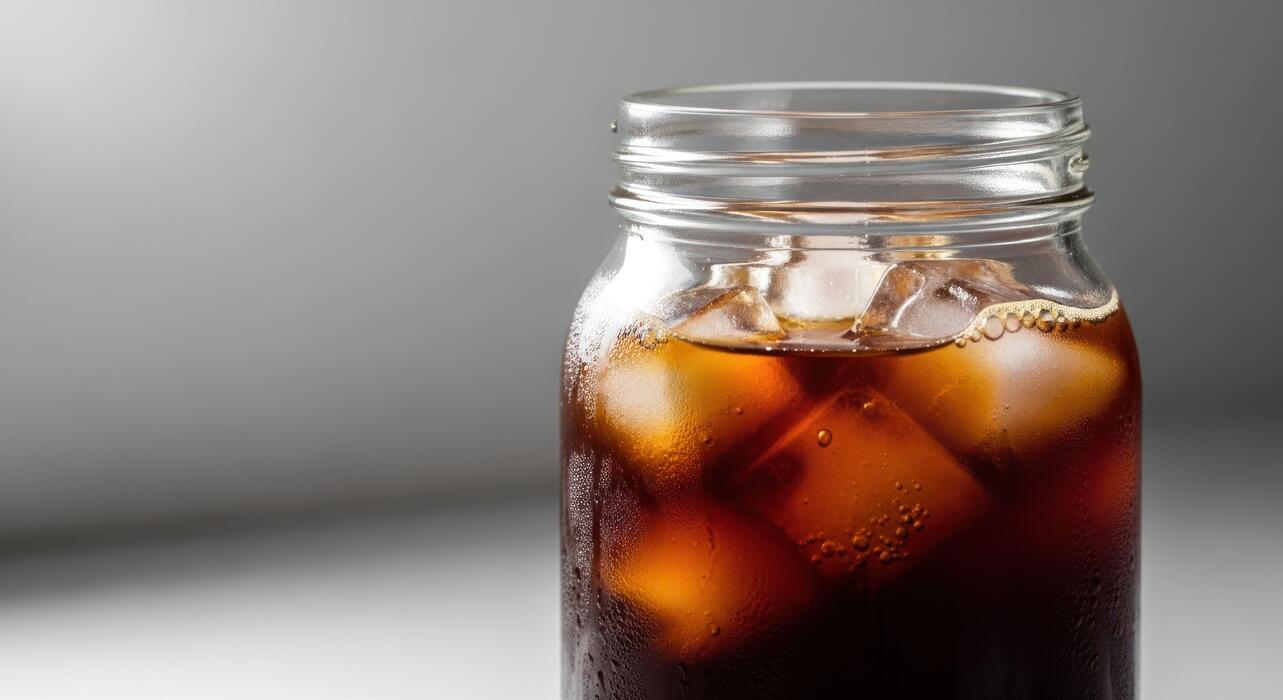
The ideal grind size for maximum extraction
For extra strong cold brew, you need a fine grind, not the typical coarse grind. While coarse grinds are standard for cold brew to avoid over-extraction during long steeps, a finer grind exposes more surface area, accelerating flavor and caffeine extraction.
Aim for a texture similar to table salt or fine sand. If using a burr grinder, set it to a medium-fine setting—just slightly coarser than drip coffee. This grind size allows water to penetrate beans efficiently during the 12-24 hour steep, yielding a concentrate that’s bold and potent.
Weigh your coffee for consistency: use a 1:4 ratio of coffee to water (e.g., 1 cup grounds to 4 cups water). After steeping, filter through a fine-mesh sieve or cheesecloth to catch all particles. The result is a robust, syrupy concentrate that can be diluted to taste.
Avoid a powder-fine grind (like espresso), as it can clog filters and create sludge. Test with a small batch first to dial in your preferred strength.
Why a coarse grind prevents bitterness
Cold brew’s hallmark is smoothness, and coarse grinds are key to avoiding bitterness. Unlike hot brewing, cold water extracts flavors slowly, so a coarse grind prevents over-extraction of bitter compounds like tannins and chlorogenic acids.
When you grind too fine, the increased surface area can lead to harsh, astringent notes during the long steep (12-24 hours). Coarse grounds allow water to flow evenly, extracting sweet, chocolatey flavors while leaving behind unpleasant bitterness.
For extra strong cold brew, you might be tempted to grind finer, but this can backfire. Instead, increase the coffee-to-water ratio (e.g., 1:3 or 1:4) and steep for a full 24 hours. This method boosts strength without bitterness.
The coarse grind acts as a natural filter, reducing sediment and making cleanup easier. Use a burr grinder for uniform particle size; uneven grinds lead to inconsistent extraction. If your brew tastes bitter, switch to a coarser setting or shorten the steep time.
Tips for grinding without a burr grinder
No burr grinder? No problem. You can still achieve a suitable grind for strong cold brew with alternative methods. A blade grinder is the most common substitute: pulse in short bursts (2-3 seconds) to avoid heating the beans, which can degrade flavor.
Shake the grinder between pulses to ensure even grinding. Aim for a consistency like coarse sand—not too fine. For a manual approach, use a mortar and pestle to crush beans in small batches, applying steady pressure for uniform size.
Another hack: place beans in a sealed plastic bag and crush with a rolling pin or heavy skillet on a hard surface. Work in small quantities to control texture. Sift the grounds through a fine-mesh strainer to remove any powdery bits that could cause bitterness.
Store any leftover grounds in an airtight container. While these methods are less precise than a burr grinder, they work well for cold brew. Test your grind by steeping a small sample: if it’s too weak, grind finer next time; if bitter, go coarser. Consistency improves with practice.
The Perfect Coffee-to-Water Ratio for Strong Brew
Standard ratio vs. strong ratio: numbers to use
For truly strong cold brew, you need to move beyond the standard 1:8 ratio (one part coffee to eight parts water). Use a 1:4 or 1:5 ratio for a concentrated, bold brew. This means for every 1 gram of coffee, use only 4 to 5 grams of water.
For example, with a 1:4 ratio, combine 1 cup (about 100 grams) of coarsely ground coffee with just 2 cups (about 400 grams) of water. This creates a highly concentrated extract that delivers a rich, intense flavor without the bitterness of hot brewing.
The 1:5 ratio is slightly milder but still far stronger than standard recipes. Start with 1:4 if you want a base for milk or ice, or stick with 1:5 if you plan to drink it straight.
Remember, cold brew extracts more caffeine and flavor over time, so a tighter ratio ensures you get that powerful punch. Adjust water down to 3 parts if you prefer an even thicker, syrupy concentrate.
How to adjust ratio for your taste
Fine-tuning your strong cold brew ratio is simple. Start with 1:4 and taste after 12-18 hours of steeping at room temperature. If it’s too intense or syrupy, dilute with water or milk when serving, or next time use 1:5.
For a bolder, more caffeinated kick, reduce water to 1:3, but steep for only 12 hours to avoid over-extraction. You can also adjust by brew time: a shorter steep (12 hours) at 1:4 gives a cleaner, brighter strength, while a longer steep (20-24 hours) extracts deeper, more robust notes.
Always test with a small batch first—use 50 grams of coffee and 200 grams of water (1:4) to sample. If it’s too harsh, add 50 grams more water next time. Conversely, if it’s still weak, cut water by 25 grams.
Remember, your preferred strength depends on how you serve it: drinkers who add milk need a stronger base (1:3 or 1:4), while those drinking it black may prefer 1:5. Keep notes on your perfect ratio.
Measuring by weight vs. volume for accuracy
For consistent, strong cold brew, always use a kitchen scale to measure coffee and water by weight (grams) rather than volume (cups or tablespoons).
Coffee beans vary in density and grind size, so a cup of coarse grounds can weigh significantly less than a cup of fine grounds, throwing off your ratio. Weighing ensures precision—for a 1:4 ratio, simply multiply your coffee weight by 4 for water.
For example, 100 grams of coffee needs 400 grams of water. Volume measurements are unreliable: a ‘cup’ of coffee can range from 80 to 120 grams depending on grind. If you must use volume, use a consistent scoop and level it, then test your brew.
But for best results, invest in a $15 digital scale. It also helps you scale recipes: want a half-gallon? Weigh 250 grams of coffee and 1000 grams of water (1:4). Weighing eliminates guesswork and lets you replicate your perfect strong brew every time.
Remember, accuracy is key to controlling strength—especially when using tight ratios like 1:4.
Step-by-Step Guide to Making Strong Cold Brew
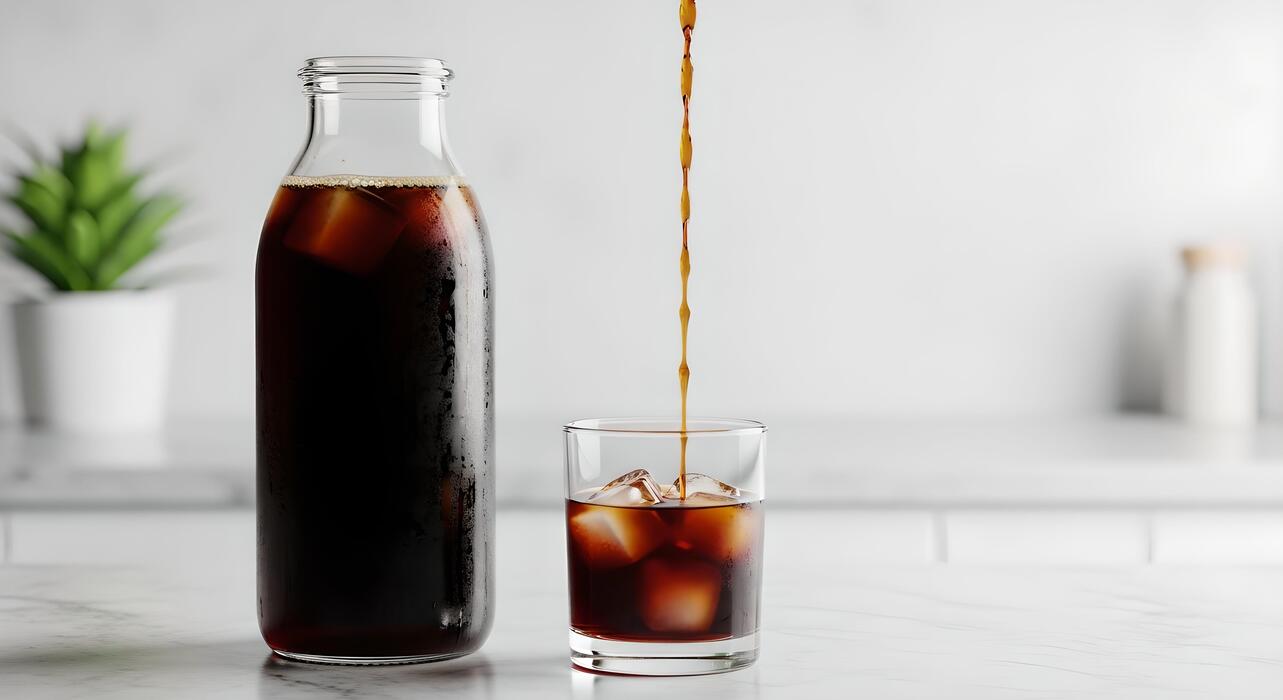
Equipment you need for a concentrated brew
To make truly strong cold brew, start with the right gear. You’ll need a large glass jar or pitcher (at least 64 oz) with a tight-fitting lid—glass is best because it won’t absorb flavors. A fine-mesh strainer or nut milk bag is essential for filtering out grounds without sediment.
For the strongest results, use a coffee grinder (burr grinder preferred) to achieve a coarse, consistent grind—too fine and you’ll get bitterness. A kitchen scale ensures precision: measure your coffee by weight, not volume, for repeatable strength.
Finally, a large spoon for stirring and a second container for storing the final concentrate will keep your brew fresh. Don’t skip a cheesecloth or paper coffee filter for ultra-smooth extraction. With these tools, you’ll control every variable for maximum caffeine and flavor concentration.
Mixing and steeping instructions for best results
For the strongest cold brew, use a 1:4 coffee-to-water ratio (e.g., 1 cup coffee grounds to 4 cups water). Grind beans coarsely—like breadcrumbs—to avoid over-extraction. Combine grounds and cold, filtered water in your jar, stirring gently to ensure all grounds are saturated. Seal the lid and shake lightly.
Place in the refrigerator or at room temperature—refrigeration slows extraction but yields cleaner flavor, while room temp speeds it up. Stir once after 6 hours to redistribute grounds. For maximum strength, steep for 18-24 hours (see next step).
After steeping, pour through a fine-mesh strainer lined with cheesecloth or a coffee filter into a clean container. Press the grounds to extract every drop. This concentrate is 2-3 times stronger than regular coffee—dilute with water or milk to taste.
How long to steep for maximum strength
Steep time directly impacts strength: 18-24 hours is the sweet spot for maximum caffeine and bold flavor without bitterness. Shorter steeps (12-14 hours) yield milder brew, while longer than 24 hours risks over-extraction, causing a harsh, metallic taste.
For the strongest result, target 20-22 hours at room temperature—this accelerates extraction compared to refrigeration. If using the fridge, extend to 24 hours for comparable potency. Test your preference: steep a batch for 18 hours, taste the concentrate, then adjust next time.
Remember, cold brew concentrate is not meant to be drunk straight—it’s designed to be diluted 1:1 with water or milk. The long steep time breaks down oils and acids gently, delivering a smooth, high-caffeine kick. Always strain immediately after steeping to halt extraction and preserve freshness.
Tips to Boost Caffeine and Flavor Even More
Double brewing method for extra potency
For an exceptionally concentrated cold brew, try the double brewing method. Start by brewing a standard batch of cold brew concentrate using a 1:4 coffee-to-water ratio.
After steeping for 12-18 hours and filtering, take that concentrate and use it as the water base for a second batch with fresh coffee grounds. This means you’ll add the same weight of new coffee to the concentrate, then let it steep for another 12-18 hours.
The result is a deeply rich, almost syrupy brew with a significantly higher caffeine content and intensified flavor. Be careful when diluting—this double-brewed concentrate is much stronger than usual, so start with a 1:1 ratio of concentrate to water or milk, then adjust to taste.
The double brew method is perfect for those who want a bold, robust coffee experience without extra volume.
Adding a pinch of salt to reduce bitterness
A simple yet effective trick to enhance your cold brew’s flavor is adding a small pinch of salt to the grounds before steeping. Salt is a natural flavor enhancer that works by suppressing bitterness while amplifying sweetness and other pleasant notes.
It doesn’t make your coffee taste salty—just smoother and more balanced. Use about 1/8 teaspoon of fine sea salt per cup of coffee grounds. This is especially helpful if you’re using a high coffee-to-water ratio for extra strength, as stronger brews can sometimes become harsh.
The salt interacts with your taste buds to reduce the perception of bitterness, making the coffee taste fuller and more mellow. For best results, sprinkle the salt evenly over the grounds before adding water, ensuring it dissolves during the steep.
This tiny adjustment can transform a strong brew into a remarkably smooth and enjoyable cup.
Using a longer steep time safely
Extending the steep time is a common way to boost strength, but it must be done carefully to avoid over-extraction and unpleasant flavors. For a safe longer steep, use coarsely ground coffee (like sea salt texture) and a cool, dark environment (refrigerator or cool pantry).
Start with a 24-hour steep instead of the typical 12-18 hours. This allows more caffeine and flavor compounds to dissolve without the bitterness that comes from hot brewing. To prevent mold or spoilage, always use clean equipment and filtered water, and never steep for more than 48 hours.
After 24 hours, taste test every 6 hours—you’ll notice a deeper, richer profile without excessive bitterness. If you want extreme potency, combine a longer steep with a higher coffee ratio (1:3), but be ready for a very concentrated result.
This method yields a smooth, powerful brew that’s perfect for mixing with milk or ice.
How to Store and Serve Your Strong Cold Brew
Best containers for keeping cold brew fresh
To maintain the potent strength of your cold brew, choose airtight glass containers like Mason jars or swing-top bottles. Glass is non-reactive and won’t absorb flavors, ensuring your concentrate stays pure. Avoid plastic, which can degrade over time and impart off-tastes.
For long-term storage, dark glass bottles protect against light degradation, preserving the bold coffee profile. If you use a pitcher, opt for one with a tight-sealing lid—exposure to air accelerates oxidation, dulling the intense flavor.
For maximum freshness, store in smaller batches (e.g., 16-32 oz bottles) so you only open what you need, reducing air contact. Never leave cold brew in a metal container, as it can create a metallic taste.
Keep your container in the coldest part of the fridge, not the door, to avoid temperature fluctuations that weaken the brew. By using proper vessels, you lock in that robust, highly caffeinated punch you worked hard to achieve.
Dilution tips: how to serve without losing strength
To serve your strong cold brew without diluting its power, start with a 1:1 ratio of concentrate to water or milk, then adjust to taste. For an undiluted kick, serve it straight over ice—the melting ice naturally waters it down slightly without losing the core strength.
If you prefer a smoother cup, add liquid first, then pour the concentrate slowly to control intensity. Use cold, filtered water or chilled milk to avoid warming the brew. For a bold iced latte, mix 2 parts concentrate with 1 part milk for a creamy yet potent result.
Avoid adding hot water, which can alter the flavor profile. Pre-dilute a small batch for convenience: combine equal parts concentrate and water in a bottle, then refrigerate. This creates a ready-to-pour option that still packs a punch.
Remember, taste as you go—since your brew is extra strong, a little dilution goes a long way. Experiment with ratios to find your perfect strength without sacrificing that intense coffee essence.
How long strong cold brew lasts in the fridge
Properly stored, your strong cold brew concentrate stays fresh for up to 7-10 days in the refrigerator. After that, it may develop sour or stale notes, even if it looks fine. Always refrigerate immediately after brewing and straining—never leave it at room temperature.
For best quality, consume within the first 5 days when the flavor is most vibrant and the caffeine potency is highest. If you notice cloudiness or sediment, that’s normal and doesn’t affect strength, but off-odors or mold mean it’s time to discard.
To extend shelf life, freeze concentrate in ice cube trays for up to 3 months; pop a cube into hot water for a quick strong coffee. Label your container with the brew date to track freshness.
Remember, diluted cold brew (with water or milk) lasts only 2-3 days, so only dilute what you’ll drink immediately. By following these guidelines, you ensure every cup remains as robust and energizing as day one.
Frequently Asked Questions
What coffee-to-water ratio makes the strongest cold brew?
For maximum strength, use a 1:4 ratio (1 part coffee to 4 parts water by weight). This yields a concentrated brew that can be diluted with water or milk to your preference, but is already potent on its own.
Should I use coarse or fine grind for strong cold brew?
Use a coarse grind, similar to breadcrumbs. Fine grinds over-extract during the long steep, causing bitterness and sediment, while coarse grinds allow a clean, strong extraction without harshness.
How long should I steep cold brew for the strongest flavor?
Steep for 18–24 hours at room temperature or in the refrigerator. Longer than 24 hours can lead to over-extraction and bitterness, but 20–22 hours is a sweet spot for intense, smooth strength.
Does using hot water initially make cold brew stronger?
Yes, a ‘hot bloom’ technique (pouring a small amount of hot water over the grounds first, then adding cold water) can boost extraction for a stronger brew without adding bitterness, as it releases more flavor compounds early.
Can I double the coffee grounds for extra strength without ruining the taste?
Yes, doubling the grounds (e.g., 2 cups coffee to 4 cups water) creates a very strong concentrate. Just ensure you filter thoroughly and dilute to taste, as the undiluted brew may be too intense for some.
What’s the best way to filter for a strong, clean cold brew?
Use a fine-mesh strainer lined with a paper coffee filter or a nut milk bag. This removes all fine particles, preventing sludge and ensuring a clear, strong concentrate that doesn’t become gritty.
Does steeping in the fridge or at room temperature affect strength?
Room temperature steeping extracts slightly more caffeine and flavor compounds in the same time, making it marginally stronger. Refrigerated steeping requires 24+ hours for similar strength but yields a cleaner taste.
How do I make cold brew even stronger without changing the ratio?
Agitate the grounds by stirring once or twice during the steep (e.g., at 6 and 12 hours). This increases extraction surface contact, boosting strength and caffeine content without altering the coffee-to-water ratio.
Conclusion
Mastering strong cold brew comes down to a coarse grind, a 1:4 coffee-to-water ratio, and a 24-hour steep in the fridge. The result is a smooth, highly concentrated base that shines over ice or with milk. Don’t be afraid to adjust the steeping time to your taste. Experiment, find your perfect strength, and enjoy a superior, low-acid coffee experience every time.