
How To Make Proper Iced Coffee
Tired of your homemade brew tasting like watery, bitter disappointment? You are not alone. Learning how to make proper iced coffee is the ultimate game-changer for your morning routine. Whether you prefer the bold richness of cold brew or the instant gratification of the flash-chill method, we have you covered. This guide skips the fluff and delivers the exact ratios and techniques you need for a cafe-quality drink.
The Difference Between Iced Coffee and Cold Brew
How traditional iced coffee is brewed
To make proper iced coffee at home, you should utilize the flash-brew method for the best results. This technique involves brewing your coffee with hot water at double strength directly over a vessel filled with ice.
By using a higher ratio of coffee grounds to water, you ensure that the melting ice dilutes the beverage to the perfect drinking consistency without making it taste watery. The hot water is essential because it extracts the bright acids and aromatic oils that define a coffee’s unique flavor profile.
Once the hot liquid hits the ice, it flash-chills, locking in those delicate floral and fruity notes that are often lost in slower cooling processes.
To achieve a professional finish, use a pour-over dripper or a standard drip machine, but remember to replace half of your brewing water with ice cubes by weight. This creates a refreshing, crisp, and vibrant drink that is ready to enjoy immediately with your favorite milk or sweeteners.
Why cold brew tastes different
Cold brew is fundamentally different from iced coffee because it relies entirely on time rather than heat to extract flavor from the beans. To make this concentrate, you must steep coarsely ground coffee in room temperature or cold water for a period of twelve to twenty-four hours.
Because the water never reaches a high temperature, the chemical reactions that release bitter tannins and acidic compounds are significantly minimized. The result is a beverage that is naturally sweet, incredibly smooth, and low in acidity, making it much gentler on the stomach than traditional brews.
This slow extraction process emphasizes deep, chocolatey, and nutty undertones while providing a much higher caffeine concentration per ounce. Once the steeping is complete, you filter out the grounds to leave behind a thick concentrate.
You can store this in your refrigerator for up to two weeks, simply diluting it with water or milk whenever you need a quick, reliable caffeine fix that lacks any harsh or bitter aftertaste.
Choosing the right method for your palate
Deciding between these two popular methods depends on your specific flavor preferences and how much time you have available. If you enjoy a bright, complex cup with distinct acidity, the flash-brewed iced coffee method is your best choice as it preserves the nuanced characteristics of single-origin beans.
This method is ideal for those who want a quick refreshment without planning a full day in advance. Conversely, if you prefer a heavy body and a mellow finish, cold brew will satisfy your palate by providing a rich, syrup-like texture that pairs beautifully with cream.
Cold brew is also the superior option for large-batch meal prepping, as it stays fresh in the fridge far longer than chilled hot coffee. Consider your equipment as well; iced coffee requires a standard brewer, whereas cold brew can be made in a simple mason jar.
Ultimately, mastering both techniques allows you to tailor your caffeine experience to match your mood, the weather, or the specific roast profile of your coffee beans.
Essential Ingredients for Professional Results
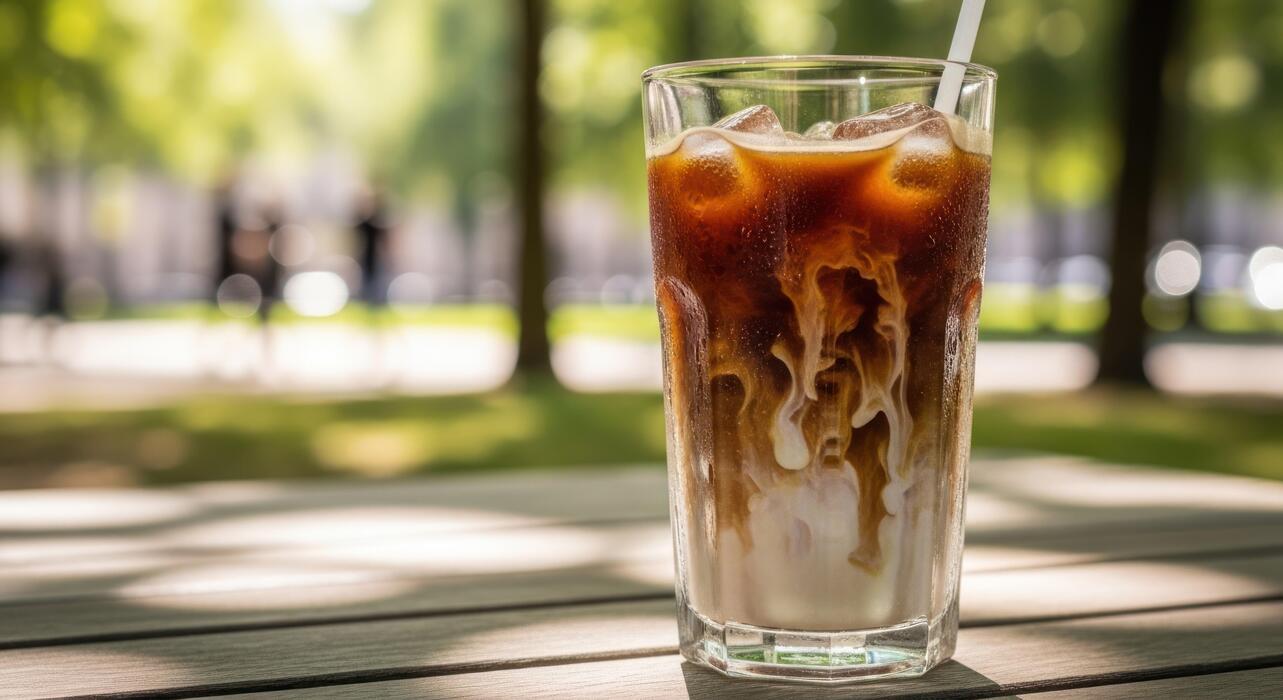
Best coffee beans for cold drinks
To achieve a professional flavor profile, selecting the right origin and roast level is your first priority. For iced coffee, medium to dark roasts are generally superior because they possess the structural integrity to withstand dilution as the ice melts.
Look for beans with flavor notes of chocolate, caramel, or toasted nuts, as these rich profiles remain distinct and bold even when chilled or mixed with dairy. Single-origin beans from regions like Brazil or Sumatra are excellent choices due to their naturally low acidity and heavy body.
Avoid extremely light roasts, which can taste sour or thin when served cold. Furthermore, ensuring your beans are freshly ground just before brewing is vital for capturing the volatile oils that provide that signature coffee aroma.
Using a burr grinder to achieve a consistent medium-coarse grind will allow for optimal extraction, ensuring your home-brewed iced coffee rivals the complex depth found in high-end specialty cafes.
The role of water quality and temperature
Water makes up over 98% of your final beverage, so its quality is a non-negotiable factor for professional results. Always use filtered or bottled spring water to avoid chlorine or mineral imbalances that can lead to a metallic or flat aftertaste.
The chemistry of your water directly impacts how flavors are pulled from the grounds during the initial hot phase of brewing. If you are using the flash-chilled method, the optimal brewing temperature is between 195°F and 205°F.
Water that is too hot will extract bitter tannins, while water that is too cool will fail to dissolve the essential sugars and oils, resulting in a weak, watery drink.
By maintaining a precise temperature, you ensure that the coffee concentrate is potent enough to maintain its character once it hits the ice. Consistency in your water-to-coffee ratio is also key; aim for a higher concentration of coffee than usual to compensate for the inevitable melting process.
Why ice cube size and shape matter
The physics of cooling determines the texture and longevity of your drink, making ice selection a critical final step. Professional baristas often prefer large, dense ice cubes or spheres because they have a lower surface-area-to-volume ratio compared to crushed ice.
This specific geometry means the ice melts much slower, chilling the coffee effectively without immediately watering down the flavor profile. If you use small or hollow cubes, they will disintegrate rapidly, turning your premium brew into a translucent, flavorless liquid within minutes.
For a truly elevated experience, consider making coffee ice cubes by freezing leftover brew in trays; this ensures that as the ice melts, it actually adds more coffee to your glass rather than diluting it.
Additionally, using clear ice made from boiled water can prevent trapped air bubbles from affecting the taste. Investing in high-quality silicone molds for larger cubes will provide the thermal mass necessary to keep your iced coffee crisp and refreshing until the very last sip.
How to Make Iced Coffee Using the Flash Chill Method

Step-by-step pour over instructions
To execute the flash chill method perfectly, begin by placing a pour-over dripper directly over a carafe pre-filled with fresh ice. Start by saturating your medium-fine coffee grounds with a small amount of hot water, allowing them to bloom for thirty seconds to release trapped gases.
Slowly pour the remaining hot water in steady, concentric circles, ensuring all grounds are evenly saturated. As the hot coffee drips, it makes immediate contact with the ice, which instantly lowers the temperature and halts the chemical breakdown that typically leads to bitterness.
This rapid transition from hot to cold preserves the delicate aromatic compounds that are often lost in traditional brewing methods. Once the filtration process is complete, give the carafe a gentle swirl to ensure the temperature is uniform throughout the vessel.
Pour the finished concentrate into a fresh glass filled with clean ice to maintain its crisp and refreshing profile until the very last sip is enjoyed.
Calculating the coffee-to-ice ratio
The secret to a successful flash brew lies in adjusting your standard brewing ratio to account for the dilution caused by melting ice. A reliable rule of thumb is to replace approximately one-third to one-half of your total brewing water with ice cubes placed directly in the carafe.
For example, if your recipe calls for 500 grams of water total, you should use 330 grams of hot water for brewing and 170 grams of ice for the chilling phase. This ensures the final beverage remains bold and full-bodied rather than watery.
Using a digital scale is essential for precision, as it allows you to track the exact weight of both the ice and the hot water poured.
By concentrating the initial brew with less hot water, you create a powerful extraction that is perfectly balanced by the melting ice, resulting in a vibrant iced coffee that mimics the strength of a standard hot cup while offering a much cooler experience.
How to lock in bright flavor notes
Flash chilling is widely considered the superior method for highlighting the intrinsic characteristics of high-quality beans, particularly those with fruity or floral profiles.
Unlike cold brew, which relies on long immersion and often results in a muddled, chocolatey taste, the flash chill method captures the bright acidity and complex nuances found in light to medium roasts.
The immediate cooling process effectively ‘locks in’ the volatile oils and aromatic esters that provide those sought-after notes of citrus, berry, or jasmine. To maximize these flavors, always use freshly roasted specialty beans and grind them immediately before brewing.
The rapid temperature drop prevents the oxidation that typically occurs when hot coffee sits and cools slowly at room temperature, which can lead to a stale or sour aftertaste.
By prioritizing speed and thermal control, you ensure a clean and sparkling finish that showcases the true terroir of the coffee, providing a sophisticated tasting experience that is refreshing and deeply satisfying for any true coffee enthusiast.
Best Ways to Prevent Watered-Down Coffee
How to make coffee ice cubes
One of the most effective strategies to maintain the integrity of your beverage is to replace standard water-based ice with coffee ice cubes. To begin, brew a fresh pot of your favorite blend and allow it to reach room temperature before pouring the liquid into a clean silicone ice tray.
For an enhanced flavor profile, consider adding a touch of vanilla extract or simple syrup to the liquid before freezing. Once frozen solid, these cubes act as a cooling agent that actually strengthens your drink as they melt, rather than diluting it with excess water.
This method ensures that the final sip is just as robust and flavorful as the first. Using high-quality beans for your cubes is essential, as the concentrated flavors will become more prominent as the ice dissolves into your glass.
By preparing these cubes in advance, you create a convenient solution for perfectly chilled iced coffee that never loses its caffeine kick or rich, aromatic complexity during the warmer months.
Brewing a double-strength concentrate
The secret to a professional-grade beverage lies in brewing a double-strength concentrate to compensate for the inevitable melting of ice. When preparing your coffee, simply use the same amount of grounds you normally would but cut the amount of brewing water exactly in half.
This creates a potent extraction that is designed to be diluted by ice cubes without becoming thin or watery. If you are using a drip machine or a pour-over method, this concentrated base provides a robust flavor profile that stands up against milk, creamers, and sweeteners.
By starting with a much higher ratio of coffee to water, you ensure that the melting ice serves as a functional ingredient that brings the drink to its ideal drinking strength. This proactive approach prevents the common frustration of a flavorless, translucent beverage.
It is vital to use freshly ground beans when brewing such a concentrated batch to capture the full spectrum of oils and flavors that define a truly premium iced coffee experience.
Using a hyperchiller for instant cooling
If you want to avoid the dilution caused by traditional cooling methods, using a hyperchiller for instant cooling is a game-changing solution for coffee enthusiasts.
This specialized device utilizes a multi-chamber design filled with ice and water to drop the temperature of hot liquids by up to 130 degrees in under one minute.
By pouring your fresh, hot coffee directly into the stainless steel canister, you can chill the liquid rapidly without it ever coming into direct contact with ice.
This flash-chilling process preserves the delicate aromatic compounds and bright acidity that can sometimes be lost during the slow cooling of traditional cold brew methods.
Once the coffee is ice-cold, you can pour it over fresh ice cubes with the confidence that the drink will remain concentrated and flavorful for much longer. This tool is particularly useful for those who prefer the taste of hot-brewed coffee but want the refreshing temperature of an iced beverage.
It represents the ultimate efficiency in modern home brewing technology today.
Simple Syrups and Sweetening Techniques

How to make basic simple syrup at home
To elevate your iced coffee experience, mastering a basic simple syrup is essential because it integrates seamlessly into cold beverages. Start by combining equal parts granulated sugar and filtered water in a small saucepan over medium heat.
Stir the mixture constantly until the liquid becomes completely clear, which indicates that the sugar crystals have fully dissolved. It is vital to avoid bringing the mixture to a rolling boil, as excessive evaporation can alter the ratio and lead to crystallization later on.
Once the sugar is dissolved, remove the pan from the heat and allow it to cool to room temperature before transferring it to a glass bottle or jar. You can store this syrup in the refrigerator for up to four weeks.
For a unique twist, consider adding vanilla bean or cinnamon sticks during the cooling process to infuse deep flavors. This homemade solution ensures your coffee remains smooth and consistently sweetened from the first refreshing sip to the very last drop.
Why granulated sugar doesn’t dissolve in cold liquid
One of the most common mistakes when making iced coffee is stirring dry granulated sugar directly into a cold brew or chilled espresso.
From a scientific perspective, solubility is highly temperature-dependent, meaning that cold water molecules move slower and have less kinetic energy to break down the molecular bonds of sugar crystals.
When you drop sugar into an icy drink, it simply sinks to the bottom, creating a gritty texture while leaving the actual coffee bitter and unsweetened. This physical limitation occurs because the sugar requires thermal energy to overcome its crystalline structure and integrate into the liquid phase.
Using a pre-dissolved syrup is the only effective way to ensure even distribution of sweetness throughout the entire glass. By bypassing the physical struggle of dissolving solids in cold liquids, you achieve a professional-grade mouthfeel.
Understanding this chemical property is key to avoiding the unpleasant experience of sucking up undissolved granules through a straw, which ruins the balance of a perfectly crafted beverage.
Natural sweeteners that work best
If you prefer to avoid refined white sugar, several natural alternatives perform exceptionally well in iced coffee applications. Maple syrup and agave nectar are top choices because they are already in liquid form, allowing them to blend instantly into cold coffee without the need for heat.
Maple syrup provides a rich, earthy depth that complements dark roasts, while agave offers a neutral sweetness and a lower glycemic index. Another excellent option is honey simple syrup, which you can create by mixing two parts honey with one part hot water to thin its consistency.
This prevents the honey from seizing up and becoming waxy when it hits the ice. For those seeking zero-calorie options, liquid stevia or monk fruit drops are highly effective because they disperse evenly without leaving a powdery residue.
Each of these natural sweeteners brings a distinct profile to your drink, allowing for customized flavor enhancement that aligns with your dietary preferences while maintaining the integrity of the coffee’s natural notes.
Milk and Dairy-Free Alternatives
Best plant-based milks for iced drinks
Selecting the right dairy-free alternative is essential for a balanced iced coffee. Oat milk is widely considered the gold standard because its natural sweetness and high carbohydrate content mimic the mouthfeel of full-fat dairy. It holds up exceptionally well against the acidity of cold brew or espresso without curdling.
For those seeking a nutty profile, almond milk offers a lighter, refreshing finish, though it is thinner and may require a bit more stirring to stay integrated.
If you prefer a tropical twist, coconut milk provides a distinct richness that pairs beautifully with dark roasts, though its flavor is more dominant. Soy milk remains a reliable choice for its high protein content, which ensures a stable emulsion when poured over ice.
When shopping, always look for barista editions specifically formulated to resist separation in cold temperatures. These versions often contain stabilizers that keep your drink looking professional and tasting smooth until the very last sip.
How to achieve a creamy texture
To replicate the luxurious mouthfeel of a coffee shop latte at home, you must focus on aeration and fat content. The most effective method is using a handheld milk frother on cold alternative milk before adding it to your glass.
Since plant milks lack the same protein structure as dairy, frothing while cold creates micro-foam that sits atop the ice rather than dissipating instantly.
Another professional secret is to mix a small amount of cashew cream or a dash of coconut cream into your chosen milk to boost the lipid profile, which prevents the coffee from tasting watery as the ice melts.
If you find your dairy-free milk separating, try whisking it vigorously with a teaspoon of maple syrup; the sugar helps stabilize the liquid.
For the ultimate velvet texture, consider making coffee ice cubes to ensure that as the drink chills, the concentration of fats and solids remains high, providing a consistently creamy experience from start to finish.
Tips for layering milk and coffee
Creating a visually stunning, layered iced coffee requires a basic understanding of liquid density and careful pouring techniques. To achieve that iconic gradient effect, start by filling your glass to the brim with large, solid ice cubes, which act as a physical buffer for the liquid.
Pour your dairy-free milk and any sweeteners over the ice first, filling the glass about three-quarters of the way. This creates a heavy base layer. Next, take your concentrated coffee or espresso and pour it slowly over the back of a spoon held just above the milk’s surface.
This technique, known as floating, dissipates the force of the liquid, allowing the darker coffee to sit elegantly on top of the white milk. To maintain the layers, avoid stirring until you are ready to drink.
Using a chilled glass also helps maintain the temperature differential between the layers, ensuring that the cold milk stays dense at the bottom while the warm espresso slowly marbles downward in a beautiful, photographic display.
Common Mistakes to Avoid When Brewing
Using the wrong grind size
One of the most frequent errors when preparing iced coffee is selecting a grind size that does not match your specific brewing method. If you are using the cold brew method, utilizing a fine grind will result in an over-extracted, muddy, and excessively bitter concentrate that is difficult to filter.
Conversely, using a coarse grind for a flash-chilled pour-over will lead to under-extraction, leaving your beverage tasting sour and watery. To ensure a professional result, always match your grind to the contact time of your water and beans.
For cold brew, stick to a consistent coarse grind resembling sea salt to allow for a slow, clean extraction over twelve to twenty-four hours. For iced drip methods, a medium-fine setting is ideal to ensure the hot water extracts enough flavor before hitting the ice.
Mastering this variable prevents the common pitfall of a flat or harsh flavor profile, ensuring your homemade iced coffee maintains a balanced and vibrant complexity every time.
Pouring hot coffee directly over thin ice
A critical mistake that ruins many iced coffee attempts is pouring hot liquid over a small amount of thin or low-quality ice. When hot coffee hits standard freezer tray cubes, the ice melts almost instantly, leading to excessive dilution that strips the coffee of its body and caffeine punch.
This results in a lukewarm, translucent liquid rather than a refreshing beverage. To avoid this, you should utilize the Japanese flash-chilling technique, which involves brewing at a higher concentration directly onto a specific weight of large, dense ice blocks.
By using larger ice spheres or cubes, you reduce the surface area exposed to heat, which slows down the melting process significantly. This method locks in the volatile aromatics and delicate flavor notes that are often lost during slow cooling.
Always compensate for the eventual melt by reducing your brewing water volume by approximately one-third, ensuring that the final melted state reaches the perfect strength and a crisp, chilled temperature.
Neglecting to clean your equipment
Many home baristas overlook the impact of hygiene on the final taste of their chilled beverages. Over time, coffee oils and mineral deposits accumulate on carafes, filter baskets, and cold brew jars, eventually becoming rancid and imparting a stale, metallic aftertaste to your fresh brew.
This is particularly noticeable in iced coffee, where the cold temperature can sometimes highlight off-flavors that are masked by heat. To maintain a high standard of quality, you must thoroughly deep-clean all components after every single use.
Use a specialized oxygen-based cleaner or a simple mixture of vinegar and water to neutralize lingering organic residues and scale buildup. Pay close attention to rubber gaskets and mesh filters where mold can easily develop in moist environments.
By ensuring your equipment is pristine and odor-free, you allow the true characteristics of your specialty beans to shine through. Consistent maintenance is the secret to achieving that bright, clean finish that distinguishes professional cafe-quality iced coffee from a lackluster and disappointing home-brewed version.
Frequently Asked Questions
What is the best coffee-to-water ratio for iced coffee?
To prevent dilution from melting ice, use a 1:8 or 1:10 ratio of coffee to water, which is double the strength of a standard hot brew. This ensures the flavor remains bold and rich even after ice is added to the glass.
How do I prevent my iced coffee from tasting watery?
The most effective method is to brew your coffee at double strength or use coffee ice cubes made from leftover brew. Alternatively, flash-chilling hot coffee directly over ice helps lock in aromatics while maintaining a balanced flavor profile.
Should I use cold brew or chilled drip coffee?
Cold brew is best if you prefer a smooth, low-acid, and naturally sweet profile, while chilled drip coffee offers a brighter, more acidic, and complex flavor. Both are proper methods, but cold brew requires 12-24 hours of steeping while drip coffee can be made instantly.
What is the best way to sweeten iced coffee?
Granulated sugar does not dissolve well in cold liquids, so it is best to use simple syrup or agave nectar. If you prefer natural sweeteners, stir honey or sugar into the coffee while it is still hot before pouring it over ice.
What kind of roast works best for iced coffee?
Medium to dark roasts are generally preferred because they have bold, chocolatey, and nutty notes that stand up well to milk and ice. Light roasts can work if you enjoy floral and tea-like qualities, but they may taste thin if not brewed at a high concentration.
How long can I store brewed coffee in the fridge for icing?
You can store brewed coffee in an airtight container in the refrigerator for up to 3-5 days. For the freshest taste, try to consume it within 24 hours to avoid the development of bitter or stale flavors caused by oxidation.
Conclusion
Mastering the art of proper iced coffee transforms your morning routine into a cafe-quality experience. By focusing on high-quality beans, the right brewing method, and clever tricks like coffee ice cubes, you can avoid watery drinks and enjoy a rich, bold flavor. Whether you prefer the smoothness of cold brew or the quickness of a flash-chill, these techniques ensure success. Now, grab your favorite glass and start experimenting with your perfect summer brew today.