How To Make Flavored Iced Coffee
Stop settling for bland brews and discover how to make flavored iced coffee that rivals your favorite cafe. Whether you crave a silky vanilla latte or a bold mocha kick, creating the perfect chilled drink at home is easier than you think. In this guide, we will show you exactly how to infuse your coffee with delicious syrups, spices, and extracts for a refreshing treat. You are just minutes away from mastering the ultimate customized cup right in your kitchen.
Best Coffee Brewing Methods for Iced Drinks
How to Make Cold Brew Concentrate
To master flavored iced coffee, start by creating a robust cold brew concentrate that serves as a versatile base. Combine one cup of coarsely ground beans with four cups of filtered water in a large jar.
Let this mixture steep at room temperature for at least twelve to eighteen hours to extract a smooth, low-acid profile. Once finished, use a fine-mesh sieve or paper filter to remove the grounds.
To infuse flavor, stir in vanilla bean paste, cinnamon sticks, or simple syrups while the concentrate is still fresh. This method is ideal because the slow extraction process prevents the bitterness often found in hot-brewed coffee, allowing your added flavors to shine through without competition.
Store your concentrate in the refrigerator for up to two weeks, and when you are ready to serve, simply dilute it with cold water or milk over a glass full of ice for a refreshing, customized beverage that maintains its strength even as the ice melts.
Using a French Press for Iced Coffee
The French Press is an exceptional tool for making flavored iced coffee because its metal mesh filter retains natural oils that enhance the overall mouthfeel. Begin by adding coarse coffee grounds and a pinch of ground nutmeg or cardamom directly into the carafe to spice the brew from the start.
Pour in room temperature water and let it sit for about fourteen hours. When you are ready, press the plunger down slowly to separate the grounds.
For a sweetened version, add a splash of caramel or hazelnut syrup to the bottom of your glass before pouring the coffee over large ice cubes. The immersion technique used in a French Press creates a full-bodied texture that stands up beautifully to heavy creams or dairy alternatives.
This method ensures your flavored iced coffee remains bold and aromatic, providing a gourmet cafe experience at home with minimal equipment. Always remember to clean your mesh filter thoroughly to keep your flavor profiles crisp and distinct for every batch.
The Flash Chilling Method with a Pour Over
If you want flavored iced coffee instantly, the flash chilling or Japanese method is the most effective solution. This technique involves brewing hot coffee directly onto ice to lock in bright acidity and complex aromas.
Set up your pour-over dripper with a paper filter and use half the usual amount of hot water, placing the remaining weight in fresh ice cubes within the bottom carafe. As the hot coffee hits the ice, it dilutes to the perfect strength while chilling instantly.
To integrate flavors, add flavored bitters or citrus zest to the dry grounds before brewing, or stir in a liquid sweetener like agave once the coffee has dripped through. This method is superior for highlighting the delicate notes of light-roast beans which pair excellently with floral or fruit-based syrups.
By flash chilling, you avoid the oxidation that occurs when hot coffee cools slowly, ensuring your flavored iced drink tastes vibrant, clean, and professional every single time you brew a fresh cup.
How to Make Homemade Flavored Syrups

Simple Syrup Base Recipe
To master how to make flavored iced coffee, you must first create a reliable simple syrup base. This foundational liquid ensures your sweetener dissolves instantly in cold liquids, preventing that unpleasant gritty texture at the bottom of your glass.
Start by combining equal parts granulated sugar and filtered water in a small saucepan over medium heat. Stir the mixture gently until the sugar crystals have completely dissolved and the liquid appears crystal clear.
It is crucial to avoid boiling the mixture for too long, as excessive evaporation can lead to a thick, crystallized mess once it cools down. Once clear, remove the pan from the heat and let it reach room temperature before transferring it to a sealed glass jar.
This neutral base is the perfect canvas for any flavor profile you desire. By keeping a batch of this homemade liquid sweetener in your refrigerator, you can customize the sweetness levels of your morning caffeine fix with professional precision and total ease.
Making Vanilla and Caramel Infusions
Elevate your daily routine by transforming your base into classic coffeehouse flavors like vanilla and caramel. For a rich vanilla syrup, add two teaspoons of pure vanilla extract or a sliced vanilla bean to your warm simple syrup.
If you prefer a deep caramel profile, you must caramelize the sugar first by heating it alone until it turns a deep amber hue before carefully whisking in warm water. These infusions provide a robust flavor profile that perfectly complements the bitterness of cold brew or espresso.
Always use high-quality extracts or whole spices to ensure the taste remains authentic rather than synthetic. Once your infusion is complete, allow the flavors to marry for at least an hour before straining.
Store these flavored syrups in the fridge for up to two weeks to ensure you always have gourmet coffee additions ready for your iced beverages. This method allows you to control the intensity of the flavor without adding the artificial preservatives found in many store-bought alternatives.
Fruit-Based Syrups for Summer Drinks
For a refreshing twist on traditional caffeinated beverages, try incorporating fruit-based syrups into your iced coffee repertoire. Berries like raspberries or blackberries add a sophisticated tartness that pairs exceptionally well with light-roast coffee beans.
To create these, simmer one cup of fresh or frozen fruit with your sugar and water mixture for about ten minutes until the fruit breaks down and releases its natural juices.
Use a fine-mesh strainer to remove the pulp and seeds, resulting in a vibrant, colorful syrup that looks beautiful layered in a glass. These fruity additions are perfect for bright summer drinks and offer a unique complexity that standard sweeteners lack.
Ensure you store these fruit infusions in the coldest part of your refrigerator and consume them within one week for maximum freshness and flavor.
Experimenting with seasonal produce allows you to craft signature iced coffee recipes that will impress guests and provide a refreshing break from the heat, making your home kitchen feel like a high-end artisanal cafe.
Natural Ways to Flavor Iced Coffee Without Sugar

Adding Spices to Your Coffee Grounds
One of the most effective ways to infuse deep flavor into your iced coffee without adding any calories is to mix dry spices directly with your coffee grounds before brewing.
This technique, often called ‘pot-spicing,’ allows the hot water to extract the aromatic oils from the spices, resulting in a cohesive and fragrant profile.
For a classic autumn vibe, try adding a teaspoon of ground cinnamon or nutmeg to your filter; the cinnamon provides a natural perceived sweetness that tricks the palate into needing less sugar.
If you prefer something more exotic, ground cardamom or a pinch of ginger can add a sophisticated, spicy kick that pairs beautifully with cold milk. To ensure the best results, use high-quality, fresh spices and ensure they are finely ground so they don’t clog your brewer.
This method ensures that the flavor is embedded within the coffee itself rather than just floating on top, making your iced beverage consistently delicious from the first sip to the very last drop.
Using Pure Extracts and Essential Oils
For a concentrated burst of flavor without the syrupy texture of traditional coffee additives, look toward pure liquid extracts like vanilla, almond, or peppermint. Unlike coffee syrups, these extracts are highly potent and sugar-free, meaning you only need a few drops to transform your drink.
Vanilla extract is a universal favorite that adds a creamy aroma, while almond extract provides a nutty, cherry-like finish that is exceptionally refreshing when served over ice.
When using these, it is vital to stir them into the coffee while it is still warm or mix them thoroughly into your milk to ensure even distribution.
If you are feeling adventurous, food-grade essential oils like orange or lemon can provide a bright, citrusy note that cuts through the bitterness of a dark roast. Always start with a very small amount, such as a single drop, as these flavors are incredibly intense.
This approach allows you to customize your drink’s intensity precisely while keeping the nutritional profile clean and completely free of processed sweeteners or artificial colors.
Mixing in Unsweetened Cocoa or Nut Butters
If you crave a richer, more indulgent texture in your iced coffee, consider whisking in unsweetened cocoa powder or natural nut butters. Pure cocoa powder provides a deep, chocolatey essence and is packed with antioxidants, offering a healthy way to create a ‘mocha’ experience without the sugar spike.
To avoid clumps, it is best to dissolve the cocoa in a small splash of hot coffee to create a smooth paste before adding the rest of your cold liquid and ice.
Alternatively, adding a spoonful of creamy almond or cashew butter adds healthy fats and a velvety mouthfeel that mimics the richness of heavy cream.
For the best consistency, use a handheld milk frother or a blender to fully emulsify the nut butter into the coffee; this prevents separation and ensures every sip is creamy.
These additions not only provide a unique flavor profile but also make your iced coffee more filling and satisfying, making it an excellent low-glycemic alternative to traditional flavored lattes found in commercial coffee shops.
Choosing the Right Milk and Creamer Options
Best Dairy-Free Milks for Iced Coffee
When learning how to make flavored iced coffee without dairy, choosing the right plant-based alternative is essential for maintaining a rich texture. Oat milk is widely considered the gold standard because its natural sweetness and high fat content allow it to blend seamlessly with flavored syrups without curdling.
If you prefer a nuttier profile, almond milk offers a lighter, lower-calorie option that pairs exceptionally well with vanilla or hazelnut flavorings, though it may separate if the coffee is too acidic.
For those seeking an ultra-creamy, tropical twist, coconut milk provides a thick consistency that stands up well to bold espresso shots. Always look for barista-grade versions of these milks, as they are specifically formulated with stabilizers that prevent separation and allow for better integration into cold liquids.
Experimenting with different brands will help you find the perfect balance of flavor and mouthfeel, ensuring your dairy-free iced coffee tastes just as indulgent as a traditional coffee shop creation.
How to Make Flavored Cold Foam at Home
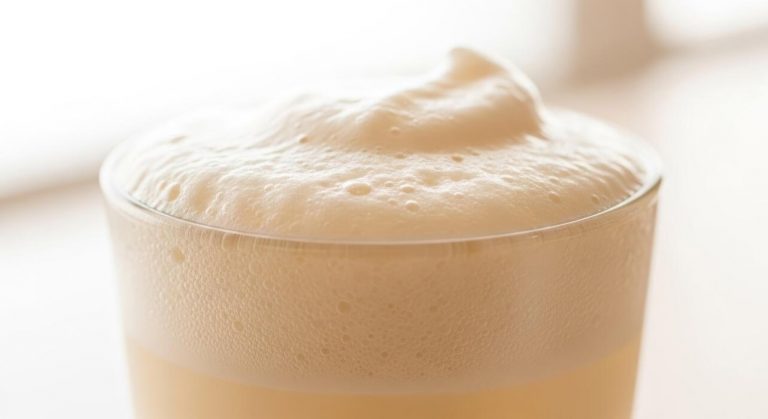
Elevating your flavored iced coffee starts with a velvety layer of cold foam, which provides a professional finish and a burst of concentrated flavor. To achieve this at home, combine skim milk or heavy cream with your choice of flavoring, such as vanilla bean paste, cinnamon syrup, or salted caramel.
Using a handheld milk frother, aerate the mixture for approximately thirty seconds until it doubles in volume and reaches a stiff, pillowy consistency. The secret to a stable foam is using cold ingredients directly from the refrigerator, as the proteins in the milk hold air bubbles more effectively when chilled.
Once the foam is prepared, gently pour it over the top of your iced coffee, allowing it to slowly cascade into the dark brew for a beautiful marbled effect.
This technique allows you to customize the sweetness level of each drink while adding a luxurious, airy texture that enhances the overall sensory experience of your homemade flavored beverage without needing expensive industrial equipment.
Using Sweetened Condensed Milk for Creamy Texture
For those who enjoy a decadent, dessert-like beverage, incorporating sweetened condensed milk is a transformative technique inspired by traditional Vietnamese iced coffee. This thick, syrupy ingredient acts as both a sweetener and a creamer, providing an unparalleled velvety mouthfeel that regular milk simply cannot replicate.
To integrate it properly, stir a tablespoon of the condensed milk into your hot coffee or espresso before pouring it over ice; this ensures the sugars dissolve completely and create a uniform flavor profile.
The rich, caramelized notes of the milk complement bold flavors like mocha, white chocolate, or pumpkin spice, creating a harmonious balance against the bitterness of the coffee beans.
Because of its high sugar content, you can often skip additional syrups entirely, making it a convenient one-step solution for achieving a professional-grade texture.
Using this method results in a heavy, satisfying drink that stays flavorful even as the ice begins to melt, preserving the integrity of your flavored iced coffee until the very last sip.
Tips for Keeping Your Iced Coffee Bold

How to Make Coffee Ice Cubes
One of the most effective ways to maintain a robust flavor profile in your flavored iced coffee is to eliminate the dilution caused by standard water ice.
To create coffee ice cubes, simply brew an extra pot of your favorite blend and let it cool to room temperature before pouring it into clean silicone trays.
For an enhanced experience, you can infuse the liquid with vanilla extract or a dash of cinnamon before freezing, which ensures that as the cubes melt, they actually add more character to your drink rather than watering it down.
This technique is essential for those who enjoy sipping their beverage slowly over an extended period. By using frozen coffee concentrate, you ensure that the final sip is just as bold and flavorful as the very first.
It is a simple preparation step that transforms a standard homemade drink into a professional-quality beverage that remains consistently delicious until the glass is completely empty.
Adjusting Coffee-to-Water Ratios
When you are learning how to make flavored iced coffee that holds up against melting ice, you must rethink your standard brewing measurements. The most reliable method is to double the coffee grounds while keeping the water volume the same, creating a potent concentrate that accounts for future dilution.
This concentrated base allows the flavor syrups and creamers to integrate seamlessly without making the coffee feel thin or weak on the palate.
If you are using a drip machine or a pour-over method, aim for a higher coffee-to-water ratio to ensure the caffeine and flavor oils are dense enough to pierce through the added ice.
Professionals often recommend using a dark roast for iced preparations because the smoky notes provide a sturdy foundation for sweet additives. Mastering this balance is the secret to achieving a bold, cafe-style texture at home, ensuring your drink never tastes like flavored water but rather like a rich, artisanal creation.
The Benefits of Chilling Your Glassware
To keep your flavored iced coffee at the perfect temperature and prevent the immediate melting of your ice, you should prioritize pre-chilling your glassware in the freezer for at least fifteen minutes.
A cold vessel acts as an insulator, maintaining the structural integrity of the ice cubes and preserving the intended flavor concentration of your brew. When hot or room-temperature coffee hits a warm glass, the thermal shock causes rapid melting, which instantly compromises the strength of your beverage.
By starting with a frosty mug, you create a stable thermal environment that allows the nuances of your chosen syrups and spices to shine through.
This step is particularly beneficial when working with layered drinks, as the cold surface helps maintain the separation between the dense coffee base and the lighter milk or foam toppers.
It is a small but impactful detail that significantly elevates the drinking experience, ensuring every sip remains crisp, refreshing, and perfectly bold from start to finish.
Popular Flavored Iced Coffee Recipes to Try
Iced Salted Caramel Macchiato
Create a cafe-quality treat by layering flavors for a perfect balance of sweet and savory. Start by drizzling salted caramel sauce around the inside of a tall glass, then fill it with plenty of ice. Pour in your choice of milk, leaving space at the top for the coffee.
Slowly add two shots of chilled espresso or concentrated cold brew over the back of a spoon to create a beautiful layered effect. The key to this recipe is the contrast between the creamy milk and the bold coffee.
For a finishing touch, add a pinch of sea salt on top to enhance the caramel notes. This method ensures every sip provides a consistent blend of rich espresso and buttery sweetness. Stir gently before drinking to integrate the flavors without losing the aesthetic appeal of the traditional macchiato structure.
Mocha Mint Iced Latte
Cool down with a refreshing twist on a classic chocolate coffee blend that tastes like a gourmet dessert. Begin by whisking together dark chocolate syrup and a few drops of peppermint extract into hot espresso until fully dissolved.
This step is crucial to ensure the chocolate doesn’t clump at the bottom of the cold drink. Pour the minty mocha base over a glass filled with ice cubes and add cold milk of your choice. To achieve a professional texture, you can froth the cold milk slightly before pouring.
The combination of cooling mint and decadent cocoa provides a sophisticated flavor profile that cuts through the bitterness of the beans. For an extra indulgence, garnish with shaved dark chocolate or a fresh mint sprig. This drink is an ideal afternoon pick-me-up that feels both luxurious and incredibly refreshing.
Honey Cinnamon Iced Americano
For those who prefer a lighter, more natural sweetness, this floral and spiced iced coffee is the perfect solution.
Dissolve a teaspoon of raw honey and a dash of ground cinnamon into hot espresso or a small amount of warm water first, as honey does not mix well in cold liquids.
Once the sweetener is fully integrated, pour the mixture over a glass packed with ice and top with chilled filtered water. The cinnamon acts as a natural flavor enhancer that complements the nutty undertones of the coffee beans. Using high-quality ice is important here to prevent over-dilution as you sip.
This recipe provides a clean, crisp finish that is far less caloric than syrup-heavy drinks. It is an excellent way to enjoy flavored iced coffee while highlighting the complex notes of a premium medium-roast bean.
Coconut Cream Iced Coffee
Transport your taste buds to the tropics with a rich and velvety beverage that uses plant-based fats for a superior mouthfeel. Combine strong cold brew coffee with a splash of full-fat coconut milk or coconut cream for maximum creaminess.
Sweeten the mixture with a touch of vanilla bean paste to round out the tropical profile. To take this recipe to the next level, try shaking the coffee, coconut milk, and sweetener in a cocktail shaker with ice.
This aerates the coffee, creating a frothy, light texture that mimics a nitro cold brew. Pour the foamy mixture into a glass and top with toasted coconut flakes for added texture and aroma. This recipe is naturally dairy-free and provides a dense, satisfying consistency that rivals any milk-based latte.
It is the ultimate solution for a rich, flavorful, and refreshing summer caffeine fix.
Common Mistakes When Making Iced Coffee
Why You Should Never Pour Hot Coffee Over Ice
The most frequent error when learning how to make flavored iced coffee is pouring freshly brewed hot liquid directly onto ice cubes. This process causes immediate melting, resulting in a watery, flavorless beverage that lacks the necessary body to carry syrups and creams.
To achieve a professional-quality result, you must brew a concentrated batch of coffee using half the usual amount of water or switch to a cold brew method entirely.
If you are in a rush, chill your coffee in the refrigerator for at least thirty minutes before assembly or use coffee-based ice cubes to maintain the integrity of the drink.
By ensuring the base is already at room temperature or lower, you prevent the dilution that ruins the profile of your favorite beans. This step is crucial because retaining the coffee’s strength allows the added flavorings to shine without being drowned out by excess water from melted ice.
How to Avoid Bitter Flavors
Bitterness often stems from over-extraction or using the wrong roast profile for cold applications. When making flavored iced coffee, many people mistakenly use a very dark roast, thinking it will stand up better to ice, but this often leads to a harsh, burnt aftertaste that clashes with sweet syrups.
Instead, opt for a medium roast with nutty or chocolatey notes that naturally complement additives like vanilla or caramel. Additionally, ensure your water temperature is between 195 and 205 degrees Fahrenheit if brewing hot, as boiling water can scorch the grounds.
Another expert tip is to add a tiny pinch of salt to your grounds before brewing; this neutralizes bitterness and enhances the perception of sweetness.
If your drink still tastes sharp, check your grind size to ensure it is coarse enough for your specific brewing method, as fine grinds often release too many tannins, resulting in an unpleasant and dry mouthfeel.
Fixing a Drink That Is Too Sweet
It is easy to overdo it with syrups when experimenting with flavored iced coffee recipes, leading to a cloying drink that masks the coffee’s natural character. If you find your creation is overly sugary, do not pour it out; instead, increase the acidity or saltiness to balance the palate.
Adding a small splash of unsweetened milk, a dash of heavy cream, or even a double shot of espresso can effectively cut through the sugar. You should also incorporate a pinch of sea salt or a squeeze of lemon juice to provide a counterpoint to the sweetness.
For future batches, always measure your syrups with a pump or spoon rather than pouring freely from the bottle to maintain consistency.
Using high-quality, concentrated extracts rather than thin grocery store syrups can also provide intense flavor without requiring massive amounts of sugar, allowing you to enjoy a sophisticated, well-balanced beverage that highlights both the bean and the chosen infusion.
Frequently Asked Questions
What is the best way to add flavor to iced coffee?
The most effective method is using flavored simple syrups, as they dissolve instantly in cold liquids. You can also mix in spices like cinnamon or nutmeg with your coffee grounds before brewing for a more subtle, infused taste.
How do I prevent my flavored iced coffee from becoming watery?
To maintain a bold flavor, use coffee ice cubes made by freezing leftover coffee in an ice tray. Alternatively, brew your coffee at double strength before pouring it over regular ice to account for the eventual dilution.
Can I use extracts like vanilla or almond to flavor my coffee?
Yes, extracts are a great sugar-free way to add aroma and flavor to iced coffee. Since they are highly concentrated, start with just 1/4 teaspoon per cup and adjust to your preference.
Should I add the flavoring before or after the ice?
It is best to add syrups or flavorings to the room-temperature or warm coffee first and stir well. Adding them after the ice can cause thicker syrups to settle at the bottom and mix unevenly.
How do I make a flavored cream or foam for iced coffee?
You can create a flavored cold foam by whisking together heavy cream, milk, and your choice of syrup until frothy. Pour this over your iced coffee for a professional, layered cafe-style beverage.
What are some natural ways to sweeten and flavor iced coffee?
Natural options include stirring in maple syrup, honey, or agave nectar, which dissolve better than granulated sugar. You can also shake the coffee with a splash of coconut milk or a drop of peppermint oil for a refreshing twist.
Conclusion
Mastering flavored iced coffee at home is both simple and rewarding. By choosing quality beans, experimenting with homemade syrups, and perfecting your ice-to-coffee ratio, you can enjoy cafe-quality beverages without the premium price tag. Don’t be afraid to get creative with spices like cinnamon or unique extracts to find your signature blend. Now that you have the essential techniques, it is time to start brewing. Grab your favorite glass and enjoy your refreshing, personalized creation today.