How To Make Good Cold Coffee
Making a refreshing, professional-quality cold coffee at home is easier than you think. Whether you are craving a smooth cold brew, a quick iced latte, or a frothy shaken espresso, we have the perfect techniques to help you avoid watery, bitter drinks. Get ready to transform your morning routine with these foolproof methods for creating the ultimate chilled caffeine fix fast.
The Best Coffee Beans for Cold Brewing
Why Dark Roast Works Best
When learning how to make good cold coffee, selecting the right roast profile is the foundational step for success. While light roasts are celebrated in pour-over methods for their delicate acidity, the long immersion process of cold brewing tends to highlight different characteristics.
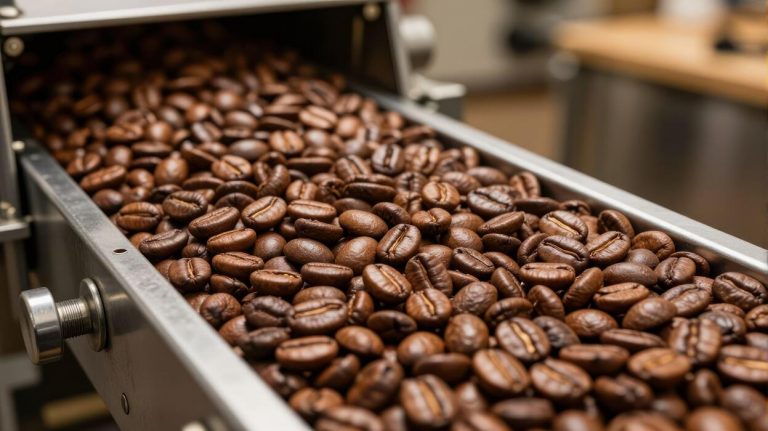
We highly recommend choosing dark roast coffee beans because they possess low acidity and deep, chocolatey notes that stand up well to ice and milk.
During the sixteen to twenty-four hour steeping period, the cold water extracts the heavy sugars and oils, resulting in a smooth, bold flavor profile without the bitter edge often found in hot coffee. Darker roasts also provide a consistent body that prevents your final beverage from tasting watery or thin.
By opting for beans with tasting notes of caramel, cocoa, or nuts, you ensure that your homemade concentrate remains flavorful and robust, providing a professional-quality experience right in your own kitchen every single morning.
The Importance of a Coarse Grind
The secret to a crystal-clear cup of cold brew lies entirely in the texture of your coffee grounds. You must use a consistent coarse grind, which should resemble the texture of sea salt or peppercorns.
If your grind is too fine, like espresso powder, the water will over-extract the beans, leading to an unpleasantly bitter and muddy concentrate that is difficult to filter.
A coarse grind allows the water to flow freely around the particles, ensuring a slow and gentle extraction that pulls out the sweetness while leaving the harsh tannins behind.
Furthermore, using a coarse setting makes the final filtration process much easier, preventing fine sediment from passing through your mesh or paper filter. For those seeking the best results, investing in a burr grinder is essential, as it produces uniform pieces that extract at the same rate.
This precision prevents a sour or uneven taste, making your cold coffee significantly more refreshing and balanced for daily enjoyment.
Freshness and Storage Tips
Even the best brewing technique cannot save stale ingredients, so prioritizing freshness is vital for high-quality cold coffee. Always start with whole bean coffee and grind them immediately before you begin the steeping process to preserve the volatile aromatic compounds.
Once coffee is ground, it begins to oxidize rapidly, losing the vibrant flavors that make cold brew so delicious. Store your whole beans in an airtight, opaque container kept in a cool, dark place to protect them from light, heat, and moisture.
Avoid the common mistake of storing beans in the freezer, as this can introduce moisture and alter the delicate cell structure of the bean. Once your cold brew concentrate is finished, store it in the refrigerator in a sealed glass carafe for up to two weeks.
However, for the most vibrant and crisp taste, we suggest consuming your batch within seven days. Following these storage protocols ensures every glass you pour maintains its optimal flavor density and aromatic integrity.
How to Make Cold Brew Coffee at Home
The Perfect Coffee-to-Water Ratio
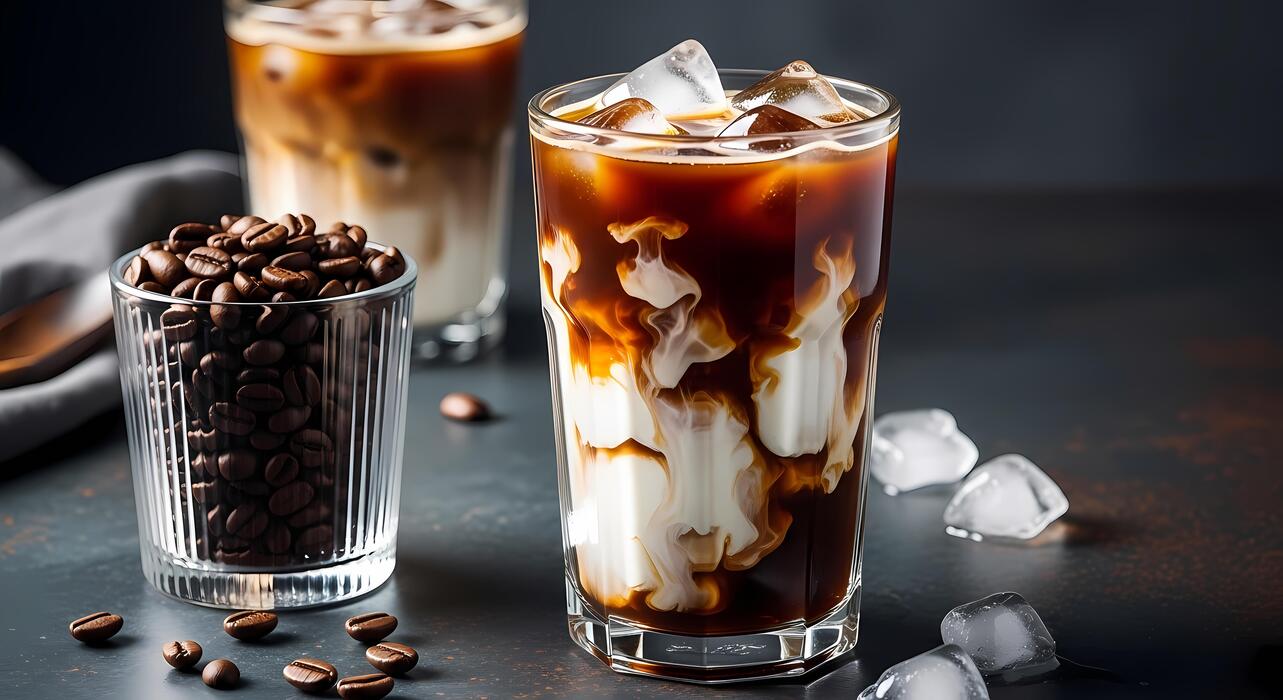
To achieve a rich and balanced flavor profile when making cold brew at home, the most critical factor is establishing a consistent coffee-to-water ratio. For a versatile concentrate that works well with milk or ice, experts generally recommend a 1:4 or 1:5 ratio by weight.
This translates to using approximately one cup of coarsely ground beans for every four cups of filtered water. If you prefer a ready-to-drink beverage that is less intense, a 1:8 ratio is often the sweet spot.
It is essential to use a coarse grind size, similar to sea salt, to prevent over-extraction and bitterness during the long soaking process. Using high-quality, filtered water ensures that no chlorine or mineral off-tastes interfere with the natural sweetness of the beans.
By weighing your ingredients with a digital scale rather than relying on volume, you ensure a predictable and delicious result every time you brew, allowing you to fine-tune the strength to your personal taste preferences effortlessly.
Step-by-Step Steeping Instructions
Once you have measured your ingredients, begin by placing the coarse grounds into a large glass jar or dedicated cold brew maker. Slowly pour your room-temperature filtered water over the grounds, ensuring they are fully saturated; you can gently stir with a long spoon to break up any dry pockets.
Cover the container tightly to prevent the coffee from absorbing any odors from your refrigerator. The ideal steeping time ranges from 12 to 18 hours at room temperature, or up to 24 hours if you prefer to keep it in the fridge.
Steeping at room temperature often yields a brighter, more floral profile, while refrigerated steeping produces a smoother, more chocolatey body. Avoid over-steeping beyond the 24-hour mark, as this can lead to unpleasant woody or bitter notes that mask the delicate flavors of the coffee.
Once the time is up, you are ready to move on to the separation phase to capture that smooth, low-acid liquid gold you have carefully cultivated.
Filtering Techniques for a Clean Cup
The final stage in mastering cold coffee is achieving a sediment-free finish through proper filtration. Start by pouring the steeped mixture through a fine-mesh sieve to remove the largest grounds. For a truly professional, crisp result, perform a second pass using a paper coffee filter or a nut milk bag.
This secondary step is vital because it captures the fine silty particles and oils that can make the coffee taste muddy or develop a sour edge over time.
If you are using a French press, simply plunge slowly, but consider pouring the result through a paper filter afterward for maximum clarity. Once filtered, your cold brew concentrate can be stored in a sealed glass carafe in the refrigerator for up to two weeks.
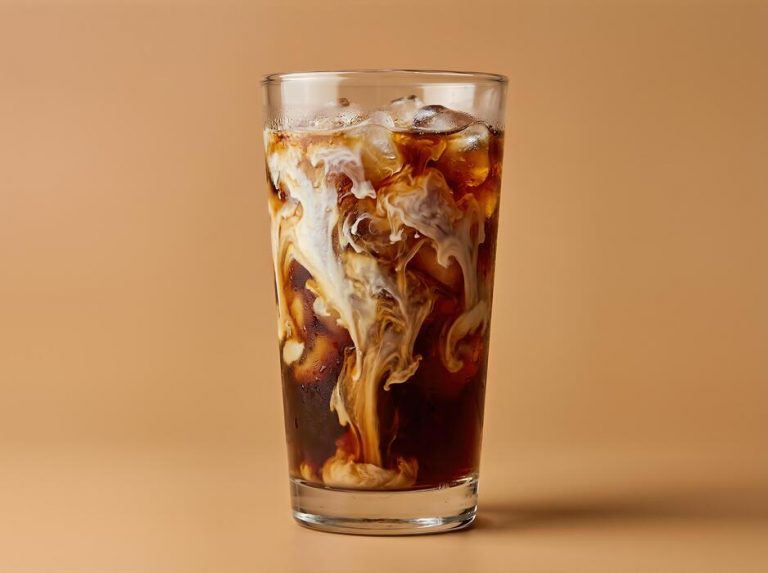
When you are ready to serve, dilute the concentrate with equal parts water, milk, or your favorite dairy alternative over a glass of fresh ice. This meticulous approach to filtering ensures a smooth, silky mouthfeel that highlights the premium quality of your homemade brew.
Fast Methods for Making Iced Coffee
The Flash Brew or Japanese Method
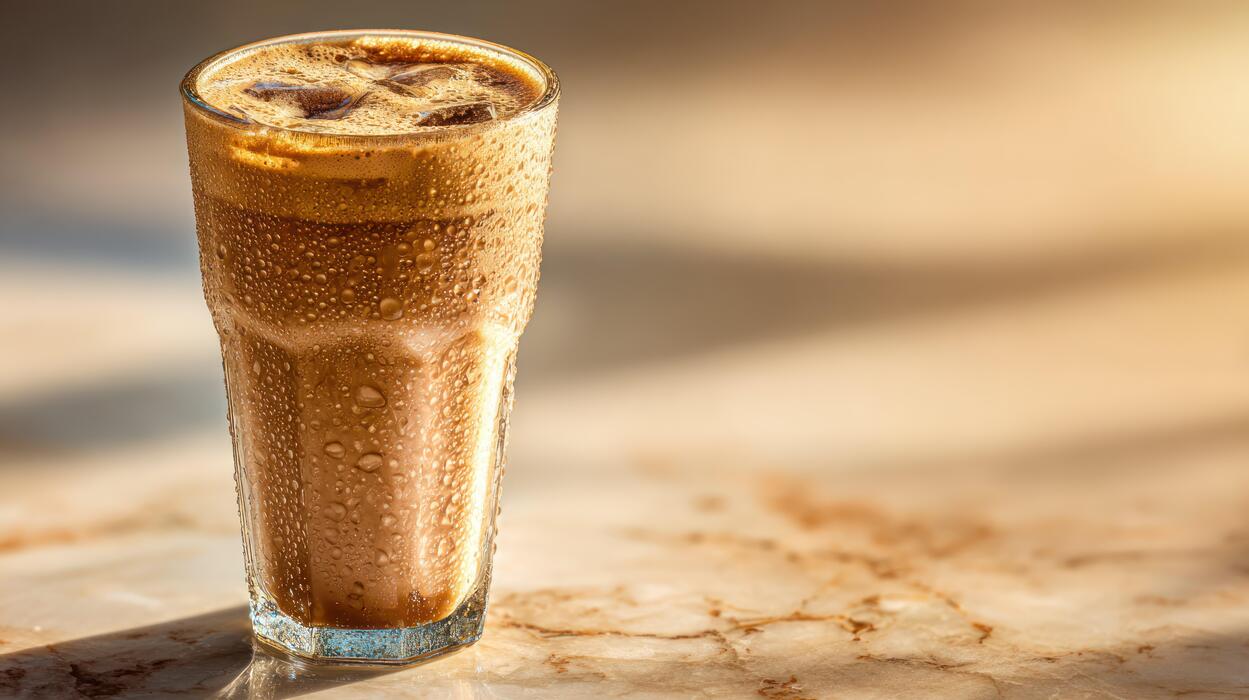
The Japanese method, also known as flash brewing, is the ultimate technique for those who want vibrant iced coffee in minutes. Unlike traditional cold brew which takes hours, this method involves brewing hot coffee directly over a vessel filled with ice.
To ensure your drink remains flavorful rather than watery, you must adjust your coffee-to-water ratio by substituting about one-third to half of your brewing water with ice cubes. Use a pour-over dripper and grind your beans slightly finer than usual to compensate for the faster extraction time.
As the hot liquid hits the ice, it instantly chills, locking in the delicate aromatics and bright acidity that are often lost in long-term cold steeping. This process results in a clean, crisp, and refreshing beverage that highlights the unique flavor profile of your beans.
It is essential to use high-quality fresh beans for this method, as the rapid temperature drop preserves the nuanced floral and fruity notes that coffee enthusiasts crave in a premium morning cup.
Using a French Press for Quick Results
If you are short on time but crave a bold and full-bodied cold coffee, the French press is a remarkably versatile tool. While it is often associated with slow steeping, you can achieve a concentrated brew quickly by using hotter water and a shorter steep time.
Simply add your coarse coffee grounds to the carafe and fill it with hot water, leaving enough room for ice later. Let it steep for exactly four minutes to extract the rich oils and bold flavors, then press the plunger down firmly.
To transform this into a cold drink, pour the hot concentrate immediately into a glass packed tightly with large, solid ice cubes. The immersion method ensures a heavy mouthfeel and robust taste that stands up well to the addition of milk or sweeteners.
For the best texture, ensure you use a consistent coarse grind to prevent sediment from making the drink muddy. This approach provides a satisfying, cafe-quality iced coffee experience in under five minutes, making it perfect for busy weekday mornings.
How to Chill Hot Coffee Without Dilution
One of the biggest challenges in making fast iced coffee is preventing the ice from melting and watering down your brew. A professional secret to maintaining intensity is to use coffee ice cubes instead of standard water-based ones.
Simply freeze leftover coffee in an ice tray ahead of time; as these cubes melt, they actually add more coffee flavor to your drink rather than diluting it. Another effective solution is to use a stainless steel cocktail shaker filled with ice.
Pour your freshly brewed hot coffee into the shaker, seal it tightly, and shake vigorously for thirty seconds. The thermal conductivity of the metal combined with the rapid movement chills the liquid almost instantly while creating a pleasant frothy texture.
Alternatively, you can place a small metal pitcher of hot coffee inside a larger bowl filled with an ice and salt slurry, which drops the temperature rapidly without any direct contact between the ice and the coffee.
These methods ensure your beverage remains strong, flavorful, and icy cold from the first sip to the last drop.
Essential Equipment for Cold Coffee Lovers
Top-Rated Cold Brew Makers
To consistently produce high-quality cold coffee at home, investing in dedicated immersion cold brew makers is the most effective strategy. These specialized vessels, such as the popular Filtron or Toddy systems, utilize a slow-extraction process that minimizes acidity and highlights the natural sweetness of your beans.
Unlike standard drip machines, a cold brew maker allows for a long steeping time, typically between 12 to 24 hours, ensuring a rich concentrate that remains fresh for up to two weeks.
Look for models featuring fine-mesh stainless steel filters or heavy-duty felt pads to prevent sediment from clouding your final beverage. A high-capacity glass carafe is also essential, as it prevents flavor leaching and allows for easy storage in the refrigerator.
By using a device specifically engineered for cold extraction, you eliminate the bitterness often found in iced coffee made with hot-brewed methods. This equipment provides a foolproof foundation for anyone serious about mastering the art of smooth, caffeinated refreshments.
Why You Need a Quality Burr Grinder
The secret to a perfect glass of cold coffee lies in the uniformity of the coffee particles, which is why a conical burr grinder is non-negotiable.
Cold brew requires a consistent coarse grind, similar in texture to sea salt or breadcrumbs, to allow water to circulate freely during the long soaking period.
If you use a blade grinder, you will end up with uneven chunks and fine dust; the dust over-extracts quickly, leading to a harsh, bitter profile, while the large pieces under-extract, leaving your coffee tasting weak and sour.
A quality burr grinder allows for precise micro-adjustments, ensuring that every bean is crushed to the exact size needed for optimal flavor balance. Furthermore, grinding your beans fresh right before the brewing process preserves the volatile aromatic oils that provide the complex notes of chocolate or fruit.
Investing in this specific tool is the single most impactful way to elevate your home brewing from mediocre to professional standards.
Best Glassware and Storage Containers
Once you have successfully brewed your concentrate, the way you store and serve it determines the longevity of the flavor profile. Airtight glass carafes or Mason jars are the superior choice for storage because glass is non-porous and will not absorb odors from your refrigerator.
Keeping your coffee in a vacuum-sealed container prevents oxidation, which is the primary culprit behind coffee turning stale or developing a metallic aftertaste. When it comes to serving, consider using heavy-bottomed glassware or double-walled tumblers that provide excellent insulation to keep your drink chilled without excessive sweating.
For the ultimate experience, use large, slow-melting ice molds to prevent dilution, ensuring your coffee maintains its strength until the very last sip. Additionally, having a dedicated long-handled stirring spoon and a precise measuring jigger helps you maintain the perfect ratio of concentrate to water or milk.
Proper storage and presentation equipment ensure that your hard work in the brewing phase is rewarded with a consistently crisp and refreshing result.
Ways to Flavor Your Cold Coffee

How to Make Simple Syrups
Creating your own sweeteners at home is the most effective way to ensure your cold coffee tastes professional and balanced. To start, combine equal parts granulated sugar and water in a small saucepan over medium heat.
Stir the mixture constantly until the sugar completely dissolves, then let it cool before transferring it to a glass jar for refrigeration.
The primary benefit of using simple syrups over granulated sugar is that they integrate instantly into cold liquids, preventing that unpleasant gritty texture at the bottom of your glass.
You can easily customize this base by adding ingredients like vanilla beans, cinnamon sticks, or brown sugar during the heating process to create complex flavor profiles. For a richer consistency, try a rich simple syrup using a two-to-one sugar-to-water ratio.
Always remember to store your homemade syrups in the fridge to maintain freshness for up to two weeks, allowing you to quickly elevate every morning brew with consistent, high-quality sweetness.
Using Natural Extracts and Spices
If you want to enhance your cold coffee without adding extra calories or sugar, turning to natural extracts and pantry spices is an excellent strategy. Incorporating a few drops of pure vanilla, almond, or peppermint extract can transform the aromatic profile of your drink instantly.
For the best results, add these extracts directly to your coffee concentrate before pouring it over ice to ensure even distribution. Additionally, you can experiment with dry spices like Ceylon cinnamon, nutmeg, or cardamom by mixing them directly into the dry coffee grounds before brewing.
This technique, often used in cold brew preparation, allows the oils from the spices to infuse deeply into the coffee, resulting in a sophisticated and subtle warmth. Another pro tip is to use a pinch of sea salt to neutralize bitterness and enhance the natural chocolatey notes of darker roasts.
These simple additions provide a gourmet experience while keeping your beverage light and refreshing throughout the entire day.
Creamer and Milk Alternatives
The choice of dairy or plant-based milk significantly impacts the mouthfeel and overall richness of your iced coffee. For a traditional creamy texture, using whole milk or half-and-half provides a velvety finish that complements strong cold brew concentrates.
However, many enthusiasts are moving toward oat milk or cashew milk because their naturally creamy consistency mimics dairy without the lactose, often adding a pleasant nutty undertone.
When selecting an alternative, look for ‘barista edition’ labels, as these are formulated to resist curdling when hitting the acidic environment of cold coffee.
You can also create a luxurious cold foam by frothing skim milk or sweetened creamer with a handheld aerator and layering it on top of your drink. For those seeking extra indulgence, adding a splash of coconut milk offers a tropical twist that pairs beautifully with lighter, fruitier coffee roasts.
Experimenting with different fat contents will help you find the perfect balance between the bold caffeine kick and a smooth, satisfying finish.
Tips for Better Texture and Presentation
How to Make Coffee Ice Cubes
One of the most common issues when making cold coffee is the gradual dilution that occurs as standard ice melts into your drink.
To maintain a robust flavor profile from the first sip to the last, you should freeze leftover brewed coffee in silicone ice trays to create specialized coffee cubes. For the best results, ensure the coffee is at room temperature before pouring it into the molds to prevent freezer burn.
You can even infuse these cubes with vanilla extract or a pinch of sugar to add a subtle layer of complexity as they dissolve. When you use these dark, caffeinated blocks instead of plain water ice, your beverage actually grows stronger and bolder over time rather than becoming watery.
This simple preparation step ensures your homemade brew retains its premium strength and rich aromatic quality, making it taste exactly like a professional pour even on the warmest summer days.
Creating the Perfect Cold Foam
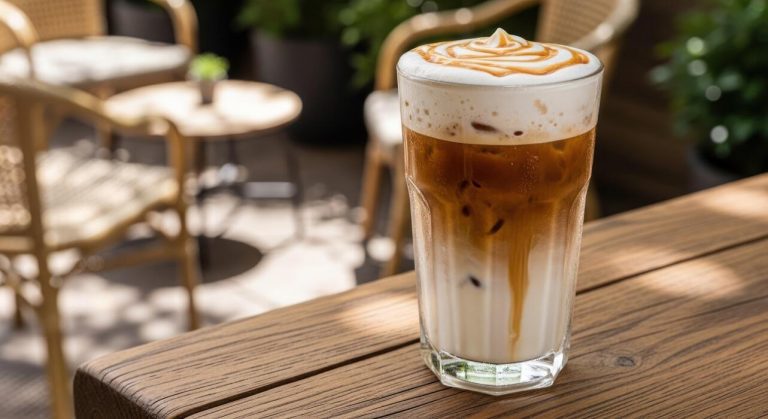
To elevate the texture of your drink, you must master the art of cold foam, which provides a velvety contrast to the sharp chill of the coffee. Start by selecting skim milk or a high-protein oat milk, as these liquids tend to hold air bubbles much better than higher-fat alternatives.
Pour about half a cup of cold milk into a glass and use a handheld milk frother at a slight angle for approximately thirty seconds until the volume doubles and the texture becomes thick and cloud-like.
For a gourmet twist, you can whisk in a splash of maple syrup or cinnamon before frothing to create a flavored topping that sits beautifully on the surface. This technique creates a luxurious mouthfeel that mimics expensive coffee shop specialties.
By focusing on the aeration process, you transform a standard iced beverage into a multi-textured sensory experience that looks as good as it tastes.
Layering Drinks for a Cafe Look
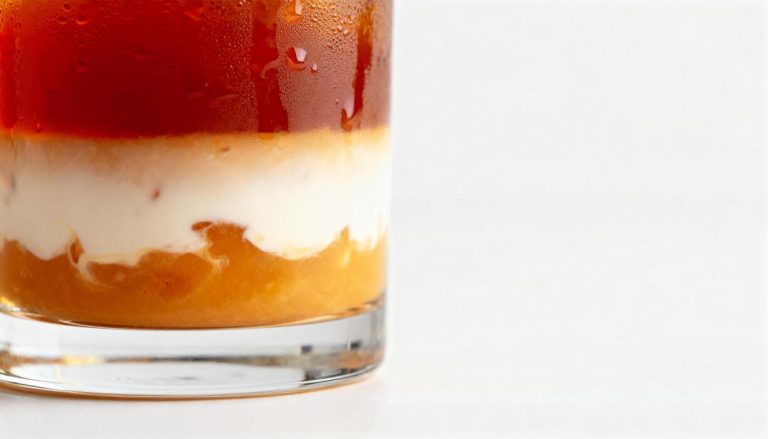
Achieving a professional visual appeal requires a basic understanding of liquid density to create distinct, beautiful layers. To get that iconic gradient effect, you should always fill your glass with plenty of ice first to act as a structural buffer for the liquids.
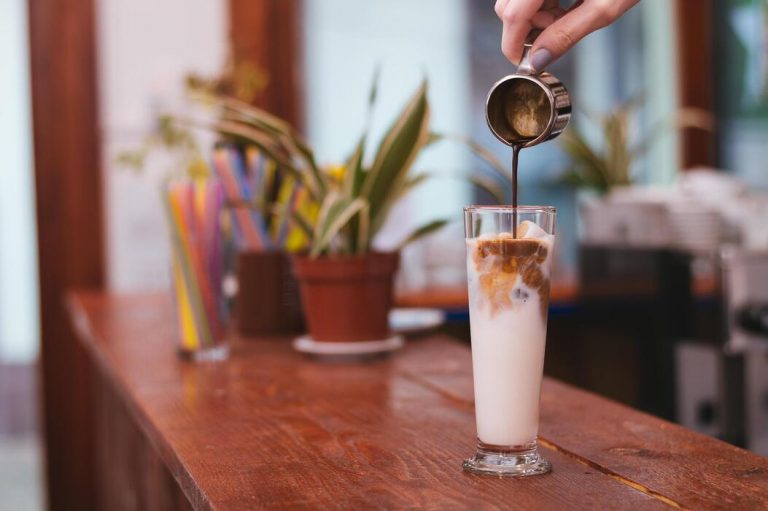
Start by pouring your sweetener or heavy syrups at the very bottom, followed by your choice of milk or cream. The final and most crucial step is to slowly pour the concentrated coffee over the back of a spoon held just above the milk’s surface.
This gentle technique breaks the fall of the liquid and allows the dark coffee to sit gracefully on top of the white milk before slowly bleeding downward. Using a clear glass container is essential to showcase these striking transitions of color and depth.
This methodical approach ensures your cold coffee is not just a caffeine fix, but a visually stunning masterpiece ready for any social media post.
Common Mistakes to Avoid With Cold Coffee
Why You Should Never Use Fine Grinds
When learning how to make good cold coffee, the texture of your beans is the most critical factor to consider. Many beginners mistakenly use a fine espresso grind, which is a major error because cold brewing requires a long immersion time.
If the particles are too small, the water extracts flavors much too quickly, leading to a muddy and silty texture that ruins the clarity of the drink. To achieve a clean, crisp profile, you must always use a coarse, sea-salt consistency for your coffee grounds.
This coarse texture allows the water to flow through the grounds evenly over a twelve to twenty-four-hour period without clogging your filter.
Furthermore, using a coarse grind prevents over-extraction, ensuring that you capture the sweet, chocolatey, and nutty notes characteristic of high-quality cold brew rather than the harsh, dusty sediment found in poorly prepared batches.
Investing in a quality burr grinder will help you maintain this consistency, which is the foundational step for any successful cold coffee recipe.
Avoiding Bitter Over-Extraction
One of the most common mistakes people make is leaving their coffee to steep for too long, often thinking that more time equals more flavor. In reality, over-extraction is the primary reason cold coffee tastes unpleasantly bitter or metallic.
While heat accelerates extraction in hot coffee, the slow process of cold brewing still has a limit; exceeding twenty-four hours usually results in the release of unwanted tannins and woody flavors.
To master the craft, you should aim for a steeping window of 14 to 18 hours at room temperature or up to 24 hours if brewing in the refrigerator.
It is also essential to maintain a consistent coffee-to-water ratio, typically 1:4 or 1:5 for a concentrate, to ensure the balance of flavors remains harmonious. If your final result is too intense, avoid the urge to brew longer next time; instead, simply dilute the concentrate with water or milk.
Monitoring your brew time strictly will transform your cold coffee from a bitter chore into a smooth, refreshing, and naturally sweet beverage.
The Problem With Using Poor Water Quality
Since coffee is approximately 98 percent water, the quality of your tap water significantly impacts the final taste of your cold brew. Many people overlook this detail, using unfiltered tap water that contains chlorine, minerals, or fluoride, which can create off-flavors and a chemical aftertaste.
Because the cold brewing process is so slow, the water has ample time to pick up every nuance, including the negative ones. To ensure your coffee tastes professional, you must use filtered or bottled spring water rather than straight tap water.
Using filtered water allows the delicate aromatic compounds of the bean to shine through without being masked by municipal additives. Additionally, avoid using distilled water, as it lacks the essential minerals needed to pull the best flavors out of the coffee grounds, often resulting in a flat or dull cup.
By prioritizing high-quality, filtered water, you provide a clean canvas that highlights the natural acidity and sweetness of your chosen beans, making a noticeable difference in every refreshing sip you take throughout the day.
Frequently Asked Questions
What is the best coffee-to-water ratio for cold brew?
A standard ratio for cold brew concentrate is 1:4 (one part coffee to four parts water), while a ready-to-drink ratio is typically 1:8. Using a scale to measure by weight ensures consistency and a balanced flavor profile that isn’t too watery or overly bitter.
How can I prevent my iced coffee from becoming watered down?
To prevent dilution, use coffee ice cubes made by freezing leftover brewed coffee in an ice tray. Alternatively, brew your coffee at double strength before pouring it over regular ice to account for the melting water.
What type of coffee roast works best for cold coffee?
Medium to dark roasts are generally preferred for cold coffee because they possess lower acidity and bold, chocolatey notes that hold up well when chilled. Light roasts can sometimes taste overly sour or thin when served cold.
How long should I steep cold brew for the best flavor?
For the best results, steep your coffee grounds in room temperature water for 12 to 18 hours. Steeping for less than 12 hours results in under-extraction, while going beyond 24 hours can pull out unpleasant bitter tannins and woody flavors.
Should I use a fine or coarse grind for cold coffee?
You should always use a coarse, breadcrumb-like grind for cold brew to ensure a clean filtration and a smooth taste. Fine grinds can lead to over-extraction and a cloudy, muddy texture that is difficult to filter out.
What is the best way to sweeten cold coffee?
Granulated sugar does not dissolve well in cold liquids, so it is best to use simple syrup or liquid sweeteners like agave or maple syrup. If you prefer granulated sugar, dissolve it in the hot coffee or a small amount of warm water before adding ice.
Conclusion
Making the perfect glass of cold coffee is an art that balances quality beans with the right brewing technique. Whether you prefer the smoothness of a slow-steeped cold brew or the instant gratification of an iced pour-over, the key lies in experimentation and high-quality ingredients. Now that you have mastered these simple methods, it is time to head to the kitchen. Start brewing today and enjoy a refreshing, cafe-quality experience from the comfort of your home.