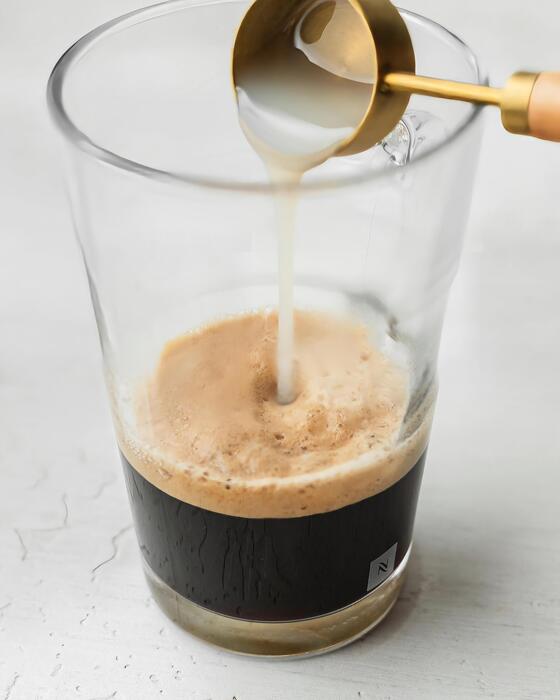
How To Make Starbucks Salted Cold Foam
If you’re searching for how to make starbucks salted cold foam, you’ve probably tried the drink and want that same velvety, salty-sweet topping at home without paying café prices. The core challenge is getting the foam to be thick and stable, not watery. You’re in the right place—this guide breaks down the exact ratio of milk, cream, salt, and sweetener, plus the technique (no fancy equipment required) to nail that signature Starbucks texture every time.
What Is Starbucks Salted Cold Foam?
Ingredients in the original Starbucks recipe
To replicate the Starbucks salted cold foam at home, start with the key base: cold heavy cream (or a barista-grade non-dairy alternative like oat milk creamer). The original recipe uses a proprietary vanilla sweet cream, which you can mimic by mixing 2% milk, heavy cream, and vanilla syrup.
The ‘salted’ element comes from sea salt flakes (like Maldon) blended directly into the foam. For the signature salty-sweet balance, add 1-2 tablespoons of vanilla syrup per ½ cup of cream—adjust based on sweetness preference.
A crucial step is using a cold frother or a French press to aerate the cream until it reaches a thick, pourable consistency (about 30–45 seconds). Avoid over-whipping into stiff peaks; the goal is a silky, cloud-like texture that slowly sinks into your coffee.
For a dairy-free version, substitute with coconut cream and a pinch of salt. The final touch: a light dusting of cinnamon or caramel drizzle on top, though purists skip this. Always chill your equipment for best results.
How salted cold foam differs from regular cold foam
The primary distinction lies in texture and flavor profile. Regular cold foam (like Starbucks’ non-fat milk foam) is airy, light, and subtly sweet, designed to sit on top of iced drinks without dissolving quickly.
In contrast, salted cold foam is richer and denser because it uses heavy cream or a blend of cream and milk, creating a velvety, spoonable consistency that slowly cascades into your beverage.
The salt addition doesn’t just season; it suppresses bitterness in coffee while enhancing the sweetness, resulting in a more complex taste—think salted caramel without the syrup.
Another key difference: regular foam often uses non-fat milk to achieve volume with minimal calories, while salted cold foam prioritizes mouthfeel and fat content for a luxurious finish. This also means salted foam holds its shape longer, making it ideal for cold brew or iced lattes.
To adapt at home, remember that regular foam is best for a quick topping, but salted foam requires patience and cold ingredients for that signature thick, creamy layer.
Why this topping became so popular
The meteoric rise of Starbucks salted cold foam stems from its ability to elevate an everyday drink into a decadent, customizable treat. First, it taps into the salted caramel trend that exploded in the 2010s—combining sweet, salty, and creamy in one sip.
Social media played a massive role: visually striking photos of the foam slowly melting into dark cold brew created a ‘food porn’ moment that drove viral sharing.
Second, it offers a low-commitment upgrade; customers can add it to any iced beverage for a small charge, making luxury accessible without buying a premium drink. Third, the foam’s textural contrast—cold, silky, and slightly thick against icy coffee—provides a sensory novelty that plain milk or cream can’t match.
Finally, the salt acts as a flavor enhancer, making even mediocre coffee taste richer. This combination of photogenic appeal, affordable indulgence, and taste innovation turned a simple foam into a menu staple that home baristas now eagerly replicate.
Ingredients You Need to Make Salted Cold Foam

Core ingredients: heavy cream, milk, and salt
The foundation of Starbucks’ salted cold foam is a simple trio: heavy cream, 2% milk, and salt. For the silkiest, most stable foam, use heavy cream (not half-and-half or whipping cream) because its high fat content (36% or more) whips into thick, luxurious peaks.
You’ll need about 2 tablespoons of heavy cream per serving. Add 1 tablespoon of 2% milk to lighten the texture and prevent the foam from becoming too stiff. For the salt, fine sea salt dissolves best, but flaky sea salt works if ground slightly.
Start with a pinch (about 1/8 teaspoon) and adjust to taste—too little and the flavor falls flat, too much and it becomes briny. For the iconic Starbucks taste, use kosher salt for a cleaner, less metallic saltiness.
Combine these three in a tall jar or frother, then whip until soft peaks form—about 30 seconds with a handheld frother or 1-2 minutes with a whisk. This base is your blank canvas for sweetness and customization.
Sweeteners that match the Starbucks flavor
To replicate Starbucks’ signature salted cold foam sweetness, you need a liquid sweetener that blends seamlessly without grit. The go-to choice is vanilla syrup—either store-bought (like Torani or Monin) or homemade by simmering equal parts sugar and water with vanilla extract.
Use 1-2 teaspoons per serving for a balanced sweetness that complements the salt. For a closer match to the caramel undertones, try brown sugar syrup (made with brown sugar and water) which adds a deep, molasses-like richness. Avoid granulated sugar, as it won’t dissolve fully in the cold cream.
Honey or agave nectar can work but will slightly alter the flavor profile—use 1 teaspoon and mix thoroughly. For a sugar-free version, stevia-based vanilla syrup or erythritol syrup are excellent options, though you may need a touch more salt to counter the aftertaste.
Always add sweetener before whipping so it incorporates evenly. Taste the foam before serving—it should be noticeably sweet but not cloying, with the saltiness emerging as a pleasant contrast.
Optional add-ins for a custom twist
Elevate your salted cold foam with creative add-ins that build on the Starbucks original. For a caramel twist, stir in 1 teaspoon of caramel sauce (like Ghirardelli) before whipping—this adds sweetness and a buttery depth.
A pinch of cinnamon or pumpkin pie spice (about 1/4 teaspoon) creates a warm, seasonal version perfect for fall drinks. For a mocha variation, add 1 teaspoon of cocoa powder or chocolate syrup; the bitterness pairs beautifully with the salt.
Espresso powder (1/4 teaspoon) gives a subtle coffee kick without overwhelming the foam. If you prefer a dairy-free option, substitute coconut cream for heavy cream and almond milk for 2% milk—the foam will be slightly less stable but still delicious.
For a salted honey flavor, use honey as your sweetener and add a tiny pinch of smoked salt. Always add dry spices before whipping to ensure even distribution, and taste-test after blending.
These tweaks let you customize the foam to match any coffee or cold brew base while keeping that signature salty-sweet balance.
Step-by-Step Guide to Making Salted Cold Foam at Home

How to froth the cream mixture to the right consistency
Start by combining 1/4 cup heavy cream, 2 tablespoons 2% milk, 1 tablespoon vanilla syrup (or homemade), and 1/8 teaspoon sea salt in a tall, narrow jar or a French press.
For a handheld frother, insert it just below the surface and blend for 20–30 seconds until the mixture doubles in volume and forms soft, pillowy peaks. If using a French press, pump the plunger vigorously for 30–40 seconds until thick and creamy.
The ideal consistency is smooth and pourable but thick enough to sit on top of a cold drink without sinking immediately. Avoid over-frothing, which can create stiff, buttery foam that separates. A key test: tilt the jar—the foam should slowly slide down the sides, not hold rigidly.
For a dairy-free version, substitute coconut cream or oat milk barista blend and froth slightly longer, as plant-based options are thinner. Always use cold ingredients for best volume. This foam works beautifully on iced coffee, cold brew, or even iced matcha lattes.
Tips for achieving the perfect salted balance
The secret to Starbucks’ salted cold foam is layering salt, not dumping it. Start with 1/8 teaspoon fine sea salt in the cream mixture—this provides a subtle savory note without overpowering.
After frothing, taste the foam on a spoon; if it lacks contrast, add another tiny pinch (about 1/16 teaspoon) and re-froth for 5 seconds.
For a more complex flavor, substitute 1/2 teaspoon salted caramel syrup for part of the vanilla syrup, or use flaky sea salt as a final garnish on top of the foam after pouring. Avoid table salt, which can taste harsh; fine sea salt dissolves evenly.
If you prefer a sweeter foam, reduce salt to 1/16 teaspoon and add a dash of cinnamon or caramel drizzle inside the glass. The goal is a gentle salty finish that enhances the coffee’s bitterness, not a briny shock.
Test with your favorite brew: a medium-roast cold brew pairs best, as dark roasts may clash. Remember, the salt will settle over time, so stir the foam gently before pouring if it sits for more than 2 minutes.
Storing and using the foam immediately
Salted cold foam is best used immediately after frothing for the lightest texture. If you must store it, transfer the foam to an airtight container and refrigerate for up to 2 hours—beyond that, it will deflate and become watery.
When ready to use, gently re-froth for 5–10 seconds to restore volume. To serve, pour your cold brew or iced coffee over ice, leaving about 1 inch of space at the top.
Slowly spoon or pour the foam onto the back of a spoon held just above the drink’s surface to create a distinct, floating layer. For a Starbucks-style presentation, tilt the glass and pour directly in the center; the foam should spread naturally.
Garnish with a light dusting of flaky sea salt or a drizzle of caramel sauce. Avoid stirring—the foam is meant to be sipped through, adding creaminess and saltiness with each mouthful. If making multiple servings, keep the foam chilled between pours and use within 30 minutes for best results.
This foam also works on hot coffee if poured gently, but it will melt faster.
Best Tools for Frothing Salted Cold Foam
Using a handheld milk frother for quick results
A handheld milk frother is the fastest way to replicate Starbucks’ salted cold foam at home. Start with cold heavy cream or 2% milk—whole milk yields a richer foam, but nonfat works too.
Pour 1/4 cup of milk into a narrow cup or jar, then add 1-2 teaspoons of vanilla syrup (or sugar-free vanilla) and a pinch of sea salt. Submerge the frother tip just below the surface and pulse it on and off for 20-30 seconds until thick, velvety foam forms.
For best results, keep the milk very cold and avoid over-frothing, which can create large bubbles. Pour the foam over iced coffee or cold brew, letting it cascade slowly. This method requires minimal cleanup and costs under $15 for a quality frother.
Pro tip: chill your frother head in the fridge for 5 minutes before use to improve texture.
How to make salted cold foam with a French press
A French press doubles as an excellent foam maker for salted cold foam without any electricity. Use cold milk (dairy or oat works well) and pour it into the press until it fills about one-third of the carafe.
Add 1 tablespoon of vanilla syrup and 1/8 teaspoon of fine sea salt. Secure the lid with the plunger up, then pump the plunger vigorously up and down for 30-45 seconds. The mesh screen aerates the milk, creating a thick, stable foam.
Stop when the foam reaches a whipped cream-like consistency and doubles in volume. Carefully tilt the press to pour the foam over your drink—the plunger holds back any liquid milk. This technique is ideal for making larger batches (up to 2 cups at once) and requires no special gadgets.
Rinse the press immediately to prevent milk residue from sticking. For a vegan option, use cold oat milk—it froths beautifully due to its protein content.
Electric frother vs. manual whisk: pros and cons
Choosing between an electric frother and a manual whisk depends on your priorities. Electric frothers (like the Aerolatte or Breville) deliver consistent, barista-quality foam in under 30 seconds with minimal effort.
They excel at creating the smooth, microfoam texture needed for salted cold foam, and many models have a cold foam setting specifically for cold milk. However, they require batteries or charging, cost $20-$60, and can be noisy.
On the other hand, a manual whisk is budget-friendly (under $5), quiet, and works anywhere without power. It gives you full control over foam density, but requires strong wrist action for 2-3 minutes and often produces a thinner, less stable foam.
For the Starbucks-style salted cold foam, an electric frother is the clear winner if you make it regularly. But for occasional use, a stainless steel whisk with a narrow bowl can still achieve decent results—just add an extra pinch of salt to boost flavor.
How to Customize Your Salted Cold Foam Recipe

Adding vanilla or caramel for extra sweetness
To tailor the sweetness of your salted cold foam to your liking, start by adding vanilla syrup or caramel sauce directly to the cold foam mixture. For a classic Starbucks-inspired taste, use 1-2 tablespoons of vanilla syrup per cup of heavy cream or milk before frothing.
If you prefer a deeper, buttery sweetness, substitute with 2 tablespoons of caramel sauce, ensuring it is fully incorporated to avoid clumps. You can also experiment with brown sugar syrup for a molasses-like note or a pinch of stevia for a low-calorie option.
Adjust the amount gradually, tasting after each addition, as the salt will enhance the sweetness. For a layered effect, drizzle extra syrup or sauce on top of the finished foam. Remember that sweeteners can alter the foam’s consistency—stick to liquid versions to maintain a smooth, airy texture.
This customization allows you to match your exact preference, whether you want a subtle hint or a dessert-like indulgence.
Using dairy-free alternatives like oat or almond milk
For a dairy-free version of salted cold foam, opt for barista blends of oat or almond milk that are designed to froth well.
Oat milk, such as Oatly Barista Edition, provides a creamy, neutral base that mimics dairy’s texture, while almond milk offers a nuttier flavor but may require a stabilizer like a teaspoon of cornstarch to thicken.
To achieve the right consistency, chill the milk beforehand and use a cold-frothing tool or a blender on high speed for 30-60 seconds. Add 1-2 tablespoons of coconut cream or a splash of soy milk for extra richness if needed.
For sweetness, incorporate agave nectar or maple syrup, as these blend easily without clumping. Keep in mind that dairy-free foams are less stable than dairy, so serve immediately over your iced coffee. This adaptation lets you enjoy the same salty-sweet profile without compromising on dietary needs or flavor.
Adjusting salt levels to your taste preference
Fine-tuning the saltiness in your cold foam is key to achieving the perfect balance. Start with a small pinch of sea salt or flaky salt per cup of foam base, as these dissolve easily and provide a clean, briny kick.
For a more intense flavor, try smoked salt or Himalayan pink salt, which add subtle complexity.
Mix the salt into the milk or cream before frothing to ensure even distribution, then taste the foam alone after frothing—it should be slightly saltier than desired, as it will mellow when combined with coffee.
If you overshoot, balance it with a drop of honey or a splash of vanilla extract to cut the saltiness. For a layered effect, sprinkle a few salt crystals on top of the finished foam for bursts of flavor.
Remember that the type of coffee you use matters: dark roasts can handle more salt, while lighter roasts pair better with a gentle touch. Adjust incrementally to create a foam that complements your drink perfectly.
Common Mistakes When Making Salted Cold Foam
Over-frothing and ending up with butter
When making salted cold foam, the goal is a smooth, velvety texture, not stiff peaks or butter. Over-frothing happens when you blend for too long or use a high-speed blender, causing the milk’s fat to separate.
To avoid this, use a cold foam pitcher or a handheld frother and stop as soon as the mixture doubles in volume and becomes creamy—usually 20–30 seconds. If you see large bubbles or a grainy texture, you’ve gone too far.
A key tip: always use cold milk straight from the fridge; warm milk won’t foam properly and can lead to butteriness. If you accidentally over-froth, don’t panic—pour off the liquid part and use the remaining foam, or start fresh with a new batch.
For best results, pulse your frother in short bursts and check consistency after each. Remember, perfect cold foam should flow slowly off a spoon, not hold stiff peaks like whipped cream. This ensures it blends beautifully into your coffee without separating.
Using the wrong milk fat percentage
The milk fat percentage is crucial for achieving that signature salted cold foam texture. Using skim or 1% milk results in thin, watery foam that collapses quickly, while whole milk (3.25% fat) creates a rich, stable foam with a creamy mouthfeel.
For a Starbucks-style foam, 2% milk is a reliable choice—it’s the standard for a reason. Avoid heavy cream or half-and-half, as their high fat content can make the foam too thick and buttery, especially when salted.
If you’re dairy-free, oat milk is the best alternative due to its protein and fat content; almond or soy milk tend to be too thin. To test your milk, shake a small amount in a jar—if it doesn’t froth easily, it’s likely too low in fat.
Always use fresh milk, as older milk can curdle when blended with salt. For a perfect balance, mix 1/2 cup of 2% milk with a tablespoon of heavy cream for an extra luxurious foam without going overboard.
Adding salt too early or too late
Timing the salt addition is a common misstep that can ruin your salted cold foam. Adding salt too early—before frothing—can cause the salt to dissolve unevenly, leaving a gritty texture or overly salty pockets.
Adding it too late, after the foam is formed, makes it hard to incorporate without deflating the foam. The sweet spot is to mix the salt into the milk just before frothing, ensuring it dissolves evenly. For a Starbucks-style taste, use fine sea salt (not coarse) to avoid graininess.
A good ratio is 1/8 teaspoon of salt per 1/2 cup of milk; adjust to taste but start small. If you prefer a hint of sweetness, combine the salt with 1 teaspoon of vanilla syrup before adding to the milk.
For the best integration, whisk the salt into the cold milk with a spoon until fully dissolved, then froth immediately. This method ensures a smooth, balanced foam that enhances the coffee without overpowering it.
Remember, salt can also affect foam stability, so don’t overdo it—less is more for a perfect salted cold foam.
Ways to Serve Salted Cold Foam with Different Drinks
Pairing with cold brew coffee for a classic taste
For a Starbucks-inspired experience, pour your salted cold foam over a tall glass of cold brew coffee. The foam’s creamy, slightly sweet, and salty profile perfectly balances cold brew’s bold, smooth bitterness. Start by filling a glass with ice and adding your preferred cold brew—store-bought or homemade.
Gently spoon or pour the cold foam on top, allowing it to cascade and create a layered effect. For best results, use a chilled glass to keep the foam stable and the drink refreshing.
You can adjust sweetness by adding a simple syrup or vanilla syrup to the cold brew before topping with foam. This pairing is ideal for hot days or when you want a coffee-forward drink with a luxurious finish.
The saltiness enhances the coffee’s natural chocolate and nutty notes, making each sip a balanced treat. Experiment with a dash of cinnamon or cocoa powder on the foam for extra flair. This classic combination is quick, customizable, and sure to satisfy your craving for a café-quality beverage at home.
Using it on iced lattes and macchiatos
Elevate your iced lattes and macchiatos by layering salted cold foam as the crowning touch. Brew a double shot of espresso or use strong coffee, then pour it over ice in a tall glass. Add your choice of milk—dairy or plant-based—leaving room at the top for the foam.
For an iced latte, stir in any flavor syrups like caramel, vanilla, or toffee nut before adding the foam. For an iced macchiato, pour the milk first, then the espresso over ice, and finish with the cold foam.
The foam’s silky texture contrasts beautifully with the espresso’s intensity, while the saltiness cuts through the milk’s richness. Drizzle with caramel sauce or a sprinkle of sea salt for visual appeal and extra flavor. This method works well with oat milk or almond milk for a dairy-free option.
The foam stays afloat, providing a creamy sip with every drink. Adjust the salt level by adding a pinch of flaky sea salt to the foam mix. This simple upgrade turns your daily iced coffee into a indulgent, barista-style treat.
Creative ideas for non-coffee beverages
Salted cold foam isn’t just for coffee—it transforms non-coffee drinks into decadent creations. Try it on iced chai lattes: brew chai concentrate, pour over ice with milk, and top with the foam for a spicy-sweet contrast. The salt enhances chai’s cinnamon and cardamom notes.
For a refreshing matcha latte, whisk matcha powder with milk and ice, then add cold foam. The foam’s creaminess balances matcha’s earthy bitterness. You can also use it on fruit-based drinks like strawberry lemonade or mango iced tea—the salty foam adds a unexpected, gourmet twist.
For a dairy-free option, use coconut milk or cashew milk in the foam. Experiment with flavored syrups like lavender or honey in the foam itself to complement the base drink. Serve in a clear glass to showcase the layered effect.
This versatile topping works on hot chocolate, milkshakes, or even cold-pressed juices. The key is to keep the foam thick and stable by using a high-fat milk or cream. These creative pairings are perfect for impressing guests or treating yourself to something unique.
Frequently Asked Questions
What is Starbucks salted cold foam?
It’s a frothy, creamy topping made from nonfat milk, vanilla syrup, and a pinch of salt, blended until thick and airy. It’s typically used on cold brew or iced coffee drinks to add a sweet and salty flavor.
What ingredients do I need to make Starbucks salted cold foam at home?
You’ll need nonfat milk (or 2% milk for a richer version), vanilla syrup (store-bought or homemade), and a pinch of sea salt. Optional: heavy cream can be added for extra thickness.
How do I make Starbucks salted cold foam without a blender?
Use a French press, a milk frother, or a handheld whisk. For a French press, combine milk, vanilla syrup, and salt, then pump the plunger vigorously for 30-60 seconds until foamy. Alternatively, shake ingredients in a sealed jar.
What is the exact Starbucks recipe for salted cold foam?
Starbucks uses 2% milk, vanilla syrup, and a salt blend. For a copycat, mix 1/2 cup cold nonfat milk, 1-2 tablespoons vanilla syrup, and 1/4 teaspoon sea salt, then blend on high for 30-45 seconds until thick and creamy.
How do I get the foam to be thick and not runny?
Use cold milk (nonfat works best), blend longer until it reaches a mousse-like consistency, and add a small amount of heavy cream (about 1 tablespoon) to stabilize the foam. Avoid over-blending, which can make it watery.
Can I make salted cold foam dairy-free?
Yes, use oat milk or coconut milk (barista blends work best) and vanilla syrup. Blend with a pinch of salt. Note: the texture may be less thick than dairy, so add a teaspoon of xanthan gum if needed for stability.
How do I add salted cold foam to my coffee drink?
Pour your cold brew or iced coffee over ice, then gently spoon the foam on top. Avoid stirring immediately—let it float for a layered effect. The foam will gradually mix in as you drink.
Conclusion
Key takeaways: use cold ingredients, froth until thick but pourable, and layer it over iced coffee. Experiment with vanilla or caramel for variety. Now you can skip the drive-thru and elevate your daily brew—enjoy your barista-level creation from the comfort of home