How Long Does Roasted Coffee Stay Fresh
how long does roasted coffee stay fresh depends on storage, roast level, and whether the beans are whole or ground. If you want the short answer, most roasted coffee tastes best within two to four weeks of roasting, while ground coffee loses quality faster.
How long roasted coffee stays fresh after roasting
Freshness timeline for whole beans
For most coffee drinkers, whole roasted beans taste best between about 5 days and 4 weeks after roasting. In the first few days, coffee releases carbon dioxide quickly, so many beans can taste uneven or overly gassy if brewed immediately. After that short rest, flavor usually becomes clearer and sweeter.
If the bag is sealed well and stored away from heat, light, moisture, and air, many whole beans still make a very good cup for up to 6 weeks, though the brightest aromas start fading earlier.
After 6 to 8 weeks, the coffee is often still safe to drink, but it may taste flatter, less complex, and less fragrant.
To keep beans fresher longer, store them in an airtight container, keep them at room temperature in a dark cupboard, and buy only enough for a few weeks. For best results, grind only what you need right before brewing.
How long ground coffee keeps its flavor
Once coffee is ground, it loses freshness much faster because far more surface area is exposed to oxygen. For the strongest flavor, use ground coffee within minutes of grinding.
If that is not practical, try to brew it within 1 to 7 days for noticeably better aroma and sweetness than older grounds.
Pre-ground coffee kept in a tightly sealed package or airtight container can still be drinkable for 2 to 3 weeks after opening, but the flavor usually drops off quickly compared with whole beans.
You may notice the cup becoming dull, woody, or less vibrant, especially in lighter roasts that depend on delicate aromatics.
To get the most from ground coffee, store it airtight, cool, dark, and dry, and avoid keeping it near the stove, fridge door, or sink where temperature and humidity change often. If you want maximum freshness, buy whole beans and grind per brew.
What changes after the first few days
After roasting, coffee does not instantly go stale, but it does begin changing right away. During the first few days, degassing is the main shift: roasted beans release trapped carbon dioxide, which can interfere with extraction if brewed too soon.
That is why many coffees improve after a short rest, especially for espresso, where too-fresh beans can produce excessive crema and uneven flavor. After this early period, oxygen slowly starts breaking down aromatic compounds, so the most noticeable changes are less fragrance, reduced sweetness, softer acidity, and a flatter finish.
The coffee may still taste acceptable, but it becomes less lively and distinct over time. Dark roasts can seem to fade into smoky bitterness, while lighter roasts may lose floral or fruit notes first.
The practical takeaway is simple: let beans rest a few days, then use them during their peak window, and protect them from air, light, heat, and moisture to slow flavor loss.
What affects how long roasted coffee stays fresh
How oxygen speeds up staling
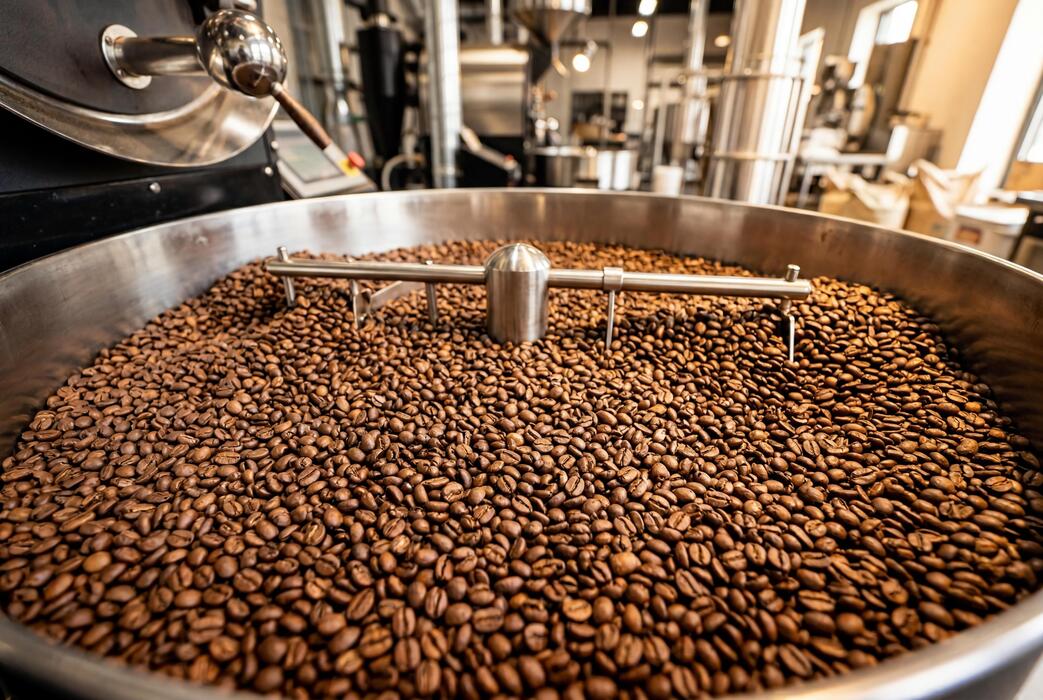
Oxygen is the main reason roasted coffee loses freshness after opening. As soon as beans are exposed to air, aromatic compounds begin to fade and oils start to oxidize, which makes the flavor taste flatter, duller, or even slightly rancid over time.
For most coffee drinkers, roasted whole beans taste best within 2 to 4 weeks after opening, though properly sealed bags can hold up longer. To slow staling, keep coffee in an airtight, opaque container and avoid repeatedly opening a large bag if you can portion it into smaller batches.
If you are wondering how long roasted coffee stays fresh, the answer depends heavily on air exposure: less oxygen means better flavor for longer.
Why light, heat, and moisture matter
Light, heat, and moisture all speed up the breakdown of roasted coffee and shorten the period when it tastes vibrant. Sunlight and strong indoor light can degrade delicate flavor compounds, while heat pushes oils and aromas to dissipate faster.
Moisture is especially harmful because coffee is porous and can absorb humidity and odors from the environment, leading to stale or off flavors. To keep roasted coffee fresh longer, store it in a cool, dark, dry place, such as a cupboard away from the stove, dishwasher, or window.
Avoid the refrigerator for daily storage because condensation can form when the container is opened. If you want roasted coffee to stay fresh as long as possible, stable storage conditions matter almost as much as the roast date.
How roast level changes shelf life
Roast level can influence how long roasted coffee stays fresh because darker roasts usually have more surface oil and a more fragile flavor profile once exposed to air. Those oils can oxidize faster, so dark roasts may taste stale sooner if storage is poor.
Lighter roasts often retain their character a bit longer, though they also evolve after roasting and may taste best after a short rest period.
In practical terms, both light and dark roasted coffee are usually at their peak within a few weeks of roasting, but dark roasts often benefit most from strict airtight storage.
If you buy coffee often, choose smaller quantities and check the roast date, not just the best-by date, so you can enjoy each roast level closer to its ideal window.
Why grind size affects freshness
Grind size affects freshness because grinding dramatically increases the coffee’s surface area exposed to oxygen, which causes aroma and flavor to fade much faster than in whole beans.
Once coffee is ground, staling can become noticeable within hours to days, especially if it is stored loosely or in a warm kitchen. Fine grinds usually stale faster than coarse grinds because even more surface area is exposed.
If you want the best answer to how long roasted coffee stays fresh, remember that whole beans last far longer than pre-ground coffee. The most effective solution is to grind only what you need right before brewing.
If you must buy ground coffee, store it in a tightly sealed container and use it quickly for the best flavor and crema.
How to tell if roasted coffee is no longer fresh
Signs in aroma and flavor
The easiest way to judge freshness is by smelling and tasting the beans soon after grinding. Fresh roasted coffee usually has a clear, lively aroma and distinct notes such as chocolate, fruit, nuts, or caramel.
As coffee ages, those aromas become muted, dusty, or cardboard-like, and the brewed cup can taste dull rather than expressive. For most beans, roasted coffee is at its best for about 2 to 4 weeks after roasting if stored well, though some can still brew acceptably beyond that.
If your coffee no longer releases much fragrance when ground, or the cup tastes flat, papery, woody, or hollow, it has likely moved past peak freshness. A simple test is to brew the same dose and recipe you normally use.
If you notice less sweetness, weaker acidity, and a shorter finish without any brewing mistake, the coffee is probably stale rather than just poorly extracted.
What stale coffee beans look like
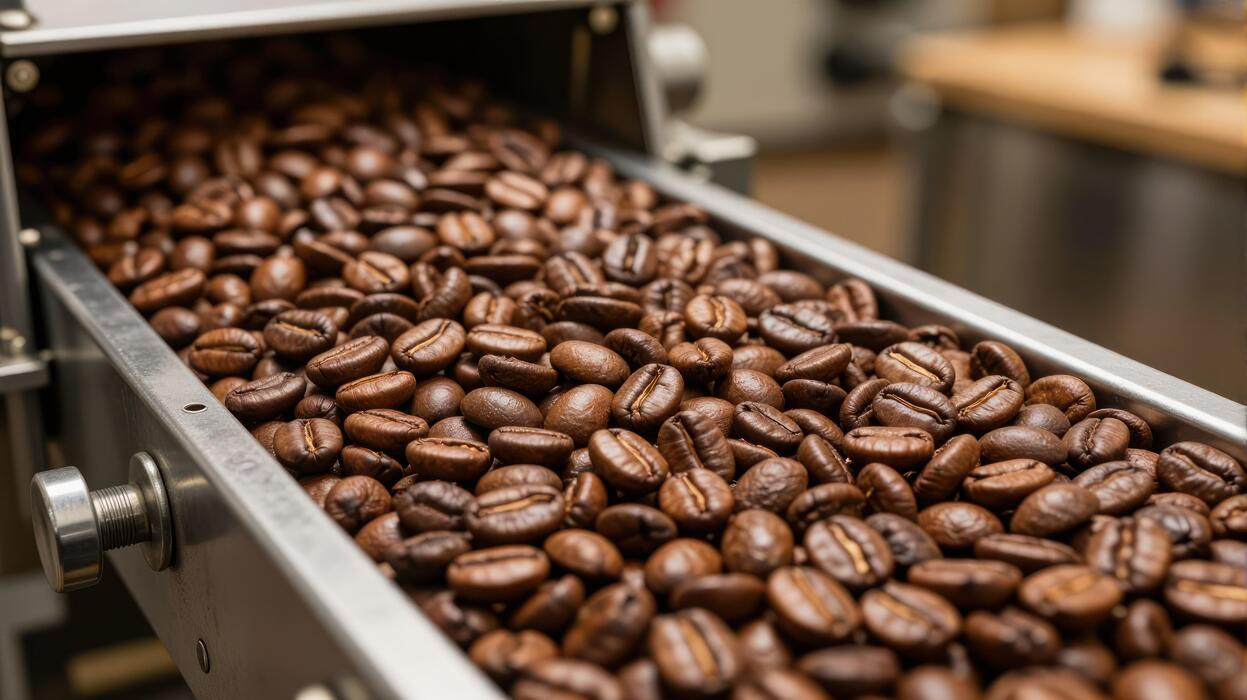
Appearance alone will not tell you everything, but stale beans often show subtle clues. Fresh beans usually look even in color, with a surface that matches the roast level. Over time, they may appear faded, excessively dry, or lifeless, especially if they have been exposed to air, heat, or sunlight.
Dark roasts can lose their slight sheen and start looking dull, while oily beans may develop uneven surface oils that make them seem old rather than fresh. You may also notice more broken pieces, extra chaff, or a bag that no longer puffs slightly from released gas.
In general, whole roasted coffee stays fresher longer than ground coffee, but even whole beans gradually decline after the first month. Store them in an airtight container, away from moisture and light, and check the roast date.
If the beans look tired and the aroma is weak, freshness has likely dropped, even if they are still usable.
When coffee is flat but still safe to drink
Coffee that tastes stale is often unpleasant, not dangerous. If roasted beans have been stored dry and free from contamination, they are usually still safe to brew even after they lose their best flavor.
The main issue is quality: the cup may taste flat, bitter, thin, or strangely ashy, with very little sweetness or complexity.
Roasted coffee generally answers the question “how long does roasted coffee stay fresh” with about 2 to 4 weeks for peak flavor, though it can remain drinkable for several weeks or even months after that if storage has been decent.
Throw it out if you see mold, moisture damage, or a rancid smell that suggests oils have gone bad. Otherwise, you can still use less-fresh beans for cold brew, milk drinks, or recipes where subtle flavor matters less.
If you want the best cup, buy smaller amounts and use them closer to the roast date.
Best ways to store roasted coffee for longer freshness
How to store coffee beans at room temperature
Roasted coffee is usually at its best within 2 to 4 weeks after roasting if stored well, though many beans can still taste good a bit longer. For daily storage, keep whole beans at stable room temperature in a dry place rather than in the fridge.
Use only the amount you need each day and leave the rest sealed to limit oxygen exposure. If possible, buy coffee in smaller batches so you finish it while flavor is still vibrant. Whole beans stay fresh longer than ground coffee, so grind just before brewing whenever you can.
The main goal is to protect the beans from air, moisture, heat, and light, which all speed up staling and flatten aroma.
Best containers for keeping coffee fresh
The best container for roasted coffee is one that reduces contact with oxygen and humidity. Choose an opaque, airtight container made from ceramic, stainless steel, or tinted glass, and make sure the lid seals firmly.
If your coffee came in a quality resealable bag with a one-way valve, that can also work well for short-term use. Avoid clear jars left out on the counter, since light can degrade flavor over time.
For the longest freshness, store coffee in small portions so you only open one supply at a time instead of exposing the entire batch every day. A well-sealed container helps roasted coffee hold its character closer to that 2 to 4 week peak window after roasting.
Where to keep coffee away from heat and light
Store roasted coffee in a cool, dark cupboard or pantry away from anything that creates heat, steam, or sunlight. Good storage spots are cabinets far from the oven, stovetop, dishwasher, toaster, and windows.
Even small, repeated temperature changes can speed up staling, so consistency matters more than finding the coldest place. In most homes, a dark shelf at room temperature is better than a warm counter or a bright open rack.
Try to avoid places with high humidity, especially near the sink, because moisture can damage both texture and flavor. If stored in a dark, cool place in an airtight container, whole roasted beans generally maintain their best flavor for a few weeks after roasting.
Mistakes to avoid with daily storage
A few common habits can make roasted coffee lose freshness faster than expected. The biggest mistakes are storing coffee in the fridge, leaving it in a half-open bag, exposing it to sunlight, or keeping it near heat and steam. Refrigerators add moisture and food odors, which coffee absorbs easily.
Another mistake is buying too much at once, then opening the same large container every day. Instead, divide coffee into smaller airtight portions and keep your main supply sealed until needed. Grinding all your beans in advance is also less ideal, since ground coffee stales much faster than whole beans.
To keep flavor as lively as possible, protect coffee from air, moisture, light, and heat every single day.
Should you freeze roasted coffee or keep it in the pantry

When freezing coffee makes sense
Freezing roasted coffee can help if you bought more than you will use within its peak window. For most beans, freshness is best from about 2 to 6 weeks after roasting once the bag is opened, though some coffees still taste good a bit longer if stored well.
If you go through coffee slowly, the pantry is usually better for your current bag, while the freezer works for backup bags you will not touch for several weeks. The key is to freeze coffee only when it is still fresh, not after it has already gone stale.
Keep one small supply at room temperature for daily brewing and freeze the rest to slow oxidation and flavor loss. This works especially well for whole beans, since ground coffee loses aroma faster.
If you drink coffee every day and finish a bag quickly, pantry storage in a cool, dark place is usually the simplest and most effective choice.
How to freeze coffee without damaging flavor
To freeze coffee successfully, focus on portioning, sealing, and avoiding repeated temperature swings. Divide whole beans into small amounts you can use within a few days, then place each portion in an airtight freezer bag or vacuum-sealed pouch with as much air removed as possible.
This protects the beans from moisture, odors, and freezer burn. Label each package with the roast date and freeze date so you can track how long it has been stored.
When you need a portion, remove only one sealed packet at a time and let it come fully to room temperature before opening, which helps prevent condensation from forming on the beans.
Once opened, treat that portion like a normal bag and keep it in the pantry, away from light and heat. Do not return partially used coffee to the freezer again and again, because repeated thawing and refreezing can dull flavor and introduce moisture.
Why the fridge is usually a bad idea
The refrigerator is usually the worst place for roasted coffee because it creates exactly the conditions coffee dislikes: moisture, odor exposure, and frequent temperature changes. Coffee is porous and readily absorbs smells from nearby foods, so your beans can pick up notes from onions, leftovers, or sauces surprisingly quickly.
Every time the container moves in and out of the fridge, condensation can form, and that moisture speeds flavor loss rather than preserving freshness. If your goal is to keep roasted coffee tasting vibrant, a cool pantry cabinet is better for the bag you are actively using.
Store it in an opaque, airtight container away from the stove, dishwasher, and direct sunlight. As a practical rule, try to buy only what you can finish within a few weeks.
That way, you preserve the richest aroma and answer the freshness question simply: roasted coffee stays freshest when used soon and stored consistently, not refrigerated.
How freshness differs for whole beans, ground coffee, and opened bags
Whole bean vs ground coffee shelf life
When comparing roasted coffee formats, whole beans stay fresh noticeably longer than ground coffee because less surface area is exposed to oxygen.
As a practical rule, whole beans usually taste their best for about 2 to 6 weeks after roast when stored well, while ground coffee often starts losing aroma and complexity much faster, sometimes within days to 2 weeks.
If you want coffee to stay flavorful longer, buy whole beans and grind only what you need right before brewing. Keep both forms in an airtight, opaque container away from heat, moisture, and light.
Avoid storing coffee in frequently opened clear jars near the stove, since repeated air exposure and temperature swings speed up staling.
How long an unopened bag stays fresh
An unopened bag of roasted coffee generally stays fresher longer than an opened one, especially if the bag has a one-way valve and strong interior barrier.
For best flavor, aim to use it within a few weeks to about 2 months from the roast date, though it may remain drinkable longer. The key is that roasted coffee does not improve indefinitely on the shelf; it gradually loses aromatic oils and sweetness over time.
Before buying, look for a roast date rather than just a best-by date so you know its real age. Store unopened bags in a cool, dry cupboard, not the fridge, where humidity and food odors can affect flavor. If you buy in bulk, purchase smaller bags more often.
How long coffee lasts after opening
Once a bag is opened, roasted coffee begins losing freshness faster because oxygen, light, and moisture reach the beans more easily. For the best cup, try to finish opened whole-bean coffee within 2 to 4 weeks, and opened ground coffee within 1 to 2 weeks.
That does not mean it becomes unsafe after that; it simply tastes flatter, less sweet, and less aromatic. To stretch quality, reseal the bag tightly or transfer the coffee to an airtight container with minimal empty space. Open the container only when needed, and avoid scooping with wet utensils.
If you notice the coffee smells dull or brews without much aroma, that is a sign freshness has declined, even if the coffee is still usable.
How quickly espresso roasts can lose flavor
Espresso roasts can seem especially sensitive because espresso brewing is intense and reveals small flavor changes quickly.
Many espresso coffees taste best after a short rest, often about 5 to 14 days after roasting, but then can lose peak sweetness, crema quality, and aromatic detail over the following weeks if storage is poor.
Darker espresso roasts may stale faster because surface oils are more exposed, while lighter espresso profiles may hold structure slightly longer. To keep shots tasting balanced, buy smaller amounts, note the roast date, and dial in within the coffee’s peak window.
If your espresso suddenly tastes hollow, ashy, or less vibrant, freshness may be the issue. Good storage and fast turnover matter more for espresso than many people realize.
Tips for buying and using roasted coffee at peak freshness
How to read roast dates and freshness labels
When asking how long does roasted coffee stay fresh, start with the roast date, not vague terms like “best by” or “fresh roasted.” A bag with a clear roast date gives you the most useful information because coffee is usually at its best within a limited window after roasting.
For most whole beans, expect the best flavor for about 2 to 4 weeks after roast, though some coffees can still taste good a bit longer if stored well.
If you only see a “best by” date, freshness is harder to judge, so buy from roasters that print the exact roast day. Also check for a one-way valve, which helps release gas without letting oxygen in. Prioritize recently roasted beans over flashy packaging or broad freshness claims.
How much coffee to buy at one time
A simple way to keep roasted coffee fresh is to buy only what you can use within 2 to 4 weeks. If you drink coffee daily, estimate your weekly use first.
For example, if you brew about 20 grams per day, you use roughly 140 grams a week, so a 250- to 340-gram bag is often a smart choice. Buying in smaller amounts means you open fresher coffee more often and reduce flavor loss from air exposure.
Large bulk bags may seem cheaper, but they can leave you with dull, flat coffee before you finish them. If you want to save money, consider ordering multiple small bags instead of one large one. That approach gives you better flavor and more flexibility without wasting beans.
Best time to brew after the roast date
Freshly roasted coffee is not always best on day one. Most coffees improve after a short resting period because they release carbon dioxide after roasting.
A practical rule is to brew coffee about 3 to 10 days after the roast date for many filter coffees, while some espresso coffees taste better after 7 to 14 days. If you brew too early, flavors can seem uneven, sharp, or harder to extract consistently.
If you wait too long, the coffee may lose sweetness, aroma, and complexity. The exact peak depends on roast level, origin, and brew method, so test it across several days rather than assuming one perfect moment.
If you want peak freshness, buy beans with enough time to rest before you start brewing.
Simple habits that keep coffee tasting better longer
To make roasted coffee stay fresh longer, protect it from air, heat, light, and moisture. Keep beans in their original sealed bag if it has a zipper and valve, or transfer them to an airtight opaque container.
Store coffee in a cool, dry cupboard, not on a sunny counter or near the oven. Avoid the fridge, where moisture and food odors can affect flavor. Grind only what you need right before brewing, since ground coffee stales much faster than whole beans.
Open the bag briefly, then reseal it tightly after each use. If you buy more than you can finish in a few weeks, freeze portions in airtight packs and thaw only once before use. Small storage habits can noticeably preserve aroma and taste.
Frequently Asked Questions
How long does roasted coffee stay fresh after roasting?
Roasted coffee is usually at its best from about 3 days to 2 weeks after roasting, once initial degassing settles. Whole beans can still taste good for 4 to 6 weeks if stored well, but flavor and aroma gradually fade over time.
How long do whole roasted coffee beans stay fresh once opened?
After opening, whole roasted beans typically stay reasonably fresh for about 2 to 4 weeks when kept in an airtight container away from light, heat, and moisture. They remain safe to drink longer than that, but the cup will usually taste flatter and less aromatic.
How long does ground roasted coffee stay fresh?
Ground coffee loses freshness much faster than whole beans because more surface area is exposed to air. For best flavor, use it within a few days to 1 week after grinding, though it may still be acceptable for up to 2 weeks if stored carefully.
What is the best way to store roasted coffee to keep it fresh longer?
Store roasted coffee in an opaque, airtight container at room temperature in a cool, dry place. Avoid clear jars, warm spots near appliances, and repeated exposure to air, which all speed up staling.
Should roasted coffee be refrigerated or frozen?
Refrigeration is usually not recommended because coffee can absorb moisture and odors from the fridge. Freezing can work for longer-term storage if the coffee is sealed in small airtight portions and only thawed once before use.
How can I tell if roasted coffee is no longer fresh?
Stale roasted coffee often smells dull instead of fragrant and produces a flatter, less sweet cup with muted flavors. If brewed coffee tastes papery, woody, or lifeless, the beans have likely passed their peak freshness.
Does the roast level affect how long coffee stays fresh?
Yes, darker roasts can lose their peak flavor a bit faster because the oils are brought closer to the surface during roasting. Lighter and medium roasts may hold their character slightly longer, but all roasted coffee benefits from proper storage and timely use.
Conclusion
Roasted coffee stays freshest for a limited time, with whole beans generally tasting best within a few weeks and ground coffee losing flavor even faster. Proper storage in an airtight container, away from light, heat, and moisture, helps preserve aroma and taste. By buying in smaller amounts and brewing promptly, you can enjoy a richer, more satisfying cup every day and make the most of every roast.