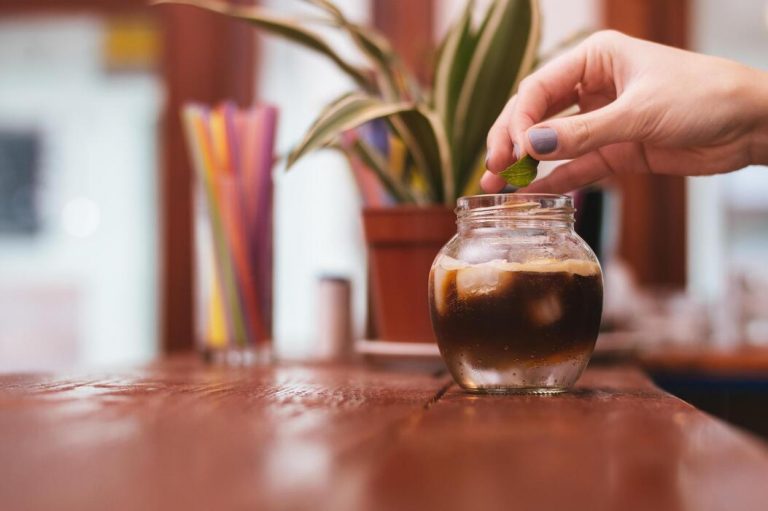
How To Make Iced Cold Coffee
Craving a refreshing caffeine kick but tired of watered-down results? Learning how to make iced cold coffee at home is easier than you think, and it saves you a fortune at the cafe. Whether you prefer a quick flash-brew over ice or a smooth overnight cold brew, we have the perfect solution for your cravings. This guide delivers fast, foolproof methods to achieve that bold, chilled flavor every time.
Simple Ways to Make Iced Coffee at Home
The Quick Pour-Over Method
The quick pour-over method, often called Japanese-style iced coffee, is the fastest way to achieve a clean and vibrant brew. Start by placing fresh ice cubes directly into your carafe or glass, filling it about halfway.
Place your dripper and filter on top, then add finely ground coffee beans using a higher ratio of grounds to water than usual to account for dilution. Slowly pour hot water over the grounds in a circular motion, allowing the coffee to drip directly onto the ice.
This immediate cooling process locks in delicate aromatics and bright acidity that traditional cooling methods might lose. As the ice melts, it dilutes the concentrated brew to the perfect strength, resulting in a crisp, refreshing beverage that is ready to drink instantly.
To ensure the best flavor, use filtered water and high-quality beans, as this method highlights the nuanced profiles of lighter roasts beautifully while providing a smooth finish without any bitterness.
Using a Standard Drip Coffee Maker
You do not need fancy equipment to make delicious iced coffee; a standard drip machine works perfectly if you adjust the brewing strength. To prevent a watery drink, the golden rule is to double the coffee grounds while keeping the water amount the same.
This creates a potent concentrate that maintains its integrity when poured over ice. Once the machine finishes the cycle, let the coffee sit for a few minutes to settle, then transfer it to a heat-safe pitcher.
For the best results, pre-chill the coffee in the refrigerator for at least thirty minutes before serving. When you are ready to enjoy it, fill a tall glass with large ice cubes, which melt slower than crushed ice, and pour the chilled concentrate over the top.
You can then customize your drink by adding sweeteners like simple syrup or your favorite milk, ensuring the flavors remain bold and satisfying despite the ice melt during your morning routine.
French Press Iced Coffee Steps
A French Press is incredibly versatile for creating a rich and full-bodied iced coffee experience at home. Begin by adding coarsely ground coffee to the bottom of the press, using a ratio of roughly one part coffee to four parts hot water for a robust concentrate.
After pouring the hot water over the grounds, let it steep for four minutes before slowly pressing the plunger down. Instead of serving it immediately, pour the hot liquid into a glass jar and allow it to reach room temperature.
For a smoother texture, you can even use the cold brew method by using room temperature water and letting it sit on the counter for twelve hours. Once your base is ready, fill a glass with plenty of ice and pour the coffee over it.
The mesh filter of the French Press allows natural oils to pass through, giving your iced coffee a velvety mouthfeel that pairs exceptionally well with a splash of heavy cream or flavored syrups.
Best Coffee Beans and Roasts for Cold Drinks

Why Dark Roasts Work Best for Ice
When learning how to make iced cold coffee, selecting a dark roast is often the most reliable starting point for a bold and satisfying beverage. Darker beans undergo a longer roasting process, which develops deep, smoky, and chocolatey notes that remain prominent even after significant dilution.
As ice melts into your glass, it naturally thins the liquid; however, the intense profile of a French or Italian roast ensures that the core coffee flavor is never lost. These roasts typically feature lower acidity, making them exceptionally smooth when served cold.
For the best results, look for beans with tasting notes of caramel, dark cocoa, or toasted nuts, as these flavors pair beautifully with milk and sweeteners. By utilizing a dark roast, you create a sturdy foundation that maintains its integrity against melting ice cubes.
This ensures your final drink tastes like a professional coffeehouse creation rather than watered-down bean juice, providing a rich and punchy caffeine experience every time you brew.
Medium Roast Options for Smoother Flavor
If you prefer a more nuanced and balanced profile, medium roasts are an excellent alternative for your iced coffee recipes. These beans offer a middle ground, retaining some of the unique characteristics of the coffee’s origin while providing enough body to handle the addition of ice.
Medium roasts often feature bright acidity and fruity undertones, which can be incredibly refreshing during the hot summer months. When brewing these beans for cold consumption, aim for varieties from Central or South America, which often boast balanced notes of brown sugar and citrus.
To prevent the flavor from becoming too weak, consider using a slightly higher coffee-to-water ratio to compensate for the ice. This approach allows the subtle floral or nutty complexities to shine through without being overpowered by bitterness.
Choosing a medium-dark blend can also provide the perfect harmony of sweetness and strength, making it a versatile choice for those who enjoy drinking their iced coffee black or with just a small splash of cream.
Freshness and Grind Size Basics
The secret to mastering how to make iced cold coffee lies in the technical details of freshness and grind consistency. To achieve a vibrant taste, always start with whole beans roasted within the last four weeks and grind them immediately before brewing.
The specific grind size you choose should depend entirely on your brewing method; for instance, a coarse grind is essential for cold brew to ensure a clean extraction over a long period.
Conversely, if you are using the flash-chill method with a pour-over, a medium-fine grind is necessary to extract flavor quickly before the coffee hits the ice. Consistency is key, as uneven particles can lead to a sour or overly bitter aftertaste that becomes very obvious when chilled.
Investing in a quality burr grinder allows you to control these variables, ensuring that every cup has a crisp and polished finish. By prioritizing fresh beans and the correct grind texture, you elevate your home setup and guarantee a consistently delicious and high-quality cold coffee experience.
How to Make Cold Brew Coffee Concentrate

The Right Coffee-to-Water Ratio
To master how to make iced cold coffee, you must begin with a strong foundation by using a dedicated coffee-to-water ratio of 1:4. This specific measurement ensures a robust concentrate that maintains its integrity when diluted with ice or milk.
For every one cup of coarsely ground coffee beans, you should add four cups of cold, filtered water. Using a coarse grind is essential because it prevents the final brew from becoming overly bitter or cloudy, which often happens with finer particles.
Simply combine the ingredients in a large glass jar or a specialized cold brew maker, ensuring all the grounds are fully saturated with water without over-stirring. This concentrated base acts as the perfect starter for various iced coffee recipes, allowing you great flexibility.
By starting with this precise mathematical balance, you guarantee a consistent flavor profile that is smooth, low in acidity, and significantly more potent than standard drip coffee, providing a professional-grade experience right in your own kitchen.
Steeping Times for Maximum Flavor
Patience is the secret ingredient when learning how to make iced cold coffee that tastes rich and velvety. Once your grounds and water are combined, you must allow the mixture to steep for 12 to 18 hours at room temperature or in the refrigerator.
If you prefer a brighter, lighter profile, aim for the twelve-hour mark; however, for a deeper and more chocolatey essence, the full eighteen hours is recommended. Avoid exceeding twenty-four hours, as this can lead to the extraction of unpleasant woody or bitter tannins that ruin the smooth finish.
During this long immersion process, the cold water gently extracts the oils and caffeine from the beans without the harshness caused by heat. It is best to keep the container out of direct sunlight to maintain a stable temperature throughout the process.
Setting a timer on your phone is a helpful way to ensure you drain the concentrate at the peak of its flavor extraction, resulting in a superior beverage that far surpasses store-bought alternatives.
Filtering and Storing Your Concentrate
The final step in the process involves achieving a clean, sediment-free liquid that stays fresh for days. Start by straining the mixture through a fine-mesh sieve to remove the large grounds, followed by a second pass through a paper coffee filter or a clean cheesecloth.
This dual-filtration method is crucial for a silky mouthfeel and clear appearance in your final glass. Once filtered, transfer your cold brew concentrate into an airtight glass carafe or mason jar.
When stored properly in the refrigerator, this concentrate will stay fresh for up to two weeks, making it a convenient solution for busy mornings. To serve, simply fill a glass with ice and mix one part concentrate with one part water or milk, adjusting to your personal taste preferences.
Because the concentrate is so stable, you can even freeze it into coffee ice cubes to prevent your drink from being watered down. This efficient storage method ensures that a delicious, refreshing iced coffee is always just a few seconds away.
Tips to Prevent Watery Iced Coffee
How to Make Coffee Ice Cubes
One of the most effective strategies to combat a diluted beverage is to replace standard frozen water with coffee ice cubes. To begin, brew a fresh pot of your favorite blend and allow it to reach room temperature before pouring the liquid into a clean silicone ice tray.
For an extra flavor boost, you can stir in a small amount of sugar or cocoa powder before freezing. Once solid, these cubes act as a cooling agent that actually strengthens your drink as they melt, rather than watering it down.
This simple preparation step ensures that the final sip of your iced coffee is just as bold and flavorful as the first. Using these cubes is particularly helpful during hot summer days when standard ice melts rapidly.
By planning ahead and keeping a stash of these in your freezer, you guarantee a premium cafe-quality experience at home without the frustration of a thin, flavorless beverage that loses its character within minutes of being served.
The Flash Chilling Technique
The flash chilling method, often referred to as Japanese-style iced coffee, involves brewing hot coffee directly over a specific weight of ice to lock in delicate aromatics.
To execute this correctly, calculate your total water volume and replace approximately one-third to one-half of that water with ice cubes placed directly in the carafe.
As the hot coffee hits the ice, it undergoes an instant temperature drop, which preserves the bright acidity and complex floral notes that are often lost in traditional overnight cold brewing methods.
This technique requires a precise ratio to ensure the melted ice serves as the remaining brewing water, resulting in a perfectly balanced strength.
Because the cooling happens so rapidly, the ice stops melting once the liquid reaches an equilibrium, preventing the excessive dilution that occurs when pouring hot liquid over a full glass of ice.
It is a sophisticated approach for those who appreciate the nuanced profiles of light to medium roast specialty beans.
Using Double-Strength Brewing
When you know your coffee will eventually encounter melting ice, the best defense is to utilize a double-strength brewing ratio. This involves using the same amount of coffee grounds you would normally use for a full pot but reducing the brewing water by half.
The resulting concentrate is intense and robust, specifically designed to be balanced out once it is poured over a tall glass filled with ice. As the ice begins to melt, it provides the necessary dilution to bring the coffee to its ideal flavor concentration.
This method works exceptionally well with pour-over drippers, French presses, or standard drip machines. To achieve the best results, use a slightly finer grind to ensure proper extraction during the shorter contact time with less water.
By starting with a more potent base, you create a buffer against the inevitable melting process, ensuring your beverage remains satisfyingly dark and rich. It is a foolproof way to maintain the integrity of your brew from the very first refreshing sip to the end.
Popular Sweeteners and Flavor Add-ins

How to Make Simple Syrup
To prevent undissolved sugar crystals from settling at the bottom of your glass, you should always prepare a liquid sweetener first. To make a standard simple syrup, combine equal parts of white granulated sugar and filtered water in a small saucepan over medium heat.
Stir the mixture constantly until the water reaches a light simmer and the sugar has completely dissolved, which usually takes about three minutes.
Once the liquid is clear, remove it from the heat and let it cool to room temperature before transferring it to a glass bottle for storage in the refrigerator. Using a liquid simple syrup ensures that your iced coffee is perfectly sweetened from the first sip to the last.
This method is superior to adding raw sugar directly because the cold temperature of iced coffee inhibits solid granules from breaking down. You can easily scale this recipe up to keep a batch ready in your fridge for a quick morning caffeine fix throughout the entire week.
Natural Sweeteners That Dissolve Easily
If you are looking for healthier alternatives to refined white sugar, several natural options blend seamlessly into cold beverages without requiring heat. Maple syrup and agave nectar are two of the best choices for iced cold coffee because they are already in liquid form and possess high solubility.
Agave has a neutral profile that sweetens without altering the coffee’s origin notes, while maple syrup adds a rich, woody depth that pairs beautifully with dark roasts.
Honey can also be used, though it tends to seize up when hitting ice; to fix this, whisk your honey with a small amount of warm water or hot espresso before pouring it over the cold milk.
Using these unrefined natural sweeteners allows you to control the glycemic index of your drink while enjoying unique flavor profiles. Always start with a small teaspoon and adjust to your preference, as these options often have a higher sweetening intensity than standard table sugar, making them efficient for daily use.
Adding Vanilla, Cinnamon, or Caramel
Elevating your iced coffee to a gourmet level is easily achieved by incorporating aromatic extracts and spices during the mixing process. For a classic flavor, stir in a half-teaspoon of pure vanilla extract or a dash of almond extract directly into your cold brew or cooled drip coffee.
If you prefer a warmer profile, try shaking your coffee with a pinch of ground cinnamon in a mason jar; the agitation helps distribute the spice, though infusing a cinnamon stick into your simple syrup yields a smoother texture.
For those who enjoy a decadent treat, drizzling salted caramel sauce along the inside walls of the glass before adding ice creates a beautiful visual effect and a rich, buttery finish. These add-ins allow you to customize your beverage without the artificial preservatives found in commercial coffee shop syrups.
Experimenting with these combinations helps you find a signature blend that balances the natural bitterness of the beans with aromatic and sweet notes for a refreshing experience.
Choosing the Right Milk and Creamer
Dairy vs. Plant-Based Alternatives
Selecting the right base for your iced coffee depends heavily on your desired flavor profile and dietary preferences. For a classic, rich experience, whole milk is the gold standard because its high fat content balances the natural acidity of chilled coffee.
If you prefer a lighter drink, 2% milk offers a clean finish without masking the coffee’s delicate notes. However, the rise of plant-based options has revolutionized home brewing.
Oat milk is widely considered the best dairy alternative for iced coffee due to its creamy consistency and natural sweetness that mimics traditional creamers perfectly. Unlike almond milk, which can sometimes separate when hitting cold liquids, oat milk remains stable and provides a velvety mouthfeel.
For those who enjoy a nutty undertone, almond milk is an excellent low-calorie choice, while coconut milk adds a tropical flair that pairs beautifully with vanilla or chocolate syrups.
Always look for ‘barista edition’ labels on plant milks to ensure they incorporate the necessary stabilizers for a smooth, non-gritty texture in your glass.
How to Make Cold Foam at Home
Elevating your iced coffee to a professional level is easily achieved by mastering the art of cold foam. Unlike steamed milk used in hot lattes, cold foam is aerated without heat to create a stiff, cloud-like topping that sits gracefully on your drink.
To begin, combine skim milk or heavy cream with a touch of sweetener or vanilla extract in a small pitcher. Using a handheld milk frother, submerge the whisk just below the surface and pulse for about thirty seconds until the volume doubles and the texture becomes thick and glossy.
If you do not own a frother, a French press works remarkably well; simply pour the cold milk into the carafe and pump the plunger vigorously for a minute to incorporate air.
This technique creates a luxurious layer that slowly cascades into the coffee, providing a multisensorial experience with every sip.
For the best results, ensure your milk is ice-cold before frothing, as cold proteins trap air bubbles more effectively, resulting in a stable foam that won’t dissolve immediately upon contact with the liquid.
Creamy Texture Secrets
The secret to a truly decadent iced coffee lies in managing the dilution while maximizing the richness of your additives.
One professional trick is to use half-and-half or heavy cream instead of standard milk; a small splash provides more body and a smoother finish than a larger volume of thin liquid.
To prevent your drink from becoming watery as the ice melts, consider making coffee ice cubes by freezing leftover brew in a tray. This ensures that as the cubes dissolve, they actually strengthen the flavor rather than weakening it.
Another technique involves whisking a teaspoon of condensed milk into your hot coffee before pouring it over ice, which creates a silky, Vietnamese-style texture that is incredibly satisfying.
If you prefer a frothy consistency throughout the entire beverage, try shaking your coffee, sweetener, and cream in a mason jar with ice for twenty seconds. This aeration process emulsifies the fats and liquids, resulting in a consistent, creamy mouthfeel from the first sip to the very last drop.
These small adjustments transform a basic caffeinated drink into a sophisticated, cafe-quality treat at home.
Essential Tools for Your Home Coffee Bar
Must-Have Glassware and Straws
To elevate your iced coffee experience, investing in the right glassware is a foundational step. Opt for high-quality borosilicate glass tumblers or classic mason jars that can withstand temperature shifts without cracking.
For the best aesthetic and functional results, choosing a 16-ounce capacity ensures you have enough room for coffee, plenty of ice, and your preferred milk or creamer.
Pair your glassware with reusable glass or stainless steel straws, which are essential for enjoying layered drinks without disturbing the beautiful gradient of coffee and cream. These straws also provide a colder sipping experience compared to plastic alternatives.
If you are frequently on the go, look for glasses that come with silicone sleeves and bamboo lids to prevent condensation and spills.
Having a dedicated set of clear glassware allows you to monitor the strength of your brew visually, ensuring that every homemade iced coffee looks as professional as one from a high-end cafe while remaining eco-friendly and stylish for your daily routine.
Budget-Friendly Mixing Tools
Achieving a smooth, café-style texture at home does not require expensive machinery if you have the right manual tools. A handheld milk frother is perhaps the most versatile budget tool you can own; it quickly incorporates syrups and creates a light, airy cold foam for the top of your drink.
For those who prefer a more traditional approach, a long-handled stirring spoon or a dedicated bar spoon is vital for reaching the bottom of tall glasses to ensure that sweeteners like honey or simple syrup are fully dissolved into the cold liquid.
If you are making larger batches, a simple glass pitcher with a built-in agitator can help keep your coffee concentrate well-mixed before pouring.
Additionally, using a small fine-mesh strainer is a great way to ensure no stray grounds end up in your final glass if you are brewing using a manual immersion method.
These affordable additions to your kitchen kit make the process of crafting a perfectly balanced and well-blended iced coffee both efficient and highly satisfying.
Storage Containers for Freshness
The secret to a consistently delicious iced coffee lies in how you store your primary ingredients. To maintain the bold flavor profile of your brew, use airtight glass carafes or specialized cold brew bottles that prevent oxidation and keep the coffee from absorbing odors from your refrigerator.
Look for containers with silicone gaskets and locking lids to ensure a complete seal, which can keep your coffee concentrate fresh for up to two weeks.
Furthermore, do not overlook the importance of ice; invest in large-format silicone ice cube trays to create dense cubes that melt slowly, preventing your drink from becoming watery.
For an even more intense flavor, use these trays to freeze leftover coffee into coffee ice cubes, ensuring your drink stays strong until the last sip. Proper organization in your fridge with labeled containers allows you to grab your pre-made base quickly during busy mornings.
By prioritizing high-quality storage solutions, you protect your investment in premium beans and ensure that every glass of iced coffee tastes as vibrant and fresh as the first.
Frequently Asked Questions
What is the fastest way to make iced coffee at home?
The quickest method is to brew a concentrated pot of drip coffee or a single cup of espresso and pour it directly over a large glass filled with ice. To prevent dilution, use double the amount of coffee grounds you normally would to ensure the melting ice doesn’t water down the flavor.
How do I make iced coffee without it becoming watery?
To avoid a watery drink, let your brewed coffee cool to room temperature before adding ice, or better yet, make coffee ice cubes by freezing leftover coffee in a tray. Using coffee cubes ensures that as they melt, they add more coffee flavor to your beverage instead of plain water.
What is the difference between iced coffee and cold brew?
Iced coffee is made by brewing coffee hot and then chilling it or serving it over ice, resulting in a crisp, traditional flavor. Cold brew is made by steeping coarse grounds in cold water for 12-24 hours, which creates a smoother, less acidic concentrate that is naturally sweeter.
How can I sweeten iced coffee so the sugar actually dissolves?
Granulated sugar does not dissolve well in cold liquids, so it is best to use a simple syrup or flavored liquid sweetener. You can make a basic simple syrup by dissolving equal parts sugar and hot water together, then storing it in the fridge for easy mixing.
What type of coffee roast is best for serving iced?
Medium to dark roasts are generally preferred for iced coffee because they have bold, robust profiles that can stand up to the dilution of melting ice and the addition of milk. African beans with citrus notes are also popular for a refreshing, bright iced coffee experience.
Can I store brewed iced coffee in the refrigerator?
Yes, you can brew a large batch of coffee and store it in a sealed pitcher in the refrigerator for up to 3-5 days. For the best taste, wait until the coffee has cooled completely before sealing it to prevent a bitter or stale flavor from developing.
Conclusion
Making the perfect iced coffee at home is a simple yet rewarding process that allows for endless customization. By focusing on quality beans, mastering the brewing method, and preventing dilution with coffee ice cubes, you can enjoy a cafe-quality beverage any time. Don’t be afraid to experiment with different syrups and milk varieties to find your signature blend. Now that you have the tools, go ahead and craft a refreshing cup that powers your day.