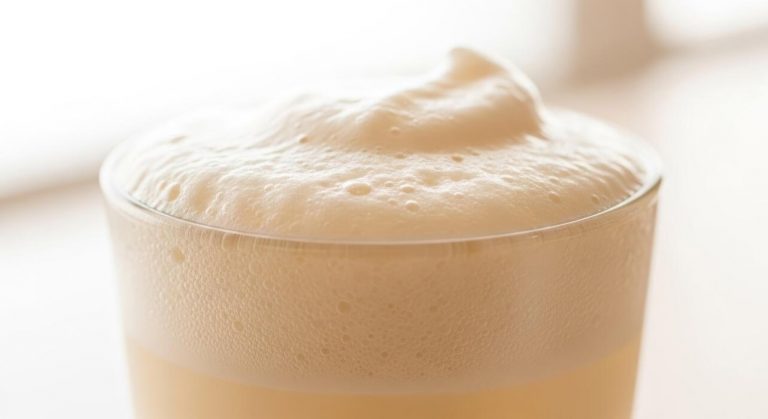
How To Brew Iced Coffee At Home
Stop overpaying for your daily caffeine fix and learn how to brew iced coffee at home like a professional barista. Whether you prefer a quick flash-brew method or a smooth overnight soak, making refreshing chilled coffee is easier than you think. Read on to discover the best techniques and tools to elevate your home brewing game today.
Best Coffee Beans and Roasts for Iced Coffee
Why Dark Roasts Work Best with Ice
When you brew coffee to be served over ice, the melting water naturally dilutes the intensity of the flavor profile. Choosing dark roasts is the most effective way to ensure your beverage maintains its character despite this dilution.
Darker beans undergo a longer roasting process, which develops bold, smoky, and chocolatey notes that can stand up to heavy chilling. These robust flavors are less likely to become watery or weak compared to lighter varieties.
Furthermore, dark roasts typically have lower acidity, which is beneficial because cold temperatures can sometimes emphasize sharp, sour notes in lighter beans.
To achieve a professional result at home, look for labels like French Roast or Italian Roast, as these provide the punchy depth needed to cut through milk and sweeteners.
By starting with a concentrated dark base, you ensure that the final glass of iced coffee remains rich, flavorful, and satisfying from the first refreshing sip down to the very last drop of melted ice.
Single-Origin vs. Blends
The choice between single-origin beans and blends significantly impacts the final taste of your homemade iced coffee. Coffee blends are specifically engineered for consistency and balance, making them an excellent choice for those who enjoy a classic, reliable flavor profile.
Blends often combine beans from different regions to create a rounded taste that features notes of nuts and caramel, which pair perfectly with ice. On the other hand, single-origin beans offer a unique opportunity to explore the specific terroir of a single geographic location, such as Ethiopia or Colombia.
These beans often provide bright, fruity, or floral undertones that can be incredibly refreshing when served cold. If you prefer a complex and adventurous cup, go with a single-origin light-to-medium roast.
However, for a traditional iced coffee that tastes great with a splash of cream, a high-quality espresso blend is usually the superior choice. Experimenting with both will help you discover whether you value the predictability of a blend or the distinct personality of a single-origin bean.
The Importance of Grind Size
The success of your iced coffee depends heavily on matching your grind size to your chosen brewing method. If you are using the flash-chilled method with a pour-over or drip machine, a medium grind similar to sea salt is ideal to ensure proper extraction during the quick brewing process.
However, if you are making cold brew at home, you must use a coarse grind to prevent the coffee from becoming over-extracted and bitter during the long steeping period. A coarse texture allows the water to flow freely around the grounds, extracting the smooth sugars without the harsh tannins.
Using a burr grinder is highly recommended for achieving a consistent particle size, which leads to a much cleaner and more balanced flavor.
Avoid using pre-ground coffee if possible, as it loses its aromatic oils quickly; grinding fresh right before you brew ensures your iced coffee has a vibrant, cafe-quality taste. Proper calibration of your grind will ultimately determine whether your drink is refreshing and sweet or muddy and unpleasantly acidic.
How to Make Cold Brew Coffee at Home
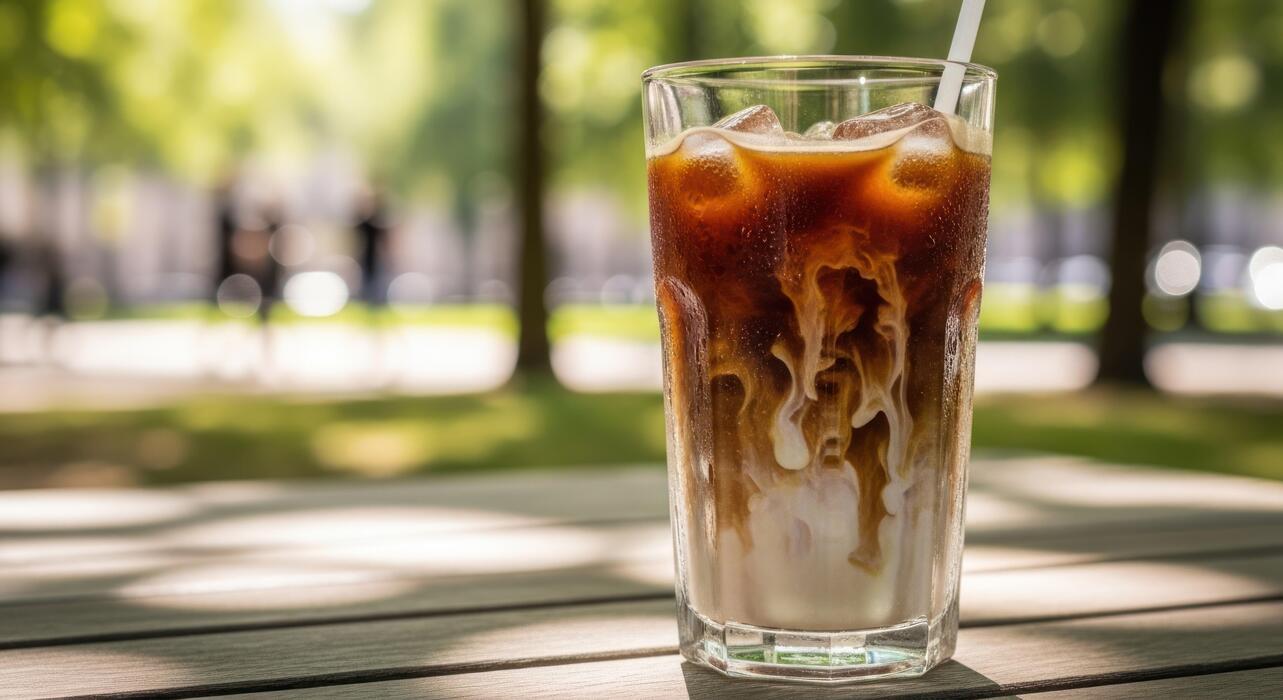
Step-by-Step Cold Brew Instructions
To begin your cold brew journey, start by coarsely grinding your favorite coffee beans to a texture resembling sea salt; a fine grind will result in bitter, cloudy coffee. Place the grounds into a large glass jar or dedicated cold brew maker.
Slowly pour filtered, room-temperature water over the grounds, ensuring every particle is fully saturated. Use a long spoon to gently stir the mixture, breaking up any dry pockets that might hinder extraction.
Once combined, cover the container and let it steep at room temperature or in the refrigerator for 12 to 24 hours. The extended steeping time is what develops the signature smooth, low-acid profile that makes cold brew so popular.
Avoid the temptation to agitate the jar during this period, as it can lead to over-extraction. After the time has elapsed, you will have a potent concentrate ready for the final filtration stage.
This simple, heat-free process ensures a mellow flavor profile that highlights the unique notes of your chosen beans.
The Ideal Coffee-to-Water Ratio
Achieving the perfect balance between strength and clarity depends entirely on your coffee-to-water ratio. For a versatile, multi-purpose concentrate, a ratio of 1:4 or 1:5 (one part coffee to four or five parts water by weight) is widely considered the gold standard.
Using a kitchen scale is the most accurate way to measure, ensuring consistency across every batch you brew. If you prefer a lighter, ready-to-drink version that does not require dilution, you can aim for a 1:10 or 1:12 ratio.
Remember that cold brew concentrate is incredibly strong and caffeine-dense, so it is designed to be mixed with equal parts water, milk, or ice before consumption. Experimenting with these proportions allows you to customize the intensity to suit your personal palate.
By mastering this mathematical foundation of brewing, you can recreate cafe-quality iced coffee at home without the expensive price tag. Always start with a 1:4 ratio if you are unsure, as it is easier to dilute a strong concentrate than to fix a weak one.
Filtering and Storing Your Concentrate
Once the steeping process is complete, the final step is to remove the grounds to stop the extraction. Set a fine-mesh sieve lined with a paper coffee filter or a clean cheesecloth over a clean carafe.
Slowly pour the mixture through the filter, allowing gravity to do the work; never squeeze the grounds, as this forces bitter oils and fine sediment into your clean brew. If you find the liquid still contains some sediment, perform a second pass through a fresh filter for a crystal-clear finish.
Transfer the filtered concentrate into an airtight glass container and store it in the refrigerator immediately. When kept cold and sealed, your homemade cold brew concentrate will remain fresh and delicious for up to two weeks.
To serve, simply pour your desired amount over a glass full of ice and top with water or your favorite creamer. This efficient storage method means you can prepare a large batch on the weekend and enjoy a quick, refreshing caffeine fix every single morning of the work week.
How to Brew Japanese Style Flash Chilled Coffee

What is Flash Chilling?
Flash chilling, also known as Japanese-style iced coffee, is a superior brewing method that involves brewing hot coffee directly onto ice.
Unlike traditional cold brew, which steeps for hours and often loses its aromatic complexity, flash chilling uses hot water to extract vibrant acids and delicate oils that define a bean’s unique profile.
When the hot extract hits the ice, it undergoes an immediate temperature drop that locks in the volatile aromatics before they can oxidize or escape into the air. This results in a beverage that is remarkably crisp, clean, and flavorful, offering a brightness that cold brew simply cannot replicate.
By utilizing this method, you ensure that the nuanced notes of citrus, berry, or floral tea remain prominent in the final cup. It is the most effective way to enjoy a refreshing cold beverage without sacrificing the sophisticated flavor integrity found in a high-quality hot pour-over.
This technique is perfect for those who value speed and flavor precision.
Calculating Ice Displacement
The secret to a perfectly balanced flash chilled coffee lies in the ratio, specifically by substituting half of your brewing water with ice.
If you typically use 300 grams of water for a standard pour-over, you should instead use 150 grams of hot water and place 150 grams of ice directly into the carafe.
This precise 1:1 displacement ensures that as the hot coffee melts the ice, the final concentration is perfectly diluted rather than watery or weak. To compensate for the reduced amount of hot water available for extraction, you must grind your coffee beans slightly finer than usual.
This increased surface area allows the smaller volume of hot water to extract enough solids to maintain a robust body. By mastering this simple mathematical adjustment, you can achieve a syrupy mouthfeel and balanced strength every time you brew.
It eliminates the guesswork and prevents the common pitfall of serving a translucent, flavorless drink that fails to satisfy the palate of a true coffee enthusiast.
Equipment Needed for the Best Flavor
To achieve professional results at home, you need a few essential tools that facilitate thermal stability and precise pouring. A high-quality pour-over dripper, such as a Hario V60 or a Kalita Wave, is fundamental for controlling the flow rate of the hot water over the grounds.
You will also need a gooseneck kettle to ensure a slow, steady stream, which is vital when working with a limited volume of water. A digital scale is non-negotiable for measuring the ice-to-water ratio accurately, as even a small discrepancy can lead to over-dilution.
Furthermore, choosing a glass or ceramic carafe helps maintain the cold temperature once the flash chilling process is complete. Using freshly roasted, light-to-medium roast beans will provide the best results, as their natural acidity shines when chilled instantly.
Finally, ensure your ice is made from filtered water to avoid introducing any metallic or chlorine tastes that could mask the delicate nuances of your carefully selected coffee beans.
Quick Ways to Make Iced Coffee with an Espresso Machine
Pulling the Perfect Iced Latte Shot
To craft a cafe-quality iced latte at home, start by pulling a double shot of espresso into a small glass or heat-proof container rather than directly over ice.
For the best flavor profile, aim for a ratio of 1:2 or 1:2.5, which ensures the coffee remains bold enough to cut through the milk. Since cold temperatures suppress sweetness, consider adding your syrups or sweeteners to the hot espresso immediately so they dissolve completely.
Once your shot is prepared and sweetened, fill a separate tall glass with fresh ice and pour in about six to eight ounces of cold milk. Slowly pour the hot espresso over the top to create a beautiful layered effect.
Using freshly roasted beans with chocolatey or nutty notes typically pairs best with dairy or oat milk in iced formats. This method ensures a smooth, consistent texture throughout the entire beverage without leaving undissolved sugar at the bottom of your glass.
How to Prevent Watered-Down Espresso
The biggest challenge when making iced coffee with an espresso machine is the rapid melting of ice, which can dilute your drink’s intensity. To combat this, one of the most effective solutions is to pre-chill your glassware in the freezer for ten minutes before brewing.
Additionally, you should consider using coffee ice cubes, made by freezing leftover brewed coffee or diluted espresso, which will actually strengthen your drink as they melt.
Another professional tip is to use large, solid ice spheres or cubes rather than crushed ice, as they have less surface area and melt significantly slower.
If you are in a rush, pulling your espresso shot into a chilled metal pitcher before pouring it over ice can help drop the temperature quickly.
By managing the thermal transition between the hot liquid and the cold ice, you maintain the integrity of the crema and the full-bodied mouthfeel that makes espresso-based iced drinks so satisfying and flavorful.
Shaken Espresso Techniques
For a refreshing texture that mimics high-end coffee shop favorites, try the shaken espresso method. After pulling your double shot, transfer the hot espresso into a cocktail shaker or a leak-proof mason jar filled with plenty of ice.
Add your desired sweeteners or spices, such as cinnamon or brown sugar, directly into the shaker. Secure the lid and shake vigorously for 15 seconds until a thick, frothy foam develops. This aeration process changes the mouthfeel, making the coffee taste lighter and creamier even before adding milk.
Strain the chilled mixture into a fresh glass filled with ice, leaving the spent ice in the shaker to avoid extra dilution. Top the drink with a splash of cold foam or cream for a decadent finish.
The rapid chilling from shaking locks in the aromatic oils and creates a unique micro-foam texture that you simply cannot achieve by stirring alone, providing a professional touch to your homemade iced coffee routine.
Standard Drip Machine Iced Coffee Methods

The Double-Strength Brewing Secret
To master iced coffee using a standard drip machine, the most effective strategy is the double-strength method. This approach compensates for the dilution that occurs when hot coffee meets ice. To begin, measure your standard amount of coffee grounds but cut the water volume exactly in half.
By concentrating the brew, you ensure the flavor profile remains robust and bold even after the ice melts. If you usually use four cups of water for four scoops of grounds, use only two cups of water instead. This produces a powerful concentrate that mimics the intensity of espresso.
Ensure you are using a medium-to-dark roast to maintain those chocolatey and nutty notes that pair so well with dairy or sweeteners. This simple adjustment prevents the common mistake of serving a watery, translucent beverage.
For the best results, use freshly ground beans and filtered water to guarantee a clean, professional-grade taste that rivals your favorite local cafe without needing any expensive specialized equipment.
Cooling Down Hot Coffee Quickly
Once your concentrated coffee has finished brewing, the speed at which you cool it down significantly impacts the final clarity and taste. Pouring boiling liquid directly over a full glass of ice can result in immediate melting and unwanted dilution.
Instead, transfer the hot coffee into a glass carafe or a stainless steel pitcher and let it sit at room temperature for five minutes.
For an even faster chill, place the container in an ice bath by filling a large bowl with cold water and ice cubes, then nestling your pitcher inside. This technique drops the temperature rapidly without adding extra water to the coffee itself.
Another pro tip for home baristas is to use coffee ice cubes, which are made by freezing leftover coffee in standard trays. These maintain the drink’s integrity as they melt. Avoid putting hot glass directly into the freezer, as the extreme temperature shift can cause it to shatter.
Once the liquid is cool to the touch, it is ready for serving.
Using a French Press for Iced Coffee
While drip machines are convenient, using a French Press is a fantastic alternative for those who prefer a richer, more textured iced coffee. To achieve this, use a coarse grind to prevent the mesh filter from clogging and to ensure a clean extraction.
Steep the grounds in hot water for exactly four minutes, following a one-to-ten coffee-to-water ratio to maintain that necessary strength for icing. After plunging, immediately pour the hot concentrate into a separate vessel to stop the brewing process, which prevents bitterness.
The natural oils preserved by the metal filter provide a silky mouthfeel that stands up beautifully to heavy cream or alternative milks like oat or almond.
If you have the time, you can also use your French Press for a cold brew variation by using room temperature water and steeping for twelve hours. However, the hot-to-cold flash method remains the quickest way to enjoy a refreshing glass.
Always clean your equipment thoroughly to ensure no stale oils ruin the bright, crisp profile of your homemade iced coffee.
Tips for Better Flavor and Texture
How to Make Coffee Ice Cubes
One of the most common complaints when learning how to brew iced coffee at home is that the drink becomes watery as the ice melts. To solve this, you should prioritize making coffee ice cubes to maintain the integrity of your beverage.
Start by brewing a fresh pot of your favorite blend and allowing it to cool to room temperature. Pour the liquid into a clean silicone ice tray and freeze for at least four to six hours.
For an extra boost of flavor, you can even add a splash of vanilla or cinnamon into the tray before freezing. These specialized cubes ensure that as they melt, they actually strengthen the coffee flavor rather than diluting it with plain water.
This simple preparation step allows you to enjoy a consistent strength from the first sip to the very last drop, providing a professional coffee shop experience right in your own kitchen without any extra cost or complicated equipment needed.
Choosing the Right Milk and Creamers
The texture of your iced coffee is heavily influenced by the fat content and consistency of your chosen dairy or plant-based alternative. For a rich and velvety mouthfeel, whole milk or half-and-half are traditional favorites that balance the natural acidity of the beans.
If you prefer non-dairy options, oat milk is the premier choice because it mimics the creaminess of dairy and froths exceptionally well even when cold. Almond milk offers a thinner consistency with a pleasant nutty undertone, while coconut milk adds a tropical sweetness that pairs beautifully with dark roasts.
To achieve the best results, try frothing your milk separately before pouring it over the ice to create a layered, café-style aesthetic.
Experimenting with different fat percentages and types of milk will allow you to customize the body and richness of your drink, ensuring that every glass of home-brewed iced coffee meets your specific palate preferences and desired nutritional goals.
Homemade Simple Syrups and Sweeteners
Granulated sugar rarely dissolves properly in cold liquids, often leaving a gritty residue at the bottom of your glass. To achieve a smooth and balanced sweetness, you should always use a liquid sweetener or a homemade simple syrup.
You can easily create a basic syrup by simmering equal parts water and sugar on the stove until the crystals fully dissolve. Once you have the base, consider infusing it with vanilla beans, caramel, or peppermint sticks to elevate your flavor profile beyond basic black coffee.
For those looking for healthier alternatives, maple syrup and honey are excellent natural options that blend seamlessly into cold brews. Always remember to add your sweeteners before the ice or mix them directly into the hot coffee if you are using the flash-chill method.
Mastering the art of the simple syrup ensures that every sip is perfectly sweetened without the unpleasant texture of undissolved sugar, resulting in a much more professional and enjoyable homemade beverage.
Common Iced Coffee Mistakes to Avoid
Why Your Coffee Tastes Bitter
Bitter iced coffee is usually the result of over-extraction or using water that is far too hot during the initial brewing phase. To ensure a smooth profile, avoid using boiling water directly on your grounds; instead, aim for a temperature between 195 and 205 degrees Fahrenheit.
If you are making cold brew, bitterness often stems from steeping the grounds for over twenty-four hours, which pulls out harsh tannins that ruin the flavor. Another common mistake is using a grind size that is too fine for your chosen method.
For most iced coffee preparations, a medium-coarse grind is ideal to prevent the water from extracting bitter compounds too quickly. If your drink still tastes sharp, try adding a tiny pinch of salt to the grounds before brewing to neutralize bitterness.
Always prioritize freshly roasted beans and filtered water to maintain a clean and balanced taste that shines when served over ice, ensuring every sip is refreshing rather than unpleasantly astringent or overly acidic.
Fixing Weak or Diluted Coffee
The most frequent complaint when learning how to brew iced coffee at home is a watery consistency caused by melting ice. To solve this, you must account for dilution by brewing a concentrated base.
If you are using the flash-chilled method, use double the amount of coffee grounds for the same volume of water you would use for hot coffee. This ensures that as the ice melts, it brings the beverage to the perfect strength rather than washing it out.
An even more effective professional secret is to create coffee ice cubes by freezing leftover coffee in trays. Using these instead of regular water ice ensures your drink actually gets stronger as it sits.
Additionally, ensure you are utilizing a scale to measure your ratios accurately; a standard 1:8 ratio for concentrates or 1:15 for immediate chilling usually yields the best body.
By controlling the water-to-coffee ratio strictly, you can enjoy a bold, cafe-quality beverage that retains its full-bodied integrity from the first sip to the very last drop.
Proper Cleaning for Better Taste
Even the best beans cannot overcome the off-flavors produced by a dirty machine or scale buildup. Residual coffee oils quickly turn rancid, leading to a sour or metallic aftertaste in your iced coffee.
To prevent this, you should deep clean your brewing equipment at least once a month using a mixture of vinegar and water or a specialized descaling solution. Pay close attention to the carafe, the filter basket, and especially the water reservoir where mineral deposits tend to accumulate over time.
If you use a reusable mesh filter, ensure you scrub it thoroughly to remove trapped fines that can clog the mesh and cause over-extraction. For those using cold brew jars, ensure the seals are airtight and free of old residue.
Maintaining pristine equipment hygiene is the simplest way to ensure that the subtle notes of your coffee beans are not masked by old flavors.
A clean machine guarantees a crisp, vibrant cup every time you brew, making your home-based barista experience significantly more successful and delicious for you and your guests.
Frequently Asked Questions
What is the easiest way to brew iced coffee at home?
The simplest method is to brew a pot of double-strength hot coffee and pour it directly over a large glass filled with ice. By using twice the amount of coffee grounds, you ensure the flavor remains bold even as the ice melts and dilutes the drink.
How do I make cold brew coffee?
To make cold brew, combine coarsely ground coffee beans with room temperature water in a jar using a 1:4 ratio. Let the mixture steep for 12 to 24 hours at room temperature or in the fridge, then strain the concentrate through a coffee filter.
What is the best coffee-to-water ratio for iced coffee?
For traditional iced coffee, use a ratio of 2 tablespoons of ground coffee for every 6 ounces of water to account for dilution. If you are making a cold brew concentrate, a 1:4 or 1:5 ratio of coffee to water is ideal before diluting with milk or water.
How can I prevent my iced coffee from tasting watery?
One of the best tricks is to freeze leftover coffee into ice cubes and use those to chill your drink instead of regular water ice. Additionally, brewing your coffee at a higher concentration or using the ‘flash chill’ method helps maintain a robust flavor profile.
What is ‘flash chilled’ or Japanese-style iced coffee?
Flash chilling involves brewing hot coffee directly onto ice using a pour-over dripper or Aeropress. This method flash-cools the coffee instantly, which helps lock in the bright acidity and aromatic oils that are often lost in the slow cold-brewing process.
Which coffee beans are best for iced coffee?
Medium to dark roasts are generally preferred for iced coffee because they have bold, chocolatey, and nutty notes that hold up well against ice and milk. However, light roasts are excellent for flash-chilled methods if you prefer a tea-like, fruity flavor profile.
Conclusion
Mastering iced coffee at home is a rewarding journey that saves time and money while offering endless customization. Whether you prefer the boldness of a flash-brew or the smooth profile of a cold brew, the key lies in using quality beans and the right ratios. Now that you have these techniques, feel free to experiment with syrups and milks. Start brewing today and enjoy a refreshing, professional-quality beverage from the comfort of your own kitchen.