How To Make Good Iced Coffee
Tired of watered-down brews and bitter sips? Learning how to make good iced coffee at home is easier than you think, and it starts with the right technique. Whether you prefer the smooth richness of cold brew or the instant gratification of the flash-chill method, we have you covered. Get ready to master the perfect balance of strength and chill for a refreshing caffeine fix.
Best Coffee Beans and Roasts for Iced Drinks
Why Dark Roasts Work Best with Ice
When making iced coffee, selecting a dark roast is the most effective way to ensure your beverage maintains its character after dilution. As ice melts, it naturally waters down the concentration of your drink, which can make lighter roasts taste thin or overly sour.
Dark roasts, such as French or Italian roasts, undergo a longer heating process that develops deep, smoky, and chocolatey notes. These bold profiles are robust enough to withstand the addition of melting ice and heavy creamers without losing their identity.
Furthermore, the lower acidity found in darker beans prevents the final cup from tasting sharp or metallic when chilled. For the best results, look for beans with tasting notes of caramel, cocoa, or toasted nuts, as these flavors harmonize perfectly with the cooling sensation of an iced beverage.
By starting with a high-intensity dark roast, you guarantee a rich, full-bodied experience that remains satisfying from the first sip to the very last drop.
Single-Origin vs. Blends for Cold Coffee
Choosing between single-origin beans and curated blends significantly impacts the final flavor profile of your iced coffee. Single-origin beans are sourced from a specific region and offer unique, distinct characteristics like floral aromas or bright citrus notes.
While these are excellent for sophisticated cold brews, they can sometimes be overpowered if you add lots of milk or sugar. On the other hand, coffee blends are specifically engineered by roasters to provide a balanced and consistent taste.
Blends often combine beans from different altitudes and regions to create a complex flavor foundation that is both reliable and versatile. For a classic iced coffee experience that pairs well with sweeteners, a high-quality blend is usually the superior choice because it offers a harmonious mouthfeel.
If you prefer drinking your iced coffee black to appreciate subtle nuances, then a single-origin bean from Ethiopia or Colombia might be more rewarding. Ultimately, selecting a well-balanced blend ensures your drink remains flavorful even as the ice begins to melt.
The Importance of Freshly Ground Beans
To achieve a professional-grade iced coffee at home, you must prioritize the freshness of your grind. Coffee begins to lose its aromatic oils and flavor complexity almost immediately after being ground due to oxidation.
For iced drinks, where the cold temperature can sometimes mask subtle flavors, using freshly ground beans is essential to ensure the brew remains vibrant and aromatic. Invest in a quality burr grinder to achieve a consistent particle size, which prevents over-extraction and bitterness.
For traditional iced drip coffee, a medium-coarse grind is ideal, while a very coarse grind is necessary for immersion-style cold brew. Grinding your beans just seconds before brewing locks in the volatile compounds that provide that signature coffee punch.
This practice results in a cleaner, crisper taste that distinguishes a mediocre home brew from a premium cafe-style beverage. By controlling the grind size and timing, you maximize the extraction of natural sugars, leading to a naturally sweeter iced coffee that requires less artificial enhancement to taste absolutely delicious.
How to Make Iced Coffee Using the Flash Chill Method
What is Flash Chilling?
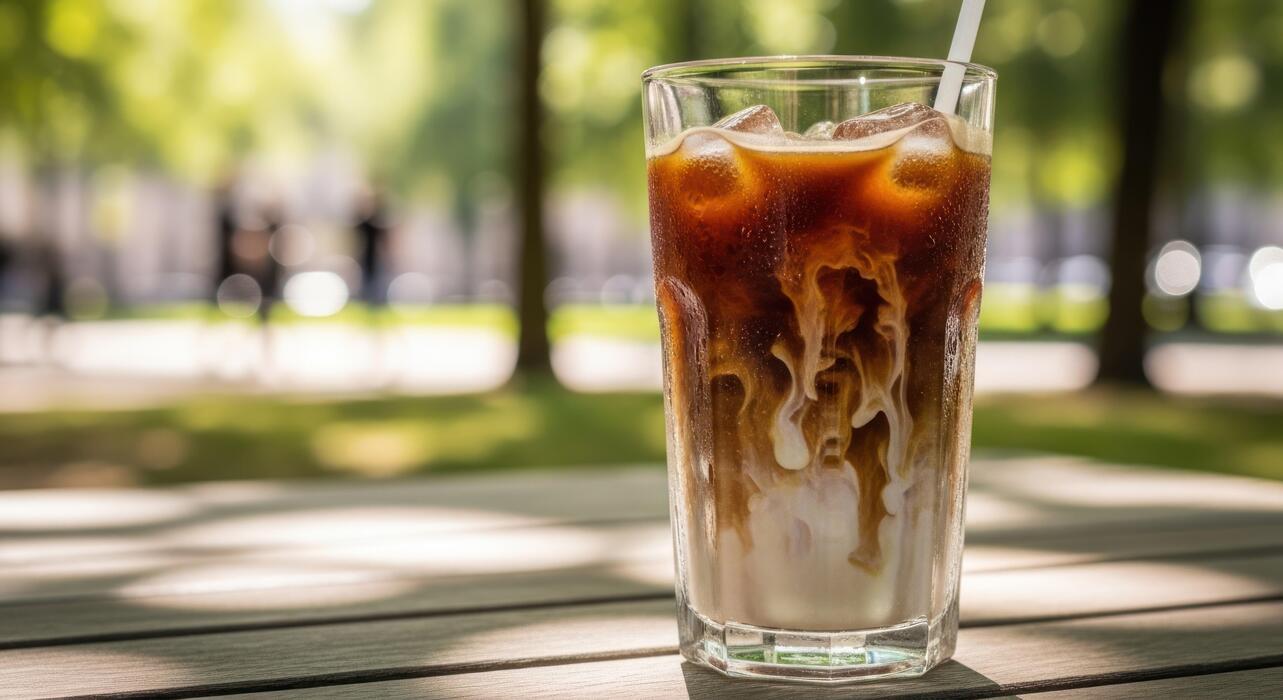
Flash chilling, also known as the Japanese iced coffee method, is a specialized brewing technique that involves dripping hot coffee directly over a bed of ice.
Unlike cold brew, which relies on long immersion times and often results in a muted flavor profile, flash chilling uses heat to extract the complex acids and aromatic oils found within the coffee grounds.
By immediately cooling the concentrate, you lock in the volatile compounds that usually dissipate as coffee sits at room temperature. This process ensures that the bright, floral, and fruity notes of your high-quality beans are preserved rather than lost to oxidation.
To master this, you must adjust your usual brewing ratios to account for the dilution that occurs as the ice melts. The result is a crisp, refreshing beverage that maintains the integrity of a hot pour-over while providing the cooling relief of an iced drink.
It is widely considered the gold standard for enthusiasts seeking a balanced, vibrant, and incredibly clean cup of coffee.
Step-by-Step Brewing Guide
To begin, calculate your total water weight and divide it; use approximately one-third ice and two-thirds hot water. Place your measured ice cubes directly into the bottom of a carafe or glass. Set up your dripper with a rinsed paper filter and add medium-fine coffee grounds.
Slowly pour water heated to about 200 degrees Fahrenheit over the grounds, starting with a thirty-second bloom to release trapped gases. Continue pouring in circular motions, ensuring all grounds are saturated.
As the hot coffee hits the ice, it undergoes an instantaneous temperature drop, which stops the brewing process and prevents the development of bitterness. Because the ice acts as part of your total brew water, the final product is perfectly diluted and ready to drink immediately.
For the best results, use freshly roasted beans and filtered water to ensure clarity. Once the drip is complete, swirl the carafe to melt any remaining ice shards and pour the chilled liquid over fresh ice in a clean glass for a professional-tier experience.
Why This Method Preserves Flavor
The primary advantage of the flash chill method is its ability to prevent the chemical degradation that occurs when coffee cools down slowly. When hot coffee is left to reach room temperature naturally, it undergoes oxidation and pH changes that lead to a sour or metallic aftertaste.
By utilizing an immediate thermal shock, you effectively freeze the flavor profile at its peak extraction point. This is especially beneficial for light to medium roast coffees, where the delicate nuances of origin are most prominent.
Furthermore, because the extraction happens with hot water, you pull out the sweetness and acidity that cold water simply cannot dissolve during the cold brew process. This creates a much more dynamic and layered sensory experience.
Choosing this method means you no longer have to sacrifice the sophisticated notes of your favorite single-origin beans for the sake of a cold temperature.
It represents the perfect harmony between scientific precision and refreshing convenience, offering a superior taste that remains vibrant from the first sip to the very last drop.
How to Make Cold Brew Coffee at Home

The Ideal Coffee-to-Water Ratio
To master how to make good iced coffee at home, you must start with the correct foundation of ingredients. For a versatile cold brew concentrate, the gold standard is a 1:4 coffee-to-water ratio by weight.
This means using one cup of coarsely ground beans for every four cups of filtered water. Using a coarse grind size, similar to sea salt, is essential because it prevents over-extraction and bitterness during the long soaking process.
If you prefer a milder, ready-to-drink version immediately, you can adjust the ratio to 1:8, but starting with a concentrate offers more flexibility for customization. Always use freshly roasted beans and filtered water to ensure the cleanest flavor profile possible.
High-quality water removes chlorine and minerals that can mask the delicate chocolatey or nutty notes inherent in your coffee. By measuring your ingredients accurately with a digital scale, you guarantee a consistent, bold, and delicious result every single time you brew.
Steeping Times for Maximum Smoothness
The magic of cold brew lies in the patient extraction process which yields a low-acid finish. For the smoothest possible flavor, you should aim for a steeping time of 12 to 18 hours at room temperature.
If you prefer to steep your coffee in the refrigerator, you should extend that window to 24 hours to account for the slower extraction rate in colder environments.
Leaving the grounds in the water for too long, such as beyond 24 hours, can lead to unpleasant woody or bitter flavors that ruin the profile. It is best to keep the brewing vessel in a cool, dark place away from direct sunlight to maintain a stable temperature.
This long, gentle contact time allows the water to dissolve the sugars and oils without the harshness associated with heat. Once the timer hits your desired mark, the result is a velvety smooth liquid that serves as the perfect base for your favorite iced coffee drinks.
Filtering and Storing Your Concentrate
Once your steeping is complete, the final step to achieving a professional-grade iced coffee is proper filtration. Begin by pouring the mixture through a fine-mesh sieve to remove the large grounds, then follow up with a paper coffee filter or a clean nut milk bag for a sediment-free finish.
This double-filtration method ensures your drink is crisp and clear rather than muddy or gritty. Store your finished concentrate in an airtight glass jar or carafe in the refrigerator.
When stored properly, the concentrate will stay fresh and flavorful for up to two weeks, making it a convenient solution for busy mornings. When you are ready to serve, simply dilute the concentrate with equal parts water or milk over fresh ice.
This method prevents the ice from watering down your beverage too quickly. Experimenting with different milk alternatives or simple syrups can further enhance your homemade experience while keeping your coffee smooth and refreshing.
Tips for Preventing Watered-Down Iced Coffee
How to Make Coffee Ice Cubes
One of the most effective ways to preserve the integrity of your beverage is to replace standard water ice with coffee ice cubes.
To do this, simply brew a fresh pot of your favorite blend and let it cool to room temperature before pouring it into a clean silicone ice tray. For an extra flavor boost, you can add a touch of simple syrup or vanilla extract to the liquid before freezing.
These specialized cubes ensure that as they melt, they release concentrated coffee liquid rather than diluting your drink with excess water. This method allows you to enjoy your iced coffee at a leisurely pace without the flavor profile degrading over time.
It is a fantastic preparation step for those who want to maintain a consistent, bold taste from the first sip to the very last drop.
Keep a steady supply of these cubes in a sealed container in your freezer to ensure you are always ready to assemble a professional-quality drink at home.
Using the Double-Strength Brewing Technique
When you pour hot coffee directly over ice, the immediate thermal shock causes rapid melting, which often leads to a thin and watery consistency. To counteract this, you should adopt the double-strength brewing technique by using twice the amount of coffee grounds for the same volume of water.
This creates a highly concentrated extraction that is specifically designed to be diluted by melting ice. By calculating the coffee-to-water ratio with dilution in mind, you ensure that the final beverage reaches the perfect balance of strength and clarity once it reaches its chilled state.
Many professional baristas recommend using a pour-over dripper or an AeroPress for this method to achieve a cleaner flavor profile that stands up well to the addition of milk or sweeteners.
This proactive adjustment to your brewing variables is the secret to achieving a robust body and a rich mouthfeel that mimics the high-quality iced lattes found at premium specialty cafes, providing a much more satisfying and flavorful caffeinated experience.
The Role of HyperChillers and Rapid Cooling
If you want to skip the wait and avoid dilution entirely, investing in specialized equipment like a HyperChiller or rapid cooling device is a game-changer.
These tools use a series of stainless steel chambers surrounded by ice to drop the temperature of hot coffee by up to 130 degrees in less than one minute.
Because the coffee stays isolated from the ice during the cooling process, there is zero water dilution, allowing the original flavor notes and acidity to remain perfectly intact.
This technology is ideal for those who prefer the bright, complex flavors of light-roast beans which can sometimes be lost when using traditional cooling methods. By utilizing flash-chilling technology, you can take coffee directly from the brewer and turn it into a refreshing iced beverage almost instantly.
This approach is highly efficient for busy mornings when you do not have time to wait for a slow chill in the refrigerator, providing a convenient and high-tech solution for maintaining the maximum strength and aroma of your daily brew.
Best Ways to Sweeten and Flavor Your Drink
How to Make Simple Syrup That Dissolves Instantly
One of the most common mistakes when making iced coffee is adding granulated sugar directly to the cold liquid, which results in a gritty texture at the bottom of your glass. To achieve a professional finish, you must use simple syrup because it integrates seamlessly with cold beverages.
To make it, combine equal parts water and white sugar in a small saucepan over medium heat. Stir the mixture constantly until the liquid becomes completely clear, indicating the sugar has fully dissolved.
Once it reaches this point, remove it from the heat and let it cool before transferring it to a glass jar. You can store this syrup in your refrigerator for up to four weeks.
For a richer profile, try using brown sugar or demerara sugar to create a caramel-like depth that pairs beautifully with dark roast beans. Using a liquid sweetener ensures that every single sip of your iced coffee is consistently sweet without any unwanted grainy residue or sediment.
Natural Sweeteners and Creamer Options
If you prefer to avoid refined sugars, there are several natural sweeteners that provide excellent flavor profiles for iced coffee. Maple syrup is a fantastic choice because it dissolves easily in cold liquids and adds a distinct, earthy sweetness that complements the acidity of the coffee.
Honey is another popular option, though it is best to whisk it into warm espresso or a small amount of hot water before adding ice to prevent it from seizing up and becoming waxy.
For those looking for creamy textures, consider using full-fat oat milk or coconut milk, which provide a natural sweetness and a velvety mouthfeel without the need for heavy dairy. If you are watching your calorie intake, liquid stevia or monk fruit drops are effective alternatives that blend instantly.
Experimenting with different milk-to-coffee ratios is essential; a splash of heavy cream can transform a basic brew into a luxurious treat, while almond milk offers a lighter, nutty finish that highlights the subtle floral notes of lighter coffee roasts.
Adding Vanilla, Cinnamon, and Cocoa
Elevating your iced coffee beyond basic sweetness involves incorporating aromatic pantry staples like pure vanilla extract, ground cinnamon, or unsweetened cocoa powder. To infuse your drink with a classic cafe vibe, add half a teaspoon of vanilla extract directly to your milk or cream before pouring it over the ice.
For a spiced twist, try mixing cinnamon into your dry coffee grounds before brewing; this allows the oils to extract evenly and prevents the spice from floating on top of your cold drink.
If you crave a mocha flavor, create a quick chocolate slurry by mixing cocoa powder with a small amount of warm water or simple syrup before stirring it into your glass.
Another pro tip is to use flavored ice cubes made from frozen coffee or milk infused with spices, which prevents your drink from becoming watered down as the ice melts.
These small additions provide a complex flavor profile that makes your homemade iced coffee taste like it was prepared by a professional barista at a high-end specialty shop.
Essential Equipment for Better Home Brewing
Choosing the Right Coffee Maker
To master the art of iced coffee, you must first select a brewing device that handles concentration well. For those who prefer the flash-chill method, a standard drip machine or pour-over dripper is ideal, provided you brew at double strength to account for ice dilution.
Alternatively, a dedicated cold brew carafe or French press allows for a long, slow extraction that minimizes acidity and highlights natural sweetness. Using a specialized brewer ensures that the water-to-coffee ratio remains consistent, which is the foundation of any high-quality beverage.
If you want a punchy, bold flavor that stands up to milk, an espresso machine or Moka pot is highly recommended for creating concentrated shots.
Regardless of the specific device you choose, the goal is to produce a robust liquid that retains its aromatic profile even after it is poured over a glass of frozen cubes. Investing in a reliable brewer is the first step toward professional results at home.
Precision Scales and Grinders
Consistency is the secret to great coffee, which is why a digital scale and a burr grinder are non-negotiable tools for your kitchen. A scale allows you to measure both your beans and your water by weight rather than volume, ensuring that every batch has the perfect extraction balance.
When making iced coffee, precision is even more critical because you are often working with reduced water volumes to accommodate for ice. Simultaneously, a high-quality burr grinder provides a uniform particle size, which prevents the bitter or sour notes associated with uneven extraction.
For cold brew, you will need a coarse setting, while flash-brewed iced coffee requires a medium-fine grind. By grinding your beans fresh just seconds before brewing, you preserve the volatile oils and delicate aromas that are often lost in pre-ground varieties.
These two tools combined will significantly elevate the clarity and depth of your homemade chilled drinks, making them taste like they came from a high-end cafe.
Glassware That Keeps Drinks Cold
The vessel you choose to serve your coffee in plays a major role in maintaining the integrity of the flavor from the first sip to the last.
Double-walled borosilicate glassware is the gold standard for iced coffee because it provides superior insulation, keeping your drink cold while preventing messy condensation from forming on the outside. This ensures that your ice melts at a much slower rate, preventing the unwanted dilution of your brew.
For those who enjoy taking their coffee on the go, a stainless steel vacuum-insulated tumbler is an excellent alternative that can keep liquids at near-freezing temperatures for several hours. Additionally, consider using large-format ice molds to create slow-melting spheres or cubes, which further preserve the strength of the coffee.
Choosing the right glassware is not just about aesthetics; it is a functional choice that protects the temperature and concentration of your beverage. High-quality cups allow you to savor the complex notes of your beans without the rush of a melting watery mess.
Common Mistakes to Avoid When Making Iced Coffee
Using Hot Coffee Over Small Ice Cubes
One of the most frequent errors when learning how to make good iced coffee is pouring hot liquid directly over small, standard ice cubes. This process leads to immediate melting, which results in a watery, flavorless beverage that lacks the robust profile coffee lovers crave.
To solve this, you should flash-chill your coffee using larger ice spheres or cubes, which have less surface area and melt much slower than crushed ice.
Another professional tip is to create coffee ice cubes by freezing leftover brew in a tray; as these cubes melt, they actually reinforce the strength of your drink rather than diluting it.
If you are brewing directly over ice, ensure you use a higher coffee-to-water ratio to account for the inevitable dilution that occurs during the cooling phase.
By managing the thermal transition carefully, you maintain the aromatic complexity of the beans while achieving the perfect chilled temperature for a refreshing summer treat.
Neglecting Water Quality and Filtration
Since a glass of iced coffee is nearly ninety-eight percent water, using tap water containing chlorine or heavy minerals will negatively impact the final taste. Many beginners overlook this detail, resulting in a metallic or chemical aftertaste that even the best beans cannot mask.
To ensure a clean and crisp profile, always use filtered or bottled spring water for both the brewing process and the ice cubes themselves. High-quality water allows the delicate flavor notes of your specific roast to shine through without interference.
Furthermore, the mineral content of your water affects how efficiently the coffee solids are extracted; softened or purified water provides a neutral canvas that highlights the natural sweetness and acidity of the bean. Investing in a simple charcoal filter pitcher is a cost-effective way to elevate your home barista skills.
Consistency in water quality is the secret foundation of any professional-grade iced beverage that tastes just as good as a high-end cafe offering.
Over-extracting the Beans
Over-extraction occurs when the coffee grounds are in contact with hot water for too long or if the grind size is too fine, leading to a harsh, bitter, and astringent liquid.
When making iced coffee, especially via the cold brew method, it is vital to use a coarse grind size similar to sea salt to ensure a smooth finish.
If you are using a heat-based method like a Chemex, pay close attention to the steeping time and water temperature; water that is boiling hot can scorched the grounds, releasing unwanted tannins. Aim for a temperature between 195 and 205 degrees Fahrenheit for the best results.
To fix a bitter brew, you can shorten the brew time or slightly increase the coarseness of your beans. Remember that the goal is to highlight the natural oils and sugars within the bean, creating a balanced cup that requires less sweetener.
Mastering the extraction window ensures your iced coffee remains vibrant and refreshing rather than heavy and unpleasantly sharp.
Frequently Asked Questions
What is the best coffee-to-water ratio for iced coffee?
For a standard brew that won’t taste watery, use a 1:15 ratio, or about 2 tablespoons of ground coffee for every 6 ounces of water. If you plan on adding a lot of ice, increase the coffee amount slightly to create a stronger concentrate.
How do I prevent my iced coffee from becoming watered down?
The most effective method is to use coffee ice cubes made by freezing leftover brewed coffee in a tray. Alternatively, you can brew your coffee at double strength before pouring it over fresh ice to compensate for the melting.
Should I use hot brewed coffee or cold brew for the best flavor?
Hot brewed coffee that has been cooled offers a brighter, more acidic profile, while cold brew is smoother and less bitter. For a quick, high-quality result, the ‘flash brew’ method—brewing hot coffee directly over ice—preserves the most aromatic flavors.
What is the best way to sweeten iced coffee?
Granulated sugar does not dissolve well in cold liquids, so it is best to use simple syrup or flavored liquid sweeteners. If you prefer natural options, stir in honey or agave while the coffee is still warm, or use a liquid stevia extract.
Which roast level works best for iced coffee?
Medium to dark roasts generally perform better for iced coffee because their bold, chocolatey, and nutty notes hold up well against dilution and milk. Light roasts can sometimes taste overly sour or thin when served cold.
How long can I store brewed coffee in the fridge for iced drinks?
You can store brewed coffee in an airtight container in the refrigerator for up to 3 to 5 days. For the freshest taste, try to consume it within 24 hours, as the coffee will gradually lose its aroma and develop a stale flavor over time.
Conclusion
Mastering the art of iced coffee at home is both rewarding and simple. By focusing on high-quality beans, experimenting with cold brew or flash-chilling methods, and using coffee ice cubes to prevent dilution, you can achieve café-quality results. Don’t be afraid to customize your brew with unique syrups or creamy milks. Now that you have these essential tips, it is time to start brewing and enjoy your perfect, refreshing glass of homemade bliss.