How To Make Coffee For Iced Coffee
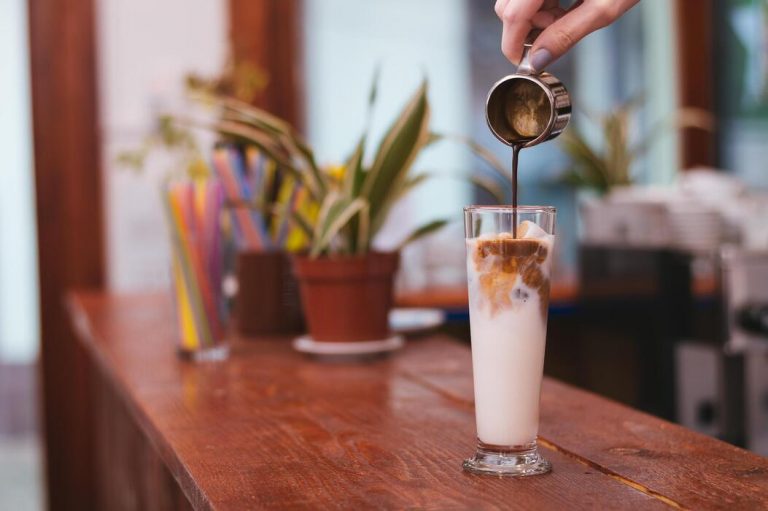
Making the perfect base for your favorite chilled drink is easier than you think. If you have been wondering how to make coffee for iced coffee that actually tastes great, you are in the right place. To avoid a watery mess, you need a brew that stands up to melting ice. This guide walks you through the best methods, from flash-brewing to cold brew concentrates, ensuring a bold flavor every time. Let’s get you caffeinated and refreshed fast.
Best Coffee Beans for Iced Coffee
Dark Roast vs. Light Roast
When deciding how to make coffee for iced coffee, the roast profile plays a pivotal role in the final flavor profile. Dark roast beans are generally considered the gold standard for iced preparations because their robust, smoky, and chocolatey notes remain distinct even after significant dilution from melting ice.
The intense caramelization of dark roasts provides a sturdy backbone that pairs beautifully with milk or sweeteners. On the other hand, light roast beans offer a brighter, more tea-like experience with vibrant acidity and floral undertones.
While light roasts can be refreshing, their delicate nuances are often lost when served cold or diluted. For a classic, bold iced coffee that tastes like a professional cafe brew, opt for a medium-dark roast to ensure the natural sugars are developed enough to stand up to the chilling process.
This balance ensures your beverage remains flavorful and punchy from the first refreshing sip to the very last drop.
Freshness and Grind Size
To achieve the best results when learning how to make coffee for iced coffee, you must prioritize freshly roasted beans and the correct grind consistency. Using beans within two to four weeks of their roast date ensures that the volatile aromatic oils are intact, providing a rich sensory experience.
The ideal grind size depends entirely on your chosen brewing method; for instance, a coarse grind is mandatory for cold brew to prevent over-extraction and bitterness during the long steep.
Conversely, if you are using the flash-chilling method with a pour-over, a medium-fine grind is necessary to extract enough solids to compensate for the ice. Grinding your beans immediately before brewing prevents oxidation and preserves the complex flavor compounds that make iced coffee truly stand out.
Investing in a quality burr grinder allows for the precision needed to avoid sediment, ensuring a clean, crisp, and professional-grade cold beverage that rivals any specialty coffee shop menu item.
Single Origin vs. Blends
Choosing between single origin and blends is a crucial step in mastering how to make coffee for iced coffee. Coffee blends are specifically engineered for consistency and balance, often combining beans from different regions to create a rounded profile of chocolate, nuts, and caramel.
These are highly reliable for iced coffee because they offer a predictable flavor profile that holds up well under refrigeration. In contrast, single-origin beans allow you to highlight the unique terroir of a specific region, such as the citrusy brightness of Ethiopian beans or the fruity acidity of Kenyan varieties.
While single origins can produce an incredibly sophisticated and complex iced coffee, they require more precision during the brewing process to avoid sourness. For beginners, a high-quality espresso blend is often the best starting point, as it provides the depth and intensity needed to survive the addition of ice cubes.
Experimenting with both will help you discover whether you prefer a reliable, smooth blend or a vibrant, adventurous single-origin cup.
How to Brew Strong Coffee for Ice

The Golden Ratio for Iced Coffee
To prevent a watery beverage, you must account for the dilution that occurs when hot coffee hits ice cubes.
The most effective method for achieving a bold flavor profile is to implement a double-strength brewing ratio, which typically means using half the amount of water you would normally use for a standard hot cup. Instead of the traditional 1:16 ratio, aim for a 1:8 ratio of coffee to water.
This concentrated approach ensures that as the ice melts, the resulting liquid balances out to a perfect drinking strength rather than becoming weak and translucent. Always use freshly ground beans with a medium-coarse consistency to maximize surface area contact without over-extracting bitter compounds.
By weighing your coffee and water on a digital scale, you maintain strict control over the concentration, ensuring that the final iced beverage retains its complex flavor notes, acidity, and caffeine kick even after several minutes of sitting in a chilled glass on a warm day.
Using a Drip Coffee Maker
Making high-quality iced coffee with a standard drip machine is simple if you adjust the water distribution. Start by filling your carafe with measured ice cubes before you begin the brewing cycle; this is often called the flash-chill method.
Calculate the total water volume your machine usually requires and replace exactly half of that water with ice placed directly in the pot. When the hot, concentrated coffee drips onto the ice, it locks in the delicate aromatic oils that are often lost during slow cooling processes.
Ensure your filter basket is filled with enough grounds to match the full volume of liquid, even though you are using less water in the reservoir. This technique creates a thermal shock that preserves brightness and prevents the stale, oxidized taste associated with refrigerated leftover coffee.
Once the cycle finishes, give the carafe a gentle swirl to melt any remaining ice and serve immediately over fresh cubes for a crisp and refreshing professional-grade experience at home.
Pour Over Techniques for Better Flavor
The pour over method offers the highest level of control for those seeking a nuanced and vibrant iced coffee. To execute this perfectly, place your dripper over a vessel filled with exactly 50% of your total target water weight in ice.
Use a slightly finer grind than usual to increase extraction efficiency since the hot water will be in contact with the grounds for a shorter duration due to the reduced volume. Begin with a thirty-second bloom phase, using just enough hot water to saturate the grounds and release trapped gases.
Slowly pour the remaining hot water in circular motions, ensuring all grounds are evenly saturated. The concentrated extract will flash-chill as it hits the ice below, creating a clear and bright cup with highlighted floral or fruity notes.
This method is superior for specialty beans because the rapid cooling prevents the development of bitterness. Always finish by pouring the chilled concentrate into a fresh glass with large, slow-melting ice blocks to maintain the integrity of the brew for longer periods.
How to Make Cold Brew Coffee at Home

Steeping Times and Ratios
To master how to make coffee for iced coffee using the cold brew method, you must first focus on the ideal coffee-to-water ratio.
For a versatile concentrate, a 1:4 or 1:5 ratio is highly recommended, meaning one cup of coarsely ground beans for every four to five cups of filtered water. Unlike traditional drip methods, cold brew requires a very coarse grind size, similar to sea salt, to prevent over-extraction and bitterness.
Once you have mixed your grounds and room-temperature water in a jar, the most critical element is patience. You should steep the mixture for 12 to 18 hours at room temperature or in the refrigerator.
Steeping for less than 12 hours often results in a weak, underdeveloped flavor profile, while exceeding 24 hours can pull unwanted woody notes from the beans.
Finding this sweet spot ensures a smooth, low-acid coffee base that holds up perfectly when poured over ice or diluted with cold milk and sweeteners.
Filtering Your Cold Brew
Once your steeping window is complete, the next step in creating a clean, crisp iced coffee is thoroughly filtering the concentrate. Because cold brew uses such a coarse grind, you need a filtration method that removes all sediment without stripping away the natural oils that provide body.
Start by pouring the mixture through a fine-mesh sieve to catch the largest grounds. For a professional, sediment-free finish, perform a second pass through a paper coffee filter or a clean nut milk bag.
This extra step is essential because any remaining fine particles will continue to extract, potentially turning your smooth brew bitter over time. If you find the process slow, avoid the urge to squeeze the filter, as this can force silt through the fibers and cloud your drink.
A properly filtered concentrate should look dark and translucent, providing a perfect foundation for a refreshing glass of iced coffee that remains bright and flavorful until the very last sip of the day.
Storing Your Cold Brew Concentrate
One of the greatest benefits of learning how to make coffee for iced coffee via the cold brew method is its extended shelf life and convenience. After filtering, you should transfer your concentrate into an airtight glass container, such as a mason jar or a swing-top bottle.
Storing the coffee in glass rather than plastic helps preserve the purity of the flavor and prevents the absorption of refrigerator odors.
When kept in the fridge, your cold brew concentrate stays fresh for up to two weeks, allowing you to prepare a single glass of iced coffee in seconds whenever a craving strikes. Because this is a concentrated liquid, you should dilute it with equal parts water or milk before serving.
If you want to prevent your drink from becoming watered down as you sip, consider freezing some of the concentrate into coffee ice cubes. This ensures that as the ice melts, your beverage remains strong and flavorful, maintaining the high quality of your homemade cold brew from start to finish.
The Flash Chilling Method
What is Japanese Style Iced Coffee?
The Japanese flash chilling method is a sophisticated technique designed to produce a vibrant, crisp glass of iced coffee in minutes. Unlike cold brew, which relies on a slow extraction process over twelve to twenty-four hours, this method involves brewing hot coffee directly over ice.
By utilizing heat to extract the beans, you unlock the full range of acids and aromatic oils that are often missing in cold-steeped alternatives.
The hot liquid hits the ice cubes immediately, causing an instantaneous drop in temperature that locks in the delicate flavor compounds before they have a chance to oxidize or become stale. This results in a beverage that is remarkably bright, clean, and nuanced.
To master this at home, you simply need a standard pour-over dripper, such as a V60 or Chemex, and a carafe filled with the correct amount of ice.
It is the gold standard for those who want a refreshing caffeinated drink without sacrificing the complex profile of high-quality specialty coffee beans.
Ice to Water Calculations
The secret to a perfect flash-chilled brew lies in precise math to ensure your beverage is never watery or weak. To account for the dilution that occurs as the hot coffee melts the cubes, you must split your total brewing water into two parts: liquid water and solid ice.
A reliable starting ratio is using one-third ice and two-thirds hot water. For example, if your standard recipe calls for 300 grams of water, you would place 100 grams of ice in the carafe and brew with 200 grams of hot water.
Additionally, you should slightly increase your coffee grounds dosage or use a finer grind to compensate for the smaller volume of hot water performing the extraction. This adjustment ensures the final concentrate is strong enough to taste balanced once the ice fully incorporates.
Always use large, dense ice cubes if possible, as they melt more predictably and provide a cleaner thermal shock than small, crushed ice that might melt too rapidly during the initial bloom phase.
Why Flash Chilling Preserves Aroma
One of the most significant advantages of the flash chilling method is its unique ability to capture volatile aromatic compounds that typically escape as steam during a traditional hot brew.
When coffee is brewed hot, the heat acts as a solvent to pull out the floral, fruity, and acidic notes that define a bean’s origin. By dripping this hot extract directly onto ice, you achieve a rapid thermal transition that effectively traps these delicate molecules in the liquid.
This process prevents the oxidation that can lead to the ‘bitter’ or ‘flat’ taste often associated with coffee that has been left to cool at room temperature.
Because the volatile oils are preserved, the resulting iced coffee offers a vibrant sensory experience and a complex bouquet that cold brew simply cannot replicate.
For enthusiasts who enjoy light or medium roast beans with citrusy or floral profiles, flash chilling is the superior choice for maintaining the integrity and brilliance of the coffee’s natural flavor profile while providing a cooling effect.
Ways to Prevent Watered Down Coffee

Making Coffee Ice Cubes
One of the most effective strategies for preserving the rich profile of your beverage is freezing leftover coffee into ice cubes. Instead of using standard water-based cubes that dilute your drink as they melt, these specialized cubes release more coffee flavor into the glass.
To execute this perfectly, brew a fresh pot of your favorite roast and allow it to reach room temperature before pouring it into a silicone tray. For an enhanced experience, you can even add a touch of simple syrup or vanilla extract to the liquid before freezing.
This ensures that even on a sweltering afternoon, your last sip is just as potent and delicious as the first. By using coffee ice cubes, you eliminate the race against time typically associated with iced beverages.
It is a simple yet revolutionary way to maintain the ideal caffeine concentration without sacrificing the temperature. This method is particularly useful for those who enjoy sipping their drinks slowly throughout the morning hours.
Using a HyperChiller
If you are looking for an instantaneous solution to high-temperature brewing, a HyperChiller is a game-changing tool for your kitchen. This device utilizes a unique multi-chamber design that exposes hot liquid to large surface areas of ice-cold stainless steel.
Unlike pouring hot coffee directly over ice, which causes immediate dilution, the HyperChiller can drop the temperature of your brew by over one hundred degrees in less than sixty seconds. This rapid cooling process locks in the delicate aromatics and oils that characterize high-quality beans.
To use it, simply brew directly into the top of the device, swirl for a minute, and pour the chilled liquid over fresh ice. Because the coffee is already cold when it hits the glass, the ice remains solid for significantly longer.
Investing in this technology allows you to enjoy cafe-quality iced coffee at home without the long wait times associated with traditional refrigeration or the watered-down taste of primitive cooling methods.
The Benefits of Double Strength Brewing
Mastering the art of the pour-over or drip machine for cold consumption requires a fundamental shift in your recipe, specifically through double strength brewing.
Since melting ice is an inevitable part of the iced coffee experience, you must account for that extra water by using twice the amount of coffee grounds for the same volume of water. This creates a concentrated base that is specifically designed to be diluted.
When the hot, concentrated extract hits the ice, the melting water acts as the final ingredient that brings the drink to its perfect flavor equilibrium. You should look for dark or medium-dark roasts that possess bold, chocolatey notes, as these stand up best to extreme temperature changes.
This technique ensures that your beverage retains its robust body and complex profile regardless of environmental heat. By intentionally crafting a stronger brew, you provide a necessary buffer against dilution, ensuring a consistently bold and satisfying experience from the very first drop to the very last.
Milk and Sweetener Options
Best Dairy and Plant-Based Milks
When deciding how to make coffee for iced coffee, the choice of whitener significantly impacts the final texture and flavor balance.
For a classic, creamy profile, whole milk remains the gold standard because its high fat content creates a velvety mouthfeel that stands up well against the dilution of melting ice.
If you prefer plant-based alternatives, oat milk is widely considered the best choice for cold brews and iced lattes due to its natural sweetness and thick consistency that mimics dairy.
Unsweetened almond milk offers a lighter, nuttier profile with fewer calories, though it may separate if poured into very acidic coffee. For those seeking maximum indulgence, a splash of half-and-half or heavy cream provides a rich, dessert-like quality.
Always remember to add your milk after the coffee has been slightly cooled or poured over ice to prevent the fats from curdling or creating an oily film on the surface of your refreshing beverage.
How to Make Simple Syrup
Granulated sugar often fails to dissolve in cold liquids, leaving a gritty residue at the bottom of your glass. To avoid this, the most effective solution is to prepare a simple syrup by combining equal parts water and sugar in a small saucepan.
Heat the mixture over medium heat, stirring constantly until the liquid becomes completely clear and the sugar is fully dissolved, then remove it from the heat to cool. This liquid sweetener integrates instantly into chilled coffee, ensuring every sip is consistently flavored.
For a richer, more complex sweetness, you can experiment with a rich simple syrup using a two-to-one sugar-to-water ratio, or swap white sugar for brown sugar to introduce deep molasses notes. Store your homemade syrup in a glass jar in the refrigerator for up to four weeks.
Using a syrup allows for precise control over the sweetness level, making it the professional choice for crafting high-quality iced coffee drinks at home easily.
Adding Natural Flavors and Extracts
Elevating your iced coffee beyond the basic caffeine fix involves incorporating natural extracts and aromatic spices during the preparation process. A few drops of pure vanilla extract or almond extract can transform a standard cup into a gourmet experience without adding unnecessary calories or artificial chemicals.
For a more integrated flavor, try adding a cinnamon stick or cardamom pods directly into the hot coffee grounds before brewing, or whisk cocoa powder into the hot concentrate before pouring it over ice.
If you enjoy fruity undertones, a small amount of citrus zest or a dash of maple syrup can provide a unique seasonal twist that complements the natural acidity of the beans.
Always start with a small amount of flavoring, as extracts are highly concentrated and can easily overwhelm the delicate notes of the coffee. Experimenting with these natural additions allows you to customize your drink to your exact palate while maintaining a clean, solution-focused approach to your morning routine.
Common Iced Coffee Mistakes to Avoid
Pouring Hot Coffee Directly on Ice
The most frequent error when learning how to make coffee for iced coffee is the temptation to pour freshly brewed, steaming liquid directly over a glass of ice.
This immediate temperature shock causes the ice to melt instantly, resulting in a watery and flavorless beverage that lacks the bold profile coffee lovers crave. To solve this, you must adopt the flash-chill method or allow for a proper cooling period.
When using the flash-chill technique, you should brew your coffee at double strength by using half the usual amount of water. This ensures that when the ice inevitably melts, it acts as the remaining water component to reach the perfect concentration.
Alternatively, brewing your coffee in advance and allowing it to reach room temperature before refrigerating will preserve the integrity of the bean’s natural oils. By avoiding the dilution trap, you ensure every sip remains robust, flavorful, and refreshing from the first pour to the very last drop.
Using Low-Quality Water
Many home baristas overlook the fact that a cup of coffee is approximately 98% water, making the quality of your source critical to the final outcome.
Using tap water that is high in minerals or contains traces of chlorine can create harsh, metallic, or chemical undertones that become even more pronounced once the coffee is chilled.
For a professional-grade iced coffee, you should always use filtered or bottled spring water to ensure a clean canvas for the coffee solubles. This allows the delicate notes of the roast, such as citrus, chocolate, or floral hints, to shine through without interference.
Additionally, consider the water you use for your ice cubes. Making coffee ice cubes by freezing leftover brewed coffee is an excellent solution to prevent melting ice from weakening your drink.
By focusing on pure water sources and innovative freezing techniques, you significantly elevate the clarity and depth of your iced coffee, transforming a standard morning caffeine fix into a high-quality artisanal experience.
Incorrect Grind Sizes for Your Method
Selecting the wrong grind size can lead to a cup that is either unpleasantly bitter or disappointingly sour. If you are making cold brew, which requires a long steeping time, using a fine grind will lead to over-extraction and a muddy texture.
Instead, you must utilize a coarse, sand-like grind to allow for a slow, gentle extraction of flavors over twelve to twenty-four hours.
Conversely, if you are brewing a quick Japanese-style iced coffee using a pour-over dripper, a medium-fine grind is necessary to ensure the water extracts enough flavor during the brief contact time.
It is essential to match your grinder settings to your specific brewing equipment to achieve the perfect balance of acidity and sweetness. Taking the time to calibrate your grind ensures that you avoid the common pitfall of a hollow-tasting brew.
By mastering grind consistency and particle size, you gain total control over the strength and body of your iced coffee, resulting in a balanced and professional-quality result every single time.
Frequently Asked Questions
What is the best brewing method for iced coffee?
While you can use a standard drip machine, the flash-brew method or cold brew are superior. Flash-brewing involves brewing hot coffee at double strength directly over ice to lock in aromatics, while cold brew steeps grounds in room temperature water for 12-24 hours.
How do I prevent my iced coffee from tasting watery?
To avoid dilution, brew your coffee at double strength by using twice the amount of grounds for the same amount of water. Alternatively, you can use coffee ice cubes made from leftover coffee so that as they melt, they add more flavor rather than water.
Can I put hot coffee directly into the refrigerator?
It is not recommended to put boiling hot coffee directly in the fridge as it can raise the internal temperature of the appliance. Instead, let the coffee reach room temperature first or use the ‘flash-chill’ method by pouring hot, concentrated coffee over a large amount of ice.
What is the ideal coffee-to-water ratio for iced coffee?
For a strong concentrate that holds up against ice, use a 1:8 ratio of coffee to water. If you are brewing directly over ice, use a 1:10 ratio but split the water weight 50/50 between hot brewing water and the ice in your carafe.
How do I sweeten iced coffee so the sugar dissolves?
Granulated sugar does not dissolve well in cold liquids, often leaving a gritty texture at the bottom. It is best to stir in your sweetener while the coffee is still hot or use a simple syrup, which is a liquid mixture of equal parts sugar and water.
Which coffee roast is best for serving cold?
Medium to dark roasts are generally preferred for iced coffee because they have bold, chocolatey, and nutty profiles that stand up well to dilution and milk. Light roasts can sometimes taste overly acidic or thin when chilled.
Conclusion
Mastering the art of iced coffee at home is a rewarding journey that begins with quality beans and the right brewing method. Whether you choose the boldness of cold brew or the quickness of the flash-chilled technique, remember that balance and temperature are key to a refreshing cup. Experiment with different roasts and sweeteners to find your perfect blend. Now, grab your favorite glass, fill it with ice, and enjoy your handcrafted, cafe-quality creation today.