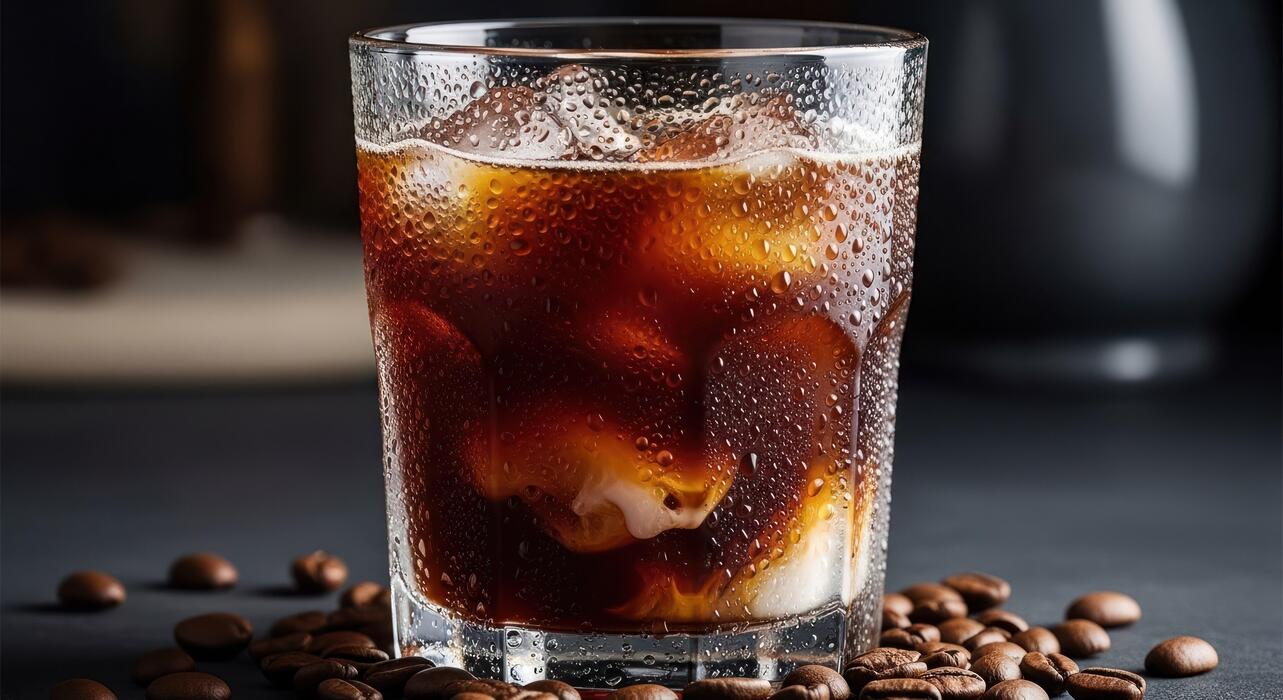
How To Make Cold Brew Instant Coffee
If you are craving a smooth glass of cold brew but don’t want to wait twenty-four hours for a steep, you are in luck. Making cold brew instant coffee is the ultimate hack for busy mornings. While traditional cold brew takes time, you can achieve that same low-acid, refreshing flavor in under two minutes using simple pantry staples. This guide will show you exactly how to mix, chill, and perfect your brew so you can skip the coffee shop line.
What is cold brew instant coffee?
The difference between cold brew and iced coffee
Understanding the distinction between these two beverages is essential for mastering your home barista skills. Traditional iced coffee is brewed hot and then poured over ice, which often leads to a diluted flavor and a sharper, more acidic bite.
In contrast, making cold brew instant coffee involves dissolving high-quality granules directly into cold water, mimicking the slow-steeping method of traditional cold brew without the twenty-four-hour wait.
By skipping the heat entirely, you prevent the release of bitter oils and compounds that can occur when coffee beans are exposed to high temperatures. This result is a drink that feels significantly smoother on the palate.
Using instant granules designed for cold solubility allows you to achieve that signature rich, low-acid profile instantly. It is the perfect solution for those who crave the mellow depth of a slow-steeped brew but require the speed of a modern lifestyle.
By choosing the right method, you ensure your morning caffeine fix remains bold and refreshing rather than watered down.
Why use instant coffee for cold drinks?
The primary advantage of utilizing instant coffee for your chilled beverages is the unparalleled convenience and efficiency it offers. Unlike ground beans, which require filtration and extensive cleanup, instant coffee dissolves completely, leaving no gritty residue at the bottom of your glass.
This makes it the ideal candidate for a quick afternoon pick-me-up or a post-workout refreshment. Furthermore, many modern brands now produce specialized cold-water soluble powders that are specifically processed to maintain structural integrity and flavor even in freezing temperatures.
Because you do not need to boil water, you save time and energy, making this a highly sustainable choice for daily consumption. You can easily customize the strength of your drink by adding more or less powder, providing a level of control that is harder to achieve with pre-bottled concentrates.
Whether you are at the office or camping outdoors, the ability to create a consistent and delicious cold beverage in seconds is a game-changer for any coffee lover who values both quality and practicality.
How the flavor profile changes with cold water
When you choose to mix your coffee with cold water rather than hot, you are fundamentally altering the chemical extraction process. Hot water tends to pull out the acidic and floral notes of the bean, but it also extracts bitter tannins that can be overwhelming.
By using cold water to prepare your instant cold brew, you highlight the natural sweetness and chocolatey undertones of the coffee. This method results in a velvety smooth texture that feels heavier and more satisfying on the tongue.
Many drinkers find that they need less sugar or cream when using this cold-extraction method because the inherent bitterness is so significantly reduced. The flavor profile becomes more stable, meaning your drink will taste just as good thirty minutes later as it did during the first sip.
Experience the difference by whisking your instant coffee into cold filtered water and watching as the subtle, nutty nuances emerge. This transformation creates a sophisticated beverage that rivals expensive cafe options, all while maintaining the ease of an instant preparation that fits perfectly into your busy routine.
Best types of instant coffee for cold water

Freeze-dried vs. spray-dried granules
When learning how to make cold brew instant coffee, the processing method of your granules is the most critical factor for success. Freeze-dried coffee is generally superior for cold water applications because the process preserves the cellular structure and volatile oils of the bean.
These crystals are typically larger and more porous, which allows them to absorb cold liquid rapidly and dissolve without leaving gritty residue at the bottom of your glass.
In contrast, spray-dried coffee is created using high heat, which can result in a finer, dust-like powder that often clumps when it hits cold water. For a smooth, sediment-free experience that mimics the texture of authentic cold brew, always look for the chunky, jagged crystals associated with freeze-drying.
This method ensures that the coffee retains its nuanced flavor profile and bright acidity even when skipped the traditional heating stage. By selecting premium freeze-dried granules, you guarantee a cleaner cup that integrates seamlessly into iced water or milk alternatives for a refreshing boost.
Top-rated brands for cold solubility
Not all instant coffees are created equal when it comes to cold solubility, so choosing the right brand is essential for a quick caffeine fix. High-end specialty brands like Waka Coffee and Swift Cup have revolutionized the market by creating micro-ground crystals specifically designed to dissolve instantly in any temperature.
These brands use high-quality Arabica beans that provide a sophisticated flavor profile minus the bitterness often found in cheaper alternatives. For those on a budget, Starbucks Via Instant and Nescafé Gold are reliable grocery store options that perform exceptionally well in cold liquids.
These products utilize advanced dehydration technology to ensure that the coffee solids break down instantly, preventing the need for vigorous stirring or pre-mixing with hot water. When you use solubility-focused brands, you eliminate the common frustration of floating clumps.
To achieve the best results, try adding the powder to the glass first, followed by a small splash of water to create a concentrate before filling the rest of the cup with ice and cold liquid.
Choosing between dark and light roasts
The roast level you choose will significantly impact the final taste of your cold brew instant coffee, as cold water extracts flavors differently than hot water.
Dark roast instant coffee is the most popular choice for cold preparations because its bold, smoky, and chocolatey notes remain prominent even when diluted with ice or heavy creamers. The intense profile of a dark roast provides that classic ‘coffee’ punch that many enthusiasts crave in a chilled beverage.
On the other hand, light roast instant options are perfect for those who prefer a tea-like consistency with floral or fruity undertones. While light roasts can be more difficult to find in an instant format, they offer a refreshing and complex acidity that works beautifully on a hot day.
If you plan on adding milk or syrups, a robust dark roast is generally recommended to ensure the coffee flavor isn’t masked by the additives. Experimenting with different roast profiles allows you to customize the strength and bitterness of your drink to match your specific palate preferences perfectly.
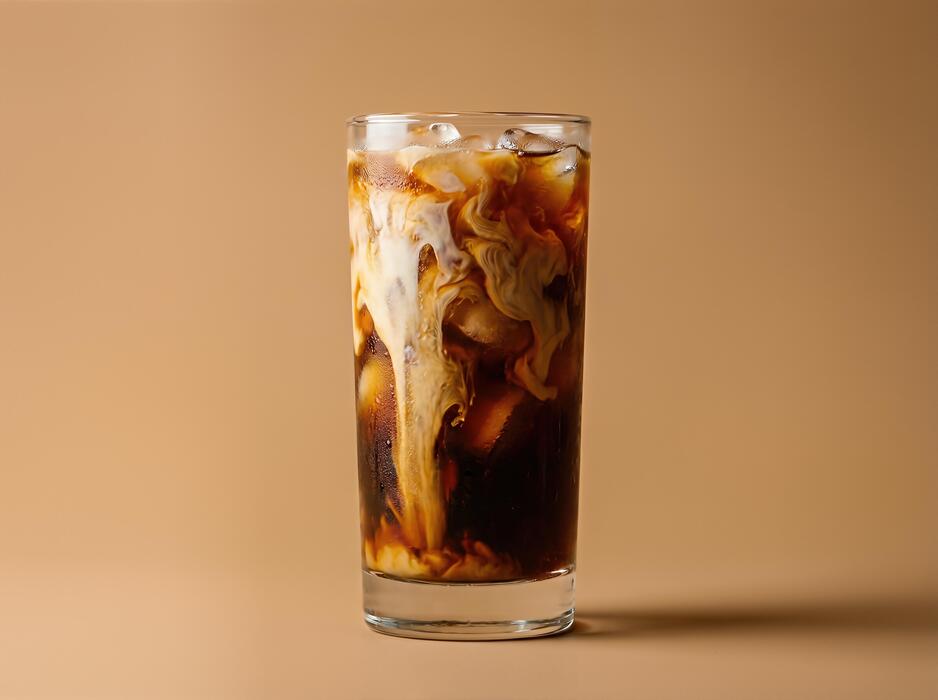
How to make cold brew instant coffee: Step-by-step
The basic water-to-coffee ratio
To achieve a balanced flavor profile when learning how to make cold brew instant coffee, the fundamental starting point is getting your measurements right.
Unlike traditional hot coffee, cold water does not extract oils as quickly, so you may need a slightly higher concentration of granules to ensure a robust taste. A reliable standard is to use two rounded teaspoons of instant coffee for every eight ounces of cold water.
If you prefer a bolder, more concentrated base similar to a traditional cold brew concentrate, you can increase this to one tablespoon per cup. It is essential to use high-quality instant granules or micro-ground coffee to ensure they dissolve properly without leaving a gritty residue.
Always start with filtered water to prevent any metallic or chlorine notes from overpowering the delicate nuances of the beans. By mastering this precise water-to-coffee ratio, you create a consistent foundation that can be easily customized with ice, milk, or flavored syrups according to your personal preference.
Mixing techniques for a smooth texture
One of the biggest challenges with cold brew instant coffee is ensuring the powder dissolves completely in chilled liquid. Since cold water often struggles to break down coffee solids, the best technique involves creating a slurry first.
Begin by placing your instant coffee granules in the bottom of a glass and adding just one tablespoon of hot or room-temperature water. Stir vigorously until a smooth, concentrated liquid paste forms, which eliminates any stubborn clumps.
Once the paste is uniform, slowly pour in your cold filtered water while continuing to stir. For an even more professional texture, consider using a handheld milk frother or a tightly sealed mason jar to shake the mixture for thirty seconds.
This aeration process not only ensures total dissolution but also creates a light, frothy foam on top that mimics the mouthfeel of a nitro cold brew. These simple mixing strategies guarantee a velvety smooth texture without the unpleasant sandy sediment often found in poorly prepared instant iced drinks.
How long to let it sit for maximum flavor
While the primary appeal of using instant coffee is the speed of preparation, allowing the mixture a brief resting period can significantly improve the overall drinking experience.
After you have successfully mixed your coffee and water, let the glass sit in the refrigerator for at least five to ten minutes before adding ice. This short duration allows the coffee particles to fully hydrate and the flavors to stabilize, resulting in a more cohesive and mellow taste profile.
If you have the time, letting it chill for up to thirty minutes can soften the acidic bite often associated with cheaper instant brands, making the drink taste remarkably similar to authentic, slow-steeped cold brew.
Once the resting period is complete, fill a separate glass with fresh ice and pour your chilled coffee over it.
Adding ice last prevents premature dilution of the brew, ensuring that the strength of the coffee remains intact from the first sip to the very last drop for maximum flavor impact.
Essential tools for the perfect cold mix
Using a mason jar or shaker bottle
To achieve a smooth cold brew profile using instant granules, the vessel you choose is your most important asset. A mason jar with a secure lid or a dedicated fitness shaker bottle allows for the aggressive agitation needed to dissolve coffee solids in cold water.
Unlike hot coffee, where heat does the work, cold liquids require mechanical energy to break down the crystals. Fill your jar with room temperature or cold water first, then add your premium instant coffee. This prevents the powder from clumping at the bottom.
Shake vigorously for at least thirty seconds to ensure every particle is integrated, creating a consistent base without the gritty residue often found in poorly mixed drinks.
The airtight seal of a mason jar also makes it the perfect tool for pre-batching your cold brew the night before, allowing the flavors to mellow and develop a richer body while stored in the refrigerator for your morning routine.
The role of handheld milk foamers
If you want to elevate your instant cold brew to a cafe-quality experience, a handheld milk foamer is an indispensable gadget. While shaking works for basic mixing, an electric frother introduces micro-aeration that mimics the creamy mouthfeel of nitro cold brew.
Simply place your instant coffee and a small amount of water in a glass, then use the foamer to create a concentrated coffee slurry before adding the rest of your liquid. This high-speed rotation ensures that even the most stubborn granules are pulverized into a silky liquid state.
Beyond the coffee itself, these tools are perfect for frothing cold milk or non-dairy creamers to layer on top of your brew.
By spending just fifteen seconds whisking your cream, you create a dense foam that sits beautifully on the surface, preventing the immediate dilution of your coffee and providing a professional, layered aesthetic that enhances both the texture and the overall visual appeal of your drink.
Best ice cube shapes for slow melting
The final element of a perfect cold mix is temperature control without unwanted dilution. To maintain the bold flavor of your instant cold brew, you must select the right ice architecture.
Large spherical ice molds or oversized square cubes are the gold standard because they have a lower surface-area-to-volume ratio compared to standard tray ice. This means they melt significantly slower, keeping your caffeine fix chilled for hours without turning it into a watery mess.
If you prefer a faster chill, consider using coffee ice cubes made by freezing a previous batch of instant coffee; as they melt, they actually strengthen your drink rather than weakening it.
Avoid crushed ice at all costs, as its high surface area leads to rapid melting and immediate flavor degradation.
Investing in high-quality silicone molds ensures your drink remains crisp and potent from the first sip to the last, allowing the subtle notes of your chosen instant blend to shine through consistently.
Tips for better tasting instant cold brew

Using filtered water vs. tap water
The quality of the water you use is the most overlooked factor when learning how to make cold brew instant coffee. Since coffee is roughly ninety-eight percent water, any impurities, chlorine, or metallic tastes in your tap water will be magnified during the mixing process.
To achieve a cleaner and more vibrant flavor profile, you should always use filtered or bottled spring water rather than straight tap water. Filtered water removes harsh chemicals while retaining the essential minerals that help extract the nuanced notes of the coffee granules.
Furthermore, the temperature of the water matters even when using instant varieties; starting with room temperature filtered water allows the powder to dissolve more uniformly before you add ice. This prevents the clumping and gritty texture often associated with poorly made instant drinks.
By prioritizing high-quality water filtration, you ensure that the primary flavor remains the coffee itself, leading to a much smoother, cafe-quality beverage that lacks the chemical aftertaste found in standard tap water preparations.
Adding a pinch of salt to cut bitterness
One of the most effective professional secrets for improving the profile of instant coffee is the strategic use of sodium. Instant coffee can sometimes carry a sharp, over-processed bitterness that lingers on the palate.
To counteract this, you should add a tiny pinch of sea salt to your glass before stirring in the water. Sodium ions work by physically blocking the bitterness receptors on your tongue, which simultaneously enhances the natural sweetness and chocolatey undertones of the coffee bean.
You do not need enough salt to make the drink taste savory; a mere few grains are sufficient to chemically balance the acidity. This simple hack is particularly useful when making cold brew, as the cold temperature can sometimes make bitter notes feel more pointed.
By incorporating a salt additive, you create a much rounder and more balanced mouthfeel. This technique transforms a basic instant drink into a sophisticated beverage, effectively neutralizing harsh tannic qualities without the need for excessive amounts of sugar or heavy creamers to mask the flavor.
How to make a concentrated coffee base
To achieve a robust texture that mimics traditional slow-steeped methods, you should learn the art of creating a potent concentrate. Instead of filling your entire glass with water immediately, start by mixing the instant granules with a small amount of warm water to create a thick, syrupy slurry.
This ensures every particle is fully hydrated and dissolved, preventing that watery consistency common in DIY cold brews. Once you have a smooth base, you can dilute the concentrate with cold water or milk to your specific strength preference.
Using a concentrated approach allows you to add plenty of ice without worrying about the drink becoming weak or diluted as the ice melts over time.
This method also provides the perfect foundation for iced lattes, as the strong coffee base can stand up to the addition of heavy dairy or plant-based alternatives.
By controlling the coffee-to-water ratio through a concentrate, you gain total mastery over the intensity and body of your drink, resulting in a much more satisfying and professional-grade instant cold brew.
Ways to customize your cold coffee drink
Natural sweeteners that dissolve in cold liquid
When making cold brew instant coffee, regular granulated sugar often settles at the bottom because it doesn’t dissolve easily in cold water. To achieve a perfectly balanced sweetness, opt for liquid natural sweeteners like maple syrup or agave nectar.
These options integrate instantly into your cold caffeine base, providing a smooth texture without the gritty residue. Another excellent choice is honey, though it should be whisked with a small amount of warm water first to create a honey simple syrup before adding it to your iced drink.
If you prefer a zero-calorie option, liquid stevia drops or monk fruit extract are highly effective as they disperse evenly throughout the liquid. By choosing liquid-based sweeteners, you ensure that every sip of your instant cold brew is consistently flavored.
Experimenting with homemade simple syrups infused with mint or berry can also elevate your coffee experience while maintaining that refreshing, chilled profile you desire during a hot day.
Best milk and dairy-free alternatives
The creaminess of your cold brew instant coffee depends heavily on the fat content and consistency of your chosen milk. For traditional dairy lovers, whole milk or half-and-half provides a rich, velvety mouthfeel that cuts through the acidity of the instant granules.
However, plant-based drinkers have exceptional options that specifically cater to cold beverages. Oat milk is the gold standard for cold coffee because of its naturally thick texture and subtle sweetness that mimics dairy exceptionally well.
Almond milk offers a lighter, nuttier finish, though it may separate if the coffee is highly acidic; using a ‘barista blend’ version can prevent this. For a tropical twist, coconut milk adds a lush creaminess that pairs beautifully with the bold notes of instant coffee.
Cashew milk is another fantastic alternative, providing a neutral flavor and a very smooth consistency. Always remember to pour your milk over the ice after the coffee is dissolved to create a beautiful swirling effect.
Adding spices like cinnamon or vanilla extract
Infusing your cold brew instant coffee with aromatic spices is a simple way to create a gourmet experience at home without adding extra calories.
Since ground spices like cinnamon or nutmeg don’t dissolve perfectly in cold water, try mixing them directly into the instant coffee granules before adding water to help them incorporate better.
Alternatively, you can use a pure vanilla extract or almond extract for a fragrant, sophisticated flavor profile that permeates the entire drink. A tiny pinch of sea salt can also be added to enhance the natural chocolatey notes of the coffee and reduce any lingering bitterness from the instant crystals.
For those who enjoy a bit of heat, a dash of cardamom or even cayenne pepper can provide a unique kick that complements the cold temperature.
Using high-quality extracts ensures that the flavor remains potent and clear, transforming a basic glass of instant coffee into a complex, multi-layered beverage that rivals any professional coffee shop creation.
Common mistakes when making cold instant coffee
Using too much powder for the water volume
One of the most frequent errors when learning how to make cold brew instant coffee is miscalculating the ratio of solids to liquids. Because instant granules are highly concentrated, adding too much powder results in an overwhelming bitterness that masks the delicate notes of the roast.
To achieve a smooth, refreshing profile, you should aim for a balanced concentration that accounts for eventual dilution. Start by measuring exactly one to two teaspoons of premium instant coffee for every eight ounces of liquid.
Many people overcompensate for the cold temperature by doubling the dosage, but this creates a thick, syrupy texture that feels unpleasant on the palate. By maintaining a strict ratio of coffee to water, you ensure that the final beverage remains crisp and light.
Remember that cold liquids do not suppress bitterness as effectively as hot water does, so a lighter hand with the granules often yields a much more sophisticated and enjoyable drink that mimics the profile of traditional slow-steeped cold brew methods without the harsh metallic aftertaste.
Forgetting to stir thoroughly
Unlike hot water, which breaks down coffee particles almost instantly, cold water requires mechanical energy to fully integrate the powder. A common mistake is a quick, five-second stir that leaves undissolved clumps floating at the top or settled at the bottom of the glass.
To fix this, you must agitate the mixture vigorously for at least thirty seconds to ensure total molecular integration. If you skip this step, the first few sips of your drink will taste like plain water, while the final inch will be an undrinkable, gritty sludge of concentrated caffeine.
For the best results, use a long-handled spoon or a small handheld milk frother to create a vortex in the center of the glass. This active agitation breaks up the surface tension of the granules, allowing the water to penetrate and dissolve the coffee solids completely.
Taking the extra time to stir thoroughly creates a uniform flavor profile and a much smoother mouthfeel, ensuring that every single sip of your homemade cold brew is consistent from the very first drop to the very last.
Adding ice before the powder is fully dissolved
It is tempting to pour everything into a glass at once, but adding ice cubes before the instant coffee has completely liquified is a recipe for a grainy beverage. Ice significantly lowers the temperature of the water, which in turn reduces the solubility of the coffee granules.
When the water is too cold, the powder tends to crystallize or clump together, making it nearly impossible to dissolve regardless of how much you stir. To avoid this, you should dissolve the instant coffee in a small amount of room-temperature water first to create a smooth concentrate.
Once the mixture is completely dark and transparent with no visible particles, you can then add the remaining cold water and your ice cubes. By prioritizing the dissolution phase before chilling, you prevent the formation of bitter coffee pockets that cling to the ice.
This simple sequencing adjustment ensures your drink stays cold without sacrificing the texture or the integrity of the coffee, resulting in a professional-quality beverage that looks and tastes exactly like a cafe-style cold brew served over fresh ice.
Frequently Asked Questions
Can you use instant coffee to make cold brew?
Yes, you can make a cold brew style drink using instant coffee by dissolving the granules directly into cold water or milk. While traditional cold brew involves steeping coarse grounds for 12-24 hours, instant coffee provides a similar low-acidity flavor profile almost instantly.
How do I dissolve instant coffee in cold water?
The best method is to mix the instant coffee granules with a small splash of room temperature water first to create a smooth paste. Once the clumps are gone, you can fill the rest of the glass with cold water and ice for a perfectly blended drink.
What is the best ratio for instant cold brew coffee?
A standard ratio is 1 to 2 teaspoons of instant coffee for every 8 ounces of cold water, depending on your preferred strength. Since there is no filtration involved, you can easily adjust the intensity by adding more granules or water after tasting.
Does instant cold brew taste the same as traditional cold brew?
It offers a similar smooth and mellow flavor with less acidity than hot-brewed coffee, but it may lack the complex aromatic nuances of long-steeped fresh grounds. However, it is a much faster alternative that works exceptionally well for iced lattes and blended drinks.
Can I make a large batch of instant cold brew in advance?
Absolutely. You can dissolve a larger quantity of instant coffee in a pitcher of water and store it in the refrigerator for up to 5 days. Just give it a quick stir before serving, as some sediment may settle at the bottom over time.
Which type of instant coffee works best for cold brewing?
Freeze-dried instant coffee typically yields the best flavor and dissolves more cleanly than spray-dried varieties. Look for ‘dark roast’ or ‘espresso’ instant powders if you want a bold flavor that won’t get watered down by melting ice.
Conclusion
Making cold brew instant coffee is a quick, refreshing way to enjoy your caffeine fix without the long wait. By choosing a high-quality powder and dissolving it properly in cold water, you can achieve a smooth, rich flavor in seconds. Do not be afraid to experiment with different milk alternatives and sweeteners to find your perfect blend. Now that you have mastered this simple technique, grab your favorite glass and start brewing your own masterpiece today.