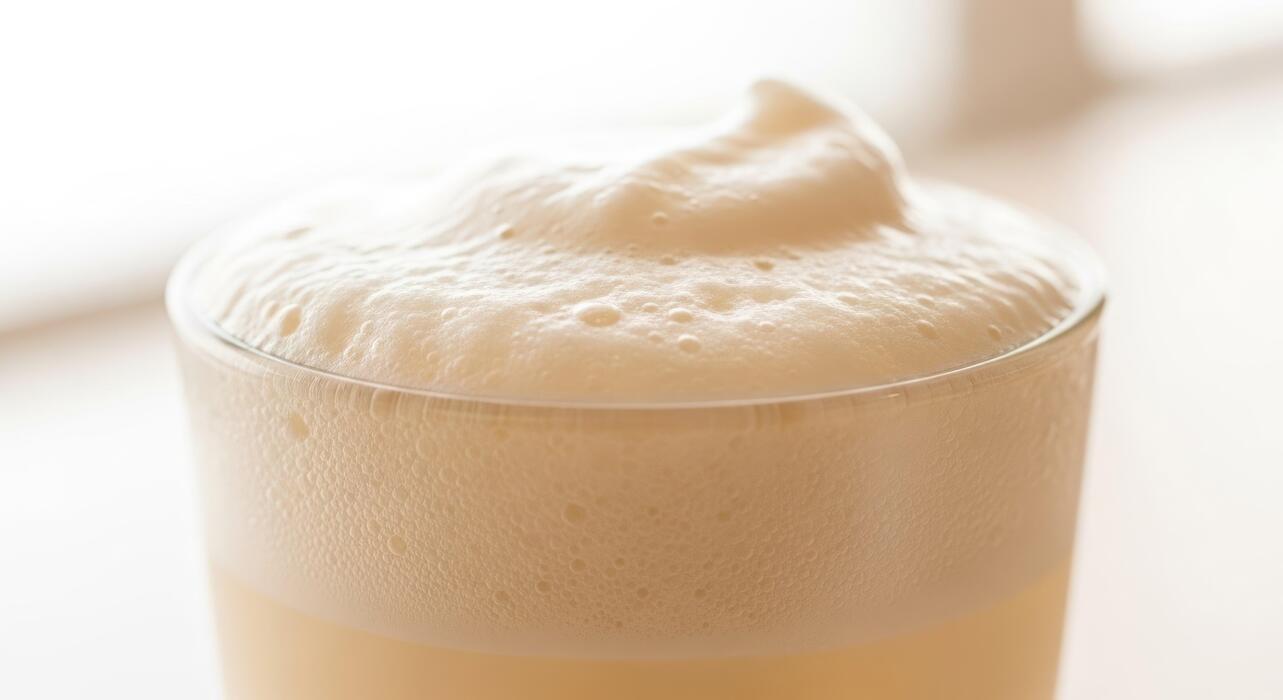
How To Make Almond Milk Cold Foam
If you are wondering how to make almond milk cold foam that actually stays fluffy, you have come to the right place. While non-dairy options can be tricky to froth, achieving that velvety, coffee-shop texture at home is easier than you think. In this guide, we will show you exactly which techniques and tools work best for almond milk. From simple shaking methods to using a handheld frother, you will find the perfect solution to upgrade your iced coffee instantly.
What is almond milk cold foam?
The difference between cold foam and steamed milk
Understanding the distinction between these two preparations is essential for mastering your home barista skills. Unlike traditional steamed milk, which relies on high-heat water vapor to create a hot, micro-foam texture for lattes and cappuccinos, almond milk cold foam is processed without any heat.
To achieve this at home, you must use vigorous aeration techniques such as a high-speed frother or a French press to incorporate air into chilled liquid. This process creates a light, velvety topping that sits gracefully on top of cold beverages rather than melting into them immediately.
While steamed milk is designed to integrate and sweeten the coffee through lactose breakdown, cold foam provides a distinctive textural contrast that remains separate from the iced base.
By focusing on keeping the almond milk as cold as possible before frothing, you ensure the proteins and fats stabilize efficiently, resulting in a stiff, cloud-like consistency that mimics the professional finish found in high-end coffee shops.
Why almond milk is a great dairy-free alternative
Almond milk stands out as a premier choice for cold foam enthusiasts because of its naturally nutty flavor profile and low calorie count.
When learning how to make almond milk cold foam, it is important to select a barista-grade almond milk specifically formulated with stabilizers to ensure the foam holds its shape.
This dairy-free alternative offers a cleaner finish compared to heavy creams, allowing the complex notes of your coffee beans to shine through without being masked by animal fats.
Additionally, almond milk is inherently low in sugar, making it an excellent base for adding your own natural sweeteners like vanilla extract or agave syrup.
The thinner consistency of almond milk requires a bit more mechanical energy to froth, but the result is a delicate and refreshing foam that caters to vegan and lactose-intolerant diets perfectly.
Its versatility ensures that you can enjoy a luxurious, café-style experience while maintaining a plant-based lifestyle without sacrificing the aesthetic appeal of a layered drink.
How cold foam enhances your iced coffee
Adding a layer of almond milk cold foam transforms a standard iced coffee into a multi-sensory gourmet experience.
The primary benefit lies in the gradual flavor integration; as you sip through the thick layer of foam, you get a concentrated burst of creamy texture followed by the bold, crisp taste of the cold brew.
This layering technique prevents the coffee from becoming overly diluted, maintaining the integrity of the caffeine kick while providing a smooth mouthfeel.
Furthermore, cold foam serves as a functional canvas for garnishes like cinnamon, cocoa powder, or sea salt, which stay suspended on the surface rather than sinking to the bottom.
By mastering the froth, you elevate the visual presentation of your drink, creating those beautiful cascading ribbons of white foam against dark coffee. This method ensures every sip is balanced, providing a refreshing temperature contrast that makes your morning routine feel like a luxury.
It is the ultimate solution for those seeking a sophisticated yet simple way to upgrade their daily caffeine fix.
Best ingredients for thick almond milk foam
Choosing the right brand and fat content
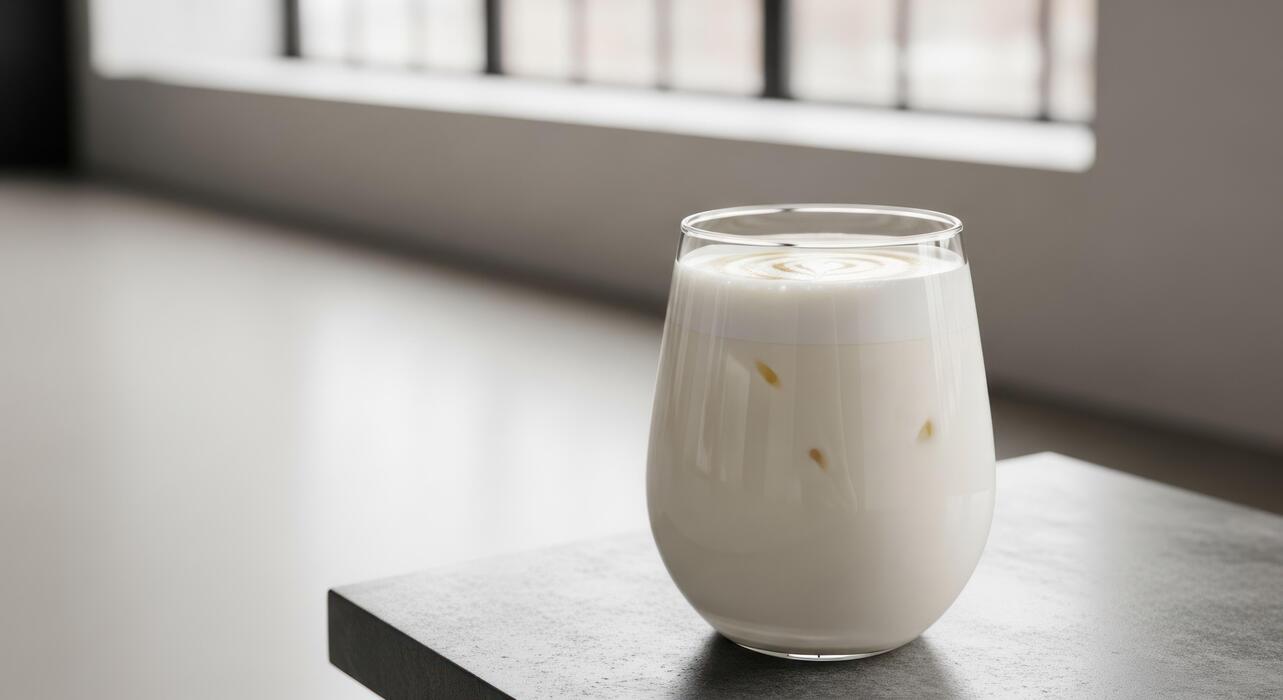
To achieve a dense, velvety cold foam, the most critical factor is the specific formulation of your almond milk. Standard unsweetened varieties often lack the structural integrity needed to hold air bubbles, resulting in a thin, watery mess.
Instead, you should prioritize Barista Edition almond milk, which is specifically engineered with higher fat content and protein levels to mimic dairy.
Look for brands that list a higher percentage of almonds or include healthy fats like rapeseed or sunflower oil, as these lipids stabilize the air bubbles created during the frothing process.
When making cold foam, ensure the milk is chilled thoroughly before you begin; cold fat molecules are more rigid and provide the necessary support for a stiff peak.
By selecting a premium, high-fat brand, you ensure that your foam remains thick and creamy rather than dissipating into your coffee immediately after pouring. This foundation is the secret to a professional-quality beverage at home.
The role of stabilizers like gellan gum
While flavor is important, chemistry is what truly creates the perfect almond milk cold foam. Most plant-based milks that foam well contain stabilizers like gellan gum, locust bean gum, or sunflower lecithin.
These ingredients act as emulsifiers that bind the water and fat together, creating a stretchy network that traps air efficiently. Gellan gum, in particular, is highly effective because it provides a fluid gel structure that holds its shape even when cold.
When shopping for ingredients, check the label for these hydrocolloids which prevent the foam from collapsing too quickly. If you are using a homemade almond milk that lacks these additives, you may find it nearly impossible to get a thick consistency.
Adding a tiny pinch of xanthan gum to your blender can serve as a DIY stabilizer, giving your homemade milk the structural boost it needs to maintain a luxurious, cloud-like texture that sits perfectly atop your cold brew or iced latte.
Natural sweeteners and flavor additions
Enhancing your cold foam goes beyond just texture; adding the right sweeteners can actually improve the foam’s stability. Incorporating a small amount of liquid sweeteners like maple syrup or agave nectar can increase the viscosity of the almond milk, making the bubbles smaller and more uniform.
Avoid heavy granulated sugars, as they can weigh down the foam and cause it to deflate prematurely. For a gourmet touch, whisk in a drop of pure vanilla extract or a dash of cinnamon before frothing to create a complex flavor profile that complements the nuttiness of the almonds.
Some enthusiasts even add a spoonful of coconut cream to the mix to boost the fat content further, resulting in an ultra-decadent finish.
By balancing these natural additions, you create a customized cold foam that not only tastes superior to store-bought versions but also maintains its height and creamy mouthfeel throughout your entire drinking experience, ensuring every sip is perfectly flavored and textured.
How to make almond milk cold foam with a handheld frother
Step-by-step frothing technique
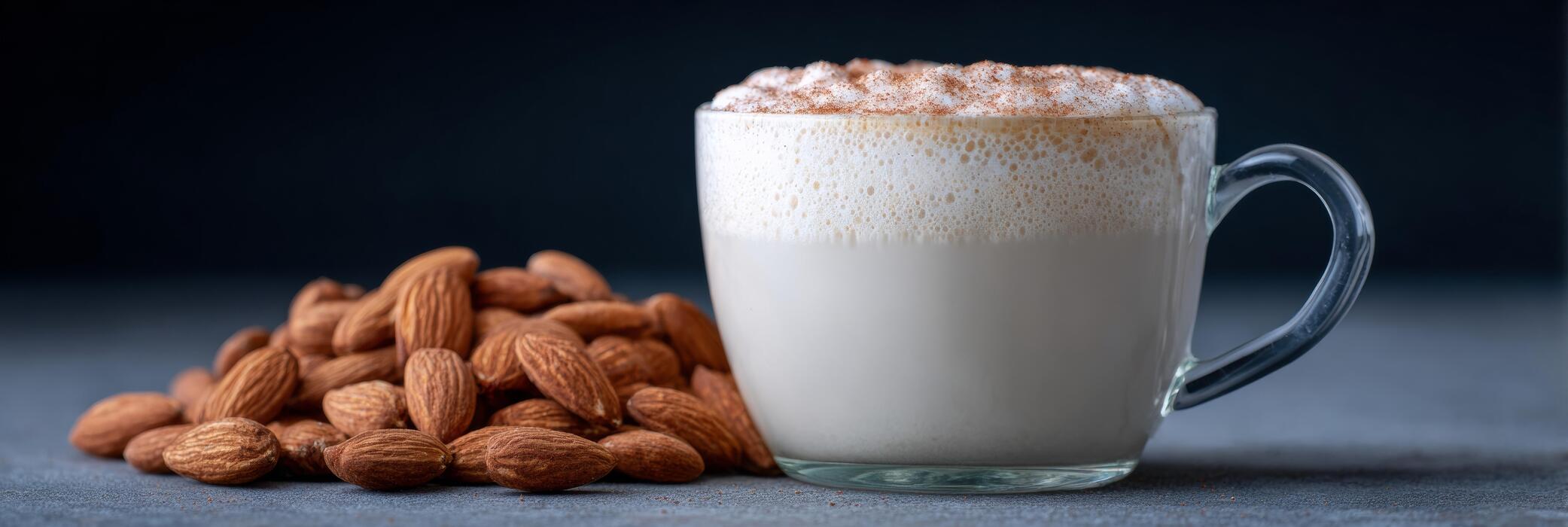
To achieve a professional-grade almond milk cold foam using a handheld frother, start by selecting a high-quality barista-blend almond milk, as these contain stabilizers that mimic dairy fat. Pour approximately three to four ounces of chilled almond milk into a tall, narrow glass or pitcher to prevent splattering.
Submerge the whisk head of your handheld frother entirely into the liquid before turning it on. Tilt the glass slightly and position the whisk just below the surface to incorporate air, which creates those signature micro-bubbles.
As the volume begins to expand and a thick layer of foam develops, move the wand deeper into the liquid to ensure the bottom layer is also aerated. Keep the motion steady and avoid lifting the whisk out of the milk while the motor is running to prevent a mess.
For a touch of sweetness, consider adding a splash of vanilla syrup or a pinch of cinnamon directly into the cold milk before you begin the frothing process for better integration.
Timing for the perfect texture
Mastering the timing is essential because almond milk lacks the protein structure of cow’s milk, making it prone to collapsing if not handled correctly. Generally, you should engage the handheld wand for approximately 20 to 30 seconds to reach the ideal consistency.
During the first 10 seconds, focus on stretching the milk by keeping the whisk near the surface to build volume. Spend the remaining 10 to 20 seconds swirling the wand deeper to refine the texture into a silky, pourable foam.
You will know it is ready when the milk has nearly doubled in volume and holds a soft peak when the wand is removed. If you froth for too long, the bubbles may become too large and dry, losing that luxurious mouthfeel.
If you under-froth, the foam will dissipate quickly once it hits your coffee. Once the desired texture is achieved, tap the pitcher firmly on the counter once or twice to pop any large surface bubbles, ensuring a smooth and uniform appearance for your latte or cold brew.
Common mistakes to avoid with wand frothers
One of the most frequent errors when making almond milk cold foam is using milk that is at room temperature; always ensure your almond milk is ice-cold directly from the refrigerator to help the proteins stabilize the air bubbles.
Another common pitfall is using a container that is too wide, which prevents the frother from creating the necessary vortex for aeration. If the whisk head is too shallow, you will create large, soapy bubbles rather than the dense micro-foam required for a true cold foam experience.
Additionally, avoid the temptation to move the wand up and down vigorously; a steady, angled position is far more effective for consistent results.
Many users also forget to clean the frother whisk immediately after use, leading to dried residue that can slow down the motor and affect the flavor of future batches.
Lastly, ensure your batteries are fully charged, as a weak motor won’t provide the high-speed rotations needed to emulsify the thin fats in almond milk, resulting in a thin, watery liquid instead of a rich topping.
Alternative ways to froth almond milk at home
Using a French press for creamy foam
A French press is arguably the most effective manual tool for creating dense, velvety almond milk cold foam that rivals any coffee shop.
To begin, pour about half a cup of chilled almond milk into the carafe, ensuring it is cold as higher temperatures can sometimes prevent the proteins from holding air. Insert the plunger and perform a series of rapid short pumps for approximately thirty to forty-five seconds.
The key is to keep the mesh filter just below the surface initially to incorporate air, then move deeper to emulsify the bubbles. You will notice the volume double as the liquid transforms into a micro-foam texture that is perfect for layering over iced coffee.
Once the desired consistency is reached, let the milk sit for a moment to stabilize, then gently swirl the carafe and pour. This method creates a thick, stable structure that prevents the almond milk from immediately dissolving into your drink, providing a professional finish to your homemade cold brew.
The mason jar shake method
If you do not own specialized equipment, the mason jar method is a reliable and accessible way to achieve almond milk cold foam using basic kitchen staples.
Start by filling a glass mason jar no more than halfway with cold almond milk to allow ample room for expansion during the aeration process. Secure the lid tightly to prevent leaks and shake the jar vigorously for at least sixty seconds.
The goal is to use high-energy movements to force air into the liquid, creating a frothy, bubbly consistency similar to a light meringue. While the bubbles may be slightly larger than those produced by a steam wand, this technique is excellent for a quick morning caffeine fix.
For the best results, use a barista-blend almond milk which contains stabilizers that help maintain the foam’s integrity. Once finished shaking, remove the lid and use a spoon to scoop the light, airy foam directly onto your iced beverage for an instant upgrade in texture and presentation.
Electric milk frother settings for cold foam
Using a dedicated electric milk frother is the most convenient way to achieve consistent results with minimal effort. Most modern countertop frothers feature a specific cold stir setting, usually indicated by a blue light or a snowflake icon, which aerates the milk without engaging the heating element.
To get started, pour your almond milk up to the minimum fill line to ensure the whisk has enough liquid to create a vortex. Press the button to start the high-speed whisking cycle, which typically lasts about a minute.
This process creates a very fine, uniform foam that is exceptionally smooth. Because almond milk is thinner than dairy, using the correct whisk attachment—usually the coiled wire version—is crucial for maximum volume. This automated method is ideal for those who want a hands-off approach while they prepare their espresso.
The resulting foam is remarkably silky and pourable, making it easy to create beautiful layers in your glass while maintaining a refreshing, chilled temperature for your specialty coffee drinks.
Tips for getting the perfect consistency
Why starting with cold milk is essential
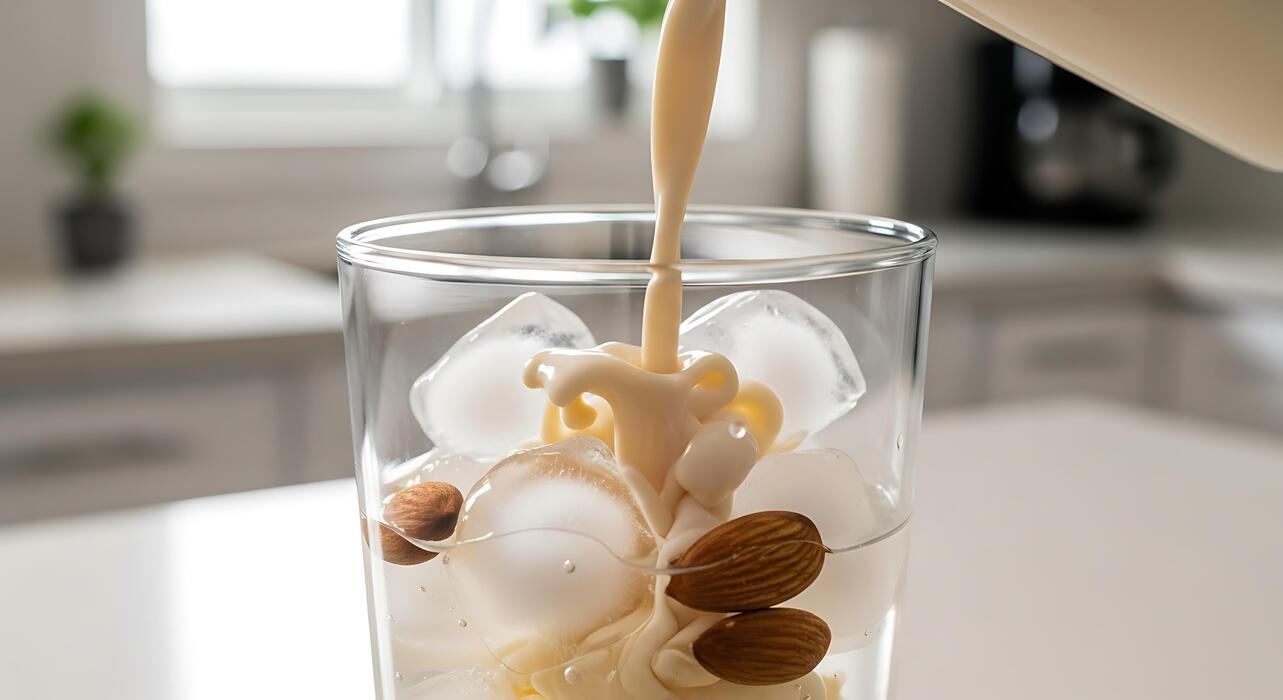
To achieve a stable microfoam when working with almond milk, you must ensure your liquid is thoroughly chilled before you begin the frothing process. Almond milk lacks the heavy fat and protein structures found in dairy, which means its bubbles are naturally more fragile and prone to collapsing under heat.
By using ice-cold almond milk directly from the refrigerator, you slow down the movement of molecules, allowing the air you incorporate to stay trapped within the liquid structure for a longer duration.
If the milk is even slightly room temperature, the proteins will not wrap around the air bubbles effectively, resulting in a flat liquid rather than a pillowy topping. For the most professional results, try chilling your frothing pitcher or glass in the freezer for five minutes prior to use.
This extreme temperature differential creates a tighter surface tension, ensuring your cold foam remains thick and velvety as it sits atop your iced coffee or cold brew throughout your morning.
How to fix thin or watery foam
If your almond milk cold foam appears too thin or dissipates quickly, the primary culprit is often the lack of a stabilizing agent or insufficient aeration time.
Since almond milk is high in water content, adding a small amount of thickening agent like xanthan gum or a splash of heavy coconut cream can provide the necessary body to hold air.
If you prefer a more natural approach, try increasing your frothing time with a handheld whisk; you should aim for at least thirty to forty-five seconds of high-speed agitation.
Ensure you are positioning the frother just below the surface to create a vortex that pulls in air without creating large, soapy bubbles. If the foam still feels watery, you might be using a brand with low protein content.
Switching to a ‘Barista Blend’ almond milk specifically formulated with stabilizers will immediately resolve consistency issues, providing that signature dense, creamy texture that mimics the mouthfeel of traditional dairy foam without the need for extra additives or complex techniques.
The best ratio of milk to sweetener
Achieving the perfect consistency is not just about technique; it is also about the chemistry between your almond milk and your additives. The ideal ratio for a sturdy cold foam is generally four parts almond milk to one part syrup or sweetener.
Adding a liquid sweetener like vanilla syrup or agave does more than just enhance the flavor profile; the sugar content actually acts as a binder that helps hold the air bubbles together.
If you find your foam is too loose, slightly increasing the sugar concentration can help create a more syrupy, viscous base that traps air more effectively than plain milk alone.
However, be cautious not to over-sweeten, as a heavy syrup-to-milk ratio can weigh down the foam and cause it to sink into your drink prematurely.
For a balanced, professional finish, use two tablespoons of sweetener for every half cup of milk, and always whisk the sweetener into the milk before you begin the aeration process to ensure a completely uniform and stable texture.
Flavor recipes for your almond milk foam
Vanilla bean almond cold foam
To create a classic vanilla bean almond milk cold foam, start by selecting a high-quality, barista-blend almond milk which contains the necessary fats and proteins to hold a stable structure.
In a small pitcher, combine half a cup of chilled almond milk with one tablespoon of pure vanilla syrup and a tiny scrape of fresh vanilla bean paste for those signature black specks. Use a handheld milk frother held at a slight angle just below the surface of the liquid.
Froth for approximately thirty seconds until the volume doubles and the texture becomes thick and velvety. This specific technique ensures that the micro-foam bubbles remain tight, preventing the foam from collapsing immediately when poured over your iced coffee.
For the best results, always ensure your almond milk is ice-cold before frothing, as room-temperature non-dairy milk struggles to maintain its aerodynamic shape. This sweet, fragrant topper adds a professional cafe-style finish to any cold brew or iced latte without the need for dairy.
Salted caramel dairy-free topper
Elevate your morning caffeine routine with a salted caramel dairy-free topper that balances sweetness with a savory edge. Begin by mixing four ounces of unsweetened almond milk with one tablespoon of vegan caramel sauce and a generous pinch of flaky sea salt.
The salt acts as a flavor enhancer, cutting through the nutty notes of the almond milk. When learning how to make almond milk cold foam with heavier syrups, it is vital to whisk the ingredients thoroughly before introducing air.
Once combined, use an electric milk frother on the cold setting or a manual French press to aerate the mixture. If using a French press, pump the plunger rapidly for twenty seconds to achieve a dense, pourable consistency.
This salted caramel foam is particularly effective when layered over an iced Americano, as the salty notes complement the acidity of the espresso beans. Always serve this topper immediately to enjoy the luxurious mouthfeel and contrasting temperature that defines a high-quality cold foam experience.
Pumpkin spice almond foam recipe
Embrace seasonal flavors by mastering a pumpkin spice almond foam recipe that rivals your favorite coffee shop. In a glass jar, whisk together half a cup of cold almond milk, one teaspoon of pumpkin puree, a splash of maple syrup, and a quarter teaspoon of pumpkin pie spice.
Because pumpkin puree is dense, you must strain the mixture through a fine-mesh sieve if you desire a perfectly smooth texture. Once strained, use a high-speed frothing wand to incorporate air until the mixture reaches a stiff, cloud-like state.
The addition of real puree provides a natural orange hue and a robust flavor profile that artificial syrups cannot replicate. This foam is a fantastic way to customize your dairy-free beverages while controlling the sugar content.
For an extra touch of sophistication, garnish the finished foam with a light dusting of extra cinnamon or nutmeg. Remember that almond milk foams best when it has a higher protein content, so check your labels to ensure your foam stays frothy until the very last sip.
Best drinks to pair with almond milk cold foam
Iced blonde americanos
For a light and refreshing caffeine boost, an iced blonde americano is the ideal base for almond milk cold foam.
To make this at home, shake cold almond milk with a touch of maple syrup in a mason jar or use a handheld frother until it reaches a thick, velvety consistency.
The milder, citrusy profile of blonde espresso beans pairs beautifully with the nutty undertones of the foam, creating a balanced flavor profile that is not overly bitter.
When you pour the almond foam over the ice and espresso, it creates a stunning visual marble effect before slowly blending into the drink.
To enhance the experience, try adding a small pinch of sea salt to your almond milk before frothing, as this helps stabilize the foam and cuts through the acidity of the coffee.
This combination is perfect for those who want a low-calorie, dairy-free alternative that still feels incredibly indulgent and professional in every single sip.
Cold brew and nitro coffee combinations
Cold brew and nitro coffee provide a robust, smooth foundation that holds up exceptionally well under a layer of dense almond milk cold foam.
Because cold brew is less acidic than traditionally brewed coffee, it allows the subtle sweetness of the almond milk to shine without being overshadowed by harsh flavors.
To achieve the best results, ensure your almond milk is chilled thoroughly before frothing, as cold liquid traps air bubbles more effectively to create that signature cloud-like texture. For a gourmet twist, whisk a drop of vanilla extract or cinnamon into the milk before you begin the foaming process.
The nitrogen bubbles in nitro coffee especially complement the aerated foam, resulting in a creamy mouthfeel that mimics a dairy-heavy latte but remains entirely plant-based.
This pairing is a favorite for coffee enthusiasts who appreciate a slow-sipping beverage with a sophisticated finish that maintains its structural integrity from the first pour to the very last drop.
Iced matcha lattes with nut milk foam
Elevate your morning tea ritual by topping an iced matcha latte with a generous layer of almond milk cold foam. The earthy, grassy notes of high-quality ceremonial grade matcha are perfectly complemented by the toasted nuttiness of almond-based toppings.
When preparing your foam, use an almond milk with a higher protein content to ensure the bubbles remain stable and do not dissipate quickly into the tea.
You can easily customize the foam by adding a teaspoon of honey or agave nectar during the frothing stage to balance the natural bitterness of the matcha powder.
This drink is not only visually striking with its vibrant green and white layers, but it also offers a steady release of energy without the jitters often associated with coffee.
For the ultimate texture, pour the frothed almond milk slowly over the back of a spoon to keep the layers distinct, providing a luxurious and creamy sensation with every sip you take throughout the day.
Frequently Asked Questions
What is the best type of almond milk for cold foam?
For the best results, use a ‘Barista Blend’ almond milk as it contains added stabilizers and a higher fat content that help create a stable foam. Regular almond milk can be used, but the bubbles will be larger and dissipate much faster.
How do I make almond milk cold foam with a handheld frother?
Pour chilled almond milk into a glass and tilt it at a slight angle. Place the frother tip just below the surface and turn it on, moving it up and down for 20-30 seconds until the milk doubles in volume and becomes thick.
Can I make almond milk cold foam in a French press?
Yes, pour cold almond milk into a French press and quickly pump the plunger up and down for about 30 seconds. This method incorporates air effectively and creates a dense, creamy foam without needing any electricity.
Why won’t my almond milk foam up?
Almond milk may fail to foam if it is not cold enough or if it has a low protein content. To fix this, ensure the milk is straight from the refrigerator and try adding a teaspoon of maple syrup or vanilla extract to help stabilize the bubbles.
How do I sweeten and flavor almond milk cold foam?
Add your sweeteners like simple syrup, honey, or agave directly to the cold milk before frothing. You can also whisk in a drop of vanilla extract, cinnamon, or cocoa powder to customize the flavor of your foam.
Does almond milk cold foam work on hot coffee?
While it is designed for iced beverages, you can pour cold foam onto hot coffee for a ‘café au lait’ style drink. However, the foam will melt into the coffee much faster than it would in a cold brew or iced latte.
Conclusion
Creating cafe-quality almond milk cold foam at home is both simple and rewarding. By choosing a barista-blend milk and using the right frothing technique, you can achieve a velvety texture that rivals your favorite coffee shop. Whether you prefer it sweetened or plain, this dairy-free topping adds a luxurious touch to any iced beverage. Now that you have mastered the basics, feel free to experiment with flavors and enjoy your professional homemade creations every day.