
How To Make Yummy Iced Coffee
Craving that perfect cafe-quality chill at home? Learning how to make yummy iced coffee is easier than you think, and you do not need fancy equipment to master it. Whether you prefer a bold cold brew or a quick pour-over on ice, we have the ultimate secrets to avoiding watery drinks and achieving that smooth, creamy finish every time.
Choose the Best Coffee Beans for Iced Drinks
Dark Roast vs. Light Roast
Selecting the right roast level is the foundational step in learning how to make yummy iced coffee that maintains its character even as ice melts. For a traditional, bold experience, dark roast beans are generally preferred because their smoky, chocolatey notes stand up well against dilution and heavy creamers.
These beans undergo a longer roasting process, resulting in lower acidity and a robust body that provides that classic coffee shop flavor profile. Conversely, if you prefer a refreshing and tea-like beverage, light roast beans offer vibrant acidity and complex floral or citrus notes.
While light roasts can be more delicate, they excel in cold brew formats where the long steeping time extracts nuanced sweetness without bitterness. Regardless of your preference, remember that medium-dark roasts often provide the best of both worlds, offering a rich caramelization that tastes delicious when served chilled.
Always consider how much milk or sugar you plan to add, as darker roasts bridge the gap between strong coffee and sweet additives most effectively.
Why Freshly Ground Beans Matter
The secret to a truly exceptional iced beverage lies in the timing of the grind. To ensure your drink is packed with flavor, you must prioritize freshly ground beans over pre-ground varieties.
Once coffee is ground, the increased surface area leads to rapid oxidation, causing the delicate oils and aromatic compounds to dissipate quickly. This results in a flat, stale taste that is even more noticeable when the coffee is served cold.
For the best results, use a burr grinder to achieve a consistent particle size, which ensures even extraction during the brewing process. If you are making iced pour-over or drip coffee, a medium grind is ideal; however, for cold brew, a coarse grind is essential to prevent over-extraction and bitterness.
Investing in a home grinder allows you to unlock the full potential of the bean’s flavor profile, ensuring your iced coffee has that vibrant, aromatic quality that differentiates a professional brew from a mediocre one. Freshness is the ultimate shortcut to achieving a premium taste at home.
The Best Coffee Origins for Cold Brewing
When sourcing beans specifically for iced drinks, the geographical origin plays a massive role in the final flavor. For those seeking a smooth, nutty, and chocolate-forward profile, South American beans, particularly those from Brazil or Colombia, are top-tier choices.
These regions typically produce coffee with low acidity and a heavy body, making them perfect for refreshing summer drinks that require a solid base. If you enjoy a more adventurous and fruity iced coffee, look toward African origins like Ethiopia or Kenya.
These beans often feature bright notes of blueberry, jasmine, or lemon, which can be incredibly refreshing when served over ice with a splash of sparkling water or a twist of citrus.
Additionally, Sumatran beans offer earthy and spicy undertones that provide a unique depth for those who enjoy complex, savory notes in their cold beverages.
By choosing beans from specific regions, you can tailor your iced coffee experience to match your personal palate, ensuring every sip is balanced, flavorful, and perfectly suited for a chilled presentation on a hot day.
Essential Tools for Your Home Coffee Bar

Must-Have Brewing Equipment
To craft a truly delicious iced coffee at home, your choice of brewing equipment is the foundational step. While a standard drip machine works, investing in a dedicated cold brew maker or a high-quality pour-over dripper will significantly elevate the flavor profile of your chilled drinks.
Cold brew systems allow for a slow extraction process that minimizes acidity and maximizes natural sweetness, resulting in a concentrated syrup that pairs perfectly with ice and milk.
Alternatively, using a Chemex or Hario V60 for the ‘flash brew’ method—where you brew hot coffee directly over a measured amount of ice—locks in vibrant aromatics and bright acidity that traditional cooling methods often lose.
Having a digital scale is equally essential to ensure a precise coffee-to-water ratio, preventing your beverage from becoming watery or overly bitter. By mastering these tools, you ensure a consistent, cafe-quality base that serves as the perfect canvas for your favorite syrups, creams, and ice cubes every single morning.
The Role of a Quality Grinder
The secret to unlocking the complex flavors required for a yummy iced coffee lies in the freshness of your beans, which is why a burr grinder is a non-negotiable tool for your home bar.
Unlike blade grinders that chop beans into inconsistent fragments, a burr grinder produces a uniform particle size, ensuring even extraction during the brewing process.
For iced coffee, grind size is critical; cold brew requires a coarse, sea-salt texture to prevent cloudiness, while flash-brewed iced coffee needs a medium-fine setting to extract flavor quickly before hitting the ice.
Grinding your beans immediately before brewing preserves the volatile oils and delicate notes that are often lost in pre-ground bags. This freshness ensures that even when diluted by melting ice, your coffee maintains its robust character and sweet finish.
Choosing a grinder with adjustable settings allows you to experiment with different roast profiles, ensuring your iced lattes and americanos always taste vibrant, balanced, and professional-grade regardless of the bean variety used.
Glassware and Reusable Straws
The experience of drinking iced coffee is as much about the presentation and temperature maintenance as it is about the flavor.
Utilizing double-walled borosilicate glassware is a game-changer for your home setup, as these glasses provide superior insulation that keeps your drink icy cold while preventing external condensation from ruining your surfaces. This ensures your coffee doesn’t dilute too quickly, maintaining that perfect flavor balance until the last sip.
To complete the professional aesthetic, incorporate extra-wide reusable glass or metal straws, which are ideal for sipping through thick layers of cold foam or stirred-in syrups. These tools are not just functional; they provide a tactile satisfaction that mimics the premium experience of a high-end coffee shop.
Furthermore, using large-format silicone ice molds creates slower-melting cubes that preserve the strength of your brew. By curating specific glassware and durable accessories, you transform a simple caffeine fix into a sophisticated ritual, making your homemade iced coffee feel like a genuine daily luxury that is both sustainable and stylish.
How to Make Perfect Cold Brew at Home

The Ideal Coffee-to-Water Ratio
To achieve a smooth and delicious cold brew that serves as the perfect base for iced coffee, mastering the concentration is essential. For a versatile cold brew concentrate, use a 1:4 coffee-to-water ratio, which typically involves mixing one cup of coarsely ground beans with four cups of filtered water.
If you prefer a ready-to-drink version that is less intense, a 1:8 ratio is often recommended for a lighter profile. Using coarsely ground coffee is non-negotiable; fine grounds will lead to over-extraction and a bitter, muddy taste that ruins the refreshing experience.
High-quality, freshly roasted beans are vital because the long steeping process highlights the subtle notes of the bean. By using filtered water, you ensure that no chlorine or mineral odors interfere with the natural sweetness of the coffee.
This foundational balance creates a rich, syrupy liquid that stands up beautifully to added ice, milk, or flavored syrups without becoming watery or weak.
Step-by-Step Steeping Instructions
Once you have your ingredients ready, place the coarse grounds into a large glass jar or a dedicated cold brew maker. Slowly pour your cool, filtered water over the grounds, ensuring every particle is fully saturated.
Use a long spoon to gently stir the mixture, breaking up any dry clumps to facilitate even extraction.
Instead of using heat, this method relies on time to draw out the flavors; cover the container and let it sit at room temperature or in the fridge for at least 12 to 18 hours.
Steeping for 12 hours results in a brighter, more acidic profile, while a full 18 to 24 hours yields a deep, chocolatey, and low-acid concentrate. Avoid over-steeping beyond 24 hours, as this can introduce woody or bitter notes.
Keeping the container in a cool, dark place ensures the temperature remains stable, allowing the chemical compounds to release slowly and create that signature smooth, mellow finish that makes homemade iced coffee so addictive.
How to Filter and Store Your Concentrate
After the steeping time is complete, the final step is to remove the grounds to stop the extraction process. Start by pouring the liquid through a fine-mesh sieve to catch the largest particles, then perform a second pass through a paper coffee filter or cheesecloth for a crystal-clear result.
This double-filtration method removes the fine sediment that causes a gritty texture. Once filtered, transfer your fresh concentrate into an airtight glass carafe or mason jar.
When stored properly in the refrigerator, your cold brew concentrate will stay fresh for up to two weeks, allowing you to whip up a drink in seconds. To serve, simply fill a glass with ice and mix your concentrate with equal parts water or milk.
Because the concentrate is so potent, it retains its bold flavor even as the ice melts. This convenience makes it the ultimate solution for busy mornings when you crave a high-quality, professional-grade iced coffee without leaving your kitchen.
Quick Methods for Instant Iced Coffee
The Flash Chilling Technique
The flash chilling technique, often referred to as Japanese-style iced coffee, is the ultimate method for preserving delicate aromatics while achieving an immediate cold temperature. Unlike traditional cold brew which can taste muted, this method involves brewing hot coffee directly over a calculated amount of ice.
To start, replace half of your brewing water with ice cubes placed directly in your carafe or glass. Use a pour-over dripper to brew a concentrated stream of hot coffee over the ice.
The hot liquid hits the cubes and undergoes instantaneous cooling, locking in bright acidity and complex floral notes that are usually lost in slow-cooling processes. For the best results, use a slightly finer grind than usual to compensate for the lower volume of hot water.
This ensures a full-bodied extraction that doesn’t taste watered down. Once the ice has melted and the coffee is chilled, you have a vibrant, crisp beverage that is ready to be enjoyed immediately without any bitterness.
How to Use an Aeropress for Iced Coffee
Using an Aeropress is one of the fastest ways to create a high-quality iced coffee that mimics the intensity of an espresso-based drink. Start by placing two paper filters in the cap and rinsing them to ensure a clean taste.
Add eighteen grams of finely ground coffee to the chamber and pour in only ninety milliliters of hot water. Stir the mixture vigorously for thirty seconds to maximize flavor extraction before plunging the concentrate directly into a glass filled to the brim with fresh ice.
The high pressure of the Aeropress creates a dense, syrupy concentrate that stands up beautifully to dilution as the ice begins to melt. Because the contact time is short, you avoid the over-extraction and harshness often found in other quick methods.
You can customize the strength by adding a splash of cold milk or cream, which blends perfectly with the rich base. This method is ideal for those who want a bold, café-quality iced latte experience at home in under two minutes.
Making Iced Coffee with a Standard Drip Machine
You do not need fancy equipment to make a delicious iced beverage; your standard drip machine can produce excellent results with a few simple adjustments. The secret is to brew a double-strength concentrate to prevent the final drink from becoming watery.
Start by filling the water reservoir with only half the amount of water you would normally use for a full pot, but keep the amount of coffee grounds the same. Before starting the brew cycle, fill your glass or a heat-resistant pitcher with a generous amount of ice.
As the concentrated hot coffee drips onto the ice, it chills rapidly while maintaining a robust flavor profile. To enhance the experience, try adding a pinch of cinnamon or a drop of vanilla extract directly to the coffee grounds before brewing.
This infuses the flavor during the heating process for a more integrated taste. Once the brewing is complete, give it a quick stir and serve immediately. This method is perfect for making large batches of refreshing coffee for guests with minimal effort.
Tips for Flavoring and Sweetening Your Drink
How to Make Simple Syrup
The absolute secret to professional-grade iced coffee is avoiding undissolved sugar at the bottom of your glass. Traditional granulated sugar struggles to break down in cold liquids, resulting in a gritty texture that ruins the experience.
To solve this, you should make a basic simple syrup by combining equal parts water and white sugar in a small saucepan over medium heat. Stir the mixture constantly until the liquid becomes completely clear, then remove it from the heat to cool.
This liquid sweetener integrates instantly into cold brew or espresso, ensuring every single sip is perfectly balanced. For a richer, more complex profile, you can try using brown sugar to create a demerara syrup that pairs beautifully with creamy oat milk.
Store your homemade syrup in a glass jar in the refrigerator for up to two weeks. Having this pre-made sweetener on hand allows you to customize your sweetness levels with precision, transforming a standard morning caffeine fix into a cafe-quality treat without any effort.
Natural Sweeteners That Dissolve Easily
If you are looking to avoid refined sugars while still enjoying a delicious beverage, several natural alternatives work exceptionally well in chilled drinks.
Honey and agave nectar are fantastic options because they possess a lower viscosity than thick syrups, though honey performs best when whisked into the hot espresso shot before adding ice.
If you prefer a completely cold process, maple syrup is the ultimate choice because it dissolves effortlessly in cold liquids and adds a subtle, woody depth that complements roasted coffee beans.
For those monitoring their glycemic index, liquid stevia or monk fruit drops are highly effective since they require no heat to incorporate.
Another creative solution is to blend pitted Medjool dates with a splash of water to create a thick paste, which adds a caramel-like sweetness and a boost of fiber.
Experimenting with these wholesome liquid alternatives ensures your iced coffee remains refreshing and flavorful without the need for processed additives, allowing the natural notes of your specific coffee blend to shine through beautifully.
Adding Vanilla, Caramel, and Spices
Elevating the flavor profile of your iced coffee goes far beyond simple sweetness; it involves layering aromatic elements that stimulate the senses. To achieve a classic taste, infuse your simple syrup with a high-quality vanilla bean or pure vanilla extract while it is cooling.
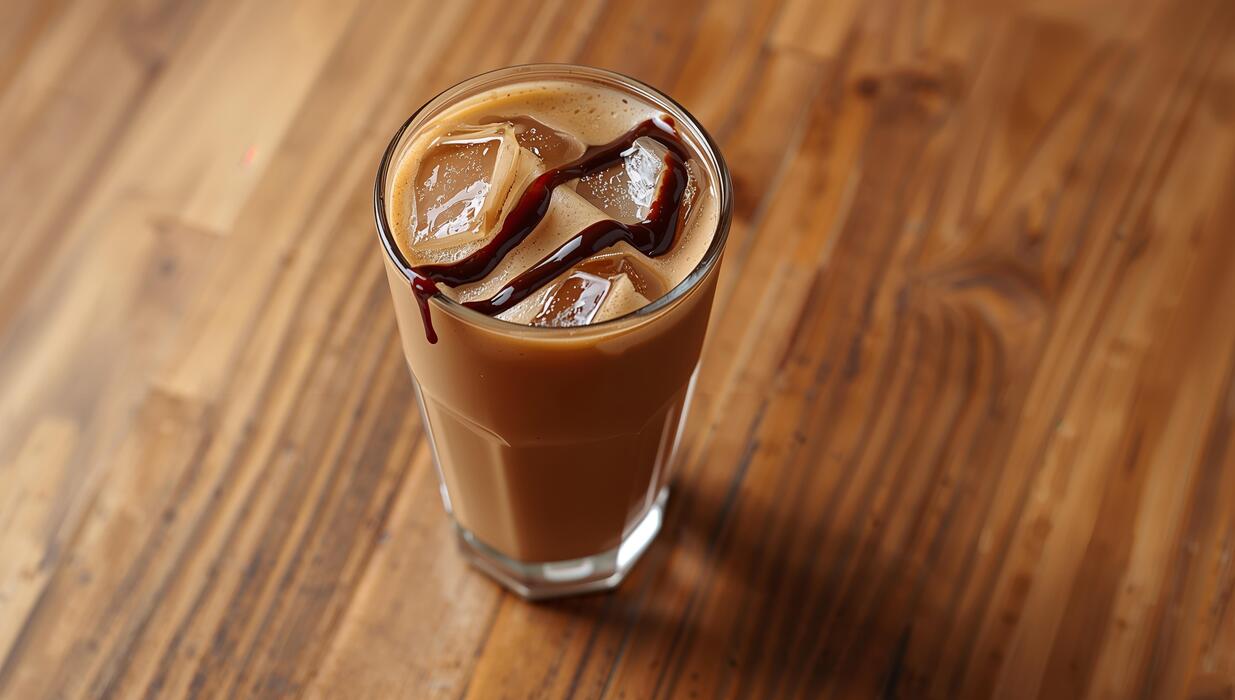
If you crave indulgence, drizzling salted caramel sauce around the inside of the glass before pouring in your coffee provides a visual and flavorful punch that mimics high-end coffee shop creations.
Do not overlook the power of dry spices; adding a pinch of cinnamon or nutmeg directly into your coffee grounds before brewing creates a warm, embedded spice note that is never gritty.
For a more adventurous twist, a drop of almond extract or a splash of coconut milk can transport your drink into tropical territory. By combining these aromatic extracts and spices with your preferred milk, you create a complex, multi-dimensional beverage.
These small additions are the key to personalizing your iced coffee and making it truly yummy and satisfying every single day.
Best Milk and Creamer Options
Dairy vs. Plant-Based Alternatives
Selecting the right base is essential for a delicious iced coffee experience. Traditional whole milk remains a top choice for those seeking a rich, velvety mouthfeel and a natural sweetness that balances the bitterness of cold brew. However, plant-based options have revolutionized the way we enjoy chilled caffeine.
Oat milk is widely considered the gold standard for dairy-free iced coffee because its high fat content creates a creamy consistency similar to half-and-half. For a lighter, nuttier profile, unsweetened almond milk works beautifully, though it may require a bit more stirring to prevent separation.
If you prefer a tropical twist, coconut milk adds a distinct flavor that pairs perfectly with chocolate-based syrups. When choosing plant-based milks, always look for barista editions specifically formulated to resist curdling when hitting the cold acid of the coffee.
Experimenting with these various bases allows you to customize the calorie count and flavor profile of your drink while ensuring every sip is smooth and satisfying.
How to Make Cold Foam at Home
You do not need an expensive espresso machine to recreate the luxurious cold foam topper found at premium coffee shops. The secret lies in using cold, aerated milk that holds its structure atop your iced coffee.
To start, combine two tablespoons of heavy cream with one tablespoon of milk and a dash of your favorite flavored syrup, such as vanilla or caramel. Use a handheld milk frother to whisk the mixture for about thirty seconds until it doubles in volume and achieves a thick, cloud-like consistency.
If you do not have a frother, you can achieve similar results by shaking the ingredients vigorously in a mason jar or pulsing them in a high-speed blender. The key is to keep the mixture very cold before frothing to ensure the proteins and fats bind properly.
Pour this velvety foam gently over the back of a spoon onto your iced coffee to create a beautiful layered effect that slowly melds with the brew as you drink it.
Achieving the Perfect Creamy Texture
The hallmark of a truly yummy iced coffee is a consistent, creamy texture that does not become watery as the ice melts. To prevent dilution, consider using coffee ice cubes made from leftover brew, which ensures that as they melt, they add more flavor rather than excess water.
When adding your creamer, the order of operations matters significantly; pour your milk or cream into the glass first, then add the coffee and ice to ensure immediate integration.
For an ultra-indulgent texture, try incorporating a splash of sweetened condensed milk, a technique popular in Vietnamese iced coffee that provides a thick, silky body.
Another professional tip is to pre-chill your glassware in the freezer for ten minutes, which helps the fats in the milk stay emulsified and prevents the drink from separating.
By focusing on the fat-to-coffee ratio and maintaining a consistently cold temperature, you can achieve a professional-grade mouthfeel that rivals any cafe. Consistency is key, so measure your portions to find the exact balance of creaminess that suits your personal palate perfectly.
Common Mistakes to Avoid for Better Flavor
How to Prevent Watered-Down Coffee
One of the most frequent errors when making iced coffee is failing to account for the dilution that occurs when hot liquid hits frozen cubes. To achieve a rich and yummy flavor, you must brew your coffee at double strength to compensate for the melting ice.
Many beginners use their standard brewing ratio, which results in a weak and translucent beverage that lacks the bold kick of a professional cafe drink. Instead, try reducing the amount of water by half during the brewing process while keeping the coffee grounds the same.
This creates a concentrated base that maintains its structural integrity and flavor profile even as it cools down. Additionally, ensure you are using freshly roasted beans and a consistent grind size to maximize extraction.
By starting with a potent concentrate, you ensure that every sip remains flavorful and robust from the first drop to the last, effectively avoiding the common pitfall of a thin, disappointing, and overly watery coffee experience.
Using Coffee Ice Cubes
A pro-level secret to maintaining flavor is replacing standard water-based ice with homemade coffee ice cubes. When regular ice melts, it introduces plain water into your drink, which inevitably masks the delicate notes of your roast.
By freezing leftover brewed coffee in silicone trays, you create cooling agents that actually add more coffee flavor as they dissolve. This technique is a game-changer for those who enjoy lingering over their drink on a warm day.
To enhance the experience further, you can even infuse your coffee cubes with a touch of vanilla or cinnamon before freezing to add a subtle layer of complexity to the beverage.
This mistake-proofing method ensures that your drink never loses its potency, keeping it consistently yummy and bold regardless of how long it sits.
It is a simple yet effective preparation step that distinguishes a mediocre home brew from a high-quality, artisanal iced coffee that remains delicious until the very last sip of the morning.
Why Temperature Control Matters
Many people make the mistake of pouring boiling hot coffee directly over ice, which can lead to a bitter and acidic taste. This sudden thermal shock often scorches the coffee oils, resulting in a harsh flavor profile that is difficult to mask even with heavy cream or sugar.
For the best results, allow your freshly brewed coffee to cool to room temperature before introducing it to ice. If you are in a rush, consider utilizing the flash-chilling method, which involves brewing directly over a specific weight of ice to lock in bright aromatics without the bitterness.
Temperature control is also vital when adding sweeteners; always incorporate syrups while the coffee is warm or use a simple syrup to ensure even distribution. Avoid adding granulated sugar to cold coffee, as it will simply sink to the bottom and create a gritty texture.
Paying close attention to these thermal transitions ensures a smooth, balanced, and professional-grade finish that highlights the natural sweetness of your chosen coffee beans.
Frequently Asked Questions
What is the best coffee-to-water ratio for iced coffee?
For a bold and yummy flavor that doesn’t get watered down, use a 1:8 ratio for cold brew or brew double-strength if using hot coffee over ice. This ensures the coffee remains rich and flavorful even as the ice cubes begin to melt.
How can I prevent my iced coffee from becoming watery?
The best trick is to make coffee ice cubes by freezing leftover coffee in an ice tray. As these cubes melt, they add more coffee flavor to your drink instead of diluting it with plain water.
What is the secret to making iced coffee taste like a cafe drink?
Using a simple syrup instead of granulated sugar is key because liquid sweeteners dissolve instantly in cold liquids. Adding a splash of heavy cream or a high-quality oat milk provides that signature creamy, luxurious mouthfeel found in professional coffee shops.
Should I use cold brew or chilled drip coffee for the best taste?
Cold brew is generally considered ‘yummier’ because it is less acidic and naturally sweeter due to the long steeping process. However, chilled drip coffee works well if you prefer a brighter, more complex flavor profile with floral or fruity notes.
How do I add flavors like vanilla or caramel to my iced coffee?
You can stir in flavored syrups, a drop of pure vanilla extract, or even a pinch of cinnamon before adding ice. For a unique twist, try shaking your coffee and syrup in a mason jar with ice to create a frothy, aerated texture.
Does the type of roast matter for iced coffee?
Medium to dark roasts are typically best for iced coffee because their bold, chocolatey, and nutty notes hold up better against milk and ice. Lighter roasts can sometimes taste too sour or weak when served cold.
Conclusion
Making the perfect iced coffee at home is a simple yet rewarding process that allows you to customize every sip. By selecting quality beans, mastering the brewing method, and experimenting with creative flavors or sweeteners, you can craft a cafe-quality beverage in your own kitchen. Do not be afraid to try different techniques until you find your signature blend. Now that you have the tools, it is time to brew, chill, and enjoy your refreshing creation.