How To Make Amazing Cold Coffee
Making amazing cold coffee at home is easier than you think, and you do not need fancy equipment to get barista-quality results. Whether you crave a silky smooth cold brew or a frothy shaken espresso, the secret lies in the right coffee-to-water ratio and quality ice. In this guide, we will show you exactly how to master the perfect brew quickly. Get ready to transform your morning routine with these simple, delicious, and refreshing cold coffee techniques.
Best coffee beans for cold brewing
Light vs dark roast profiles
When choosing the foundation for your cold brew, the roast profile dictates the final flavor landscape of your drink.
While you can technically use any bean, dark roasts are the gold standard for traditional cold brew enthusiasts because the long extraction process mellows out bitterness while highlighting chocolatey, nutty, and smoky notes.
These beans have a porous structure that allows water to penetrate easily, resulting in a rich, syrupy body that holds up exceptionally well when mixed with milk or cream. Conversely, light roasts offer a tea-like experience characterized by bright acidity and complex floral or fruity undertones.
While more challenging to extract, light roasts provide a refreshing, crisp profile that is perfect for those who enjoy drinking their coffee black.
For the most balanced results, many experts recommend a medium-dark roast to achieve that classic, bold sweetness without overwhelming the palate with charred flavors, ensuring your homemade cold coffee tastes professional every single time.
Why freshly ground beans matter
The secret to unlocking truly amazing cold coffee lies in the volatile aromatic compounds found within the bean, which begin to dissipate the moment the coffee is ground.
To achieve a superior cup, you should always prioritize grinding your beans immediately before brewing to preserve the delicate oils and gasses that contribute to a vibrant flavor profile.
Pre-ground coffee often loses its nuance within days, leading to a flat, stale, or unpleasantly woody taste that no amount of steeping can fix.
By using freshly roasted whole beans, you ensure that the oxidation process is kept to a minimum, allowing the natural sweetness of the coffee to shine through during the extended sixteen to twenty-four hour immersion period.
Investing in a quality burr grinder allows you to maintain this freshness, providing a noticeable upgrade in aroma and complexity that differentiates a mediocre kitchen experiment from a cafe-quality beverage. Freshness is the non-negotiable variable that transforms basic caffeine into a gourmet experience.
Coarse vs fine grind settings
The physical size of your coffee particles is the most critical technical factor in successful cold brewing. For this specific method, you must strictly utilize a coarse grind setting that resembles sea salt or heavy breadcrumbs.
Because cold brew relies on a long immersion time rather than heat, a coarse grind ensures that the water can flow freely between the particles, preventing over-extraction and the resulting bitterness.
If you use a fine grind typically meant for espresso, the surface area becomes too large for the long steeping time, leading to a muddy, overly acidic, and harsh concentrate that is difficult to filter.
A consistent, chunky grind allows for a gradual and gentle extraction of flavors, producing the smooth, low-acid finish that makes cold brew so popular. Using a burr grinder is essential here to avoid ‘fines’—tiny dust-like particles that can slip through filters and create sediment.
Mastering this texture is the final step in ensuring your cold coffee is consistently delicious and sediment-free.
How to make cold brew coffee at home

The perfect coffee-to-water ratio
To achieve a truly amazing cold brew at home, mastering the concentration is the first essential step. For a versatile concentrate that works perfectly over ice or mixed with milk, use a 1:4 coffee-to-water ratio.
This means for every one cup of coarsely ground beans, you should add four cups of filtered water. If you prefer a ready-to-drink version that is slightly less intense, a 1:8 ratio is often considered the gold standard for balance and clarity.
Using a digital scale ensures total precision, as measuring by weight rather than volume accounts for the varying density of different roast profiles. Always opt for coarsely ground beans resembling sea salt to prevent over-extraction and bitterness.
This specific ratio creates a smooth, chocolatey base that highlights the natural sweetness of the coffee without the harsh acidity found in hot-brewed methods. Experimenting slightly within these parameters allows you to customize the strength to your personal palate while maintaining a professional-grade profile every single time.
Step-by-step steeping process
The beauty of cold brew lies in its simplicity, but timing is everything when aiming for a premium result. Begin by placing your coarse grounds into a large glass jar or dedicated cold brew maker, then slowly pour filtered water over them, ensuring all grounds are fully saturated.
Stir gently with a long spoon to break up any dry pockets, but avoid over-agitating the mixture. Cover the vessel tightly and let it sit at room temperature for 12 to 18 hours.
While some prefer a 24-hour steep, extending the time too far can introduce woody or earthy notes that mask the delicate flavors of the bean.
If you choose to steep your batch in the refrigerator, expect the process to take closer to 20 to 24 hours due to the slower extraction rate in cold environments.
This slow, heat-free infusion process gently draws out the oils and caffeine, resulting in a low-acid beverage that is naturally sweet and incredibly refreshing for any time of day.
Filtering methods for a clean cup
Achieving a sediment-free, silk-smooth texture is the final hallmark of a great cold coffee. Once the steeping time is complete, you must separate the grounds from the liquid carefully.
For the most efficient results, use a fine-mesh sieve lined with a paper coffee filter or a clean cheesecloth to catch the smallest particles.
If you are using a French press, simply plunge slowly, but consider running the final liquid through a secondary paper filter to remove the fine ‘sludge’ that often bypasses the metal screen. A dual-filtration approach ensures a sparkling clear cup that highlights the nuanced tasting notes of your chosen beans.
Once filtered, store your fresh concentrate in a sealed glass carafe in the refrigerator; it will stay fresh and flavorful for up to two weeks.
When you are ready to serve, pour your clean brew over fresh ice and dilute it with water or your favorite creamy milk to enjoy a professional-quality beverage that rivals the best specialty coffee shops in your neighborhood.
Quick ways to make iced coffee
The flash chilled brewing method
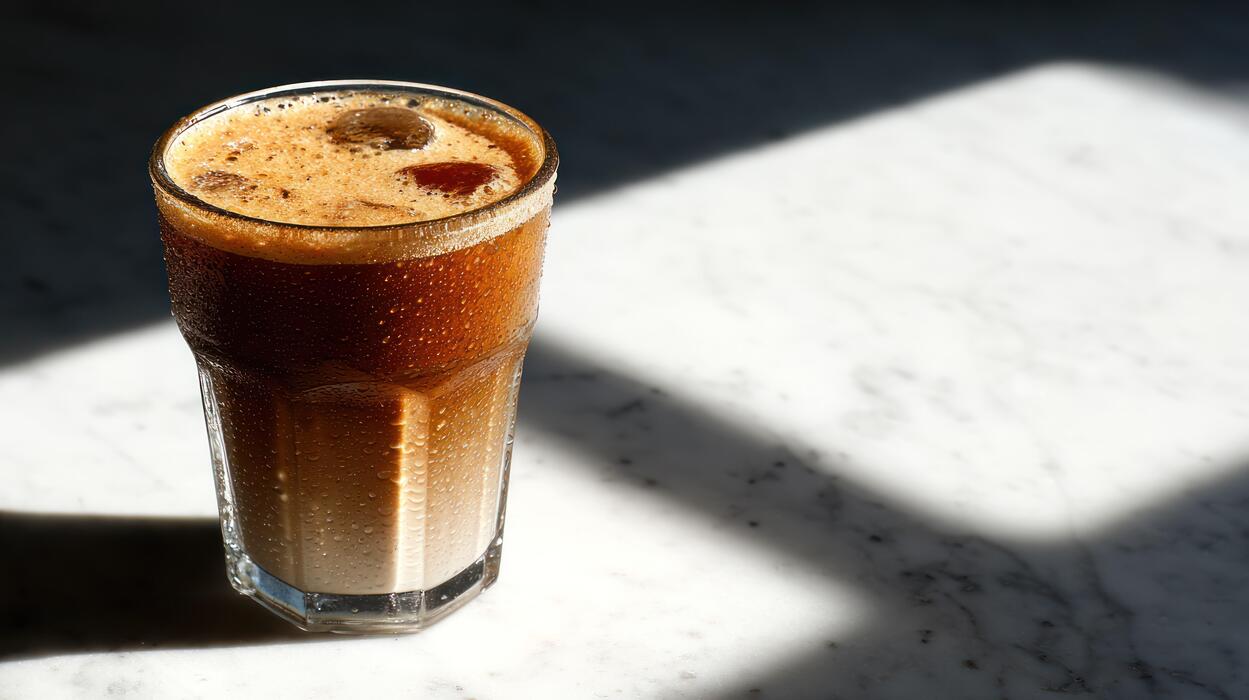
The flash chilled method, often called Japanese-style iced coffee, is the fastest way to achieve a vibrant and aromatic cup without waiting hours. To start, you simply brew your coffee hot directly onto a vessel filled with fresh ice.
The key is to adjust your water-to-coffee ratio by using approximately half the usual amount of hot water, allowing the melting ice to provide the remaining dilution. By brewing at a high temperature, you extract the complex acids and floral notes that are often muted in traditional cold brew.
Using a pour-over dripper is ideal here because it offers maximum control over the flow rate. Make sure to use a slightly finer grind than usual to ensure proper extraction during the shortened contact time.
This technique locks in the volatile aromatics instantly, resulting in a crisp, clean finish that tastes incredibly fresh. It is the perfect solution for those who want cafe-quality iced coffee in under five minutes without any bitterness or oxidation.
Using a French press for cold coffee
A French press is an exceptional tool for creating a rich, full-bodied cold brew with minimal effort. To begin, add coarsely ground coffee beans to the carafe, maintaining a ratio of one part coffee to four parts filtered water for a concentrated base.
Pour room temperature water over the grounds, ensuring they are fully saturated, and place the lid on without pressing the plunger down. Let the mixture steep on your counter or in the fridge for twelve to eighteen hours to develop a smooth, chocolatey profile.
Once the steeping process is complete, slowly press the plunger to filter out the sediments. The metal mesh filter allows natural oils to pass through, giving the coffee a velvety texture that paper filters often remove.
You can store this concentrate for a week, mixing it with equal parts water or milk whenever you need a quick caffeine fix. This hands-off approach guarantees a low-acid result that is consistently delicious and highly customizable for any palate.
Instant coffee hacks for busy mornings
If you are short on time but refuse to sacrifice flavor, high-quality instant coffee can be transformed into a gourmet treat with a few simple tricks.
Start by dissolving two teaspoons of premium freeze-dried coffee in a small amount of warm water; this ensures the granules dissolve completely and prevents a gritty texture.
To elevate the flavor, try the ‘shaken’ method by placing the coffee base, a splash of sweetener, and plenty of ice into a mason jar or cocktail shaker. Vigorously shake the mixture for thirty seconds to create a luxurious, frothy foam that mimics a professional espresso freddo.
For a creamier experience, use oat or almond milk instead of water, which adds a natural sweetness that complements the roast. Another great tip is to freeze coffee into ice cubes the night before, preventing your drink from becoming watered down as you sip.
These quick adjustments turn a basic pantry staple into a sophisticated, refreshing beverage that fits perfectly into a hectic morning routine without requiring any expensive equipment.
Essential tools for the perfect brew
Must-have glass jars and pitchers
To start your journey toward making amazing cold coffee, you must invest in high-quality mason jars or dedicated glass carafes. Glass is the preferred material because it is non-porous and odor-resistant, ensuring that your delicate coffee oils remain untainted by previous flavors.
A large two-quart glass pitcher is ideal for batch brewing, allowing enough space for the coffee grounds to expand fully as they saturate in room-temperature water. Look for vessels with airtight silicone seals to prevent oxygen from oxidizing your brew during the long twelve to twenty-four hour steeping process.
Using a clear container also allows you to monitor the color and sediment level of your concentrate. If you plan on serving directly from the container, choose a model with an ergonomic handle and drip-free spout to maintain a clean kitchen environment.
These simple storage tools are the foundation of a consistent brewing routine that produces smooth, low-acid coffee every single time you crave a glass.
Precision scales and grinders
Consistency is the absolute secret to mastering cold brew, which makes digital kitchen scales and burr grinders indispensable tools. You should always measure your coffee beans and water by weight rather than volume to maintain a perfect one-to-four or one-to-eight ratio.
A scale with a tare function ensures that you account for the weight of your vessel, leading to professional results at home. Furthermore, the grind size is critical for slow extraction; you require a consistent coarse grind that resembles sea salt.
Using a blade grinder often produces fine dust that leads to over-extraction and bitterness, so a conical burr grinder is highly recommended to achieve uniform particles. By grinding your beans fresh immediately before steeping, you preserve the volatile aromatic compounds that give cold coffee its signature chocolatey and nutty profile.
Investing in these precision instruments eliminates the guesswork and allows you to recreate your favorite cafe-quality recipes with total confidence and ease.
Reusable filters and strainers
Achieving a crystal-clear cup without any gritty residue requires the right filtration system, such as ultra-fine mesh stainless steel filters or organic cotton bags.
Reusable nut milk bags or cloth filters are excellent for cold brew because they allow the natural oils to pass through while trapping the smallest silty particles, resulting in a rich mouthfeel.
If you prefer a lighter and crisper profile, you can double-filter your concentrate through a paper coffee filter after the initial steep. Many modern cold brew systems come with integrated stainless steel infuser baskets that sit directly inside the pitcher, making the cleanup process incredibly fast and mess-free.
Ensure your chosen strainer is large enough to allow for optimal water circulation around the grounds, as cramped coffee will not extract evenly.
By selecting high-quality, sustainable filtering tools, you ensure that your final beverage is smooth, sediment-free, and perfectly balanced, highlighting the unique tasting notes of your specific coffee beans without any unwanted muddy textures.
Tips for better flavor and texture

How to make coffee ice cubes
One of the most common mistakes people make when crafting cold coffee is allowing standard ice cubes to dilute their beverage as they melt. To prevent a watery mess, you should prioritize making coffee ice cubes by freezing leftover brewed coffee in standard silicone trays.
For the best results, ensure the coffee is completely cool before pouring it into the molds to avoid a cloudy appearance. You can even enhance these cubes by adding a splash of vanilla extract or a pinch of cinnamon directly into the liquid before freezing.
This simple hack ensures that as the cubes slowly dissolve, they actually intensify the coffee flavor rather than weakening it. Using these specialized cubes allows you to maintain that bold, caffeinated profile from the first sip to the very last drop.
It is a game-changing solution for anyone who enjoys sipping their drink slowly over an hour. This method also provides a great way to reduce waste by repurposing any extra morning brew that would otherwise be discarded.
Choosing the right water quality
Since a cup of cold coffee is composed of approximately ninety-eight percent water, the quality of your tap source significantly impacts the final taste profile.
Using filtered or bottled spring water is essential because it removes harsh impurities like chlorine, lead, and heavy minerals that often create a metallic or bitter aftertaste. If your water is too hard, it can mute the delicate floral and fruity notes found in premium light-roast beans.
Conversely, water that is too soft may fail to extract enough flavor, resulting in a flat and uninspired beverage. Aim for a balanced mineral content to ensure a clean, crisp finish that allows the natural sweetness of the coffee beans to shine through.
Investing in a simple charcoal filter pitcher is a cost-effective way to drastically improve the texture and clarity of your cold brew or iced lattes.
By controlling this fundamental ingredient, you create a neutral canvas that perfectly highlights the complex characteristics of your chosen roast, ensuring a professional-grade experience at home every single time.
Sweetening cold coffee without grit
Traditional granulated sugar does not dissolve well in cold liquids, often leaving an unpleasant, gritty residue at the bottom of your glass. To achieve a perfectly smooth texture, you should always utilize simple syrups or liquid sweeteners instead of powders.
You can easily create a basic simple syrup by boiling equal parts water and sugar until clear, then cooling it before use. This liquid sugar integrates instantly into cold coffee, providing consistent sweetness throughout every layer of the drink.
For those looking for healthier alternatives, honey, agave nectar, or maple syrup also work exceptionally well because they are naturally viscous and blend easily into chilled mixtures. If you prefer a creamy finish, consider whisking your sweetener directly into your milk or cream before pouring it over the ice.
This technique ensures a velvety mouthfeel and prevents the sweetness from sinking to the bottom. By switching to liquid-based sweeteners, you eliminate the crunch of undissolved crystals and ensure that every single sip of your amazing cold coffee is perfectly balanced and professional.
Popular cold coffee recipes to try
Classic vanilla iced latte
To master the classic vanilla iced latte, start by brewing a double shot of high-quality espresso or a very concentrated half-cup of dark roast coffee.
While the coffee is still warm, stir in one to two tablespoons of pure vanilla syrup to ensure the sweetener dissolves completely and flavors the drink evenly.
Fill a tall glass to the brim with large ice cubes, which melt slower than crushed ice, preventing your beverage from becoming watered down. Pour your flavored coffee over the ice, then follow with three-quarters of a cup of whole milk or oat milk for a creamy, velvety texture.
For a professional finish, give the mixture a gentle stir to create a beautiful marbled effect. Using chilled milk is essential for maintaining the ideal temperature.
This simple yet elegant recipe provides a balanced sweetness that highlights the coffee’s natural notes, making it a reliable staple for any home barista looking for a refreshing caffeine boost.
Creamy Vietnamese iced coffee
Experience a bold and indulgent treat by making a traditional Vietnamese iced coffee, known as Cà Phê Sữa Đá. The secret lies in using a Phin filter and dark-roasted Robusta beans to achieve a thick, chocolatey profile.
Begin by adding two tablespoons of sweetened condensed milk into the bottom of a heat-resistant glass. Place the filter on top, add your coarse grounds, and pour a small amount of hot water to bloom the coffee before filling the rest of the chamber.
Once the slow drip process is finished, stir the coffee and condensed milk vigorously until they are fully integrated into a smooth, caramel-colored liquid. Pour this rich concentrate over a glass packed with ice.
The intense strength of the coffee perfectly offsets the sugary richness of the milk, creating a powerful flavor profile that is both energizing and dessert-like. This method ensures your cold coffee remains flavorful even as the ice begins to melt during a hot afternoon.
Salted caramel cold foam topper
Elevate any basic cold brew or iced Americano by adding a luxurious salted caramel cold foam topper that mimics your favorite coffee shop specialty.
In a small frothing pitcher, combine a quarter-cup of skim milk or heavy cream with a tablespoon of salted caramel syrup and a tiny pinch of flaky sea salt. Use a handheld milk frother for about thirty seconds until the mixture doubles in volume and achieves a thick, cloud-like consistency.
Slowly pour this aerated foam over the top of your cold coffee; it should sit elegantly on the surface rather than mixing immediately. The contrast between the salty-sweet cream and the bitter coffee underneath provides a complex sensory experience with every sip.
For the best results, ensure your milk is ice-cold before frothing, as this helps stabilize the air bubbles for a longer-lasting foam. This technique adds a gourmet layer of texture and taste that transforms a standard beverage into an extraordinary, solution-focused homemade treat.
Common mistakes to avoid
Why your coffee tastes bitter
One of the most frequent errors when making cold coffee is using a grind size that is far too fine for the long extraction process. When you utilize a fine espresso-style grind for cold brew, you increase the surface area significantly, leading to over-extraction and a harsh, astringent flavor profile.
To solve this, always opt for a coarse, sea-salt consistency which allows for a slow, gentle release of flavors without drawing out the bitter oils. Additionally, pay close attention to the water temperature if you are using the flash-chill method. Using boiling water can scorch the delicate grounds instantly.
Instead, let your water sit for a minute after boiling to reach approximately 195-205 degrees Fahrenheit. Finally, ensure you are thoroughly filtering the concentrate to remove any fine sediment.
Tiny particles left in the jar will continue to extract even after you have finished the brewing cycle, which inevitably turns a smooth beverage into a bitter disappointment over time.
Avoiding watered-down drinks
Nothing ruins a premium cold coffee faster than standard ice cubes melting and diluting the complex flavor profile you worked hard to create. A simple yet transformative solution is to freeze leftover coffee into ice cubes rather than using plain water.
As these coffee cubes melt, they actually reinforce the strength of your drink instead of thinning it out. Another common mistake is failing to account for the dilution ratio when adding milk or creamers.
If you prefer a creamy texture, try brewing a concentrated base that is twice as strong as your standard cup to compensate for the added liquids. Furthermore, always ensure your coffee has reached room temperature or been chilled in the fridge before pouring it over ice.
Pouring hot liquid directly onto ice causes immediate melting, resulting in a lukewarm, watery mess. By pre-chilling your brew and utilizing coffee-based ice, you maintain a consistent, bold intensity from the very first refreshing sip until the glass is completely empty.
Proper storage for long-lasting freshness
Leaving your cold brew out on the counter or in an unsealed container is a surefire way to invite oxidation, which quickly sours the taste.
To maintain that signature sweetness, you must store your concentrate in an airtight glass carafe or a mason jar immediately after the brewing process is complete. Plastic containers are often porous and can impart unwanted chemical flavors or odors from other foods in your refrigerator.
It is also a mistake to keep your coffee for too long; while it is shelf-stable, the flavor begins to degrade after about seven to ten days.
For the best results, label your container with the brew date so you can consume it while the aromatic compounds are at their peak performance. Avoid adding sweeteners or dairy directly into the large storage batch, as these additives significantly shorten the shelf life and can cause spoilage.
Keep your base pure and add your flavorings per serving to ensure every glass tastes as fresh as the day it was brewed.
Frequently Asked Questions
What is the best coffee-to-water ratio for cold brew?
For a smooth concentrate, use a 1:4 ratio of coarse ground coffee to water. If you prefer a ready-to-drink brew that is less intense, a 1:8 ratio works best for steeping overnight.
How do I prevent my iced coffee from becoming watery?
The best trick is to use coffee ice cubes made by freezing leftover brewed coffee in an ice tray. As they melt, they reinforce the coffee flavor instead of diluting it with water.
Which coffee beans are best for cold coffee drinks?
Medium to dark roasts generally perform better for cold coffee because they offer chocolatey and nutty notes that hold up well against ice and milk. Look for beans from South America or Southeast Asia for a bolder profile.
How can I make my cold coffee taste creamy without heavy cream?
You can achieve a creamy texture by using oat milk, which has a natural sweetness and thickness, or by frothing your milk cold before pouring it over the coffee. Another option is to blend a small amount of condensed milk for a Vietnamese-style treat.
What is the secret to sweetening cold coffee effectively?
Always use a simple syrup or liquid sweetener rather than granulated sugar, as sugar does not dissolve well in cold liquids. You can make your own by boiling equal parts water and sugar until clear.
Should I use hot brewed coffee or cold brew for the best flavor?
Cold brew is superior if you want a low-acid, naturally sweet flavor, but ‘flash-chilled’ coffee (brewing hot directly over ice) preserves more bright, aromatic floral notes. Choose cold brew for smoothness and flash-chilled for complexity.
Conclusion
Creating the perfect glass of cold coffee is an art that combines high-quality beans, the right brewing method, and creative flair. Whether you prefer the smoothness of a slow-steeped cold brew or the instant gratification of a shaken espresso, remember that customization is key. Experiment with different milk alternatives and artisanal syrups to find your signature flavor. Now that you have these expert tips, it is time to start brewing and enjoy your refreshing masterpiece.