How Long Do Green Coffee Beans Stay Fresh
how long do green coffee beans stay fresh depends mostly on storage, but when kept cool, dry, and sealed from air, they typically remain usable for 6 to 12 months and can stay viable even longer. If you are wondering whether your beans are still worth roasting, you are in the right place. This guide explains what affects freshness, how to store green beans properly, and the signs that quality has started to decline over time and what to expect.
How long do green coffee beans stay fresh
Average shelf life of green coffee beans
Green coffee beans usually stay fresh for about 6 to 12 months when stored well, and they can remain usable for up to 24 months or longer if conditions are stable.
The biggest factor is not a strict expiration date but how much the beans are exposed to oxygen, moisture, heat, light, and strong odors.
For the best cup quality, keep beans in airtight or tightly sealed bags, ideally with a liner, and store them in a cool, dark, dry place with low humidity. Avoid garages, kitchens near ovens, and any spot where temperatures swing often.
If you buy in bulk, divide beans into smaller portions so you open only what you need. Check them regularly for musty smells, mold, fading color, or insect activity, which are signs storage has failed.
In practical terms, if your goal is flavor, aim to use green beans within the first year rather than waiting until they are simply still safe to roast.
How freshness changes over 6, 12, and 24 months
At around 6 months, well-stored green coffee beans are usually still in a strong freshness window, with much of their original character intact. You can expect better aromatics, cleaner acidity, and more origin-specific flavor. By 12 months, many beans are still good, but subtle qualities often start to soften.
The coffee may taste less lively, with muted sweetness, flatter brightness, or a drier finish, especially if storage conditions were inconsistent. At 24 months, beans can still be roastable, but quality depends heavily on variety, processing method, and storage.
Some lots hold up surprisingly well, while others taste noticeably aged, woody, or dull. To manage this, label every bag with the purchase date, origin, and harvest information if available. Roast a small test batch before committing to a larger roast.
If the sample tastes less vibrant, adjust your expectations: older greens may still make decent everyday coffee even if they no longer deliver their original peak complexity.
When older beans are still usable
Older green coffee beans are still usable when they have been stored properly and show no signs of mold, moisture damage, infestation, or strong off-odors.
Even if they are beyond the ideal freshness window, they can work well for blends, darker roasts, cold brew, milk drinks, or casual daily brewing where delicate flavor nuances matter less.
Before roasting, inspect the beans for uniform color, dryness, and a clean grassy or neutral smell rather than anything sour, stale, or musty. Then roast a small amount first and cup it.
If the coffee tastes drinkable but less expressive, it may still be worth using in applications that emphasize body over brightness. However, if the beans smell damp, feel soft, show visible discoloration, or produce consistently unpleasant flavors, it is better to discard them.
A practical rule is this: older beans are usable if storage quality stayed high and the cup still tastes acceptable for your purpose, even if peak freshness has passed.
What affects the freshness of green coffee beans
Moisture, temperature, and airflow
Green coffee beans usually stay fresh for 6 to 12 months, and in excellent storage conditions they can remain usable even longer, but moisture, temperature, and airflow have the biggest impact on how well they hold up. The goal is a cool, stable, dry environment.
High humidity lets beans absorb water, which can lead to mold, musty flavors, and faster aging. Excess heat speeds up chemical changes and can flatten the cup over time.
Too much airflow is also a problem because it increases exposure to oxygen and encourages drying or odor absorption from the surrounding area.
For best results, store green beans in breathable but protective packaging, such as GrainPro-style liners inside sturdy bags, and keep them away from sunlight, strong smells, and temperature swings. Aim for storage around 60-70°F (15-21°C) with moderate humidity.
If you want longer freshness, focus first on keeping conditions consistent, not just cool.
How processing method affects storage life
The way coffee is processed after harvest can influence how long green coffee beans stay fresh because different methods leave beans with different moisture behavior, density, and flavor stability. In general, washed coffees often taste clean and vibrant early on, but some can lose brightness sooner if storage is poor.
Natural and honey-processed coffees may carry more fruit character and sometimes seem more forgiving at first, yet they can also pick up fermented, woody, or faded notes if kept too warm or humid.
The key takeaway is that no process automatically guarantees a longer shelf life; instead, each style responds differently as it ages.
If you buy green beans for home roasting, label each lot with the arrival date, process, and moisture information if available, then cup it every few months to track changes. Rotate through delicate lots first, and reserve denser or more stable coffees for longer storage.
Taste monitoring is the best way to judge real freshness.
Why bean quality and origin matter
Bean quality and origin matter because freshness is not only about time in storage, but also about how strong and stable the coffee was when it arrived.
High-quality green coffee that was properly dried, sorted, and packed at origin will usually hold flavor better than lower-grade coffee with defects, uneven moisture, or poor handling. Defective beans can age faster and introduce baggy, woody, or stale notes long before the rest of the lot declines.
Origin also plays a role because altitude, climate, variety, and bean density affect durability. For example, dense high-altitude coffees often maintain structure and complexity longer than softer, lower-density beans, though this is not a hard rule.
To protect freshness, buy from reputable suppliers who share harvest dates, moisture levels, and storage details. If you are deciding how long to keep a lot, use both the calendar and the cup: even within the common 6-12 month window, some coffees peak earlier while others stay lively longer.
How to tell if green coffee beans are still fresh
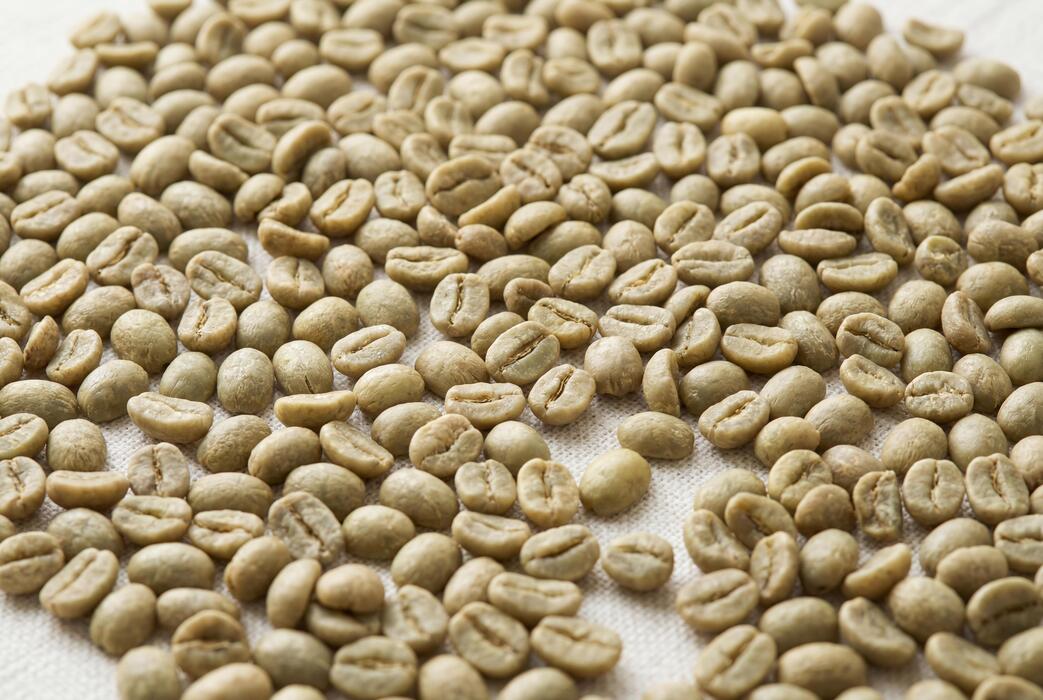
Signs of good color, smell, and texture
Fresh green coffee beans usually stay in their best condition for about 6 to 12 months when stored well, and they can remain usable beyond that if quality conditions are excellent. To judge freshness, start by looking for even color and a healthy surface.
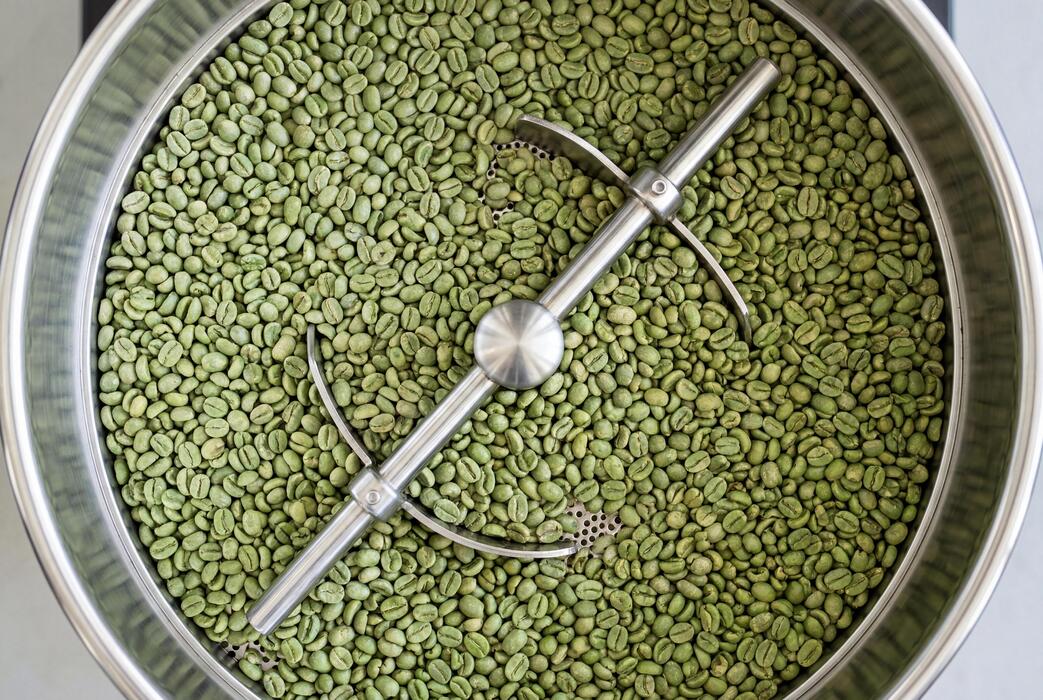
Most beans should appear consistent for their origin and processing method, without widespread fading or blotchy discoloration. The smell should be clean, mild, and slightly grassy or tea-like, not heavy or sour. When you handle them, the beans should feel dry, dense, and firm, never damp, sticky, or unusually brittle.
A fresh lot also tends to have uniform size and shape, with minimal broken pieces, husk fragments, or insect damage. If you buy in larger quantities, compare multiple handfuls from different parts of the bag.
Consistency is a strong clue that the coffee has been stored properly and still has life left for roasting.
Warning signs of age, mold, or damage
Green coffee loses freshness faster when exposed to heat, humidity, light, and air, so visible or sensory defects often point to poor storage rather than age alone. Watch for yellowing, dullness, patchy fading, or uneven color, which can suggest the beans are getting old or have dried out excessively.
A stale lot may smell flat, woody, dusty, or like old burlap, while a damaged lot can give off musty, fermented, or moldy odors. Those smells are strong warning signs. Also inspect for white fuzz, dark spotting, moisture marks, cracked surfaces, insect holes, or unusually high numbers of broken beans.
Beans that feel soft, spongy, damp, or fragile may have absorbed moisture or degraded in storage. If you notice condensation inside the bag or a cellar-like smell, avoid using the lot.
Even if the beans are technically roastable, those signs usually mean lower cup quality and a shorter remaining shelf life.
How a sample roast can reveal freshness
If the beans look mostly sound but you are unsure how long they have stayed fresh, do a small sample roast. This is often the clearest way to test remaining quality. Fresh green coffee should roast with predictable color development, steady aroma changes, and relatively even expansion.
During roasting, notice whether the smell becomes sweet, nutty, or origin-typical rather than papery, flat, or harsh. After roasting, the beans should appear fairly uniform, not dramatically mottled unless the coffee itself is naturally uneven.
Then brew a small cup and assess whether the coffee still has clarity, sweetness, acidity, and structure. Older green beans often taste muted, woody, cereal-like, or lifeless, even if they were stored decently. If your sample roast lacks vibrancy, the coffee is likely past peak freshness.
This practical test helps confirm whether a lot still performs well, especially when storage history is unknown.
Best ways to store green coffee beans
Ideal temperature and humidity for storage
Green coffee beans stay freshest when stored in a cool, stable environment with temperatures around 60-70°F (15-21°C) and relative humidity near 50-60%. Under these conditions, most beans can remain in good condition for 6 to 12 months, and sometimes longer if the quality is high and storage is carefully controlled.
Avoid heat spikes, damp basements, or garages that swing between hot and cold, because temperature fluctuation and excess moisture speed up aging and can cause mold or flavor loss. If your climate is humid, use a small hygrometer in the storage area so you can monitor conditions.
The goal is to keep the beans dry, breathable, and protected from sudden environmental changes, which helps preserve aroma precursors and overall cup quality.
Best containers for home and small-batch storage
For home and small-batch storage, choose containers that protect beans while still allowing them to remain dry and well ventilated. The best options are food-safe burlap bags lined with GrainPro-style liners, heavy paper sacks inside sealed bins, or breathable cloth bags placed in a clean, dry container.
These setups help reduce moisture exposure without trapping condensation. If you store only a few pounds, use airtight food-grade buckets only when beans are fully dry and the room is not humid, since trapped moisture can become a problem.
Divide larger amounts into smaller portions so you only open what you need. This reduces repeated exposure to air and odors. Well-stored green beans typically stay fresh for many months, but container choice has a major impact on how evenly they age.
Where to keep beans to avoid light and odor exposure
Store green coffee beans in a dark, odor-free space such as a pantry, interior closet, or dedicated storage cabinet. Light itself is less damaging than moisture or heat, but a consistently dark location supports better long-term stability.
More importantly, green beans are porous and can absorb nearby odors from spices, cleaning products, onions, paint, or detergent, which may later affect flavor in the cup. Keep them far from kitchens with strong cooking smells, laundry rooms, and garages with chemicals or fuel.
A shelf off the floor is best, since it helps avoid dampness and pests. If you want beans to stay fresh for 6-12 months or more, choose a space with steady conditions, clean air, and no direct sun, and avoid frequently opened areas with changing temperatures.
Common storage mistakes to avoid
The biggest mistakes are storing green coffee beans in places that are too hot, too humid, or too exposed to odors. Do not keep them in the refrigerator, where condensation can form, or in the freezer unless you are using professional moisture-controlled packaging.
Avoid clear containers in sunny rooms, open bags near the stove, and damp basements that encourage mold. Another common issue is buying a large amount and repeatedly opening the same container, which exposes all beans to changing air each time. Instead, split beans into smaller batches for gradual use.
Also avoid storing beans near strong-smelling foods or chemicals, because they can pick up those odors. If you prevent moisture, heat, light, and odor contamination, green coffee beans usually maintain solid freshness for months rather than weeks.
How long green coffee beans last in different storage setups
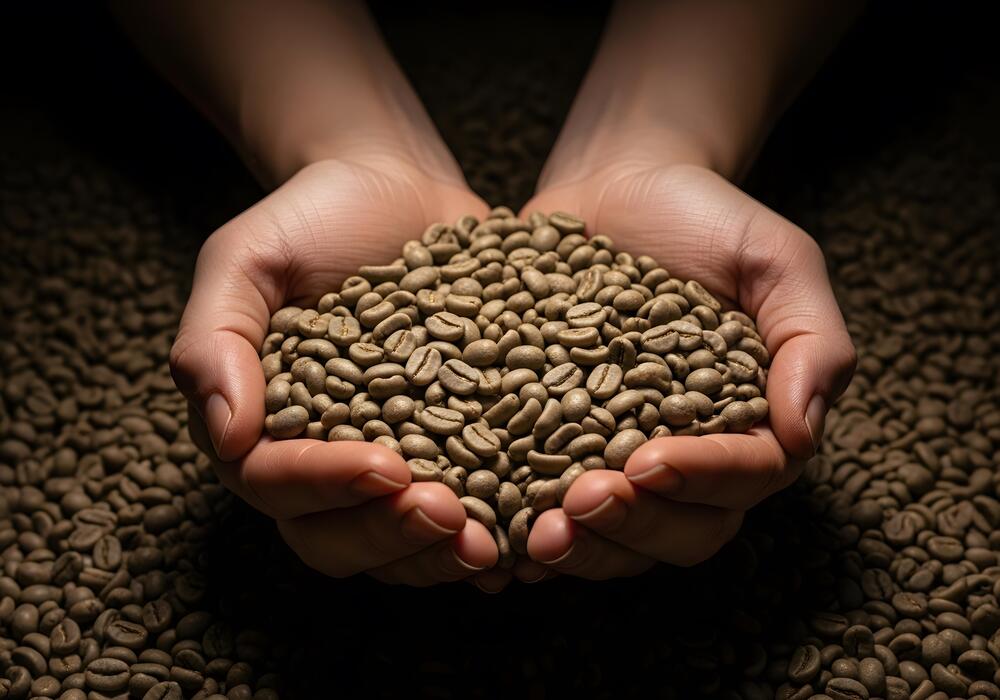
Shelf life in burlap bags
Green coffee beans stored in traditional burlap or jute bags usually stay at their best for about 6 to 12 months, though some lots can remain usable a bit longer if conditions are stable.
Burlap allows airflow, which helps prevent trapped moisture, but it also exposes beans to humidity swings, odors, and gradual aging. For the longest freshness, keep the bags in a cool, dry, dark space, ideally around stable room temperature with moderate humidity and good air circulation.
Avoid placing bags directly on concrete floors or against walls, because they can absorb moisture there; use pallets or shelves instead. Also keep them away from spices, chemicals, or strong-smelling foods, since green beans can absorb surrounding odors.
If you buy coffee in burlap, plan to rotate stock sooner rather than later. Best practice: use higher-value or delicate coffees first, and check regularly for musty smells, discoloration, or moisture issues.
Shelf life in sealed plastic or GrainPro bags
When green coffee beans are kept in sealed plastic liners or GrainPro-style bags, they often stay fresh for 12 to 18 months, and in some well-managed cases even longer.
These bags are popular because they create a strong barrier against moisture, oxygen exchange, pests, and odor contamination, which slows down the aging process compared with burlap alone.
To get the full benefit, place the sealed bag in a clean, temperature-stable storage area out of sunlight, and avoid opening it repeatedly unless necessary. Every time the bag is opened, the coffee is exposed to new air and humidity, which can shorten storage life.
If you need ongoing access, divide larger lots into smaller sealed portions rather than reopening one main bag. GrainPro and similar setups are especially helpful for preserving coffees with delicate acidity or floral notes.
Key tip: the bag protects the beans, but it cannot fix poor storage conditions, so keep the environment consistently cool and dry.
Shelf life in buckets, bins, and airtight containers
Green coffee beans stored in food-safe buckets, bins, or airtight containers can usually remain in good condition for about 9 to 15 months, depending on how airtight the container is and how often it is opened.
This setup works well for home roasters and small businesses because it offers better protection from household humidity, insects, and odor exposure than open sacks.
For best results, use clean, dry, food-grade containers with tight-fitting lids, and store them in a cool, dark place away from heat sources such as ovens, garages, or sunny rooms.
Do not pack beans into containers if there is any sign of moisture, and never use containers that previously held strongly scented products. Frequent opening can speed up staling, so consider splitting beans into smaller containers if you roast in batches.
Practical rule: label each container with purchase date and origin, then use older lots first and inspect regularly for condensation, dull aroma, or quality decline.
Tips for keeping green coffee beans fresh longer
How to buy the right amount for your needs
Green coffee beans usually stay at their best for about 6 to 12 months when stored well, though some lots can hold quality longer. The easiest way to keep them fresh is to buy only what you can realistically use within that window.
Estimate your roasting pace first: how many pounds or kilos you roast each week, plus a little extra for testing. If you roast infrequently, choose smaller orders more often instead of one large purchase that sits for a year.
Ask suppliers for the harvest date, processing method, and arrival date, because older beans lose liveliness faster. For home roasters, a two- to four-month supply is often safer than bulk buying unless storage conditions are excellent.
If you want variety, split your budget across smaller bags rather than committing to one giant sack. Fresh inventory planning prevents waste, protects cup quality, and helps ensure beans are roasted while their flavor, moisture balance, and aroma potential are still strong.
When to rotate stock and label batches
A simple rotation system makes it much easier to answer how long green coffee beans stay fresh and to use them before quality fades. As soon as beans arrive, label every bag or container with the coffee name, origin, harvest or crop year, purchase date, and first-opened date.
If possible, add notes about moisture content or supplier recommendations. Then follow a strict first in, first out routine so older lots are roasted before newer ones. Check your inventory every few weeks and move any bag approaching six months into a priority-use area.
It also helps to roast small test batches every month or two and note changes in aroma, density, and cup character. If a coffee begins tasting flatter, woodier, or less sweet, use it sooner rather than saving it for special occasions.
Consistent labeling and rotation reduce guesswork, prevent forgotten bags from aging out, and help you keep each batch closer to its best flavor window.
How to protect beans during seasonal weather changes
Seasonal swings in heat, humidity, and dryness can shorten how long green coffee beans stay fresh, so adjust storage as the weather changes. Keep beans in a cool, stable, dry space, ideally away from windows, ovens, garages, and exterior walls where temperatures fluctuate.
In humid summers, use breathable storage such as GrainPro liners inside sacks or food-safe containers, and monitor the room with a hygrometer. Too much moisture can invite mold risk or dull the cup. In very dry winters, avoid overly heated rooms that can strip moisture from beans and speed staling.
Aim for steady conditions rather than extreme cooling, and skip refrigerators because condensation is the bigger danger. Raise bags off concrete floors with pallets or shelves, and leave space around them for airflow. If storms or heat waves are expected, move valuable lots indoors temporarily.
Protecting beans from rapid environmental changes preserves stability, extends usable life, and helps maintain cleaner, sweeter roasting results.
What to do with older green coffee beans
When to roast them and what to expect
Green coffee beans usually stay at their best for about 6 to 12 months when stored in a cool, dry, dark place with stable airflow and no moisture. Some lots can remain usable for longer, even up to a year or more, but flavor often becomes flatter with age.
If your beans are older, the most helpful step is to roast a small test batch now instead of waiting longer. This lets you check whether sweetness, acidity, and aroma are still present before committing the whole supply.
Expect aged beans to roast a little differently: they may smell less lively, show muted origin character, and produce a cup with less complexity. To get the best result, aim for a balanced medium roast, track color and development carefully, and rest the coffee a few days before brewing.
Older beans can still make enjoyable coffee if handled with realistic expectations.
Best uses for aged beans that have lost quality
If older green coffee beans have clearly lost some sparkle, focus on uses where consistency and body matter more than delicate aroma. They often work well in espresso blends, milk drinks, cold brew, or darker roasts where subtle floral or fruit notes are less important.
You can also mix them with fresher coffees to stretch inventory without relying on them alone. A practical approach is to roast them slightly darker than you would a fresh specialty lot, then cup the result and adjust from there.
If the cup tastes plain but clean, use it for everyday house coffee, training roasts, or recipe testing. These beans can also be useful for learning how roast changes affect sweetness and bitterness without risking your best stock.
The key is to match the bean to the purpose: save fresh greens for showcase brews, and use aged beans where a reliable, approachable profile is still valuable.
When it is time to discard them
Older green coffee beans are not automatically unusable, but there is a point where keeping them no longer makes sense. Discard them if you notice mold, mildew, dampness, insect activity, strong musty odors, or visible contamination. Those are clear signs the coffee is no longer safe or suitable for roasting.
You should also let go of beans that taste consistently woody, papery, hollow, or stale across multiple test roasts, especially if storage conditions were poor. If the beans have been exposed to humidity, heat, sunlight, or large temperature swings for months, quality can decline beyond recovery.
A good decision rule is simple: if small sample roasts show no sweetness, no clean finish, and no realistic use in blends or cold brew, stop investing time in them.
Going forward, label every bag with purchase date and storage notes so you can rotate stock and use greens while they are still fresh.
Frequently Asked Questions
How long do green coffee beans stay fresh?
Green coffee beans typically stay fresh for about 6 to 12 months when stored well. In very good conditions, they can remain usable beyond a year, but flavor and aroma usually begin to fade over time.
Do green coffee beans last longer than roasted coffee?
Yes, green coffee beans generally last much longer than roasted coffee because they have not gone through the heat and oxidation changes of roasting. Roasted beans tend to lose peak flavor within weeks, while green beans can hold quality for many months.
What affects how long green coffee beans stay fresh?
Storage conditions make the biggest difference, especially temperature, humidity, light, and exposure to air. Bean processing method and overall quality also matter, since some coffees age faster or are more sensitive to moisture changes.
How should I store green coffee beans to keep them fresh longer?
Store them in a cool, dry, dark place in a breathable bag or food-safe container that protects them from moisture and odors. Avoid damp basements, direct sunlight, and sealed environments that can trap condensation if conditions fluctuate.
Can green coffee beans go bad?
Yes, green coffee beans can go bad if they absorb moisture, develop mold, or pick up unpleasant odors from their surroundings. Even if they do not spoil visibly, they can become stale and produce flat or faded-tasting coffee when roasted.
How can I tell if green coffee beans are no longer fresh?
Older green beans may smell dull, grassy in an unpleasant way, or musty, and they may look faded or uneven in color. After roasting, they often produce less vibrant aromas and a flatter cup with reduced sweetness and complexity.
Is freezing green coffee beans a good idea?
Freezing can help preserve green coffee beans in some cases, but only if they are packed carefully to prevent moisture and condensation. For most people, stable room-temperature storage in a dry environment is simpler and safer than repeated freezing and thawing.
Conclusion
Green coffee beans can stay fresh for months or even years when stored properly, but their best flavor and aroma gradually fade over time. To get the most from your beans, keep them in a cool, dry, dark place inside airtight packaging and avoid heat, moisture, and light. With the right storage habits, you can preserve quality longer and enjoy a better cup whenever you are ready to roast.