Drip Coffee Makers With Thermal Carafe
If you’re searching for drip coffee makers with thermal carafe, you likely want hot, fresh coffee without the burnt taste or broken glass of a hot plate. You’re in the right place. We’ll cut through the noise, comparing insulation quality, brew temperature, and durability so you can find the perfect carafe that keeps your coffee flavorful for hours, not minutes.
Why Choose a Drip Coffee Maker with a Thermal Carafe?
How a thermal carafe keeps coffee hot without a heating plate
A thermal carafe uses double-wall vacuum insulation to keep your coffee hot for hours without relying on a hot plate. This design features two layers of stainless steel with a vacuum-sealed space in between, which minimizes heat transfer by conduction and convection.
The result is that your coffee stays at an ideal serving temperature—typically between 180°F and 190°F—for up to four to six hours after brewing. Unlike glass carafes, a thermal carafe does not require electricity to maintain heat, making it energy-efficient and safe for countertops.
To maximize performance, preheat the carafe with hot water before brewing, and always ensure the lid is sealed tightly. This method eliminates the need for a heating element, so you can enjoy fresh, hot coffee without worrying about scorching or overheating.
For best results, choose a model with a stainless steel interior that is easy to clean and resistant to odors. This technology is ideal for busy mornings or entertaining, as it allows you to brew once and serve throughout the day.
Key differences between glass carafes and thermal carafes
The primary difference lies in heat retention and durability. Glass carafes rely on a hot plate to keep coffee warm, which can lead to uneven heating and a burnt taste if left too long. In contrast, thermal carafes maintain consistent temperature via insulation, eliminating the risk of overheating.
Glass carafes are fragile and prone to breaking, while thermal carafes are made from stainless steel, offering impact resistance and long-term durability. Cleaning also differs: glass carafes are easier to monitor for residue but may require careful handling, whereas thermal carafes often have wider mouths for simpler scrubbing.
Additionally, thermal carafes preserve flavor by preventing oxidation caused by prolonged heat exposure. When choosing, consider your daily use—if you drink coffee slowly or in a household, a thermal carafe is more practical. For those who consume coffee quickly, a glass carafe with a hot plate may suffice.
However, thermal carafes are generally more energy-efficient since they don’t require continuous electricity. Ultimately, the choice depends on your priorities: convenience, taste, or cost.
Benefits of avoiding burnt or bitter coffee taste
Using a thermal carafe directly prevents the burnt or bitter flavor that often occurs when coffee sits on a hot plate. Heating elements can over-extract coffee compounds, creating harsh, acrid notes that ruin the brew.
By insulating rather than heating, a thermal carafe maintains the original flavor profile for hours, allowing you to savor the subtle notes of your beans. This is especially beneficial for specialty coffee or lighter roasts, where delicate flavors are easily masked by bitterness.
To further enhance taste, always use freshly ground beans and clean your carafe regularly to avoid oil buildup. The absence of a hot plate also means no scorching of coffee residue, which can taint subsequent batches.
For best results, brew directly into the preheated carafe and avoid leaving the lid open, as this accelerates heat loss. This approach ensures every cup tastes as fresh as the first, making your drip coffee maker a long-term investment in quality.
Whether for daily use or entertaining, avoiding burnt coffee elevates your entire coffee experience.
Top Features to Look for in a Thermal Carafe Drip Coffee Maker
Carafe material and insulation quality
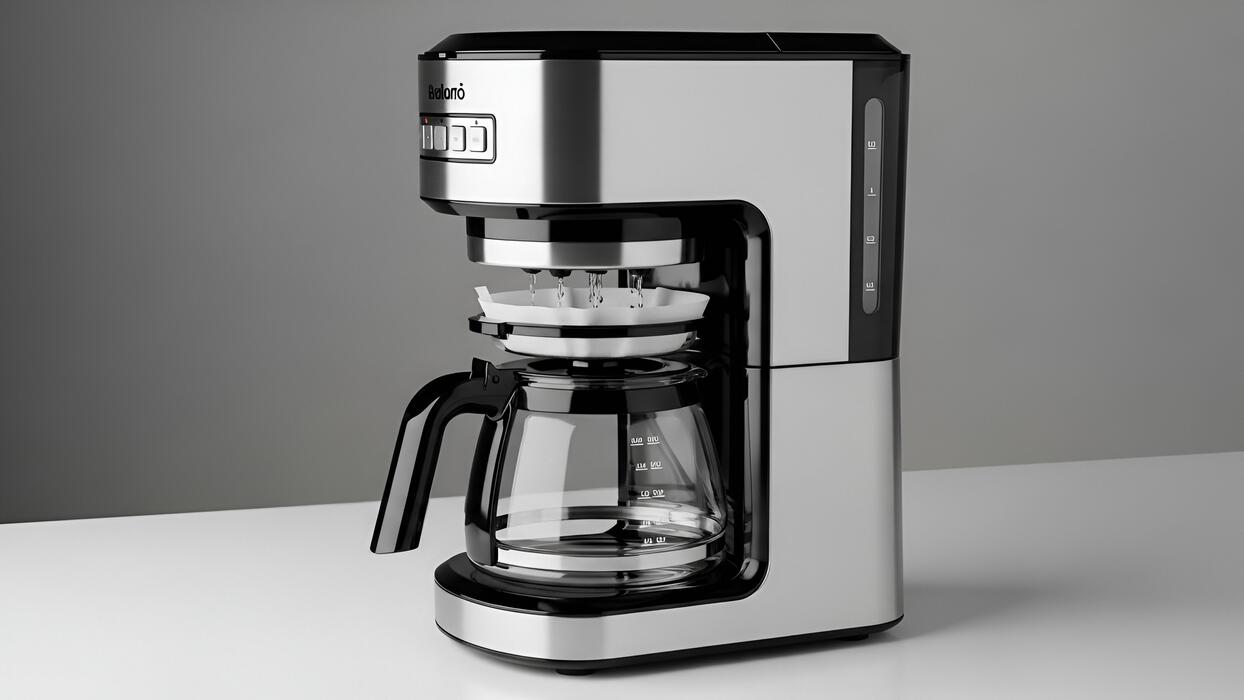
When selecting a thermal carafe drip coffee maker, prioritize double-wall vacuum insulation to keep your coffee hot for hours without a heating plate. Stainless steel is the gold standard—look for 18/8 or 304-grade steel that resists rust and retains heat.
Check the carafe’s capacity (e.g., 10-12 cups) to match your household’s needs. A well-insulated carafe should maintain 140°F or higher for at least 2 hours. Avoid models with thin walls or plastic liners, as they lose heat quickly. Test the pour spout design—a precision spout reduces drips and spills.
For durability, choose a carafe with a reinforced handle and a shatter-resistant exterior. Remember: a quality carafe keeps your coffee fresh without burning it, so you can brew once and enjoy throughout the morning. Always read reviews that mention real-world heat retention—some brands claim insulation but underperform.
Brew strength and temperature control settings
A top-tier thermal carafe drip coffee maker should offer adjustable brew strength (e.g., mild, medium, bold) to customize flavor intensity. Look for models with a pre-infusion mode that wets grounds before brewing for even extraction.
Temperature control is critical—the ideal brewing range is 195°F to 205°F; machines with a heating element that maintains this range prevent under- or over-extraction. Some advanced models feature programmable temperature settings for the carafe itself, keeping coffee hot without scorching.
For precision, choose a maker with a digital display that shows current brew temp. A thermal block heating system heats water quickly and consistently. Test if the machine has a pause-and-serve function—it lets you pour a cup mid-brew without mess.
Avoid models with fixed settings that limit your ability to adjust for different roasts. Remember: bold brew settings use hotter water or longer contact time, so ensure the carafe handles higher temps without heat loss.
Programmable timer and auto-shutoff features
A programmable timer lets you set a brew time up to 24 hours in advance, so you wake to fresh coffee. Look for a clear digital clock with intuitive buttons—avoid overly complex menus.
Auto-shutoff is essential for safety and energy savings; choose a model that shuts off automatically after 2-4 hours (some allow custom settings). Check if the timer retains memory during power outages—battery backup ensures settings aren’t lost.
For convenience, a programmable brew strength feature can be tied to the timer, so you wake to bold coffee. Delay brew options should be easy to set; test the interface in-store if possible.
Some models offer a keep-warm cycle that activates after brewing, but for thermal carafes, this is often unnecessary. Prioritize a one-touch auto-shutoff override if you want to extend warming. Remember: auto-shutoff prevents dry burning if you forget to turn it off. Always verify the timer’s accuracy—user reviews often highlight quirks.
A reliable timer and shutoff make your morning routine seamless and safe.
Best Drip Coffee Makers with Thermal Carafe for 2025
Top-rated models for home use
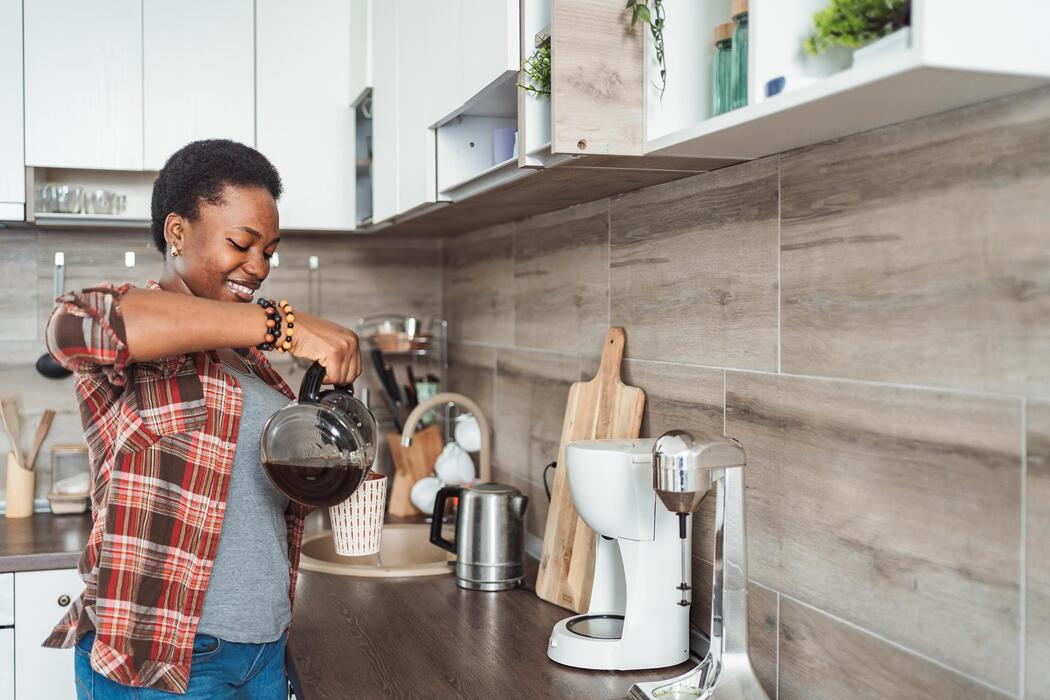
For a reliable daily brewer, focus on thermal carafe models with strong brew temperature and consistent extraction. The Breville Precision Brewer Thermal leads with adjustable flow rates and a ‘My Brew’ feature, letting you fine-tune strength and bloom time. Its double-walled carafe keeps coffee hot for hours without a burner.
Another top pick is the Technivorm Moccamaster KBGV, which meets SCAA standards with a copper boiling element that hits 196-200°F quickly. Its thermal carafe uses a vacuum-sealed lid for heat retention. For larger households, the Cuisinart DCC-3400P1 offers a 12-cup capacity, brew-strength selector, and an auto-shutoff that preserves flavor.
To maximize longevity, preheat the carafe with hot water before brewing and clean the spray head monthly to prevent oil buildup. These models excel at balancing convenience with cafe-quality results.
Best budget-friendly options under $100
You don’t need to overspend for a thermal carafe brewer that keeps coffee hot and tastes great.
The Black+Decker 12-Cup Thermal Coffeemaker is a standout under $100, featuring a Sneak-a-Cup function that pauses brewing so you can pour mid-cycle without mess, plus a double-wall vacuum-sealed carafe that maintains temperature for up to two hours. Another smart buy is the Mr.
Coffee 12-Cup Thermal with a Bold Brew setting that extends steeping time for stronger flavor, and an easy-clean basket. For small spaces, the Hamilton Beach 12-Cup Programmable includes a delay brew timer and a non-stick warming plate, though its thermal carafe is lighter.
Pro tip: Use a medium-coarse grind to prevent over-extraction and bitter notes in budget machines, and always rinse the carafe with warm water before first use to remove manufacturing residues. These options prove you can enjoy hot, fresh coffee without breaking the bank.
High-end thermal carafe coffee makers for enthusiasts
For true coffee connoisseurs, high-end thermal carafe brewers deliver precision and durability. The Technivorm Moccamaster KBGV Select is a Dutch-engineered workhorse with a copper heating element that maintains 196-200°F, ensuring optimal extraction. Its thermal carafe is hand-blown and vacuum-insulated, keeping coffee hot for hours without a burner.
Another premium choice is the Breville Precision Brewer Thermal, which offers six brew modes including Cold Brew and Fast, plus a PID controller for temperature stability. Its carafe features a no-drip spout and heat-retaining lid.
The Bonavita BV1901TS is a favorite for its simplicity: one-button operation, a flat-bottom showerhead for even saturation, and a double-wall carafe that holds heat for up to six hours. Essential tip: Use filtered water and weigh your coffee (16:1 water-to-coffee ratio) to unlock these machines’ full potential.
These brewers are investments in consistent, cafe-grade flavor at home.
How to Brew the Perfect Cup with a Thermal Carafe Machine
Tips for preheating the carafe for optimal heat retention
To maximize heat retention in your thermal carafe, always preheat it with hot water before brewing. Fill the carafe with near-boiling water (around 200°F) and let it sit for 2–3 minutes while you prepare the coffee grounds.
This warms the stainless steel interior, preventing the initial brew from losing heat to the cold walls. After brewing, swirl the carafe gently to distribute heat evenly, and avoid opening the lid unnecessarily—thermal carafes rely on vacuum insulation to maintain temperature.
For best results, use a carafe with a double-walled, vacuum-sealed design and ensure the lid seals tightly. If your machine has a brew-through lid, clean it regularly to prevent residue buildup that can compromise insulation.
Preheating also helps maintain coffee temperature for up to 2–3 hours, so you can enjoy a hot cup without a hot plate. Remember, a warm carafe means your coffee stays at optimal flavor temperature longer, reducing bitterness from extended heat exposure.
Choosing the right coffee grind size and water ratio
For thermal carafe machines, use a medium-coarse grind—similar to sea salt—to avoid over-extraction. Finer grinds can clog the filter and cause bitter flavors, while too coarse grinds result in weak, under-extracted coffee. A consistent grind size ensures even water flow through the coffee bed.
For the golden water-to-coffee ratio, aim for 1–2 tablespoons of ground coffee per 6 ounces of water (about 15–18 grams per cup). Adjust based on your taste preference: use more coffee for a bolder brew or less for a milder cup.
Since thermal carafes retain heat without a hot plate, the coffee continues to steep slightly, so a slightly coarser grind helps prevent over-brewing. Always use fresh, filtered water heated to 195–205°F for optimal extraction. If your machine doesn’t control temperature precisely, let boiling water cool for 30 seconds before pouring.
Experiment with ratios to find your perfect balance, but start with the standard 1:15 coffee-to-water ratio (grams) for a clean, flavorful cup.
Avoiding common brewing mistakes with thermal carafes
One frequent mistake is not preheating the carafe, which causes coffee to cool rapidly and lose flavor. Always warm it as described above. Another error is using too fine a grind, leading to over-extraction and a bitter taste—stick to medium-coarse.
Avoid overfilling the carafe beyond its capacity; thermal carafes need space for steam and proper sealing. Also, don’t leave coffee sitting for hours—while thermal carafes keep it hot, flavor degrades after 2–3 hours. Brew only what you’ll drink within that window.
Neglecting to clean the carafe is another pitfall; coffee oils and residue can build up, affecting taste and insulation. Wash with mild soap and a soft brush after each use, and descale monthly with vinegar or citric acid.
Finally, avoid using the carafe as a storage container for other liquids, as odors can transfer. By addressing these issues, you’ll consistently brew a rich, aromatic cup that stays hot without bitterness—perfect for slow sipping throughout the morning.
Cleaning and Maintenance Tips for Thermal Carafe Coffee Makers
How to clean the thermal carafe without damaging it
To keep your thermal carafe performing at its best, always hand wash it with mild dish soap and warm water. Avoid using abrasive sponges or harsh chemical cleaners, as they can scratch the interior lining and compromise the vacuum seal.
For stubborn coffee stains or oil buildup, fill the carafe with a mixture of one part white vinegar to two parts water, let it sit for 15–20 minutes, then scrub gently with a soft brush. Rinse thoroughly with clean water to remove any vinegar residue.
Never submerge the carafe completely in water, especially if it has a plastic exterior or a metal rim, as moisture can seep into the insulation layer. To dry, simply air-dry upside down with the lid off to prevent odors.
Replace the carafe immediately if you notice any cracks or dents, as these can cause heat loss and leaks. A clean, well-maintained carafe keeps your coffee hot for hours without affecting flavor.
Descaling your machine for better performance
Mineral buildup from hard water can clog your drip coffee maker, reducing brew temperature and flow. Descale every 1–3 months depending on water hardness. Start by filling the water reservoir with equal parts white vinegar and water, then run a full brew cycle without coffee grounds.
When the cycle finishes, let the mixture sit inside the carafe for 15 minutes before discarding. Run two to three full cycles of fresh water to rinse away all vinegar traces. For a deeper clean, use a commercial descaling solution following the manufacturer’s instructions.
After descaling, wipe down the warming plate (if applicable) and the lid. This simple maintenance prevents bitter-tasting coffee and extends the life of your machine. If your model has a water filter, remove it before descaling.
Always consult your user manual for specific descaling recommendations, as some thermal carafe makers require a different cleaning approach to avoid damaging internal components.
Replacing filters and carafe seals over time
To maintain optimal flavor and brewing efficiency, replace your paper or permanent filter regularly—every 60 brew cycles or once a month for paper filters. A clogged filter slows extraction, leading to weak or over-extracted coffee. For permanent mesh filters, inspect for holes or warping and replace annually.
Equally important is the carafe seal (gasket), which prevents leaks and preserves heat retention. Check the rubber seal under the lid every 3–6 months for cracks, hardening, or looseness. If you notice coffee dripping from the lid or the carafe not sealing tightly, order a replacement seal from the manufacturer.
Many models require a specific seal size, so always use the exact part number. Replace the seal by gently prying out the old one and pressing the new one into place. A fresh seal ensures your thermal carafe stays leak-free and keeps coffee hot for hours.
Store spare parts in a cool, dry place for quick access when needed.
Thermal Carafe vs. Glass Carafe: Which One Is Right for You?
Heat retention and coffee freshness comparison
For preserving your coffee’s flavor and temperature, thermal carafes outperform glass carafes significantly. A thermal carafe, typically double-walled and vacuum-insulated, keeps coffee hot for hours without needing a hot plate, which can scorch the brew and create a bitter taste.
This means your last cup tastes as fresh as your first, even 3-4 hours later. In contrast, a glass carafe relies on a warming plate that continues to cook the coffee, leading to rapid flavor degradation and a burnt aftertaste within 30-60 minutes.
If you drink coffee slowly or make a full pot for the morning, a thermal carafe is the clear winner for maintaining optimal serving temperature (around 180°F) and preserving the delicate notes of your beans.
For the best results, preheat your thermal carafe with hot water before brewing to maximize heat retention.
Durability and ease of pouring differences
When it comes to daily use, durability and pouring ease favor the thermal carafe for most households. Glass carafes are notoriously fragile; a single knock or thermal shock from rinsing with hot water after a cold cycle can shatter them, requiring a costly replacement.
Thermal carafes, usually made of stainless steel with a coated interior, are far more resistant to drops and bumps, lasting for years.
For pouring, glass carafes often have a sharp, thin spout that can drip or splash, while thermal carafes feature a more controlled, drip-free pour mechanism, especially models with a one-handed push-button lid.
However, thermal carafes are heavier and may be harder to clean by hand due to their narrow opening, though many are now dishwasher-safe. If you have a busy kitchen or are prone to accidents, the sturdy build and mess-free pouring of a thermal carafe offer practical, everyday advantages.
Cost and long-term value of each type
Initial cost and long-term value differ sharply between the two types. Glass carafe drip coffee makers are generally cheaper upfront, often $30–$80, making them budget-friendly for occasional use.
However, hidden costs add up: you’ll replace glass carafes ($15–$30 each) if they break, and you may waste electricity from the constant hot plate. Thermal carafe models are pricier, typically $80–$200, but their durability and energy efficiency offer superior long-term value.
You’ll rarely need to replace the carafe, and the insulation eliminates the need for a hot plate, reducing energy bills. Additionally, you save money by not reheating stale coffee or discarding burnt batches.
For daily drinkers who want to maximize quality and minimize waste, the higher upfront investment in a thermal carafe pays off within a year through fewer replacements and less wasted coffee. Choose glass only if you brew rarely and prioritize a low initial price.
Frequently Asked Questions About Drip Coffee Makers with Thermal Carafe
Do thermal carafes keep coffee hot for hours?
Yes, high-quality thermal carafes are designed to keep coffee hot for 2 to 6 hours without a heating plate, depending on the brand and model. The key is the double-walled stainless steel construction and vacuum insulation, which create an airtight barrier that minimizes heat loss.
For optimal performance, preheat the carafe by rinsing it with hot water before brewing. This stabilizes the internal temperature, so your coffee stays above 140°F for hours. Avoid leaving the carafe in a cold environment or opening the lid frequently, as each pour releases heat.
If you need coffee hot for longer than 4 hours, look for models with thicker insulation or a tight-sealing lid. Some premium thermal carafes can even keep coffee drinkable for up to 8 hours, though flavor may gradually change.
Remember, the goal is to enjoy fresh, hot coffee without the burnt taste from a hot plate, making thermal carafes an excellent choice for all-day sipping.
Can you use a thermal carafe on a stovetop or microwave?
No, you should never place a thermal carafe on a stovetop, in an oven, or in a microwave. Thermal carafes are insulated containers, not cooking vessels. The vacuum seal and stainless steel construction can rupture under direct heat, causing burns or damaging the carafe.
Instead, use the carafe solely for holding and serving already-brewed coffee. If you need to reheat coffee, pour a small amount into a microwave-safe mug or heat it on the stovetop in a separate pan.
Some carafes have a removable inner lid that may be microwave-safe, but the main body is not. Always check the manufacturer’s instructions—most explicitly warn against any heat source.
For safety, treat your thermal carafe like a high-performance thermos: it keeps hot liquids hot and cold liquids cold, but it’s not designed for cooking or reheating. Stick to brewing directly into it or pouring preheated beverages in.
How long do thermal carafes typically last?
A well-made thermal carafe can last 5 to 10 years or even longer with proper care. The lifespan depends on the build quality and how you maintain it. Stainless steel models with double-wall vacuum insulation are the most durable, as they resist rust, dents, and temperature degradation.
To extend its life, hand wash the carafe with mild soap and a soft sponge—avoid abrasive scrubbers that can scratch the interior or damage the seal. After each use, rinse thoroughly and let it air dry with the lid off to prevent odors.
Avoid dropping the carafe, as the vacuum seal can break if the inner wall is compromised. If you notice your coffee no longer stays hot for at least 2 hours, the vacuum seal may be failing, and it’s time for a replacement.
With gentle handling, many users find their thermal carafe outlasts the coffee maker itself, making it a long-term investment in better-tasting coffee.
Frequently Asked Questions
What are the benefits of a drip coffee maker with a thermal carafe?
Thermal carafes keep coffee hot for hours without a heating plate, which prevents the burnt taste that often occurs with glass carafes. They are also more energy-efficient and durable, as they don’t rely on constant electricity to maintain temperature.
How do I clean a thermal carafe from a drip coffee maker?
Most thermal carafes can be cleaned with warm soapy water and a soft brush, but avoid abrasive scrubbers that could damage the interior coating. For stubborn stains, use a mixture of baking soda and water or a descaling solution, and rinse thoroughly.
Do drip coffee makers with thermal carafes keep coffee hot for a long time?
Yes, high-quality thermal carafes can keep coffee hot for 4 to 8 hours, depending on the insulation and preheating. To maximize heat retention, preheat the carafe with hot water before brewing.
What is the best drip coffee maker with a thermal carafe under $100?
Popular budget-friendly options include the Cuisinart DCC-3200P1 with a thermal carafe and the Ninja 12-Cup Programmable Coffee Maker. Both offer reliable brewing, programmable features, and good heat retention at an affordable price.
How does a thermal carafe compare to a glass carafe in terms of taste?
A thermal carafe preserves the coffee’s original flavor because it doesn’t expose the coffee to prolonged heat from a warming plate, which can cause bitterness. Glass carafes often require a hot plate, leading to a gradual decline in taste over time.
Can I use a drip coffee maker with a thermal carafe to brew smaller amounts?
Yes, most models allow you to brew smaller quantities, but check the carafe’s minimum fill line to ensure proper extraction. Some thermal carafes are designed with narrower openings that may affect pouring, so look for models with a drip-free spout.
What features should I look for in a drip coffee maker with a thermal carafe?
Key features include a programmable timer, brew strength selector, pause-and-serve function, and a double-walled stainless steel carafe for better insulation. Also consider the carafe’s capacity and ease of pouring to match your daily use.
Conclusion
In summary, a drip coffee maker with a thermal carafe delivers superior flavor and convenience by keeping your brew hot for hours without a heating plate that can cause bitterness. Key takeaways include energy efficiency, a cleaner taste, and durable glass-lined or stainless steel construction. Upgrade your morning ritual with this practical choice—enjoy perfectly heated, fresh-tasting coffee from the first cup to the last, without compromise.