
How To Make Real Iced Coffee
If you’re searching for how to make real iced coffee, you’ve probably been disappointed by watery, bitter versions. The core problem is that most recipes simply pour hot coffee over ice, which melts and dilutes the flavor. You’re in the right place to fix that. The real trick is brewing double-strength coffee and cooling it properly before serving over ice. Let’s get straight to the method that delivers bold, never-watery results.
What Makes Iced Coffee ‘Real’ vs. Instant or Cold Brew
Hot brew vs. cold brew: key differences
The core difference between hot brew and cold brew is extraction temperature and time. Real iced coffee starts with hot-brewed coffee that is brewed at near-boiling temperatures for just a few minutes, then rapidly chilled over ice.
This quick extraction captures bright, complex flavors and aromatic oils that define a classic coffee taste. In contrast, cold brew steeps coarse grounds in cold water for 12–24 hours, producing a smoother, less acidic concentrate with a heavier mouthfeel but fewer volatile aromatics.
For a true iced coffee experience, hot brewing is essential to preserve the full flavor profile you’d expect from a fresh cup. Cold brew, while delicious, is a different beverage—more mellow and chocolatey.
Understanding this distinction helps you choose the right method: hot brew for vibrant, traditional iced coffee, and cold brew for a gentler, longer steep. If you’re aiming for the crisp, refreshing taste of café-style iced coffee, always start with hot-brewed coffee.
Why real iced coffee uses hot-brewed coffee
Real iced coffee relies on hot-brewed coffee because heat is essential for extracting the full range of flavors from coffee grounds. Hot water rapidly dissolves oils, acids, and soluble compounds that create a balanced, aromatic cup.
When you brew hot coffee and pour it over ice, the rapid chilling locks in these fresh flavors, preventing the bitterness or dullness that can develop from prolonged steeping.
This method also allows you to control strength by adjusting brew ratio—for iced coffee, use a double-strength brew (e.g., 2 tablespoons of coffee per 6 ounces of water) so the melted ice doesn’t dilute the taste.
Many coffee experts recommend the Japanese iced coffee technique, where you brew directly onto ice, preserving volatile aromatics that would otherwise dissipate. By starting with hot brewing, you achieve a cleaner, brighter, and more authentic iced coffee than any instant powder or cold-brew concentrate can provide.
Common myths about iced coffee quality
A widespread myth is that cold brew is the only way to make smooth iced coffee, but hot-brewed iced coffee can be just as smooth when brewed correctly.
Another misconception is that instant coffee makes acceptable iced coffee—in reality, instant crystals lack the nuanced oils and aromatics of fresh grounds, resulting in a flat, one-dimensional taste. Some believe that iced coffee must be weak due to melting ice, but using a double-strength hot brew solves this easily.
Additionally, many think adding milk or sugar hides poor coffee quality, but it’s better to start with quality beans and proper brewing. Finally, a common error is storing hot coffee in the fridge—this creates stale, bitter flavors as it oxidizes. Instead, brew directly over ice or chill quickly.
By debunking these myths, you can confidently make real iced coffee that’s vibrant, balanced, and far superior to shortcuts or substitutes.
How to Choose the Best Coffee Beans for Iced Coffee
Best roast levels for iced coffee
To make real iced coffee that doesn’t taste watery or bitter, start with the right roast level. Medium-dark roasts are ideal because they offer a balanced acidity and rich body that holds up well against melting ice. Avoid light roasts, as their bright, fruity notes can become sour when chilled.
Dark roasts can work if you prefer a smoky, bold flavor, but they risk turning bitter as the coffee cools. For a smooth, chocolatey profile with low acidity, try a medium roast from Central or South America.
If you want a touch of sweetness with caramel undertones, a medium-dark roast from Sumatra or Ethiopia (natural process) is excellent. Remember, iced coffee dilutes flavor as ice melts, so choose a roast that’s slightly bolder than what you’d use for hot coffee.
This ensures your iced coffee remains robust and satisfying from the first sip to the last.
Single-origin vs. blends for cold drinks
When choosing between single-origin and blended coffee beans for iced coffee, consider the flavor profile you want. Blends are often better for iced coffee because roasters design them to be balanced and consistent, with a fuller body that cuts through ice.
A well-crafted espresso blend, for example, typically combines beans from different regions to create a smooth, chocolatey base with low acidity—perfect for iced lattes or black iced coffee.
Single-origin beans can shine if you’re after unique tasting notes, like bright citrus from Ethiopia or berry sweetness from Kenya, but these flavors may get muted or become too acidic when cold.
For a real iced coffee that’s easy to drink, start with a medium-dark blend labeled ‘for espresso’ or ‘cold brew’. If you’re adventurous, try a single-origin from Brazil or Colombia, which often offers nutty, caramel notes that stay pleasant when chilled.
Grind size tips for iced coffee brewing
Grind size is crucial for making real iced coffee, as it directly affects extraction and flavor. For hot brew methods (like pour-over or drip) that are then chilled, use a medium grind—similar to coarse sand. This allows for proper extraction during the hot brewing process without over-extracting bitter compounds.
If you’re using a cold brew method, opt for a coarse grind (like breadcrumbs) to prevent over-extraction during the long steep time (12-24 hours).
For Japanese-style iced coffee (brewing hot directly over ice), use a slightly finer grind than usual for hot coffee, as the ice instantly chills and dilutes the brew. A good rule: finer grinds extract faster, so adjust based on your brewing time. Always use a burr grinder for consistency.
Test your grind by brewing a small batch: if it’s too bitter, go coarser; if sour, go finer. This precision ensures your iced coffee is smooth, balanced, and never muddy.
Step-by-Step Guide to Making Real Iced Coffee at Home

Brewing strong coffee to avoid dilution
To prevent watery iced coffee, double the coffee grounds you normally use for hot coffee. Use a ratio of 2 tablespoons of ground coffee per 6 ounces of water. This concentrated brew will retain its bold flavor even as ice melts.
Choose a medium or dark roast for deeper, more resilient taste. Brew with filtered water heated to 195-205°F for optimal extraction. If using a drip machine, brew directly into a heatproof carafe. For a French press, steep for 4 minutes before plunging.
The goal is a robust base that stands up to dilution. Avoid over-extraction by not brewing longer than recommended; bitter notes become more pronounced when cold. Cool the concentrate slightly before adding to ice to prevent shocking the glass.
This strong foundation ensures your iced coffee tastes rich and satisfying, not weak or watery.
Cooling coffee quickly without losing flavor
Rapid cooling locks in aromatic compounds and prevents stale, bitter notes. Pour hot coffee into a shallow, wide container like a glass baking dish to increase surface area. Place it in the refrigerator uncovered for 15-20 minutes, stirring occasionally.
For even faster results, set the container in an ice bath: fill a larger bowl with ice and water, then nest the coffee dish inside. Stir every 2-3 minutes to distribute cold evenly. Avoid adding ice directly to hot coffee at this stage, as it dilutes before chilling fully.
If you’re in a hurry, use a cold brew method instead—steep grounds in cold water for 12-24 hours for a naturally smooth concentrate. Once chilled, transfer to a sealed jar and refrigerate. Proper cooling preserves bright, clean flavors without bitterness, making your iced coffee taste freshly brewed.
Pouring over ice: technique for best results
The final pour determines texture and temperature. Fill a tall glass completely with large ice cubes—smaller ice melts faster. For extra flavor, freeze coffee into ice cubes beforehand. Pour chilled coffee slowly over the center of the ice to minimize splashing and ensure even cooling.
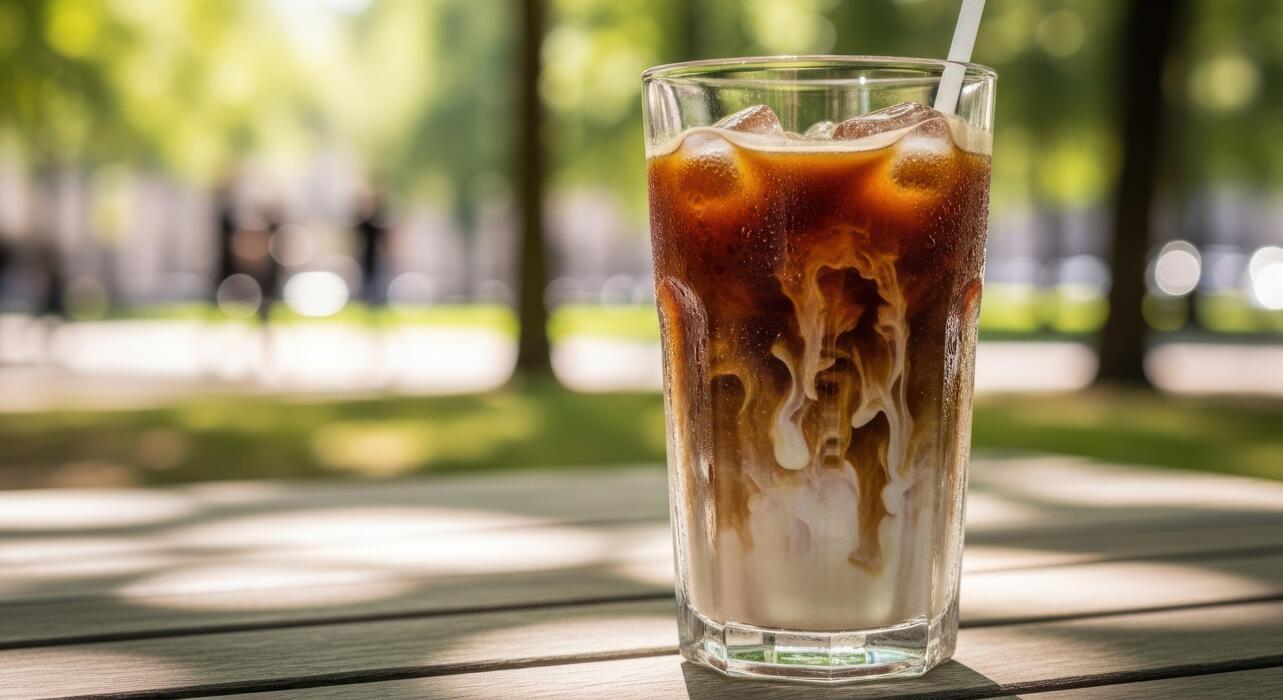
Leave about an inch of space at the top for milk, cream, or sweetener if desired. Add any additions immediately while the coffee is still cold, then stir gently with a long spoon. For a layered effect, pour milk first, then coffee over a spoon held just above the milk.
Avoid pouring hot coffee directly over ice, as it melts too quickly and dilutes the drink. Serve with a straw to experience the full flavor from the first sip. This technique delivers a crisp, refreshing iced coffee that tastes as good as your favorite café version.
Best Brewing Methods for Real Iced Coffee
Using a drip coffee maker for iced coffee
For a straightforward, batch-friendly approach, brew double-strength coffee directly over ice using your standard drip machine. Use twice the amount of coffee grounds you normally would for the same water volume—typically a 1:8 coffee-to-water ratio. Place a large heatproof pitcher filled with ice directly under the carafe spout.
As the hot coffee drips onto the ice, it rapidly chills, locking in bright flavors and preventing dilution. For best results, fill the pitcher halfway with ice and let the coffee melt some of it; this yields a perfectly balanced concentrate.
Once brewed, pour over fresh ice and add milk or sweetener to taste. This method is ideal for making a full carafe to enjoy throughout the day. Pro tip: Use a coarse grind to avoid over-extraction, and always pre-wet the filter to remove papery notes.
French press method for rich iced coffee
The French press delivers a full-bodied, silky iced coffee by retaining natural oils and fine sediment. Start with a coarse grind—about 1 ounce (28g) of coffee per 8 ounces of water.
Steep in room-temperature water for 12-16 hours in the refrigerator for a cold-brew concentrate, or use hot water for a quicker version. For hot method: add coffee, pour 200°F water, steep 4 minutes, then press. Immediately pour the hot concentrate over a glass filled halfway with ice to shock-chill it.
This preserves the rich mouthfeel and chocolatey notes. Key tip: Stir the concentrate into the ice gently to avoid splashing, and let it sit for 30 seconds before drinking. Add cream or a splash of vanilla for a dessert-like treat.
The French press is perfect for those who love a robust, textured iced coffee without bitterness.
Pour-over technique for clean iced coffee
For a crisp, nuanced iced coffee with no bitterness, the pour-over method shines. Use a medium-fine grind and a ratio of 1:15 coffee to water, but brew directly into a carafe filled halfway with ice. Place a V60 or Chemex filter over a heatproof vessel with ice.
Bloom the grounds with twice their weight in hot water (205°F) for 30 seconds, then pour the remaining water in slow, circular motions. The hot coffee melts the ice as it drips, instantly cooling and diluting to the perfect strength.
Essential steps: Use filtered water and wet the filter first to avoid paper taste. The result is a clean, bright cup with distinct floral or fruity notes—ideal for black iced coffee lovers. For a twist, add a pinch of salt to the grounds before brewing to enhance sweetness.
This technique requires patience but rewards with exceptional clarity.
Tips to Prevent Watery or Bitter Iced Coffee

Double-strength brewing explained
To avoid watery iced coffee, always brew double-strength so melting ice doesn’t dilute the flavor. Start with twice the usual coffee grounds for the same amount of water—for example, use 4 tablespoons of grounds per 6 ounces of water instead of 2.
Brew using your preferred method (drip, French press, or pour-over), then let the concentrate cool to room temperature. Pour the hot concentrate directly over a full glass of ice; this rapid chilling locks in bold flavor while the ice melts to create the perfect strength.
For an even more intense result, use half the water during brewing and top off with ice after cooling. Remember, the goal is a concentrated base that remains robust even as ice dilutes it. Avoid brewing normally and then adding ice later, as this produces a weak, bitter cup.
Double-strength brewing ensures every sip is as rich and smooth as the first.
Using coffee ice cubes to maintain flavor
Prevent bitterness and dilution by making coffee ice cubes from leftover or freshly brewed coffee. Pour cooled coffee into an ice cube tray and freeze overnight. When making iced coffee, replace regular ice cubes with coffee cubes so they melt into more coffee instead of water.
This technique preserves the original flavor profile and prevents the watery taste that often ruins iced coffee. For best results, use the same coffee blend as your drink to keep the taste consistent.
Coffee cubes also allow you to adjust strength: use fewer cubes for a milder cup or more for a bolder kick. If you prefer a sweeter iced coffee, you can freeze coffee mixed with a splash of milk or simple syrup for flavored cubes.
Simply pour the mixture into the tray and freeze. This trick works beautifully for cold brew or hot brewed coffee alike, ensuring every sip remains rich and satisfying.
Milk and sweetener ratios for balanced taste
Achieve a balanced, non-bitter iced coffee by matching milk and sweetener to your coffee’s strength. For double-strength brew, start with 2 parts coffee to 1 part milk (e.g., 1 cup coffee to ½ cup milk). This ratio keeps the coffee forward while softening bitterness.
If using regular-strength coffee, use 3 parts coffee to 1 part milk to avoid a weak drink. For sweetness, add simple syrup or flavored syrup before ice so it dissolves evenly. A good starting point is 1 to 2 tablespoons of syrup per 8-ounce serving.
Avoid granulated sugar, which may not dissolve in cold liquid. For dairy-free options, oat or almond milk work well but may need slightly less to prevent thinning. Taste as you go: if the coffee tastes bitter, increase milk slightly; if watery, reduce milk.
Always stir thoroughly after adding milk and sweetener to ensure even distribution. These ratios create a harmonious, refreshing iced coffee every time.
How to Make Iced Coffee Variations Like a Barista
Classic iced latte recipe
Start with a double shot of espresso (about 2 ounces) for the richest flavor. Brew it directly into a heatproof glass or use a stovetop Moka pot. While the espresso is hot, stir in 1-2 teaspoons of sugar or simple syrup to dissolve easily.
Fill a tall glass with ice cubes—preferably large, dense ones that melt slowly. Pour the sweetened espresso over the ice, then add 6-8 ounces of cold milk (whole milk or oat milk for creaminess). Stir gently with a long spoon to combine the layers.
For an authentic barista touch, froth the milk slightly with a handheld frother or shake it in a jar before pouring. This creates a silky texture and a beautiful gradient. Avoid using hot milk, as it will melt the ice and dilute the drink.
The key is balance: strong coffee, cold dairy, and just enough sweetness. Serve immediately with a straw or sip from the rim.
Iced mocha with chocolate syrup
Make a rich chocolate syrup by combining 1/2 cup cocoa powder, 1/2 cup sugar, and 1/2 cup water in a saucepan. Simmer until thickened, then cool. For one serving, add 2 tablespoons of syrup to the bottom of a glass.
Brew a double shot of espresso (or 1/2 cup strong brewed coffee) and pour it over the syrup, stirring until fully blended. Fill the glass with ice cubes, then add 6 ounces of cold milk—whole milk or almond milk work well.
For an extra decadent touch, top with whipped cream and a drizzle of remaining syrup. The chocolate syrup should be made ahead for convenience, but store-bought works in a pinch. To avoid a watery mocha, use cold milk and large ice cubes.
Stir thoroughly before drinking to ensure the chocolate is evenly distributed. This variation is perfect for those who crave a dessert-like coffee experience with a bold, bittersweet edge.
Vanilla iced coffee with homemade syrup
Craft a simple vanilla syrup by heating 1 cup water and 1 cup sugar in a saucepan until dissolved, then stir in 1 tablespoon vanilla extract (or scrape a vanilla bean). Cool completely. Brew 1 cup of strong coffee using a drip machine or French press with double the grounds.
Let the coffee cool to room temperature, then refrigerate for 30 minutes. Fill a glass with ice cubes, add 2 tablespoons of vanilla syrup, and pour the chilled coffee over it. Stir well, then add 2-3 ounces of milk or cream to taste.
For a barista-style finish, shake the coffee and syrup with ice in a cocktail shaker for 10 seconds before pouring—this creates a frothy, aerated texture. The homemade syrup avoids artificial flavors and lets you control sweetness. Store leftover syrup in the fridge for up to two weeks.
This variation highlights the clean, aromatic notes of vanilla without overwhelming the coffee’s natural profile.
Storage and Make-Ahead Tips for Iced Coffee
How to store brewed iced coffee in the fridge
To keep your iced coffee tasting fresh and bold, store it in an airtight container in the refrigerator immediately after brewing. First, let the coffee cool to room temperature (about 20 minutes) to avoid condensation that can dilute flavor.
Then, pour it into a glass or BPA-free plastic pitcher, leaving a little headspace for expansion. Avoid storing in the pot as heat retention and air exposure cause rapid oxidation. For single servings, fill mason jars or bottles, leaving an inch at the top.
If you’ve added milk or sweetener, store separately to prevent spoilage—plain black coffee lasts much longer. Label with the brew date so you know when it was made. When ready to serve, pour over fresh ice and customize to taste.
This method preserves the coffee’s bright acidity and prevents that stale, bitter taste from developing.
Best containers to keep iced coffee fresh
The best containers for iced coffee storage are glass jars with tight-fitting lids or insulated stainless steel bottles. Glass is non-porous and won’t absorb odors, while stainless steel keeps coffee cold for hours without affecting flavor.
Avoid plastic containers unless they are BPA-free and specifically designed for hot liquids, as plastic can leach chemicals and impart off-flavors. Use a container with a narrow mouth to minimize air contact, which speeds up staleness. For large batches, a 64-ounce glass pitcher with a silicone seal works well.
If you pre-sweeten, add simple syrup (not sugar) to avoid graininess. Never store in the original coffee can as metal can react with acids. For on-the-go, a double-walled vacuum tumbler keeps iced coffee fresh and cold for up to 24 hours.
Always wash containers with hot, soapy water between uses to prevent residue buildup.
How long iced coffee stays good and reheating tips
Properly stored black iced coffee stays fresh for 3 to 5 days in the refrigerator. After that, it loses its bright flavor and may taste flat or sour. If you’ve added dairy or creamer, consume within 24 hours to avoid spoilage. Never rely on smell alone—taste a small sip first.
For reheating, use a microwave only if you want hot coffee: pour into a mug and heat in 30-second bursts, stirring between. This works for black coffee but can curdle milk. A better method is stovetop reheating in a small saucepan over medium-low heat, stirring gently until warm.
Avoid boiling, which burns the coffee. For iced coffee that’s gone stale, transform it into coffee ice cubes for future use. Simply pour leftover coffee into an ice cube tray and freeze—these cubes add flavor without dilution. Discard any coffee with an off odor, mold, or cloudy appearance.
Frequently Asked Questions
What is the difference between iced coffee and cold brew?
Iced coffee is brewed hot and then poured over ice, which can dilute it. Cold brew is steeped in cold water for 12-24 hours, resulting in a smoother, less acidic concentrate that stays strong when poured over ice.
How do I make real iced coffee without it getting watery?
Brew your coffee double-strength (use twice the coffee grounds for the same amount of water) so that when the ice melts, the flavor remains balanced. Alternatively, use coffee ice cubes made from leftover coffee.
What is the best brewing method for iced coffee?
A pour-over or French press works well because you can control strength and filter out grounds. For quick results, a drip coffee maker with double-strength grounds is also effective.
Should I let hot coffee cool before pouring it over ice?
Yes, let the hot coffee cool to room temperature for about 10-15 minutes before pouring over ice. This prevents the ice from melting too quickly and diluting the flavor.
Can I use instant coffee to make real iced coffee?
Absolutely. Dissolve 2-3 teaspoons of instant coffee in a small amount of hot water, then stir into cold water or milk. Pour over ice for a quick, strong iced coffee.
How do I add flavor to my homemade iced coffee?
Stir in simple syrup, vanilla extract, or flavored syrups while the coffee is still warm for even mixing. Add a splash of milk, cream, or a dairy-free alternative to customize taste.
What type of coffee beans are best for iced coffee?
Medium to dark roast beans with chocolatey or nutty notes work well because they stand up to dilution. Light roasts can taste too acidic when chilled.
Conclusion
Making real iced coffee is about preventing dilution, not just cooling hot coffee. The key takeaways are to brew double-strength coffee, let it cool to room temperature, and pour it over ice. This method preserves bold flavor and avoids a watery drink. Don’t settle for weak coffee—embrace this simple technique to enjoy a crisp, refreshing brew every time. Your perfect iced coffee is just a brew away.