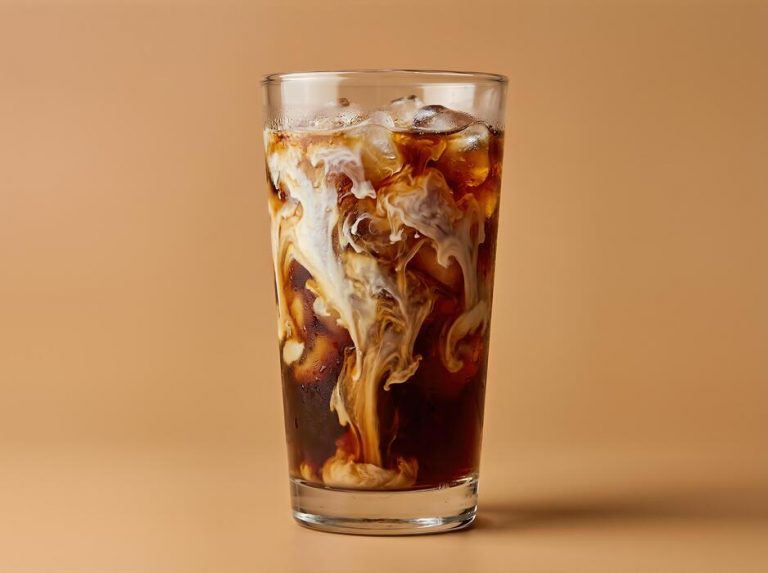
How To Make Delicious Cold Coffee At Home
How to make delicious cold coffee at home is simpler than you think, yet most recipes end up watery or bitter. You want that rich, smooth café taste without the price tag or hassle. I’ll cut through the noise and show you the exact method—using the right coffee-to-water ratio, brewing technique, and chilling process—so your homemade cold coffee is consistently bold, creamy, and refreshing. You’re in the right place to master it.
Why Make Cold Coffee at Home Instead of Buying It
Save money with simple ingredients
Making cold coffee at home is a budget-friendly alternative to daily café purchases, which can quickly add up to hundreds of dollars a month.
All you need is basic pantry staples: strong brewed coffee or instant espresso, milk (dairy or plant-based), a sweetener like sugar or honey, and optional flavorings such as vanilla extract or cocoa powder.
By buying these ingredients in bulk, you can create multiple servings for pennies per cup, compared to $4–$6 for a single iced latte at a coffee shop.
To maximize savings, brew a large batch of coffee and refrigerate it for up to a week, or freeze coffee into ice cubes to avoid dilution. This approach not only cuts costs but also reduces waste from disposable cups and plastic lids.
Start by experimenting with your favorite milk and sweetener ratios to find your perfect blend, and you’ll enjoy delicious cold coffee every day without breaking the bank.
Control sweetness and flavor strength
Homemade cold coffee gives you full control over sweetness and intensity, tailoring each cup to your preferences. Unlike store-bought versions that often pre-sweeten with syrups or sugars, you can adjust the sugar level from zero to indulgent using stevia, maple syrup, or simple syrup.
For a stronger coffee flavor, brew a double-strength batch or use a higher coffee-to-water ratio, then dilute with milk or ice as needed. You can also experiment with custom flavor profiles—add a pinch of cinnamon, a dash of almond extract, or a spoonful of chocolate powder to create unique blends.
To achieve a balanced taste, start with a base of chilled coffee, then gradually mix in your milk and sweetener, tasting as you go. This flexibility ensures your cold coffee is never too bitter or overly sweet, making it a perfect fit for any diet or craving.
Avoid artificial additives and preservatives
Commercial cold coffee drinks often contain artificial flavors, high-fructose corn syrup, and preservatives to extend shelf life and enhance taste, which can be unhealthy over time. By making it at home, you choose natural, whole ingredients—fresh coffee, real milk, and pure sweeteners—without any hidden chemicals.
For example, you can sweeten with raw honey or agave nectar instead of processed syrups, and use organic milk or unsweetened almond milk to avoid stabilizers. This approach also lets you avoid excess calories and artificial coloring found in many bottled drinks.
To ensure freshness, prepare your cold coffee in small batches and store it in a sealed container in the fridge for up to 3 days. By skipping the additives, you enjoy a cleaner, more authentic taste that aligns with a health-conscious lifestyle, while still getting your caffeine fix guilt-free.
Essential Ingredients for Perfect Cold Coffee

Best coffee beans or instant coffee for cold brew
For the richest, smoothest cold coffee at home, start with quality coffee beans or instant coffee. If using whole beans, opt for a medium to dark roast with tasting notes of chocolate or caramel, as these shine when cold-brewed. Grind them coarsely (like breadcrumbs) to prevent bitterness and over-extraction.
A 1:4 ratio of coffee to cold water is a great starting point; steep for 12-24 hours in the fridge. If you prefer instant coffee, choose a high-quality freeze-dried brand and dissolve 2-3 teaspoons in a small amount of hot water first, then add cold milk or water and ice.
For an extra boost, try cold brew concentrate from a store, which you can dilute to taste. Remember, the key is freshness—stale coffee leads to flat flavor. Experiment with single-origin beans for unique profiles, but always taste your brew before adding milk to ensure it’s not too weak or strong.
Adjust grind size and steeping time to perfect your personal blend.
Milk options: whole, almond, oat, or condensed
The milk you choose dramatically affects your cold coffee’s texture and taste. Whole milk provides a creamy, rich body that balances bold coffee flavors perfectly. For a dairy-free option, oat milk is a top pick—it’s naturally sweet and froths beautifully without separating.
Almond milk offers a lighter, nutty flavor but can be thinner; opt for unsweetened to control sweetness. Condensed milk is a game-changer for an indulgent, Vietnamese-style iced coffee: add 2-3 tablespoons for sweetness and velvety thickness.
If you’re watching calories, skim milk works but may taste watery—try mixing with a splash of half-and-half. For the best texture, always pour milk over ice first before adding coffee to prevent curdling and ensure even mixing.
Experiment with ratios: start with 1 part milk to 2 parts coffee, then adjust. For a frothy finish, shake milk in a jar with ice or use a milk frother. Remember, cold milk straight from the fridge is ideal to keep your drink chilled without diluting it.
Sweeteners and flavor boosters like vanilla or cocoa
Elevate your cold coffee with simple sweeteners and flavor boosters that complement rather than overpower. Simple syrup (equal parts sugar and water, dissolved) is ideal because it blends instantly in cold drinks—try vanilla or caramel syrup for extra depth.
Honey or maple syrup add natural sweetness with distinct notes, but stir vigorously or dissolve in a little warm water first.
For a chocolate twist, cocoa powder (unsweetened) whisked with a splash of hot water creates a rich mocha base; add a pinch of cinnamon or sea salt to enhance flavors. Vanilla extract (1/2 teaspoon per cup) brings warmth and rounds out bitterness.
For a healthier boost, coconut sugar or stevia drops work well, but start with small amounts. Spices like nutmeg or cardamom can be sprinkled on top for an aromatic finish. Always taste as you go—cold coffee dulls sweetness, so you may need slightly more than expected.
To avoid clumping, dissolve dry sweeteners in a small amount of hot coffee before adding to your iced drink. For a decadent treat, top with whipped cream and a drizzle of chocolate sauce.
How to Brew Strong Coffee for Cold Coffee Recipes

Cold brew method: steep coffee grounds in cold water
For a smooth, naturally sweet coffee base, cold brewing is your best friend. Start with a coarse grind—similar to breadcrumbs—to avoid over-extraction. Use a ratio of 1 part coffee to 4 parts cold, filtered water (e.g., 1 cup grounds to 4 cups water).
Combine in a large jar or pitcher, stir gently to saturate all grounds, then cover and steep in the refrigerator for 12 to 24 hours. The longer steep time yields a stronger concentrate without bitterness.
After steeping, pour through a fine-mesh sieve lined with a coffee filter or a nut milk bag to remove grounds. The resulting concentrate is double-strength, so you’ll use it 1:1 with milk or water for your iced coffee. Store in the fridge for up to two weeks.
This method creates a rich, low-acid base that shines in creamy or sweet cold coffee drinks.
Hot brew method: double-strength coffee chilled quickly
If you’re short on time, hot brewing a double-strength batch is your go-to. Use 2 tablespoons of medium-ground coffee per 6 ounces of water (double your usual ratio).
Brew using a drip machine, French press, or pour-over, but aim for a shorter contact time—about 2-3 minutes for drip, 4 minutes for French press—to prevent bitterness.
Immediately after brewing, chill the coffee rapidly to preserve flavor: pour it over a full tray of ice cubes in a heat-safe carafe, or place the hot coffee in a metal bowl set in an ice bath. Stir until cooled.
This method locks in bright, bold notes without the metallic taste of slow cooling. For extra strength, brew with half the water and dilute with milk or ice later. Use immediately or refrigerate for up to 3 days.
Perfect when you want a strong, robust coffee base for blended or shaken cold coffee recipes.
Tips for avoiding bitterness in your coffee base
Bitterness can ruin a cold coffee drink, but small adjustments prevent it. First, use fresh, high-quality beans—stale or over-roasted beans increase bitter compounds. Grind just before brewing, and avoid over-grinding: a coarse or medium grind (depending on method) reduces extraction of harsh tannins.
Water temperature matters—for hot brew, keep it between 195°F and 205°F; boiling water scorches grounds. Steep times are critical: cold brew maxes out at 24 hours, while hot brew should never exceed 4 minutes. Always filter thoroughly—fine sediment adds a gritty, bitter edge.
For cold brew, use a paper filter for the cleanest taste. Finally, balance with fat or sweetness in your recipe: whole milk, cream, or a pinch of salt neutralizes lingering bitterness.
These steps ensure your coffee base is smooth, bold, and delicious, ready to become the star of your homemade cold coffee creations.
Step-by-Step Guide to Make Classic Cold Coffee
Mix coffee, milk, and sweetener in a blender
Start by gathering your ingredients: 2 tablespoons of instant coffee, 1 cup of cold milk (whole or 2% for creaminess), and 1-2 tablespoons of sweetener like sugar, honey, or a zero-calorie option. For an extra rich flavor, add 1 teaspoon of vanilla extract or a pinch of cinnamon.
Combine these in a blender—this step is crucial for dissolving the coffee and sweetener evenly. Use cold milk to avoid a watery result later. If you prefer a stronger coffee taste, increase the coffee to 3 tablespoons. For a dairy-free version, swap with almond, oat, or coconut milk.
Blend on low for 10 seconds just to mix, ensuring no clumps remain. This initial blend creates a smooth, consistent base that will froth beautifully once ice is added. Avoid over-blending now to prevent excess foam before the ice step.
Add ice cubes and blend until frothy
Add 1 to 1.5 cups of ice cubes to the blender—this is key for the classic thick, slushy texture. For a creamier consistency, use half ice and half frozen milk cubes. Blend on high speed for 30-45 seconds until the mixture is smooth, frothy, and well-combined.
The ice should be fully crushed, creating a velvety, café-style foam. If the blender struggles, pause and stir with a long spoon. For a lighter texture, add an extra splash of milk. Taste test: if it’s too strong, add more milk; if too weak, blend in extra coffee.
This step transforms the base into a chilled, airy drink that’s refreshing without being watery. The longer you blend, the more frothy it becomes, but avoid over-blending to prevent melting the ice too much.
Pour into a glass and garnish with toppings
Pour the blended coffee into a tall glass immediately to preserve the froth. For a classic touch, garnish with whipped cream—use a dollop from a can or homemade. Drizzle chocolate syrup or caramel sauce over the cream for sweetness. Sprinkle with cocoa powder, cinnamon, or chocolate shavings for visual appeal.
Add a straw or a long spoon for stirring. For extra indulgence, top with crushed nuts or a cherry. Serve right away while the foam is thick—delaying can cause separation. This step elevates your drink from simple to insta-worthy and delicious.
Customize toppings to your taste: try a pinch of sea salt for a salted caramel vibe, or a dash of espresso powder for a coffee kick. Enjoy your homemade cold coffee that rivals any café version!
5 Variations to Customize Your Cold Coffee
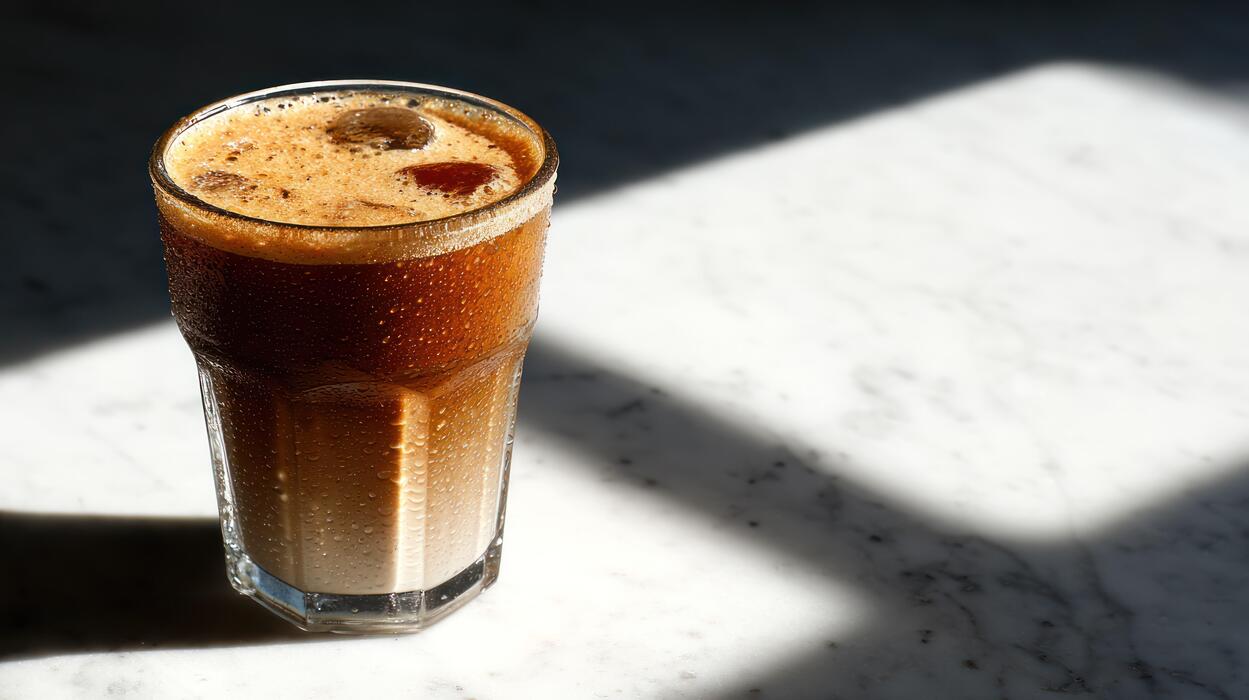
Mocha cold coffee with chocolate syrup
Transform your iced coffee into a rich mocha by adding 2 tablespoons of high-quality chocolate syrup per cup. Brew your coffee double-strength, then let it cool completely. Fill a glass with ice, pour the cooled coffee over it, and stir in the chocolate syrup until fully dissolved.
For an extra indulgent twist, top with frothed milk or a dollop of whipped cream and a drizzle of extra syrup. Use dark chocolate syrup for a deeper, less sweet flavor, or milk chocolate for a classic treat.
Adjust the sweetness by starting with less syrup and adding more to taste. This variation satisfies chocolate cravings while keeping the coffee bold.
Vanilla bean or caramel cold coffee
Elevate your cold coffee with real vanilla bean paste or homemade caramel sauce for a gourmet touch. For vanilla, stir ½ teaspoon of vanilla bean paste into your cooled coffee before adding ice and milk.
Alternatively, make a quick caramel by melting ¼ cup sugar in a saucepan until amber, then slowly whisk in 2 tablespoons butter and 2 tablespoons cream. Drizzle this into your coffee and stir well. Use oat milk or almond milk for a nutty undertone that complements the vanilla or caramel.
For a faster option, high-quality store-bought syrups work, but homemade versions give a fresher, more authentic flavor. Garnish with a cinnamon stick for an aromatic finish.
Vegan cold coffee using coconut milk
Create a creamy vegan cold coffee by substituting dairy with full-fat coconut milk from a can. Shake the can well, then pour ½ cup into your glass over ice. Add double-strength cooled coffee and a tablespoon of maple syrup or agave for sweetness.
For a frothy texture, blend the coconut milk with the coffee and sweetener for 15 seconds before pouring over ice. Coconut milk adds a subtle tropical flavor that pairs beautifully with the coffee’s bitterness. Use light coconut milk for a less rich option, but full-fat yields the creamiest results.
Avoid coconut cream, as it can be too thick. This version is dairy-free, lactose-intolerant-friendly, and naturally sweet.
Spiced cold coffee with cinnamon or nutmeg
Warm up your cold coffee with ground cinnamon or freshly grated nutmeg for a cozy twist. Brew your coffee with a cinnamon stick or stir in ¼ teaspoon of ground cinnamon per cup after cooling. For nutmeg, grate a small amount directly into the glass.
Combine with a splash of vanilla extract and a pinch of cardamom for a chai-inspired flavor. Serve over ice with a sprinkle of cinnamon on top and a dash of cocoa powder for depth. Use oat milk or almond milk to let the spices shine without overpowering.
This variation is perfect for fall or any time you want a comforting, aromatic drink that’s still refreshing. Adjust spice levels to taste.
Tips for the Best Texture and Flavor Every Time
Use chilled ingredients to prevent dilution
Starting with cold ingredients is the number one secret to a rich, full-flavored cold coffee. When you pour hot coffee over ice, the ice melts quickly, watering down the taste and creating a watery, weak drink.
To avoid this, brew your coffee double-strength (using twice the grounds) and then chill it completely in the refrigerator before serving. You can also make coffee ice cubes by freezing leftover coffee in an ice cube tray; these cubes will chill your drink without diluting it.
For the milk component, always use cold milk straight from the fridge, and consider chilling your glass or mug beforehand. If you’re adding sweeteners like sugar or syrup, dissolve them in a small amount of hot water first, then let the mixture cool before adding it to your cold coffee.
This approach ensures every sip is bold, creamy, and intensely flavorful, with no watery aftertaste. By prioritizing cold ingredients, you preserve the coffee’s natural oils and aromatic compounds, resulting in a smooth, satisfying beverage every time.
Adjust coffee-to-milk ratio for your taste
Finding the perfect coffee-to-milk ratio is key to customizing your cold coffee to your personal preference. A good starting point is a 1:1 ratio of chilled coffee to milk, which provides a balanced flavor that’s neither too bitter nor too milky.
If you prefer a stronger coffee kick, increase the coffee to 2 parts and reduce the milk to 1 part; for a creamier, milder drink, go with 1 part coffee to 2 parts milk. Whole milk or oat milk adds a richer texture, while skim milk keeps it lighter.
For an indulgent treat, try a 1:1 ratio with a splash of heavy cream or condensed milk, which sweetens naturally. Don’t forget to taste and adjust as you go—start with less milk and add more until it’s perfect for you.
You can also experiment with non-dairy alternatives like almond or coconut milk for unique flavor twists. The goal is to create a drink that excites your palate, so feel free to tweak the proportions until you find your ideal balance of bold coffee and smooth milkiness.
Blend for 30 seconds for a creamy foam
The secret to a luxurious, café-style cold coffee with a frothy top lies in the blending process. After combining your chilled coffee, milk, and any sweeteners, blend the mixture on high speed for exactly 30 seconds.
This brief but vigorous blending incorporates air, creating a velvety microfoam that elevates the texture and makes each sip feel indulgent.
If you’re using a blender, add a handful of ice cubes for extra chill and a thicker, milkshake-like consistency; for a lighter foam, skip the ice and blend only the liquids.
Shake or stir immediately after blending to ensure the foam is evenly distributed, then pour into a glass over fresh ice. The 30-second rule is crucial—blending too long can overheat the coffee, while too short leaves it flat.
This technique works with any milk, but whole milk or a splash of cream yields the richest foam. The result is a beautifully layered drink with a creamy head that enhances every sip, making your homemade cold coffee taste like it came from a specialty café.
Common Mistakes to Avoid When Making Cold Coffee
Using hot coffee over ice without cooling first
Pouring hot coffee directly over ice is a common shortcut, but it leads to a weak, watery drink. The heat from the coffee melts the ice too quickly, diluting the rich flavors you’re aiming for.
To avoid this, always cool your coffee completely before adding ice. Brew your coffee as you normally would, then let it sit at room temperature for 15–20 minutes, or speed up the process by placing it in the refrigerator for 30 minutes.
For an even faster method, brew the coffee double-strength—using twice the grounds—so that even if some ice melts, the bold flavor remains intact. Another pro tip: use coffee ice cubes made from leftover brew to chill your drink without watering it down.
This simple step preserves the robust, aromatic taste of your cold coffee, ensuring every sip is as satisfying as the first. By cooling first, you also avoid shocking the coffee, which can create bitterness.
Patience here transforms your homemade cold coffee from a bland, iced version into a rich, smooth treat that rivals any café creation.
Adding too much ice that waters down the drink
While ice is essential for cold coffee, overloading your glass is a surefire way to end up with a diluted, flavorless beverage.
The key is to use the right ice-to-coffee ratio—typically a 1:2 or 1:3 ratio of ice to liquid. Start by filling your glass only halfway with ice cubes, then pour your cooled coffee over them. This leaves room for milk, cream, or sweeteners without overwhelming the coffee.
Consider using large ice cubes or reusable ice blocks that melt more slowly, reducing dilution. Alternatively, freeze coffee into ice cubes ahead of time; they chill your drink while actually boosting the coffee flavor as they melt.
If you prefer a stronger taste, add ice sparingly and chill the coffee in the refrigerator first. Remember, you can always add more ice, but you can’t remove it once it’s in.
By controlling the ice amount, you maintain the coffee’s bold character, creating a perfectly balanced cold coffee that’s refreshing without being watery.
Skipping the sweetener until after blending
Adding sweetener at the end of your cold coffee preparation is a mistake that leaves you with unevenly sweetened sips.
For a perfectly integrated flavor, always dissolve your sweetener into the hot coffee before cooling it. Whether you use sugar, honey, maple syrup, or a zero-calorie alternative, stirring it into the warm brew ensures it dissolves completely, avoiding gritty textures at the bottom of your glass.
If you skip this step and add sweetener after blending or icing, it often clumps or sinks, failing to distribute evenly. For a blended cold coffee, like a frappé, mix the sweetener with the hot coffee first, then cool and blend. This creates a smooth, consistent sweetness throughout.
If you prefer liquid sweeteners like simple syrup, you can make it ahead by dissolving equal parts sugar and water over heat. By sweetening early, you guarantee every mouthful is deliciously balanced, transforming your homemade cold coffee into a café-quality indulgence without the hassle of last-minute fixes.
Frequently Asked Questions
What is the best coffee to use for cold coffee at home?
For the richest flavor, use freshly ground medium to dark roast coffee beans. A coarse grind works best for cold brew, while instant coffee or espresso can be used for quick iced coffee.
How do I make cold brew coffee without a special maker?
Combine 1 cup of coarse ground coffee with 4 cups of cold water in a jar, stir, cover, and steep in the fridge for 12-24 hours. Strain through a fine-mesh sieve or cheesecloth, then serve over ice.
What is the simplest way to make iced coffee quickly?
Brew a strong pot of hot coffee using double the usual coffee grounds, let it cool to room temperature, then pour over a glass filled with ice. Add milk and sweetener to taste.
How can I make my cold coffee creamy and delicious?
Add a splash of heavy cream, whole milk, or a dairy-free alternative like oat milk for richness. For extra creaminess, blend the coffee with ice and a tablespoon of condensed milk or a scoop of vanilla ice cream.
What sweeteners work best for cold coffee?
Simple syrup (equal parts sugar and water dissolved) blends easily without graininess. Other great options include honey, maple syrup, or flavored syrups like vanilla or caramel.
Can I make cold coffee without dairy milk?
Absolutely—use almond, oat, soy, or coconut milk for a delicious non-dairy version. Oat milk is especially popular for its creamy texture that mimics dairy.
How do I prevent my cold coffee from tasting watery?
Use coffee ice cubes made by freezing leftover coffee in an ice tray. This keeps the drink strong and flavorful as the ice melts, instead of diluting it with water cubes.
What are some popular flavor variations for homemade cold coffee?
Try adding a dash of cinnamon, vanilla extract, or cocoa powder before brewing. For a mocha twist, mix in chocolate syrup, or for a refreshing touch, add a few drops of peppermint extract.
Conclusion
Making delicious cold coffee at home is simple with the right balance of strong coffee, milk, and sweetener. The key takeaways are to brew double-strength coffee, let it cool completely, and serve over plenty of ice. Experiment with flavored syrups or a splash of cream to customize your drink. Ditch the expensive café lines and enjoy a refreshing, cost-effective treat anytime.