
Miroco Milk Frother Latte Art
If you are struggling to create beautiful designs with your Miroco milk frother, you are not alone. Getting that perfect microfoam texture for latte art can be tricky with an automatic frother, but it is entirely possible with the right technique. In this guide, we will show you exactly how to use your Miroco settings to achieve silky milk that is ideal for pouring hearts and rosettes. You will find quick solutions to common frothing mistakes right here.
How to Use a Miroco Milk Frother for Latte Art
Choosing the right milk setting
To achieve the silky microfoam necessary for detailed latte art with your Miroco device, selecting the correct setting is paramount. Most Miroco models feature multiple modes, typically indicated by LED icons on the front panel.
For latte art, you must select the first setting, which is designed for heating and creating dense, velvety foam. Avoid the cold froth setting or the high-volume airy foam setting, as these create large bubbles that lack the structural integrity required for pouring designs.
The goal is to produce a liquid-paint consistency rather than a stiff meringue. Ensure you are using the frothing whisk (the one with the wire coil) and that it is properly seated on the magnetic post.
Using fresh, cold whole milk or a high-quality barista-grade oat milk will yield the most consistent results. By mastering the setting selection, you provide the foundation for a pourable texture that glides over the espresso surface smoothly.
Step-by-step frothing process
Begin by pouring your milk into the Miroco pitcher, staying strictly between the minimum and maximum fill lines to allow for proper aeration. Once you press the power button and start the cycle, listen for a consistent, quiet whirlpool sound.
If you notice the foam becoming too thick or ‘stiff’ before the cycle ends, you can manually stop the machine early by pressing the power button again. This manual intervention is a secret trick for latte art enthusiasts who want more control over the milk-to-air ratio.
Immediately after the cycle finishes, remove the lid and give the pitcher a few firm taps on the counter to pop any large surface bubbles. Swirl the milk vigorously in a circular motion until the surface looks shiny and reflective, similar to wet paint.
This keeps the milk and foam integrated, preventing the dreaded separation that occurs when the foam sits too long, making it impossible to pour intricate hearts or rosettas.
Temperature control for better foam
Temperature plays a critical role in the sweetness and stability of your milk foam. The Miroco milk frother is programmed to heat milk to approximately 140-158 degrees Fahrenheit, which is the ideal window for lactose breakdown and flavor enhancement.
If the milk gets too hot, the proteins denature, causing the foam to collapse and taste burnt; if it is too cool, the foam won’t hold its shape against the espresso crema. To ensure the best results, always start with milk directly from the refrigerator.
Cold milk provides a longer window for the whisk to incorporate air before reaching the target temperature, resulting in finer microbubbles. If you find the default cycle runs too long for your specific milk type, try pre-chilling the Miroco stainless steel interior with cold water before use.
Maintaining this precise temperature balance ensures that your foam remains elastic and workable, allowing you to execute smooth, professional-grade pours that retain their definition until the very last sip of your latte.
Best Milk Types for Miroco Frothers

Whole milk vs. low-fat options
When using your Miroco milk frother for latte art, selecting the right dairy base is the most critical decision you will make.
Whole milk is the gold standard for creating that elusive glossy microfoam because its high fat and protein balance allows for a velvety texture that pours smoothly into espresso. The fat provides the necessary weight to keep the foam integrated with the liquid, rather than separating into a dry puff.
Conversely, low-fat or skim milk options tend to produce much larger, stiffer bubbles that resemble a meringue. While these airy foams are great for traditional cappuccinos, they lack the fluidity required for intricate latte art designs like rosettes or hearts.
To achieve professional results, ensure your milk is refrigerated and cold before starting the frothing cycle. This gives the Miroco heating element more time to stretch the proteins before the milk reaches its peak temperature, resulting in a consistent, paint-like finish that is perfect for artistic pouring.
Top plant-based milks for latte art
If you are using a Miroco frother but prefer non-dairy alternatives, you must prioritize Barista Edition plant milks to achieve successful latte art.
Standard almond or soy milks often curdle or separate when heated due to high acidity levels in coffee, but barista-specific versions are fortified with stabilizers and acidity regulators.
Oat milk is the superior choice for plant-based latte art because its natural creaminess and carbohydrate structure closely mimic the behavior of dairy fats. It produces a dense, micro-bubble foam that holds its shape well during the pour.
Soy milk is a reliable runner-up, offering high protein content that creates a very stable structure, though it requires careful temperature monitoring to avoid a grainy texture. When frothing these alternatives in your Miroco device, use the medium froth setting to avoid over-aerating.
Always shake the carton vigorously before pouring it into the frother to ensure the fats and proteins are evenly distributed for a uniform, silky foam every single time.
How fat content affects foam stability
Understanding the science of fat content is the key to mastering your Miroco milk frother for consistent latte art results. Fat acts as a stabilizer for the air bubbles created during the frothing process, preventing them from collapsing or merging into large, unusable pockets of air.
In whole milk, the fat globules coat the air bubbles, creating a supple and flexible foam that flows easily when tilted. If the fat content is too low, the protein structures become too rigid, leading to ‘dry’ foam that sits on top of the coffee rather than blending with it.
However, if the fat content is excessively high, such as in heavy cream, it can actually weigh down the bubbles and prevent them from forming at all. The Miroco frother is calibrated to work best with a fat content between 3% and 4%, which provides the ideal viscosity for pouring.
Maintaining this balance ensures your foam remains stable long enough to complete complex designs without the texture breaking down or becoming watery.
Techniques for Pouring Latte Art with Miroco Foam
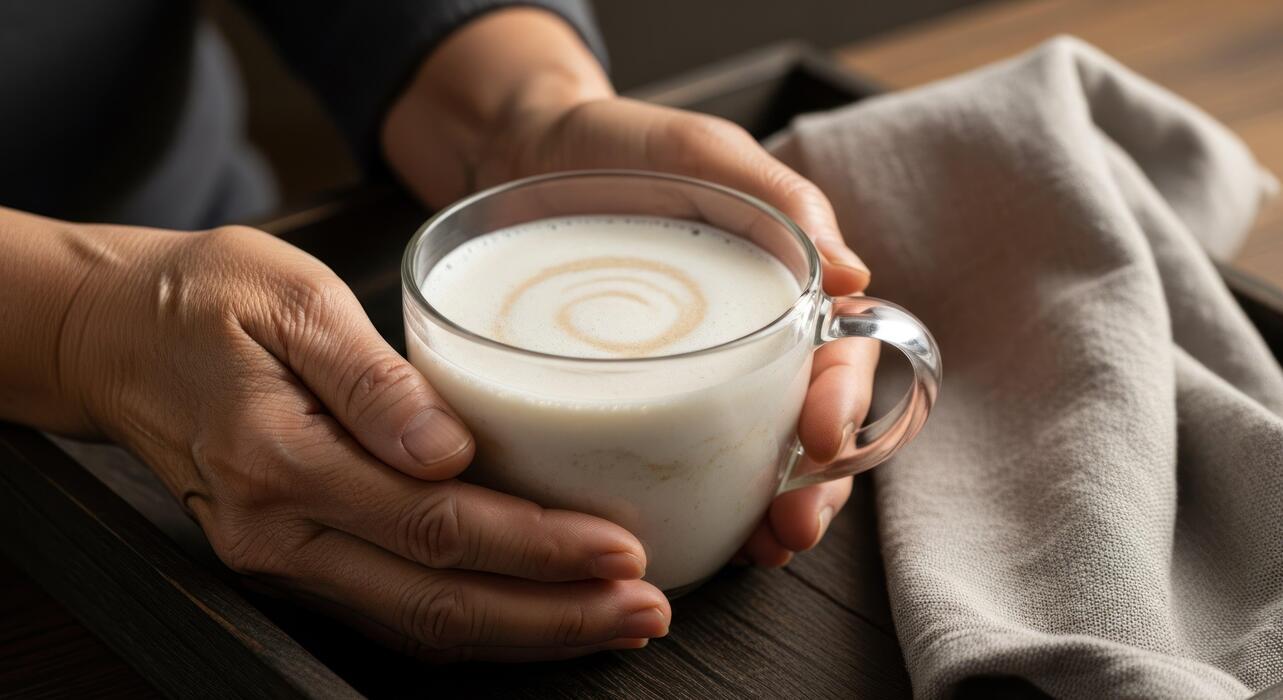
Transferring foam to a latte pitcher
To achieve professional results with a Miroco milk frother, you must prioritize the transfer process immediately after the heating cycle ends. Since the Miroco heating element is integrated into the base, the foam tends to separate from the liquid milk quickly if left sitting.
To prevent a ‘stiff’ foam cap, pour the frothed milk into a stainless steel latte pitcher from a height of about three inches. This action forces the heavier bubbles to integrate with the liquid milk, creating a more uniform consistency.
Once transferred, vigorously swirl the pitcher on a flat surface until the surface looks like wet paint or melted ice cream. If you see any large, stubborn bubbles, firmly tap the bottom of the pitcher against the counter to pop them.
This essential step ensures that your foam remains fluid enough to glide over the espresso surface rather than plopping out in a thick, unusable clump that ruins your artistic designs.
The secret to a smooth microfoam texture
The Miroco frother is designed for convenience, but the secret to latte art quality lies in selecting the right settings and milk type. For the best microfoam, use cold, fresh whole milk and select the ‘medium foam’ or ‘latte’ setting rather than the ‘stiff foam’ cappuccino option.
The goal is to create tiny, microscopic bubbles that are barely visible to the naked eye. If the foam feels too dry, you can remove the frothing whisk coil and use just the plastic stirrer to produce a silkier, more liquid texture.
Additionally, adding a tiny splash of cold milk to the pitcher after transferring the hot foam can help ‘thin out’ the mixture if it appears too aerated.
By maintaining this balance of temperature and aeration, you create a stable canvas that allows the white foam to cut through the espresso crema without sinking, which is the foundational requirement for successfully executing complex patterns like rosettas or hearts.
Hand positioning and pour speed
Mastering the pour with Miroco-generated foam requires precise control over your hand positioning and the speed of the flow. Start by holding the pitcher high and pouring a thin stream into the center of the espresso to create a base without marking the surface.
Once the cup is half full, lower the pitcher spout as close to the liquid as possible and increase your pour speed. This proximity is what allows the white microfoam to finally rest on top of the crema.
For a classic heart, keep the pitcher centered and slightly wiggle your wrist to encourage the foam to expand. To finish the design, lift the pitcher back up and draw a thin line of milk through the center of your shape.
Consistent speed is vital; pouring too slowly will result in the foam staying inside the pitcher, while pouring too fast will wash away the crema. Practice these fluid transitions to turn your standard frothed milk into beautiful, café-style art.
Basic Latte Art Designs to Try at Home
How to pour a simple heart
To master the heart design using your Miroco milk frother, start by tilting your cup at a 45-point angle. Begin the pour from a high distance to allow the milk to sink beneath the espresso crema, creating a solid base.
Once the cup is half full, lower the pitcher’s spout as close to the surface as possible. This proximity is essential for the white foam to stay on top rather than sinking.
As a white circle begins to form in the center, maintain a steady flow while keeping the pitcher centered. To finish the design, slightly lift the pitcher and draw a thin line of milk straight through the center of the circle to create the bottom point of the heart.
Remember that consistent milk texture is the secret to success, so ensure your frother produces a wet, paint-like consistency rather than stiff foam. Using fresh whole milk will provide the best surface tension for this beginner-friendly pattern.
Creating a classic Rosetta pattern
The Rosetta requires a bit more finesse and a steady hand when using milk from a Miroco frother. Start by pouring your milk into the center of the espresso from a height to establish the foundation.
When the cup is about half-way full, bring the pitcher tip close to the surface and start a gentle side-to-side wiggling motion with your wrist. This movement creates the layers or ‘leaves’ of the Rosetta.
As you continue to wiggle, slowly move the pitcher backward toward the edge of the cup to elongate the design. Once you reach the top edge, lift the pitcher slightly and pour a very thin stream of milk back through the center of the pattern to create the stem.
The key to a beautiful Rosetta is rhythmic wrist movement and ensuring your milk-to-foam ratio is perfectly balanced. If the foam is too thick, the layers will merge into a blob; if it is too thin, the design will lack definition and clarity.
Tips for the tulip design
Creating a tulip involves a ‘stop-and-start’ technique that builds layers of foam on top of each other. After prepping your milk in the Miroco frother, start your pour high to create the base.
Lower the pitcher and pour a small amount of foam to create a ‘petal’ at the back of the cup, then stop pouring. Move the pitcher slightly forward and pour a second petal that pushes into the first one.
Repeat this process for a third or fourth layer depending on the size of your cup. Finally, lift the pitcher and pull a thin stream through all the layers to connect them.
To achieve a professional look, focus on precise placement of each petal and maintain a controlled flow rate throughout the process. It is helpful to tap the pitcher on the counter to remove large bubbles before you begin.
Practice is essential, as the timing of each ‘drop’ determines the symmetry and elegance of the final tulip shape on your latte.
Common Miroco Frothing Mistakes and Fixes

Why your foam is too thick
One of the most frequent hurdles for Miroco users trying to master latte art is producing foam that is far too stiff and airy. This usually happens because the frothing whisk is left to run for a full cycle without manual intervention, or the wrong whisk attachment is being used.
If you use the whisk with the metal coil, the device is designed to create a dense, dry cappuccino foam that sits on top of the coffee rather than blending with it. For latte art, you need a wet, paint-like consistency known as microfoam.
To achieve this on a Miroco machine, try using the flat stirring whisk or removing the coil from the frother head. Furthermore, ensure you are using fresh, cold milk; over-processing lukewarm milk leads to a bubbly, stiff texture that lacks the elasticity required for pouring intricate patterns.
Focus on selecting the right whisk attachment and monitoring the aeration time to prevent the milk from becoming overly stiff and unusable for art.
How to fix large bubbles in the milk
Large, visible bubbles are the enemy of smooth latte art, often caused by improper milk positioning or using the ‘hot froth’ setting for too long. If your Miroco frother produces a soapy texture instead of a silky sheen, you must act quickly once the cycle finishes.
Immediately after the machine stops, firm tap the bottom of the milk pitcher on a flat counter to break the surface tension of the larger bubbles. Follow this by swirling the milk vigorously in a circular motion until the surface looks like glossy white paint.
This process, known as grooming the milk, helps re-incorporate the foam into the liquid. If the bubbles persist, you might be filling the reservoir past the maximum line, which prevents the whisk from creating a consistent vortex.
Always tap and swirl the pitcher immediately after frothing to eliminate air pockets and maintain the correct fill levels to ensure the internal whisk can properly emulsify the milk for a professional finish.
Preventing burnt milk and residue
A common mistake that ruins both the flavor and the texture of your milk is allowing a layer of burnt residue to build up on the bottom of the Miroco heating element.
When milk sugars and proteins are scorched, it creates an uneven heat distribution that results in thin, flat milk and a bitter aftertaste. To prevent this, never run the frother for back-to-back cycles without rinsing the interior with cold water first.
The residual heat from the previous cycle can easily push the next batch of milk past the ideal temperature of 150 degrees Fahrenheit. Additionally, always use a non-abrasive sponge to wipe the non-stick coating immediately after every single use.
If you notice a brown film forming, it will disrupt the whisk’s magnetic rotation, leading to inconsistent frothing results.
By cleaning the reservoir after every use and cooling the base between cycles, you protect the non-stick surface and ensure your milk remains sweet and perfectly textured for pouring latte art designs.
Essential Tools to Pair with Your Miroco Frother
Selecting a stainless steel pitcher
To achieve professional-grade results with your Miroco milk frother, pairing it with a high-quality stainless steel pitcher is essential. While the Miroco device heats and aerates the milk internally, transferring the foam into a dedicated pitcher with a precision pour spout gives you the control needed for intricate latte art.
Look for a pitcher with a 12oz or 20oz capacity, as these sizes allow for better movement and swirl when you are attempting to pour hearts or rosettas.
The stainless steel material is crucial because it allows you to feel the temperature of the milk through the metal, ensuring it stays within the ideal range of 140-155 degrees Fahrenheit.
A narrow, pointed spout is particularly helpful for beginners, as it provides a steady stream of microfoam, allowing for more deliberate and accurate movements.
Investing in a pitcher with an ergonomic handle will further improve your grip and stability, making the transition from a simple pour to a beautiful design much more manageable and consistent over time.
Using latte art needles for etching
If you find that pouring freehand designs is challenging with the automated foam from a Miroco frother, latte art etching needles are a game-changing solution.
These dual-sided tools feature a spike on one end and a small paddle or spoon on the other, allowing you to manipulate the microfoam surface with extreme precision.
After pouring your frothed milk into the espresso, you can use the needle to draw through the crema, creating sharp lines, geometric patterns, or even floral shapes.
This technique is often more forgiving than freehand pouring because it allows you to fix minor mistakes or add fine details that a pitcher spout simply cannot achieve.
By using the paddle end to scoop small amounts of white foam onto the dark coffee surface, you can build layers of contrast that look professional.
These tools are typically made of durable stainless steel and are easy to clean, making them a must-have accessory for anyone looking to elevate their home barista skills beyond basic latte preparation and into the realm of creative coffee styling.
Thermometers and cleaning brushes
Maintaining the performance of your Miroco frother requires the right maintenance tools, specifically cleaning brushes and thermometers.
Although the Miroco frother has built-in temperature controls, using an external clip-on milk thermometer allows you to double-check the heat of your milk if you choose to transfer it to a pitcher for pouring.
This ensures the proteins in the milk do not scald, which can ruin the texture required for latte art. Equally important is a set of specialized cleaning brushes designed to reach the tight spaces around the frothing whisk and the non-stick interior walls.
Milk residue can build up quickly, affecting the flavor of your coffee and the machine’s ability to create smooth microfoam. Using a soft-bristled brush ensures you can remove stubborn milk proteins without scratching the delicate non-stick coating.
Keeping these tools handy will not only prolong the lifespan of your appliance but also ensure that every cup of coffee you produce is fresh, hygienic, and topped with the perfectly textured foam necessary for high-quality latte art designs every single morning.
Cleaning and Maintenance for Better Foam Quality
Daily cleaning routines
To achieve the silky micro-foam necessary for Miroco milk frother latte art, you must prioritize cleaning immediately after every single use. Residual milk proteins quickly bake onto the interior coating, creating a barrier that interferes with heat distribution and whisk rotation.
Start by rinsing the jug with warm water to remove loose liquid. Use a soft, non-abrasive sponge and a drop of mild dish soap to wipe the interior walls and the base where the heating element is located.
Avoid submerging the entire unit in water, as the electrical components must stay dry to prevent short-circuiting. After scrubbing, rinse thoroughly to ensure no soapy residue remains, as even a tiny amount of detergent can chemically prevent the milk from forming stable bubbles.
Finally, dry the interior with a clean microfiber cloth. Consistent daily cleaning routines prevent the accumulation of filmy residue that ruins texture, ensuring your Miroco always produces the consistent, glossy foam required for pouring intricate heart or rosette designs in your morning latte.
Removing stubborn milk buildup
If you notice your Miroco milk frother is producing thin, bubbly foam instead of dense micro-foam, you likely have invisible milk stone or burnt-on proteins on the heating plate. Removing stubborn milk buildup requires a gentle but acidic solution to dissolve the minerals without scratching the non-stick surface.
Fill the frother with a mixture of equal parts water and white vinegar, then let it soak for approximately thirty minutes. If the stains are particularly resilient, you can run a heating cycle with just water after the soak to loosen the debris.
Use a wooden spoon or a soft silicone scraper to gently nudge any remaining spots; never use metal utensils or steel wool, as scratches will cause milk to stick even worse in future sessions. Once the buildup is dissolved, rinse the jug multiple times to eliminate the vinegar scent.
Maintaining a smooth, spotless interior surface is critical because it allows the milk to circulate evenly, which is the secret to getting that perfect latte art consistency every time.
How to keep the whisk in top shape
The small frothing whisk is the engine behind your latte art, and knowing how to keep the whisk in top shape is vital for long-term performance. Over time, tiny milk particles can get trapped inside the delicate metal coils, slowing down the rotation speed and resulting in uneven aeration.
To clean it properly, remove the whisk from the jug after every use and soak it in a small bowl of warm, soapy water. Use a soft toothbrush to gently brush between the coils to dislodge any hidden residue.
Check the magnetic base of the whisk for any debris that might interfere with the magnetic drive of the Miroco base. Furthermore, always store the whisk in its designated holder or inside the dry jug to prevent the wires from bending.
A deformed or clogged whisk will struggle to incorporate air correctly, leading to large, unstable bubbles rather than the velvety micro-foam you need for pouring. Regular inspection and deep cleaning of this component ensure your frother maintains the mechanical efficiency required for professional-grade results.
Frequently Asked Questions
Can I make latte art using a Miroco milk frother?
Yes, you can create latte art with a Miroco frother by using the heating and light frothing setting (the flat disk attachment). This creates a silky microfoam rather than a thick, dry foam, which is essential for pouring designs.
Which Miroco attachment should I use for latte art?
For latte art, use the heating whisk without the spring (the smooth plastic disk). This attachment gently agitates the milk to create a uniform liquid texture known as microfoam, whereas the spring attachment creates foam that is too stiff for pouring art.
What is the best type of milk to use with a Miroco frother for designs?
Whole milk with a high fat and protein content typically yields the best results for latte art in a Miroco frother. If using plant-based alternatives, ‘Barista Edition’ oat or soy milks are recommended as they are formulated to stretch and hold microfoam.
How do I prevent the milk from becoming too bubbly for art?
Ensure the milk is fresh and cold when you start, and do not exceed the lower maximum fill line. Once the cycle finishes, tap the pitcher on the counter and swirl the milk vigorously to incorporate any large bubbles into a glossy, wet-paint consistency.
Can I pour latte art directly from the Miroco pitcher?
While possible, the Miroco pitcher’s spout is often too wide for detailed work. For better control, transfer the frothed milk into a dedicated stainless steel latte art pitcher with a narrow pointed spout before pouring into your espresso.
How do I achieve the ‘wet paint’ texture required for latte art?
Select the ‘warm milk’ or ‘light froth’ setting and stop the machine slightly before the cycle ends if the foam looks too thick. The goal is a pourable, velvet-like texture that integrates smoothly with the espresso crema.
Conclusion
The Miroco milk frother is a game-changer for anyone looking to master latte art at home. By consistently delivering the perfect microfoam texture, it removes the guesswork from the frothing process. Whether you are a beginner or a seasoned barista, this tool provides the reliability needed to create beautiful designs. Embrace the journey of perfecting your pours and enjoy cafe-quality beverages every morning. With practice and the right equipment, your countertop becomes a professional coffee bar.