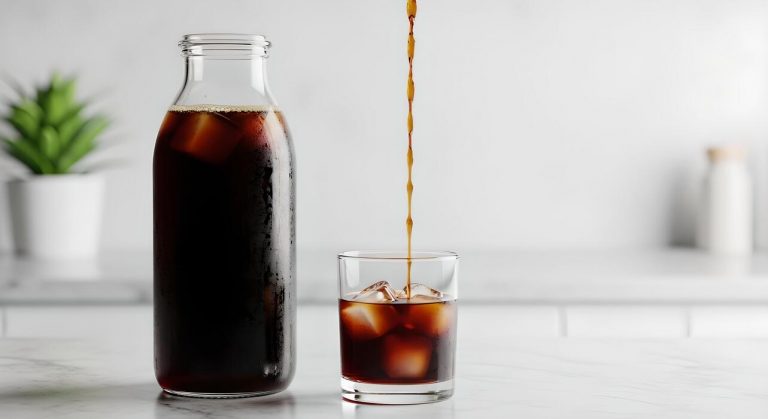
How To Make Homemade Cold Coffee
How to make homemade cold coffee is simpler than you think, and you don’t need a fancy café machine. The core problem most people face is achieving that smooth, rich flavor without bitterness or watered-down taste. You’re in the right place to master it. The secret lies in brewing strong coffee, chilling it properly, and balancing milk and sweetener to your preference. Let’s get you that perfect, refreshing glass.
What You Need to Make Homemade Cold Coffee
Essential ingredients for cold coffee
Start with high-quality coffee—either strong brewed coffee or instant coffee granules. For a classic cold coffee, you’ll need milk (whole or plant-based like almond or oat), sugar or sweetener of your choice, and ice cubes. For extra flavor, add vanilla extract, chocolate syrup, or caramel.
To make it creamy, include heavy cream or condensed milk (skip sugar if using condensed). For a healthier twist, use honey or maple syrup. If you want a frothy top, add whipped cream and a sprinkle of cinnamon or cocoa powder.
Always taste and adjust sweetness—cold coffee should be refreshing, not overly sugary. Keep cold water or brewed coffee chilled in the fridge for quick assembly. Remember, the quality of your base ingredients directly impacts the final drink, so choose fresh, flavorful components.
Best coffee beans and brewing methods
Opt for medium to dark roast beans—they have bold, chocolatey notes that shine in cold coffee. Avoid light roasts, which can taste acidic when cold. For brewing, the cold brew method is ideal: coarsely grind beans, steep in cold water for 12–24 hours, then strain.
This yields a smooth, low-acid concentrate you can dilute with milk or water. Alternatively, brew double-strength hot coffee using a French press or drip machine, then chill it quickly. Instant coffee works too—dissolve 2 teaspoons in minimal hot water, then mix with cold milk.
For iced versions, brew coffee directly over ice using a pour-over to lock in freshness. Experiment with coffee-to-water ratios: start with 1:4 for cold brew, 1:8 for hot-brewed iced coffee. Always use filtered water for cleaner taste. Grind beans just before brewing for maximum flavor.
Tools and equipment for easy preparation
You don’t need fancy gear—just a glass or pitcher for mixing, a spoon or stirring stick, and ice cube trays. For brewing, a French press works perfectly for both hot and cold coffee, or use a cold brew maker for convenience.
A milk frother (handheld or electric) creates creamy foam without a machine. If you have a blender, you can make frappé-style cold coffee: blend coffee, milk, ice, and sweetener until smooth. For precise measurements, use a kitchen scale or measuring spoons.
A fine-mesh strainer or cheesecloth helps filter coffee grounds when making cold brew. To keep drinks cold without dilution, freeze coffee ice cubes (pour leftover coffee into an ice tray). A reusable straw and tumbler make sipping eco-friendly.
Store your cold brew in a sealed container in the fridge for up to a week. With these basics, you can whip up café-quality cold coffee anytime.
How to Brew Strong Coffee for Cold Coffee

Cold brew method for smooth flavor
For a smooth, naturally sweet concentrate that forms the perfect base for cold coffee, use the cold brew method. Start with a 1:4 coffee-to-water ratio (e.g., 1 cup coarse ground coffee to 4 cups cold filtered water). Use a coarse grind (like sea salt) to prevent over-extraction and silt.
Combine in a jar, stir, cover, and steep in the refrigerator for 12–24 hours. The longer steep extracts flavor without bitterness. After steeping, strain through a fine-mesh sieve lined with a coffee filter or a nut milk bag. This yields a concentrated brew.
To make cold coffee, dilute 1 part concentrate with 1 part milk or water (adjust to taste). Serve over ice with milk, sweetener, or cream.
The cold brew method requires patience but delivers a smooth, low-acid, and intensely flavorful cold coffee that stores well in the fridge for up to two weeks.
Hot brew method for quick results
If you need cold coffee in minutes, the hot brew method is your fastest option. Brew coffee using your usual method (drip, pour-over, or French press) but use a stronger ratio—about 2 tablespoons of medium-ground coffee per 6 ounces of water—to compensate for dilution from ice.
Brew as normal, then immediately pour the hot coffee over a glass filled with ice (this rapid cooling locks in flavor). For extra strength, double the coffee grounds or brew a smaller volume of water.
To avoid watery coffee, use coffee ice cubes by freezing leftover brewed coffee in an ice tray. Add milk, cream, or sweetener while the coffee is still warm to help them dissolve. This method yields a bold, aromatic cold coffee in under 5 minutes, perfect for busy mornings.
The key is brewing stronger than usual so the final drink remains robust and satisfying.
Tips for avoiding bitterness
Bitterness in cold coffee often comes from over-extraction or high heat. For the cold brew method, avoid steeping longer than 24 hours—after that, bitter compounds leach out. Use coarse ground coffee to slow extraction.
For the hot brew method, never pour hot coffee directly over ice if you want to avoid bitterness; instead, let the brewed coffee cool slightly or brew with water just off the boil (195–205°F) to prevent scalding. Avoid over-roasted beans—choose medium or medium-dark roasts for a balanced profile.
Always use fresh, filtered water and clean equipment. If bitterness persists, add a pinch of salt to the grounds before brewing—it neutralizes bitter notes. Also, balance with fat: whole milk, cream, or a splash of coconut milk can smooth out harsh flavors.
Finally, taste before sweetening—bitterness can be masked by sugar or vanilla syrup, but it’s better to fix the brew itself.
Simple Steps to Make Homemade Cold Coffee
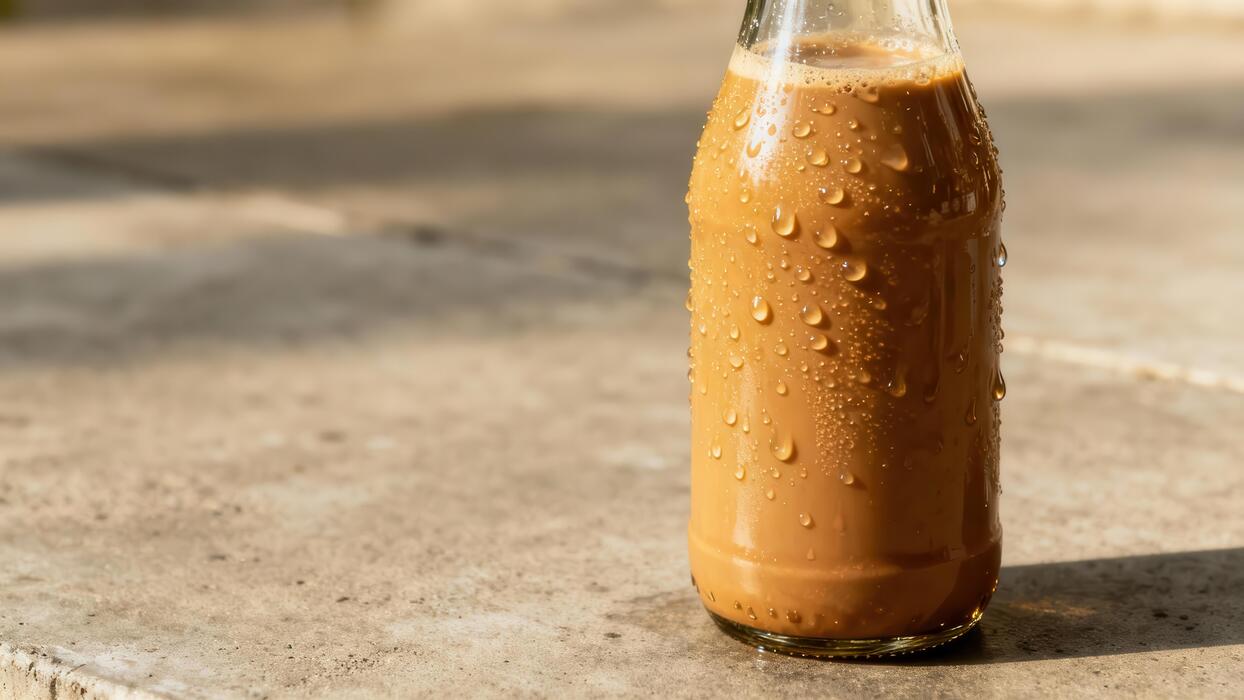
Step 1: Brew and cool your coffee
Start by brewing a strong batch of coffee to ensure the flavor isn’t diluted by ice. Use 2 tablespoons of ground coffee per 6 ounces of water for a robust base.
A French press or drip coffee maker works well, but for an extra-smooth taste, try cold brewing: steep coarsely ground coffee in cold water for 12-24 hours. Once brewed, let the hot coffee cool to room temperature, then refrigerate for at least 30 minutes until chilled.
For instant coffee, dissolve 2 teaspoons in a small amount of hot water, then add cold water. Avoid pouring hot coffee directly over ice, as it can create a watery, bitter result. Instead, plan ahead to have fully chilled coffee ready.
This step is crucial for achieving a refreshing, full-bodied cold coffee without unwanted dilution.
Step 2: Mix with milk and sweetener
In a tall glass, combine 1 cup of chilled coffee with 1/2 cup of cold milk—whole milk adds creaminess, while almond or oat milk offers a lighter option. Add 1-2 tablespoons of sweetener like sugar, honey, or maple syrup, adjusting to taste.
For a café-style touch, use sweetened condensed milk or a flavored syrup such as vanilla or caramel. Stir vigorously until the sweetener dissolves completely. To enhance texture, shake the mixture in a sealed jar for 10 seconds to create a frothy top, or use a milk frother for extra foam.
If you prefer a creamier drink, add a splash of heavy cream or half-and-half. Taste and adjust sweetness or milk ratio before moving to the next step, ensuring a balanced flavor that suits your preference.
Step 3: Serve over ice with toppings
Fill a glass with ice cubes—use large cubes or coffee ice cubes (frozen leftover coffee) to prevent watering down. Pour the coffee-milk mixture over the ice. For a finishing touch, top with whipped cream and a drizzle of chocolate syrup or caramel.
Sprinkle with cocoa powder, cinnamon, or crushed cookies for extra flair. Stir gently to combine flavors. For a layered look, pour milk first, then slowly add coffee over the back of a spoon. Serve immediately with a straw or spoon.
This step transforms your homemade cold coffee into a customizable, indulgent treat that rivals any coffee shop version. Enjoy your refreshing, creamy creation!
Best Ways to Customize Your Cold Coffee
Flavor variations like vanilla or caramel
Elevate your homemade cold coffee with simple syrup infusions. For a classic vanilla flavor, combine equal parts sugar and water in a saucepan, add a split vanilla bean or 2 teaspoons of vanilla extract, and simmer until dissolved. Cool completely before stirring into your cold brew.
For caramel, swap vanilla with 1/4 cup of caramel sauce or make a quick caramel syrup by melting 1 cup of brown sugar with 1/2 cup water over medium heat until thickened.
Experiment with spices like cinnamon, nutmeg, or pumpkin pie spice by whisking a pinch directly into your coffee grounds before brewing. For a mocha twist, mix 2 tablespoons of cocoa powder with a splash of hot water to create a paste, then blend into your cold coffee.
Store any leftover syrup in a sealed jar in the fridge for up to two weeks, giving you instant flavor customization anytime.
Dairy and non-dairy milk options
The milk you choose dramatically alters your cold coffee’s texture and taste. For a creamy, classic finish, opt for whole milk or half-and-half; these add richness without overpowering the coffee’s flavor.
If you prefer non-dairy options, oat milk is a top choice for its neutral taste and ability to froth well, mimicking dairy’s creaminess. Almond milk offers a lighter body with a subtle nutty note—choose unsweetened varieties to control sweetness.
For a tropical twist, coconut milk adds a delicate sweetness and smooth mouthfeel, though it may separate if not shaken well. Soy milk provides a protein-rich, thick consistency but can curdle in acidic coffee; barista blends are formulated to avoid this.
For a dairy-free, low-calorie option, cashew milk blends seamlessly due to its mild flavor. Always shake non-dairy milks before use, and consider heating them slightly for better integration without altering the cold temperature.
Add-ins for extra creaminess or sweetness
Transform your cold coffee into a dessert-like treat with strategic add-ins. For creaminess, add 1-2 tablespoons of heavy cream or coconut cream directly to your glass; this creates a velvety texture without extra sugar. Alternatively, blend in a scoop of vanilla ice cream for an indulgent frappé—just pulse until smooth.
For sweetness, try condensed milk for a rich, caramel-like flavor; start with 1 tablespoon and adjust. Maple syrup or honey offer natural sweetness; stir in 1-2 teaspoons while the coffee is still slightly warm for easy dissolving.
For a protein boost, use a scoop of vanilla or chocolate protein powder—blend with a splash of milk first to avoid clumps. A pinch of salt enhances sweetness and reduces bitterness.
For a healthy twist, add 1/4 of a ripe banana and blend for natural sweetness and a creamy, dairy-free texture. Experiment with these add-ins to customize your perfect cup.
Tips for Making Cold Coffee Like a Barista
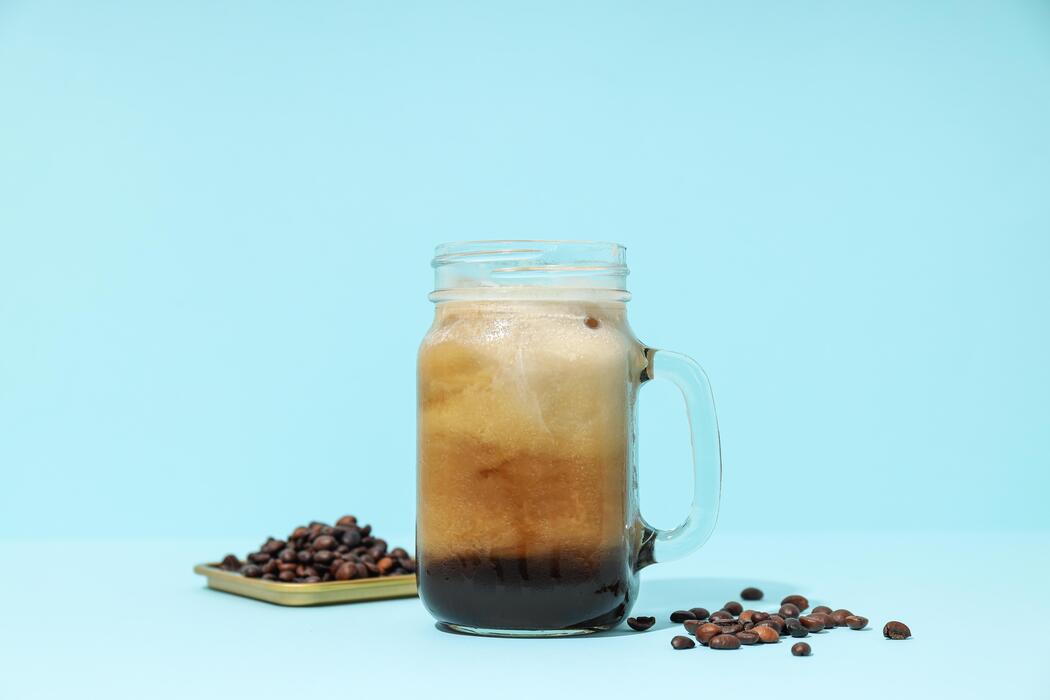
How to create frothy texture at home
Achieving that velvety, barista-style froth without an espresso machine is simpler than you think. Start by using cold milk (whole or oat milk works best) and a French press or a milk frother.
Pour the milk into the French press, then pump the plunger vigorously for 30–60 seconds until the milk doubles in volume and forms a thick foam. Alternatively, shake cold milk in a sealed jar for 30 seconds, then microwave (uncovered) for 30 seconds to stabilize the froth.
For a dairy-free option, use barista-blend oat milk that froths easily. To integrate the foam, spoon it over your cold brew or iced coffee, then gently stir. Pro tip: Chill your milk and tools beforehand to keep the foam stable longer. Avoid over-frothing, as this can create large, unstable bubbles.
The goal is a microfoam that blends smoothly, giving your homemade cold coffee a creamy, luxurious mouthfeel.
Using ice cubes to prevent dilution
Watered-down coffee is a common pitfall, but you can outsmart it with a few smart techniques. First, make coffee ice cubes by freezing leftover brewed coffee in an ice tray. Use these instead of regular ice to chill your drink without sacrificing flavor.
Alternatively, chill your coffee completely before pouring it over ice; hot coffee melts ice faster, leading to quicker dilution. For a stronger approach, use large ice cubes or ice spheres, which melt slower due to their smaller surface area.
You can also pre-chill your glass by filling it with ice water for a minute, then dumping it out before adding your coffee. Another trick: brew a double-strength cold brew concentrate (using a 1:4 coffee-to-water ratio) so even if some ice melts, the coffee remains bold.
Pro tip: Add ice cubes just before serving, and stir briefly to cool without over-diluting.
Perfecting the coffee-to-milk ratio
The right balance between coffee and milk transforms a basic drink into a barista-quality creation. A standard starting point is a 1:1 ratio of coffee to milk for a balanced, medium-strength cold coffee.
For a stronger brew, use a 2:1 ratio (two parts coffee to one part milk), while a creamier version calls for a 1:2 ratio.
Begin with cold brew concentrate (which is naturally smooth and less acidic) and adjust based on your milk choice—whole milk adds richness, while oat or almond milk gives a lighter texture. To fine-tune, pour your coffee first, then add milk gradually while tasting.
Pro tip: For a latte-style drink, use a 1:3 ratio of coffee to frothed milk, similar to a caffè latte. Remember that ice will also dilute the mix, so account for that by making your coffee slightly stronger.
Experiment with ratios until you find your perfect cup, and don’t forget to sweeten with syrup or sugar before adding milk for even distribution.
Common Mistakes When Making Cold Coffee
Using weak or stale coffee
A common misstep is starting with weak or stale coffee, which results in a watery, flavorless cold brew. For a robust homemade cold coffee, use double the coffee grounds you would for hot coffee—a ratio of 1:8 coffee to water is ideal.
Always choose fresh, whole beans ground coarsely just before brewing, as pre-ground coffee loses its oils and aroma quickly. Steep the grounds in cold water for 12 to 24 hours in the refrigerator, then strain through a fine-mesh sieve or a coffee filter.
This slow extraction yields a smooth, concentrated base that won’t get diluted by ice. Avoid rushing with hot water; cold brewing prevents bitterness and highlights natural sweetness. If your coffee tastes flat, try a dark roast for richer body or add a pinch of salt to enhance flavor.
Test your brew by tasting it chilled before serving—if it’s too weak, steep longer next time. This ensures every sip is bold and satisfying.
Adding ice to hot coffee too quickly
Pouring hot coffee directly over ice is a fast track to a watery, bitter drink because the ice melts unevenly, diluting the coffee before it cools.
Instead, cool the hot coffee first to room temperature by letting it sit for 10–15 minutes, or use a flash-chill method: brew a double-strength concentrate, then pour it over ice in a 1:1 ratio.
For even better results, make coffee ice cubes by freezing leftover coffee in an ice tray—this adds flavor instead of water. If you must use regular ice, fill the glass only halfway with ice and stir vigorously as you pour to distribute cooling evenly.
Another pro tip: chill your glass in the freezer for 5 minutes beforehand. This keeps your cold coffee creamy and strong without sacrificing texture. Remember, the goal is a smooth, refreshing drink, not a watered-down mess. Patience here transforms your homemade cold coffee from mediocre to café-quality.
Over-sweetening or under-mixing
Balancing sweetness is key, but adding too much sugar or syrup can overwhelm coffee’s natural notes, while under-mixing leaves clumps at the bottom. Start with 1 to 2 teaspoons of sweetener per cup—like simple syrup, honey, or agave—and adjust to taste.
Simple syrup dissolves instantly; to make it, boil equal parts sugar and water for 2 minutes, then cool. For granulated sugar, stir it into hot coffee first before chilling, as cold liquid won’t dissolve it properly. If using flavored syrups, add half the recommended amount and taste as you go.
Always stir or shake vigorously for 15–20 seconds after adding sweetener, especially if mixing in milk or cream. A blender or shaker bottle ensures even distribution—try a 5-second blend for a frothy finish. Avoid overdoing it; you can always add more, but you can’t remove sweetness.
A well-mixed, lightly sweetened cold coffee lets the rich coffee flavor shine without being cloying. This control makes your homemade version perfectly tailored.
How to Store and Serve Homemade Cold Coffee
Best containers for refrigeration
To keep your homemade cold coffee fresh and flavorful, store it in an airtight glass container like a mason jar or a pitcher with a tight-sealing lid. Glass is non-porous and won’t absorb odors, unlike plastic, which can retain flavors from previous uses.
Avoid using metal containers as they may impart a metallic taste, especially if the coffee is acidic. For portion control, consider individual glass bottles with airtight caps—these are perfect for grab-and-go servings. Always allow the coffee to cool completely before sealing to prevent condensation, which can dilute the flavor.
If you’re short on fridge space, use a narrow, tall pitcher that fits easily on a shelf. Label the container with the date so you know when it was made.
Pro tip: leave a small air gap at the top to avoid pressure buildup if the coffee is carbonated or if you add milk, as dairy can expand slightly. For best results, keep the container on a middle shelf, not in the door, where temperature fluctuates more.
How long cold coffee stays fresh
Homemade cold coffee stays fresh for up to 5 days when refrigerated in an airtight container, though its peak flavor is within the first 2–3 days. Black coffee lasts longer than coffee with milk or cream, which should be consumed within 2 days to avoid spoilage.
If you’ve added sweeteners, they generally don’t affect shelf life, but dairy-based additions accelerate souring. To test freshness, smell the coffee—if it develops a sour or off odor, discard it. Never leave cold coffee at room temperature for more than 2 hours, as bacteria can grow.
For meal prep, make a batch on Sunday and portion it into single servings to use throughout the week. Freeze extra black coffee in ice cube trays to add to future batches without dilution.
Remember, storing coffee with milk or cream reduces shelf life significantly, so add those only when serving. Always give the container a gentle shake before pouring, as some sediment may settle.
Serving ideas for parties or meal prep
For parties, set up a DIY cold coffee bar with a large pitcher of black cold coffee and separate bowls of milk, cream, flavored syrups, and ice. Offer toppings like whipped cream, chocolate shavings, or cinnamon for guests to customize their drinks.
For a festive touch, serve in clear glass jars with reusable straws and label the options. For meal prep, portion cold coffee into individual mason jars with lids—add milk and sweetener directly to each jar for grab-and-go mornings.
Freeze coffee in ice cube trays to make coffee ice cubes that won’t dilute your drink. Batch-prepare a week’s worth by brewing a large amount on Sunday and storing it in a dispenser. For a quick breakfast, blend cold coffee with banana, yogurt, and ice for a coffee smoothie.
Pair with a small cookie or biscotti for a delightful treat. To save time, pre-mix a batch of simple syrup (equal parts sugar and water) to sweeten all servings evenly. Label each container with the date and any add-ins to stay organized.
Frequently Asked Questions
What is the basic recipe for homemade cold coffee?
Combine 1 cup of strong brewed coffee (cooled), 1/2 cup of milk (dairy or plant-based), 2 teaspoons of sugar or sweetener, and a handful of ice cubes. Shake or blend until frothy, then serve over ice.
How do I make cold coffee without a blender?
Brew strong coffee and let it cool. In a jar with a lid, combine the coffee, milk, sugar, and ice. Shake vigorously for 30 seconds until frothy, then pour into a glass with fresh ice.
Can I use instant coffee to make cold coffee?
Yes, dissolve 2 teaspoons of instant coffee granules in 1/4 cup of hot water, then let it cool. Mix with milk, sugar, and ice as usual. For extra flavor, add a splash of vanilla extract.
How do I make cold coffee creamy like a café?
Use full-fat milk or cream, and blend the coffee with ice and sweetener for 30 seconds until smooth. Add a tablespoon of condensed milk or a scoop of vanilla ice cream for extra richness.
What’s the difference between cold brew and iced coffee?
Cold brew is made by steeping coffee grounds in cold water for 12-24 hours, resulting in a smooth, less acidic concentrate. Iced coffee is simply hot-brewed coffee poured over ice, which can be more bitter but quicker to make.
How can I make sugar-free homemade cold coffee?
Replace sugar with a zero-calorie sweetener like stevia, monk fruit, or erythritol. Alternatively, use unsweetened almond milk and a dash of cinnamon or vanilla extract for natural sweetness without added sugar.
How do I prevent my cold coffee from becoming watery?
Brew extra-strong coffee (double the grounds) so the flavor holds up as ice melts. Use coffee ice cubes made from leftover coffee instead of regular ice to avoid dilution.
Can I make cold coffee ahead of time and store it?
Yes, prepare a batch without ice and store it in the fridge for up to 3 days. Shake or stir before serving over fresh ice. For best flavor, keep the coffee and milk separate until serving.
Conclusion
Making homemade cold coffee is simple, customizable, and far more affordable than store-bought versions. By combining strong brewed coffee, milk, and sweetener to taste, you can create a refreshing drink tailored exactly to your preference. For the best results, use cold brew or chilled drip coffee to avoid bitterness, and experiment with flavors like vanilla or caramel. Now that you have the basics, skip the café lines and whip up a creamy, delicious glass of cold coffee right in your kitchen. Your perfect summer refreshment awaits.