How To Make Cold Coffee Recipe
Looking for a how to make cold coffee recipe that actually tastes like a café drink, not watery iced coffee? You’re in the right place. The biggest challenge is avoiding bitterness and dilution. This guide covers the simple, foolproof method—using chilled brew, milk, and sweetener—so you get a rich, smooth iced coffee every time, without fancy equipment. Let’s get straight to it.
What You Need for a Perfect Cold Coffee Recipe
Essential ingredients for cold coffee
To craft a perfect cold coffee, start with high-quality milk—whole milk adds creaminess, while oat or almond milk works for a dairy-free version. Use freshly brewed coffee or instant coffee granules; for a richer flavor, opt for espresso.
Sweeten with simple syrup (equal parts sugar and water dissolved) or flavored syrups like vanilla or caramel, as granulated sugar may not dissolve well in cold liquids. Add ice cubes made from coffee to avoid dilution. For a luxurious texture, include heavy cream, whipped cream, or a splash of half-and-half.
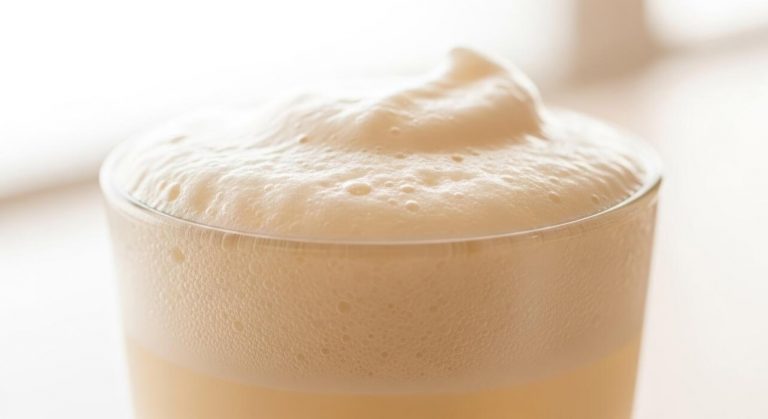
Enhance with flavorings like cocoa powder, cinnamon, or a pinch of salt. Finally, top with cold foam—frothed milk or cream—for a café-style finish. Measure ingredients precisely: 1 cup milk, 2 shots espresso or ½ cup strong coffee, 2 tablespoons syrup, and ice.
Adjust sweetness and creaminess to taste, ensuring each sip is balanced and refreshing.
Best coffee beans and brewing methods
For optimal cold coffee, select medium to dark roast beans with chocolatey, nutty, or caramel notes—these hold up well against milk and ice. Avoid light roasts with bright acidity, which can turn sour when chilled.
Grind beans coarse for cold brew (use a 1:4 coffee-to-water ratio, steep 12-24 hours) or fine for espresso or hot brew that you chill quickly. The cold brew method yields a smooth, low-acid concentrate: combine grounds with cold water, steep in the fridge, then strain.
Alternatively, Japanese-style iced coffee involves brewing hot coffee directly onto ice, preserving aromatic complexity. For instant results, use espresso shots or strong drip coffee (double the grounds) cooled rapidly. Always use filtered water to avoid off-flavors.
Experiment with single-origin beans from Colombia or Ethiopia for fruity undertones, or blends for balanced richness. Store beans in an airtight container, grinding just before brewing.
Tools and equipment for making cold coffee at home
Essential tools include a coffee grinder (burr grinder preferred for consistent grind size), a French press, Moka pot, or cold brew maker for brewing. A fine-mesh strainer or cheesecloth is crucial for filtering cold brew to remove sediment. For hot-brew methods, a pour-over cone or drip machine works.
Use a tall glass or mason jar for mixing and serving. A milk frother (handheld or electric) creates velvety cold foam or whipped cream. Invest in a digital kitchen scale for precise measurements—aim for 30g coffee per 120ml water for cold brew concentrate.
A sturdy ice cube tray (silicone for easy release) lets you freeze coffee cubes. For stirring, a long spoon or straw ensures even mixing. Clean all equipment immediately after use to prevent coffee oil buildup.
Optional upgrades: a thermometer to check water temperature (195-205°F for hot brew) and a vacuum-insulated carafe to keep cold coffee chilled without dilution.
How to Make Cold Coffee with Instant Coffee

Quick cold coffee recipe using instant coffee powder
For a speedy and satisfying cold coffee, you need just a few basic ingredients. Start with 2 teaspoons of instant coffee powder, 2 teaspoons of sugar (adjust to taste), and 2 tablespoons of warm water. Dissolve the coffee and sugar in the warm water, stirring until fully mixed—this prevents graininess.
Then, fill a glass with cold milk (dairy or plant-based) and add a handful of ice cubes. For extra creaminess, blend the coffee mixture with the milk and a scoop of vanilla ice cream for a frappe-style drink. Pour over ice and enjoy immediately.
This method takes under 5 minutes and delivers a rich, bold flavor without needing espresso machines. Adjust sweetness or add a dash of cinnamon for a twist.
Step-by-step instructions for a creamy glass
To achieve a velvety texture, begin by whisking 1 tablespoon of instant coffee, 1 tablespoon of sugar, and 2 tablespoons of hot water in a bowl until it forms a thick, frothy paste (about 2-3 minutes). This step is crucial for dissolving granules and creating foam.
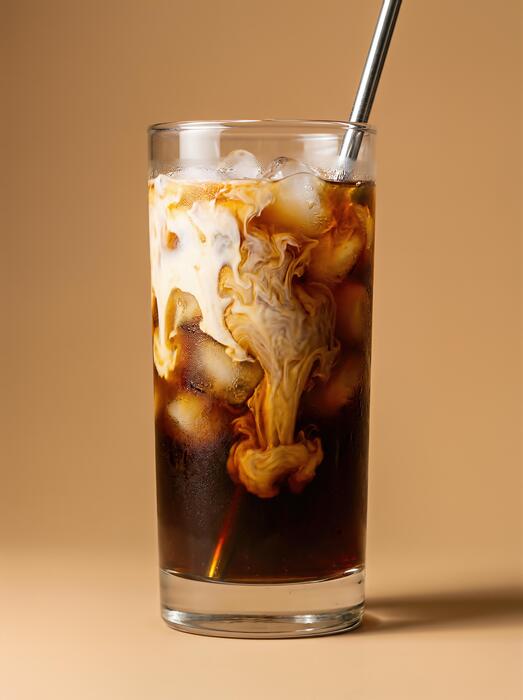
Next, fill a tall glass halfway with ice cubes. Pour 1 cup of cold milk over the ice, leaving room for the coffee foam. Gently spoon the coffee mixture on top, stirring lightly to create swirls.
For an indulgent touch, add a dollop of whipped cream and a drizzle of chocolate syrup. Serve with a straw. The key is to not over-dilute: use full-fat milk or a splash of cream for richness. This method ensures every sip is smooth, creamy, and café-quality.
Tips to avoid bitterness with instant coffee
Instant coffee can turn bitter if not handled properly. First, use fresh, high-quality instant coffee—stale brands often taste harsh. Second, dissolve the coffee completely in hot water before adding cold ingredients; undissolved granules release bitter compounds. Limit the coffee to 1-2 teaspoons per cup; too much overwhelms the flavor.
Balance bitterness with sweetness: add sugar, honey, or a pinch of salt to mellow sharp notes. Cold milk and ice naturally dilute acidity, so use whole milk or a non-dairy alternative like oat milk for creaminess. Avoid boiling water, which extracts bitter oils—use water just off the boil.
Finally, stir well after combining all ingredients to ensure even distribution. These steps transform instant coffee into a smooth, refreshing cold brew alternative.
How to Make Cold Coffee with Brewed Coffee
Cold brew method for smooth cold coffee
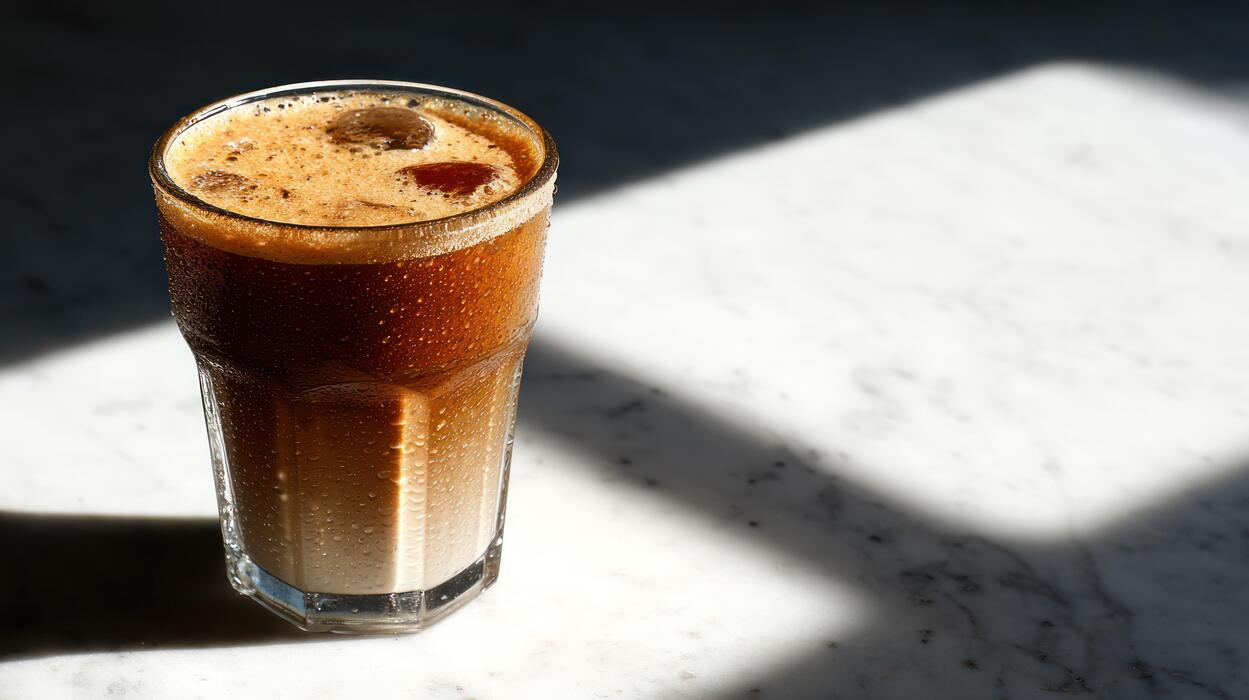
For the smoothest, least acidic cold coffee, use the cold brew method. Start by coarsely grinding your favorite coffee beans—a 1:8 ratio of coffee to water works best. Combine the grounds with cold, filtered water in a large jar or pitcher, stirring gently to ensure all grounds are saturated.
Cover and let it steep in the refrigerator for 12 to 24 hours; longer steeping yields a stronger concentrate. After steeping, strain the mixture through a fine-mesh sieve lined with a coffee filter or a nut milk bag to remove all grounds.
The result is a rich, chocolatey concentrate that can be stored in the fridge for up to two weeks. To serve, fill a glass with ice, pour the concentrate over it, and dilute with equal parts water or milk. Add sweetener or flavored syrups to taste.
This method requires planning ahead but delivers a consistently smooth, never bitter cold coffee that highlights the beans’ natural sweetness.
Hot brew and chill technique for faster results
When you need cold coffee quickly, the hot brew and chill technique is your best bet. Brew a double-strength batch of hot coffee using your usual method—drip, French press, or pour-over—but with half the water you normally use. For example, use 2 tablespoons of coffee per 6 ounces of water.
Once brewed, let it cool at room temperature for about 10 minutes, then transfer to a heat-safe container and refrigerate uncovered until chilled, typically 30-60 minutes.
To speed things up, pour the hot coffee over a glass full of ice cubes; this instantly cools it while diluting to a normal strength.
For an even quicker version, brew directly over ice: place ice in your carafe or glass, then brew hot coffee over it, using slightly less water to account for melting.
This method preserves more of the coffee’s aromatic oils and complex flavors compared to cold brew, but it can develop acidity if left too long. Serve immediately over fresh ice with milk or cream for a refreshing, fast cold coffee.
Best ratios of coffee to water for cold coffee
Getting the right coffee-to-water ratio is crucial for balanced cold coffee. For cold brew concentrate, use a 1:4 to 1:8 ratio by weight—1 part coffee to 4-8 parts water.
A 1:4 ratio (e.g., 1 cup coffee to 4 cups water) creates a very strong concentrate that you’ll dilute with equal parts milk or water when serving. A 1:8 ratio yields a milder concentrate, perfect for drinking straight over ice.
For hot brew and chill, use a 1:12 to 1:15 ratio (standard coffee strength) but double the coffee grounds if you plan to add ice, which melts and dilutes the drink.
For example, use 2 tablespoons of coffee per 6 ounces of water, then pour over a full glass of ice. If you prefer a creamier texture, replace some water with milk or a milk alternative—try a 1:1 coffee-to-milk ratio for a café-style iced latte.
Always measure by weight for consistency: a digital scale ensures you hit the sweet spot. Adjust ratios based on your taste preference—start with 1:8 for cold brew and 1:14 for hot brew, then tweak until it’s perfect for you.
Best Ways to Add Flavor to Your Cold Coffee
Vanilla, caramel, and chocolate syrup variations
Transform your cold coffee into a decadent treat with simple syrup additions. For a classic vanilla flavor, stir in 1-2 teaspoons of pure vanilla extract or vanilla syrup per cup. For a richer profile, use vanilla bean paste or make your own syrup by simmering sugar, water, and vanilla beans.
Caramel lovers can drizzle store-bought caramel sauce over ice before pouring coffee, or create a quick caramel syrup by melting 1/4 cup brown sugar with 2 tablespoons water until dissolved.
For chocolate, mix in 2 tablespoons of chocolate syrup or 1 tablespoon of cocoa powder blended with 1 tablespoon of hot water to form a paste. Combine syrups for a turtle mocha effect: add chocolate syrup, caramel, and a pinch of sea salt.
Always start with a small amount, taste, and adjust—syrups can quickly overpower. For a healthier twist, use sugar-free versions or date syrup for natural sweetness. Stir thoroughly to ensure even distribution, especially in iced drinks.
Using spices like cinnamon or nutmeg
Spices add warmth and complexity to cold coffee without extra sugar. Start by sprinkling 1/4 teaspoon of ground cinnamon directly into your brewed coffee before chilling, or stir it into the milk for a smoother blend.
For a stronger kick, use cinnamon sticks—steep one in hot coffee for 5 minutes, then cool. Nutmeg offers a slightly sweet, nutty note; grate fresh nutmeg (about 1/8 teaspoon) over your finished drink for the best aroma.
Try a spice blend: mix cinnamon, nutmeg, and a pinch of cardamom for a chai-inspired flavor. For a creamy texture, whisk 1/2 teaspoon of pumpkin pie spice into your milk or creamer before combining. To avoid clumps, dissolve spices in a small amount of hot water or milk first.
If using a blender, add spices with the ice for even distribution. These spices pair well with vanilla extract or a dash of honey for a balanced, aromatic cold coffee.
Dairy-free and vegan flavor options
Enhance your cold coffee with plant-based milks and natural flavor boosters. Oat milk provides a creamy, neutral base that froths well, while coconut milk adds a subtle tropical sweetness. For nutty notes, use almond or cashew milk—shake before pouring to avoid separation.
Add 1-2 tablespoons of coconut cream for richness without dairy. Flavor with maple syrup, agave nectar, or date paste for natural sweetness—start with 1 teaspoon and adjust. For a protein boost, blend in 1 scoop of vegan vanilla or chocolate protein powder with a splash of plant milk.
Spices like cardamom or ginger work beautifully with oat or coconut milk. For a creamy texture without milk, try blending cold coffee with a frozen banana and a dash of cinnamon.
Avoid flavored creamers with additives; instead, make your own by whisking coconut milk with vanilla extract and a pinch of salt. Always taste and adjust sweetness, as plant milks vary in flavor.
Tips for Making Creamy and Frothy Cold Coffee
How to froth milk without a machine
Achieving creamy froth for your cold coffee doesn’t require an expensive espresso machine. Start with cold whole milk or oat milk for the best texture. Pour the milk into a jar with a tight-fitting lid, filling it no more than halfway.
Shake vigorously for 30–60 seconds until the milk doubles in volume and becomes foamy. Remove the lid and microwave the jar (without the lid) for 30 seconds to stabilize the foam, then let it cool.
Alternatively, use a French press: pour cold milk into the press and pump the plunger up and down for 30–45 seconds until frothy. For a quick fix, whisk the milk in a bowl with a hand whisk or fork for 2–3 minutes.
To enhance creaminess, add a teaspoon of sugar before frothing—it helps create denser foam. Always use chilled milk and a cold bowl or jar to maximize volume. This DIY method gives you barista-level froth without any gadgets, perfect for topping your cold coffee.
Using ice cream or condensed milk for richness
Elevate your cold coffee’s richness by incorporating vanilla ice cream or sweetened condensed milk. For a dessert-like treat, blend 2–3 scoops of ice cream directly with your coffee, milk, and ice. This creates a thick, creamy shake with a velvety texture and natural sweetness, eliminating the need for extra sugar.
Opt for full-fat vanilla or chocolate ice cream for the best mouthfeel. Alternatively, stir in 1–2 tablespoons of condensed milk per cup. It dissolves instantly, adding a silky consistency and caramel-like sweetness. To avoid an overly sugary drink, adjust the quantity based on your preference.
For a healthier twist, use coconut condensed milk or low-fat ice cream. Both ingredients also enhance froth—ice cream adds body when blended, while condensed milk thickens the coffee base. Experiment with flavors like hazelnut or mocha ice cream for a gourmet spin.
This method turns your cold coffee into a luxurious, café-worthy indulgence with minimal effort.
Blending techniques for a café-style texture
The key to a café-style cold coffee lies in proper blending technique. Start with strong brewed coffee that’s chilled (or instant coffee dissolved in minimal water). Add it to a blender with milk, ice cubes, and any sweetener or flavoring.
For a velvety texture, use a high-speed blender and pulse initially to break the ice, then blend on high for 30–45 seconds until smooth and frothy. Avoid over-blending, which can make the drink watery—stop when you see a thick foam layer on top.
To mimic a frappé, use 2–3 ice cubes per cup and add a splash of heavy cream or half-and-half for creaminess. For extra froth, blend in a tablespoon of dry milk powder or a pinch of xanthan gum.
Always layer the ingredients in the blender: liquid first, then ice, to ensure even mixing. Serve immediately in a chilled glass for the best texture. This technique delivers a smooth, airy consistency with a thick, lasting foam that rivals any coffee shop.
Common Mistakes to Avoid When Making Cold Coffee
Using too much or too little coffee
Getting the coffee-to-water ratio right is crucial for a balanced cold coffee. Using too much coffee results in an overly bitter, harsh drink that overpowers any milk or sweetener. On the other hand, too little coffee yields a watery, weak brew that lacks depth and flavor.
To avoid this, use a standard ratio of 1 to 2 tablespoons of ground coffee per 6 ounces of water for cold brew concentrate.
For a regular cold coffee made with hot brew, use double the amount of coffee you’d normally use for hot coffee, since the ice will dilute it. Start with a baseline of 2 tablespoons per cup of water and adjust based on your taste preference.
Always measure carefully with a scale or measuring spoons. Remember, you can always dilute a strong brew with milk or water, but you cannot fix a weak one. Taste your base coffee before adding ice or milk to ensure it’s robust enough to shine through the other ingredients.
Adding ice before cooling the coffee
Pouring hot coffee directly over ice is a common shortcut that leads to a watery, diluted mess. The heat from the coffee rapidly melts the ice, watering down the flavor and creating an uneven texture.
To achieve a rich, concentrated cold coffee, you must cool the coffee completely before adding ice. The best method is to brew your coffee using a cold brew process (steeping grounds in cold water for 12-24 hours) which eliminates heat entirely.
If using hot brew, let it cool to room temperature, then refrigerate for at least 2 hours or until fully chilled. Alternatively, brew a double-strength hot coffee and cool it before pouring over ice, so the dilution brings it to a normal strength.
For an even faster fix, use coffee ice cubes made from leftover coffee, so they enhance rather than weaken your drink. Patience is key—chilling first ensures every sip is bold and refreshing.
Skipping the sweetener or dilution step
Cold temperatures mute our perception of sweetness and flavor, so skipping sweetener or dilution often results in a flat, unenjoyable drink. Without adjusting for this, your cold coffee can taste bitter, sour, or overly acidic.
Always add a sweetener like simple syrup, honey, or sugar while the coffee is still warm or at room temperature, as cold liquids don’t dissolve sugar well. For a smooth finish, use 1-2 teaspoons of sweetener per cup to start.
Additionally, dilution is essential—cold coffee concentrate should be mixed with milk, cream, or water to achieve the right strength. A good starting point is a 1:1 ratio of concentrate to milk or water.
Taste and adjust: if it’s too strong, add more liquid; if it’s too sweet, balance with a splash of unsweetened milk. Don’t skip these steps—they transform a harsh brew into a creamy, balanced treat. Experiment with vanilla or flavored syrups for extra depth.
How to Serve and Store Cold Coffee
Garnishing ideas for a professional look
Elevate your cold coffee with simple garnishes that create a café-style finish. Start by topping with a light layer of frothed milk or cold foam for a creamy, airy texture. Dust with cocoa powder, cinnamon, or nutmeg using a fine-mesh strainer for a polished look.
Add chocolate shavings or espresso beans on top for a crunchy contrast. For a refreshing twist, use a sprig of mint or a thin slice of orange peel—the oils add subtle aroma without overpowering the drink.
Drizzle caramel or chocolate syrup in a zigzag pattern inside the glass before pouring, then finish with whipped cream and a cherry. If serving iced, place ice cubes made from coffee to prevent dilution while keeping the flavor strong. A cinnamon stick or vanilla bean can double as a stirrer.
These touches make your cold coffee visually appealing and show attention to detail, perfect for impressing guests or enjoying a special treat at home.
Best glassware and presentation tips
Choose tall, clear glasses like highball or Collins glasses to showcase the layers of your cold coffee. For a more elegant look, use stemmed glasses such as wine or martini glasses, especially for iced lattes or blended drinks.
Chill the glass in the freezer for 10–15 minutes before serving to keep the coffee cold longer. Pour the coffee over large ice cubes or coffee ice cubes to slow melting and maintain flavor.
Layer ingredients carefully: start with milk or syrup at the bottom, then add ice, and slowly pour the coffee over the back of a spoon to create distinct strata. Garnish near the rim to avoid sinking into the drink, and serve with a straw or long spoon for stirring.
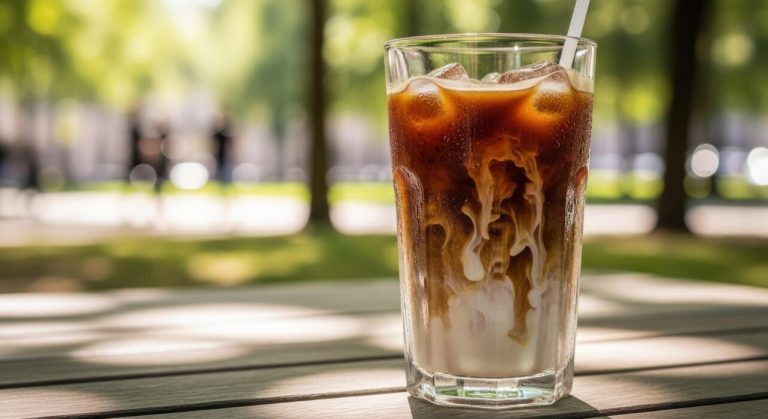
For a rustic feel, use mason jars with reusable straws. Presentation matters because it enhances the drinking experience—clear glasses let you admire the rich color and creamy layers, making every sip feel indulgent and thoughtfully prepared.
Storing leftover cold coffee in the fridge
To keep leftover cold coffee fresh, transfer it to an airtight container or a glass bottle with a tight lid immediately after brewing. Avoid leaving it at room temperature for more than two hours.
Refrigerate for up to 3–4 days for best flavor, but note that coffee’s aroma and taste may fade over time. Do not add milk, cream, or sweeteners before storing—add these only when serving to prevent separation or sourness. If you’ve already added dairy, consume within 24 hours.
For coffee ice cubes, pour leftover coffee into an ice cube tray and freeze; these can be used later in iced drinks without diluting them. Before drinking leftover cold coffee, stir or shake well as some sediments may settle.
You can also reheat it gently on the stovetop or microwave, but cold coffee is best enjoyed chilled. Proper storage ensures you always have a quick, refreshing base for your next iced latte or mocha without waste.
Frequently Asked Questions
What is the basic recipe for cold coffee?
The basic cold coffee recipe involves mixing 1-2 teaspoons of instant coffee with a small amount of hot water to dissolve, then adding cold milk, sugar to taste, and ice cubes. Blend everything together until frothy for a smooth, café-style drink.
How do I make cold coffee without a blender?
You can make cold coffee without a blender by shaking the dissolved coffee, milk, and sugar vigorously in a sealed jar or using a whisk to create foam. Pour the mixture over ice for a quick, refreshing version.
What is the difference between iced coffee and cold brew coffee?
Iced coffee is brewed hot and then chilled with ice, while cold brew is made by steeping coarse coffee grounds in cold water for 12-24 hours. Cold brew is smoother and less acidic, whereas iced coffee is stronger and more aromatic.
How can I make cold coffee creamy and frothy?
To make cold coffee creamy and frothy, use full-fat milk or add a splash of heavy cream, and blend the mixture with ice until thick. Alternatively, shake the ingredients in a sealed container with a pinch of salt to enhance foam.
Can I use instant coffee for cold coffee?
Yes, instant coffee works perfectly for cold coffee. Dissolve it in a tablespoon of hot water first to ensure it blends smoothly, then combine with cold milk and ice for a quick and easy drink.
How do I make a Starbucks-style cold coffee at home?
To make Starbucks-style cold coffee, brew strong coffee (or use espresso), chill it, and mix with milk, ice, and a sweetener like vanilla syrup. Top with cold foam made from frothed milk for a similar texture and taste.
What are some popular variations of cold coffee?
Popular variations include adding chocolate syrup for a mocha, vanilla extract for a classic flavor, or a scoop of ice cream for a frappé-style drink. You can also use oat milk or almond milk for a dairy-free version.
Conclusion
Mastering cold coffee at home is simple and rewarding. Start with strong brewed coffee, cool it quickly, and customize with milk, sweetener, or ice cream. For a creamier texture, blend with ice. The key is using quality beans and chilling thoroughly. Experiment with flavors like vanilla or caramel to make it your own. Ditch the coffee shop lines and enjoy a refreshing, café-quality drink anytime.