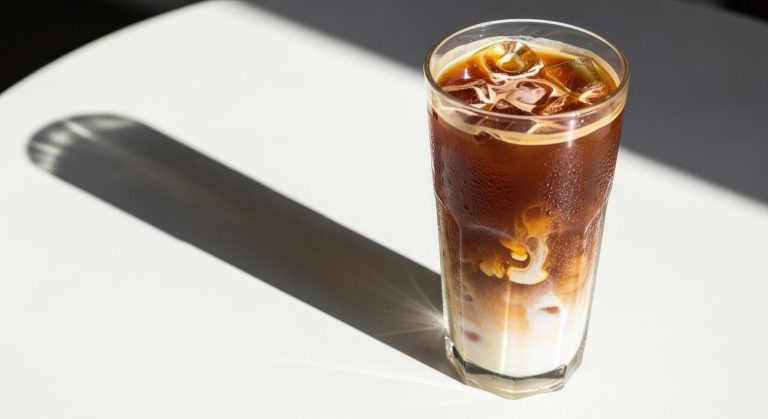
How To Make Stok Cold Brew At Home
Craving that smooth, bold flavor of Stok but tired of paying café prices? how to make stok cold brew at home is simpler than you think—no fancy gear needed. The secret is a coarse grind, a long steep, and the right ratio. You’re in the right place to nail that signature low-acid, velvety concentrate without the guesswork. Let’s get brewing.
What Is Stok Cold Brew and Why Make It at Home
The Stok cold brew flavor profile explained
Stok cold brew is known for its smooth, bold flavor that is not overly acidic or bitter, making it highly drinkable black or with milk. To replicate this at home, focus on a coarse grind and a long, cold steep of 16-24 hours.
Use a medium-to-dark roast coffee with chocolate or nutty notes to mimic Stok’s signature taste. The key is a 1:4 coffee-to-water ratio for concentrate, then dilute to your preference. For a true Stok-style result, avoid hot brewing methods—cold extraction preserves the low acidity and smooth mouthfeel.
Experiment with steeping time: 18 hours yields a balanced flavor, while 24 hours extracts deeper richness. Always filter through a fine mesh or paper filter to remove all grit, ensuring a clean finish. Serve over ice and adjust dilution to match Stok’s ready-to-drink strength.
This method gives you full control over intensity without the sharpness of hot-brewed iced coffee.
Cost savings of homemade vs. store-bought
Making Stok-style cold brew at home can slash your coffee budget by 50-70% compared to buying bottled Stok. A 48-ounce bottle of Stok costs around $5-7, while a homemade batch using 1 cup of quality beans (about $8-12 per pound) yields 6-8 servings of concentrate.
That’s roughly $0.50-$1.00 per serving versus $1.50-$2.00 for store-bought. For heavy drinkers, savings add up quickly—a weekly habit of three bottles could cost $15-21, while homemade runs $3-5. Plus, you avoid single-use plastic waste. To maximize value, buy coffee beans in bulk and grind fresh.
Use a simple mason jar or French press instead of expensive equipment. The initial investment in a reusable filter pays off in weeks. Scale up by making a gallon batch for parties or meal prep. With minimal effort, you get premium taste at a fraction of the cost.
Key ingredients you need for Stok-style cold brew
To make Stok-style cold brew at home, you need just three core ingredients: coffee, water, and time. Start with whole beans—a medium or dark roast with chocolate, caramel, or nutty flavor notes best mimics Stok’s profile. Avoid light roasts, which can be too acidic.
Use filtered water (not tap) to avoid off-flavors; the water-to-coffee ratio is 1:4 by weight for concentrate (e.g., 1 cup coffee to 4 cups water). For equipment, a large jar or pitcher and a fine-mesh strainer or cheesecloth suffice.
Optional: a coffee grinder (set to coarse) for fresh grounds, and a paper filter for ultra-clean texture. No sugar or additives are needed—Stok’s appeal is its pure, unsweetened boldness. For a twist, add a pinch of salt to reduce bitterness. That’s it—no milk, no syrups.
Fresh ingredients and proper ratios are the secrets to nailing the Stok flavor at home.
How to Choose the Best Coffee Beans for Stok Cold Brew

Recommended roast level for smooth Stok taste
To replicate Stok’s famously smooth and bold cold brew at home, start with a medium to dark roast coffee bean. Stok’s original flavor profile is characterized by low acidity and a rich, chocolatey finish, which is best achieved with beans roasted to at least a Full City or Vienna level.
Avoid light roasts, as they tend to be brighter and more acidic, resulting in a tart cold brew that lacks the mellow sweetness you’re aiming for. For the smoothest extraction, choose beans labeled as ‘cold brew blend’ or ‘espresso roast’ since these are typically developed longer to reduce bitterness.
A medium-dark roast like a Colombian or Brazilian single origin works exceptionally well because its natural caramel and nut notes mimic Stok’s signature taste.
Remember, cold brew extracts differently than hot coffee—the long steeping time pulls out deeper flavors, so a slightly darker roast than you’d use for drip coffee is ideal. Test with a 1:4 coffee-to-water ratio and adjust grind size to coarse to prevent over-extraction.
Single-origin vs. blend: which works better
For a Stok-like cold brew, a well-crafted blend often outperforms single-origin beans. Stok’s smoothness comes from balancing different bean characteristics—typically combining Brazilian or Colombian beans for chocolatey body with a touch of Central American or African beans for subtle fruity notes.
Blends are designed to create a consistent, harmonious flavor profile that holds up well to long steeping, while single-origin beans can be unpredictable and may produce one-dimensional or overly acidic cold brew.
That said, if you prefer a specific flavor, a single-origin Brazilian or Sumatran bean can work beautifully because they naturally have low acidity and heavy body. Look for blends labeled specifically for cold brew, as they often include robusta beans (like Stok does) to add crema and caffeine without bitterness.
Avoid bright, fruity single origins from Ethiopia or Kenya unless you want a tea-like cold brew. Ultimately, a blend gives you the balanced, approachable taste that Stok fans love, while single-origin is better for adventurous sippers.
Where to buy beans that match Stok’s flavor
To find beans that mimic Stok’s cold brew profile, start at specialty coffee roasters or online retailers that offer custom blends. Brands like Stumptown, Intelligentsia, or Counter Culture sell cold brew-specific blends that are roasted to enhance smoothness and reduce acidity—perfect for home replication.
For a budget-friendly option, check grocery store aisles for beans labeled ‘cold brew blend’ from roasters like Peet’s or Starbucks; their medium-dark roasts (e.g., Starbucks’ Komodo Dragon or Peet’s Major Dickason’s) deliver chocolatey, low-acid results.
You can also buy directly from Stok’s parent company, Nestlé, though their retail beans are limited.
For freshness, order whole beans from roasters like Trade Coffee or Atlas Coffee Club, where you can filter by ‘low acidity’ or ‘chocolate notes.’ Avoid pre-ground coffee if possible—grind your beans coarse right before brewing to maximize flavor extraction.
If you’re near a local roaster, ask for their ‘cold brew roast’—many offer custom blends with robusta additions that mirror Stok’s signature boldness without bitterness.
Step-by-Step Guide to Making Stok Cold Brew at Home

Tools and equipment you need
To replicate the smooth, bold taste of Stok cold brew at home, start with the right gear. You’ll need a large glass jar or pitcher (at least 64 ounces) with a tight-fitting lid, a fine-mesh strainer, a cheesecloth or a nut milk bag, and a coffee grinder.
Avoid plastic containers as they can absorb odors; glass or stainless steel is best. A coarse grind is critical—use a burr grinder if possible to avoid a muddy, bitter brew. If you don’t have a grinder, ask your local roaster for a coarse grind specifically for cold brew.
Finally, grab a large bowl or second container for filtering. This simple setup ensures a clean, concentrated brew that mimics Stok’s signature profile.
The perfect coffee-to-water ratio for Stok strength
Stok cold brew is known for its bold yet balanced flavor, not overly bitter or watery. The ideal ratio is 1 part coffee to 4 parts water by weight (e.g., 1 cup coffee to 4 cups water).
For a standard 64-ounce batch, use 8 ounces (about 2 cups) of coarsely ground coffee and 32 ounces (4 cups) of cold, filtered water.
This yields a concentrate that you can dilute later to taste—typically 1 part concentrate to 1 part water or milk for a ready-to-drink strength similar to Stok. If you prefer a milder brew, adjust to 1:5, but avoid going below 1:3 to prevent over-extraction and bitterness.
Weighing your ingredients ensures consistency every time.
Steeping time and temperature tips
Stok cold brew’s smoothness comes from a long, cold extraction that minimizes acidity. Steep your coffee grounds in cold or room-temperature water for 12 to 24 hours in the refrigerator. The sweet spot is 18 hours—shorter yields a weaker brew, longer can turn bitter.
Never use hot water, as heat extracts harsh compounds. Stir the grounds and water gently at the start to ensure even saturation, then cover and refrigerate. For best results, keep the temperature consistently between 35°F and 40°F (2-4°C).
If your fridge runs warm, steep for 20 hours; if cold, 16 hours. A timer on your phone helps you nail the exact steeping window.
How to filter your cold brew for clarity
Filtering is the key to Stok’s crystal-clear finish. After steeping, line a fine-mesh strainer with two layers of cheesecloth or use a nut milk bag over a large bowl. Slowly pour the concentrate through, letting gravity do the work—don’t squeeze the grounds, as this releases bitter sediment.
For extra clarity, strain a second time through a coffee filter or a paper towel in the strainer. This step removes fine particles that cause cloudiness. Store the filtered concentrate in a sealed glass jar in the fridge for up to two weeks.
Shake gently before use, as some settling is natural. Enjoy your homemade Stok-style cold brew over ice with your favorite milk or sweetener.
Best Ways to Customize Your Stok Cold Brew Recipe
Adding sweetness without overpowering the coffee
To sweeten your Stok cold brew without masking its bold flavor, start with simple syrup instead of granulated sugar. Dissolve equal parts sugar and water over low heat, then let it cool. This liquid sweetener blends seamlessly into cold coffee.
Use 1 to 2 tablespoons per 8 ounces of brew, then adjust to taste. For a natural twist, try honey or agave nectar—they dissolve easily in cold liquids. Maple syrup adds a subtle, earthy sweetness that pairs well with Stok’s smooth profile.
If you prefer a sugar-free option, stevia or monk fruit drops work well, but start with just a few drops to avoid bitterness. Always sweeten after brewing so you can control the final flavor. Remember, Stok’s iced coffee is already balanced, so less is often more.
Taste as you go and stop when the sweetness complements, not competes with, the coffee’s rich notes.
Milk and cream options for a creamy finish
Transforming your Stok cold brew into a creamy delight starts with choosing the right dairy. Whole milk offers a classic richness that softens the coffee’s acidity without dulling its flavor. For a luscious, velvety texture, half-and-half or heavy cream is ideal—just 1 to 2 tablespoons per cup.
If you’re dairy-free, oat milk is a top pick because its natural sweetness and thickness mimic whole milk. Almond milk works too, but opt for unsweetened to avoid added sugar; its nutty undertones can complement the brew.
Coconut milk adds a tropical hint, while soy milk provides protein and a creamy consistency. For a frothy finish, warm your milk slightly (not boiling) and whisk it before pouring. Pour the milk first, then the cold brew to create a layered look and even mixing.
Adjust the ratio to your preference—start with 1 part milk to 2 parts coffee for a balanced, creamy cup.
Flavor twists: vanilla, caramel, and chocolate
Elevate your Stok cold brew with simple flavor infusions that turn it into a café-style treat. For vanilla, add 1/2 teaspoon of pure vanilla extract or a splash of vanilla syrup to your finished brew. Stir well, then taste and adjust—this adds a warm, aromatic sweetness without overpowering.
For caramel, drizzle 1 to 2 tablespoons of caramel sauce (like Torani or homemade) into the glass before pouring the coffee. Swirl gently to blend, or layer it for a decorative effect. A pinch of sea salt on top creates a salted caramel twist.
For chocolate, mix in 1 tablespoon of chocolate syrup or melt a piece of dark chocolate (70% cocoa) into a small amount of hot water first, then stir into the cold brew. Cocoa powder works too—whisk 1 teaspoon with a splash of milk before adding to the coffee.
Each addition should enhance, not mask, Stok’s smooth profile. Start small and scale up to your taste, then serve over ice for a refreshing, customized drink.
Tips for Storing Homemade Stok Cold Brew

How long cold brew stays fresh in the fridge
Homemade Stok-style cold brew stays fresh in the refrigerator for up to 10 to 14 days when stored properly. Unlike hot-brewed coffee, which oxidizes quickly, cold brew’s slow extraction process results in lower acidity and fewer volatile compounds, extending its shelf life.
For the best flavor, aim to consume your concentrate within the first 7 days, as subtle notes of chocolate and nuttiness are brightest then. After day 10, you may notice a slight dulling of taste, though it remains safe to drink if refrigerated at or below 40°F.
To maximize freshness, always use a clean, airtight container and avoid introducing contaminants by pouring only what you need. Never return used coffee or diluted brew to the main batch. If you’ve mixed your concentrate with water or milk, drink it within 24 hours for peak quality.
Remember that the ‘best by’ window depends on your initial brewing hygiene and the freshness of your coffee grounds.
Best containers to preserve flavor
To preserve the rich, smooth flavor of your homemade Stok cold brew, choose glass or high-quality stainless steel containers over plastic. Glass is non-porous and won’t absorb odors or impart any unwanted tastes, while stainless steel offers excellent light and air protection if it has a tight-sealing lid.
Avoid plastic pitchers or bottles, as they can leach chemicals over time and may retain residual coffee oils that turn rancid. The ideal container is opaque or dark-tinted (like a growler or swing-top bottle) to block light, which degrades flavor compounds.
Ensure the lid creates an airtight seal—oxygen is the main enemy of freshness. For daily use, a 32-ounce mason jar with a plastic or stainless steel lid works perfectly; just keep it in the back of the fridge where temperature fluctuations are minimal.
Never store cold brew in a container that held milk, juice, or strongly flavored foods, as lingering residues can alter the taste. A dedicated container ensures your brew stays bold and clean.
Signs your cold brew has gone bad
Even with proper storage, homemade cold brew can spoil. The first sign is a sour or vinegary smell, which indicates bacterial growth or over-fermentation. Fresh cold brew has a sweet, chocolatey aroma—if it smells sharp or like spoiled fruit, discard it immediately.
Next, check the appearance: look for cloudiness, stringy particles, or mold spots on the surface or along the container’s rim. A thin film or slimy texture is a clear warning sign. Finally, taste a tiny sip—if it tastes flat, overly bitter, or metallic, it’s past its prime.
While cold brew naturally becomes slightly more bitter over time, a sudden shift to an unpleasant flavor means it’s no longer safe. Never rely solely on the ’10-day rule’; trust your senses. If you see any mold, discard the entire batch, as mycotoxins can spread invisibly.
To avoid waste, label your container with the brew date and aim to finish within 7 days. When in doubt, throw it out—your health is worth more than a cup of coffee.
How to Serve Stok Cold Brew Like a Pro
Ideal glassware and ice choices
Serve your homemade Stok cold brew in tall, narrow glasses like a Collins or highball to preserve its concentrated flavor and aroma. The shape minimizes surface area, slowing dilution from melting ice.
For the best experience, use large, dense ice cubes or spheres—they melt slower than crushed ice, keeping your brew strong and cold without watering it down. Alternatively, try coffee ice cubes made by freezing leftover cold brew; they add flavor as they melt instead of diluting.
Chill your glass beforehand by placing it in the freezer for 10 minutes, or rinse it with cold water to maintain temperature. If you prefer a creamier texture, consider a double-walled glass that insulates the drink and prevents condensation.
For iced versions, fill the glass three-quarters full with ice before pouring cold brew over it, leaving room for milk or sweetener if desired. Avoid overfilling to prevent spills. Finally, always pour cold brew slowly over the ice to ensure even chilling and a smooth, professional presentation.
Garnishes that elevate the drink
Elevate your Stok cold brew with simple garnishes that enhance both flavor and visual appeal. Citrus twists—like orange or lemon peel—add a bright, aromatic note that cuts through the coffee’s richness.
Use a vegetable peeler to create a thin strip, then twist it over the glass to release oils before dropping it in. Vanilla or cinnamon sticks double as stirrers, infusing subtle sweetness and warmth as they rest in the brew.
For a creamy finish, top with a dollop of frothed oat milk or a swirl of whipped cream dusted with cocoa powder or nutmeg. Edible flowers like lavender or rose petals offer an elegant, floral touch for special occasions.
If you enjoy a hint of spice, add a star anise pod or a pinch of sea salt to balance bitterness. For a decadent treat, rim the glass with coconut flakes or crushed espresso beans.
Remember, garnishes should complement, not overpower—use them sparingly to let the cold brew’s bold character shine.
Pairing cold brew with food
Pair your Stok cold brew with foods that complement its smooth, bold flavor without overwhelming it. For breakfast or brunch, serve it alongside buttery croissants, banana bread, or blueberry muffins—the coffee’s low acidity highlights their sweetness.
In the afternoon, balance its richness with dark chocolate, almond biscotti, or salted caramel desserts; the bitterness of the brew cuts through sugar, creating a harmonious contrast. For savory options, try aged cheddar or Gruyère cheese, whose nutty notes mirror the coffee’s roasted undertones.
Spicy dishes like barbecue pulled pork or chipotle chicken pair well because the cold brew’s smoothness cools the heat. At brunch, match it with avocado toast or smoked salmon on rye—the creaminess of avocado or fish offsets the brew’s intensity.
Avoid overly sweet or acidic pairings, like citrus-heavy fruits, as they clash with cold brew’s profile. Instead, focus on earthy, nutty, or creamy flavors to create a balanced, professional pairing experience.
Common Mistakes to Avoid When Making Stok Cold Brew
Over-extraction and bitter taste fixes
To avoid a bitter, harsh brew when making Stok cold brew at home, control your steep time and water ratio. Over-extraction happens when coffee grounds release too many tannins, often from steeping longer than 18-24 hours at room temperature.
For a smooth, Stok-like profile, use a 1:8 coffee-to-water ratio (e.g., 1 cup coffee to 8 cups water) and steep in the refrigerator for exactly 16-18 hours. If your brew tastes bitter, reduce steep time by 2-3 hours or dilute with filtered water before serving.
Always use filtered water to avoid off-flavors from chlorine or minerals. Another fix: add a pinch of salt to the finished brew—it masks bitterness without adding saltiness. For a cleaner taste, grind your beans coarsely (see next section) to prevent over-extraction.
If you prefer a stronger concentrate, steep for 20 hours max, then dilute with milk or water. Remember, cold brew extracts more caffeine, so a bitter batch is often a sign of over-steeping, not under-diluting. Adjust time first, then ratio.
Using the wrong grind size
The single most common mistake in homemade cold brew is using a fine grind, which leads to over-extraction and muddy flavors. For a clean, crisp Stok-style cold brew, you need a coarse, uniform grind—similar to breadcrumbs or sea salt.
Fine grinds (like espresso or drip) increase surface area, causing excessive extraction of bitter compounds and making filtration a nightmare. Invest in a burr grinder set to the coarsest setting, or ask your local roaster to grind for cold brew. Avoid blade grinders, which produce uneven particles.
A coarse grind ensures water flows evenly through the grounds, releasing smooth, chocolatey notes without harshness. If your brew tastes astringent or gritty, your grind is too fine. Test by pinching the grounds: they should feel chunky, not powdery.
For best results, use a 1:4 or 1:8 ratio with coarse grind and steep 16-18 hours. Remember, cold brew relies on time, not grind fineness, so trust the coarse texture.
Skipping the filtration step
Filtration is crucial for a silky, sediment-free cold brew like Stok. Many home brewers skip double-filtration, resulting in a gritty, cloudy drink with bitter sludge at the bottom. After steeping, strain through a fine-mesh sieve lined with a coffee filter or a nut milk bag.
For best clarity, use a two-step process: first pour through a colander to remove large grounds, then through a paper filter or cheesecloth. Never press or squeeze the grounds—that forces fine particles and bitterness into your brew. If using a French press, press slowly and avoid disturbing the sediment.
For large batches, a dedicated cold brew filter bag (like a reusable muslin sack) simplifies cleanup. Store your filtered brew in a sealed glass container in the fridge for up to two weeks. If you notice cloudiness, re-filter through a clean paper filter.
Skipping this step is the top reason for gritty texture and shortened shelf life. Invest in a fine filter for that smooth, clean finish.
Frequently Asked Questions
What is Stok cold brew and how does it differ from regular cold brew?
Stok cold brew is a popular brand known for its smooth, not-too-bitter flavor, often achieved through a specific blend of beans and a slow steeping process. To replicate it at home, you’ll want to use a medium or dark roast coffee with low acidity and steep it for 12-24 hours to mimic its signature taste.
What coffee-to-water ratio should I use for Stok-style cold brew?
For a Stok-like concentrate, use a 1:4 ratio of coffee to water by weight (e.g., 1 cup coffee to 4 cups water). This yields a strong base that you can dilute with water or milk to match Stok’s ready-to-drink smoothness, typically a 1:1 dilution.
What grind size is best for making Stok cold brew at home?
Use a coarse grind, similar to breadcrumbs or sea salt, to prevent over-extraction and bitterness. A finer grind can make the brew cloudy and harsh, while too coarse may result in weak flavor.
How long should I steep the coffee to get Stok’s smooth taste?
Steep for 12 to 24 hours at room temperature or in the fridge. Stok’s profile is achieved with a longer steep (around 18-20 hours) to extract flavor without bitterness, so aim for 18 hours if possible.
Can I use a French press or Mason jar to make Stok cold brew?
Yes, both work well. For a Mason jar, combine coarse grounds and water, steep, then strain through a fine-mesh sieve or cheesecloth. A French press allows easy straining by pressing the plunger after steeping.
How do I make Stok cold brew without special equipment?
Simply mix coarse coffee grounds and cold water in a large container, cover, and let it steep for 18 hours. Strain through a coffee filter, paper towel, or fine strainer into a pitcher. This method is cost-effective and produces a similar result.
What type of coffee beans should I use to mimic Stok’s flavor?
Stok uses a blend of Arabica and Robusta beans for a bold yet smooth taste. At home, choose a medium-dark roast with chocolate or nutty notes, like a Colombian or Brazilian bean, to get that balanced, non-acidic profile.
How should I store homemade Stok cold brew and how long does it last?
Store your cold brew in an airtight container in the refrigerator for up to 2 weeks. Keep it away from light and heat to maintain freshness, and always dilute it before drinking to match Stok’s ready-to-drink strength.
Conclusion
Making stok cold brew at home is simple: steep coarsely ground coffee in cold water for 12-24 hours, then filter. The key is using a 1:4 coffee-to-water ratio for a concentrate, which you dilute to taste. This method yields a smooth, less acidic brew that saves money and allows customization. Give it a try—your perfect iced coffee is just a steep away.