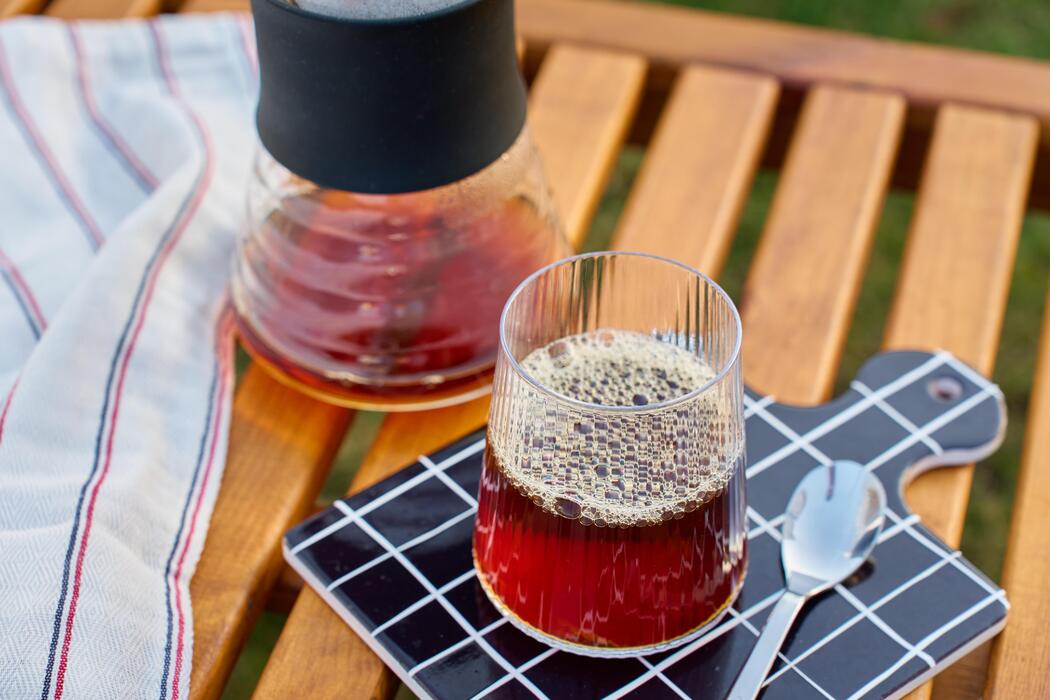
How To Make French Press Cold Brew
You do not need a fancy gadget to enjoy smooth, low-acid coffee at home. If you have a French press sitting in your kitchen, you already have the perfect tool for crafting delicious cold brew. This simple method relies on time rather than heat to extract rich flavors from your favorite beans. In this guide, we will show you exactly how to master the coffee-to-water ratio and steeping time to achieve cafe-quality results by tomorrow morning. Let us dive in.
What is French Press Cold Brew?
The Difference Between Cold Brew and Iced Coffee
Understanding the distinction between these methods is essential for mastering your home cafe setup. Traditional iced coffee is brewed quickly using hot water and then poured over ice, which can lead to a watered-down consistency and a sharper acidity.
In contrast, cold brew relies on time rather than heat, extracting flavors over a span of twelve to twenty-four hours. By using room temperature or chilled water, you prevent the oxidation of coffee oils that typically causes bitterness.
The result of this patient process is a naturally sweet, low-acid concentrate that maintains its integrity even when diluted with milk or water.
When you learn how to make French press cold brew, you are essentially adopting a slow-steeping philosophy that highlights the bean’s natural profile without the harsh bite of thermal extraction.
This method ensures a silky mouthfeel and a heavy body that hot-brewed coffee simply cannot replicate, making it the ideal choice for those with sensitive stomachs or a preference for mellow, chocolatey notes.
Why the French Press is Perfect for Cold Brewing
The French press is arguably the most efficient tool for creating high-quality cold brew at home because it is designed specifically for full-immersion brewing.
Unlike drip methods where water passes through the grounds, the French press allows every single coffee particle to remain in constant contact with the water for the entire duration of the steep. This ensures a uniform and complete extraction of flavors.
Additionally, the built-in stainless steel mesh plunger acts as a perfect filter, eliminating the need for disposable paper filters that can strip away essential oils. To achieve the best results, always use a consistent coarse grind to prevent the mesh from clogging and to ensure a clean cup.
Because the vessel is self-contained, you can easily store it in your refrigerator or on your counter during the steeping phase. This all-in-one functionality simplifies the process, making it accessible for beginners while providing the precision required by coffee aficionados to produce a robust, professional-grade concentrate every single time.
Flavor Profile of Immersion Cold Brew
When you utilize a French press for cold extraction, the resulting flavor profile is remarkably distinct from any other brewing style. Because the grounds are fully submerged, the water extracts a deep, complex sweetness with prominent notes of cocoa, caramel, and nuts.
The lack of heat means that the volatile acidic compounds are never released, resulting in a beverage that is roughly 60% less acidic than hot coffee. This makes the flavor exceptionally smooth and round on the palate.
Furthermore, the metal filter of the French press allows natural coffee lipids and oils to pass into the final brew, contributing to a rich, velvety texture and a lingering finish.
This immersion technique brings out the subtle nuances of medium and dark roasts particularly well, transforming what might be a smoky bean into a creamy, dessert-like treat.
Whether you drink it black or with a splash of cream, the immersion method provides a bold, concentrated base that serves as a versatile foundation for various iced coffee recipes.
Essential Equipment and Ingredients
Choosing the Right Coffee Beans
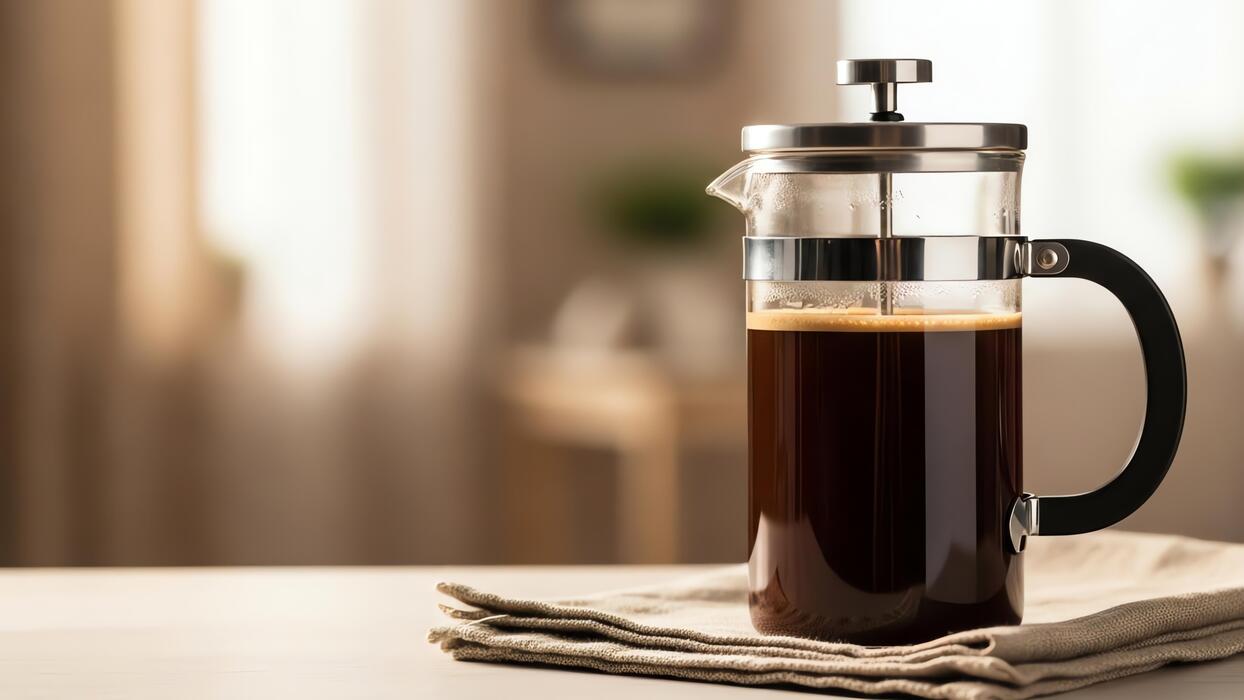
To achieve a smooth and chocolatey profile when making French press cold brew, you must start with coarsely ground coffee beans. Because the steeping process lasts for twelve to twenty-four hours, using a fine grind will lead to over-extraction and a muddy, bitter result.
Look for medium to dark roast beans, as these typically possess the low acidity and bold flavor notes that shine in a cold immersion environment. While light roasts can work, they often lack the body required for a traditional concentrate.
For the best flavor, prioritize freshly roasted whole beans and grind them yourself immediately before brewing to preserve volatile aromatic oils.
Ensuring your grounds resemble kosher salt or coarse sea salt is the most critical step in preventing the mesh filter of your French press from clogging while allowing for a clean, sediment-free finish.
Quality beans act as the foundation for the entire beverage, so selecting a high-quality single-origin or a specialized cold brew blend will significantly elevate the final taste.
Why Water Quality Matters
Since cold brew is composed of approximately ninety-eight percent water, the quality of your liquid base is just as important as the coffee itself.
You should always use filtered or bottled spring water to ensure that chlorine, minerals, and other impurities found in tap water do not interfere with the delicate flavor profile of your beans.
Avoid using distilled water, as it lacks the essential minerals needed to effectively extract the flavorful compounds from the coffee grounds, often resulting in a flat or metallic taste.
Starting with cool or room temperature water is essential; never use hot water for this method, as the goal is a slow, cold extraction that minimizes acidity and bitterness.
By utilizing a high-quality filtration system, you provide a neutral canvas that allows the natural sweetness and complex nuances of the coffee to remain the focal point.
Consistency in your water source will ensure that every batch of concentrate you produce in your French press maintains a professional, cafe-quality standard that is both refreshing and balanced.
Measuring Tools for Consistency
Precision is the secret to mastering the perfect French press cold brew, making digital kitchen scales an indispensable tool for every home barista. Relying on volume measurements like scoops or cups can be inaccurate because different coffee roasts have varying densities, leading to inconsistent strength between batches.
For a standard concentrate, aim for a coffee-to-water ratio of 1:4 or 1:5 by weight, which ensures a robust result that can be diluted with milk or water later.
If you do not have a scale, use a standard measuring cup but remain as precise as possible with your ratios to avoid a weak or watery infusion.
Additionally, a long-handled spoon or spatula is necessary to gently stir the grounds, ensuring every particle is fully saturated before you place the lid on the carafe.
Documenting your exact measurements allows you to make minor adjustments to future batches, helping you find the perfect strength and flavor intensity for your specific palate. Consistent measurement practices turn a simple kitchen experiment into a reliable, repeatable daily routine for high-quality caffeine.
The Best Coffee to Water Ratio for Cold Brew
Making a Cold Brew Concentrate
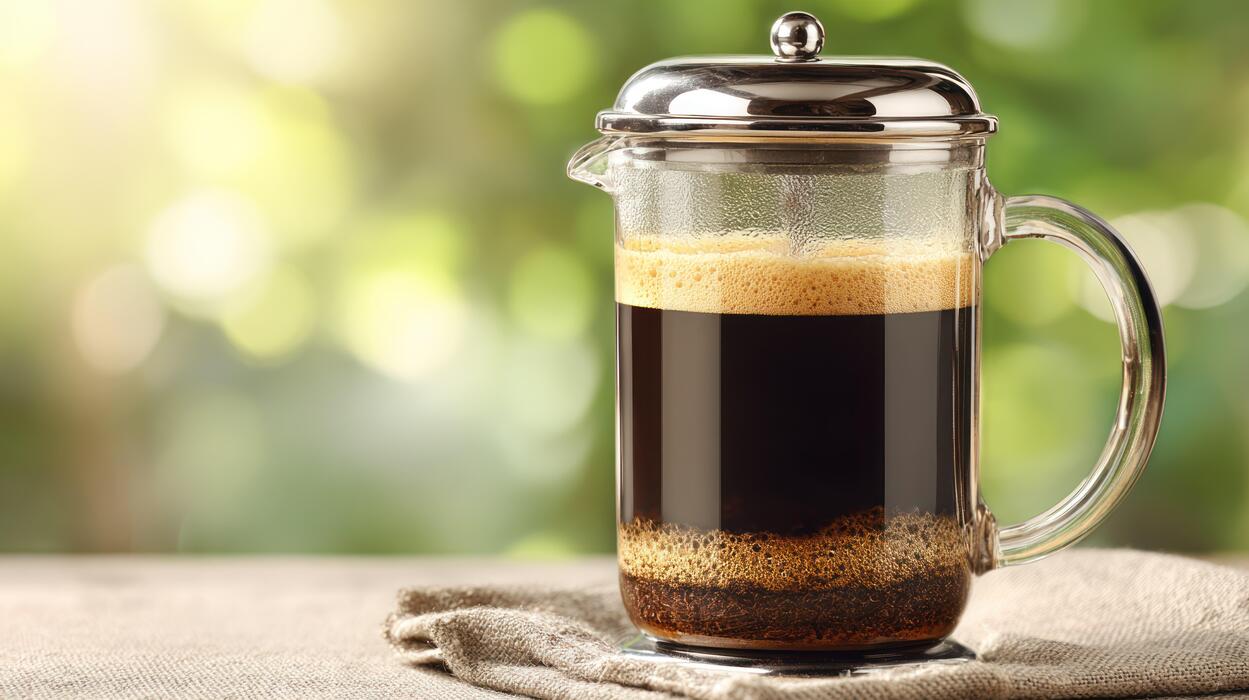
To craft a robust cold brew concentrate using a French press, the ideal ratio is 1:4 or 1:5 by weight. This means for every 100 grams of coarsely ground coffee, you should add 400 to 500 milliliters of filtered water.
Because this method yields a powerful, syrupy base, it is perfect for those who enjoy adding milk, cream, or large amounts of ice without diluting the flavor profile.
When using your French press, ensure you use a coarse, sea-salt grind size to prevent the mesh filter from clogging and to avoid over-extraction during the long steeping process.
Simply stir the grounds and water gently to ensure even saturation, then let the carafe sit at room temperature or in the fridge for 12 to 18 hours.
When you are ready to serve, press the plunger down slowly and dilute your concentrated brew with equal parts water or milk to suit your specific taste preferences perfectly.
Ready-to-Drink Ratios
If you prefer a coffee that is ready to pour directly from the French press into your glass, a 1:8 or 1:10 ratio is the most effective approach.
This lighter ratio produces a smooth, refreshing beverage that highlights the subtle tasting notes of the bean without the intense punch of a concentrate. For a standard 34-ounce French press, you would typically use about 85 grams of coffee to 850 milliliters of water.
This method is particularly helpful for beginners because it removes the guesswork of dilution after the brewing process is complete. Make sure to use filtered, cold water to maintain a clean taste and prevent any bitterness from developing.
Since the water-to-coffee contact is higher, you might find that a 14-hour steep time is the sweet spot for a balanced cup. Once the timer is up, press the plunger and enjoy your chilled coffee immediately over a few cubes of ice for the best possible experience.
How to Scale the Recipe for Any French Press Size
French presses come in various sizes, ranging from small 3-cup versions to large 12-cup carafes, so knowing how to scale your recipe is essential for consistency.
The easiest way to scale is by using a digital kitchen scale to measure in grams, as volume measurements like scoops can be inaccurate due to bean density. To find your required coffee amount, simply divide the total capacity of your French press by your chosen ratio number.
For example, if you have a 1000ml press and want a 1:10 ratio, use 100 grams of coffee. Always leave about an inch of headspace at the top of the carafe to allow the plunger to fit securely without overflowing.
If you find your brew is too weak, slightly increase the coffee amount by 5-10 grams in your next batch rather than extending the brew time beyond 24 hours, which can lead to oxidation.
Mastering this simple math ensures you get a perfectly balanced cold brew every single time, regardless of equipment size.
Step-by-Step Guide to Making French Press Cold Brew
Grinding Your Beans for a Coarse Texture
To achieve a clean and vibrant French press cold brew, the foundation begins with the quality and size of your coffee grounds. You must use a coarse grind setting, which should resemble the texture of sea salt or cracked peppercorns.
Using a fine grind will lead to over-extraction, resulting in a bitter flavor and a muddy sediment that bypasses the metal mesh filter. For the best results, use freshly roasted whole beans and a burr grinder to ensure uniformity across all particles.
Aim for a coffee-to-water ratio of 1:4 or 1:5 if you prefer a strong concentrate, or 1:8 for a ready-to-drink beverage. Measure your ingredients by weight using a digital scale to maintain consistency between batches.
This initial preparation phase is critical because the surface area of the coarse grounds allows for a slow, gentle extraction process that highlights the natural sweetness and low acidity of the beans without releasing unwanted harsh tannins into your final glass of refreshing cold brew.
Mixing and Steeping Instructions
Once your beans are ground, add them to the bottom of the glass carafe and slowly pour over room temperature or filtered cold water. It is essential to ensure every coffee ground is fully saturated to prevent dry pockets that hinder extraction.
Use a wooden or plastic spoon to gently stir the mixture, ensuring the coffee and water are thoroughly integrated. Avoid using metal spoons as they can potentially crack or scratch the glass interior of the French press.
After stirring, place the lid on the carafe with the plunger in the fully upright position to keep the vessel sealed. Leave the French press on your kitchen counter or inside the refrigerator for a steeping period of 12 to 24 hours.
A longer steep time typically yields a deeper, more chocolatey flavor profile, while a shorter duration keeps the profile light and fruity. Patience during this stage is vital, as the cold water requires significant time to pull the complex oils and caffeine from the coarse grounds effectively.
The Proper Way to Plunge and Filter
After the steeping process is complete, it is time to separate the liquid from the spent grounds. Slowly and steadily depress the plunger with consistent pressure until it reaches the bottom of the carafe.
If you feel significant resistance, pull the plunger up slightly and then continue moving downward to avoid forcing fine particles through the mesh. Once plunged, you should decant the coffee immediately into a clean glass jar or bottle.
Leaving the liquid in the press with the grounds can lead to over-extraction, making the brew taste increasingly bitter over time. If you prefer an exceptionally crisp and sediment-free finish, you can choose to pour the coffee through a secondary paper filter or a fine-mesh sieve.
Your finished cold brew concentrate can be stored in the refrigerator for up to two weeks. When you are ready to serve, simply dilute the concentrate with water, milk, or ice according to your personal taste preferences, ensuring a smooth and refreshing experience every single time you pour a glass.
How to Avoid Common Cold Brew Mistakes
Preventing Bitter or Sour Flavors
To avoid a batch that tastes overly acidic or unpleasantly bitter, you must prioritize the coarsest grind setting possible on your burr grinder.
When making cold brew in a French press, using a fine grind leads to over-extraction because the water has too much surface area to interact with, resulting in a harsh, biting profile. Conversely, if your coffee tastes sour or weak, you likely haven’t used enough grounds.
Stick to a consistent 1:4 or 1:5 coffee-to-water ratio by weight to ensure a balanced concentrate. Another common mistake is using boiling water to ‘bloom’ the grounds; instead, use filtered, room-temperature water from the start to preserve the delicate chocolatey and nutty notes characteristic of the cold brewing process.
Quality water is essential since it makes up the vast majority of your final beverage, so avoid tap water with heavy mineral scents that can mask the natural profile of your specialty beans during the long soak.
The Ideal Steeping Time and Temperature
Timing is the most critical variable when transforming standard grounds into a smooth concentrate. For a French press sitting on your kitchen counter, aim for a steeping window of 12 to 15 hours.
If you prefer to steep your carafe inside the refrigerator to keep it chilled, you must extend that duration to 18 to 24 hours because the cold environment slows down the extraction process significantly.
Leaving the grounds in for too long—exceeding the 24-hour mark—will result in ‘woody’ or metallic off-flavors that ruin the batch.
To ensure an even extraction throughout the container, give the mixture a gentle stir with a wooden spoon immediately after pouring the water to saturate all the dry pockets of air.
Once the timer is up, do not leave the coffee sitting on the spent grounds; decant the liquid immediately into a clean glass jar to stop the brewing process and maintain the desired flavor profile you worked hard to achieve.
Dealing with Silt and Sediment
The mesh plunger of a French press is notorious for letting fine particles pass through, which can create a muddy texture in your glass. To solve this, press the plunger down very slowly and stop just before you hit the compacted bed of grounds at the bottom to avoid agitation.
If you want a commercially crisp and clean finish, perform a secondary filtration step by pouring the finished concentrate through a standard paper coffee filter or a fine-mesh cheesecloth. This extra step effectively captures the ‘fines’ that the metal screen misses, resulting in a much smoother mouthfeel.
Furthermore, always decant the coffee into a separate storage vessel rather than serving it directly from the press. Allowing the concentrate to rest in the fridge for an hour after filtering lets any remaining microscopic sediment settle at the bottom of the jar.
When you are ready to drink, pour carefully and leave the very last tablespoon of liquid behind to ensure your final cup is perfectly clear and grit-free.
Best Ways to Serve and Store Your Cold Brew
How to Dilute Your Concentrate
Once you have finished the brewing process in your French press, you will be left with a potent cold brew concentrate that requires proper dilution for the best drinking experience.
Because the French press uses a coarse grind and long immersion time, the resulting liquid is significantly stronger than standard drip coffee.
The standard golden rule for dilution is a one-to-one ratio of concentrate to filtered water or milk, though you can adjust this based on your personal caffeine tolerance and taste preferences. If you prefer a lighter, more refreshing beverage, try a ratio of one part coffee to two parts water.
Always use cold filtered water to maintain the crisp profile of the brew, as tap water can introduce unwanted mineral flavors.
For those who enjoy a richer texture, substituting water with whole milk, oat milk, or almond milk creates a creamy consistency that complements the natural chocolate and nutty notes often found in cold brew.
Stir gently to ensure the concentrate and diluent are fully integrated before adding any ice to the glass.
Storing Cold Brew in the Fridge
Proper storage is essential to maintaining the freshness and flavor profile of your French press cold brew. After pressing the plunger and straining the liquid, you should transfer the concentrate into an airtight glass container, such as a Mason jar or a dedicated glass carafe.
Glass is superior to plastic because it does not retain odors or leach chemicals that could alter the delicate taste of the coffee.
When stored correctly in the refrigerator, your cold brew concentrate will remain fresh and delicious for up to two weeks, though the flavor is peak within the first seven days.
It is crucial to remove all coffee grounds before storage; leaving sediment in the jar will lead to over-extraction, resulting in a bitter and unpleasant metallic taste over time. If you notice a significant change in aroma or a sour tang, it is time to brew a fresh batch.
Always keep the container sealed tightly to prevent the coffee from absorbing the scents of other foods in your fridge, like onions or leftovers, which can quickly ruin the batch.
Creative Serving Ideas and Add-ins
Elevating your French press cold brew goes beyond simple dilution; you can transform it into a gourmet treat with a few creative additions.
One of the best ways to prevent your drink from becoming watery is to use coffee ice cubes, made by freezing leftover brew in a standard ice tray. This ensures that as the ice melts, your beverage remains bold and flavorful.
For a touch of sweetness, incorporate simple syrups or agave nectar, as granulated sugar does not dissolve well in cold liquids. You can also experiment with aromatics by adding a splash of vanilla extract or a dash of cinnamon directly into the glass.
For a trendy twist, top your coffee with a layer of homemade cold foam made by frothing cold milk with a pinch of salt and sweetener.
If you want a refreshing summer variation, try mixing your concentrate with sparkling water and a slice of lemon for a ‘Cold Brew Spritz.’ These small additions allow you to customize each cup to your specific cravings while highlighting the smooth, low-acid nature of the cold brewing method.
Tips for Cleaning and Maintaining Your French Press
Removing Coffee Oils and Residue
Because cold brew extraction involves a long steeping period, coffee oils have more time to adhere to the glass carafe walls. To maintain the integrity of your next batch, you must perform a thorough cleaning after every use.
Start by discarding the spent grounds into a compost bin rather than the sink to avoid plumbing issues. Fill the carafe halfway with warm, soapy water and use a soft sponge to scrub away the oily film that naturally accumulates during the twelve-to-twenty-four-hour brewing process.
Avoid using abrasive steel wool or harsh chemicals that could scratch the glass or leave a metallic aftertaste in your beverage. Rinsing with hot water is essential to ensure that no soap residue remains, which could ruin the delicate flavor profile of your cold brew.
By consistently removing coffee oils and residue, you ensure that your equipment remains in peak condition and that every cup of cold brew tastes as crisp and clean as intended by the roaster.
Deep Cleaning the Mesh Filter
The multi-part plunger assembly is where fine silt and microscopic particles often hide, which can lead to a bitter taste in future batches if ignored. To clean this effectively, you should fully disassemble the filter components, including the spring disk, the mesh screen, and the metal plate.
Soak these individual pieces in a mixture of warm water and citric acid or a specialized coffee equipment cleaner for at least fifteen minutes. This helps to dissolve stubborn particulates trapped within the fine mesh that a standard rinse cannot reach.
Use a soft-bristled brush to gently agitate the screen, ensuring that you are eliminating trapped coffee fines that might otherwise go rancid. After soaking, rinse each part under high-pressure water to clear out any loosened debris.
Reassemble the unit only when every part is completely dry to prevent any potential rust or mechanical wear. Taking the time for a deep cleaning of the mesh filter guarantees a smooth, sediment-free cold brew experience every time.
Keeping Your Equipment Odor-Free
Glass and stainless steel are generally non-porous, but the rubber gaskets and plastic components of a French press can absorb odors over time, especially during extended cold brew cycles.
To prevent your equipment from smelling like old coffee, perform a monthly soak using a solution of baking soda and white vinegar. This natural chemical reaction effectively neutralizes pungent smells and lifts organic stains without damaging the materials.
If you notice a persistent musty scent, it is often a sign that the unit was stored while still damp. Always allow your French press to air dry completely in a well-ventilated area before putting it back together for storage.
For those who brew frequently, keeping a dedicated carafe solely for cold brew can prevent flavor transfer between hot and cold preparation methods.
Maintaining a strict hygiene routine is the best way of keeping your equipment odor-free and ensuring that the bright, chocolatey, or fruity notes of your cold brew remain untainted by previous brewing sessions or environmental smells.
Frequently Asked Questions
What is the best coffee-to-water ratio for French press cold brew?
A standard ratio is 1:4 or 1:5 for a cold brew concentrate. For example, use 1 cup of coarsely ground coffee to 4 cups of filtered water, which can be diluted later with water or milk.
How long should cold brew steep in a French press?
For optimal flavor extraction, let the coffee steep at room temperature for 12 to 18 hours. If you prefer a lighter taste or are steeping in the refrigerator, you can extend the time up to 24 hours.
Do I need a specific grind size for French press cold brew?
Yes, you should use an extra-coarse grind, similar to the texture of sea salt. This prevents the coffee from becoming over-extracted and bitter while ensuring the mesh filter can easily separate the grounds from the liquid.
Should I leave the French press plunger up or down while steeping?
Leave the plunger in the upright position while the coffee steeps. Only press the plunger down once the brewing time is complete and you are ready to serve or transfer the coffee to a storage container.
Can I steep French press cold brew on the counter or in the fridge?
You can do both, but room temperature steeping is generally faster and yields a more floral, bright profile. Steeping in the refrigerator is a slower process but often results in a smoother, more mellow flavor.
How do I prevent sediment in my French press cold brew?
To minimize sediment, use a high-quality burr grinder for a consistent coarse grind and plunge the filter slowly. If you want a perfectly clear cup, you can pour the finished brew through a secondary paper coffee filter.
Conclusion
Using a French press to make cold brew is a simple, cost-effective way to enjoy smooth coffee at home. By mastering the coarse grind size and allowing for a patient sixteen-hour steep, you can create a versatile concentrate that rivals your favorite cafe. Whether you prefer it black or with a splash of cream, the results are consistently delicious. Grab your carafe today and start brewing your own refreshing, low-acid batch of caffeine.