How To Make Best Cold Coffee At Home
Craving that perfect, frosty caffeine kick without the coffee shop price tag? You have come to the right place. Making the best cold coffee at home is easier than you think, and it all starts with the right technique. Whether you prefer a bold cold brew or a quick iced latte, we have mastered the secrets to a smooth, never-watered-down finish.
Essential ingredients for cafe-style cold coffee
Choosing the right coffee beans and roast
To achieve that authentic cafe-style depth, start with freshly roasted medium-to-dark roast beans. Unlike light roasts, which can turn sour when chilled, darker roasts provide the bold, chocolatey, and nutty notes that stand up well against milk and ice.
If you are using instant coffee for speed, opt for freeze-dried granules rather than spray-dried powders to ensure a smoother finish without the bitter aftertaste. For those making cold brew as a base, using a coarse grind is essential to prevent over-extraction.
The quality of your bean is the foundation of the beverage; therefore, prioritizing single-origin Arabica or a high-quality espresso blend will significantly elevate the flavor profile, ensuring your homemade version tastes exactly like a premium coffee shop offering.
The role of milk and dairy alternatives
The creaminess of your cold coffee depends entirely on your choice of dairy. For a traditional, rich texture, full-fat whole milk is the gold standard as it creates a velvety mouthfeel and balances the coffee’s acidity.
However, if you prefer plant-based options, barista-edition oat milk is the best alternative because it mimics the thickness of dairy and foams beautifully. Unsweetened almond milk offers a lighter, nuttier profile but may require a stabilizer to prevent curdling.
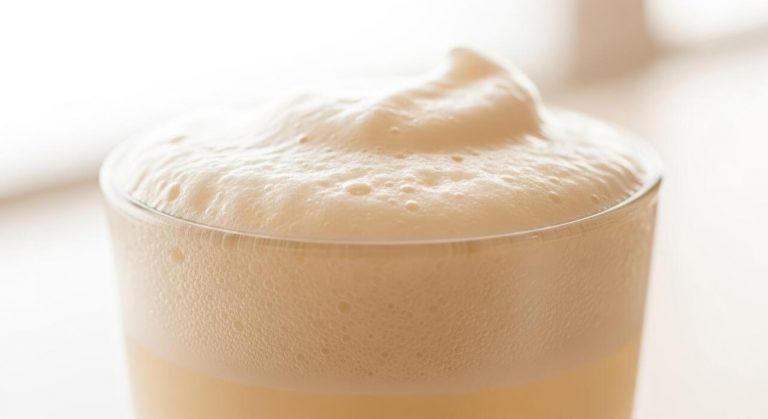
To get that signature frothy top, always ensure your milk is thoroughly chilled before blending or frothing. Using cold milk helps maintain the drink’s temperature and ensures the fats emulsify correctly, resulting in a consistently smooth and luxurious texture that defines a professional-grade cold coffee.
Natural sweeteners vs flavored syrups
Achieving the perfect sweetness level is a balancing act that defines the drink’s character. For a clean, classic taste, simple syrup is preferred over granulated sugar because it dissolves instantly in cold liquid, preventing a gritty texture at the bottom of the glass.
If you want to replicate specific cafe flavors, high-quality vanilla or caramel syrups provide a concentrated burst of aroma and sweetness. For a healthier approach, natural sweeteners like maple syrup or honey add unique floral undertones that complement the coffee’s bitterness.
Always add your sweetener to the warm coffee concentrate first or use a liquid-based sweetener to ensure even distribution. This step ensures every sip has a uniform flavor profile, preventing the common mistake of inconsistent sweetness throughout the drink.
Why ice quality matters for flavor
Ice is often an overlooked ingredient, yet it plays a critical role in the dilution and temperature of your drink. To prevent your coffee from becoming watery, use large, solid ice cubes which melt slower than crushed ice, keeping the beverage cold without stripping away the intensity.
For the ultimate cafe hack, create coffee ice cubes by freezing leftover brewed coffee; this ensures that as the ice melts, it actually adds more coffee flavor rather than diluting it.
Additionally, always use filtered water for your ice to avoid any chlorine or metallic tastes that can ruin the delicate notes of the beans. High-quality ice maintains the optimal concentration and chill, allowing you to savor the rich, bold flavors from the first sip to the very last drop.
How to make cold brew coffee at home
Step-by-step cold brew immersion guide
To begin making the ultimate cold brew at home, start by selecting high-quality, fresh coffee beans. For this specific method, you must achieve a coarse grind consistency that resembles sea salt or breadcrumbs; grinding too fine will result in a muddy, over-extracted flavor.
Once ground, place the coffee into a large glass jar or a dedicated cold brew maker. Slowly pour filtered, room-temperature water over the grounds, ensuring every particle is fully saturated. Instead of stirring vigorously, gently press the grounds down with a spoon to ensure a uniform immersion process.
Seal the container tightly to prevent any refrigerator odors from seeping in. Leave the mixture to steep on your kitchen counter or in the fridge for at least twelve to eighteen hours.
This extended low-temperature extraction period allows the water to pull out the chocolatey, nutty notes of the bean while leaving behind the harsh acidity and bitterness typically found in hot-brewed coffee, resulting in a smooth finish.
The best coffee-to-water ratios
Finding the perfect balance between strength and volume is essential for a café-quality result. For a versatile cold brew concentrate, the gold standard is a 1:4 ratio, which means using one cup of coffee grounds for every four cups of water.
This creates a powerful base that can be diluted later with milk, water, or ice. If you prefer a ready-to-drink beverage that requires no additional dilution, aim for a 1:8 or 1:10 ratio instead.
Using filtered water is critical because the mineral content significantly impacts the final taste profile; tap water often contains chlorine which can mask the delicate nuances of the coffee.
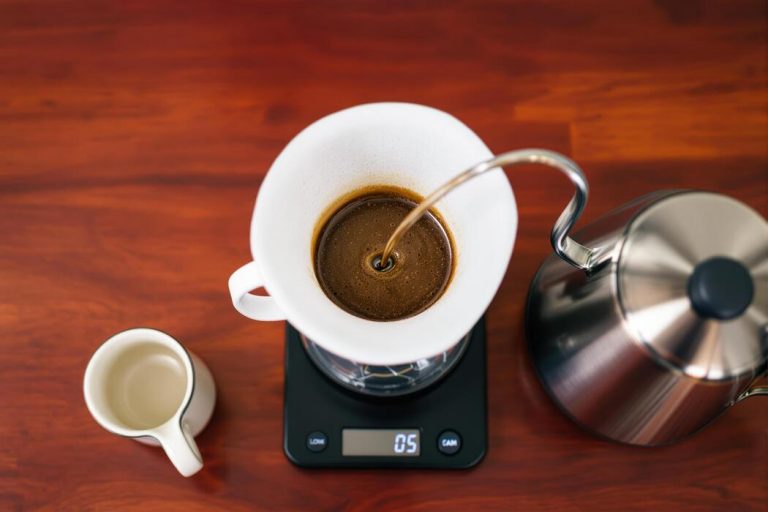
Remember that cold brew is naturally more forgiving than hot coffee, but measuring your ingredients by weight using a digital scale remains the most accurate way to ensure consistency across every batch you make.
Adjusting these ratios slightly will allow you to customize the body and intensity to your specific palate preferences effortlessly.
How to filter and store your concentrate
After the steeping time is complete, the final step is to separate the liquid from the spent grounds. Set up a fine-mesh sieve lined with a paper coffee filter or cheesecloth over a clean carafe.
Pour the mixture slowly, allowing gravity to do the work; never squeeze the filter, as this can force bitter sediments and oils into your drink. If you find the liquid still looks cloudy, a secondary filtration step will ensure a crisp, clean mouthfeel.
Once filtered, transfer the coffee into an airtight glass bottle. Your fresh concentrate will stay flavorful for up to two weeks when kept refrigerated, though it is best consumed within the first seven days for peak freshness.
When you are ready to serve, pour your concentrate over ice and add your choice of cold water or creamy milk. This homemade method provides a cost-effective and delicious solution for coffee lovers who want a refreshing, low-acid caffeine boost available at any time of the day.
Fast ways to make iced coffee with hot espresso

The flash chilled method for better flavor
To achieve the best cold coffee at home without waiting hours for a cold brew, the flash chilled method is your ultimate solution. Start by brewing a concentrated shot of hot espresso or a small cup of strong drip coffee directly over a measured amount of fresh ice.
The immediate drop in temperature locks in the delicate aromatic compounds that are often lost during slow cooling, resulting in a vibrant and bright flavor profile. To master this technique, you should reduce your brewing water by half and replace that volume with ice in your carafe.
As the hot liquid hits the cubes, it dilutes to the perfect strength while chilling instantly. This method is superior because it prevents the oxidation and bitterness that occur when hot coffee sits at room temperature.
For a professional finish, stir the mixture rapidly for ten seconds to ensure an even temperature throughout before adding your favorite milk or sweeteners to the glass.
How to use a Moka pot for cold drinks
If you do not own an expensive espresso machine, the Moka pot is the most effective tool for creating a dense, espresso-like base for iced drinks.
Fill the bottom chamber with pre-heated water to speed up the process and prevent burning the grounds, then pack the basket with a fine grind. Once the rich concentrate begins to flow, remove it from the heat immediately to avoid over-extraction and harsh notes.
To transform this into a refreshing cold beverage, pour the hot concentrate into a metal cocktail shaker filled with ice. Shaking the mixture vigorously for thirty seconds creates a luxurious micro-foam and aerates the coffee, giving it a creamy mouthfeel similar to a nitro brew.
This rapid chilling technique ensures your drink remains bold and flavorful rather than weak. Pour the chilled result over fresh ice and add a splash of cold water or cream to reach your desired consistency while maintaining that signature strong caffeine kick you expect from a cafe.
Preventing watered-down coffee with coffee ice cubes
The biggest challenge when making iced espresso at home is the inevitable dilution that occurs as ice melts. To solve this, you should always keep a tray of coffee ice cubes in your freezer.
Simply brew an extra pot of coffee or a few shots of espresso, let them cool to room temperature, and pour the liquid into silicone ice molds. Using these specialized cubes ensures that as they melt, they release more coffee flavor into your drink instead of plain water.
This allows you to sip your beverage slowly without worrying about it becoming thin or tasteless over time. For an even more indulgent experience, you can mix a little vanilla or simple syrup into the coffee before freezing the cubes.
This simple preparation step is the secret to maintaining a consistent brew strength from the first sip to the very last drop. It is a cost-effective and efficient way to elevate your home barista game while ensuring your morning caffeine fix remains perfectly potent and delicious.
How to make thick and frothy whipped coffee
The secret to perfect Dalgona foam
To achieve the thickest whipped coffee, you must master the fundamental ratio of equal parts instant coffee, granulated sugar, and boiling water.
The most critical factor for success is using granulated white sugar, as it acts as a structural stabilizer that holds the air bubbles in place, preventing the foam from collapsing prematurely.
While you can technically use alternative sweeteners, they often fail to provide the same glossy, meringue-like peak that defines high-quality Dalgona. Ensure your water is boiling hot when added to the mixture, as the heat helps dissolve the coffee crystals instantly and begins the aeration process more effectively.
If you find your foam is too runny, you likely need to increase your whisking time or check that your bowl is completely free of oil or grease.
This stable base is the essential first step to making the best cold coffee at home because it creates a luxurious, long-lasting topping that slowly melts into your milk, providing a consistent and bold caffeine kick throughout your entire drinking experience.
Mixing techniques for a creamy texture
While a hand whisk is possible, using an electric hand mixer or a milk frother is the most efficient way to achieve professional results quickly. Start on a low speed to incorporate the ingredients without splattering, then gradually increase to high speed for approximately three to five minutes.
You are looking for a significant color change; the mixture will transform from a dark brown liquid into a pale golden-caramel foam with stiff peaks. For those seeking an even creamier profile, consider adding a tiny pinch of cinnamon or cocoa powder during the final minute of whipping.
This not only enhances the flavor profile but also adds a subtle complexity to the aroma. If you are preparing a large batch for guests, a stand mixer is highly recommended to maintain consistency across multiple servings.
The goal is to reach a density similar to shaving cream, ensuring the foam sits proudly atop your liquid base without immediately sinking. Proper aeration is what separates a standard iced coffee from a truly gourmet, cafe-style whipped masterpiece that looks as good as it tastes.
Best ways to layer your drink
The final presentation is where you truly elevate your home brewing game to professional standards. Start by filling a tall glass with plenty of ice cubes, as a high volume of ice keeps the milk chilled and prevents the foam from melting too rapidly.
Pour your choice of cold milk—whether dairy or a creamy oat alternative—until the glass is about three-quarters full. Carefully spoon the whipped coffee mixture over the top, using a circular motion to create an attractive swirl or peak effect.
For a more decadent experience, you can drizzle a small amount of chocolate or caramel syrup around the inside of the glass before adding the milk.
To enjoy the drink properly, many enthusiasts recommend a partial stir; this allows some of the intense coffee foam to integrate with the milk while leaving a thick layer on top for texture.
This layering technique ensures that every sip provides a perfect balance of bitter coffee and sweet, creamy milk. Adding a final dusting of espresso powder on top provides a sophisticated finish that makes your homemade creation indistinguishable from a luxury coffee shop offering.
Popular cold coffee recipes to try

How to make a classic iced vanilla latte
To master the classic iced vanilla latte at home, you must start with a high-quality foundation. Begin by brewing two shots of rich espresso or half a cup of very strong moka pot coffee to ensure the flavor stands up against the milk.
While the coffee is still warm, stir in two tablespoons of pure vanilla syrup so it integrates perfectly without leaving a grainy residue. Fill a tall glass to the brim with large ice cubes to prevent rapid melting, which can dilute your beverage.
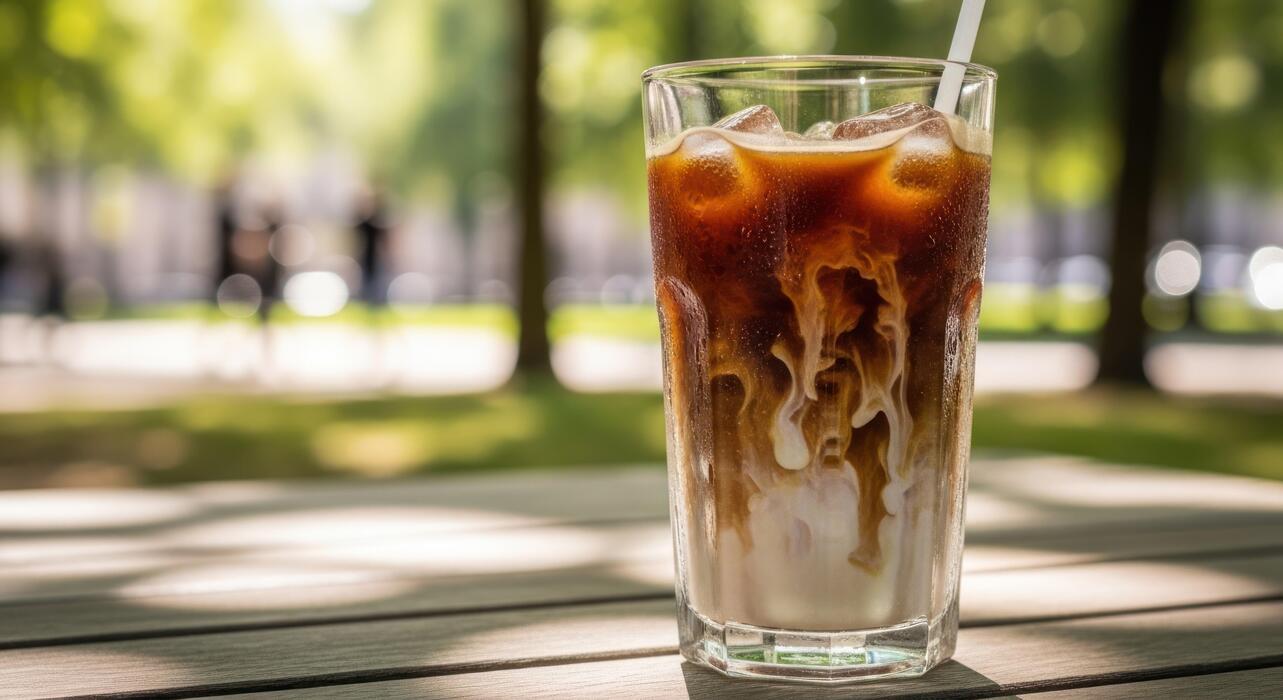
Pour your sweetened coffee over the ice, then slowly add one cup of creamy whole milk or your favorite oat milk alternative. For a professional touch, give the mixture a gentle stir to create that beautiful marbled effect.
The secret to the best cold coffee lies in the ratio of syrup to espresso, so feel free to adjust the sweetness to your preference. This refreshing drink provides a smooth, caffeinated boost that rivals any high-end coffee shop experience while saving you time and money.
Easy homemade mocha frappe recipe
Creating a decadent mocha frappe at home is simpler than you think and requires only a standard blender. Combine one cup of chilled strong coffee with half a cup of milk and two tablespoons of high-quality cocoa powder or chocolate syrup.
To achieve that signature thick texture, add two cups of ice and a pinch of xanthan gum or a scoop of vanilla ice cream, which acts as a stabilizer to prevent the mixture from separating. Blend on high speed until the consistency is perfectly smooth and slushy.
For an extra layer of indulgence, drizzle dark chocolate sauce around the inside of your glass before pouring the frappe in. Top your creation with a generous swirl of whipped cream and a dusting of cocoa powder for a visually stunning treat.
This solution-focused recipe ensures you get a consistent, frosty texture every single time, making it the ultimate afternoon pick-me-up. Using frozen coffee cubes instead of regular ice can also prevent the flavor from thinning out as you enjoy your drink slowly.
Refreshing mint and sea salt cold brew
For a sophisticated twist on your daily caffeine routine, try a refreshing mint and sea salt cold brew. Start with a base of smooth cold brew concentrate that has been steeped for at least eighteen hours to minimize acidity.
In a separate glass, muddle a handful of fresh mint leaves with a teaspoon of simple syrup to release the aromatic oils.
Pour the cold brew over the mint base and add a tiny pinch of flaky sea salt, which works wonders by cutting through any residual bitterness and enhancing the natural chocolate notes of the beans.
Fill the glass with ice and top it off with a splash of cold water or a light cream if you prefer a richer mouthfeel. The combination of cooling mint and savory salt creates a complex flavor profile that is incredibly invigorating on a hot day.
This recipe is the perfect solution for those who want a bold, gourmet coffee experience without the heavy sugars found in traditional lattes. Always use filtered water for your cold brew to ensure the cleanest possible taste.
Tips for better flavor and presentation
How to make simple syrup at home
To ensure your cold coffee is perfectly sweetened without the grainy texture of undissolved sugar, making a homemade simple syrup is the ultimate solution. Start by combining equal parts granulated sugar and water in a small saucepan over medium heat.
Stir the mixture constantly until the sugar completely dissolves and the liquid becomes crystal clear. It is crucial not to let the mixture reach a rolling boil, as this can change the viscosity too much; a gentle simmer is all you need.
Once dissolved, remove it from the heat and let it cool to room temperature before transferring it to a glass jar for storage. This syrup integrates seamlessly into chilled liquids, ensuring every sip of your coffee has a consistent level of sweetness.
For a deeper, more complex flavor profile, you can experiment with using brown sugar or honey, which adds a delightful caramel-like undertone that pairs beautifully with the bold acidity of a strong cold brew or iced espresso base.
Adding spices like cinnamon and cardamom
Elevating the flavor profile of your home-brewed cold coffee is easily achieved by incorporating aromatic spices during the brewing or mixing process.
For a warm, woody aroma, try adding a pinch of ground cinnamon directly into your coffee grounds before brewing, or whisk it into your milk for a spiced latte effect.
If you prefer a more exotic and floral note, crushed cardamom pods infused into your simple syrup or steeped with cold brew grounds provide a sophisticated depth that mimics high-end cafe offerings.
These spices do more than just add flavor; they enhance the natural sweetness of the coffee bean without requiring extra sugar. You might also consider a tiny dash of nutmeg or even a hint of cayenne pepper if you enjoy a subtle Mexican mocha kick.
By balancing these spices correctly, you create a multi-layered sensory experience that transforms a basic caffeine fix into a gourmet treat. Remember that a little goes a long way, so start with small amounts and adjust according to your specific palate preferences.
Glassware and garnishing techniques
The visual appeal of your cold coffee is just as important as the taste when aiming for a professional result at home. Start by choosing the right glassware; a tall highball glass or a classic mason jar can showcase the beautiful gradients of coffee and milk swirling together.
To keep your drink from becoming watery, use large coffee ice cubes made from leftover brew instead of standard water ice. For the finishing touches, a dollop of whipped cream or a silky layer of cold foam creates a luxurious texture on top.
You can further enhance the presentation by drizzling chocolate or caramel sauce along the inner walls of the glass before pouring in the coffee to create an artistic marbled effect. Finally, add a garnish of cocoa powder, cinnamon dust, or a single star anise to provide an inviting aroma.
Using a reusable metal or glass straw not only looks elegant but also keeps the drink feeling colder as you sip, providing a polished and refreshing coffee experience right in your kitchen.
Common mistakes when making cold coffee
Why you should never use boiling water
One of the most frequent errors when preparing cold coffee is using boiling water to extract the beans before cooling them down.
When you pour water at 212 degrees Fahrenheit over coffee grounds intended for a chilled drink, you trigger an immediate release of volatile acids and oils that can become harsh and unpleasant once the temperature drops.
To achieve the best results, you should let your water sit for two minutes after boiling to reach approximately 195 to 205 degrees. This subtle shift ensures you extract the full flavor profile without the scorched aftertaste.
If you are opting for the cold brew method, you must use filtered room-temperature water exclusively. Using hot water for a long-duration steep results in over-extraction, leading to a muddy flavor profile that lacks the characteristic smoothness of a professional brew.
By controlling your initial water temperature, you ensure that the delicate notes of the bean remain intact, creating a refreshing base that tastes clean and vibrant rather than burnt or excessively smoky.
How to avoid bitter or sour notes
The balance between bitterness and sourness in cold coffee often comes down to the relationship between grind size and steeping time. Many home baristas use a fine grind, which is a mistake for cold preparations because it leads to over-extraction and a lingering bitter finish.
Instead, you should always select a coarse, sandy grind that allows the water to flow through the grounds more evenly. If your coffee tastes sour or thin, it is likely under-extracted, meaning the water didn’t have enough contact time with the beans.
To fix this, increase your steeping window to a full 12 to 18 hours when making cold brew on your counter. Conversely, if the result is too sharp, reduce the time slightly. Consistency is key, so try to measure your coffee-to-water ratio by weight rather than volume.
A standard 1:8 ratio for concentrate or a 1:15 ratio for ready-to-drink coffee provides a reliable baseline that prevents the flavor profile from swinging toward either unpleasant extreme, ensuring a balanced cup every single time.
Fixing watery coffee consistency
Nothing ruins a homemade cold coffee faster than standard ice cubes melting and diluting your hard work. To maintain a rich and creamy texture, you should prepare coffee ice cubes by freezing leftover brew in a standard tray.
This ensures that as the ice melts, it adds more coffee flavor rather than plain water. Another common mistake is failing to account for the dilution that occurs when adding milk or creamers.
To combat a thin consistency, brew a concentrated coffee base that is significantly stronger than your usual hot cup. This allows the coffee to stand up to the addition of ice and dairy without losing its structural integrity.
Additionally, consider the type of milk you use; opting for full-fat dairy or barista-blend oat milk provides a heavier mouthfeel that mimics the luxurious texture of a high-end cafe drink.
By focusing on the density of your brew and the quality of your cooling agents, you can transform a weak, translucent drink into a bold, velvety beverage that retains its strength until the very last sip.
Frequently Asked Questions
What is the best type of coffee bean to use for cold coffee?
Medium to dark roast beans are ideal for cold coffee because they maintain their bold flavor profile even when diluted with ice and milk. Look for beans with chocolatey or nutty notes, as these pair perfectly with dairy and sweeteners.
How do I prevent my cold coffee from becoming watery?
To avoid a diluted drink, use coffee ice cubes made by freezing leftover brewed coffee instead of regular water ice. Additionally, brewing your coffee at double strength ensures that the flavor remains intense as the ice melts.
What is the difference between iced coffee and cold brew?
Iced coffee is brewed hot and then chilled or poured over ice, resulting in a crisp, slightly acidic taste. Cold brew is made by steeping coarse grounds in cold water for 12-24 hours, producing a smoother, less acidic, and more concentrated flavor.
How can I achieve a frothy texture in my home cold coffee?
You can create a creamy foam by using a handheld milk frother or by shaking your coffee and milk vigorously in a sealed mason jar for 30 seconds. For a thicker ‘Dalgona’ style, whip equal parts instant coffee, sugar, and hot water until stiff peaks form.
What are the best sweeteners for cold coffee at home?
Simple syrup is the best option because it dissolves instantly in cold liquid, unlike granulated sugar which sinks to the bottom. You can easily make your own by boiling equal parts water and sugar until the sugar dissolves.
Should I use a blender for the best cold coffee results?
Use a blender if you prefer a frappe-style drink with a slushy consistency. For a classic iced coffee, simply stirring the ingredients over ice is better as it preserves the texture and prevents the drink from becoming too airy.
Conclusion
Mastering the art of the perfect cold coffee at home is all about balancing high-quality beans, the right brewing method, and creative additions like flavored syrups or creamy foams. Whether you prefer a bold cold brew or a quick iced latte, these simple techniques ensure a barista-quality drink every time. Now that you have the secrets to success, it is time to experiment with your favorite ingredients and enjoy a refreshing, customized caffeine boost.