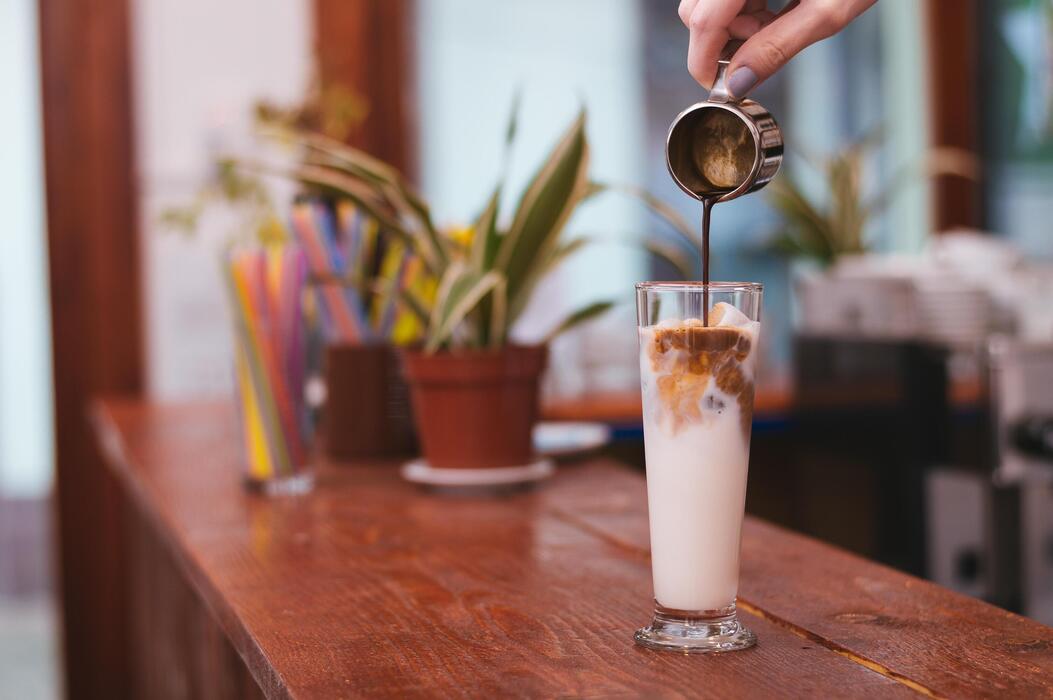
How To Prepare Cold Coffee At Home
Learning how to prepare cold coffee at home is the secret to skipping long cafe lines without sacrificing flavor. The core challenge is achieving that smooth, rich taste without bitterness or watered-down ice. You’re in the right place: this guide cuts through the noise to deliver a foolproof method using everyday ingredients, so you can master a barista-level iced coffee in minutes.
Why Make Cold Coffee at Home
Save money compared to coffee shop drinks
Brewing cold coffee at home is a cost-effective alternative to daily café visits. A single café cold brew can cost $4–$6, while a homemade version uses inexpensive ground coffee and water.
For the price of one shop drink, you can prepare a whole pitcher of cold coffee that lasts several days. This saves you up to 80% per serving without sacrificing flavor. To start, simply steep coarsely ground coffee in cold water for 12–24 hours, then filter.
Store it in the fridge for instant iced coffee anytime. You’ll also avoid impulse buys like pastries or extra shots. Batch brewing reduces waste and packaging, making it an eco-friendly choice. Over a month, these savings add up significantly, letting you enjoy your favorite drink without the guilt of overspending.
Control the sweetness and strength
Homemade cold coffee gives you full control over sweetness and intensity. Unlike café versions that often use pre-sweetened syrups or fixed ratios, you can adjust to your taste. Start with a strong brew by using a 1:4 coffee-to-water ratio for a bold base, then dilute as needed.
For sweetness, use natural options like honey, maple syrup, or stevia instead of refined sugar. Add them while the coffee is cold to avoid bitterness. You can also experiment with milk types—oat, almond, or whole—to change creaminess.
Customize strength by steeping longer (up to 24 hours) or using a finer grind. This flexibility helps you craft a drink that matches your preferences, whether you like it bold and unsweetened or mild and sweet. No more settling for overly sugary or weak café versions.
Use simple ingredients from your kitchen
Making cold coffee at home requires only basic kitchen staples you likely already have. The core ingredients are coffee grounds, cold water, and milk or a dairy alternative. No special equipment is needed—just a jar or pitcher and a strainer.
For added flavor, use common items like vanilla extract, cocoa powder, or cinnamon from your pantry. Sweeteners like sugar, honey, or agave are also readily available. This simplicity means no expensive syrups or machines. You can even use leftover hot coffee by chilling it quickly with ice.
The process is straightforward: mix coffee and water, let it steep, then filter. This approach reduces kitchen clutter and makes it easy to whip up a refreshing drink anytime. It’s a practical, no-fuss method that leverages what you already have, saving both time and money.
What You Need to Make Cold Coffee

Essential ingredients: coffee, milk, sugar
To make a delicious cold coffee at home, start with strong brewed coffee or instant coffee powder. Use 2 teaspoons of instant coffee for a single serving, or brew a double-strength batch if using a coffee maker.
Cold milk is essential—whole milk gives a creamy texture, but you can use skim, almond, or oat milk. Sugar is key for sweetness; adjust to taste, typically 1-2 tablespoons per glass. For extra richness, add 1 tablespoon of condensed milk or a splash of cream.
You’ll also need ice cubes to chill the drink without diluting it too much. Optional but recommended: vanilla extract (1/2 teaspoon) or chocolate syrup for flavor. Have a blender ready for a frothy texture, or a shaker bottle if you prefer a simpler method.
These basic ingredients are pantry staples, making cold coffee easy to whip up anytime.
Best coffee types for cold coffee
The best coffee for cold coffee depends on your taste preference. Instant coffee is the quickest option—use a premium brand for smoother flavor. Brewed coffee works well; choose medium to dark roast beans for a bold, rich taste that cuts through milk and ice.
Espresso is ideal for a strong, concentrated base—use 1-2 shots per glass. Cold brew concentrate is another excellent choice; it’s naturally less acidic and smoother, made by steeping coarsely ground coffee in cold water for 12-24 hours. Avoid light roasts as they can taste too acidic when chilled.
For a café-style drink, finely ground coffee used in a French press or drip machine yields robust flavor. If you’re using instant, granules dissolve better than powder. Experiment with blends like Colombian or Brazilian for a chocolatey note. Always brew double strength if using hot coffee, as ice dilutes it.
The right coffee type ensures your cold coffee is flavorful, not watery.
Tools: blender, glass, ice cubes
For a perfect cold coffee, you need a blender to create a creamy, frothy texture—a standard countertop blender works best, but a handheld immersion blender or a shaker bottle can suffice. Use a tall glass (12-16 ounces) to hold your drink without spills.
Ice cubes are crucial; use 6-8 cubes per serving to chill quickly. For extra creaminess, freeze coffee into cubes instead of water. Optional tools: a measuring spoon for precise coffee and sugar, a strainer if using brewed coffee to remove grounds, and a straw for sipping.
If you want a layered look, a spoon helps pour milk over ice gently. For whipped cream topping, a hand mixer or whisk is handy. Clean your blender immediately after use to avoid stains. These tools are common in most kitchens, so you don’t need specialized equipment.
With a blender, glass, and ice, you can achieve a café-quality cold coffee in minutes.
How to Brew Strong Coffee for Cold Coffee

Use a French press for rich flavor
To brew strong coffee for cold coffee using a French press, start by coarsely grinding your coffee beans—about 2 tablespoons per 6 ounces of water. Boil water and let it cool for 30 seconds after boiling (around 200°F).
Add the grounds to the press, pour in the hot water, and stir gently. Steep for exactly 4 minutes for a robust extraction; longer steeping can cause bitterness. After 4 minutes, press the plunger down slowly and steadily.
The result is a full-bodied, oil-rich coffee concentrate that stands up well to milk or ice. For cold coffee, let the brewed coffee cool to room temperature, then refrigerate. Use this concentrate immediately or store it in the fridge for up to 3 days.
When ready, pour over ice and add milk or sweetener to taste. This method yields a bold, aromatic base perfect for iced lattes or blended drinks, ensuring your cold coffee isn’t watery.
Make instant coffee concentrate
For a quick and strong cold coffee base, make an instant coffee concentrate. Use twice the amount of instant coffee you normally would for hot coffee—about 2 to 3 tablespoons per cup of hot water.
Dissolve the granules in a small amount of hot water (around ¼ cup) first to create a paste, then add the remaining water and stir until fully dissolved. Let the concentrate cool completely, then refrigerate.
This method creates a potent, shelf-stable concentrate that can be stored for up to a week. When you’re ready to make cold coffee, mix 2-3 tablespoons of the concentrate with cold milk or water, add ice, and sweeten as desired.
For extra creaminess, blend with ice and milk for a frappé-style drink. The key is using high-quality instant coffee for better flavor. This approach is ideal for busy mornings because it requires no brewing equipment and delivers consistent strength every time.
Cold brew method for smooth taste
Cold brewing produces a naturally sweet, low-acid coffee concentrate ideal for cold coffee. Combine 1 cup of coarsely ground coffee with 4 cups of cold, filtered water in a large jar or pitcher. Stir gently to ensure all grounds are saturated.
Cover and let steep at room temperature for 12 to 24 hours—longer steeping yields stronger, more concentrated coffee. After steeping, strain the mixture through a fine-mesh sieve lined with a coffee filter or a nut milk bag. The resulting concentrate is smooth and less bitter than hot-brewed coffee.
Store the concentrate in the fridge for up to two weeks. To serve, dilute with equal parts water or milk (or adjust to taste) and pour over ice. This method excels for iced coffee because the slow extraction prevents over-extraction of bitter compounds.
For a bolder cold coffee, reduce the dilution ratio or use a higher coffee-to-water ratio like 1:3. Enjoy it black or with a splash of cream.
Step-by-Step Recipe for Classic Cold Coffee
Mix coffee, sugar, and milk
Start by combining 2 tablespoons of instant coffee powder with 2 tablespoons of sugar in a small bowl. Add 2 tablespoons of hot water (not boiling) and stir vigorously until both the coffee and sugar are fully dissolved.
This creates a concentrated coffee syrup, ensuring no graininess in your final drink. For a richer flavor, use dark roast instant coffee or a coffee brand with bold notes.
Next, pour in 1 cup of cold milk (whole milk for creaminess, or plant-based like oat or almond for a dairy-free option). Whisk the mixture gently until the syrup is evenly incorporated into the milk.
If you prefer a sweeter or stronger taste, adjust the coffee-to-sugar ratio—try 1:1 for a balanced profile. This base step sets the foundation for a smooth, flavorful cold coffee, so take time to dissolve everything completely.
A quick tip: warm the milk slightly before mixing to help the syrup blend better, then cool it down before the next step.
Blend with ice until frothy
Transfer the coffee-milk mixture into a blender and add 1 to 1.5 cups of ice cubes. For an extra creamy texture, include 2 tablespoons of heavy cream or a scoop of vanilla ice cream.
Secure the lid and blend on high speed for 30-45 seconds, or until the ice is crushed and the liquid becomes thick, frothy, and light in color. The key is to achieve a velvety, airy consistency—if it’s too watery, add more ice and blend again.
For a café-style foam, blend for an additional 15 seconds. Avoid over-blending, as it can dilute the flavor. If you don’t have a blender, shake vigorously in a sealed jar with ice for 2-3 minutes, but blending yields the best froth.
This step transforms your simple mix into a luscious, chilled beverage that’s refreshing and indulgent. Taste test after blending; if needed, adjust sweetness or strength by adding more syrup or milk.
Pour and garnish with toppings
Pour the blended cold coffee into a tall glass, leaving some room for toppings. For a classic finish, add a dollop of whipped cream on top—use a spoon or piping bag for a neat swirl.
Drizzle with chocolate syrup or caramel sauce, and sprinkle with cocoa powder, cinnamon, or chocolate shavings for visual appeal. For extra crunch, top with crushed nuts like almonds or a few coffee beans. Serve immediately with a straw or a long spoon, as the froth settles quickly.
This garnish step elevates your homemade drink to café quality, making it perfect for hot days or a treat. You can also customize with a pinch of sea salt for a salted caramel twist or a dash of vanilla extract in the cream.
Remember, the presentation enhances the experience—use a clear glass to showcase the layers. Enjoy your cold coffee fresh, as it’s best when cold and frothy.
Tips for the Best Cold Coffee Texture

Use cold milk for creaminess
The foundation of a luscious cold coffee texture begins with ice-cold milk. Warm milk will melt your ice too quickly, diluting the flavor and creating a watery mess. For the creamiest results, use whole milk or a barista-style oat milk for a rich mouthfeel.
Always chill your milk in the refrigerator for at least an hour before blending. A pro tip: you can even freeze milk into ice cubes to add without watering down your drink. When blending, pulse the cold milk with your coffee and a touch of sugar until frothy.
This creates a velvety, smooth texture that clings to the glass. Avoid using room temperature or hot milk, as it will compromise the final consistency. The goal is a thick, indulgent drink that feels like a milkshake.
For an extra creamy twist, add a tablespoon of condensed milk or a splash of heavy cream to the cold milk base.
Add ice cubes gradually
Adding all your ice at once can shock the liquid and lead to uneven chilling and a slushy, inconsistent texture. Instead, add ice cubes gradually while blending. Start with a few cubes, blend until crushed, then add more.
This method allows the coffee and milk to emulsify properly, creating a uniform, creamy consistency. If you dump in a full cup of ice, the blender will struggle to incorporate it smoothly, often resulting in icy chunks. By pacing the addition, you control the thickness.
For a perfectly smooth cold coffee, aim for a ratio of 1 part coffee to 2 parts milk and ice. Use a high-speed blender for best results, and stop to scrape down the sides if needed. The gradual approach also prevents over-dilution, keeping the coffee flavor bold.
Remember, you can always add more ice, but you cannot remove it once blended.
Avoid watery results with less ice
The biggest enemy of a perfect cold coffee is a watery, diluted taste, which happens when too much ice melts too fast. To avoid this, use less ice than you think you need, and opt for larger cubes that melt slower.
A great trick is to use coffee ice cubes—freeze leftover coffee in an ice tray. This keeps the drink cold without watering it down. Another tip: chill your glass beforehand. A warm glass will melt the ice on contact.
When blending, only add enough ice to achieve a frosty, thick consistency. If you want a stronger coffee flavor, reduce the ice even further. You can also skip the ice altogether and use frozen banana or avocado for creaminess.
The key is balance—too much ice leads to a weak, watery texture, while too little leaves it lukewarm. Aim for a texture that is smooth, rich, and satisfying, not thin or icy.
Variations to Try at Home
Add chocolate syrup for mocha flavor
Transform your cold coffee into a mocha treat by adding high-quality chocolate syrup to the mix. Start by brewing a strong batch of coffee and letting it cool completely. In a glass, combine 1 cup of cold coffee with 2 tablespoons of chocolate syrup, adjusting to your sweetness preference.
Stir thoroughly until the syrup dissolves fully, then add ice cubes and top with cold milk or cream. For an extra indulgent twist, drizzle additional chocolate syrup inside the glass before pouring the coffee, creating a beautiful layered effect.
You can also use dark chocolate syrup for a richer, less sweet flavor or a sugar-free version for a lighter option. This variation is perfect for those who crave a dessert-like drink without the need for a café visit.
Shake the mixture in a sealed jar with ice for a frothy consistency, and garnish with whipped cream and a sprinkle of cocoa powder for a professional finish.
Use vanilla extract for extra taste
Enhance your cold coffee with a simple yet transformative addition: pure vanilla extract. After brewing and cooling your coffee, stir in ½ teaspoon of vanilla extract per cup, mixing well to distribute the flavor evenly. This subtle addition adds warmth and depth, complementing the coffee’s natural notes without overpowering them.
For a sweeter profile, combine the vanilla with a tablespoon of simple syrup or honey, stirring until dissolved. You can also experiment with vanilla bean paste for a more intense, aromatic experience, using the same measurement.
For a creamy version, blend the vanilla-infused coffee with ice and milk, creating a smooth, café-style iced latte. This variation works wonderfully with both regular and decaf coffee, and you can adjust the vanilla amount to taste.
Serve over fresh ice and consider adding a cinnamon stick or a dash of nutmeg for an extra layer of complexity.
Make a dairy-free version with almond milk
Creating a dairy-free cold coffee with almond milk is simple and delicious, offering a lighter alternative without sacrificing creaminess. Brew your coffee double-strength to ensure the flavor stands out, then let it cool to room temperature.
Fill a glass with ice, pour in ¾ cup of cold coffee, and add unsweetened almond milk to taste, typically about ¼ to ½ cup. For sweetness, stir in maple syrup, agave nectar, or a few drops of stevia, adjusting to your preference.
To enhance the texture, shake the coffee, almond milk, and sweetener in a sealed jar with ice for 15 seconds until frothy. You can also use vanilla-flavored almond milk for extra taste without extra effort.
This version is naturally low in calories and works well with a pinch of cinnamon or a splash of coconut milk for richness. For a protein boost, blend in a scoop of plant-based protein powder. Serve immediately and enjoy a refreshing, guilt-free coffee treat.
Common Mistakes to Avoid When Making Cold Coffee
Using hot coffee without cooling it
A common mistake is pouring hot coffee directly over ice, which leads to a watery, diluted drink. Instead, always cool your coffee completely before assembling your cold coffee.
Brew a strong batch using a ratio of 2 tablespoons of coffee per 6 ounces of water, then let it sit at room temperature for 30 minutes. For faster results, pour the hot coffee into a heatproof container and place it in an ice bath, stirring occasionally until chilled.
Alternatively, brew coffee directly into a pitcher with ice using a cold brew method, which extracts smooth flavors without bitterness. Once cooled, refrigerate the coffee for at least an hour. This ensures your cold coffee stays rich and concentrated, allowing you to control the strength without sacrificing flavor.
Remember, hot coffee melts ice quickly, so patience in cooling pays off with a crisp, full-bodied result.
Over-sweetening the drink
Adding too much sugar or syrup can mask the coffee’s natural notes and create an overly cloying texture. The key is to start with a small amount of sweetener and adjust gradually.
For a balanced cold coffee, use 1 to 2 teaspoons of simple syrup, maple syrup, or honey per 8-ounce serving. Simple syrup dissolves easily in cold liquids, avoiding gritty sugar granules. If using flavored syrups, begin with 1 tablespoon and taste before adding more.
Another tip is to sweeten the coffee while it’s still warm if you’re not using a cold brew, as sugar dissolves better at higher temperatures. To reduce sweetness further, opt for unsweetened milk or plant-based alternatives.
Remember, you can always add more sweetener, but you cannot remove it once it’s in. Aim for a subtle sweetness that complements the coffee’s bitterness rather than overpowering it.
Skipping the blending step
Many home recipes skip blending, resulting in a layered drink that lacks the creamy, integrated texture of café-style cold coffee. Blending is essential for achieving a smooth, frothy consistency that mixes coffee, milk, and ice into a unified beverage.
Use a blender on high speed for 15-20 seconds, combining 1 cup of chilled coffee, ½ cup of milk (dairy or plant-based), 1 cup of ice, and your desired sweetener. This process creates a velvety foam that enhances mouthfeel and prevents separation.
For an iced latte effect, blend just the coffee and ice first, then pour over milk. If you prefer a less icy drink, use fewer ice cubes or add a splash of heavy cream for richness. Blending also aerates the coffee, releasing aromatic oils and improving flavor perception.
Never skip this step—it transforms a simple iced coffee into a indulgent, barista-worthy treat.
Frequently Asked Questions
What is the simplest way to make cold coffee at home?
Brew a strong cup of coffee using a French press or drip maker, let it cool to room temperature, then pour over ice. Add milk and sugar to taste, and stir well. This method takes about 10 minutes total.
How can I make cold coffee without a coffee maker?
Use instant coffee: dissolve 1-2 teaspoons of instant coffee granules in 2 tablespoons of hot water, then add cold milk, ice cubes, and sweetener. Shake or stir vigorously until frothy. This works with any instant coffee brand.
What is the difference between iced coffee and cold brew?
Iced coffee is hot-brewed coffee that is chilled and poured over ice, while cold brew is made by steeping coarsely ground coffee in cold water for 12-24 hours. Cold brew is smoother and less acidic, but requires advance planning.
How do I make creamy cold coffee like a café?
Blend 1 cup of cold brew or strong chilled coffee with 1/2 cup milk, 1-2 tablespoons sugar, and a handful of ice cubes until frothy. For extra creaminess, add a splash of heavy cream or use whole milk.
Can I make cold coffee using leftover hot coffee?
Yes, simply refrigerate leftover hot coffee until cold, then pour over ice. To avoid dilution, freeze some coffee into ice cubes beforehand. Add milk and sweetener as desired.
How do I make cold coffee without milk?
Brew a strong coffee and chill it, then serve over ice with sugar or a flavored syrup like vanilla or caramel. For a dairy-free version, use almond, oat, or coconut milk instead of regular milk.
What coffee-to-water ratio should I use for cold coffee?
For iced coffee, use double the normal coffee grounds (e.g., 2 tablespoons per 6 ounces of water) to account for ice dilution. For cold brew, use a 1:4 ratio of coffee to water by weight (e.g., 1 cup grounds to 4 cups water).
How can I sweeten cold coffee without sugar dissolving poorly?
Dissolve sugar or honey in a small amount of hot water or hot coffee before chilling, or use simple syrup (equal parts sugar and water boiled together). Liquid sweeteners like agave or stevia drops mix easily into cold coffee.
Conclusion
Remember to use fresh, coarsely ground beans for the best flavor and always add milk or ice to your liking. With a little practice, you’ll never need a café run again. So grab your favorite mug and start experimenting—your perfect, refreshing brew is just a pour away.