How To Make Better Iced Coffee
Stop settling for watery, bitter brews and start crafting café-quality drinks at home. If you are wondering how to make better iced coffee, the secret lies in your technique and ice choice. From mastering the perfect coffee-to-water ratio to using coffee ice cubes that prevent dilution, we have the quick fixes you need. This guide delivers fast, actionable tips to elevate your morning caffeine routine instantly.
Choose the right coffee beans for cold drinks
Best roast profiles for ice
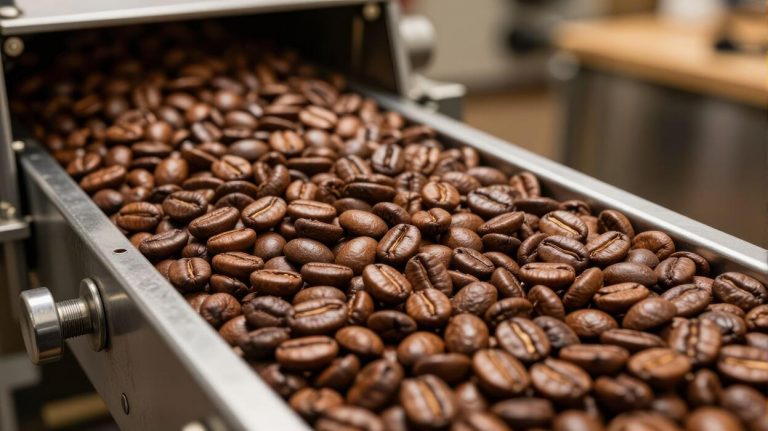
When making iced coffee, selecting the correct roast profile is essential because the cold temperature and melting ice can easily dull the flavor notes of your brew. For a classic, bold taste that cuts through milk and sweetener, look for medium-dark to dark roasts.
These beans possess a lower acidity and provide chocolatey, nutty, and smoky undertones that remain prominent even after significant dilution. Conversely, if you prefer a brighter and more refreshing iced drink, a medium roast with citrus notes can offer a crisp finish that mimics the profile of an iced tea.
Avoid light roasts unless you are using a specialized flash-chilling method, as their delicate complexities are often lost when served over ice.
Ultimately, a bean with low acidity and high body ensures that your drink maintains its structural integrity and remains flavorful from the first sip until the very last drop, preventing that disappointing watery sensation often found in poorly prepared iced beverages.
Why fresh grinding matters
The transition from bean to brew happens rapidly, and oxygen is the primary enemy of coffee quality. To make better iced coffee, you must grind your beans immediately before brewing to preserve the volatile aromatic oils that provide flavor and depth.
Once coffee is ground, the increased surface area leads to rapid oxidation, causing the coffee to taste stale and flat, which is even more noticeable when served cold.
For iced coffee, the grind size must be precise: use a coarse grind for cold brew to ensure a clean extraction over long periods, or a medium-fine grind for flash-brewing over ice to maximize surface contact during a quick hot extraction.
Investing in a quality burr grinder allows for a uniform particle size, which prevents over-extraction and the resulting bitterness that can become harsh when chilled.
By prioritizing freshness, you capture the vibrant characteristics of the bean, resulting in a cup that is naturally sweeter and significantly more aromatic than anything made from pre-ground bags.
Single-origin vs. blends for cold brewing
Choosing between single-origin beans and blends depends entirely on your desired flavor experience. Single-origin beans are ideal for those who want to explore unique, terroir-specific characteristics, such as the fruity acidity of Ethiopian beans or the earthy richness of Sumatran varieties.
When cold-brewed, these beans showcase distinctive and complex flavor profiles that stand well on their own without the need for added creamers. On the other hand, blends are specifically engineered for consistency and balance.
Roasters combine beans from different regions to create a harmonious profile that is often more forgiving during the extraction process.
Blends are typically the better choice if you plan on adding milk, sugar, or syrups, as they provide a solid, reliable cocoa-based foundation that complements additives rather than competing with them.
If you are a purist who drinks iced coffee black, stick to single-origin for a sophisticated palate; if you enjoy a creamy, indulgent beverage, a high-quality dark blend will provide the necessary punch and reliable sweetness.
Master the flash-chilled brewing method

The science of brewing over ice
Flash-chilling, also known as the Japanese iced coffee method, relies on the immediate thermal shock of hot coffee hitting ice to lock in volatile aromatic compounds.
Unlike cold brew, which lacks the heat necessary to extract bright acidity and floral notes, flash-brewing uses near-boiling water to dissolve flavorful oils and acids that define a high-quality bean.
By brewing directly onto ice, you bypass the oxidation process that occurs when hot coffee sits and cools slowly, preventing the development of bitterness and a stale aftertaste. This technique ensures a vibrant, crisp profile that tastes exactly like a fresh hot pour-over, only cold.
To master this, you must understand that the ice is not just a cooling agent but a calculated part of your total brewing water.
The rapid transition from hot to cold preserves the delicate chemical structure of the coffee, delivering a clean finish that highlights the specific terroir of your chosen single-origin beans without the heavy, muted flavors often associated with immersion methods.
Correct water-to-ice ratios
The most critical factor in avoiding watery iced coffee is recalculating your brewing ratio to account for dilution. For a standard flash-chill, you should aim to replace approximately one-third to one-half of your total brewing water with ice.
A reliable starting point is a 1:15 total ratio, where 40% of the weight is ice placed in the carafe and 60% is hot water poured over the grounds.
Because you are using less hot water to achieve extraction, you must grind your coffee slightly finer than you would for a standard hot brew to increase surface area contact and ensure full flavor development.
If your coffee tastes weak or sour, increase the hot water percentage slightly or refine the grind further. Using large, dense ice cubes is also beneficial as they have less surface area than crushed ice, allowing the hot liquid to chill rapidly without melting the entire mass instantly.
Mastering this balance ensures a perfectly concentrated brew that reaches the ideal drinking strength exactly as the final ice cube settles.
Best equipment for flash-chilling
While you can technically flash-chill with any drip setup, specific tools will significantly elevate your results.
A conical pour-over dripper, such as a Hario V60 or Chemex, is ideal because it allows for precise control over flow rate and agitation, which is necessary when working with a smaller volume of hot water.
To ensure accuracy, a digital scale measuring in grams is non-negotiable; guessing the ice-to-water ratio usually leads to a beverage that is either unpleasantly strong or overly diluted. Additionally, using a narrow-neck glass carafe helps concentrate the coffee directly onto the ice, minimizing heat loss to the surrounding air.
For the best flavor, prioritize a high-quality burr grinder to achieve the consistent medium-fine particle size required for this accelerated extraction.
Finally, consider using a gooseneck kettle to maintain a slow, steady stream, ensuring that every gram of hot water works efficiently to extract the maximum depth from your coffee beds before it hits the ice below for that perfect, refreshing finish.
How to make cold brew at home

Step-by-step immersion guide
To elevate your home iced coffee game, start by selecting high-quality beans and grinding them to a coarse, breadcrumb-like consistency. This specific grind size is crucial because it prevents over-extraction and bitterness during the long soaking process.
Measure a ratio of one part coffee to four parts filtered water for a strong concentrate, or one to eight for a ready-to-drink version. Place the grounds into a glass jar or a dedicated cold brew maker and pour the room-temperature water over them slowly.
Ensure all grounds are fully saturated by stirring gently with a long spoon, but avoid over-agitating the mixture. Cover the vessel tightly to prevent any refrigerator odors from seeping into your brew. This immersion method is the foundation of a smooth, low-acid profile that defines premium cold brew.
By mastering this initial setup, you create a versatile base that can be diluted with water, milk, or alternative dairy options to suit your personal taste preferences perfectly.
Finding the perfect steep time
Timing is the most critical variable when transforming standard grounds into a rich, flavorful concentrate. For the best results, let your coffee steep at room temperature for 12 to 18 hours, or in the refrigerator for up to 24 hours.
Steeping for too short a window results in a thin, sour liquid that lacks the characteristic chocolatey depth of great cold brew. Conversely, leaving the grounds for over 24 hours can lead to the extraction of woody, astringent tannins that ruin the mellow finish.
If you prefer a lighter, floral profile, aim for the lower end of the time spectrum. For those who enjoy a bold, syrupy body that stands up well to heavy cream and sugar, pushing the extraction toward the 20-hour mark is ideal.
Always taste your brew periodically after the 12-hour mark to find your personal sweet spot. Once the desired flavor profile is achieved, immediately move to the filtration stage to stop the extraction process entirely.
Filtering techniques for a clean cup
The final secret to professional-grade iced coffee is achieving a sediment-free, crystal-clear clarity. Start by pouring your steeped mixture through a fine-mesh sieve to remove the largest grounds. For a truly polished result, follow this with a secondary pass through a paper coffee filter or a clean flour sack towel.
This extra step removes fine silt and oils that can make your coffee taste muddy or develop a heavy mouthfeel over time. If you find the paper filter clogs too quickly, try rinsing it with hot water first to open the pores and remove any papery taste.
For those seeking the ultimate convenience, using disposable felt brew bags during the immersion stage can simplify cleanup while still providing excellent filtration. Proper straining ensures your concentrate remains fresh in the refrigerator for up to two weeks.
Serving your finished product over large ice cubes will further prevent dilution, keeping your homemade cold brew tasting bold and delicious from the first sip to the very last drop.
Stop watering down your coffee
How to make coffee ice cubes
The most effective way to prevent a diluted beverage is to replace standard water ice with frozen coffee cubes. To start, brew a fresh pot of your favorite blend and let it cool completely to room temperature.
Pour the liquid into a clean silicone ice tray, ensuring you leave a small amount of space at the top for expansion during the freezing process. For an added flavor boost, consider whisking in a touch of vanilla extract or simple syrup before freezing.
Once solid, these cubes act as a flavor reservoir; as they melt, they release more coffee into your glass rather than thinning it out with water. This method ensures that the very last sip of your drink is just as bold and robust as the first one.
It is a simple, low-cost preparation technique that utilizes leftover morning coffee to transform your afternoon caffeine routine into a professional-grade experience without any extra equipment or expensive specialized ingredients.
Using hyper-chillers for instant results
If you lack the patience to wait for coffee to cool in the refrigerator, a hyper-chiller device offers a revolutionary solution for making better iced coffee instantly. These specialized canisters feature multiple stainless steel cooling chambers that you store in the freezer.
When you pour hot coffee directly from your brewer into the device, the internal surface area drops the temperature by 130 degrees in less than one minute. This rapid cooling process is crucial because it bypasses the traditional melting phase that occurs when hot liquid hits standard ice.
By using this technology, you preserve the delicate aromatic oils and flavor profiles that are often lost through slow cooling or excessive dilution. It allows you to enjoy a crisp, refreshing beverage immediately after brewing without the watery consistency associated with traditional methods.
Investing in a hyper-chiller is the ultimate hack for busy coffee lovers who demand barista-quality texture and strength without having to plan their cold caffeine fix hours in advance.
Benefits of coffee concentrates
Switching to a high-quality coffee concentrate or cold brew base is a foolproof strategy to ensure your drink remains potent and flavorful.
Concentrates are brewed with a much higher coffee-to-water ratio than standard drip coffee, resulting in a dense, syrupy liquid that is designed to be diluted with milk or water.
When you use a concentrate for iced coffee, the melting ice actually serves a functional purpose by slowly bringing the strength down to a drinkable level rather than making it weak. This creates a perfectly balanced profile that maintains its structural integrity over time.
Furthermore, because cold brew concentrates are steeped for long periods at low temperatures, they possess a naturally lower acidity and smoother finish compared to hot-brewed alternatives.
Utilizing a concentrate gives you total control over the intensity of your beverage, allowing you to craft a customized caffeine experience that stands up to heavy creamers and large amounts of ice without ever losing that essential, bold coffee kick you crave.
Best ways to sweeten iced coffee

How to make simple syrup
One of the most common frustrations when making iced coffee is finding undissolved sugar granules sitting at the bottom of your glass. To solve this, you should prepare a homemade simple syrup which integrates seamlessly into cold beverages.
To begin, combine equal parts granulated sugar and water in a small saucepan over medium heat. Stir the mixture constantly until the liquid becomes completely clear, ensuring all crystals have fully dissolved.
For a richer texture, you can experiment with a two-to-one sugar-to-water ratio, often referred to as rich simple syrup. Once the mixture reaches a simmer, remove it from the heat and let it cool completely before transferring it to a glass bottle.
Keeping a jar of this in your refrigerator allows you to sweeten your drink instantly without the gritty texture of raw sugar. This method ensures that every single sip of your iced coffee maintains a consistent level of sweetness from the very first drop to the very last.
Natural sweeteners that dissolve in cold liquid
If you are looking for alternatives to refined white sugar, several natural options work beautifully in cold coffee applications. Agave nectar is a top choice because it has a thinner consistency than honey, allowing it to dissolve almost instantly in chilled liquids without clumping.
It provides a clean, neutral sweetness that does not overpower the delicate notes of the coffee beans. Another excellent option is pure maple syrup, which adds a unique depth and a slight caramel-like undertone to your brew.
Unlike honey, which often seizes up and hardens when hitting ice, maple syrup remains fluid and mixes easily. For those watching their glycemic index, liquid stevia or monk fruit drops are highly effective because they are highly concentrated and require no heat to incorporate.
Using these liquid-based natural sweeteners ensures that you avoid the common pitfall of a grainy drink while adding complex flavor profiles that enhance your overall iced coffee experience while keeping your beverage refined and professional.
Flavoring with extracts and spices
Elevating your iced coffee beyond basic sweetness involves incorporating aromatic elements that provide a gourmet finish. Pure vanilla extract is a versatile pantry staple that adds a floral, creamy aroma without the need for excessive sugar.
Simply whisk a few drops into your milk or cream before pouring it over the ice to ensure even distribution. For a more adventurous profile, try adding a pinch of ground cinnamon or cardamom directly to your coffee grounds before brewing.
This technique, known as spice-infusion, allows the oils to extract thoroughly, resulting in a fragrant beverage that tastes sophisticated. If you prefer a nuttier finish, almond or peppermint extracts can be used sparingly to create seasonal variations of your favorite drink.
By focusing on these high-quality additives, you can achieve a cafe-quality beverage at home that relies on aromatic complexity rather than just sweetness. These small adjustments transform a standard cup into a specialized treat, making your home-brewed iced coffee feel truly premium and customized.
Upgrade your milk and foam game
How to make cold foam at home
Creating a velvety cold foam is the ultimate way to elevate your home barista skills and mimic high-end coffee shop aesthetics. To begin, select a small amount of non-fat or 2% milk, as these varieties actually aerate better than whole milk due to their specific protein structures.
You can use a handheld milk frother, a French press, or even a simple glass jar with a tight lid. If using a frother, submerge the whisk just below the surface for thirty seconds until the liquid doubles in volume and develops a cloud-like consistency.
For added flavor, whisk in a splash of vanilla syrup or a pinch of cinnamon before you start the aeration process. The key is to keep the milk ice-cold throughout the process to ensure the bubbles remain stable.
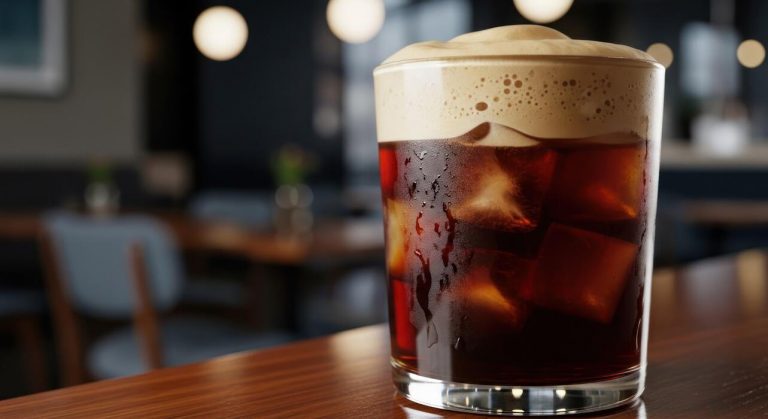
Once your foam is stiff and glossy, gently pour it over your iced coffee. It should float gracefully on top, creating a beautiful layered effect that slowly melds with the dark brew as you sip.
Best dairy-free milks for iced drinks
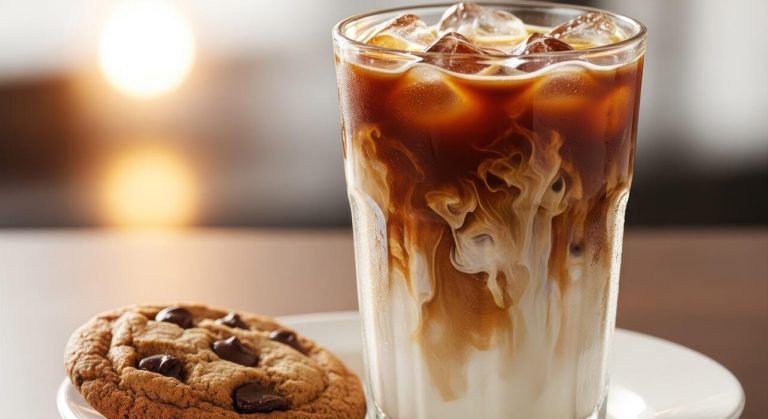
Choosing the right plant-based milk is crucial because different alternatives react uniquely when chilled and mixed with acidic coffee. Oat milk is the gold standard for iced lattes because its naturally creamy texture and mild, malty sweetness perfectly complement cold brew.
It resists curdling and provides a mouthfeel very similar to traditional dairy. If you prefer a nuttier profile, almond milk is a popular low-calorie choice, though it is thinner and may require a vigorous shake before pouring to prevent separation.
For those seeking maximum richness, cashew milk offers a buttery consistency that blends seamlessly without overpowering the coffee’s delicate notes. Soy milk remains a reliable high-protein option that creates a dense foam, though some find its flavor profile too dominant.
Always look for ‘Barista Edition’ labels on the packaging, as these versions contain added stabilizers that help the milk maintain its structural integrity when poured over ice, ensuring your beverage looks and tastes professional from the first sip to the very last drop.
Tips for achieving a creamy texture
The secret to a decadent iced coffee lies in managing the dilution and ensuring the fats are properly emulsified. Instead of pouring thin milk directly into your drink, try whisking a tablespoon of heavy cream or sweetened condensed milk into your brew first to create a silky base.
Another pro tip is to use a cocktail shaker; by shaking your coffee, milk, and ice together vigorously for ten seconds, you create micro-aeration that results in a frothy, chilled texture that feels much heavier on the palate.
If you find your drink becomes watery too quickly, switch to coffee ice cubes made from leftover brew, which prevents the flavor profile from weakening as the ice melts.
Additionally, adding a tiny pinch of sea salt can cut through the bitterness of the beans and enhance the perceived creaminess of the milk.
By focusing on these small adjustments, you can transform a standard glass of cold coffee into a luxurious, full-bodied treat that maintains its consistency and rich flavor until the final drop is finished.
Essential tools for better iced coffee
Must-have glassware and tumblers
To elevate your home beverage experience, selecting the right vessel is more than just an aesthetic choice; it directly impacts temperature retention and flavor.
Double-walled borosilicate glass is the gold standard for iced coffee lovers because it provides superior insulation, keeping your drink chilled for hours while preventing messy condensation from forming on your desk.
For those on the move, investing in a high-quality vacuum-insulated stainless steel tumbler ensures that your brew remains ice-cold even in the sweltering heat of summer. These containers often feature secure lids that prevent spills and preserve the delicate aromatic compounds of your coffee.
When choosing glassware, prioritize thick-bottomed designs that can withstand the thermal shock of hot coffee being poured directly over fresh ice. A wider rim is also beneficial, as it allows you to incorporate larger, artisanal ice cubes that melt slower than standard tray ice.
By upgrading your hardware, you ensure that every sip remains crisp, refreshing, and professionally presented from the first drop to the very last.
Precision scales and measuring tips
Consistency is the secret ingredient to a perfect brew, and a digital kitchen scale with 0.1g accuracy is the most vital tool for achieving it. Measuring your coffee beans and water by weight rather than volume eliminates the variables that lead to a weak or overly bitter cup.
When making iced coffee, you must account for the dilution factor of melting ice, which typically requires a concentrated brewing ratio of 1:8 or 1:10. Using a scale allows you to precisely calculate the exact amount of hot water needed to extract the flavors before the liquid hits the ice.
Many modern coffee scales also include a built-in timer, which is essential for tracking extraction progress and ensuring you don’t over-steep your grounds. For the best results, always weigh your beans before grinding to maintain the perfect strength.
This scientific approach removes the guesswork, allowing you to replicate your favorite cafe-quality results every single morning. Mastering these measurements ensures that your iced coffee is consistently bold, balanced, and never watery or underwhelming.
Long-handled spoons and reusable straws
The final touch in creating a superior iced coffee involves the tools used for integration and enjoyment. A stainless steel long-handled bar spoon is indispensable for thoroughly mixing sweeteners, syrups, or milk alternatives into a tall glass without leaving unrefined residue at the bottom.
The length allows you to reach the base of deep tumblers, ensuring a uniform flavor profile throughout the entire drink. Complementing this, reusable glass or metal straws offer a sustainable and functional way to sip.
Glass straws are particularly favored by enthusiasts because they are non-porous and do not impart a metallic aftertaste, allowing the pure notes of the coffee to shine. Furthermore, using a straw helps bypass the ice, delivering the coldest part of the liquid directly to your palate.
For those who enjoy layered drinks like iced lattes, these tools are essential for the gradual integration of textures. Investing in these small but significant accessories transforms a simple caffeine fix into a sophisticated ritual, providing a tactile experience that mirrors the quality of a high-end coffee shop.
Frequently Asked Questions
What is the best coffee-to-water ratio for iced coffee?
For a bold flavor that won’t taste watered down, use a 1:8 or 1:10 ratio of coffee to water. This creates a concentrate that maintains its integrity even as the ice begins to melt.
How can I prevent my iced coffee from becoming diluted?
The most effective method is to use coffee ice cubes made by freezing leftover brewed coffee. Alternatively, brew your coffee at double strength if you are pouring it directly over fresh ice.
Should I use cold brew or chilled drip coffee for better flavor?
Cold brew generally offers a smoother, less acidic profile, while chilled drip coffee retains more complex aromatic notes. Choose cold brew for a chocolatey richness and chilled drip for a brighter, more floral cup.
How do I sweeten iced coffee without the sugar settling at the bottom?
Use a simple syrup or liquid sweetener instead of granulated sugar, which does not dissolve well in cold liquids. You can make a basic simple syrup by dissolving equal parts sugar and hot water.
What type of roast works best for iced coffee?
Medium to dark roasts are typically preferred because their bold, nutty, and chocolatey notes stand up better to ice and milk. Light roasts can sometimes taste overly sour or thin when served cold.
How does the ‘Flash Chill’ method improve iced coffee?
The Flash Chill or Japanese method involves brewing hot coffee directly onto ice cubes. This instantly locks in the volatile aromatics and bright acids that are often lost during the long steeping process of cold brew.
Conclusion
Mastering the perfect glass of iced coffee relies on quality beans, proper dilution control, and a touch of creativity. Whether you choose the patience of cold brew or the instant gratification of the flash-chilled method, remember that small details like coffee ice cubes and homemade syrups make a significant difference. Now that you have these professional techniques at your disposal, it is time to experiment. Start brewing today and enjoy your most refreshing, flavorful caffeine fix yet.