How To Make Iced Coffee Taste Like Starbucks
Wondering how to make iced coffee taste like starbucks? You’re in the right place. The secret isn’t just strong coffee—it’s brewing double-strength, chilling it fast to avoid dilution, and adding a specific simple syrup. Most home recipes miss the bold, slightly smoky flavor and silky sweetness of their signature blend.
Why Starbucks Iced Coffee Tastes Different from Homemade
The role of coffee bean roasting and blends
To replicate that signature Starbucks iced coffee taste, start with the right beans. Starbucks uses a dark roast for most of their iced coffee, which creates a bold, smoky, and slightly caramelized flavor that stands up well to ice and milk.
Their blends are specifically designed for consistency, often combining beans from Latin America, Africa, and Asia-Pacific for a balanced profile. For homemade iced coffee, choose a dark roast blend labeled as ‘espresso’ or ‘bold’ from your grocery store.
Avoid light or medium roasts, as they can taste too acidic or weak when iced. To mimic their signature flavor, grind your beans fresh just before brewing—Starbucks grinds their beans in-store to preserve oils and aromatics. Use a medium-fine grind for drip or pour-over methods.
Remember, the dark roast is key: it provides that full-bodied, slightly bitter edge that defines their iced coffee. Without it, your homemade version will lack the deep, roasted notes that make Starbucks so recognizable.
How brewing methods affect flavor extraction
The brewing method is crucial for achieving Starbucks’ bold iced coffee flavor. Starbucks uses a double-strength brew for their iced coffee to compensate for dilution from ice. To replicate this at home, brew your coffee twice as strong as you normally would for hot coffee.
Use a ratio of 2 tablespoons of ground coffee per 6 ounces of water (instead of the standard 1 tablespoon). For extraction, a drip coffee maker or pour-over works well, but avoid cold brew—Starbucks iced coffee is not cold brew; it’s hot-brewed then chilled.
The hot brewing process extracts more oils and soluble compounds, creating a richer, more complex flavor than cold brew’s smoother profile. Another tip: brew directly over ice by placing ice in your carafe and brewing hot coffee onto it.
This flash-chills the coffee, locking in volatile aromatics that would otherwise evaporate as it cools slowly. For best results, use a paper filter to remove fine particles and oils, mimicking the clean, crisp taste of Starbucks.
Why water quality and temperature matter
Water quality and temperature are often overlooked but are essential for Starbucks-level iced coffee. Starbucks uses filtered water in their stores to eliminate impurities like chlorine or minerals that can create off-flavors.
For homemade iced coffee, use filtered or bottled water instead of tap water to ensure a clean, neutral base. The water temperature should be between 195°F and 205°F (just off the boil). Too hot, and you’ll over-extract bitter compounds; too cool, and you’ll under-extract, leaving a sour, weak taste.
Invest in a kitchen thermometer or boil water and let it sit for 30 seconds before pouring. Also, consider the water-to-coffee ratio—Starbucks uses a precise 1:16 ratio for their hot brew, but for iced, you’ll want a stronger ratio (1:8 or 1:10) to account for ice dilution.
Finally, use fresh, cold water—not water that’s been sitting in the kettle—to ensure optimal oxygen content for extraction. These small adjustments make a big difference in mimicking that smooth, consistent Starbucks flavor at home.
Best Coffee Beans to Use for Starbucks-Style Iced Coffee

Recommended Starbucks whole bean varieties
To replicate that iconic Starbucks iced coffee flavor, start with the same beans they use. Ethiopia is a top choice, offering a clean, bright taste with floral and citrus notes that shine when chilled.
Guatemala Antigua provides a balanced, cocoa-like richness with a subtle hint of spice, ideal for a smooth iced brew. For a bolder, more caramel-forward profile, Starbucks Veranda Blend is a light roast that still delivers depth without bitterness.
House Blend is another classic, medium-roasted option that’s versatile and pairs well with milk or sweeteners. If you prefer a darker, smoky edge, Italian Roast or Sumatra offer that intense, full-bodied kick. Always buy whole beans and grind them just before brewing to preserve freshness.
Look for bags with a recent roast date, and store them in an airtight container away from light to maintain that authentic Starbucks taste in every glass of iced coffee.
How to choose medium vs. dark roast
Choosing between medium and dark roast is key to nailing the Starbucks iced coffee flavor. Medium roast beans like House Blend or Guatemala are roasted longer than light roasts but still retain their origin characteristics, resulting in a balanced, smooth cup with subtle acidity and sweetness.
This roast level is ideal if you want a versatile iced coffee that’s not too bitter and can be enjoyed black or with milk.
Dark roast beans, such as Italian or French Roast, are roasted to the second crack, giving them a bold, smoky, and sometimes charred flavor with low acidity. This is what many associate with Starbucks’ signature intense taste, especially in iced versions.
For a true Starbucks-style iced coffee, go with a medium-dark roast like their Espresso Roast, which offers a rich body and caramelized sweetness. Experiment by brewing both: start with medium for a brighter iced coffee, then try dark for a deeper, more robust profile. Your preference will guide you.
Where to buy similar beans for less
You don’t need to pay Starbucks prices to get that same iced coffee taste. Local grocery stores often carry comparable whole bean options from brands like Peet’s Coffee, which offers dark roasts like Major Dickason’s Blend that mimic Starbucks’ boldness.
Trader Joe’s is a goldmine for affordable, high-quality beans—their Joe’s Medium Roast or Organic Sumatra are excellent, budget-friendly choices. Online retailers like Amazon or Happy Mug sell specialty beans in bulk at lower costs; look for descriptions like “balanced,” “chocolatey,” or “smoky” to match Starbucks profiles.
Costco also stocks large bags of Starbucks beans themselves at a discount, or Kirkland Signature blends that are roasted by Starbucks for a fraction of the price. Local roasters can offer fresh, similar flavors—ask for a medium-dark roast with notes of cocoa or nuts.
Always check for sales or subscribe-and-save options. By exploring these sources, you can enjoy that familiar iced coffee flavor without the café markup.
How to Brew Coffee That Mimics Starbucks Flavor

Using a drip coffee maker for iced coffee
To mimic Starbucks’ bold iced coffee at home, start by brewing double-strength coffee in your drip machine. Use two scoops of ground coffee per 6 ounces of water instead of one. This compensates for the dilution from ice.
Choose a dark roast like Sumatra or French Roast for that signature smoky, caramelized flavor. Brew directly into a heatproof carafe filled with ice—use half the amount of ice as the final volume.
For example, fill a 16-ounce glass with 8 ounces of ice, then brew 8 ounces of hot coffee over it. Stir immediately to chill and preserve aroma. Add a splash of whole milk or oat milk and a pump of vanilla syrup to replicate their vanilla sweet cream.
Avoid weak coffee by never brewing at normal strength—Starbucks uses a concentrated ratio. Serve over fresh ice for a crisp, robust taste that rivals their iced coffee.
Cold brew method for smoother taste
For a smooth, low-acid iced coffee that tastes just like Starbucks’ cold brew, use the immersion cold brew method. Combine 1 cup of coarse-ground dark roast coffee (like their Guatemala Antigua) with 4 cups of cold, filtered water in a large jar.
Stir gently, cover, and steep at room temperature for 12 to 24 hours—longer for stronger extraction. After steeping, pour through a fine-mesh sieve lined with a coffee filter or a nut milk bag to remove grounds. The result is a concentrated brew that’s less bitter and more chocolatey.
To serve, dilute with equal parts water or milk—Starbucks typically uses a 1:1 ratio. Add ice, and for sweetness, stir in a teaspoon of simple syrup or vanilla syrup. This method yields a silky, full-bodied flavor without acidity, perfect for hot days.
Store concentrate in the fridge for up to two weeks.
French press technique for full body
Achieve Starbucks’ rich, oily body by using a French press for your iced coffee. Start with a coarse grind of a dark roast like Espresso Roast—grind too fine and you’ll get sludge.
Use a ratio of 1:15 coffee to water, but for iced coffee, brew at double strength: 4 tablespoons of grounds per 8 ounces of hot water (just off boil). Pour water over grounds, stir, and steep for exactly 4 minutes. Press the plunger down slowly.
Immediately pour the hot concentrate over a glass filled with ice—aim for half the volume as ice. This quick chilling locks in the bold, smoky notes and creamy mouthfeel. Add a splash of half-and-half or heavy cream for that velvety texture Starbucks is known for.
Sweeten with a drop of caramel syrup if desired. The French press traps natural oils, giving your iced coffee a luxurious, full-bodied finish that mimics their café-style drinks perfectly.
Tips for Sweetening Iced Coffee Like Starbucks
Classic syrup recipe with simple ingredients
To replicate Starbucks’ signature sweetness, start with a classic simple syrup made from equal parts water and granulated sugar. Combine 1 cup of water and 1 cup of sugar in a saucepan over medium heat, stirring until the sugar dissolves completely. Let it cool before using.
This syrup is the base for their liquid cane sugar and blends seamlessly into iced coffee without the grittiness of undissolved granules. For a more authentic taste, use raw cane sugar or turbinado sugar, which adds a subtle molasses note similar to Starbucks’ offerings.
Store the syrup in a sealed container in the refrigerator for up to two weeks. When sweetening your iced coffee, start with 2-3 tablespoons per 12-ounce serving and adjust to your preference.
This homemade version mimics the texture and sweetness level of Starbucks’ standard pumps, ensuring your coffee tastes balanced and not overly sugary. For a richer flavor, experiment with brown sugar simple syrup by substituting brown sugar for white sugar—a trick that adds depth without extra effort.
How to use vanilla, caramel, or hazelnut syrups
Starbucks achieves its distinct iced coffee flavors using pumpable syrups like vanilla, caramel, and hazelnut. To replicate this at home, buy high-quality Torani or Monin syrups from grocery stores or online.
For a 16-ounce iced coffee, add 2-3 pumps (or 1-2 tablespoons) of syrup directly to the hot brewed coffee before cooling, as heat helps the syrup dissolve evenly. Vanilla is the most versatile choice, enhancing coffee’s natural sweetness without overpowering it.
Caramel syrup adds a buttery richness—pair it with a splash of milk for a caramel latte effect. Hazelnut syrup offers a nutty, slightly sweet profile that mimics Starbucks’ popular hazelnut iced coffee. For best results, combine syrups: try 1 pump vanilla and 1 pump caramel for a vanilla caramel blend.
Avoid using more than 3 pumps, as Starbucks typically limits syrups to 4 pumps for a grande, and excess syrup can make the drink cloying. Stir thoroughly after adding ice to ensure even distribution.
Adjusting sweetness without artificial flavors
If you prefer Starbucks-level sweetness without artificial syrups, focus on natural sweeteners that dissolve well in cold liquids. Honey is an excellent option—add 1-2 teaspoons to hot coffee first, then cool it, as honey thickens in cold drinks.
Maple syrup provides a clean, earthy sweetness that complements coffee’s bitterness; use 1-2 tablespoons per serving. For a sugar-free approach, stevia drops or monk fruit sweetener work well—start with a few drops and taste, as they are intensely sweet.
To mimic Starbucks’ liquid cane sugar, blend 1 cup of coconut sugar with 1 cup of hot water until dissolved; this adds a caramel-like undertone without artificial ingredients. Another trick is to use date syrup, which has a rich, fruity sweetness and pairs nicely with cold brew.
For a balanced profile, combine a small amount of honey with a pinch of cinnamon or vanilla extract—this adds complexity without extra sugar. Always sweeten your coffee while it’s hot to ensure even mixing, then pour over ice for a clean, satisfying taste that rivals any store-bought version.
Best Milk and Cream Options for Starbucks Texture

Whole milk vs. 2% for creamy consistency
To replicate Starbucks’ signature creamy iced coffee, choose whole milk over 2% or skim. Starbucks baristas use whole milk as the standard for most cold drinks because its higher fat content (about 3.25%) creates a richer mouthfeel and better balances coffee’s bitterness.
If you prefer 2%, it will still work but yields a thinner texture. For the best at-home dupe, use cold whole milk straight from the fridge and pour it over ice after brewing your coffee. Avoid heating the milk, as cold milk preserves the drink’s refreshing quality.
If you want an even creamier result, add a splash of heavy cream (about 1 tablespoon per 8 ounces of coffee) to mimic Starbucks’ extra-indulgent versions like the White Chocolate Mocha. The key is proportion: use a 1:3 milk-to-coffee ratio for that balanced, velvety consistency that doesn’t dilute the flavor.
Non-dairy alternatives like oat or almond milk
For a dairy-free iced coffee that tastes like Starbucks, opt for oat milk over almond milk for the best texture. Starbucks’ default non-dairy option is oat milk because it has a neutral flavor and creamy consistency that closely mimics whole milk without separating or curdling in cold coffee.
Choose a barista edition oat milk (like Oatly or Chobani) which contains added oils and stabilizers for a smoother pour.
Almond milk works but tends to be thinner and can taste watery; if you use it, shake the carton vigorously and opt for an unsweetened vanilla variety to add subtle sweetness. Avoid coconut milk as it can overpower the coffee’s flavor.
For a true Starbucks-style experience, steam or froth your non-dairy milk before pouring over ice—this aerates it slightly, creating a lighter, more luxurious texture. Always pour the milk first, then add coffee to prevent separation.
How to froth or shake milk for smoothness
To achieve Starbucks’ signature silky texture at home, froth or shake your milk before adding it to iced coffee. For a quick method, use a handheld milk frother (under $15) to aerate cold milk for 10-15 seconds until it becomes slightly foamy and velvety.
Alternatively, pour milk into a sealed jar and shake vigorously for 30 seconds—this creates a light foam that blends smoothly with coffee. For a more barista-style result, steam the milk briefly (if you have an espresso machine) to incorporate microfoam, then pour over ice to cool it down.
Avoid over-frothing, as too much foam can make the drink feel airy rather than creamy. The goal is tiny, uniform bubbles that integrate seamlessly. Always froth or shake after measuring your milk and before adding it to the coffee, ensuring a consistent, luxurious texture in every sip.
This simple step transforms homemade iced coffee into a café-quality treat.
How to Assemble the Perfect Iced Coffee at Home
Step-by-step layering for balanced flavor
To replicate Starbucks’ signature iced coffee, start by brewing double-strength coffee using a 1:15 coffee-to-water ratio (e.g., 2 tablespoons grounds per 6 oz water). This prevents bitterness when diluted over ice.
Immediately after brewing, stir in 1-2 teaspoons of simple syrup while the coffee is hot to dissolve evenly—Starbucks uses a cane sugar syrup for smooth sweetness. Let the coffee cool to room temperature (about 10 minutes) to avoid shocking the ice.
Fill a tall glass halfway with ice, then pour the cooled coffee over the ice slowly to maintain clarity. Add 2-3 tablespoons of milk or cream (whole milk or oat milk mimics their creamy texture) and stir gently to combine.
For a stronger flavor, use a cold brew concentrate instead of hot-brewed coffee, as it’s less acidic and more robust. Always taste before serving; adjust sweetness or milk ratio to match your preference. This layering method ensures each sip is balanced, not watery, just like your favorite café version.
Ice cube tips to avoid dilution
Dilution is the #1 enemy of homemade iced coffee, but you can outsmart it with coffee ice cubes. Brew a batch of regular-strength coffee (or leftover from your morning pot), pour it into an ice cube tray, and freeze overnight.
These cubes chill your drink without watering it down, preserving the bold, rich flavor. Alternatively, use large, dense ice cubes made in silicone molds—they melt slower than standard cubes, reducing dilution by up to 30%.
If using regular ice, fill the glass only halfway and add more as needed, or pre-chill your glass by swirling cold water in it for 30 seconds before adding coffee. For a sweeter twist, freeze milk or cream into cubes to add creaminess as they melt.
Starbucks baristas often underfill their cups with ice to prioritize flavor, so aim for a 1:1 ratio of coffee to ice (e.g., 8 oz coffee to 8 oz ice). These simple swaps keep your iced coffee tasting fresh and strong from first sip to last.
Garnishes and finishing touches
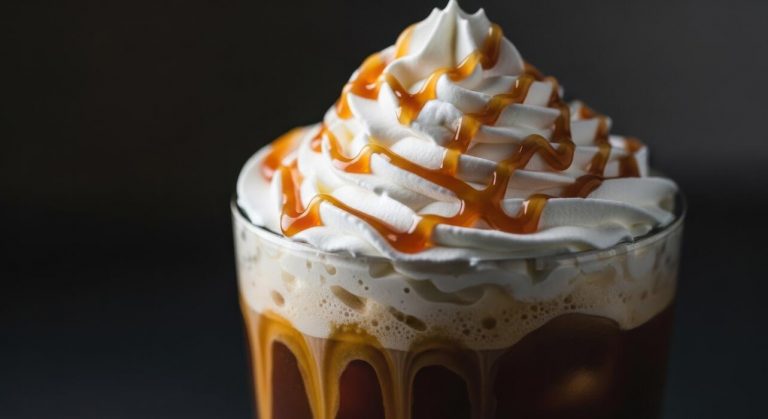
Elevate your iced coffee to Starbucks-level perfection with thoughtful garnishes. Start by drizzling caramel or mocha sauce around the inside of the glass before adding ice—this creates a visually appealing swirl and infuses sweetness with every sip.
Top with a dollop of whipped cream (store-bought or homemade with heavy cream and vanilla) for that indulgent café feel. Sprinkle cinnamon, cocoa powder, or nutmeg over the cream to add aromatic depth, or use crushed cookie bits (like chocolate wafer) for texture.
For a refreshing twist, add a sprig of fresh mint or a slice of lemon—unexpected but mimics Starbucks’ seasonal offerings. Stir in a pinch of sea salt to cut bitterness and enhance sweetness, a trick used in their salted caramel drinks.
Finally, serve with a sturdy reusable straw (metal or silicone) to avoid soggy paper straws. These finishing touches make your homemade iced coffee look and taste like a premium barista creation, satisfying your craving without the drive-thru.
Common Mistakes That Ruin Homemade Iced Coffee
Using hot coffee on ice incorrectly
The most common mistake is pouring hot coffee directly over ice, which dilutes the flavor and creates a weak, watery brew. To get that rich, bold Starbucks taste, you need to double-brew your coffee.
Use twice the amount of coffee grounds you normally would for hot coffee, then pour the hot coffee over ice. This compensates for the melting ice, ensuring the final drink is robust, not bland.
For an even better result, brew the coffee directly into a heatproof container filled with ice, like a glass measuring cup. This flash-chills the coffee, locking in the aromatic oils and preventing the bitter, over-extracted flavors that come from slow cooling.
Starbucks uses a similar method to maintain their signature smoothness. Alternatively, make coffee ice cubes by freezing leftover coffee—this prevents dilution altogether. Remember, the goal is to preserve the coffee’s body and intensity, not water it down.
A proper hot-to-ice ratio (1:1 coffee to ice by volume) is your secret weapon for a café-quality drink at home.
Overlooking coffee-to-water ratios
Another frequent pitfall is using the same coffee-to-water ratio as you would for hot coffee, which results in a thin, lackluster iced coffee. To mimic Starbucks’ bold flavor, you must increase the coffee strength by 50-100% before chilling.
A standard hot ratio is 1-2 tablespoons of ground coffee per 6 ounces of water, but for iced coffee, use 3-4 tablespoons per 6 ounces. This concentrated brew ensures that even after melting ice, the coffee remains full-bodied and flavorful, not watery.
Starbucks uses a specific brewing formula for their iced coffee that emphasizes a higher coffee dose. Use a kitchen scale for precision: aim for a 1:10 coffee-to-water ratio (e.g., 30 grams coffee to 300 grams water) for hot, then scale up to 1:5 or 1:6 for iced.
Adjust based on your taste preference, but always start stronger. If your iced coffee tastes bitter or sour, you might be using too much or too little coffee. Experiment with a French press or cold brew method to lock in a smooth, rich profile that rivals any coffee shop.
Skipping the chilling step for best taste
Many people rush by skipping the essential chilling step, which leads to a flat, bitter taste. Hot coffee that cools slowly in the fridge can develop unwanted acidic and bitter compounds due to prolonged oxidation. To achieve that smooth, balanced Starbucks flavor, cool your brewed coffee rapidly before serving.
The best method is to brew the coffee directly over ice as mentioned, or pour the hot concentrate into a metal bowl set over an ice bath and stir vigorously for 30 seconds. This rapid chilling locks in the coffee’s natural sweetness and reduces bitterness.
Starbucks cold brews their iced coffee for 20 hours, but for quick results, refrigerate the coffee for at least 4 hours after flash-chilling. Never skip this step—serving warm coffee over ice only leads to dilution and a compromised taste.
For optimal results, prepare your coffee the night before, let it chill overnight, and then pour over fresh ice the next day. This patience ensures a clean, crisp, and full-bodied iced coffee that stays delicious until the last sip.
Frequently Asked Questions
What is the secret to making iced coffee taste like Starbucks?
The key is using a strong, bold roast coffee brewed double strength (double the grounds per water). Starbucks uses a dark roast like their Espresso Roast or French Roast, which provides a rich, slightly smoky flavor that holds up well against ice and milk.
How do I make iced coffee like Starbucks without an espresso machine?
Brew a strong pot of dark roast coffee using a drip machine, pour-over, or French press, using twice the amount of coffee grounds you normally would. Let it cool, then pour over ice. For a closer match, add a splash of half-and-half or whole milk and sweeten with classic syrup (simple syrup made from equal parts sugar and water).
What type of milk does Starbucks use in their iced coffee?
Starbucks typically uses 2% milk as their standard, but they also offer whole milk, nonfat milk, almond milk, coconut milk, oat milk, and soy milk. For the creamiest, most authentic taste, use whole milk or half-and-half, as these replicate the richness of their coffeehouse drinks.
How can I sweeten my iced coffee to taste like Starbucks?
Starbucks uses a classic syrup (simple syrup) made from sugar and water, which dissolves easily in cold drinks. Make your own by combining 1 cup of sugar with 1 cup of water, heating until dissolved, then cooling. Use 1-2 tablespoons per iced coffee for a sweet, balanced flavor without gritty sugar crystals.
Do I need to use ice cubes to get that Starbucks iced coffee taste?
Yes, but avoid diluting your coffee by using coffee ice cubes. Simply pour leftover brewed coffee into an ice cube tray and freeze. When you make your iced coffee, use these cubes instead of regular ice to maintain the strong coffee flavor as they melt.
How do I make a Starbucks-style iced caramel macchiato at home?
Start with a strong espresso or double-strength brewed coffee. Fill a glass with ice, add 2 tablespoons of vanilla syrup (or vanilla extract mixed with simple syrup), then pour in milk (2% or whole) to about 3/4 full. Slowly pour the coffee over the ice and milk, then drizzle caramel sauce on top. The layering is key for the authentic look and taste.
What is the best coffee roast to use for Starbucks-style iced coffee?
A dark roast, such as Starbucks Espresso Roast, French Roast, or a similar dark roast from another brand, works best. Dark roasts have a bold, smoky profile that remains flavorful even when iced and diluted, mimicking the signature Starbucks taste. Avoid light roasts, which can taste acidic or sour when cold.
Conclusion
To replicate that signature Starbucks iced coffee, remember three keys: use strong, freshly brewed coffee, chill it quickly to avoid dilution, and sweeten with simple syrup while it’s still warm. Don’t forget the finishing touch—a generous splash of whole milk or cream. Now, grab your favorite glass and start brewing.