How To Make Perfect Cold Coffee At Home
To master how to make perfect cold coffee at home, you need to avoid the common pitfalls of bitterness or watery dilution. The core problem is achieving rich, smooth flavor without ice melting it down. You’re in the right place. The solution lies in cold brewing—steeping coarse grounds in cold water for 12-24 hours, then filtering. This method extracts deep, low-acid coffee that stays bold when poured over ice. No heat, no hassle, just perfect results.
Why Cold Coffee Is the Perfect Summer Drink
What makes cold coffee different from iced coffee
The key difference lies in the brewing method, which directly impacts flavor and acidity. Cold coffee is made by steeping coarse-ground beans in cold water for 12-24 hours, producing a smooth, naturally sweet concentrate. In contrast, iced coffee is hot-brewed coffee that is quickly chilled and poured over ice.
The hot extraction process releases more bitter compounds and oils, leading to a sharper, more acidic taste that can become watery as ice melts.
To make perfect cold coffee at home, start with a 1:4 ratio of coffee to cold water in a jar, stir, and refrigerate for at least 12 hours. After steeping, strain through a fine-mesh sieve or cheesecloth.
The result is a concentrated brew that stays rich even when diluted with milk or ice. This method requires no heat, preserving delicate flavor notes and reducing bitterness. For the best results, use coarse-ground beans (like for a French press) and filtered water to avoid off-flavors.
Health benefits of cold brew vs. hot brewed cold coffee
Cold brew coffee offers distinct health advantages over its hot-brewed counterpart. Because it is steeped cold, cold brew contains up to 66% less acidity than hot coffee, making it gentler on your stomach and teeth enamel.
This lower acidity also reduces the risk of acid reflux or heartburn, allowing you to enjoy your summer drink without discomfort. Additionally, cold brew retains higher levels of antioxidants like chlorogenic acid, which can help reduce inflammation and stabilize blood sugar.
For a healthier homemade version, skip the sugar and use unsweetened almond milk or oat milk as a creamy base. To make it at home, simply steep your coffee grounds in cold water for 12-24 hours, then dilute the concentrate with water or milk to your taste.
You can also add a pinch of cinnamon or vanilla extract for flavor without calories. This method ensures you get a nutrient-rich, low-acid drink that supports hydration and energy without the crash.
How cold coffee saves you money compared to café drinks
Making cold coffee at home is a simple way to cut costs while enjoying a premium beverage. A single café cold brew can cost $4–$6, but homemade versions cost less than $0.50 per serving using bulk beans and tap water.
The initial investment in a large mason jar and a reusable filter (or cheesecloth) pays off after just a few batches. To maximize savings, buy whole beans in bulk and grind them coarsely at home—this ensures freshness and avoids expensive pre-ground options.
You can also repurpose leftover grounds as garden fertilizer or a natural deodorizer, reducing waste. For the most economical approach, make a weekly batch of concentrate (1 part coffee to 4 parts water) and store it in the fridge for up to two weeks.
Dilute with ice and milk as needed, and customize with spices or syrups you already have. By doing this, you eliminate the markup for labor, packaging, and overhead, saving hundreds of dollars over a summer while enjoying a consistent, café-quality drink on demand.
Essential Tools and Ingredients for Homemade Cold Coffee

Must-have equipment: French press, mason jar, or drip brewer
You don’t need a fancy machine to make perfect cold coffee at home. A French press is ideal because it brews and filters in one vessel, delivering a smooth, full-bodied concentrate. Simply combine coarse coffee grounds and cold water, let it steep for 12-24 hours, then press the plunger.
A mason jar works just as well: mix grounds and water, let it steep, then pour through a fine-mesh sieve or cheesecloth into another jar. For a quicker option, use a drip brewer to make hot coffee, then chill it rapidly over ice—though this method can dilute flavor.
Whichever you choose, ensure your equipment is clean to avoid off-tastes. Pro tip: a digital kitchen scale helps measure coffee and water precisely for consistent results, and a tall glass with a straw makes serving feel café-style.
Best coffee beans and grind size for cold coffee
The right beans and grind are crucial for a rich, non-bitter cold coffee. Medium to dark roast beans are best because their low acidity and caramelized sugars shine when cold-brewed, yielding a smooth, chocolatey flavor. Avoid light roasts, which can taste sour.
For grind size, use a coarse grind (like sea salt) for cold brewing methods—fine grinds over-extract and create sludge. If you’re making iced coffee by pouring hot coffee over ice, a medium grind works for drip brewers. Always buy whole beans and grind them just before brewing for maximum freshness.
A burr grinder ensures uniform particles, while a blade grinder can produce uneven bits. Store beans in an airtight container away from light and heat, and use filtered water (not tap) for the cleanest taste.
Milk, sweeteners, and flavor add-ins to elevate your drink
Elevate your cold coffee with thoughtful add-ins. Whole milk or oat milk creates a creamy texture, while almond or coconut milk keeps it dairy-free. For sweetness, start with simple syrup (equal parts sugar and water, dissolved) or honey—granulated sugar won’t dissolve well in cold liquid.
For a healthier twist, try maple syrup or stevia. Flavor boosters: add vanilla extract (1/2 teaspoon per cup), cinnamon, or cocoa powder for a mocha vibe. For a salted caramel touch, mix in a pinch of sea salt with caramel syrup. Want it indulgent?
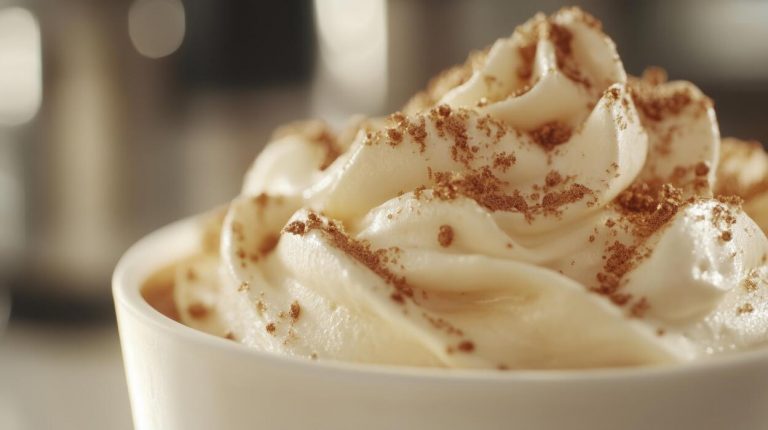
Top with whipped cream and a dusting of cinnamon. Pro tip: cold foam—frothed milk without heat—adds a luxurious layer. Experiment with ratios: start with 2 parts coffee to 1 part milk, then adjust to your taste. Always stir thoroughly to blend flavors evenly.
How to Make Cold Brew Coffee at Home
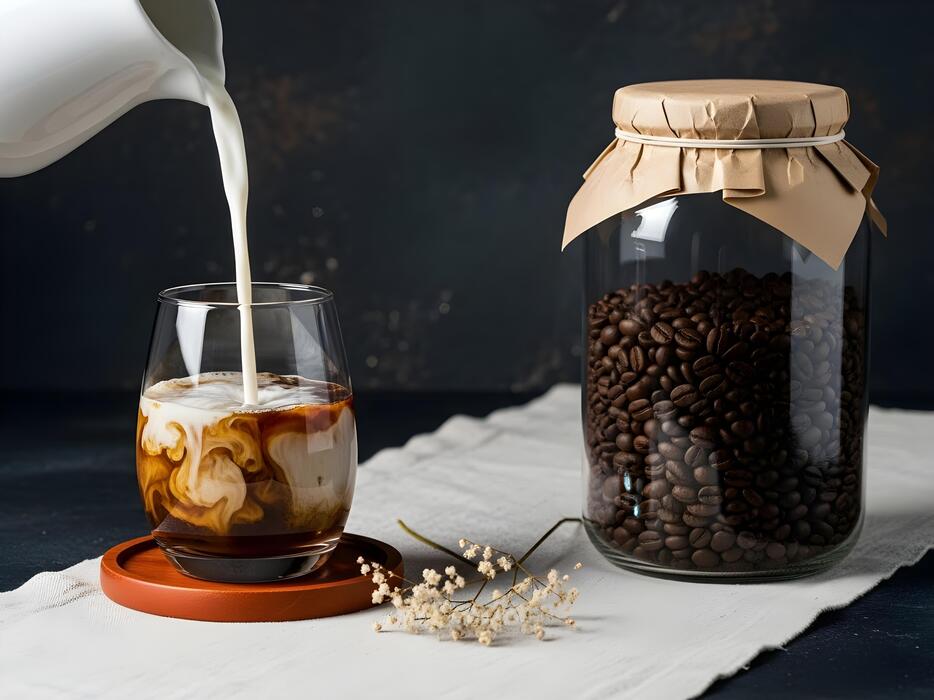
Step-by-step cold brew recipe with a mason jar
Making perfect cold brew at home is simple with a mason jar and a few quality ingredients. Start by coarsely grinding 1 cup of fresh coffee beans—aim for a texture like breadcrumbs to avoid over-extraction.
Combine the grounds with 4 cups of cold, filtered water in a clean 32-ounce mason jar, stirring gently to ensure all grounds are saturated. Secure the lid and shake lightly to mix. Let the jar sit at room temperature for 12-24 hours, away from direct sunlight.
For a smoother taste, use a coffee-to-water ratio of 1:4 (by volume) for a concentrate that you can dilute later. Experiment with ratios—1:3 yields a bolder brew, while 1:5 is milder. This method extracts rich, low-acid flavors without bitterness.
Once steeped, you’ll have a base for iced coffee that stays fresh in the fridge for up to two weeks.
How long to steep cold brew for the perfect strength
The steeping time is key to achieving your ideal cold brew strength. For a balanced, smooth concentrate, steep for 12-14 hours at room temperature—this extracts deep chocolate and nutty notes without bitterness.
If you prefer a stronger, bolder brew for mixing with milk or cream, extend to 18-20 hours; the flavor becomes more intense and slightly syrupy. Avoid steeping beyond 24 hours, as the coffee can turn bitter and over-extracted, with a muddy taste.
For a milder, tea-like brew, try 8-10 hours, which works well for drinking straight over ice. Always use cold or room temperature water—hot water will extract quickly and create bitterness.
After steeping, taste a small amount: if it’s too weak, steep another 2-4 hours; too strong, dilute with water when serving. Refrigerate during longer steeps to prevent any off-flavors from developing.
Tips for filtering and storing cold brew concentrate
Filtering cold brew properly ensures a clean, sediment-free drink. Start by pouring the steeped mixture through a fine-mesh strainer lined with a damp paper towel or cheesecloth into a clean pitcher. Avoid pressing on the grounds to prevent cloudiness.
For maximum clarity, strain twice: first through the mesh, then through a coffee filter or a nut milk bag. If using a French press, simply press the plunger slowly—this works well for small batches.
Store your concentrate in an airtight glass container in the refrigerator; it stays fresh for up to two weeks. For single servings, pour into ice cube trays—these coffee cubes won’t dilute your drink. Always label with the date to track freshness.
To serve, dilute 1 part concentrate with 1-2 parts water or milk, adjusting to taste. Add ice, and enjoy a consistently perfect cup every time.
How to Make Iced Coffee with Hot Brew
Quick iced coffee method using a drip brewer
For a fast and reliable iced coffee, double the coffee grounds you normally use for hot coffee. For example, if you use 2 tablespoons per cup, use 4. Brew a full pot as usual, but place a heatproof pitcher filled with ice directly under the carafe.
As the hot coffee drips, it will immediately chill and dilute slightly. For best results, use a 1:1 ratio of hot coffee to ice—so if you brew 2 cups of hot coffee, have 2 cups of ice in the pitcher.
Stir gently to ensure even cooling, then pour over fresh ice in your glass. This method yields a strong, smooth iced coffee in under 10 minutes. Add milk or sweetener while the coffee is still warm for better blending.
The key is to avoid over-dilution by using concentrated coffee and plenty of ice from the start.
How to avoid watery iced coffee with ice cubes
The biggest mistake is using regular-strength hot coffee poured over ice—this melts the ice too fast, leaving a watery drink. To prevent this, brew coffee at double strength (use twice the grounds per water).
Then, when you pour it over ice, the melting ice will bring it to normal strength rather than weak. Another trick: use coffee ice cubes made from leftover brewed coffee. They chill without diluting. Also, cool your hot coffee to room temperature before adding ice—this reduces rapid melting.
For a creamy solution, freeze milk or cream into cubes. Finally, add ice just before serving and stir only once. If you let the coffee sit, the ice melts unevenly.
By controlling the concentration and temperature, you get a bold, refreshing iced coffee that stays strong from first sip to last.
Using a pour-over or Aeropress for rich iced coffee
For a clean, aromatic iced coffee, a pour-over or Aeropress offers precision and depth. With a pour-over, use a 1:15 coffee-to-water ratio but halve the water volume—so for 20g coffee, use 150g hot water. Brew directly into a carafe filled with 150g ice. This instant-chill method locks in bright flavors.
For the Aeropress, use the inverted method: add 15g finely ground coffee and 50ml hot water (200°F), stir for 10 seconds, then press into a cup with 100g ice. The short brew time extracts rich oils without bitterness. Both methods produce a concentrated, full-bodied coffee that shines over ice.
Add a splash of milk or simple syrup to taste. The key is to brew hot and chill fast—this preserves volatile aromas. Experiment with grind size (medium-fine for pour-over, fine for Aeropress) to control strength. These techniques deliver a superior, café-quality iced coffee at home.
Best Ways to Customize Your Cold Coffee

Flavor syrups, spices, and creamers to try
Elevate your cold coffee by experimenting with homemade or store-bought syrups. Classic vanilla, caramel, or hazelnut are easy to make by simmering equal parts sugar and water with extracts. For a unique twist, try lavender or cinnamon syrup—simply steep dried lavender or a cinnamon stick in the simple syrup base.
Spices like nutmeg, cardamom, or pumpkin pie spice can be sprinkled directly into the grounds before brewing or stirred into the finished coffee. Creamers add richness; opt for sweetened condensed milk for a Vietnamese-style iced coffee or whipped cream with a dash of cocoa powder.
For a lighter touch, use oat milk creamer in flavors like brown sugar or chai. Always start with one teaspoon of syrup per cup, then adjust to taste.
The key is balancing sweetness without overpowering the coffee’s natural notes—try pairing dark roasts with bold spices and light roasts with fruity syrups for best results.
How to make dairy-free and vegan cold coffee
Creating a creamy, dairy-free cold coffee is simple with the right plant-based milk. Oat milk is the top choice for its neutral flavor and frothy texture—just shake it in a jar before adding to your coffee. Coconut milk adds a tropical richness, while almond milk offers a nutty undertone.
For a thicker consistency, use cashew milk or blend in a frozen banana. To mimic the sweetness of dairy creamers, add maple syrup, agave, or date paste to taste. For a frothy top, warm the plant milk gently and whisk vigorously, or use a handheld frother.
Avoid curdling by letting your cold coffee cool completely before adding the milk. For extra creaminess, stir in a spoonful of coconut cream or silken tofu blended until smooth. You can also use vegan condensed milk made from coconut milk and sugar.
These options ensure a luscious, ethical cold coffee that’s fully customizable.
Adding protein powder or collagen for a boost
Transform your cold coffee into a functional beverage by blending in protein powder or collagen peptides. For the best texture, use a blender or shaker bottle to avoid clumps—start with one scoop per 8-ounce serving.
Vanilla or chocolate protein powder complements coffee’s bitterness, while unflavored options work well with added syrups. Collagen is flavorless and dissolves easily, even in cold liquids, making it ideal for a skin and joint health boost.
To prevent graininess, mix the powder with a small amount of cold water or milk first to create a slurry, then stir into your coffee. For a frothy, latte-like consistency, blend the coffee, milk, and powder together for 10 seconds.
Be mindful of sweetness—many protein powders are pre-sweetened, so reduce added syrups accordingly. This method turns your morning coffee into a satiating, nutrient-packed drink that supports muscle recovery and sustained energy without sacrificing taste.
Common Cold Coffee Mistakes and How to Fix Them
Why your cold coffee tastes bitter or weak
Bitter or weak cold coffee often stems from using the wrong coffee-to-water ratio or steeping for too long. For balanced flavor, start with a 1:8 ratio—1 part coarsely ground coffee to 8 parts cold water.
If it’s bitter, you likely over-extracted by steeping over 24 hours or used water that’s too hot initially. Always use cold or room-temperature water. Weak coffee means you under-extracted: steep for at least 12-16 hours at room temp or 18-24 hours in the fridge.
Another fix is grind size—too fine causes bitterness, too coarse leads to weak brew. Use a medium-coarse grind, like sea salt. If still bitter, add a pinch of salt to your final cup to neutralize harshness.
For a quick fix, dilute bitter coffee with a splash of milk or cream, or sweeten with simple syrup to balance flavors. Always taste before serving and adjust next batch based on your preference.
How to fix cloudy or gritty cold brew
Cloudy or gritty cold brew usually results from over-agitation or using a grind that’s too fine. The solution is simple: use a coarse grind (like breadcrumbs) to minimize fine particles. When mixing, stir gently just to combine—avoid vigorous shaking.
After steeping, strain through a fine-mesh sieve lined with a paper filter or a nut milk bag. For extra clarity, double-filter: first through a sieve, then through a paper coffee filter.
If you still see sediment, let the brew sit in the fridge for 30 minutes after filtering, then pour off the clear liquid, leaving grit at the bottom. Another tip: rinse your filter with cold water before pouring to remove paper taste.
Cloudiness can also come from using tap water with high mineral content; switch to filtered or bottled water. For a quick fix, stir in a teaspoon of milk or cream to mask cloudiness, but for future batches, prioritize coarse grind and gentle handling.
Avoiding over-dilution when serving over ice
Over-dilution turns your carefully brewed cold coffee into watery disappointment. The fix is double-strength brewing: use a 1:4 coffee-to-water ratio instead of the usual 1:8. This concentrates the flavor so melting ice doesn’t weaken it.
When serving, fill your glass completely with ice before pouring the coffee—this maximizes chilling with minimal dilution. For an extra boost, make coffee ice cubes by freezing leftover cold brew in ice trays; they chill without watering down.
Alternatively, chill your glass and coffee in the fridge for 30 minutes before serving. If you prefer a weaker drink, brew at normal strength but use less ice and add cold milk or cream to compensate.
Another trick: brew with cold water and steep in the fridge to reduce ice needed. Finally, serve immediately after pouring—don’t let it sit, as ice melts faster in warm liquid. These steps keep your cold coffee bold and refreshing from first sip to last.
Tips for Serving and Storing Cold Coffee
Best glassware and ice types for presentation
Elevate your cold coffee experience by choosing the right glassware and ice. For a classic iced latte, use a tall Collins or highball glass to showcase the beautiful layers of milk and coffee.
For a more elegant touch, a stemmed wine glass works wonderfully for cold brew or a creamy affogato-style drink. The type of ice you use matters just as much. Large, clear ice cubes melt slower than smaller, cloudy ones, preventing rapid dilution that waters down your coffee’s rich flavor.
For a truly pro move, make coffee ice cubes by freezing leftover cold brew in an ice tray. This way, as they melt, they infuse your drink with more coffee instead of diluting it. Avoid crushed ice, as it melts too quickly.
For a visually stunning presentation, consider adding a single large spherical ice cube or a clear ice block—these not only look impressive but also maintain the coffee’s temperature and integrity for longer, ensuring every sip is as bold as the first.
How long homemade cold coffee lasts in the fridge
Proper storage is key to enjoying your homemade cold coffee safely and at its peak flavor. Cold brew concentrate is the most shelf-stable, lasting up to 7-10 days when stored in an airtight container in the refrigerator.
Diluted cold brew or iced coffee made with milk or creamer has a much shorter lifespan—typically only 2-3 days before the dairy begins to spoil or separate.
For best results, always store your cold coffee in a glass or BPA-free plastic container with a tight-sealing lid to prevent it from absorbing odors from other foods. Avoid leaving it at room temperature for more than two hours.
If you’ve added sweeteners or flavored syrups, the shelf life may extend slightly, but dairy-based additions always reduce it. A pro tip: label your container with the date you made the coffee. If you notice any off smells, sour taste, or curdling, it’s time to discard it.
For maximum freshness, consider storing the coffee and milk separately and combining them just before serving.
Reheating or repurposing leftover cold coffee
Don’t let leftover cold coffee go to waste—there are several creative ways to repurpose it. Reheating is possible but requires care to avoid bitterness. Microwave in short 15-second bursts, or gently warm it on the stovetop over low heat, never boiling.
For a better result, use leftover cold brew as a concentrated base for hot coffee—just add hot water or steamed milk. Beyond reheating, transform your cold coffee into delicious treats. Pour it into ice cube trays for coffee cubes to chill future drinks without dilution.
Use it as a liquid base for smoothies—blend with banana, cocoa powder, and milk for a mocha kick. It also works wonderfully in baking: replace water in brownie or chocolate cake recipes with cold coffee to deepen the flavor.
For a quick dessert, stir it into whipped cream for a coffee-flavored topping. You can even freeze it in popsicle molds with a splash of condensed milk for a creamy coffee popsicle.
Always taste your leftover coffee first—if it’s stale or sour, it’s best to discard it rather than repurpose it.
Frequently Asked Questions
What is the best coffee to use for cold coffee?
Use a medium to dark roast coffee with a coarse grind, similar to what you’d use for a French press. This prevents over-extraction and bitterness when steeping in cold water.
How do I make cold brew coffee at home without a special maker?
Combine 1 cup of coarse coffee grounds with 4 cups of cold water in a large jar. Stir, cover, and let it steep in the fridge for 12-24 hours. Strain through a fine-mesh sieve or cheesecloth, and dilute with water or milk to taste.
Can I make cold coffee with instant coffee?
Yes, dissolve 1-2 teaspoons of instant coffee in a small amount of hot water (about 2 tablespoons), then stir into a glass of cold milk or water. Add ice and sweetener as desired.
How do I make iced coffee without it getting watery?
Brew your coffee double-strength (use twice the coffee grounds) or make coffee ice cubes by freezing leftover coffee. This way, as the ice melts, it flavors rather than dilutes your drink.
What’s the secret to creamy cold coffee?
Add a splash of heavy cream, half-and-half, or a dairy-free alternative like oat milk. For extra froth, shake the milk and coffee together in a sealed jar with ice, or use a milk frother.
How do I sweeten cold coffee properly?
Use simple syrup (equal parts sugar and water dissolved) instead of granulated sugar, as it blends easily into cold liquids. You can also use flavored syrups, honey, or condensed milk for sweetness.
Can I make cold coffee without waiting 12 hours?
Yes, use a Japanese iced coffee method: brew hot coffee directly over a glass filled with ice. The rapid cooling locks in flavor and aroma, and you can drink it immediately.
What are some easy cold coffee variations I can try?
Try a Vietnamese iced coffee with sweetened condensed milk, a mocha version with chocolate syrup, or a vanilla cold brew by steeping vanilla beans with the grounds. For a frappé, blend cold coffee with ice and milk.
Conclusion
Mastering homemade cold coffee is simple: use quality coffee, a coarse grind, and a 1:4 ratio of coffee to water for a concentrate. Steep for 12-24 hours, strain, then dilute with milk or water. Experiment with sweetness and flavors. Ditch the café lines and enjoy café-quality cold brew from your own fridge. You have the tools—start brewing today and savor the perfect, smooth cup every time.