
How To Remove Coffee Stains From Porcelain Cup
how to remove coffee stains from porcelain cup is a common problem, but thankfully, a very solvable one. Those stubborn brown rings don’t have to ruin your beautiful mugs. Tired of endless scrubbing or worried about damaging your delicate porcelain? You’ve come to the right place! We’ll guide you through effective, safe methods using simple household items to restore your cups to their pristine condition, making them look new again.
Why Coffee Stains Porcelain Cups
How coffee causes discoloration
Coffee’s characteristic dark color is due to organic compounds known as tannins and chromogens. When these compounds come into contact with porcelain, especially over time, they begin to adhere to and penetrate the surface.
Even seemingly smooth glazed porcelain has microscopic pores and tiny imperfections, which act as perfect anchor points for these pigments. The longer coffee remains in the cup, the deeper these dark compounds can seep into these minute crevices.
Furthermore, exposure to air accelerates the oxidation of these pigments, causing them to chemically bond with the cup’s surface, making them more stubborn and difficult to remove with just water. The acidic nature of coffee can also subtly etch the glaze over prolonged exposure, further enhancing porosity and stain retention.
This deep-seated adherence is why simple rinsing often isn’t enough, necessitating targeted cleaning approaches that break down these organic bonds to effectively lift the discoloration.
Types of porcelain and their susceptibility
The susceptibility of a porcelain cup to coffee stains largely depends on its surface finish and composition. Glazed porcelain is generally more resistant because the vitreous, non-porous coating acts as a protective barrier, preventing pigments from directly embedding into the ceramic body.
However, if the glaze is chipped, cracked, or of lower quality with more inherent porosity, staining becomes more likely. Unglazed or bisque porcelain, conversely, is highly porous and will absorb coffee stains very quickly and deeply, making removal extremely challenging.
Bone china, a type of porcelain known for its delicate translucency, typically has a very smooth, high-quality glaze, offering excellent resistance to staining.
Less refined ceramic materials like stoneware can also be more prone to staining if their glazes are not fully vitrified or are excessively porous, requiring more frequent and vigorous cleaning methods to maintain their appearance.
Understanding old vs. new stains
The age of a coffee stain significantly impacts its removability. Fresh stains are relatively easy to tackle because the coffee pigments have not yet fully bonded or deeply embedded into the porcelain’s microscopic structure. A quick rinse or light scrub is often sufficient to remove them before they can set.
However, as stains age, they undergo oxidation and become increasingly stubborn. The organic compounds in coffee form stronger chemical bonds with the porcelain surface, and the pigments become more deeply ingrained within the minute pores.
This makes older, oxidized stains much harder to lift, often requiring more aggressive cleaning agents, longer soaking times, or gentle abrasive methods.
Implementing a regular cleaning regimen immediately after use is crucial to prevent the accumulation of these challenging, deeply embedded discolorations, simplifying maintenance and preserving your cup’s pristine appearance over its lifetime.
Gathering Your Stain Removal Tools
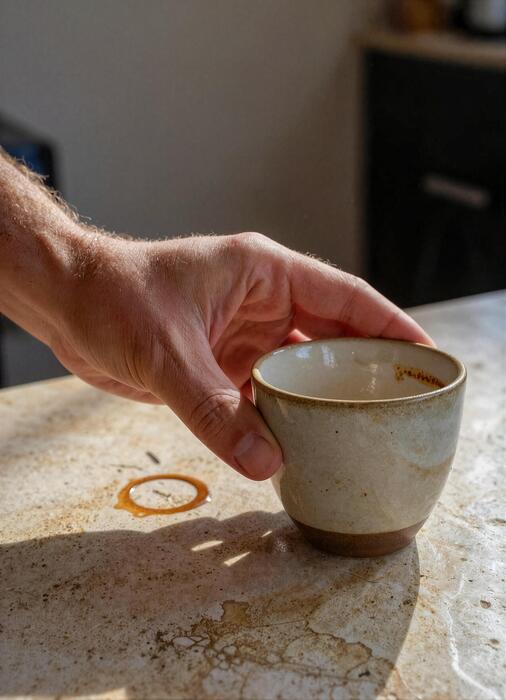
Everyday household items
To effectively tackle coffee stains on your porcelain cup using common household items, start with baking soda. Create a thick paste by mixing a small amount of baking soda with water.
Apply this paste directly to the stain and let it sit for 15-30 minutes before gently scrubbing with a soft sponge or cloth. For more stubborn stains, white vinegar can be a powerful ally.
Fill the cup with a 50/50 mixture of white vinegar and warm water, letting it soak for several hours or even overnight. Alternatively, a sprinkle of salt on a fresh lemon slice can be used to gently rub away discoloration, leveraging the mild abrasive and acidic properties.
After any treatment, always rinse thoroughly with warm water and wash with regular dish soap to remove any residue. These methods are generally safe for porcelain and avoid harsh chemicals, making them excellent first-line defenses against unsightly coffee rings.
Specialized cleaning agents
When everyday items aren’t enough, consider specialized cleaning agents for those persistent coffee stains that have set into your porcelain cup.
Denture cleaning tablets are surprisingly effective; simply drop one or two into the stained cup with warm water, let them dissolve, and allow the solution to soak for several hours or even overnight. The effervescent action and mild cleaning agents work to lift stains without abrasive scrubbing.
For very tough, deeply set-in stains, a small amount of oxygen bleach (like OxiClean, which is distinct from chlorine bleach) mixed with warm water can be applied. Allow it to sit for a short period, typically 5-10 minutes, then scrub gently and rinse well. Always follow product instructions carefully.
As a last resort, a highly diluted solution of chlorine bleach (1 part bleach to 10 parts water) can be used, but this should be applied sparingly, with good ventilation, and never mixed with other cleaners like vinegar, as it can produce dangerous fumes.
Safety considerations for cleaning
Prioritizing safety is paramount when gathering and using cleaning tools for coffee stains, regardless of whether you’re using common household items or specialized agents. Always ensure adequate ventilation by opening windows or working in a well-aired space, especially when using products with strong fumes like bleach or even concentrated vinegar.
Protect your skin by wearing rubber gloves to prevent irritation, dryness, or absorption of chemicals.
Before applying any new cleaner, especially specialized agents or even strong natural acids, always perform a patch test on an inconspicuous area of the porcelain to ensure it doesn’t cause discoloration or damage to the glaze.
Never mix different cleaning agents unless explicitly instructed by the manufacturer, as this can create hazardous chemical reactions, such as toxic gases from mixing bleach and ammonia or vinegar.
Finally, always keep cleaning products out of reach of children and pets, and store them in their original, clearly labeled containers to prevent accidental ingestion.
Natural Methods for Removing Coffee Stains

Baking soda and water paste
To effectively lift coffee stains from your porcelain cup, create a simple yet powerful paste using baking soda and a small amount of water. Mix approximately two to three tablespoons of baking soda with just enough water to achieve a thick, spreadable consistency.
Apply this paste directly onto the stained areas inside your cup, ensuring complete coverage. Let the paste sit for a minimum of 15-30 minutes, allowing the baking soda’s natural abrasive and deodorizing properties to penetrate and break down the stain molecules.
For very tough stains, you can let it sit overnight. Afterward, use a soft sponge or cloth to gently scrub the stained areas in a circular motion. The mild abrasive action helps to lift discoloration without harming the delicate porcelain surface.
Rinse the cup thoroughly with warm water to reveal a clean, bright finish.
Lemon juice and salt scrub
For a natural, acidic approach to removing coffee stains, combine the power of lemon juice and salt. Squeeze half a fresh lemon directly into the stained porcelain cup, ensuring a good coating of the acidic juice. Then, add about one to two tablespoons of table salt to the cup.
The salt will act as a gentle abrasive while the lemon juice works to bleach and dissolve the stains. Use the lemon half itself or a soft cloth to gently scrub the mixture into the stained areas, focusing on the discolored rings.
The citric acid in the lemon helps to break down the coffee pigments, while the salt provides the necessary scrubbing action. Allow the mixture to sit for 5-10 minutes, then rinse the cup thoroughly with warm water. Repeat if necessary for stubborn marks.
Vinegar soak for tough marks
When faced with persistent coffee stains in your porcelain cup, a vinegar soak can be remarkably effective. Fill the stained cup with undiluted white vinegar, ensuring the liquid covers all the discolored areas.
For an extra boost, you can add a tablespoon of baking soda to the vinegar; the resulting fizzing action helps to loosen stubborn stains. Let the cup soak in the vinegar solution for at least a few hours, or ideally, overnight, especially for very old and set-in stains.
The acetic acid in the vinegar works to dissolve the coffee residues without damaging the porcelain. After soaking, empty the vinegar and use a soft sponge or brush to gently scrub away any remaining stains.
Rinse the cup thoroughly with warm water and wash with regular dish soap to remove any lingering vinegar odor.
Using denture cleaning tablets
Surprisingly, denture cleaning tablets offer an excellent and effortless solution for removing coffee stains from porcelain cups. These tablets are designed to break down stains and sanitize without harsh scrubbing. Simply drop one or two denture cleaning tablets into your stained porcelain cup.
Fill the cup with warm water, ensuring the tablets are fully submerged and the water covers all the stained areas. You will observe the tablets fizzing as they dissolve, releasing powerful oxygen-based cleaners that work to lift and bleach away coffee stains.
Allow the solution to sit for at least 30 minutes, or for very stubborn stains, let it soak overnight. Once the soaking is complete, pour out the solution and give the cup a quick rinse and light scrub with a sponge. Your porcelain cup will often look brand new.
Chemical Solutions for Stubborn Stains
Bleach: Proper dilution and application
To tackle stubborn coffee stains using bleach, safety is paramount. Ensure good ventilation and wear protective gloves. Start by diluting a small amount of liquid chlorine bleach with water. A common ratio is one teaspoon of bleach per cup of warm water.
Pour this solution directly into the stained porcelain cup, ensuring the stain is fully submerged. Let the solution sit for 5 to 15 minutes, depending on the stain’s severity. For lighter stains, a shorter soak might suffice.
After soaking, gently scrub the stained area with a non-abrasive sponge or soft brush. Rinse the cup thoroughly multiple times with clean water to remove all traces of bleach. Avoid using bleach on porcelain with delicate patterns or metallic accents, as it can cause damage or discoloration.
Always handle bleach with care and never mix it with other cleaners.
Dishwasher detergent techniques
Surprisingly effective, powdered dishwasher detergent can be a potent chemical solution for coffee stains. Unlike liquid detergents, the powder often contains stronger bleaching and abrasive agents. For a direct application, sprinkle a small amount of powdered detergent into the stained porcelain cup.
Add just enough hot water to create a thick paste that covers the stain. Allow this paste to sit on the stain for at least 30 minutes, or even overnight for very stubborn marks. The active ingredients will work to break down the coffee pigments.
Afterwards, use a non-abrasive sponge or brush to gently scrub the stained areas. Alternatively, you can fill the cup with hot water and drop in a dishwasher tablet or pod, letting it dissolve and soak overnight.
Rinse thoroughly after scrubbing or soaking to remove all detergent residue, ensuring the cup is safe for use.
Commercial porcelain cleaners
For professional-grade results, consider using commercial porcelain cleaners specifically designed for tough stains. Products like Bar Keepers Friend are highly recommended due to their oxalic acid content, which is excellent for removing rust and coffee stains without scratching.
To use, dampen the inside of the cup, sprinkle a small amount of Bar Keepers Friend powder onto the stain, and create a light paste. Gently scrub with a soft sponge or cloth, then rinse thoroughly. Another highly effective option is denture cleaning tablets.
Simply drop one or two tablets into the stained cup, fill with hot water, and let it sit for several hours or overnight. The fizzing action and cleaning agents will lift the stains.
Always follow the manufacturer’s instructions on any commercial product for best results and to ensure safety and proper application.
Step-by-Step Guide to Cleaning Your Cup

Preparing the cup for treatment
Before tackling those stubborn coffee stains, it’s crucial to prepare your porcelain cup properly. Start by emptying any remaining liquid and giving the cup a quick rinse with warm water. This removes loose debris and fresh coffee residue, making subsequent cleaning steps more effective.
Inspect the cup for any chips or cracks; some cleaning agents might not be suitable for damaged porcelain. If the stains are very old and dried on, you might consider soaking the cup in warm water for 5-10 minutes to loosen the grime before proceeding.
This initial preparation ensures you’re working with a clean surface, allowing your chosen stain remover to act directly on the discoloration rather than on fresh coffee.
Applying your chosen cleaning method
Several effective methods can remove coffee stains. A popular choice is baking soda: sprinkle a tablespoon into the cup, add a little water to form a paste, and scrub gently with a soft sponge or cloth. For tougher stains, allow the paste to sit for 15-30 minutes.
Alternatively, white vinegar is excellent; fill the cup with equal parts vinegar and warm water, letting it soak for several hours or even overnight.
Another powerful option is a denture cleaning tablet: drop one into the stained cup filled with warm water and let it dissolve and work its magic for a few hours.
Avoid harsh abrasive scrubbers that could scratch the delicate porcelain surface, opting instead for soft materials that won’t damage the glaze.
Rinsing and checking for results
Once you’ve applied your chosen cleaning method and allowed sufficient time for it to work, it’s time to thoroughly rinse the cup. Use warm, running water to wash away all traces of the cleaning agent and the loosened coffee stains.
Inspect the inside of the cup carefully under good lighting to see if the stains have been completely removed. Pay close attention to the bottom and sides, as these are common areas for stubborn discoloration.
If minor discoloration remains, you might need to repeat the cleaning process or try a different method. Ensure all cleaning residues are fully rinsed to prevent any lingering tastes or chemical interactions during future use, leaving your cup sparkling clean.
Dealing with persistent stains
If stains persist after initial attempts, don’t despair. For very stubborn discoloration, a slightly stronger approach might be necessary. You can try a combination method, such as applying a baking soda paste after a vinegar soak.
Another effective solution for truly set-in stains is a mild bleach solution (1 part bleach to 10 parts water). Fill the cup with this solution, let it sit for no more than 30 minutes, then rinse exceptionally thoroughly multiple times to remove all bleach residue.
Always wear gloves when handling bleach and ensure good ventilation. If using bleach, follow up with a wash in soapy water to ensure no chemical taste remains, making your cup safe and clean for continued enjoyment.
Preventing Coffee Stains in the Future
Daily cleaning habits
To effectively prevent coffee stains from setting into your porcelain cups, establishing a consistent daily cleaning routine is paramount. The most crucial step is to rinse your cup immediately after finishing your drink.
This simple action washes away the majority of coffee residues before they have a chance to bond with the porcelain surface. Following the rinse, wash the cup with warm water and a small amount of mild dish soap, using a soft sponge or cloth.
Avoid using abrasive scrubbers or harsh chemicals, as these can damage the cup’s delicate glaze over time, making it more susceptible to future staining. For a proactive occasional deep clean, especially if you notice a slight dullness, create a paste with baking soda and a little water and gently scrub.
Alternatively, a short soak in diluted white vinegar can also help maintain the pristine condition of your porcelain.
Choosing stain-resistant cups
When considering future purchases or aiming for long-term stain prevention, selecting the right type of cup material is highly beneficial. Opt for cups made from high-quality, non-porous materials like vitreous china or dense, high-fired porcelain.
These materials inherently resist staining better than lower-quality ceramics because their surfaces are less permeable to liquids. Always inspect the glaze of any new porcelain cup; it should be perfectly smooth, uniform, and free of any cracks, chips, or pinholes.
A durable, unbroken glaze acts as a protective barrier, preventing coffee pigments from penetrating the material beneath. While not porcelain, stainless steel mugs are also excellent stain-resistant alternatives for daily use, offering a completely non-porous surface.
Investing in better quality cups upfront can significantly reduce the effort required for stain removal and extend their aesthetic life.
Tips for coffee drinkers
Adopting a few mindful habits while enjoying your coffee can significantly reduce the likelihood of future stains. Firstly, avoid letting coffee sit in your cup for extended periods once you’ve finished drinking.
The longer coffee remains in contact with the porcelain, the greater the chance its pigments have to adhere and create a stain.
If you’re prone to drips or spills, always use a coaster or saucer to catch any errant droplets before they can dry and leave marks on surfaces or the outside of your cup.
When using travel mugs, ensure they have a secure, spill-proof lid to prevent splashes that can dry and stain. Furthermore, try to drink your coffee promptly rather than letting it cool and sit, as this reduces the contact time.
These small behavioral adjustments contribute greatly to keeping your porcelain cups looking pristine.
Common Mistakes and Expert Cleaning Tips
Avoiding abrasive scrubbers
When tackling coffee stains on porcelain, it’s crucial to understand that the smooth, glossy surface is a protective glaze. Using harsh abrasive scrubbers, such as steel wool pads, scouring powders, or even the rough side of some sponges, can easily scratch this glaze.
Once scratched, the porcelain becomes porous, making it much more susceptible to future staining and harder to clean effectively. Instead, opt for soft sponges, microfiber cloths, or a gentle brush specifically designed for delicate dishware. For stubborn stains, rely on chemical reactions rather than physical abrasion.
Baking soda paste or a diluted hydrogen peroxide solution can work wonders without damaging the surface, preserving the integrity and longevity of your beloved porcelain cups.
Protecting delicate porcelain
Maintaining the pristine condition of your porcelain cups requires a gentle, consistent approach to prevent stains from setting in deeply. The key is to address coffee residues promptly. After enjoying your beverage, rinse the cup with warm water immediately.
For daily cleaning, a mild dish soap and a soft sponge are perfectly adequate. To prevent the accumulation of stubborn rings, consider a weekly deep clean using non-abrasive methods. A simple soak with white vinegar and warm water for 15-30 minutes can help dissolve mineral deposits and light stains.
Always ensure you rinse thoroughly after any cleaning agent to avoid residue buildup, which can also contribute to future discoloration and dullness over time.
Quick fixes for busy mornings
For those hectic mornings when a persistent coffee stain needs immediate attention, several quick yet effective solutions can save your cup. One excellent method is to create a baking soda paste: mix a small amount of baking soda with just enough water to form a thick paste.
Apply it directly to the stain, let it sit for a few minutes (while you get ready), then gently scrub with a soft cloth or sponge and rinse thoroughly. Another speedy trick involves a lemon wedge dipped in salt.
Rub the cut side of the lemon over the stain; the mild acidity combined with the gentle abrasive action of the salt helps lift discoloration. Rinse well afterward to reveal a cleaner cup without significant effort or waiting time.
When to replace your cup
Even with the best cleaning and care, there comes a point when a porcelain cup is beyond salvaging.
You should consider replacing your cup if you notice visible cracks, chips, or crazing (a network of fine cracks in the glaze), as these can harbor bacteria and compromise the cup’s structural integrity, potentially leading to breakage.
If the glaze has become dull, significantly scratched, or permanently discolored despite your best cleaning efforts, it indicates that the protective layer is compromised. A damaged glaze makes the cup porous, leading to rapid re-staining and an inability to achieve a truly clean appearance.
Persistent, dark rings or halos that don’t respond to any cleaning method are clear signs it’s time for a fresh start with a new, unblemished cup.
Frequently Asked Questions
What causes coffee stains on porcelain cups?
Coffee contains tannins, which are natural organic compounds. These tannins adhere to the microscopic pores and imperfections on the surface of porcelain, especially over time or when the cup is not cleaned immediately, leading to the brown discoloration known as coffee stains.
What is the quickest way to clean a fresh coffee stain from a porcelain cup?
For a fresh stain, simply rinse the cup thoroughly with warm water and a little dish soap immediately after use. Gently scrub with a sponge or brush to dislodge any residue before it has a chance to set into the porcelain’s surface.
How can I remove stubborn or old coffee stains from porcelain cups?
A common and effective method is to create a paste with baking soda and a little water, then apply it to the stain and let it sit for a few minutes before scrubbing gently. Alternatively, soak the cup in a solution of warm water and a denture cleaning tablet or white vinegar for several hours or overnight.
Are there natural household remedies for removing coffee stains from porcelain?
Yes, besides baking soda, white vinegar is an excellent natural option; fill the cup with a 1:1 solution of vinegar and water, let it sit, then scrub. Lemon juice, either alone or mixed with salt as an abrasive, can also be effective for lighter stains due to its mild acidic and bleaching properties.
Is it safe to use bleach to remove coffee stains from porcelain cups?
While bleach can effectively remove coffee stains from porcelain, it should be used sparingly and with caution. Dilute a small amount of bleach with water, apply it for a short period, then rinse thoroughly multiple times to ensure no residue remains. Avoid using bleach on decorated or glazed porcelain, as it can damage the finish.
How can I prevent coffee stains from forming on my porcelain cups in the future?
The best prevention is to rinse and wash your porcelain cup immediately after each use. Regularly cleaning your cups thoroughly, even if they don’t appear stained, helps prevent buildup. You can also occasionally give them a deeper clean with baking soda or vinegar to maintain their pristine appearance.
Conclusion
Removing coffee stains from porcelain cups is easily achievable with a few simple methods. Remember to try gentle options like baking soda or vinegar first, progressing to commercial cleaners if needed. With a little patience and the right technique, you can restore your favorite mugs to their pristine condition. Don’t let stubborn stains diminish your coffee enjoyment; reclaim your sparkling clean cups today!