How To Make Iced Coffee With Espresso Machine
If you want to transform your kitchen into a personal cafe, learning how to make iced coffee with an espresso machine is the ultimate skill. There is nothing quite like the smooth, bold chill of fresh espresso poured over ice. Whether you are craving a classic iced Americano or a creamy latte, we have the perfect method for you. This guide provides a quick, foolproof walkthrough to help you master the perfect brew without the watered-down taste. Let’s get started.
Essential Equipment and Ingredients for Iced Espresso
Choosing the Right Espresso Machine
To successfully make iced coffee with an espresso machine, you need a device capable of generating at least 9 bars of pressure to achieve a concentrated extraction.
Whether you use a manual lever machine, a semi-automatic, or a super-automatic, the key is the machine’s ability to produce a thick crema and a dense body that won’t disappear when poured over ice.
Machines with a dedicated steam wand are also beneficial if you plan to make iced lattes with cold foam. Ensure your machine is properly descaled and preheated before pulling your shot. A high-quality portafilter and a precision basket help in achieving the consistent grind fineness required for a balanced shot.
By selecting a machine that offers temperature stability, you ensure the espresso remains flavorful even as the ice begins to melt during the cooling process.
Best Coffee Beans for Cold Drinks
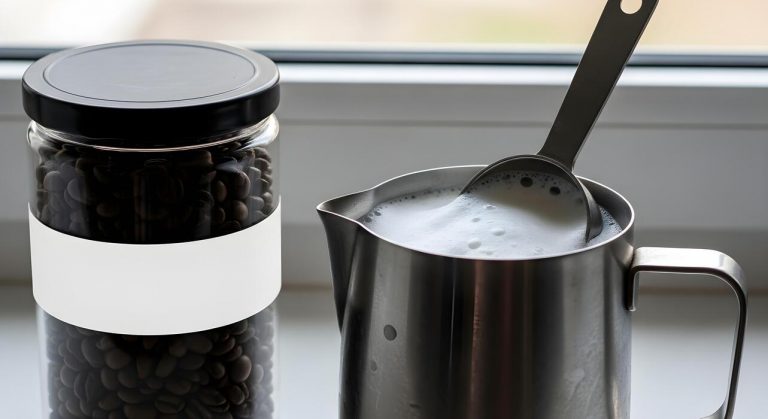
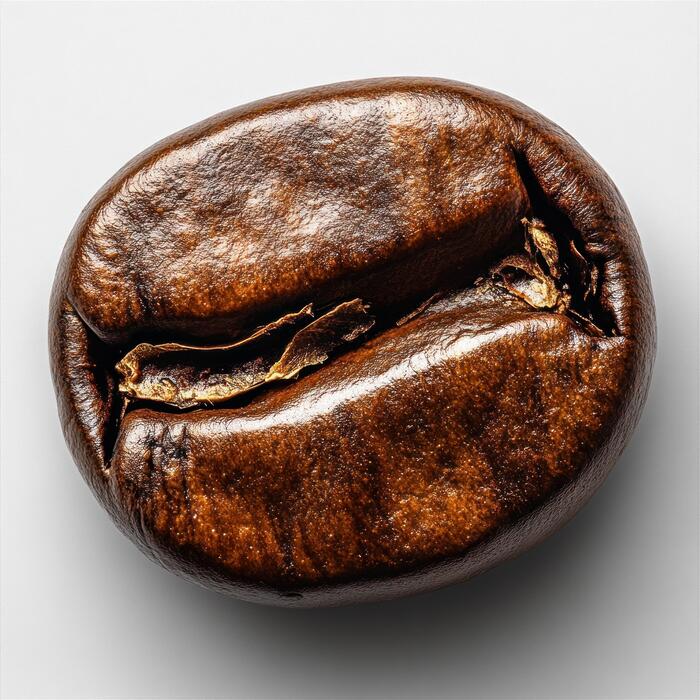
The choice of coffee beans is critical because the cold temperature of ice can dull certain flavor profiles. For an iced espresso, look for medium to dark roast beans which provide a robust, chocolatey, or nutty foundation that stands up well to dilution.
Single-origin beans from regions like Brazil or Sumatra are excellent choices due to their low acidity and heavy body. If you prefer a brighter iced coffee, a medium roast from Ethiopia can offer refreshing floral notes.
Always use freshly roasted beans and grind them immediately before brewing to preserve volatile oils. A finer grind size is generally preferred for espresso to ensure maximum extraction in a short timeframe.
Avoiding oily beans will also prevent clogging in your machine’s grinder while ensuring a clean, crisp finish in your final iced beverage.
Ice Quality and Water Filtration
Ice is a primary ingredient, not just a cooling agent, so its quality drastically impacts the final taste. Use filtered or bottled water to make your ice cubes to avoid any chlorine or metallic aftertastes that can ruin a premium espresso shot.
For the best texture, consider using large, clear ice cubes which melt slower than small chips, preventing your drink from becoming watery too quickly. Additionally, the water used in your espresso machine’s reservoir should be softened and filtered to protect the internal components and enhance the coffee’s natural sweetness.
If your tap water is hard, it can lead to scale buildup and a bitter extraction. By prioritizing high-purity water for both the brewing process and the ice, you create a professional-grade iced espresso that maintains its intensity and flavor balance from the first sip to the very last.
Milk and Alternative Options
Adding milk can transform a standard iced espresso into a creamy latte or macchiato. For the best results, use whole milk for its high fat content, which provides a silky mouthfeel and balances the bitterness of the coffee.
If you prefer plant-based alternatives, oat milk is the top recommendation for iced drinks because it mimics the creaminess of dairy and doesn’t curdle when hitting the cold espresso. Almond milk offers a lighter, nuttier profile but may separate if not shaken well.
To elevate your drink, consider using a handheld milk frother to create a cold foam topper, adding a luxurious texture without heating the beverage.
Regardless of your choice, ensure the milk is thoroughly chilled before adding it to the espresso and ice to maintain the refreshing temperature and prevent the ice from melting prematurely.
How to Pull the Perfect Espresso Shot for Ice

Grind Size and Dosing Basics
To master iced coffee with an espresso machine, you must first adjust your grind size and dosing to account for eventual dilution. When coffee hits ice, it naturally thins out, so you need a more concentrated base.
Start by selecting a fine grind consistency that feels like powdered sugar or fine table salt. If the grind is too coarse, the water will rush through, resulting in a sour, weak shot that disappears when mixed with milk or ice.
Aim for a standard double dose of 18 to 20 grams of freshly roasted beans. This higher dosage ensures a robust flavor profile that maintains its integrity against melting ice cubes. Using a high-quality burr grinder is essential for achieving the uniformity required for balanced extraction.
Remember that freshness is paramount; grinding your beans immediately before brewing preserves the volatile oils and aromatic compounds that provide that signature espresso punch, ensuring your iced beverage remains flavorful and vibrant until the very last sip.
Tamping Techniques for Consistency
A perfect shot starts with a level and firm tamp to ensure even water distribution through the coffee puck. After dosing your portafilter, use a distribution tool or your finger to level the grounds before applying pressure.
When you tamp, apply approximately 30 pounds of steady pressure, ensuring the tamper is perfectly horizontal. An uneven tamp leads to channeling, where water finds the path of least resistance, causing some grounds to over-extract while others remain dry.
This results in a bitter or watery shot that ruins the balance of your iced coffee. To check your technique, look for a smooth, flat surface on the puck with no visible cracks or loose grounds around the edges.
Consistent tamping is the secret to repeatable results, allowing you to produce the same high-quality espresso every time you crave a cold caffeine fix. Using a calibrated tamper can be a helpful solution for beginners struggling to find the right amount of force for a dense, uniform puck.
Ideal Extraction Time and Volume
For the best iced espresso, monitor your extraction time and liquid volume closely to achieve a concentrated ‘ristretto’ style or a standard double shot. Ideally, your machine should produce about 36 to 40 grams of liquid from an 18-gram dose within a window of 25 to 30 seconds.
If the shot pours too quickly, it will lack the body needed to stand up to ice; if it takes too long, it will become overly bitter and harsh. Watch for the rich, golden crema and the ‘mouse tail’ stream as it flows from the portafilter.
For iced drinks, many baristas prefer a slightly shorter extraction to keep the flavor intense and syrupy. Once the shot is pulled, you can pour it directly over ice for an immediate chill or stir it with a small amount of sweetener while hot.
This precise control over timing ensures that the natural sweetness of the coffee is highlighted, providing a professional-grade base for your homemade iced lattes or americanos.
Step-by-Step Guide to Making a Classic Iced Latte

Preparing the Glass and Ice
To begin your iced latte journey, select a tall glass that can accommodate approximately twelve to sixteen ounces of liquid.
The temperature of the vessel is more important than most home baristas realize; if you have the time, chill your glass in the freezer for ten minutes to prevent the ice from melting prematurely. Fill the glass nearly to the brim with fresh, clear ice cubes.
Large, solid cubes are preferable to crushed ice because they have less surface area, which significantly slows down the dilution process as you enjoy your drink. If you find that your coffee often tastes watery, consider using coffee ice cubes made from leftover brew.
This ensures that as the ice melts, it actually reinforces the coffee flavor rather than weakening it. Ensure there is enough space at the top of the glass to prevent splashing when you eventually add your liquid components.
This foundational step sets the stage for a crisp, refreshing beverage that maintains its intended strength.
Adding Milk and Sweeteners
Before introducing the hot espresso, you should prepare your milk base. Pour approximately six to eight ounces of cold milk over the ice. Using whole milk will provide the creamiest texture, but oat or almond milk are excellent alternatives that froth well.
If you prefer a sweetened latte, this is the ideal moment to stir in your liquid sweeteners or flavored syrups, such as vanilla or simple syrup. Adding sweeteners to the cold milk ensures they are evenly distributed before the espresso creates layers.
For those who enjoy a bit of texture, you can use a handheld milk frother to create a light layer of cold foam on top of the milk before adding the coffee. This creates a professional, cafe-style aesthetic and a luxurious mouthfeel.
By putting the milk in the glass first, you create a thermal buffer that protects the ice from the immediate heat of the fresh espresso shot, which helps preserve the integrity of the ice cubes.
The Proper Way to Pour Espresso Over Ice
The final and most critical step involves using your espresso machine to pull a perfect double shot. Grind eighteen grams of fresh beans and tamp them firmly to ensure even extraction. Once you have approximately two ounces of rich espresso with a thick crema, you must act quickly.
Instead of dumping the hot liquid directly onto the ice, which causes a thermal shock that can result in a bitter taste, pour the espresso slowly over the back of a spoon or directly into the center of the milk.
This technique creates a beautiful marbled effect and allows the espresso to cool slightly as it travels through the milk before hitting the ice. This specific order of operations is the secret to avoiding a watered-down drink.
Once the espresso is added, give the mixture a gentle stir with a long spoon to incorporate the flavors. Your iced latte is now ready to be served immediately, offering a bold caffeine kick balanced by smooth, chilled milk and a crisp finish.
How to Prevent Watery and Diluted Iced Coffee
Making and Using Coffee Ice Cubes
One of the most effective ways to ensure your espresso remains robust and flavorful is to replace standard water-based ice with coffee ice cubes. To do this, simply brew a large batch of espresso or strong coffee, let it reach room temperature, and pour it into silicone ice trays.
When these frozen cubes melt into your drink, they release more coffee concentrate instead of diluting it with water. This preserves the ideal strength and crema profile of your shot throughout the entire drinking experience.
Many home baristas find that using these specialized cubes allows them to sip their drink slower without worrying about the flavor profile becoming thin or unappealing. It is a proactive solution that addresses the root cause of dilution while doubling down on the caffeine content.
By freezing leftover shots, you also reduce waste and ensure you always have a stash of flavor-boosters ready for your next morning beverage, keeping your iced coffee consistently rich and bold every time.
The Flash Chilling Method
Flash chilling is a professional technique designed to drop the temperature of hot espresso instantly, which prevents the ice from melting too rapidly upon contact.
Instead of pulling a hot shot directly over a glass full of ice, try brewing your espresso into a small metal pitcher that has been pre-chilled in the freezer.
Alternatively, you can pull the shot over a large, single sphere of ice which has a lower surface area-to-volume ratio than small cubes, significantly slowing down the melting process.
Rapidly cooling the liquid before it hits your main serving glass locks in the volatile aromatic compounds that give espresso its unique character. This method creates a thermal bridge that stabilizes the drink’s temperature, ensuring that the first sip is just as potent as the last.
By managing the heat transfer more efficiently, you maintain the structural integrity of the espresso, resulting in a crisp, refreshing beverage that avoids the common pitfall of becoming a watery, translucent mess within minutes of preparation.
Using Shakeratos to Control Temperature
Utilizing a cocktail shaker to create a ‘Shakerato’ is a superior method for controlling dilution while achieving a luxurious texture.
By placing your fresh espresso shots into a shaker with a handful of ice and shaking vigorously for fifteen seconds, you aerate the coffee and chill it to near-freezing temperatures almost instantly.
The friction and rapid movement create a thick, frothy foam that acts as an insulator, while the ice cools the liquid without having enough time to fully dissolve.
When you strain the mixture into your glass, you are left with a perfectly chilled, concentrated liquid and a beautiful head of foam. You can then add fresh ice to the glass, which will melt much slower because the coffee itself is already cold.
This technique is favored by Italian baristas because it emulsifies the oils in the espresso, providing a creamy mouthfeel that resists dilution. It is a sophisticated way to handle temperature management while adding a professional touch to your home-brewed iced espresso drinks.
Best Ways to Flavor Your Iced Espresso Drinks

Homemade Simple Syrup Recipes
One of the most effective ways to elevate your iced espresso is by crafting your own custom simple syrups at home. To begin, combine equal parts water and granulated sugar in a small saucepan over medium heat until the sugar fully dissolves.
For a classic vanilla profile, add a tablespoon of high-quality pure vanilla bean paste or a whole split bean once the mixture has cooled.
If you prefer a more decadent profile, simmer the syrup with brown sugar and cinnamon sticks to create a rich, toasted flavor that complements the natural acidity of a double shot. These syrups are superior to store-bought versions because you can control the sweetness level and avoid artificial preservatives.
Store your creations in a sealed glass bottle in the refrigerator for up to two weeks. When making your drink, stir the syrup directly into the hot espresso before adding ice to ensure a perfectly homogenous sweetness throughout the entire beverage.
Using Natural Spices and Extracts
If you want to avoid extra sugar while maximizing flavor, look toward your pantry for natural spices and concentrated extracts. A simple yet transformative technique involves adding a pinch of ground cardamom or cinnamon directly into the portafilter with your coffee grounds before pulling the shot.
The high pressure of the espresso machine extracts the aromatic oils from the spices, infusing the liquid with a deep, earthy warmth.
Alternatively, adding a single drop of almond or peppermint extract into the glass before pouring the espresso provides a punchy aromatic boost without the caloric load of heavy syrups.
For a refreshing citrus twist, try expressing a fresh orange peel over the surface of the iced drink to release essential oils.
These methods allow the nuanced notes of the coffee beans to shine through while adding a sophisticated layer of complexity that makes your homemade iced espresso taste like it was prepared by a professional barista at a high-end cafe.
How to Layer Flavors for Better Presentation
Creating a visually stunning iced espresso drink is all about understanding the density of your ingredients to achieve beautiful layers. Start by filling a tall glass with large, clear ice cubes and pouring your milk or milk alternative over the ice first.
To achieve a dramatic gradient effect, slowly pour your freshly pulled espresso over the back of a spoon so it sits on top of the milk.
If you are using heavy syrups, always add them to the bottom of the glass first, followed by ice, then milk, and finally the coffee. For a final touch of elegance, finish the drink with a dollop of cold foam or a light dusting of cocoa powder.
This layering technique isn’t just for aesthetics; it allows the drinker to experience different flavor profiles as the components gradually mingle. Always serve with a long straw or a stirring rod so the guest can choose when to incorporate the layers for a consistent taste experience.
Advanced Iced Espresso Recipes to Try at Home
The Iced Americano Technique
Mastering the Iced Americano requires a specific sequence to preserve the espresso’s complex flavor profile while ensuring a refreshing temperature. Start by filling a large glass with fresh, clear ice cubes to the brim.
Next, pull a double shot of espresso using approximately 18 to 20 grams of finely ground beans directly into a small heat-resistant pitcher. Instead of pouring hot espresso over ice immediately, which can cause excessive dilution and bitterness, add about four ounces of chilled filtered water to the glass first.
Slowly pour the fresh espresso over the cold water and ice mixture. This technique, often called the ‘long black’ style, helps to preserve the crema and prevents the heat from shocking the coffee solids.
For a custom finish, you can enhance the drink with a splash of citrus zest or a hint of simple syrup. The result is a clean, crisp beverage that highlights the nuanced tasting notes of your favorite roast without the heavy texture of milk-based drinks.
How to Make an Iced Caramel Macchiato
To replicate a cafe-quality Iced Caramel Macchiato, you must focus on the art of layering to achieve that iconic visual contrast. Begin by adding two tablespoons of vanilla syrup to the bottom of a tall glass, followed by a generous scoop of ice.
Pour in roughly six to eight ounces of cold whole milk or a creamy oat milk alternative, leaving about an inch of space at the top.
The secret to the signature look is the ‘mark’—extract a concentrated double shot of espresso and slowly pour it directly over the center of the milk. The density difference will cause the espresso to sit between the milk and the foam.
Finally, drizzle a rich caramel sauce in a crosshatch pattern over the top. Using a high-pressure espresso machine ensures the coffee has enough body to stand up against the sweetness.
Do not stir the drink before serving; allow the layers to naturally blend as you sip to experience the gradient of flavors from sweet milk to bold espresso.
Creamy Iced Mocha Instructions
The Iced Mocha is the ultimate indulgence for those who love the combination of dark chocolate and robust espresso. Begin your preparation by mixing one to two tablespoons of high-quality chocolate ganache or cocoa syrup with a freshly pulled double shot of espresso while it is still hot.
This ensures the chocolate dissolves completely into a smooth, decadent base. Fill a separate glass with ice and pour in five ounces of chilled milk. Carefully pour the chocolate-espresso mixture over the milk, stirring gently to incorporate the flavors.
For a professional touch, use your machine’s steam wand to cold-froth a small amount of milk until it reaches a velvety texture, then spoon it over the top of the drink. This adds a luxurious mouthfeel that mimics a hot latte.
You can finish the beverage with a dusting of cocoa powder or a few chocolate shavings. Using freshly roasted beans with chocolatey or nutty undertones will further enhance the synergy between the coffee and the cocoa for a truly balanced treat.
Tips for Cleaning and Maintaining Your Machine
Daily Group Head Maintenance
To ensure your iced coffee consistently tastes fresh and vibrant, you must prioritize the cleanliness of the group head. Every time you pull a shot, residual coffee oils and fine particles lodge themselves in the shower screen, which can lead to bitter flavors if left to accumulate.
Start by flushing the group head with hot water before and after every extraction to dislodge loose grounds. Use a specialized group brush to scrub the rubber gasket and screen, ensuring no debris interferes with the seal of your portafilter.
Once a day, perform a backflush with a blind filter and espresso machine detergent to dissolve stubborn buildup inside the internal valves. This process prevents old, rancid oils from tainting the delicate notes of your espresso.
A clean group head ensures that when your hot espresso hits the ice, it carries only the intended flavor profile, avoiding the sour or burnt aftertaste often caused by poor machine hygiene.
How to Clean Milk Frothing Wands
If you enjoy iced lattes or cold foam, maintaining a pristine steam wand is non-negotiable for both hygiene and performance. Milk proteins bake onto the metal surface almost instantly, creating a breeding ground for bacteria and clogging the steam tips.
Immediately after texturing milk, you must purge the wand by releasing steam for several seconds to blow out any liquid trapped inside. Follow this by wiping the exterior with a dedicated damp microfiber cloth to remove all visible residue.
For a deeper clean, soak the wand in a mixture of warm water and alkaline milk frother cleaner for fifteen minutes at the end of the day. This step breaks down the internal milk stone that manual wiping cannot reach.
Use a small pin to ensure the steam tip holes remain completely clear of obstructions. Consistent maintenance prevents foul odors and ensures your milk-based iced drinks always taste sweet and creamy rather than spoiled or metallic.
Descaling for Better Tasting Coffee
Mineral buildup is the silent enemy of any espresso machine, significantly impacting the temperature and pressure required for a perfect iced coffee base. Over time, calcium and magnesium from your water source form scale inside the boiler and heating elements.
To combat this, you should descale your machine every two to three months depending on your local water hardness. Use a professional citric acid-based descaling solution rather than vinegar, as it is more effective and easier to rinse away without leaving a lingering scent.
Run the solution through the entire system, including the steam wand and group head, to ensure every internal pathway is treated. This process maintains optimal thermal stability, which is critical because under-extracted espresso will taste weak and watery once diluted by ice.
Regular descaling also extends the lifespan of your machine’s pump, ensuring you have the consistent pressure needed to create the rich crema that defines a high-quality iced espresso beverage.
Frequently Asked Questions
What is the best way to cool down espresso for iced coffee?
The most effective method is to pull the shot directly into a small metal pitcher or glass and let it sit for a minute, or pour it over a small amount of cold milk first. Avoid pouring hot espresso directly over large amounts of ice immediately, as this can cause excessive dilution and a bitter shock to the flavor profile.
Should I use a single or double shot for iced espresso drinks?
A double shot is generally recommended for iced coffee because the melting ice and added milk will dilute the espresso. Using a double shot ensures that the coffee flavor remains bold and distinct even as the drink sits and the ice begins to melt.
How do I prevent my iced espresso from tasting watered down?
To prevent dilution, you can use coffee ice cubes made from frozen leftover brew or simply use more ice and less liquid mixer. Additionally, pulling a ‘ristretto’ shot (a shorter, more concentrated extraction) provides a punchier flavor that stands up better against ice and milk.
Can I use the steam wand when making iced coffee?
While you don’t want hot foam, you can use the steam wand to dissolve sugar or syrups into your espresso while it is still hot. For a textured ‘iced latte’ feel, some baristas use a handheld cold frother to aerate cold milk before pouring it over the espresso and ice.
What is the correct order of ingredients for an iced latte?
For the best balance, fill your glass with ice first, then pour in your cold milk or water, and finally pour the espresso shots over the top. This ‘top-down’ method allows the espresso to cool quickly as it filters through the cold liquid and creates an aesthetically pleasing layered effect.
Do I need special espresso beans for iced drinks?
You can use any beans you prefer, but medium to dark roasts typically perform better in iced drinks because their chocolatey and nutty notes cut through cold temperatures. Light roasts can sometimes taste overly acidic or ‘sour’ when chilled rapidly.
Conclusion
Mastering the art of iced coffee with your espresso machine allows you to enjoy cafe-quality beverages from the comfort of your kitchen. By focusing on fresh beans, precise brewing, and proper chilling techniques, you can create a refreshing drink that perfectly balances bold flavors and cool satisfaction. Experiment with different syrups and milk varieties to find your signature blend. Now that you have the tools, start brewing and elevate your summer coffee routine today.