How To Make Cold Brew From Grounds
Making smooth, café-quality cold brew at home is surprisingly simple and much more affordable than your daily coffee shop run. If you are wondering how to make cold brew from grounds, you have come to the right place. All you need is your favorite coarse coffee, filtered water, and a bit of patience. Let’s dive into the process right now.
What is cold brew coffee?
The difference between cold brew and iced coffee
To make cold brew from grounds, you must understand that it is a unique brewing method rather than just chilled coffee.
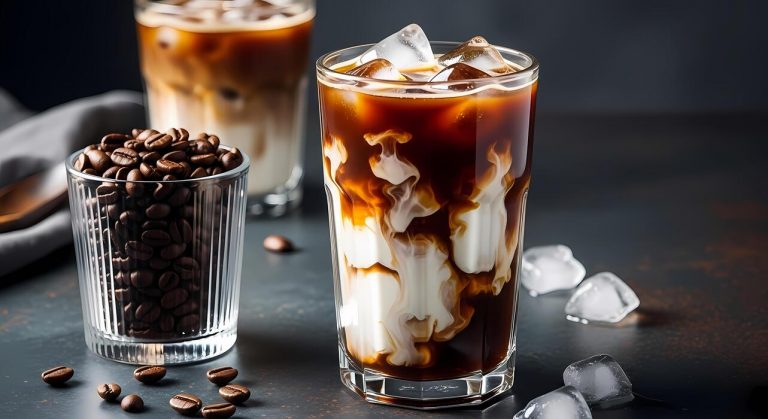
Unlike traditional iced coffee, which is brewed hot at double strength and poured over ice, cold brew is created by steeping coarse coffee grounds in room temperature or cold water for 12 to 24 hours.
This extended contact time replaces heat as the extraction catalyst, resulting in a concentrated coffee syrup that yields a much smoother, heavier mouthfeel. When you learn how to make cold brew from grounds, you are essentially performing an immersion technique that avoids the rapid oxidation caused by boiling water.
This process preserves delicate oils and prevents the bitter, metallic notes often found in diluted iced coffee.
By using a one-to-four or one-to-eight ratio, you create a versatile base that can be stored in the refrigerator for up to two weeks, providing a consistent and refreshing experience that remains flavorful even when mixed with milk or additional water.
Why cold brew tastes less acidic
One of the primary benefits of learning how to make cold brew from grounds is the significant reduction in perceived acidity.
Chemical reactions during hot brewing extract certain oils and fatty acids that can only be released at high temperatures; these compounds often turn into bitter acids as the coffee cools.
Because cold brew relies on time rather than heat, these specific acidic compounds are never extracted from the grounds in the first place.
Studies suggest that cold brew can be up to 60% less acidic than standard drip coffee, making it an ideal solution for enthusiasts with sensitive stomachs or acid reflux.
When you submerge your coarse grounds in cold filtered water, you extract the chocolatey, nutty, and fruity notes without the harsh bite. This mellow flavor profile means you can often enjoy the beverage without adding sugar or heavy cream, allowing the natural sweetness of the bean to shine through.
The result is a velvety, low-acid beverage that provides a cleaner finish on the palate compared to any heat-extracted method.
Caffeine content in cold brew vs drip coffee
When mastering how to make cold brew from grounds, it is essential to manage the caffeine concentration, which is typically much higher than standard drip coffee. Because this method uses a higher coffee-to-water ratio and an exceptionally long steeping window, the resulting liquid is a potent concentrate.
While a standard cup of drip coffee might contain 95 milligrams of caffeine, an equivalent serving of undiluted cold brew concentrate can contain significantly more.
However, the beauty of this method lies in your ability to dilute the concentrate to your preference, usually with a 1:1 ratio of water or milk. This allows you to control the caffeine delivery precisely.
The slow extraction process ensures that you get a sustained energy boost without the immediate jitters often associated with the quick caffeine spike of hot coffee. By using a consistent coarse grind size, you ensure an even extraction that maximizes caffeine yield while maintaining a balanced flavor.
Understanding this potency is key to enjoying your home-brewed cold brew safely and effectively throughout your busy morning routine.
Best coffee grounds for cold brew

Why coarse grind size matters most
When learning how to make cold brew from grounds, the most critical factor is achieving a coarse, sea-salt-like texture. Unlike traditional drip methods that use hot water to speed up extraction, cold brew relies on a lengthy immersion process that typically lasts between twelve and twenty-four hours.
If you use a fine grind, the water will over-extract the coffee compounds too quickly, resulting in a bitter, harsh flavor profile that ruins the smooth experience cold brew is known for.
Furthermore, fine particles are incredibly difficult to filter out of the finished concentrate, often leaving behind a muddy sediment and a cloudy appearance in your glass.
By sticking to a consistent coarse grind, you ensure that the water flows evenly through the grounds, pulling out the natural sweetness and chocolatey notes without the acidity.
This physical structure also makes the final filtration process much easier, allowing you to produce a clean, crisp coffee concentrate that stores perfectly in the refrigerator for up to two weeks.
Light vs dark roast for cold extraction
Choosing the right roast level significantly impacts the final taste of your cold brew. Many enthusiasts prefer a dark roast for cold extraction because the long steeping time highlights rich, bold flavors like dark chocolate, molasses, and toasted nuts.
Darker beans are also more porous, making it easier for cold water to penetrate and extract soluble solids efficiently. On the other hand, using a light roast for cold brew can yield a refreshing, tea-like result with floral and fruity undertones.
However, light roasts are denser and may require a slightly longer steeping time to fully develop their flavor profile. If you are a beginner, starting with a medium-to-dark roast is generally recommended as it produces that classic, low-acid punch that most people crave in an iced beverage.
Regardless of your preference, always look for high-quality beans that are freshly roasted to ensure the natural oils haven’t turned rancid, which can lead to off-flavors during the extended room-temperature or refrigerated brewing process.
Using pre-ground coffee vs freshly ground beans
While convenience often wins out, the choice between pre-ground coffee and freshly ground beans is vital for quality. Using freshly ground beans is the gold standard because coffee begins to oxidize and lose its aromatic complexity immediately after being crushed.
By grinding your beans right before adding water, you trap the volatile aromatic oils inside the brew, leading to a much more flavorful and fragrant concentrate. If you have a burr grinder at home, set it to the coarsest setting to maintain uniformity.
However, if you do not own a grinder, using high-quality pre-ground coffee specifically labeled for cold brew or French press is a viable alternative.
Many specialty brands now offer ‘cold brew blends’ that are pre-ground to the ideal coarse specification, which prevents the bitterness associated with standard drip-grind bags found in grocery stores.
Just ensure that if you use pre-ground, you keep the bag tightly sealed in a cool, dark place to minimize flavor loss before you start your next batch.
Essential tools for making cold brew at home
Mason jars and simple glass containers
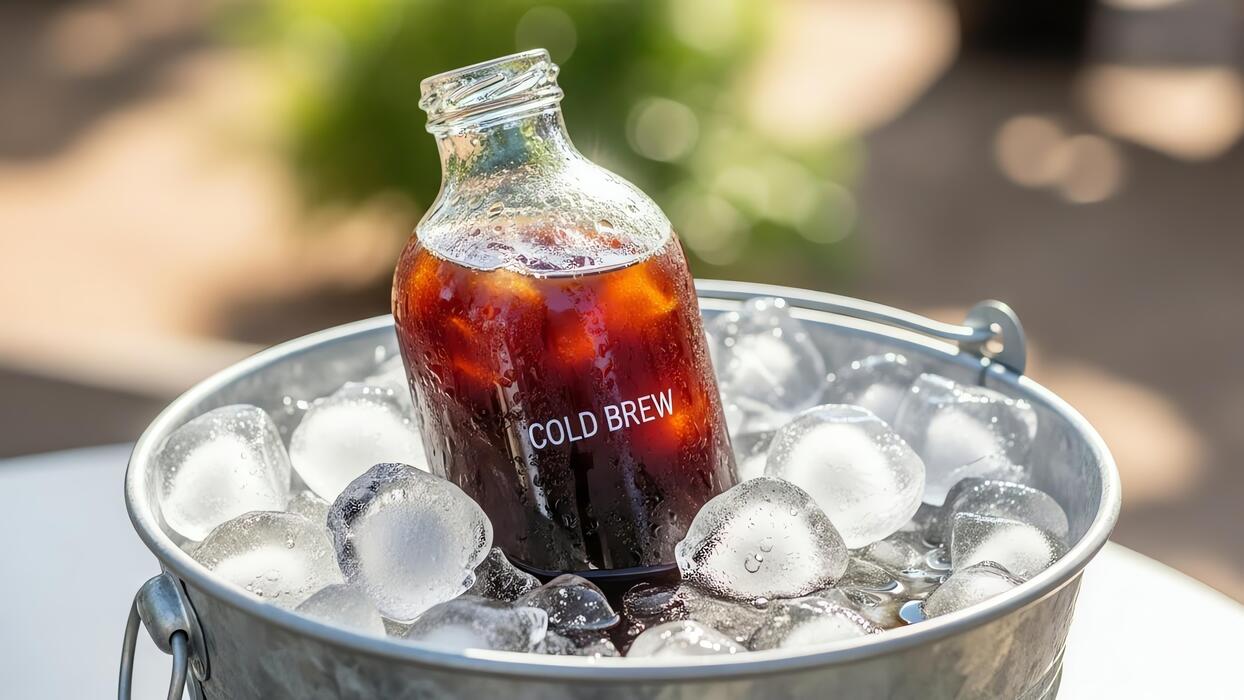
One of the most accessible ways to start your cold brew journey is by using standard mason jars or glass pitchers found in most kitchens.
To transform coffee grounds into a smooth concentrate, simply combine your coarse grounds and filtered water in the glass vessel using a recommended 1:4 or 1:5 ratio.
Glass is the ideal material for steeping because it is non-reactive and does not leach unwanted metallic or plastic flavors into your brew during the 12 to 24-hour extraction process. Ensure the container has a tight-sealing lid to prevent the coffee from absorbing odors from your refrigerator.
This low-tech approach is perfect for beginners because it requires zero specialized equipment and allows you to scale your batch size easily based on the container volume. Once the steeping time is complete, you will have a potent base ready for straining.
Using clear glass also helps you monitor the color and saturation levels of the infusion as it develops over time.
French press cold brew method
If you already own a French press, you have an excellent all-in-one tool for cold brew that eliminates the need for separate straining equipment. To begin, place your coarsely ground coffee at the bottom of the carafe and gently pour in cold, filtered water, ensuring all grounds are fully saturated.
Instead of pressing the plunger down immediately, leave it in the upright position or remove the lid entirely and cover the top with plastic wrap. Let the mixture steep on your counter or in the fridge for at least 16 hours to achieve a bold, full-bodied flavor profile.
The primary advantage of this method is the built-in metal mesh filter, which allows the coffee’s natural oils to remain in the final cup, resulting in a richer mouthfeel. When the time is up, slowly depress the plunger to separate the liquid from the spent grounds.
This creates a clean yet textured concentrate that serves as a perfect base for iced lattes or diluted black coffee.
Filters, cheesecloths, and nut milk bags
Achieving a sediment-free, crisp finish requires high-quality filtration tools to separate the liquid from the saturated grounds. For those using the mason jar method, fine-mesh cheesecloths or reusable nut milk bags are essential for straining the mixture without leaving behind grit.
To use these, simply drape the cloth over a clean bowl and pour the steeped coffee through it, allowing gravity to do the work.
If you prefer an even cleaner cup, you can pass the liquid through standard paper coffee filters, which remove the finest particulates and some of the heavier oils for a brighter taste.
Using a double-filtration technique ensures that your cold brew remains smooth and clear, preventing the bottom of your glass from becoming muddy. These tools are highly affordable and versatile, making them essential components of a home brewing kit.
Properly filtering your concentrate also extends its shelf life, allowing you to store the finished product in the refrigerator for up to two weeks without any significant loss in quality or flavor profile.
The perfect cold brew ratio and timing
Standard coffee-to-water ratios for concentrate
To craft a versatile cold brew concentrate that serves as a base for various drinks, the gold standard is a 1:4 ratio of coffee to water. This concentrated formula is specifically designed to be diluted with milk, water, or ice before consumption, ensuring the flavor remains robust and never watery.
To achieve this, combine one cup of coarsely ground coffee beans with four cups of filtered water in a large jar or specialized cold brew maker. Using a coarse grind is essential to prevent over-extraction and to ensure a clean filtration process later on.
Once the steeping process is complete, you will have a potent liquid that packs a significant caffeine punch. Because this mixture is highly concentrated, it saves space in your refrigerator and allows you to customize the strength of every individual cup you pour.
Always store your concentrate in an airtight glass container to maintain its freshness for up to two weeks, providing a convenient and delicious caffeine source.
Ready-to-drink ratio guide
If you prefer a brew that is ready to pour directly from the fridge without any extra dilution steps, a 1:8 or 1:10 ratio is the ideal choice for a smoother, lighter profile.
This method involves using approximately one cup of coffee grounds for every eight to ten cups of water, resulting in a beverage that is perfectly balanced for immediate enjoyment. This ratio highlights the delicate floral and fruity notes of the coffee beans while minimizing the heavy intensity found in concentrates.
It is the perfect solution for those who enjoy drinking their cold brew black or with just a splash of cream. When preparing this version, ensure you use high-quality, cold filtered water to allow the natural sweetness of the beans to shine through.
Since the mixture is already at a drinkable strength, it is important to filter the grounds thoroughly after steeping to stop the extraction process and prevent the beverage from becoming overly bitter or muddy over the next few days.
How long to steep cold brew for best flavor
Timing is the final critical element in the cold brew process, with a steeping window of 12 to 18 hours being the sweet spot for most palates.
If you leave the grounds to soak at room temperature, the extraction happens faster, and you should aim for the lower end of that range, around 12 to 14 hours, to avoid harsh flavors.
However, if you choose to steep your coffee in the refrigerator, the cold temperature slows down the process, requiring a longer duration of 16 to 20 hours to reach full complexity.
Steeping for less than 12 hours often results in a weak, acidic tea-like liquid that lacks the signature chocolatey depth of cold brew. Conversely, exceeding 24 hours can lead to the extraction of woody, bitter tannins that ruin the smooth finish.
For the most consistent results, start your brew in the evening and filter it the following morning. This timing ensures a rich, low-acid profile that is significantly smoother than traditional hot-brewed coffee chilled over ice.
Step-by-step guide to making cold brew from grounds

Mixing your grounds and water
To begin your cold brew journey, start with a coarse grind size that resembles sea salt to prevent over-extraction and bitterness. Use a standard ratio of 1:8, which translates to approximately one cup of coffee grounds for every eight cups of filtered water.
Place your grounds directly into a large glass jar or a dedicated cold brew pitcher. Slowly pour cold or room temperature filtered water over the grounds, ensuring every particle is fully saturated.
Instead of shaking the container vigorously, use a long spoon to gently stir the mixture, breaking up any dry clumps that may have formed on the surface.
Proper saturation is the foundation of a balanced flavor profile, as it allows the water to evenly pull the oils and caffeine from the beans.
Once the mixture looks like a thick slurry, secure the lid tightly to prevent any unwanted refrigerator odors from seeping into your brew during the long soaking period.
The steeping process: room temperature vs fridge
Deciding where to store your coffee during the extraction phase significantly impacts the final taste and total time required. Steeping at room temperature typically takes between 12 to 15 hours and results in a more robust, slightly more acidic flavor profile because the heat facilitates faster chemical reactions.
Conversely, leaving your jar in the refrigerator requires a longer duration of 18 to 24 hours but yields an incredibly smooth, mellow cup with reduced acidity levels. Regardless of the location chosen, keep the container in a dark, cool environment away from direct sunlight to maintain temperature stability.
If you prefer a richer, chocolatey concentrate, aim for the longer end of the time spectrum. However, avoid exceeding 24 hours of total contact time, as this can lead to over-extraction, resulting in a harsh, woody, or metallic aftertaste that masks the delicate notes of your specific coffee beans.
Consistency is key to mastering your perfect home brew.
How to filter your cold brew properly
Once the steeping time is complete, the final step is to separate the liquid from the spent grounds to achieve a silky, sediment-free texture. Start by pouring the mixture through a fine-mesh sieve to remove the largest particles.
For a professional-grade finish, perform a second pass using a paper coffee filter or a nut milk bag, which catches the fine silty remains that a mesh strainer might miss. Do not squeeze the filter or the grounds, as this forces bitter tannins and fine dust into your clean concentrate.
Let gravity do the work naturally for the cleanest result. Once filtered, you are left with a potent cold brew concentrate that should be stored in a clean glass carafe. This concentrate is highly versatile; you can dilute it with equal parts water or milk depending on your strength preference.
Always keep your finished brew refrigerated, where it will stay fresh and delicious for up to two weeks for your daily caffeine fix.
How to serve and store your cold brew
Diluting cold brew concentrate
Once you have successfully learned how to make cold brew from grounds, you are left with a potent liquid concentrate that requires proper dilution for an enjoyable drinking experience. The most standard approach is a one-to-one ratio, mixing equal parts coffee concentrate with filtered water or your choice of milk.
However, the beauty of homemade cold brew is the ability to customize strength based on personal preference. If you prefer a bold, espresso-like kick, try a two-to-one ratio favoring the coffee.
For those who enjoy a lighter, more refreshing beverage, adding extra water or plenty of ice can soften the acidity and highlight subtle floral notes. Always remember to stir thoroughly to ensure the concentrate and diluent are fully integrated.
If you plan on serving it over ice, consider using slightly less water initially, as the melting ice cubes will naturally dilute the drink over time. Experimenting with different liquids, such as oat milk or coconut water, can also transform the texture and flavor profile of your final cup.
Shelf life and storage tips
Maintaining the freshness of your cold brew is essential for preserving its smooth, low-acid profile after the long steeping process. To maximize quality, store your undiluted concentrate in an airtight glass container, such as a mason jar or a dedicated glass carafe, within the refrigerator.
Glass is preferred over plastic as it does not retain odors or leach chemicals into the coffee. Under these conditions, the concentrate will remain delicious for up to two weeks.
However, if you have already diluted the coffee with water, it is best consumed within two to three days to avoid a stale taste.
One of the most effective professional tips is to minimize headspace in your storage container; less oxygen exposure prevents oxidation, which can lead to a bitter or sour flavor. If you find yourself with an excess amount of coffee, try freezing the liquid into cold brew ice cubes.
This prevents your future drinks from becoming watered down and ensures that none of your hard work goes to waste during the week.
Creative ways to flavor your drink
Elevating your cold brew beyond a basic cup of coffee is easy once you master the dilution process. Instead of reaching for standard granulated sugar, which often fails to dissolve in cold liquids, opt for a simple syrup or agave nectar to ensure even sweetness throughout the drink.
For a sophisticated twist, infuse your syrup with natural aromatics like vanilla beans, cinnamon sticks, or fresh lavender during the boiling phase. Another popular method is to add a splash of nitrogen-style creaminess by vigorously shaking your cold brew with ice in a cocktail shaker before pouring.
This creates a frothy head and a velvety mouthfeel without the need for specialized equipment. If you enjoy citrus notes, a twist of orange peel or a dash of bitters can highlight the chocolatey undertones common in cold brew grounds.
For those seeking a decadent treat, layering sweet cold foam made from frothed heavy cream and maple syrup on top provides a cafe-quality finish that makes your home-brewed coffee feel like a luxury experience every single morning.
Common cold brew mistakes to avoid
Using water that is too hot
One of the most frequent errors when learning how to make cold brew from grounds is introducing heat into the equation. Unlike traditional iced coffee, which is brewed hot and then cooled, authentic cold brew relies entirely on time rather than temperature to extract flavor.
Using hot or even lukewarm water will result in a premature release of oils and acids, leading to a sharp, acidic bite that ruins the characteristic smoothness of the drink. To ensure success, always use filtered water at room temperature or colder to maintain a slow extraction process.
This gentle method prevents the scorched taste associated with high-heat brewing and preserves the delicate chocolatey or nutty notes inherent in the beans. By keeping your brewing vessel in a cool, dark place or directly in the refrigerator, you maintain the thermal stability required for a clean finish.
Remember that the goal is a mellow concentrate, and avoiding thermal shock is the best way to achieve that signature velvety texture.
Over-steeping and bitterness
Patience is a virtue when steeping coffee, but there is a definitive limit to how long the grounds should remain in contact with the water. Many beginners mistakenly believe that leaving the mixture for several days will create a stronger, more flavorful concentrate.
In reality, steeping for longer than twenty-four hours leads to over-extraction, which pulls out harsh tannins and woody flavors that mask the coffee’s natural sweetness. For the best results, aim for a steeping window of 12 to 18 hours depending on your taste preferences.
If you find the brew is too weak, resist the urge to increase time and instead adjust your coffee-to-water ratio for more intensity. Once the timer hits the eighteen-hour mark, you must filter the grounds immediately to stop the chemical extraction process.
Storing the liquid with the grounds still inside will only lead to an increasingly bitter and unpleasant beverage. Consistency in timing is the secret to a professional-grade batch every single time.
Using the wrong grind size
The texture of your coffee grounds is arguably the most critical factor in determining the clarity and flavor of your cold brew.
Using a fine or medium-drip grind is a major mistake because the small particles offer too much surface area, leading to rapid over-extraction and a muddy, silt-heavy final product. To achieve a crisp and clean profile, you must use a coarse, consistent grind that resembles sea salt or cracked peppercorns.
This larger size allows the water to flow freely around the particles, ensuring a slow and steady flavor release over many hours. Furthermore, coarse grounds are much easier to filter out using a fine-mesh sieve or paper filter, which prevents a gritty mouthfeel in your glass.
If you only have access to pre-ground coffee that is too fine, you will need to significantly reduce your steeping time to compensate. However, for the ultimate experience, grind your beans fresh on the coarsest setting to unlock the full potential of your favorite roast without the sludge.
Frequently Asked Questions
What is the best coffee-to-water ratio for cold brew?
A standard starting point is a 1:8 ratio of coffee to water for a ready-to-drink brew, or a 1:4 ratio if you want a concentrated base. For example, use 1 cup of grounds to 4 cups of water for a strong concentrate that can be diluted later.
What grind size should I use for cold brew coffee?
You should use an extra-coarse grind, similar in texture to sea salt or peppercorns. Using a fine grind will lead to over-extraction, resulting in a bitter taste and a cloudy, silty cup of coffee.
How long should I steep cold brew from grounds?
The ideal steeping time is between 12 and 24 hours at room temperature or in the refrigerator. Steeping for less than 12 hours may result in a weak flavor, while exceeding 24 hours can extract bitter tannins.
Do I need a special machine to make cold brew from grounds?
No special equipment is required; you can simply use a glass jar or pitcher. After steeping, you can strain the mixture through a fine-mesh sieve, cheesecloth, or a standard paper coffee filter to remove the grounds.
Should I steep cold brew in the fridge or on the counter?
Both methods work, but they yield slightly different results. Room temperature steeping is faster and often extracts more floral notes, while refrigerated steeping takes longer but produces a very smooth, mellow flavor profile.
How do I filter the grounds out of the cold brew?
Once the steeping time is complete, pour the mixture through a coffee filter or a nut milk bag into a clean carafe. If using a French press, simply plunge slowly to separate the grounds from the liquid.
How long does homemade cold brew stay fresh?
Stored in an airtight container in the refrigerator, cold brew concentrate can last for up to two weeks. However, for the best flavor and aroma, it is recommended to consume it within seven days.
Conclusion
Masterfully crafting cold brew at home is a simple process that rewards patience with a smooth, low-acid coffee concentrate. By focusing on a coarse grind and maintaining a consistent ratio, you can achieve professional results in your own kitchen. Do not be afraid to experiment with different beans and steep times to find your perfect profile. Now that you have the tools and techniques, it is time to start brewing and enjoy your refreshing creation.