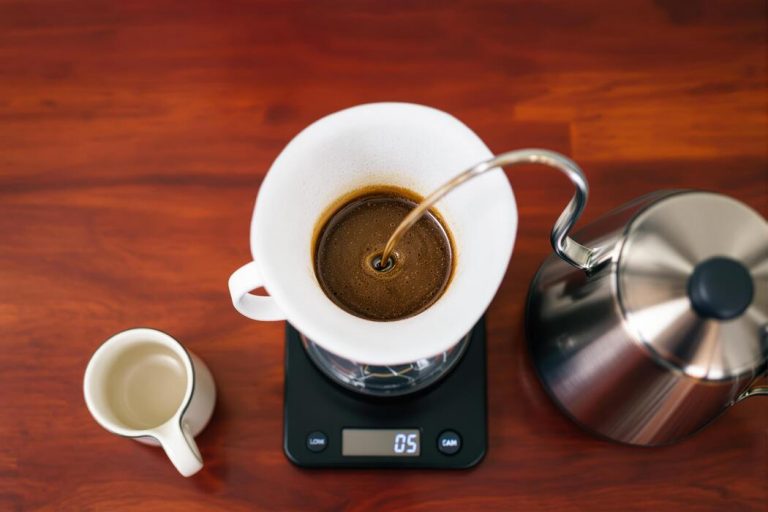
How To Make Iced Coffee With Coffee Powder
How to make iced coffee with coffee powder is simpler than you think—no espresso machine needed. The core problem is avoiding weak, watery coffee when ice dilutes it. You’re in the right place: the secret is dissolving instant coffee in just a little hot water first, then pouring over ice and milk. This method delivers bold, rich flavor every time, with zero bitterness. Let’s get brewing.
What You Need to Make Iced Coffee with Coffee Powder
Essential ingredients and tools
To make refreshing iced coffee with coffee powder, you need just a few basics. Start with high-quality coffee powder—choose one that suits your taste, such as a medium or dark roast. You’ll also need cold water for brewing and ice cubes to chill the drink quickly.
A glass or mason jar works perfectly for mixing, along with a spoon or whisk to stir. For brewing, you can use a French press, drip coffee maker, or a simple jar with a strainer if you’re making cold brew.
If you prefer hot brew, boil water first, then let the coffee cool before pouring over ice. Don’t forget a measuring spoon for consistent strength—usually 1-2 tablespoons per cup of water. For a smoother texture, consider using filtered water and a fine-mesh strainer to remove any gritty sediment.
With these essentials, you’re set to create a crisp, flavorful iced coffee at home.
Best coffee powder types for iced coffee
The best coffee powder for iced coffee depends on your flavor preferences, but some types shine when chilled. Medium roast is a popular choice because it balances acidity and body, avoiding bitterness while holding up well against ice dilution.
Dark roast offers a bold, smoky flavor that cuts through milk or cream, making it ideal for strong iced lattes. For a smoother, less acidic option, cold brew coffee powder (coarse ground) is excellent—it steeps slowly in cold water for 12-24 hours, producing a naturally sweet concentrate.
Avoid light roasts if you dislike bright, fruity notes, as they can taste sour when iced. Espresso powder is another great pick for intense flavor; just dissolve it in hot water first.
For convenience, instant coffee powder works too—stir it into a little hot water until dissolved, then pour over ice. Experiment with single-origin or blended powders to find your perfect iced coffee base.
Optional add-ins and sweeteners
Elevate your iced coffee with creative add-ins and sweeteners tailored to your taste. Simple syrup dissolves instantly in cold liquid—make it by boiling equal parts sugar and water, then cool.
For a healthier twist, try honey, agave nectar, or maple syrup; stir them into hot coffee before chilling to avoid clumps. Flavored syrups like vanilla, caramel, or hazelnut add a café-style touch. Milk, cream, oat milk, or almond milk soften the coffee’s bite—add after brewing for a creamy texture.
For a decadent treat, whisk in chocolate syrup or cocoa powder for a mocha. Spice it up with a pinch of cinnamon, nutmeg, or cardamom for warmth. A dash of vanilla extract or a splash of coconut milk can lend tropical notes.
For a protein boost, blend in a scoop of protein powder with a little milk. Remember to start with small amounts, taste, and adjust—these extras let you customize your iced coffee perfectly.
How to Brew Strong Coffee for Iced Coffee

Double-strength brewing method
To brew strong coffee for iced coffee, use a double-strength brewing method to compensate for dilution from ice. Start by doubling the amount of coffee powder you normally use for hot coffee—for example, use 4 tablespoons of coffee powder per 6 ounces of water instead of 2.
Brew it using your preferred method, such as a drip coffee maker, French press, or pour-over. Use hot water just off the boil (195-205°F) to extract maximum flavor quickly. Once brewed, let the coffee cool to room temperature, then pour it over a glass full of ice.
The concentrated brew ensures that the melted ice doesn’t leave you with weak, watery coffee. For best results, chill the brewed coffee in the refrigerator for 30 minutes before adding ice to slow dilution even further.
This method works with any coffee powder, from fine espresso grind to medium drip grind, and yields a bold, flavorful iced coffee base in minutes.
Cold brew technique with coffee powder
The cold brew technique is ideal for making a smooth, strong iced coffee base without bitterness. Combine coffee powder and cold water in a ratio of 1 part coffee to 4 parts water (e.g., 1 cup coffee powder to 4 cups water) in a large jar or pitcher.
Stir gently to ensure all powder is saturated, then cover and let it steep at room temperature or in the refrigerator for 12 to 24 hours. The longer steep extracts deep flavors without the acidity of hot brewing.
After steeping, strain the mixture through a fine-mesh sieve, cheesecloth, or a coffee filter to remove grounds. The resulting concentrate is double to triple the strength of regular coffee.
To serve, pour 1 part cold brew concentrate over ice and add 1-2 parts cold water or milk, adjusting to your taste. This method yields a naturally sweet, bold iced coffee that stays strong even as ice melts, and it keeps in the fridge for up to two weeks.
Avoiding bitterness in your coffee base
Bitterness often ruins iced coffee, but you can avoid it with a few simple steps. First, use a medium or coarse grind of coffee powder—fine grinds over-extract and release bitter compounds, especially with hot water.
Second, control water temperature: for hot brewing, keep water between 195-205°F; boiling water scalds the grounds and creates harsh flavors. Third, limit brewing time—for hot methods, steep for 4-5 minutes maximum; for cold brew, 12-18 hours is ideal, as longer steeps can turn bitter.
Fourth, choose Arabica coffee powder over Robusta, as Arabica has lower acidity and fewer bitter notes. Fifth, always use fresh, high-quality coffee powder stored in an airtight container away from light and heat.
Finally, if using hot brew, cool it quickly by pouring it over ice or refrigerating immediately, as slow cooling can increase bitterness. Following these tips ensures a smooth, balanced iced coffee that highlights the coffee’s natural flavors without unpleasant harshness.
Step-by-Step Guide to Making Iced Coffee with Coffee Powder

Brew and cool your coffee quickly
Start by brewing a strong batch of coffee using your favorite coffee powder, as the ice will slightly dilute the final drink. Use a ratio of 2 tablespoons of coffee powder per 6 ounces of hot water for a robust flavor.
For the fastest cooling method, brew the coffee directly into a heatproof pitcher or glass, then place it in an ice bath—a larger bowl filled with ice and cold water.
Stir the hot coffee gently to help it cool evenly, aiming to bring it down to room temperature within 5-10 minutes. Alternatively, you can pre-brew the coffee the night before and refrigerate it, but if you’re short on time, the ice bath method is your best bet.
Avoid pouring hot coffee directly over ice, as this can create a watery, less flavorful result. Once cooled, your coffee is ready for the next step.
Pour over ice without diluting flavor
To preserve the rich taste of your iced coffee, fill a tall glass with ice cubes made from coffee itself—simply freeze leftover cooled coffee in an ice cube tray. If using regular ice, opt for large cubes or a single oversized cube, as they melt slower than small ones.
Pour the cooled coffee over the ice, leaving about an inch of space at the top for any additions. For an extra flavor boost, add a pinch of salt to the coffee before pouring, which enhances sweetness without extra sugar.
Stir the mixture briefly to chill it evenly, but avoid over-stirring, which can accelerate ice melt. If you prefer a stronger coffee flavor, use less ice or skip the coffee ice cubes and instead chill the glass in the freezer for 10 minutes beforehand.
This method ensures every sip stays bold and refreshing.
Mixing in milk, cream, or non-dairy alternatives
Once your coffee is over ice, add your choice of milk, cream, or non-dairy alternative to taste. Start with 2-3 tablespoons of whole milk, heavy cream, or oat milk for a creamy texture, adjusting based on your preference for richness.
For a dairy-free option, barista-style oat milk or coconut cream blends work well without curdling. Stir gently to combine, then taste and adjust sweetness with simple syrup, honey, or a flavored syrup like vanilla or caramel.
To avoid dilution, add the milk or cream first, then pour the coffee over it, or use a spoon to layer it on top for a visual effect. For a frothy finish, shake the milk in a jar with a lid before adding, or use a handheld frother.
Serve immediately with a straw, and optionally garnish with a sprinkle of cinnamon or cocoa powder for extra flair.
Tips for the Best Iced Coffee Flavor
Using coffee ice cubes to prevent watering down
A common pitfall when making iced coffee with coffee powder is dilution from melting ice. To maintain robust flavor, brew a double-strength batch of coffee using your preferred method, such as a French press or drip machine.
Let the coffee cool to room temperature, then pour it into an ice cube tray and freeze. When you’re ready for iced coffee, fill a glass with these coffee ice cubes instead of regular ice. As they melt, they release concentrated coffee, preserving the bold taste.
For best results, use fresh coffee powder and filtered water to avoid off-flavors. You can also add a splash of milk or sweetener to the cubes before freezing for a customized touch. This technique ensures your iced coffee stays flavorful from the first sip to the last, without becoming watery.
Experiment with different coffee-to-water ratios to find your ideal strength, typically 1.5 to 2 times the normal amount for brewing.
Adjusting sweetness and strength to taste
Perfecting your iced coffee involves tailoring sweetness and strength to your preference. Start by brewing coffee powder with hot water at a ratio of 2 tablespoons per 6 ounces for a stronger base, as ice will dilute it.
For sweetness, add simple syrup or sugar directly to the hot coffee while it dissolves easily. Alternatively, use flavored syrups like vanilla or caramel for variety. If you prefer a less intense flavor, dilute the brewed coffee with cold water or milk before chilling.
Taste your mixture after cooling, then adjust gradually—add more syrup for sweetness or extra coffee for strength. Remember that cold temperatures mute sweetness, so err on the slightly sweeter side. For a creamy twist, incorporate a splash of heavy cream or oat milk.
Keep a log of your ratios to replicate your perfect cup. This approach lets you control every element, ensuring a satisfying, personalized iced coffee experience every time.
Storing leftover coffee for later use
Maximize your coffee powder by storing leftover brewed coffee properly to enjoy later. Pour any unused coffee into an airtight container and refrigerate it promptly within two hours of brewing to preserve freshness.
Chilled coffee can last up to 3-4 days in the fridge, making it ideal for quick iced coffee prep. When ready to use, shake or stir the stored coffee to reincorporate any settled grounds, then pour over ice.
For best flavor, avoid adding milk or sweeteners until serving, as they can spoil faster. You can also freeze leftover coffee in ice cube trays for long-term storage, as detailed earlier. If you prefer a concentrated base, reduce the water during initial brewing and store the stronger coffee.
This method saves time and reduces waste, allowing you to enjoy iced coffee on demand without re-brewing. Always taste stored coffee before use, as it may develop slight bitterness over time.
Common Mistakes to Avoid When Making Iced Coffee

Pouring hot coffee directly over ice
One of the most common mistakes when making iced coffee with coffee powder is pouring freshly brewed hot coffee directly over ice. While it seems convenient, this method often results in a watery, diluted drink because the ice melts too quickly.
Instead, brew your coffee double strength by using twice the amount of coffee powder you normally would for hot coffee. For example, if you use 2 tablespoons for a hot cup, use 4 tablespoons for the same amount of water when making iced coffee.
This ensures that even as the ice melts, your coffee retains a bold, rich flavor. To further prevent dilution, let your brewed coffee cool slightly before pouring it over ice, or use coffee ice cubes made from leftover coffee.
This simple adjustment transforms your iced coffee from weak and watery to perfectly balanced and refreshing.
Using too little coffee powder
A frequent error when making iced coffee with coffee powder is using the same amount as you would for hot coffee. Since ice melts and dilutes the brew, you need to compensate with a stronger coffee base.
A good rule of thumb is to double the coffee powder you typically use. For a standard 8-ounce serving, start with 2 to 3 tablespoons of coffee powder instead of 1 to 1.5. This ensures that the final drink has a robust coffee taste without being bitter.
You can also experiment with coarse ground coffee for a smoother extraction, especially if using a cold brew method. Remember, the goal is to create a concentrated coffee that can withstand the melting ice.
By using enough coffee powder, you avoid the disappointment of a weak, flavorless iced coffee and enjoy a satisfying, full-bodied drink every time.
Skipping the cooling step
Another critical mistake is skipping the cooling step before adding ice. Pouring hot coffee directly onto ice not only leads to rapid dilution but also creates a muddy, uneven flavor as the heat extracts bitter compounds unevenly.
To avoid this, let your brewed coffee cool to room temperature first, about 15-20 minutes. For faster results, place the hot coffee in the refrigerator for 10 minutes or use a cold brew method where coffee powder steeps in cold water for 12-24 hours.
Cooling prevents the shock of temperature change, preserving the coffee’s smooth, aromatic notes. Additionally, cooling before serving allows you to control sweetness and milk additions more precisely, as hot coffee can mask flavors.
By incorporating this simple step, your iced coffee will be consistently delicious, with a clean, crisp taste that highlights the quality of your coffee powder.
How to Customize Your Iced Coffee Recipe
Adding flavored syrups or spices
Elevate your homemade iced coffee with simple syrup infusions or a pinch of spice. Start by dissolving sugar in hot water to create a basic simple syrup, then stir in flavors like vanilla extract, caramel, or hazelnut while it’s still warm.
For a sugar-free option, use liquid stevia drops or monk fruit sweetener. Alternatively, sprinkle cinnamon, nutmeg, or pumpkin pie spice directly into the coffee grounds before brewing for a warm, aromatic kick. To customize, add a splash of almond milk or coconut cream for a dairy-free twist.
For a mocha variation, mix cocoa powder with a little hot water to form a paste, then stir into the brewed coffee. Always taste and adjust sweetness gradually—start with one tablespoon of syrup per cup. Chill the coffee completely before pouring over ice to prevent dilution.
For a layered effect, pour the syrup into the glass first, then add ice, and slowly pour the coffee over the back of a spoon. This method ensures each sip is perfectly balanced and customizable to your cravings.
Making iced coffee with milk froth or foam
Transform your iced coffee into a café-style treat by adding a velvety milk froth or foam. Start by brewing a strong batch of coffee using coffee powder—use a ratio of 2 tablespoons per 6 ounces of water for a robust base. Let it cool to room temperature.
Meanwhile, heat your milk of choice (dairy or plant-based) until warm but not boiling. Use a milk frother, French press, or a jar with a tight lid to create thick foam by vigorously shaking warm milk for 30 seconds.
For a cold foam, use chilled milk and a handheld frother until it doubles in volume. Fill a glass with ice, pour the cooled coffee over it, leaving space for the foam. Gently spoon the froth on top, creating a creamy layer that slowly blends.
For extra indulgence, add a dash of vanilla or cinnamon to the milk before frothing. This technique not only enhances texture but also keeps the coffee from becoming watery, as the foam acts as an insulating layer. Serve immediately and enjoy the luxurious mouthfeel.
Creating a creamy iced coffee with condensed milk
For a rich, indulgent iced coffee reminiscent of Vietnamese-style brews, use sweetened condensed milk as your base. Brew a strong cup of coffee using 2–3 tablespoons of coffee powder per 8 ounces of water—a dark roast works best for bold flavor.
While the coffee is still hot, stir in 2–3 tablespoons of condensed milk until fully dissolved. The heat helps the milk blend smoothly, creating a creamy, caramel-like sweetness. Let the mixture cool to room temperature, then fill a glass with ice cubes.
Pour the coffee-milk blend over the ice, and stir gently. For an even creamier texture, add a splash of heavy cream or half-and-half before serving. You can also experiment with coconut condensed milk for a dairy-free version.
To balance sweetness, reduce the condensed milk and add a pinch of sea salt or a drop of vanilla extract. This method yields a velvety, dessert-like iced coffee that’s both satisfying and simple to customize.
Adjust the milk ratio to your taste—less for a stronger coffee kick, more for a sweeter treat.
Frequently Asked Questions About Iced Coffee with Coffee Powder
Can I use instant coffee powder?
Absolutely, instant coffee powder is perfect for making iced coffee quickly and conveniently. To get the best flavor, start by dissolving 1-2 teaspoons of instant coffee powder in just 2 tablespoons of hot water (not boiling, to avoid bitterness).
Stir until fully dissolved, then pour over a glass filled with ice. Add cold water or milk to fill the glass—about ¾ cup total. For a creamier texture, use cold milk or a splash of heavy cream.
Key tip: Use high-quality instant coffee for a smoother taste, and consider adding a pinch of salt to reduce bitterness. You can also sweeten with sugar, honey, or flavored syrup while the coffee is still warm for even dissolution.
This method yields a refreshing iced coffee in under 2 minutes, ideal for busy mornings or when you don’t have brewed coffee on hand.
How long does iced coffee last in the fridge?
Iced coffee made with coffee powder can be stored in the refrigerator for up to 3-4 days, but its flavor is best within the first 24 hours. To maximize freshness, store it in an airtight container to prevent absorbing odors from other foods.
Avoid adding milk or cream until serving, as dairy can spoil faster and separate. If you’ve already added milk, consume within 1-2 days. For best results, make a concentrated coffee solution (double strength) and dilute with cold water or milk when ready to drink.
This prevents dilution from melting ice and keeps the taste robust. Before drinking, give it a good stir, as sediments may settle. If the coffee develops an off smell or taste, discard it.
For longer storage, freeze the coffee in ice cube trays and use the cubes in future iced coffee—this prevents watering down while keeping the flavor intact.
What is the best coffee-to-water ratio for iced coffee?
For a balanced and flavorful iced coffee using coffee powder, use a ratio of 1:4 for concentrate, meaning 1 part coffee powder to 4 parts water by volume.
For a standard 12-ounce glass, dissolve 2 tablespoons of instant coffee powder in ½ cup of hot water to create a strong concentrate. Then, pour it over a full glass of ice and add ½ cup of cold water or milk.
If you prefer a bolder taste, increase to 1:3 ratio (e.g., 3 tablespoons powder to ½ cup water). For a milder brew, use 1:5. Adjust based on your coffee powder’s strength—some brands are more potent. Always dissolve fully in hot water first to avoid graininess.
Taste and tweak: if it’s too strong, add more ice or liquid; if weak, use less water. This ratio ensures your iced coffee remains robust even as ice melts, delivering consistent flavor from first sip to last.
Frequently Asked Questions
What is the simplest way to make iced coffee with coffee powder?
The simplest method is to dissolve 2 tablespoons of coffee powder in 1 cup of hot water, let it cool to room temperature, then pour over a glass filled with ice. Add milk or sweetener to taste.
Can I use instant coffee powder for iced coffee?
Yes, instant coffee powder works perfectly. Mix 1-2 teaspoons of instant coffee with a small amount of hot water to dissolve, then combine with cold water or milk and pour over ice.
How do I make iced coffee without it becoming watery?
To avoid watery iced coffee, brew a stronger concentrate by using double the amount of coffee powder you normally would. You can also make coffee ice cubes by freezing leftover coffee to use instead of regular ice.
What is the ratio of coffee powder to water for iced coffee?
A good starting ratio is 2 tablespoons of coffee powder per 1 cup of hot water for a strong brew. For a milder taste, use 1.5 tablespoons per cup. Adjust based on your preference.
Do I need to cool the coffee before adding ice?
Yes, it’s best to let the hot coffee cool to room temperature or refrigerate it for 30 minutes before pouring over ice. This prevents rapid melting and dilution of the coffee.
Can I add flavors or syrups to my iced coffee with coffee powder?
Absolutely. Stir in vanilla extract, caramel syrup, chocolate syrup, or a pinch of cinnamon while the coffee is still warm. For a creamier texture, add milk, cream, or a splash of condensed milk.
How do I make a quick iced coffee using cold water?
For a no-heat method, mix 2 tablespoons of coffee powder with 1 cup of cold water in a jar, shake vigorously for 30 seconds, and let it sit for 5 minutes. Strain or pour directly over ice, then add milk or sweetener.
Conclusion
Making iced coffee with coffee powder is quick, affordable, and endlessly customizable. For best results, use a medium-fine grind and let it steep for a few minutes. Now that you have the basics, experiment with milk, sweeteners, or flavored syrups. Ditch the expensive café lines and enjoy your perfect homemade refreshment today.