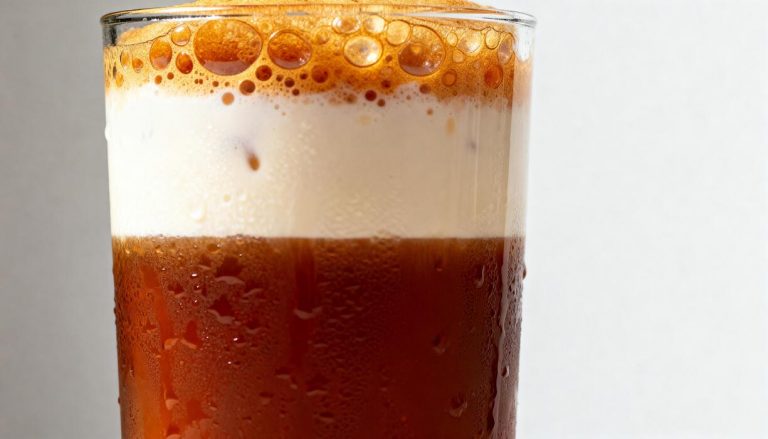
How To Make Cold Coffee Steps
You’re here because you want a smooth, refreshing iced coffee without the guesswork. This guide cuts through the noise, giving you the exact sequence—from brewing strong coffee to chilling it fast—so you get a barista-quality result at home every time.
What You Need to Make Cold Coffee at Home
Essential ingredients for cold coffee
To make a perfect cold coffee at home, start with fresh milk—whole milk gives the creamiest texture, but you can use 2% or any plant-based milk like oat or almond. You’ll also need quality coffee: either strong brewed espresso or instant coffee granules.
For sweetness, simple syrup (equal parts sugar and water dissolved) blends better than granulated sugar, which can sink to the bottom. Add ice cubes made from filtered water to avoid dilution.
For flavor, include vanilla extract (½ teaspoon per serving) and unsweetened cocoa powder or chocolate syrup for a mocha twist. A pinch of cinnamon or salt can enhance the coffee’s richness. If you prefer a creamier drink, add heavy cream or a splash of condensed milk for sweetness and body.
These ingredients are easy to keep on hand, and you can adjust ratios to your taste—start with 1 cup milk, 2 tablespoons coffee, and 1-2 tablespoons sweetener per serving.
Best coffee beans or instant coffee for cold coffee
For the best cold coffee, choose medium to dark roast beans—they offer bold, chocolatey notes that stand up to milk and ice without turning bitter. Arabica beans from Colombia or Brazil are excellent choices for their smooth, nutty profiles.
If using instant coffee, opt for a freeze-dried variety like Nescafé Taster’s Choice or Starbucks VIA, which dissolve easily in cold water. Avoid finely ground espresso beans unless you have an espresso machine; for cold brew, use coarsely ground beans to prevent over-extraction.
For a quick method, instant coffee works well: mix 2 teaspoons with 2 tablespoons hot water, then cool. For a richer flavor, brew a double-strength batch using a French press or pour-over with a 1:4 coffee-to-water ratio. Store brewed coffee in the fridge for up to a week.
The key is using fresh, high-quality coffee to avoid a sour or flat taste.
Recommended tools and equipment
You don’t need fancy gadgets, but a few tools make cold coffee easier. Start with a blender—essential for frothy, café-style cold coffee; a standard countertop blender works, but a personal blender (like a NutriBullet) is perfect for single servings. Use a tall glass or mason jar for mixing and serving.
A fine-mesh strainer or nut milk bag is helpful if you make cold brew to filter out grounds. For instant coffee, a small whisk or milk frother helps dissolve granules and create foam. If you prefer cold brew, a French press or cold brew maker simplifies steeping and filtering.
Don’t forget measuring spoons for consistent ratios—1 tablespoon of coffee per 8 ounces of milk is a good start. For iced drinks, silicone ice cube trays (large cubes melt slower) or metal ice cubes prevent dilution. A straw and lid keep the drink cold and mess-free.
These tools are affordable and often already in your kitchen.
How to Brew Strong Coffee for Cold Coffee
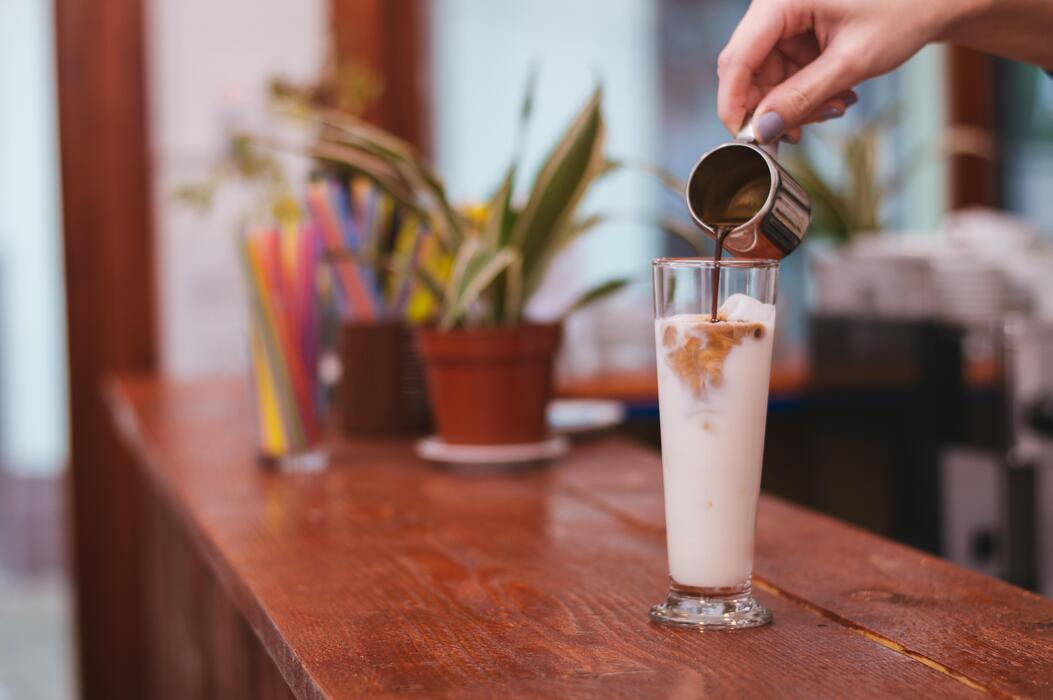
Step 1: Choose your brewing method
For a strong cold coffee base, your brewing method matters. Use a French press, AeroPress, or drip machine to get a concentrated, flavorful brew. Avoid methods like pour-over that produce lighter coffee. For the French press, use a coarse grind and double the usual coffee grounds.
For drip, select a dark roast and a fine grind to extract maximum oils and caffeine. The AeroPress, with its short contact time, works best with a fine grind and hot water (just off boil).
Remember, the goal is a robust, bold flavor that won’t get lost when diluted with ice or milk. Choose the method you’re most comfortable with, but always prioritize high coffee-to-water ratios for strength. This foundational step ensures your cold coffee has a rich, satisfying taste.
Step 2: Brew a concentrated batch
To make cold coffee strong, brew a concentrated batch. Use double the coffee grounds your recipe normally calls for. For example, if you’d use 2 tablespoons per 6 ounces of water, use 4 tablespoons. Use hot water (just off boil) to extract flavors quickly.
Steep for 4-5 minutes for drip or 6-8 minutes for French press. Stir gently to ensure all grounds are saturated. This concentrated brew, sometimes called a ‘coffee concentrate,’ will have a bold, intense flavor that stands up to ice and milk. After brewing, strain thoroughly to remove any fine grounds.
You can also use a paper filter for a cleaner taste. This step is crucial for avoiding watery cold coffee. The result is a potent, aromatic base that will shine in your cold drink.
Step 3: Cool the coffee quickly
After brewing your concentrate, cool it fast to preserve freshness and avoid bitterness. Pour the hot coffee into a heatproof container and place it in an ice bath (a bowl filled with ice and water). Stir occasionally to speed cooling.
This method chills the coffee in 5-10 minutes, locking in the bold flavor. Alternatively, pour over ice cubes directly into a glass, but this can dilute the coffee slightly. For the strongest result, avoid refrigerating the hot coffee as it can develop off-flavors.
Once cool, store in a sealed container in the fridge for up to 3 days. For immediate use, fill a glass with ice, pour the concentrate, and add milk or sweetener as desired. This quick cooling step ensures your cold coffee is crisp, strong, and ready to enjoy without waiting.
Step-by-Step Guide to Make Cold Coffee
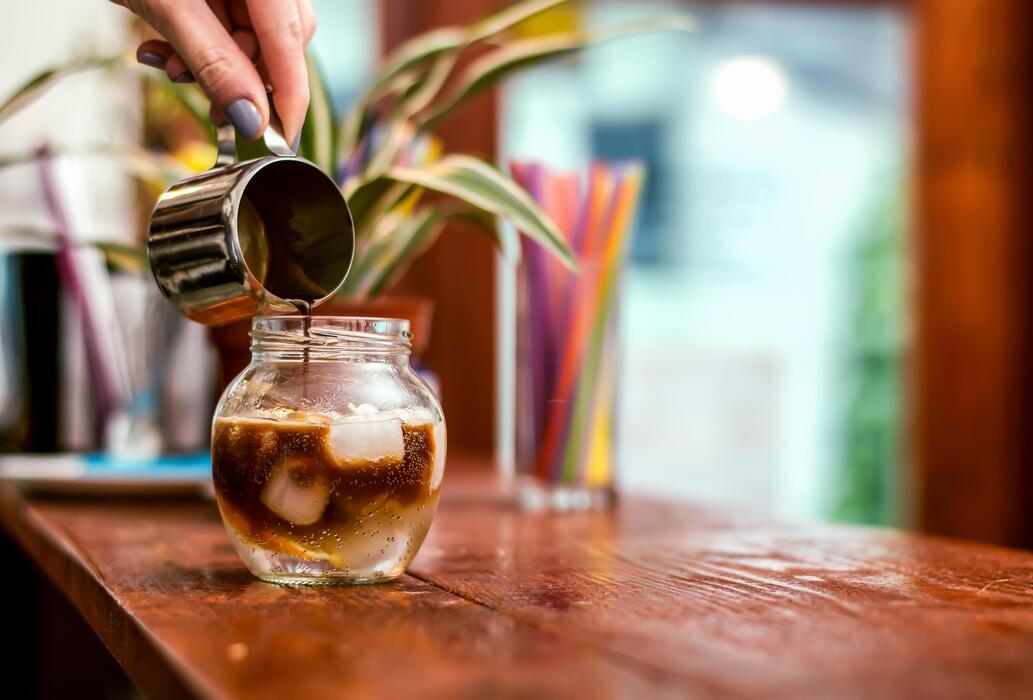
Step 1: Combine coffee and milk
Start by brewing a strong cup of coffee using your preferred method, such as a French press, espresso machine, or instant coffee. For a richer flavor, use double the amount of coffee grounds you normally would. Allow the coffee to cool to room temperature, or refrigerate it for faster chilling.
In a tall glass or a jar, combine equal parts cooled coffee and cold milk—whole milk works best for creaminess, but you can use any milk or plant-based alternative. Stir gently to mix, ensuring no separation.
This base creates a smooth foundation for your cold coffee, balancing the bold coffee taste with the milk’s subtle sweetness.
Step 2: Add sweetener and flavorings
Enhance your cold coffee by adding sweeteners and flavorings to suit your taste. Common options include simple syrup, honey, or sugar, but for easier mixing, use liquid sweeteners since they dissolve quickly in cold liquid. Start with 1-2 tablespoons and adjust as needed.
For extra depth, add a splash of vanilla extract, a pinch of cinnamon, or a drizzle of caramel sauce. If you prefer a mocha flavor, mix in 1-2 teaspoons of cocoa powder or chocolate syrup. Stir thoroughly to incorporate all ingredients evenly, ensuring no clumps remain.
Taste and tweak until the sweetness and flavor profile are exactly what you crave.
Step 3: Blend or shake until frothy
To achieve a creamy, café-style texture, transfer the coffee mixture to a blender or a sealed jar. If using a blender, pulse for 15-20 seconds until the liquid becomes frothy and light—this aerates the coffee, creating a smooth mouthfeel.
Alternatively, place the lid on a jar and shake vigorously for 30 seconds. For an even richer result, add a handful of ice cubes before blending to create a slushy consistency. If you want a dairy-free option, use coconut milk or almond milk, which froth well.
The goal is to incorporate air, resulting in a velvety foam that elevates your cold coffee from simple to indulgent.
Step 4: Serve over ice
Fill a tall glass with fresh ice cubes—preferably large ones to slow dilution. Pour the frothy coffee mixture over the ice, leaving some room at the top. For an extra touch, top with whipped cream, a dusting of cocoa powder, or a drizzle of chocolate syrup.
If you prefer a lighter drink, add a splash of cold milk or a dollop of ice cream for a creamy float. Stir gently to combine, then serve immediately with a straw or spoon.
This final step ensures your cold coffee is refreshingly chilled and visually appealing, perfect for a quick morning boost or an afternoon treat.
Tips for the Best Cold Coffee Texture and Taste
Use cold milk for a creamier drink
For a luxuriously smooth and creamy cold coffee, always start with ice-cold milk rather than room temperature or warm milk. Cold milk blends more evenly with coffee, preventing curdling and ensuring a uniform texture.
Use full-fat or whole milk for the richest mouthfeel, or try oat milk for a naturally sweet and frothy alternative.
Before mixing, shake or froth the cold milk in a sealed jar or with a frother until it becomes slightly thick and airy—this adds a velvety layer without watering down the flavor. Avoid using hot milk, as it can melt ice quickly and create a watery drink.
For an extra indulgence, chill your glass in the freezer for 10 minutes before pouring. This simple step keeps the coffee colder longer and enhances the creamy sensation with every sip.
Adjust coffee-to-milk ratio for strength
The perfect cold coffee balances bold coffee flavor with creamy milk without becoming too weak or too intense. Start with a 1:2 ratio of strong coffee to milk—for example, 1/2 cup of chilled coffee to 1 cup of cold milk.
If you prefer a stronger kick, increase the coffee to a 1:1 ratio or use a double-strength brew by steeping coffee grounds with half the usual water. For a lighter, more refreshing drink, opt for a 1:3 ratio with more milk.
Always taste and adjust gradually; you can add more coffee or milk after mixing. Remember that ice will slightly dilute the flavor, so brew your coffee slightly stronger than usual.
Use espresso, cold brew concentrate, or strongly brewed drip coffee for the best results, ensuring your cold coffee tastes robust and satisfying without being watery.
Add ice cubes made from coffee to avoid dilution
Prevent your cold coffee from becoming watery by swapping regular ice cubes for coffee ice cubes. Simply pour leftover brewed coffee into an ice cube tray and freeze overnight. When added to your drink, these cubes chill it without diluting the coffee flavor—they melt into more coffee, not water.
For an extra twist, try milk ice cubes by freezing a thin layer of milk in a tray; these add creaminess as they melt. Use at least 3 to 4 coffee ice cubes per glass to maintain a strong, rich taste from start to finish.
If you’re short on time, cool your brewed coffee completely before pouring over regular ice, and use fewer cubes to minimize dilution. This small prep step ensures every sip stays bold and satisfying, even as the ice slowly melts.
How to Make Cold Coffee Without a Blender

Shake method with a jar
For a creamy and frothy cold coffee without a blender, use a mason jar. Start by adding 1 cup of strong brewed coffee (cooled), 1/2 cup of cold milk, 1-2 teaspoons of sugar, and a few ice cubes into a clean, sealable jar.
Ensure the lid is tightly closed, then shake vigorously for about 30-45 seconds until the mixture is well combined and frothy. The shaking action emulsifies the coffee and milk, creating a smooth texture. For extra flavor, add a drop of vanilla extract or a pinch of cinnamon before shaking.
Once done, pour the mixture into a glass filled with fresh ice cubes. Serve immediately to enjoy the chilled, bubbly foam on top. This method is perfect for on-the-go preparation or when you want a quick, equipment-free coffee fix.
Adjust sweetness or milk ratio to your preference, and consider using cold brew concentrate for a less acidic taste.
Whisk method for froth
To make cold coffee with a whipped froth using just a whisk, start by combining 1 cup of strong chilled coffee, 1/2 cup of cold milk, and 1-2 tablespoons of sugar in a bowl.
Use a wire whisk to vigorously stir the mixture in a circular motion for 2-3 minutes until a light foam forms on top. For easier whisking, tilt the bowl slightly to increase surface area.
If you want a thicker froth, warm the milk slightly first (but not hot), then whisk before adding to the coffee. Once frothy, pour the mixture over a glass filled with ice cubes. The whisk method gives you control over texture and avoids any gritty residue from undissolved sugar.
For a richer taste, use whole milk or add a splash of cream. Top with cocoa powder or cinnamon for garnish. This technique is ideal for small batches and requires no special tools, just a little arm effort.
Simple stir-and-serve technique
For the easiest no-blender method, use the simple stir-and-serve technique. Brew a strong cup of coffee and let it cool to room temperature, or use cold brew concentrate. In a glass, combine 1 cup of cooled coffee, 1/2 cup of cold milk, and 1-2 teaspoons of sugar.
Stir thoroughly with a spoon until the sugar dissolves completely—about 20-30 seconds. Add a handful of ice cubes and stir again to chill evenly. This method works best with pre-dissolved sugar or simple syrup to avoid graininess. For extra creaminess, use evaporated milk or a dash of heavy cream.
You can also enhance flavor with a pinch of salt or a drizzle of caramel. Serve immediately with a straw. While it lacks froth, it’s quick, reliable, and perfect for busy mornings. Adjust coffee-to-milk ratio to your taste, and try adding a splash of vanilla extract for depth.
This approach requires no special equipment and minimal effort.
Popular Cold Coffee Variations to Try
Iced mocha with chocolate syrup
To create a rich iced mocha, start by brewing a double shot of espresso or 1/2 cup of strong coffee and letting it cool. In a tall glass, combine 2 tablespoons of chocolate syrup with the cooled coffee, stirring until smooth.
Fill the glass with ice cubes, then pour in 1 cup of cold milk (whole or 2% works best for creaminess). For a frothy finish, shake the milk and chocolate mixture in a sealed jar before adding ice, or blend everything with ice for a frappe-like texture.
Top with whipped cream and an extra drizzle of chocolate syrup. Adjust sweetness by using sugar-free syrup or adding a pinch of salt to balance flavors. This variation is perfect for satisfying chocolate cravings while keeping your coffee cold and refreshing.
Vanilla cold coffee with extract
For a simple yet aromatic vanilla cold coffee, brew strong coffee and chill it completely. In a serving glass, mix 1 teaspoon of pure vanilla extract with 1-2 tablespoons of simple syrup or sugar (adjust to taste). Add the chilled coffee and stir well.
Fill the glass with ice cubes, then pour in 1/2 cup of cold milk or cream for extra richness. For a creamier texture, use a milk frother to foam the milk before adding it, or shake all ingredients in a cocktail shaker with ice.
Garnish with a vanilla bean pod or a sprinkle of cinnamon. This method highlights the vanilla flavor without overpowering the coffee, making it a versatile base for customizations like adding caramel or a dash of nutmeg.
Dairy-free cold coffee with oat or almond milk
Craft a creamy dairy-free cold coffee by brewing espresso or strong coffee and cooling it.
In a blender, combine 1 cup of oat milk (for a neutral, creamy texture) or unsweetened almond milk (for a nutty flavor) with the cooled coffee, 1 tablespoon of maple syrup or agave, and a handful of ice cubes. Blend until smooth and frothy.
For a layered iced version, pour the coffee over ice, then slowly add the milk and stir gently. Oat milk is ideal for barista-style foam, while almond milk keeps it lighter. Enhance with a dash of cinnamon or vanilla extract for depth.
This variation avoids dairy without sacrificing richness, and you can adjust sweetness or use flavored syrups to suit your preference.
How to Store and Serve Cold Coffee for Later
Refrigerate brewed coffee for up to 3 days
To store cold coffee properly, brew a concentrated batch and let it cool to room temperature before refrigerating. Transfer the coffee to an airtight glass or BPA-free container to prevent it from absorbing fridge odors. For best flavor, use within 3 days—after that, oxidation makes it taste stale or bitter.
If you add milk or sweetener, consume within 24 hours to avoid spoilage. To speed cooling, place the container in an ice bath for 15 minutes before refrigerating. Never store coffee in a warm pot or leave it on the counter for more than 2 hours, as bacteria can grow.
For easy serving, pre-portion your coffee into individual bottles or mason jars. Label each container with the date brewed to track freshness. When ready to drink, simply pour over ice and add your favorite milk or syrup.
This method works for black coffee, cold brew concentrate, or even blended iced coffee bases.
Keep ice and coffee separate until serving
To avoid watery, diluted cold coffee, always store ice separately from the brewed coffee until you’re ready to drink. When ice melts directly in stored coffee, it ruins the concentration and flavor.
Instead, freeze coffee into ice cubes using an ice tray—this way, even if they melt, your drink stays strong. For quick serving, fill a glass with regular or coffee ice cubes, then pour your chilled coffee over them. If you’ve added milk or cream, stir gently to combine without over-diluting.
For iced lattes, shake the coffee and milk together in a sealed jar with ice, then strain into a fresh glass. Pro tip: Use large, slow-melting ice cubes or reusable silicone ice molds to keep your drink cold longer.
Always taste before adding extra ice—you can always add more, but you can’t remove melted water. This simple habit ensures every sip is as bold as the first.
Re-froth before serving if needed
If your cold coffee was frothed or blended with milk, re-froth it just before serving to restore its creamy texture. After refrigeration, foam naturally deflates and separates. Use a handheld milk frother for 10–15 seconds to reincorporate air into the coffee.
For a latte-style drink, warm a small amount of milk (not boiling) and froth it separately, then pour over the cold coffee. If you’re using a French press, pump the plunger a few times directly in the stored coffee to create fresh foam.
Avoid microwaving the entire batch—this can scorch the coffee and ruin the cold brew’s smoothness. Instead, re-froth only the portion you’re about to drink. For iced blended coffee, give it a quick stir or shake in a sealed container to re-emulsify.
This step takes less than a minute but makes a noticeable difference in mouthfeel and enjoyment. Your stored coffee will taste freshly made every time.
Frequently Asked Questions
What are the basic steps to make cold coffee at home?
The basic steps include brewing strong coffee, letting it cool to room temperature, then pouring it over a glass filled with ice cubes. You can add milk, sugar, or flavored syrups to taste, and stir well before serving.
How do I make cold coffee without a coffee maker?
You can use instant coffee granules dissolved in a small amount of hot water, then mix with cold milk and ice. Alternatively, steep coarsely ground coffee in cold water for 12-24 hours to make a cold brew concentrate, then dilute with water or milk.
Should I use hot or cold water to make cold coffee?
You should brew the coffee with hot water first, then cool it down, or use the cold brew method with cold water over an extended period. Using hot water extracts flavors quickly, while cold brew gives a smoother, less acidic taste.
What is the difference between iced coffee and cold brew?
Iced coffee is brewed hot and then chilled or poured over ice, while cold brew is steeped in cold water for 12-24 hours. Cold brew is typically smoother and less acidic, whereas iced coffee has a brighter, more traditional coffee flavor.
How can I make cold coffee creamy and frothy?
To make it creamy, blend the cooled coffee with milk, sugar, and ice cubes in a blender until smooth and frothy. You can also add a splash of cream or use a milk frother to create foam before pouring over ice.
What ingredients do I need for a basic cold coffee recipe?
You need strong brewed coffee (or instant coffee), milk (dairy or plant-based), ice cubes, and sweetener like sugar or syrup. Optional extras include vanilla extract, chocolate syrup, or whipped cream for garnish.
How long does it take to make cold coffee from start to finish?
Using the hot brew method, it takes about 5 minutes to brew and cool the coffee, plus 2 minutes to assemble. For cold brew, you need 12-24 hours of steeping time, but the active preparation is minimal.
Can I make cold coffee without milk?
Yes, you can make black cold coffee by simply pouring cooled black coffee over ice and adding sweetener if desired. This results in a refreshing, less creamy drink similar to iced Americano.
Conclusion
Making perfect cold coffee at home is simple: brew strong coffee, let it cool, then combine with milk, ice, and sweetener to taste. The key takeaways are using chilled ingredients and adjusting ratios for your preference. Experiment with flavors and make it your own!