How To Make Cold Coffee Ingredients
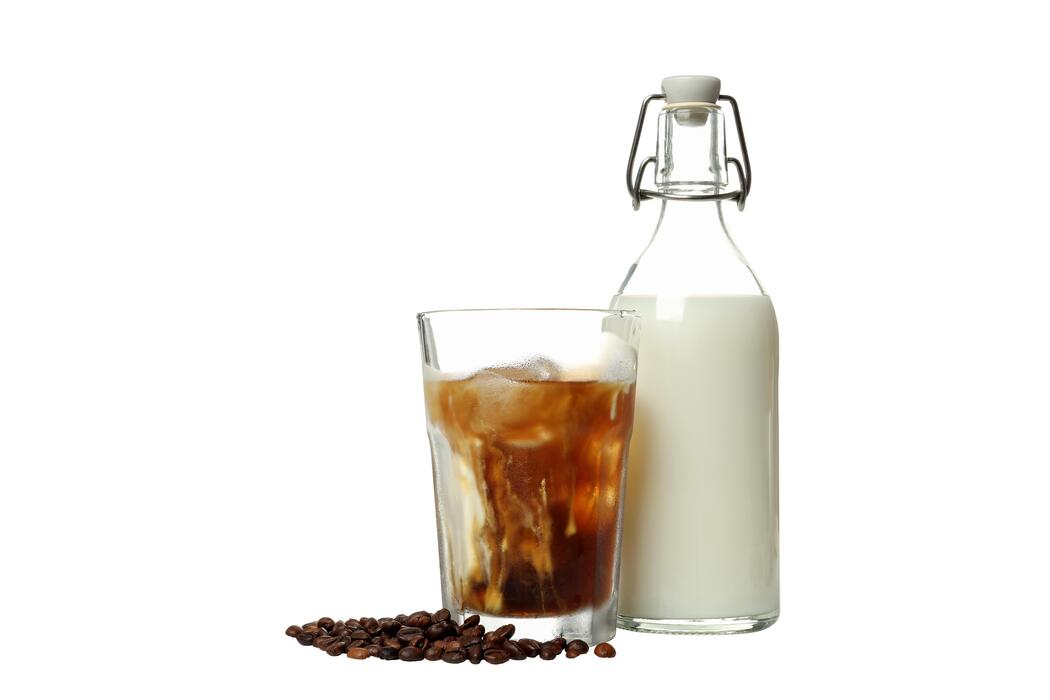
If you’re searching for how to make cold coffee ingredients, you likely want a simple, reliable list of what you actually need—not a complicated recipe. The core question is usually: “What do I buy to get that café-style cold brew or iced coffee at home?” You’re in the right place. The essentials are just coffee, water, milk or creamer, and sweetener. That’s it. No special gear required. Below, you’ll find exactly what to grab for smooth, strong cold coffee every time.
Essential Ingredients for Cold Coffee
Coffee beans or instant coffee: what works best
For the richest cold coffee, start with freshly ground coffee beans using a coarse grind for cold brew or a medium grind for hot brew that you’ll chill. Arabica beans deliver smoother, less bitter flavors.
If you prefer convenience, instant coffee works well—just dissolve it in a small amount of hot water before mixing. For a concentrated base, use 2 tablespoons of grounds per 1 cup of water for cold brew steeped 12-24 hours. For hot method, brew double-strength coffee and cool it quickly.
Avoid pre-ground stale coffee as it yields flat taste. Experiment with dark roasts for boldness or light roasts for fruity notes.
Milk options: whole, skim, or plant-based
The milk you choose dramatically affects creaminess and flavor. Whole milk creates the richest, most velvety texture with natural sweetness that balances coffee’s bitterness. For lighter options, skim milk works but may taste watery—add a splash of cream for body.
Plant-based milks like oat, almond, or soy each bring unique profiles: oat milk offers creaminess and subtle sweetness, almond milk adds nuttiness, and soy provides protein-rich froth. For dairy-free versions, barista blends are formulated to resist curdling and foam better.
Always chill your milk beforehand to keep the drink cold without diluting.
Sweeteners: sugar, syrups, and natural alternatives
Balance bitterness with the right sweetener. Granulated sugar dissolves best when stirred into hot coffee before chilling, or use simple syrup (equal parts sugar and water, heated) for instant blending in cold drinks. For flavor variety, try vanilla, caramel, or hazelnut syrups—add 1-2 tablespoons per cup.
Natural options like honey, maple syrup, or agave nectar add complexity but may alter taste; use sparingly. Stevia or monk fruit are zero-calorie choices but can leave an aftertaste. Start with 1-2 teaspoons of sweetener, taste, and adjust.
Remember that cold suppresses sweetness, so you may need slightly more than in hot coffee.
Ice cubes and their role in texture
Ice isn’t just for chilling—it shapes the drink’s consistency. Large ice cubes melt slower, preventing watery dilution while keeping coffee cold longer. For extra flavor, freeze coffee into cubes to avoid weakening your drink. Crushed ice creates a slushy texture ideal for blended cold coffee.
Add ice after mixing coffee and milk to control dilution; stir briefly to chill without over-melting. For a creamy mouthfeel, use ice cubes made from milk or cream—they add richness as they melt. Avoid overfilling your glass; use enough ice to fill 2/3 of the cup for proper balance.
Always taste before adding more ice to ensure your desired strength.
How to Choose the Right Coffee for Cold Brew
Best coffee bean varieties for cold coffee
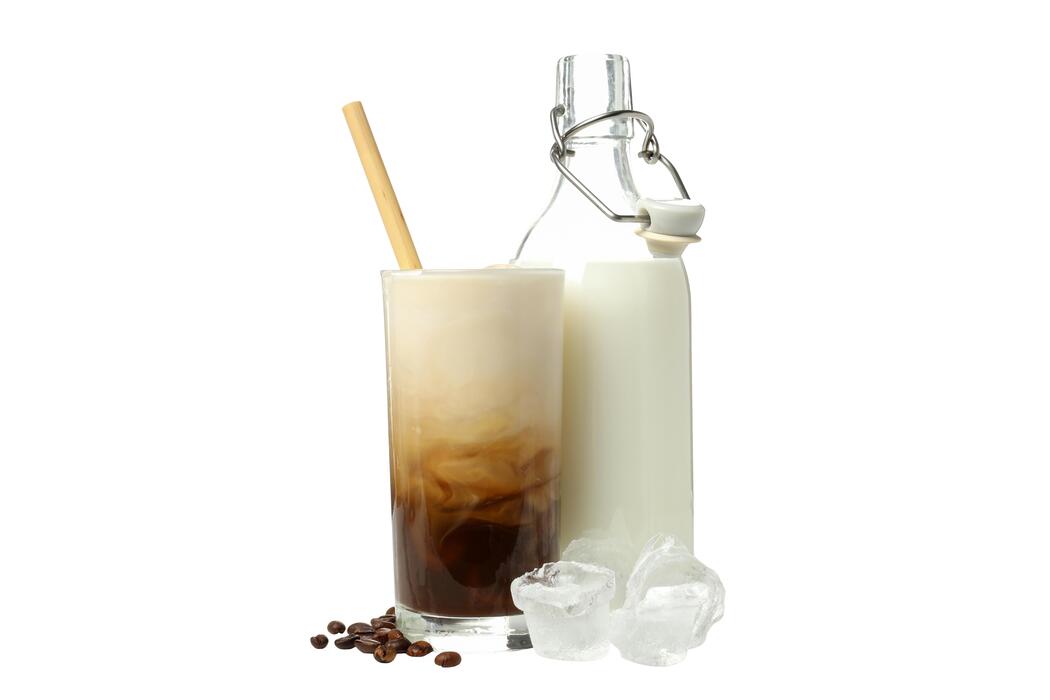
Choosing the right bean variety is key to a flavorful cold brew. Opt for single-origin beans from Central or South America, like Colombian or Brazilian, which offer natural chocolate and nutty notes that shine when cold-steeped. These beans provide a smooth, low-acid base perfect for beginners.
For a bolder, more complex profile, try African beans such as Ethiopian Yirgacheffe; their fruity and floral hints become pleasantly pronounced in cold brew without bitterness. Avoid dark roasts, as they can taste burnt or ashy when extracted cold. Instead, select medium roasts that balance sweetness and body.
Always purchase whole beans and grind them yourself to ensure maximum freshness. Experiment with a blend of 70% Colombian and 30% Ethiopian for a well-rounded, approachable cold coffee that delivers depth without overwhelming acidity.
Remember, the goal is a smooth, refreshing drink, so prioritize beans labeled for cold brew or those with tasting notes of cocoa, caramel, or stone fruit.
Grind size and its effect on flavor
Grind size is critical for cold brew success because extraction happens over hours, not seconds. Use a coarse grind, similar to breadcrumbs or sea salt, to prevent over-extraction that leads to bitterness and sludge.
A fine grind releases too many bitter compounds during the long steep, ruining the smoothness you want. With a coarse grind, the water gently pulls out sweet, chocolatey flavors while leaving harsh tannins behind.
For consistent results, invest in a burr grinder rather than a blade grinder, which produces uneven particles. If you lack a grinder, buy pre-ground coffee labeled specifically for cold brew.
To test your grind, steep a small sample for 12 hours and taste: if it’s weak, grind slightly finer next time; if bitter, go coarser. A good rule is 1:4 coffee-to-water ratio for concentrate, using coarse grounds.
This control ensures your cold coffee stays crisp, not muddy, and lets you adjust strength without sacrificing flavor clarity.
Instant coffee vs. fresh grounds: pros and cons
While fresh grounds are ideal for cold brew, instant coffee offers convenience in a pinch. Fresh grounds provide superior flavor complexity because the cold steep extracts nuanced oils and aromatics that instant powder lacks. You get a richer, smoother, and less acidic result with whole beans.
However, this method requires 12-24 hours of steeping and filtering, which is time-consuming. Instant coffee dissolves instantly in cold water, making a quick cold coffee in seconds—perfect for rushed mornings. The downside is a one-dimensional taste often described as flat or artificial.
For best results with instant, choose a high-quality freeze-dried brand and mix 2 tablespoons per 8 oz cold water, then stir vigorously. Add milk or sweetener to mask any off-notes.
Ultimately, use fresh grounds when you have time for a batch brew, and keep instant as a backup for immediate cravings. Neither is wrong, but your choice depends on whether you prioritize depth of flavor or speed.
Milk and Cream: Key Ingredients for Creamy Cold Coffee

Whole milk for richness
For a truly indulgent cold coffee, whole milk is the gold standard. Its higher fat content, around 3.25%, creates a luxuriously creamy texture that lighter milks can’t match. To use it effectively, start with chilled whole milk and pour it over your coffee and ice.
The fat in the milk helps bind the coffee flavors, preventing a watery taste as the ice melts. For the best results, consider frothing the whole milk slightly using a handheld frother or a jar with a lid.
This aerates the milk, adding a light, velvety foam that sits beautifully on top of your drink. You can also experiment by blending the cold coffee, whole milk, and a touch of sweetener with ice for a thicker, frappé-like consistency.
If you prefer a less rich option, mix whole milk with a splash of water or a lighter milk alternative. Remember, the key is using it cold—warm milk will melt the ice too quickly, diluting your coffee.
For an extra treat, try whole milk with a dollop of whipped cream on top for a café-style finish.
Non-dairy milk options like almond or oat
When you need a dairy-free alternative, oat milk is the top choice for creaminess in cold coffee. Its natural sweetness and smooth, thick texture mimic whole milk better than other plant-based options. To use it, simply substitute oat milk 1:1 for dairy milk in your cold coffee recipe.
For a nuttier flavor, unsweetened almond milk works well, but it’s thinner, so consider using a smaller amount or blending it with a banana for added body.
To avoid curdling—a common issue with non-dairy milks in acidic coffee—always pour the milk into the coffee slowly while stirring, and ensure both are cold. You can also use coconut milk from a carton for a tropical hint, or soy milk for a protein boost that creates a nice foam.
For the best texture, shake the milk carton well before using, as natural separation occurs. If you want extra richness, choose barista editions of oat or almond milk, which are formulated to froth and blend seamlessly. Remember to adjust sweetness, as many non-dairy milks have added sugars.
Adding cream or condensed milk for extra smoothness
To elevate your cold coffee to dessert-like decadence, heavy cream or sweetened condensed milk are game-changers. For a silky, luxurious mouthfeel, add a splash of heavy cream (about 1-2 tablespoons per cup) to your cold coffee and milk mixture. This adds richness without overwhelming the coffee flavor.
For an even smoother, sweeter twist, sweetened condensed milk is ideal. Its thick, syrupy consistency dissolves instantly in cold coffee, eliminating the need for separate sugar. Start with 1-2 tablespoons per cup, adjusting to taste.
To use condensed milk effectively, stir it into the coffee first before adding ice, ensuring even distribution. You can also create a layered effect by pouring the coffee over the condensed milk in the glass. For a frothy finish, blend the coffee, condensed milk, and ice for a few seconds.
If using heavy cream, whip it slightly with a fork before adding for extra airiness. Both options pair wonderfully with vanilla extract or a pinch of cinnamon for depth. Remember, these additions significantly increase calories, so use them sparingly for a lighter version.
Sweeteners and Flavor Boosters for Cold Coffee
Simple syrup vs. granulated sugar
When sweetening cold coffee, simple syrup dissolves instantly while granulated sugar often sinks to the bottom and leaves a gritty texture. To make simple syrup, combine equal parts water and sugar in a saucepan, heat until dissolved, then cool. Use 1-2 tablespoons per cup of cold brew or iced coffee.
For a flavor twist, infuse the syrup with mint, cinnamon, or vanilla beans. Granulated sugar works best if you stir it into hot coffee first before chilling, but for true cold coffee, syrup is the superior choice.
You can also try honey or agave nectar as natural alternatives—just thin them with a little warm water to blend smoothly. Store extra syrup in a sealed jar in the fridge for up to two weeks.
Vanilla extract, cocoa powder, and spices
Elevate your cold coffee with vanilla extract (1/2 teaspoon per cup) for a warm, aromatic sweetness without extra calories. Unsweetened cocoa powder (1 tablespoon) adds rich chocolate notes—whisk it into a small amount of warm water or milk first to avoid clumps.
For spice lovers, try cinnamon, nutmeg, or cardamom (1/4 teaspoon each) stirred directly into the coffee grounds before brewing or sprinkled on top. A pinch of sea salt enhances all flavors and reduces bitterness. For a seasonal twist, add pumpkin pie spice or chai spice blend.
These boosters let you customize sweetness and depth naturally, without relying on sugar alone. Start with small amounts and adjust to taste.
Caramel or chocolate syrups for variety
Store-bought caramel or chocolate syrups offer instant indulgence for cold coffee. Drizzle 1-2 tablespoons into your glass before adding ice and coffee for a layered effect.
For a healthier version, make your own: melt dark chocolate with coconut oil for a sugar-free chocolate syrup, or simmer dates in water and blend for a natural caramel. To avoid overwhelming sweetness, start with 1 tablespoon and adjust.
These syrups pair perfectly with milk alternatives like oat or almond milk. For a mocha twist, combine chocolate syrup with a shot of espresso. You can also mix syrups with a splash of cream for a creamy, dessert-like drink. Store homemade syrups in the fridge for up to a week.
Step-by-Step Guide to Making Cold Coffee at Home
Brewing and cooling the coffee base
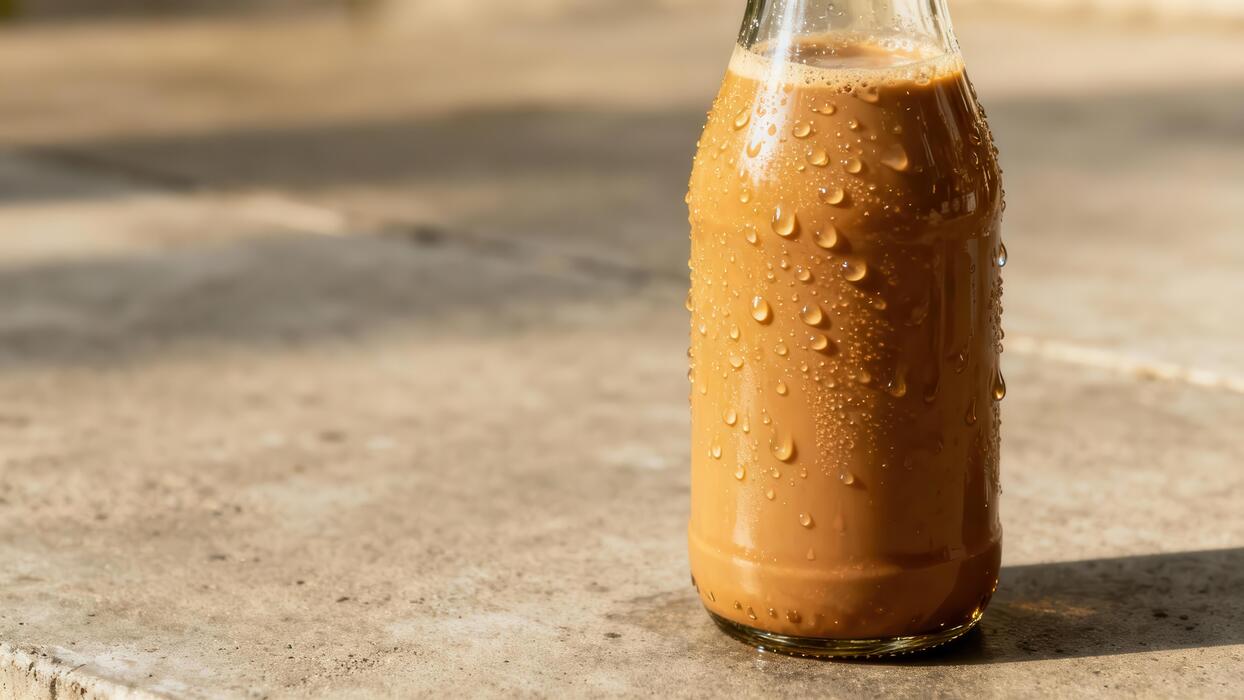
Start with strong, freshly brewed coffee as the foundation. Use 2 tablespoons of coarse ground coffee per 6 ounces of water for a robust flavor. Brew using a French press, pour-over, or espresso machine for best results. Avoid instant coffee if possible, as it lacks depth.
Once brewed, cool it rapidly by pouring into a heatproof glass or metal container and placing it in an ice bath, or refrigerate for 15-20 minutes. Never add hot coffee directly to ice—this dilutes the taste. For a concentrated base, use double-strength coffee (same grounds, half the water).
Alternatively, make cold brew by steeping grounds in cold water for 12-24 hours; this yields a smoother, less acidic profile. Cooled coffee can be stored in the fridge for up to 3 days. Pro tip: Freeze leftover coffee in ice cube trays to chill your drink without watering it down.
A chilled base ensures your cold coffee stays bold and refreshing from the first sip.
Mixing ingredients for balanced taste
Balance sweetness and creaminess with precision. In a tall glass, combine 1 cup of cooled coffee with 2-3 tablespoons of milk or cream (whole milk, oat milk, or half-and-half for richness). Add 1-2 teaspoons of sugar, honey, or simple syrup—adjust based on your sweetness preference.
For a flavor twist, stir in 1/4 teaspoon of vanilla extract, a pinch of cinnamon, or a dash of cocoa powder. If using flavored syrups (caramel, hazelnut), start with 1 tablespoon. Mix thoroughly with a spoon or whisk until sugar dissolves completely. Taste and adjust: too bitter?
Add more milk or sweetener. Too sweet? Splash in extra coffee. For a dairy-free version, use coconut milk or almond milk with a touch of maple syrup. The goal is a harmonious blend where no single element overpowers. Pro tip: Use a measuring jigger for syrups to avoid over-sweetening.
A balanced base ensures your final drink is smooth and enjoyable, not cloying or harsh.
Blending or shaking for frothy texture
Achieve a creamy, frothy texture by shaking or blending the mixture. For a shaker method, pour the cooled coffee, milk, and sweetener into a cocktail shaker or a mason jar with a tight lid. Add a handful of ice cubes, seal, and shake vigorously for 30 seconds until frothy.
Strain into a glass filled with fresh ice. For a blender method, combine all ingredients (including 1 cup of ice) in a blender. Blend on high for 20-30 seconds until smooth and frothy. Add 1-2 extra ice cubes for a thicker, frappé-like consistency.
Pro tip: For a richer foam, use a milk frother or whisk the milk separately before combining. Add a splash of heavy cream for extra indulgence. The froth should be light and airy, not watery. Serve immediately in a chilled glass, optionally topped with whipped cream, cocoa powder, or cinnamon.
This final step transforms your drink into a luxurious, café-style cold coffee that is both refreshing and satisfying. Enjoy your homemade creation!**
Tips for Adjusting Ingredients to Your Taste
How to make cold coffee less bitter
To reduce bitterness in cold coffee, start by adjusting the brewing method—use a coarser grind and steep for 12-18 hours in cold water for a smoother, less acidic concentrate. Alternatively, add a pinch of salt to your grounds before brewing; salt neutralizes bitter compounds without making it salty.
If your coffee is already made, dilute it with milk, cream, or a non-dairy alternative like oat milk, which adds natural sweetness and creaminess. Another tip is to balance bitterness with a touch of sweetener—try maple syrup, honey, or simple syrup stirred in while the coffee is still cold.
For a quick fix, stir in a small amount of baking soda (1/8 teaspoon per cup) to raise the pH and cut acidity. Finally, use a darker roast—contrary to belief, dark roasts are less bitter than light roasts due to lower acidity.
Experiment with these tweaks to find your perfect smooth, mellow cold brew.
Customizing sweetness and milk ratios
Start with a base of 1 part cold brew concentrate to 1-2 parts milk or water, then adjust to your preference. For sweetness, try liquid sweeteners like agave or simple syrup—they dissolve easily in cold liquids. Add 1-2 tablespoons per 8-ounce serving and taste, increasing gradually.
For milk, whole milk or half-and-half gives richness, while almond or oat milk adds a lighter touch. If you want a creamier texture, use a 1:1 ratio of coffee to milk; for a stronger coffee flavor, stick to 1:0.5. Vanilla or caramel syrup can replace plain sweetener for added flavor.
For a dairy-free option, coconut milk provides natural sweetness. Remember to stir well and let the drink sit for a minute to meld flavors. Adjust ratios based on your mood—more milk for a latte-like drink, less for a bold kick. Keep a notebook to track your perfect blend!
Adding toppings like whipped cream or cinnamon
Elevate your cold coffee with simple toppings that add flavor and texture. Start with whipped cream—use heavy cream, a splash of vanilla extract, and a bit of sugar, whipped until soft peaks form. Dollop it on top for a creamy finish.
For a spiced touch, sprinkle ground cinnamon, nutmeg, or cocoa powder over the cream. You can also add a cinnamon stick as a stirrer for subtle warmth. For a crunchy element, try crushed honey-roasted nuts or chocolate shavings.
If you prefer a dairy-free option, use coconut whipped cream or a dollop of oat milk foam. For a coffee-shop vibe, drizzle caramel or chocolate sauce over the top. To keep it light, skip the cream and just dust with cinnamon or a pinch of cardamom.
Experiment with combinations like whipped cream + cinnamon + a dash of sea salt for a sweet-salty contrast. These toppings transform your drink into a treat without extra effort.
Common Mistakes When Choosing Cold Coffee Ingredients
Using hot coffee directly on ice
One of the most frequent errors when making cold coffee is pouring freshly brewed hot coffee directly over ice. While it seems efficient, this method leads to watery and diluted coffee because the ice melts too quickly.
Instead, always cool your brewed coffee to room temperature first, then chill it in the refrigerator for at least an hour. For a stronger flavor, consider making cold brew concentrate by steeping coarsely ground coffee in cold water for 12-24 hours.
This yields a smooth, less acidic base that holds up beautifully when poured over ice. Alternatively, use coffee ice cubes made from leftover coffee—they chill without watering down your drink. Remember, the goal is bold, rich flavor; starting with hot coffee on ice sabotages that from the first sip.
Over-sweetening or under-brewing
Balancing sweetness and strength is key, yet many home baristas either over-sweeten or under-brew their cold coffee. Over-sweetening masks the natural flavors and can lead to a cloying drink, while under-brewing results in weak, sour coffee.
To avoid this, brew your coffee double-strength if using hot coffee for iced versions—use twice the grounds you normally would for hot coffee. When sweetening, start with simple syrup (equal parts sugar and water, dissolved) rather than granulated sugar, which doesn’t dissolve well in cold liquids.
Add syrup gradually, tasting as you go. A good rule is 1-2 tablespoons per 8 ounces of coffee, adjusting to your preference. This ensures a harmonious blend where the coffee’s character shines without being overwhelmed by sweetness.
Ignoring the importance of fresh ingredients
Using stale or low-quality ingredients is a common mistake that ruins cold coffee. Freshly roasted, whole coffee beans ground just before brewing make a dramatic difference—pre-ground coffee loses its aromatic oils quickly, resulting in flat flavors. Similarly, use filtered water since tap water can introduce off-tastes.
For milk or creamers, opt for fresh, full-fat dairy or high-quality plant-based alternatives like oat or almond milk, as they froth better and add creaminess. Avoid artificial creamers that may curdle or leave an aftertaste.
Even ice matters: use clean, filtered ice to prevent any stale freezer flavors from seeping in. By prioritizing freshness—from beans to water to dairy—you elevate your cold coffee from mediocre to café-quality with minimal extra effort.
Frequently Asked Questions
What are the basic ingredients needed to make cold coffee?
The basic ingredients are strong brewed coffee (cooled), milk (dairy or plant-based), ice cubes, and a sweetener like sugar, honey, or simple syrup. Optional flavorings include vanilla extract, chocolate syrup, or a pinch of cinnamon.
Can I use instant coffee for cold coffee, and what ingredients do I need?
Yes, instant coffee works well. You’ll need 1-2 teaspoons of instant coffee, 2 tablespoons of hot water to dissolve it, cold milk, ice, and sweetener. For a creamier texture, add a splash of heavy cream or condensed milk.
Do I need any special ingredients to make cold coffee at home?
No special ingredients are required; regular coffee grounds or instant coffee, milk, ice, and sugar are sufficient. For a richer taste, consider adding cocoa powder, whipped cream, or flavored syrups like caramel or hazelnut.
What is the best type of milk for cold coffee ingredients?
Whole milk or 2% milk provides a creamy texture, but almond, oat, or soy milk work well for dairy-free options. Condensed milk adds sweetness and thickness, often used in Vietnamese-style cold coffee.
How do I make cold coffee without a blender using these ingredients?
Mix strong brewed coffee with sweetener until dissolved, then pour over ice in a glass. Add cold milk and stir gently. For a frothy top, shake the coffee and milk in a sealed jar before pouring.
What ingredients make cold coffee creamy and frothy?
For creaminess, use whole milk, half-and-half, or a tablespoon of heavy cream. Frothiness can be achieved by blending the coffee, milk, and ice together, or by shaking them in a jar with a tight lid before serving.
Can I add chocolate or flavor syrups to my cold coffee ingredients?
Yes, chocolate syrup, vanilla extract, caramel sauce, or flavored syrups like mocha or hazelnut are common additions. Add them to the coffee before mixing with milk and ice for even distribution.
What is the ratio of coffee to milk for a standard cold coffee recipe?
A common ratio is 1 part strong coffee to 2 parts milk, but adjust to your taste. For a stronger coffee flavor, use a 1:1 ratio; for a milder drink, use 1 part coffee to 3 parts milk. Start with 1/2 cup coffee and 1 cup milk per serving.
Conclusion
In summary, crafting the perfect cold coffee hinges on three essentials: quality instant or brewed coffee, a sweetener of your choice, and milk or a dairy alternative. For the smoothest result, always dissolve coffee in a little hot water before chilling, and don’t forget ice. Experiment with flavors like vanilla or caramel to make it your own. Now, grab your ingredients and enjoy a refreshing, café-quality drink at home today