How Long Does Vacuum Packed Coffee Beans Last
how long does vacuum packed coffee beans last depends on whether the bag stays sealed and how the beans are stored. In most cases, vacuum-packed beans stay fresh for 6 to 12 months unopened, but flavor is best much sooner after roasting. Once opened, quality drops within weeks. If you want clear guidance on shelf life, freshness, and the best way to store beans for maximum taste, you’re in the right place. We’ll break down exactly what to expect.
How Long Do Vacuum Packed Coffee Beans Last
Average shelf life of unopened vacuum sealed coffee beans
Unopened vacuum sealed coffee beans usually last 6 to 12 months with good flavor, and in some cases can remain usable for up to 18 months if stored well. Vacuum packing slows oxidation by removing much of the oxygen that causes stale, flat taste.
For the best results, keep the bag in a cool, dark, dry place away from sunlight, heat, and moisture. A kitchen cabinet away from the oven is better than a warm countertop.
While the beans may still be safe after many months, the real issue is flavor quality, not food safety. Lighter roasts may show staleness sooner because their brighter notes fade faster, while darker roasts can seem acceptable longer.
If the bag is swollen, damaged, or has been exposed to moisture, freshness drops faster. For peak taste, aim to use unopened vacuum packed beans within 3 to 9 months of roasting whenever possible.
How long opened vacuum packed beans stay fresh
Once opened, vacuum packed coffee beans lose their protection and start reacting with oxygen, humidity, light, and heat. For the best cup, try to use opened beans within 2 to 4 weeks, although they may still taste decent for 4 to 6 weeks depending on roast level and storage habits.
The biggest mistake is leaving them in the opened bag with lots of air inside. Instead, transfer beans to an airtight, opaque container and store it somewhere cool and dry. Avoid the fridge, since condensation can damage flavor.
If you buy a large amount, split it into small portions so only one portion is opened at a time. Grind only what you need right before brewing, because ground coffee stales much faster than whole beans.
If the aroma becomes weak or the brew tastes dull, papery, or flat, that is a clear sign the beans are past their best freshness window.
Best by date vs real freshness timeline
A best by date on vacuum packed coffee beans is a general quality estimate, not a precise freshness deadline. Coffee can still be drinkable after that date, but the most important timeline is how long it has been since roasting and opening.
Ideally, whole beans taste best after a short rest from roasting, then stay at peak for about 2 to 6 weeks after roast for many coffees, especially when stored properly. Vacuum packing extends that window by slowing oxygen exposure, but it does not stop aging completely.
If the bag shows only a best by date, try to infer freshness from purchase source and packaging condition. Beans with a clear roast date are usually easier to judge accurately. Trust your senses too: strong aroma, visible oils appropriate to the roast, and a lively brew suggest good freshness.
Weak smell and bland flavor usually matter more than the printed date alone.
What Affects the Shelf Life of Vacuum Packed Coffee Beans
Roast date and how it changes flavor over time
The roast date is the best starting point for estimating how long vacuum packed coffee beans last.
In general, unopened vacuum sealed whole beans can stay at good quality for around 3 to 6 months, and sometimes longer if stored well, but flavor is usually best within the first 4 to 8 weeks after roasting.
As time passes, the beans gradually lose aromatic oils and release trapped gases, so the cup may taste flatter, less sweet, or less complex. To get the best results, check the roast date before buying, not just the best-by date.
If you want maximum freshness, buy smaller amounts you can finish quickly. Once opened, aim to use the beans within 2 to 4 weeks for the most vibrant flavor.
Light, heat, oxygen, and moisture risks
Even when coffee is vacuum packed, storage conditions strongly affect shelf life. The biggest enemies are light, heat, oxygen, and moisture, all of which speed up staling and can damage flavor.
Heat causes oils and aroma compounds to break down faster, while moisture can lead to clumping, dull taste, or even spoilage in extreme cases. Oxygen matters most after the package is opened, but poor seals can also let air in over time.
To help vacuum packed coffee beans last longer, store them in a cool, dark, dry place, such as a pantry away from the oven, stove, or sunny countertop. Avoid the fridge, where condensation can form. After opening, reseal tightly or transfer beans to an airtight, opaque container.
Why whole beans last longer than ground coffee
If you are comparing shelf life, whole beans last much longer than ground coffee because less surface area is exposed to air. Grinding instantly speeds up oxidation, which causes the coffee to lose aroma and flavor faster.
Vacuum packed whole beans can remain enjoyable for months unopened, while vacuum packed ground coffee usually begins to taste stale sooner once the seal is broken. If your goal is better flavor and a longer usable window, buy whole beans and grind only what you need right before brewing.
This simple step preserves more of the coffee’s natural oils and aromatics. For people asking how long vacuum packed coffee beans last, the practical answer is that whole beans offer the best balance of freshness, convenience, and storage life.
How packaging quality impacts freshness
The type and quality of packaging make a major difference in how long vacuum packed coffee beans last. A strong, well-sealed bag protects against oxygen and moisture, helping the beans stay fresher for longer. High-quality coffee packaging often includes multi-layer materials, one-way degassing valves, and durable seals.
These features matter because freshly roasted coffee releases carbon dioxide, and good packaging manages that gas without letting outside air in. Cheap or damaged packaging can leak, allowing the beans to stale much faster even if they appear sealed.
When shopping, look for bags that feel sturdy and show a clear roast date and intact seal. Once opened, original packaging is usually less effective, so move the beans to an airtight container if needed.
How Vacuum Sealing Helps Coffee Beans Stay Fresh
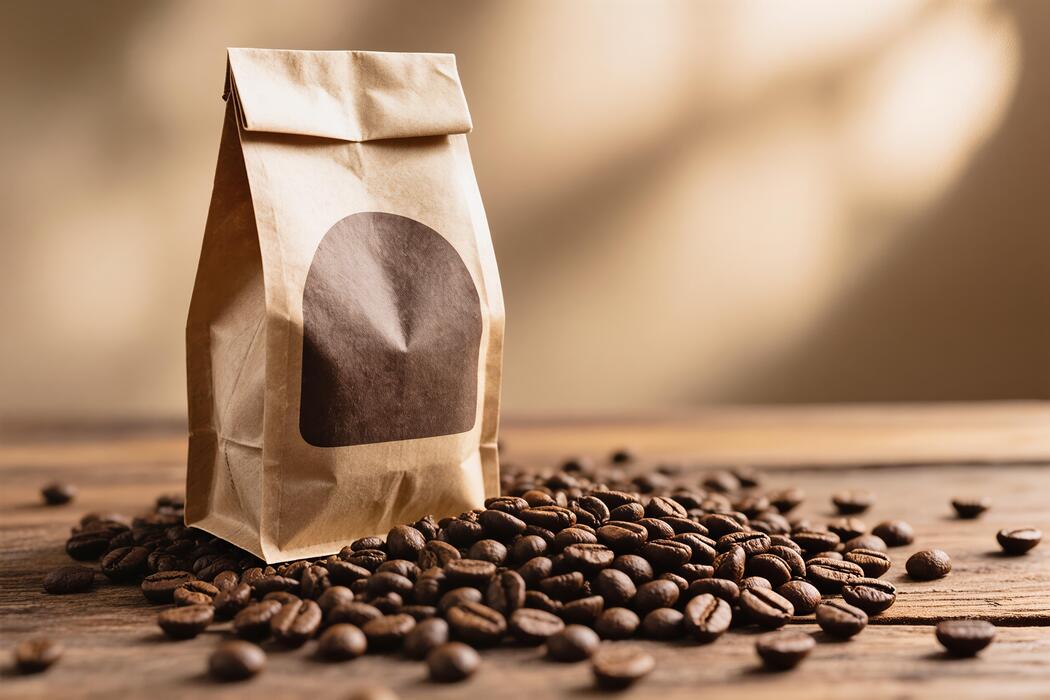
What vacuum packing does to slow staling
Vacuum packing helps coffee beans stay fresh by removing much of the oxygen that drives staling. Oxygen exposure breaks down the aromatic oils and flavor compounds that make coffee taste sweet, complex, and lively.
When beans are vacuum sealed, that process slows, so the coffee keeps its character longer than beans stored in a loosely closed bag.
As a practical guideline, vacuum packed coffee beans can often last 3 to 6 months unopened with good flavor, and sometimes longer if stored in a cool, dark place.
For best results, keep the package away from heat, light, and moisture, since those can still damage quality even without much air inside. Once opened, use the beans within 2 to 4 weeks for the best cup.
If you want to maximize freshness, buy smaller quantities and only open what you can finish fairly quickly.
Why carbon dioxide release matters after roasting
Freshly roasted coffee beans naturally release carbon dioxide, a process called degassing, for days after roasting. This matters because sealing beans too early can create problems: trapped gas can affect packaging stability, and in some cases it can interfere with how well a true vacuum holds.
That is why many roasters use one-way valve bags instead of immediate hard vacuum sealing right after roasting. The sweet spot is to let beans rest briefly, then seal them to limit oxygen while they continue to mature.
For everyday buyers, this means the shelf life of vacuum packed coffee depends not just on the seal, but also on how recently the beans were roasted before packing.
Even if vacuum packed coffee beans may remain usable for months, they usually taste best when brewed within a few weeks to a couple of months of roast date, especially for specialty coffee where subtle flavors matter.
Limits of vacuum sealing for long-term storage
Vacuum sealing is helpful, but it is not a magic way to preserve coffee forever. Beans still lose flavor over time because some staling continues even with reduced oxygen, and factors like temperature swings, light exposure, and moisture can still degrade quality.
In practical terms, if you are asking how long vacuum packed coffee beans last, the answer is that they can remain acceptable for 6 months or more unopened, but peak freshness usually declines before that.
Very dark roasts may fade faster because their oils are more exposed, while lighter roasts can hold up a bit better. For long-term storage, divide beans into smaller vacuum sealed portions so you only open what you need.
If storing for several months, a stable freezer can help, but only if the beans are well sealed and protected from condensation. Once thawed and opened, keep them dry and use them promptly.
How to Tell If Vacuum Packed Coffee Beans Are Still Good
Signs the beans are fresh when you open the bag
Vacuum packed coffee beans usually stay at their best for about 6 to 12 months unopened if stored in a cool, dark place, but freshness depends on roast date more than the package alone. When you open the bag, look for a strong, pleasant coffee aroma right away.
Fresh beans should smell lively, with notes that seem sweet, nutty, chocolaty, or fruity depending on the origin and roast. The beans should also look even in color and mostly intact, without excessive dust or broken pieces.
A small amount of surface oil can be normal on darker roasts, while lighter roasts often look drier. If the vacuum seal was still firm before opening, that is another good sign the beans were protected from oxygen.
For best flavor, transfer opened beans to an airtight container and use them within 2 to 4 weeks for the most satisfying cup.
Warning signs of stale or spoiled coffee beans
Even though vacuum sealing helps coffee last longer, it does not preserve ideal flavor forever. If you are wondering how long vacuum packed coffee beans last, the practical answer is that they are often safe beyond 12 months unopened, but quality can fade well before that.
Once opened, warning signs become easier to spot. Beans that smell flat, papery, musty, or like cardboard are likely stale. If you notice visible mold, moisture, or a sour rotten smell, throw them out immediately, since that points to spoilage rather than simple staleness.
Extremely oily beans with a rancid smell can also indicate the oils have degraded. Check for condensation inside the bag, which suggests poor storage and possible moisture exposure.
Beans that brew into a dull, harsh, or lifeless cup with little aroma are usually past their prime, even if they are not technically unsafe to drink.
How aroma, oils, and taste reveal bean quality
The fastest way to judge vacuum packed coffee beans is to use your senses after opening the bag. Start with aroma, because fresh coffee should smell distinct and inviting, not weak or dusty.
If the scent disappears quickly or seems muted, the beans have likely lost much of their freshness during storage. Next, inspect the surface oils. On dark roasts, some sheen is normal, but a heavy greasy coating paired with a rancid odor can mean the oils are breaking down.
On lighter roasts, a dry surface is usually expected. Finally, brew a small batch and judge the taste. Good beans should produce a cup with clear flavor, balanced bitterness, and some sweetness or complexity. Stale beans often taste flat, hollow, overly bitter, or ashy.
If the coffee still smells good and tastes clean, the vacuum-packed beans are probably still usable, even if they are not at peak freshness.
Best Ways to Store Vacuum Packed Coffee Beans After Opening
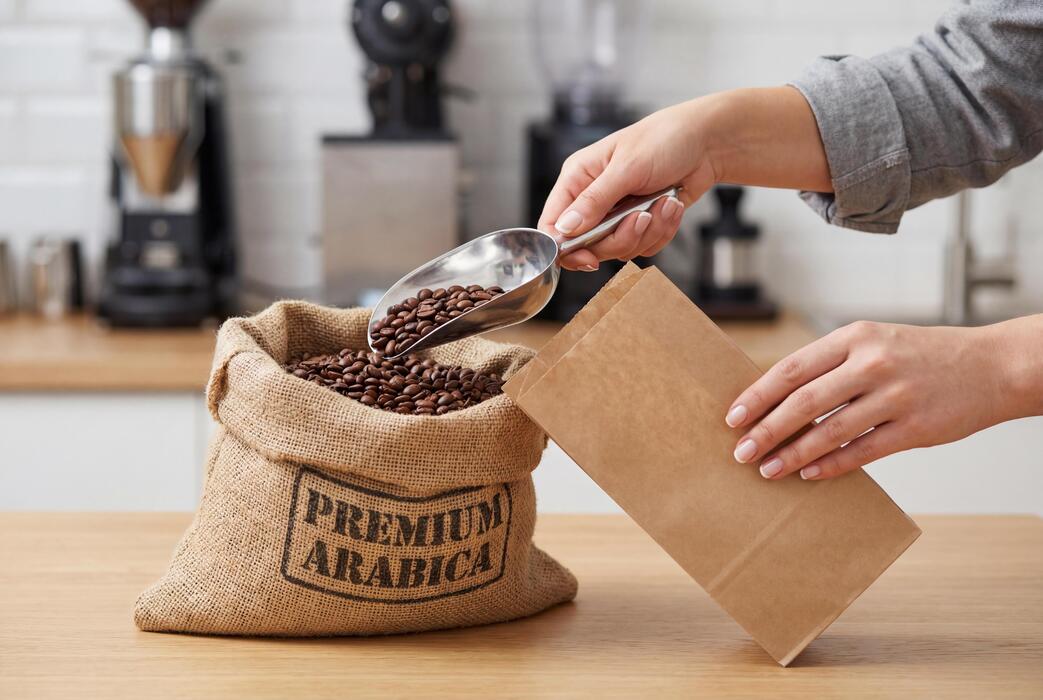
Use airtight containers to keep beans fresher longer
After opening, vacuum packed coffee beans usually stay at their best for 2 to 4 weeks, though they can still be drinkable for several more weeks if stored well.
The fastest way to protect flavor is to move beans into an airtight, opaque container that limits exposure to oxygen, light, and moisture. Every time the bag is opened, the beans lose some freshness, so a container with a tight seal helps slow that process.
If the original bag has a one-way valve and strong zip seal, you can keep using it, but a solid container is often better for daily use. Store only whole beans and grind right before brewing to keep aroma and oils intact longer.
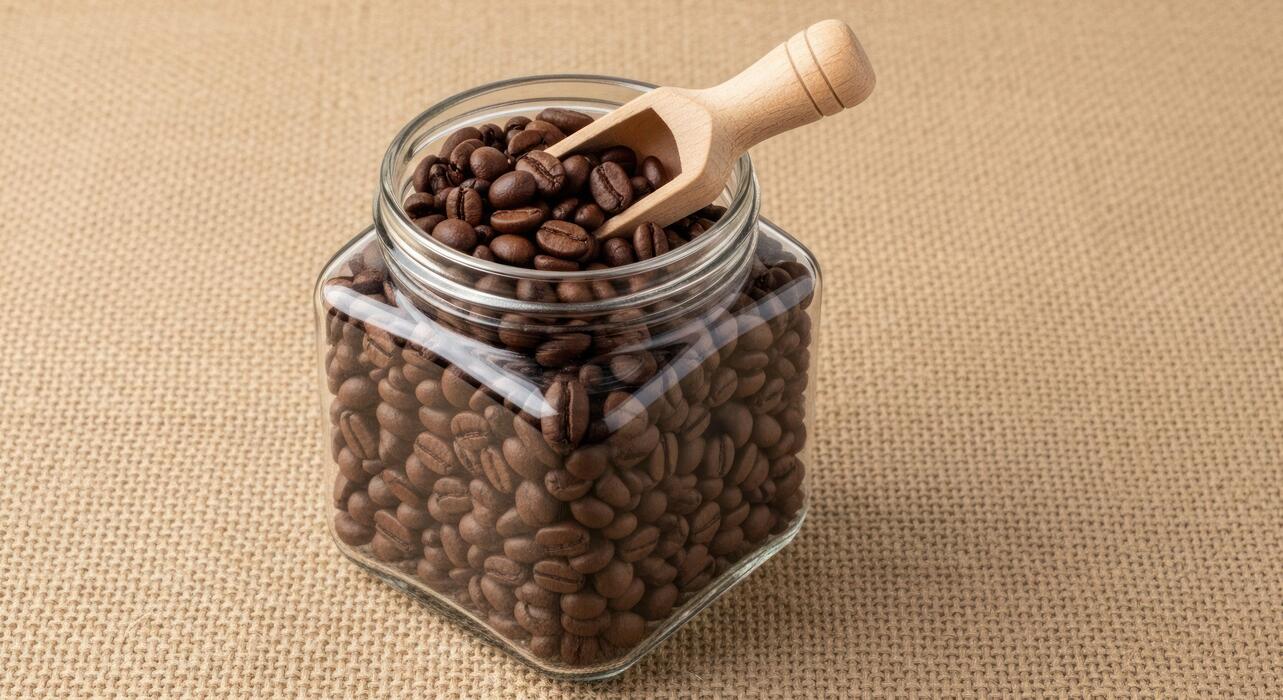
Avoid clear jars on the counter, since light speeds up staling.
Where to store coffee beans at home
The best place to keep opened vacuum packed coffee beans is a cool, dark, dry cupboard away from heat sources. A kitchen cabinet that is not above the oven, next to the stove, or near a sunny window works well.
Heat, humidity, and light all shorten the life of coffee, even if the beans were vacuum sealed before opening. To answer the common question, how long does vacuum packed coffee beans last, unopened bags can last for months, but once opened, freshness depends heavily on where you store them.
Keep the temperature as stable as possible and avoid places that get steamy, like near the dishwasher or kettle. A pantry shelf is often better than the countertop because it offers more protection from light and temperature swings.
Should you refrigerate or freeze coffee beans
In most cases, do not refrigerate opened coffee beans. Refrigerators add moisture, odors, and temperature changes that can damage flavor faster than room-temperature storage in a good container. Freezing is a better option only if you bought more beans than you can use within 2 to 4 weeks after opening.
If you freeze them, divide the beans into small, airtight portions so you only thaw what you need. Repeatedly opening a frozen container causes condensation, which hurts freshness. Let a sealed portion come fully to room temperature before opening it.
For everyday use, a cupboard and airtight container are usually the best choice. Freezing helps preserve beans for longer-term storage, but it is most effective when done once, in portioned batches, not as a daily habit.
How much coffee to buy for better freshness
One of the simplest ways to keep coffee tasting great is to buy smaller amounts more often. Even if vacuum packed coffee beans last a long time unopened, the quality drops more quickly once the seal is broken.
A practical rule is to buy only what you can finish in 2 to 4 weeks after opening, especially if flavor matters to you. For many households, that means a bag sized to match your normal brewing routine rather than buying in bulk for a discount.
If you drink coffee occasionally, choose a smaller bag or split larger purchases into sealed portions right away. This reduces waste and helps each brew taste closer to fresh-roasted coffee. The best storage strategy starts with buying a realistic quantity that matches how quickly you actually use it.
How Long Different Coffee Beans Last in Vacuum Sealed Bags
Regular roasted coffee beans shelf life
Vacuum packed regular roasted coffee beans usually stay at their best for 6 to 9 months unopened when stored in a cool, dark, and dry place.
In many cases they remain safe and usable for up to 12 months, but the aroma and sweetness gradually fade after the first several months.
If you are asking how long vacuum packed coffee beans last, the practical answer is that freshness quality lasts months, not forever, even with excellent packaging.
Once you open the bag, use the beans within 2 to 4 weeks for the best flavor, keeping them in an airtight container away from heat, light, and moisture. Avoid storing beans in the refrigerator, where condensation can dull flavor and introduce moisture.
For longer storage, divide unopened beans into smaller portions and freeze only what you will not use soon. Check roast date first, not just expiration date, because a recently roasted and properly sealed bag will taste much better.
Espresso beans and dark roast freshness timeline
Espresso beans and dark roast beans can last in a vacuum sealed bag for about 4 to 8 months unopened with very good flavor, though some stay acceptable for up to 9 or 10 months if protected from oxygen, sunlight, and warm temperatures.
Darker roasts often lose their peak character a little faster because the roasting process brings more oils to the surface, making them more vulnerable once exposed.
If your goal is rich espresso crema and strong aroma, try to use vacuum packed espresso beans within the first 3 to 6 months after roasting for the most satisfying cup. After opening, aim to finish them within 2 to 3 weeks.
Keep them in a sealed, opaque container and avoid frequent opening of large bags; splitting beans into smaller batches helps preserve freshness. A flat smell, weak crema, or ashy taste are signs the beans are aging. Vacuum sealing slows staling dramatically, but it cannot stop flavor decline completely.
Flavored and oily beans storage differences
Flavored coffee beans and very oily beans need a little extra care because their added flavorings or surface oils can change how long they taste fresh.
In a vacuum sealed bag, flavored beans often hold decent quality for 3 to 6 months unopened, while oily beans may stay enjoyable for 4 to 7 months, depending on roast level and storage conditions.
They can still be drinkable beyond that, but the flavor may become muted, uneven, or slightly rancid faster than drier beans. Once opened, use them within 1 to 3 weeks for the best result. Store them in a cool cabinet, tightly sealed container, and away from humidity.
Do not mix them with regular beans unless you want the flavors and oils to transfer. Also clean your grinder more often, since oily and flavored beans leave residue that can affect future brews.
If the beans smell dull, overly greasy, or artificial instead of fresh, replace them sooner rather than trying to stretch storage time.
Tips for Buying and Using Vacuum Packed Coffee Beans
What to check on the label before you buy
When buying vacuum packed coffee beans, look for the roast date first, then check whether the bag is truly vacuum sealed or nitrogen flushed.
For shelf life, unopened vacuum packed beans often stay usable for 6 to 12 months, but the best flavor is usually within 2 to 6 months of roasting. Check for a one-way valve, which helps release gas without letting oxygen in, and inspect the package for swelling, leaks, or damage.
If the label only shows a distant best-before date and no roast date, treat that as less useful for judging freshness. Also note whether the beans are whole bean or pre-ground; whole beans hold quality much longer. Choose smaller bags if you drink coffee slowly.
How to choose between roast date and expiration date
If you want better flavor, prioritize the roast date over the expiration date. The expiration or best-before date tells you how long the product may remain safe and acceptable, but the roast date tells you much more about freshness and taste.
Vacuum packed coffee beans can last many months unopened, yet they usually taste brightest when brewed within a few weeks to a few months after roasting, depending on roast level and storage.
If there is no roast date, choose the bag with the shortest time since packaging or the most reliable brand turnover. For everyday buying, think of it this way: expiration date helps avoid old stock; roast date helps you find better coffee.
For maximum flavor, buy what you can finish within a few weeks after opening.
Common mistakes that make coffee beans go stale faster
The biggest mistake is opening a vacuum packed bag and then exposing the beans to air, heat, light, and moisture. Once opened, coffee starts losing aroma much faster, often tasting flatter within 2 to 4 weeks if stored poorly.
Avoid keeping beans in the original opened bag without sealing it tightly, storing them near the stove, or scooping with a wet spoon. Another common mistake is buying large bags that sit around too long after opening. Do not refrigerate daily-use beans, because condensation can damage flavor.
Instead, store them in an opaque, airtight container in a cool cupboard. Grind only what you need, because ground coffee stales faster than whole beans. Smart storage matters as much as the vacuum seal did before you opened the package.
Quick answers to shelf life questions
For the question “how long does vacuum packed coffee beans last,” the short answer is: unopened vacuum packed whole beans often last 6 to 12 months, but they usually taste best much sooner.
After opening, aim to use them within 2 to 4 weeks for best flavor, though they may still be drinkable longer. If the beans smell weak, taste dull, or lack crema in espresso, they are likely stale rather than unsafe.
Freezing can help for long-term storage if the beans are kept in well-sealed, portioned bags and not repeatedly thawed. Dark roasts may lose peak flavor faster than lighter roasts. The simplest rule is buy fresh, open only when needed, seal tightly, and finish promptly for the best cup.
Frequently Asked Questions
How long do vacuum packed coffee beans last unopened?
Unopened vacuum packed coffee beans usually stay at best quality for about 6 to 12 months from the roast or packing date. They may remain safe beyond that, but flavor and aroma gradually decline over time.
How long do vacuum packed coffee beans last after opening?
Once opened, vacuum packed coffee beans are best used within 2 to 4 weeks for the freshest taste. After opening, exposure to oxygen speeds up staling even if the beans are resealed.
Do vacuum sealed coffee beans expire?
Vacuum sealed coffee beans do not spoil quickly like fresh foods, but they do lose freshness and flavor. If kept dry and free from contamination, they are often still usable after the best-by date, though the coffee may taste flat.
How can I tell if vacuum packed coffee beans are still good?
Check for a strong coffee aroma, normal appearance, and no signs of moisture, mold, or an off smell. If the beans smell dull or rancid, they are past their prime even if they are not unsafe.
What is the best way to store vacuum packed coffee beans?
Store them in a cool, dark, and dry place away from sunlight, heat, and humidity. After opening, move the beans to an airtight container with minimal air space to help preserve freshness.
Should I refrigerate or freeze vacuum packed coffee beans?
Refrigeration is usually not recommended because moisture and odors can affect the beans. Freezing can work for long-term storage if the beans are kept in a well-sealed, airtight package and only thawed once before use.
Does the roast level affect how long vacuum packed coffee beans last?
Yes, darker roasts can lose their peak flavor a bit faster because their oils are more exposed. Lighter roasts often hold their flavor slightly longer, though proper storage matters more than roast level alone.
Conclusion
Vacuum packed coffee beans can stay fresh for months when sealed properly, but their best flavor is always enjoyed sooner rather than later. Storage conditions, roast date, and exposure to air all play a major role in preserving quality. For the richest taste, keep beans in a cool, dark place and use them promptly after opening. With smart storage habits, you can enjoy fresher, more flavorful coffee every day.