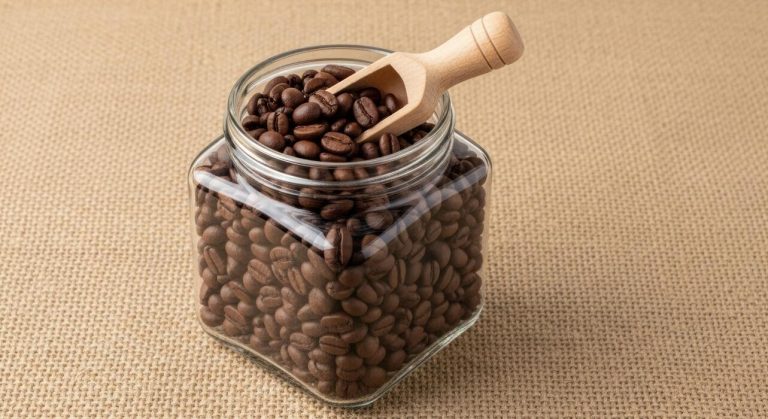
How To Make Iced Coffee For The Week
Wondering how to make iced coffee for the week without it turning watery or bitter by Wednesday? The struggle is real: brewing daily takes too long, and store-bought gets expensive. You’re in the right place. This method uses a simple cold brew concentrate—no heat, no hassle—that stays fresh for up to seven days. Just mix, pour over ice, and enjoy café-quality coffee every morning without the daily grind.
Why Make a Week’s Worth of Iced Coffee?
Save time and money with batch brewing
Batch brewing your iced coffee for the week is a proven strategy to cut daily costs and reclaim precious morning minutes. Instead of spending $5 or more each day at a café, a single bag of quality beans can produce up to 8 servings.
By dedicating just 15 minutes on a Sunday, you eliminate the need for daily brewing, which also reduces electricity and water usage. Focus on a simple cold brew or concentrated hot brew method—both scale easily. Use a large pitcher or a dedicated cold brew maker to steep grounds overnight.
The result is a smooth, less acidic concentrate that you can dilute with milk or water. This approach not only slashes your weekly coffee budget by up to 70% but also frees you from the morning rush.
Plus, you avoid impulse purchases like pastries or extra shots, keeping your wallet and health in check. Batch brewing is the ultimate time-saver for anyone seeking a consistent, cost-effective caffeine routine.
Avoid morning coffee rush with ready-to-drink iced coffee
Mornings are chaotic, but having a week’s worth of iced coffee ready eliminates the frantic scramble. Pre-brewed iced coffee lets you grab a chilled glass and go, bypassing the need to measure grounds, wait for brewing, or cool down hot coffee.
This ready-to-drink approach turns your morning into a seamless, stress-free ritual. Simply pour over ice, add your favorite milk or sweetener, and you’re out the door in seconds. Batch brewing also prevents the common mistake of rushing and making a weak or bitter cup.
With a consistent concentrate stored in the fridge, you control strength and flavor every time. No more waiting for a pot to brew or risking spills while half-asleep. This method is especially valuable for busy parents, remote workers, or anyone with a tight schedule.
By preparing ahead, you reclaim 10–15 minutes daily, which adds up to over an hour each week—time better spent on yourself or your priorities.
Keep your caffeine fix consistent and cold
A weekly batch of iced coffee ensures your caffeine intake remains steady, cold, and perfectly tailored to your taste. When you brew one large batch, you avoid the variability of daily brewing—different grind sizes, water temperatures, or steep times that can lead to inconsistent flavor.
Cold brewing in particular yields a smooth, low-acid concentrate that stays fresh in the fridge for up to two weeks without turning bitter. This consistency means you always know exactly how much caffeine you’re getting per serving, helping you avoid energy crashes or overconsumption.
Additionally, the cold temperature preserves the coffee’s aromatic oils and prevents the stale taste that often comes from reheating or storing hot coffee. Store your batch in an airtight glass container to lock in freshness.
Whether you prefer a bold black cup or a creamy latte, you can customize each serving without compromising the base. This method turns your daily coffee into a reliable, refreshing ritual that supports your energy levels and routine.
Best Ways to Brew Iced Coffee for the Week

Cold brew method: steep coffee grounds in cold water
For a smooth, low-acid iced coffee concentrate, combine 1 cup of coarse-ground coffee with 4 cups of cold, filtered water in a large jar or pitcher. Stir gently to ensure all grounds are saturated.
Cover and let steep at room temperature or in the fridge for 12 to 24 hours—the longer steep yields a stronger concentrate. After steeping, pour the mixture through a fine-mesh sieve lined with a coffee filter or a nut milk bag into a clean container.
This concentrate keeps in the fridge for up to two weeks. To serve, dilute with equal parts water or milk over ice. Adjust the strength by varying the steep time or water amount.
Hot brew method: double-strength coffee for quick chilling
To make a week’s worth of iced coffee quickly, brew a double-strength batch using your usual method. Use 2 tablespoons of coffee per 6 ounces of water (instead of the standard 1 tablespoon).
Brew hot coffee as usual, then immediately pour it into a heatproof pitcher and place it in the fridge to cool. For faster chilling, divide the coffee into a shallow container or add ice cubes made from coffee to avoid dilution.
This method works well with any brew style—drip, French press, or pour-over. Once chilled, the concentrate stays fresh for 3–5 days in the fridge. Serve over ice with milk or sweetener as desired.
Japanese iced coffee: brew hot directly over ice
Japanese iced coffee captures bright, complex flavors by brewing hot coffee directly onto ice. Place 200 grams of ice in a heatproof carafe or glass. Use a pour-over setup with a medium grind—about 30 grams of coffee.
Start by blooming with 60 grams of hot water (just off boil), then slowly pour the remaining 240 grams of water over the grounds. The ice instantly chills the coffee, locking in volatile aromatics and preventing bitterness. This method produces a crisp, clean iced coffee ready to drink immediately.
For weekly prep, multiply the recipe and store the finished coffee in a sealed container in the fridge for up to 3 days. Serve over fresh ice.
How to choose the right coffee-to-water ratio
The ideal ratio ensures your iced coffee isn’t watery or overly strong. For cold brew, use a 1:4 to 1:8 ratio of coffee to water by weight (e.g., 1 cup coffee to 4 cups water for concentrate).
For hot brew or Japanese iced coffee, use a 1:15 to 1:17 ratio for standard strength, but double the coffee for concentrate (1:7.5). Always weigh your coffee and water for precision—1 gram of coffee to 15–18 grams of water is a good baseline.
Adjust based on your taste: more coffee yields a bolder, richer flavor that holds up well to ice and milk. Test a small batch first, then scale up for weekly prep.
How to Store Iced Coffee for Maximum Freshness

Use airtight glass or plastic containers
The container you choose directly impacts how long your iced coffee stays fresh and flavorful. Always opt for an airtight container—either glass or BPA-free plastic works well. Airtight seals prevent your coffee from absorbing odors from other foods in the fridge, like onions or cheese, which can ruin its taste.
Glass containers are ideal because they don’t retain residual flavors and are easy to clean. Plastic options are lighter and shatterproof, but ensure they’re food-grade and odor-resistant. Avoid using metal containers, as they can impart a metallic taste over time.
For best results, choose a container that holds your entire batch with minimal empty space, as too much air can accelerate staleness. Mason jars or dedicated coffee pitchers with tight lids are excellent choices.
Before sealing, let the coffee cool to room temperature—this prevents condensation inside the container, which can dilute your brew. Label the container with the date, so you know exactly when it was made.
Keep it in the fridge, not the freezer
For maintaining peak freshness over several days, store your iced coffee in the refrigerator, not the freezer. The fridge’s consistent cool temperature slows down oxidation without altering the coffee’s chemical structure.
Freezing can cause the water in your coffee to expand and form ice crystals, which damage the delicate oils and compounds that give coffee its flavor and aroma. When thawed, frozen coffee often tastes flat or watery.
Additionally, the freeze-thaw cycle can create unwanted sludge at the bottom of your container. Refrigeration preserves your iced coffee’s brightness and body for up to one week if stored correctly. Place the container on a middle shelf, not the door, where temperature fluctuates less.
Avoid leaving it out at room temperature for more than 30 minutes before returning it to the fridge. If you must freeze it for longer storage, pour it into ice cube trays first—then you can add the cubes to fresh coffee without diluting it.
Avoid adding milk or sweeteners until serving
To maximize freshness and flexibility, never add milk, cream, or sweeteners to your batch of iced coffee until you’re ready to drink it. Dairy products can spoil quickly, even in the fridge, and will sour your entire batch within a day or two.
Plant-based milks may separate or curdle when stored for extended periods. Sweeteners like sugar or syrups can also alter the coffee’s pH over time, leading to off-flavors or fermentation. By keeping your coffee pure, you extend its shelf life to the full week.
When you’re ready to serve, simply pour the desired amount over fresh ice and add your preferred milk, cream, or sweetener. This approach also lets you customize each glass—some days you might want oat milk, other days a splash of vanilla syrup.
Pro tip: Make concentrated cold brew, then dilute with milk or water at serving time. This method yields a stronger, less acidic base that stays fresh even longer and adapts to your daily preferences.
Tips for Preventing Watery or Diluted Iced Coffee
Brew with less water to account for ice melting
When preparing iced coffee for the week, one of the most effective strategies is to brew your coffee with less water than you normally would for hot coffee.
Since ice will melt and dilute the final drink, starting with a more concentrated brew ensures that even after melting, your coffee retains its robust flavor.
A good rule of thumb is to use half the amount of water you typically use for a full batch; for example, if you usually brew with 8 cups of water, use only 4 cups. This creates a strong concentrate that can stand up to the ice without becoming watery.
You can also try the cold brew method, which naturally produces a smoother, less acidic concentrate that is perfect for iced coffee. Simply steep coarsely ground coffee in cold water for 12-24 hours, then strain.
This concentrate can be stored in the fridge and diluted with milk or water as needed. By adjusting your brew ratio, you ensure each glass of iced coffee throughout the week remains bold and satisfying, not diluted.
Use coffee ice cubes instead of regular ice
A simple yet transformative tip to prevent watery iced coffee is to swap regular ice cubes for coffee ice cubes. When regular ice melts, it adds plain water to your coffee, gradually weakening its flavor and strength.
By freezing leftover or freshly brewed coffee into ice cube trays, you create cubes that melt into more coffee, not water. This keeps your drink robust from the first sip to the last. To make them, simply pour cooled coffee into ice cube trays and freeze overnight.
You can use any coffee you have on hand, even yesterday’s batch, making this a zero-waste solution that also saves money. For best results, use a slightly stronger brew for the cubes, as they will dilute slightly when melting.
Throughout the week, when you pour your chilled coffee over these cubes, you maintain a consistent, delicious taste without any watery disappointment. This small prep step transforms your weekly iced coffee into a consistently flavorful experience.
Chill coffee completely before adding ice
One of the most common mistakes leading to watery iced coffee is pouring hot or warm coffee directly over ice. To maintain optimal flavor, always chill your coffee completely before adding any ice.
When hot coffee hits ice, it rapidly melts the cubes, instantly diluting the brew and leaving you with a weak, watery drink. Instead, brew your coffee in advance and let it cool to room temperature, then refrigerate it for several hours or overnight.
This ensures that when you finally pour it over ice, the cubes melt slowly, preserving the coffee’s strength and taste. For weekly prep, brew a large batch, let it cool, and store it in an airtight container in the fridge. Then, each morning, pour the chilled coffee over fresh ice.
This method also allows you to control the dilution by using fewer cubes if desired. By taking this extra step, you guarantee that every cup of iced coffee throughout the week remains crisp, bold, and refreshing—never watered down.
How to Customize Your Weekly Iced Coffee

Add flavored syrups or extracts for variety
To keep your weekly iced coffee from becoming boring, infuse it with flavored syrups or extracts that you can batch-prepare or purchase.
Start by making a simple syrup base: dissolve equal parts sugar and water over low heat, then stir in vanilla extract, cinnamon, or even a splash of caramel sauce. For a seasonal twist, try pumpkin spice or peppermint extract—just a few drops per serving.
Store your syrup in a sealed jar in the fridge for up to two weeks. When you pour your morning coffee, add 1-2 tablespoons of syrup directly into the glass before pouring over ice and milk. This method ensures the flavor mixes evenly without needing to stir hot coffee.
You can also experiment with sugar-free syrups if you’re watching your intake. By preparing syrups in advance, you’ll have a quick way to customize each day’s brew, whether you crave hazelnut, lavender, or a simple sweet cream.
This approach keeps your weekly iced coffee routine fresh and tailored to your taste.
Try different milk options: oat, almond, or dairy
Switching up your milk is one of the easiest ways to transform your weekly iced coffee. Oat milk is a popular choice because it’s creamy, neutral-tasting, and froths well, making it ideal for a latte-like texture.
Almond milk adds a nutty flavor and is lower in calories, but look for barista blends to avoid curdling. Dairy milk—whole or 2%—offers classic richness and protein. To customize, pour your chosen milk over ice first, then add your concentrated cold brew or double-strength coffee.
This layering prevents dilution and keeps flavors distinct. You can also blend two milks for a unique taste, like half oat and half coconut. If you’re dairy-free, coconut milk adds a tropical note, while soy milk gives a protein boost.
Prep your milk by shaking or frothing it separately for extra creaminess. Remember, whole milk creates a silkier mouthfeel, while skim keeps it light. By rotating options throughout the week, you’ll never get bored, and you can adjust based on your mood or dietary needs.
Sweeten with simple syrup or honey for easy mixing
To avoid gritty sugar settling at the bottom of your glass, use liquid sweeteners that blend instantly with cold coffee. Simple syrup is the most reliable: combine equal parts sugar and water, heat until dissolved, then cool.
Honey is a natural alternative—just warm it slightly to thin it out before mixing. For a batch, prepare a honey syrup by mixing 1 part honey with 1 part hot water. Store both in the fridge for up to a month.
When making your weekly iced coffee, add 1-2 tablespoons of sweetener directly to the coffee concentrate before pouring over ice. This ensures even distribution. You can also infuse your simple syrup with vanilla beans, lavender, or citrus zest for extra flavor.
Avoid granulated sugar, as it won’t dissolve in cold liquid. Agave nectar is another option, being sweeter than sugar so you use less. By prepping sweeteners ahead, you’ll have a quick, mess-free way to customize each cup, ensuring every sip is perfectly balanced without clumps or bitterness.
Common Mistakes to Avoid When Making Iced Coffee for the Week
Using too fine a grind for cold brew
A common pitfall is treating cold brew like hot coffee by using a fine grind. Cold brewing requires a coarse, consistent grind because the long, cold extraction process needs larger particles to prevent over-extraction and bitterness.
A fine grind will release too many tannins and bitter compounds, resulting in a harsh, muddy brew that’s unpleasant to drink. Instead, aim for a grind resembling raw sugar or coarse sea salt. This allows water to flow through the grounds evenly, extracting smooth, mellow flavors over 12-24 hours.
If you don’t have a grinder, ask your local coffee shop for a coarse cold brew grind. Using the correct grind size ensures your week’s batch is clean, sweet, and refreshing—not bitter or sludgy. Remember, coarse is your friend for cold brew success.
Storing coffee with milk or cream added
Adding milk or cream to your entire batch of iced coffee before storing it is a recipe for spoilage and blandness. Dairy products spoil faster than black coffee, and once mixed, they can turn sour within 2-3 days, even in the fridge.
This also limits your ability to customize each serving with different milk types, sweeteners, or flavors. Instead, store your concentrated cold brew or brewed iced coffee black in an airtight container. When you’re ready for a glass, pour over ice and add your preferred milk, cream, or plant-based alternative.
This keeps the coffee fresh for up to two weeks and allows you to adjust the strength and creaminess daily. A little planning here saves you from pouring out a ruined batch midweek.
Not adjusting brew strength for ice dilution
A major mistake is brewing iced coffee at the same strength as hot coffee, ignoring that ice will melt and dilute the flavor. Your iced coffee base must be double or triple strength to compensate for the water from melting ice.
For cold brew, use a higher coffee-to-water ratio, typically 1:4 or 1:5 (coffee to water), instead of the 1:8 used for hot brew. For hot-brewed iced coffee, use half the water you normally would, then pour the concentrated coffee directly over a full glass of ice.
Test your ratio by tasting the concentrate—it should be intensely bold and slightly bitter before dilution. Adjusting strength ensures your iced coffee remains robust and flavorful from the first sip to the last, even as the ice melts throughout the week.
How to Serve and Enjoy Your Weekly Iced Coffee
Pour over fresh ice for each serving
When you’re ready to enjoy your weekly iced coffee, always pour over fresh ice rather than using the ice that may have melted in your stored batch. This simple step ensures each glass is perfectly chilled without being diluted by watery remnants.
Start by filling a tall glass with fresh, preferably large ice cubes, which melt slower and maintain the coffee’s bold flavor. Then, pour your pre-made concentrate or brewed coffee directly over the ice. For an even better experience, consider using coffee ice cubes—freeze leftover coffee in an ice tray beforehand.
This prevents any dilution at all, keeping your drink strong and refreshing from the first sip to the last. If you like a creamier texture, add a splash of milk or a non-dairy alternative before the ice.
The key is to treat each serving as a fresh moment, not just a reheated leftover. By prioritizing fresh ice, you transform your weekly batch into a daily ritual that tastes like it was just brewed, making your mornings smoother and more enjoyable without extra effort.
Shake or stir before drinking to redistribute flavors
Over time, your stored iced coffee may settle, with flavors and ingredients separating at the bottom of the container. To ensure a consistent and delicious taste in every sip, shake or stir thoroughly before pouring.
If you’ve added milk, sweetener, or flavor syrups to your batch, these can sink or clump, leaving you with a bland top layer and an overly sweet finish. A vigorous shake (if using a sealed container) or a good stir with a long spoon reincorporates everything evenly.
For best results, do this right after removing the coffee from the fridge and again after adding fresh ice. This simple habit prevents flavor surprises and guarantees that every glass delivers the same rich, balanced profile you intended.
If you’re using a mason jar or bottle, shake for about 10 seconds—this also aerates the coffee slightly, brightening its taste. For individual servings, a quick stir with a straw works well. By redistributing the flavors, you avoid waste and disappointment, turning your weekly prep into a consistently satisfying experience.
Pair with a straw or lid for on-the-go convenience
To fully enjoy your weekly iced coffee, especially during busy mornings or commutes, pair it with a straw or lid for easy, spill-free sipping.
A reusable straw (metal, silicone, or glass) not only reduces waste but also helps you drink from the bottom of the glass, where flavors can concentrate, ensuring you get a well-mixed taste.
If you’re taking your coffee on the go, a tight-fitting lid is essential—it prevents accidental spills in the car or at your desk. Many travel mugs come with a built-in straw lid, combining both benefits.
For an eco-friendly option, choose a stainless steel straw with a silicone tip to avoid clinking against teeth. This pairing also keeps your coffee cooler longer, as the lid traps cold air.
When serving at home, a straw can elevate the experience by directing the coffee past your taste buds for a smoother flavor. By using a straw or lid, you make your weekly iced coffee practical and pleasurable, whether you’re rushing out the door or relaxing at home.
Frequently Asked Questions
What is the best method to make iced coffee for the whole week?
The best method is to brew a large batch of strong coffee (using a French press, drip coffee maker, or cold brew concentrate) and store it in an airtight container in the refrigerator. This allows you to pour individual servings over ice each morning without daily brewing.
How do I make cold brew concentrate for weekly iced coffee?
Combine 1 cup of coarsely ground coffee with 4 cups of cold water in a jar. Stir, cover, and steep in the refrigerator for 12-24 hours. Strain through a fine-mesh sieve or coffee filter, then store the concentrate in the fridge for up to two weeks. Mix with equal parts water or milk when serving.
Can I use regular brewed coffee for iced coffee throughout the week?
Yes, brew a full pot of coffee at double strength (using twice the grounds per water) and let it cool completely. Store it in a sealed pitcher in the refrigerator for up to 5 days. Pour over ice and add milk or sweetener as desired.
How should I store iced coffee to keep it fresh for the week?
Store brewed coffee or cold brew in a clean, airtight glass or BPA-free plastic container in the refrigerator. Avoid adding milk or ice until serving, as dairy spoils faster and ice dilutes the flavor. Use within 5-7 days for best taste.
What ratio of coffee to water should I use for weekly iced coffee?
For hot-brewed iced coffee, use a 1:8 ratio (e.g., 1 cup grounds to 8 cups water) to account for dilution from ice. For cold brew, use a 1:4 ratio (1 cup grounds to 4 cups water) for a concentrate, then dilute with equal parts water or milk when serving.
How can I prevent my weekly iced coffee from tasting stale?
Brew a smaller batch every 3-4 days instead of a full week’s supply, and always store it in a sealed container to minimize oxidation. Use freshly ground beans and filtered water for the best flavor, and avoid reheating the stored coffee.
Can I add milk or sweetener to iced coffee for the week in advance?
It’s not recommended because dairy can spoil and sweeteners may alter the coffee’s taste over time. Instead, add milk, cream, or syrup fresh each morning. For a non-dairy option, you can pre-mix with almond or oat milk and store for up to 3 days.
Conclusion
Making a week’s worth of iced coffee is a simple, time-saving hack that ensures you never face a hot, caffeine-deprived morning. The key is brewing a strong concentrate, storing it in a sealed pitcher, and pouring it over ice with your favorite milk or sweetener as needed. This method locks in flavor and freshness for up to five days. Embrace the ease of batch preparation—your future self will thank you for every chilled, perfect sip.