How To Make Cold Brew Coffee Hot
You love the smooth, low-acid taste of cold brew but sometimes crave a steaming mug on a chilly morning. Can you actually heat it up without ruining the flavor? Absolutely. Whether you prefer using the stovetop, a microwave, or the quick hot water method, warming your cold brew concentrate is surprisingly easy. This guide will show you exactly how to make cold brew coffee hot while preserving those chocolatey notes you love, ensuring a perfect cup every single time.
Can you heat up cold brew coffee?
Why cold brew tastes different when hot
When you transform cold brew into a hot beverage, you experience a unique flavor profile that differs significantly from traditionally dripped coffee.
Because the beans were originally steeped in cool water for twelve to twenty-four hours, the extraction process favored chocolatey and nutty notes over the bright citrus tones found in standard roasts. Heating this concentrate gently preserves those deep, mellow characteristics while providing the comforting warmth of a morning cup.
To achieve the best results, you should dilute the concentrate with boiling water rather than microwaving it, as this method prevents the coffee from reaching a second boil which could ruin the delicate oils.
By adding hot water to the room-temperature base, you maintain a smooth, velvety mouthfeel that lacks the bitterness often associated with over-extracted hot brews.
This approach allows you to enjoy the convenience of a pre-made batch while still satisfying your craving for a steaming, flavorful drink that highlights the complex sweetness inherent in slow-steeped grounds.
The science of low-acid coffee
The primary benefit of heating cold brew is its remarkably low acidity, which is a direct result of the cold extraction science.
Traditional hot brewing uses high temperatures to quickly pull flavors from the beans, but this also releases volatile acids and tannins that can cause stomach discomfort or a sharp aftertaste.
Cold water extraction, however, leaves behind many of these acidic compounds, resulting in a beverage that is roughly 60% less acidic than standard coffee. When you heat cold brew, you are essentially warming a liquid that is already chemically stable and smooth.
This makes it an ideal solution for coffee lovers with sensitive stomachs or acid reflux who still want a hot caffeine fix. Even when the temperature rises, the chemical composition remains largely unchanged, ensuring that the gentle pH balance is maintained.
By understanding this science, you can confidently prepare a hot cup that provides all the energy you need without the harshness usually produced by high-heat brewing methods, making it a functional and soothing choice.
Common myths about heating cold coffee
There are several misconceptions regarding the process of heating cold brew, the most common being that it will turn the coffee bitter. In reality, as long as you avoid overheating the liquid, the flavor remains remarkably consistent because the bitter compounds were never extracted during the initial cold steeping phase.
Another myth suggests that heating cold brew destroys the caffeine content, but caffeine is a stable molecule that does not evaporate or degrade at standard drinking temperatures. You can safely warm your coffee on the stovetop or by adding hot water without losing any of its stimulatory effects.
Furthermore, many believe that you must drink cold brew over ice to appreciate its quality, yet many professional baristas actually prefer tasting cold brew warm to better identify the subtle nuances of the bean’s origin.
By debunking these myths, you can see that cold brew is a highly versatile concentrate that functions perfectly as a hot drink base, offering a rich and robust experience that challenges traditional brewing norms while providing maximum convenience.
Best ways to make cold brew coffee hot

The boiling water method
One of the most efficient ways to transform cold brew concentrate into a steaming mug of coffee is by utilizing the boiling water method. This technique essentially mimics the process of making an Americano, where you dilute a strong base with hot liquid.
To begin, you should measure out your cold brew concentrate and pour it into your favorite heat-resistant mug. Next, bring fresh filtered water to a boil using a kettle.
For the best flavor profile, aim for a ratio of approximately one part concentrate to two parts boiling water, though you can adjust this based on your preferred strength. Slowly pour the hot water over the cold liquid to ensure they integrate seamlessly.
This method is highly favored because it instantly raises the temperature without subjecting the delicate coffee oils to prolonged heat, which can sometimes lead to a bitter aftertaste.
By using boiling water, you preserve the signature smoothness and low acidity that makes cold brew so popular while enjoying it at a cozy, hot temperature.
Stovetop heating tips
For those who prefer a more controlled and traditional approach, heating your cold brew on the stovetop is an excellent solution. This method allows you to monitor the temperature precisely, ensuring the coffee becomes hot without ever reaching a rolling boil.
Simply pour your cold brew or diluted concentrate into a small saucepan and place it over low to medium heat. It is crucial to stir the liquid occasionally to promote even heat distribution and prevent any scorching at the bottom of the pan.
You should remove the coffee from the heat just as you see gentle steam rising from the surface, typically around 170 degrees Fahrenheit. Avoid letting the coffee boil, as extreme heat can break down the complex flavor compounds and introduce an unwanted scorched flavor.
Using a stovetop provides a gentle warming process that maintains the rich, chocolatey notes inherent in cold brew. This technique is perfect for those who want to infuse additional flavors, such as a cinnamon stick or a splash of vanilla, directly into the pot while warming.
Using a microwave correctly
When you are short on time, the microwave is a perfectly viable tool for heating cold brew, provided you follow a few specific steps to protect the flavor. Instead of heating the coffee in one long cycle, it is best to use short, thirty-second intervals.
This incremental heating prevents the coffee from overheating or reaching a boiling point, which can ruin the texture and taste. After each interval, give the coffee a quick stir to eliminate hot spots and ensure the temperature is consistent throughout the mug.
Most standard servings will take between sixty and ninety seconds to reach an ideal drinking temperature. Always ensure you are using a microwave-safe ceramic or glass mug to avoid any chemical leaching or safety hazards.
If you find the flavor too intense after heating, you can add a splash of warm milk or cream to mellow it out.
This method is the most convenient option for office environments or busy mornings, allowing you to enjoy the unique, mellow benefits of cold brew coffee in a fraction of the time it takes to brew a fresh hot pot.
How to use cold brew concentrate for hot coffee
Finding the right water-to-coffee ratio
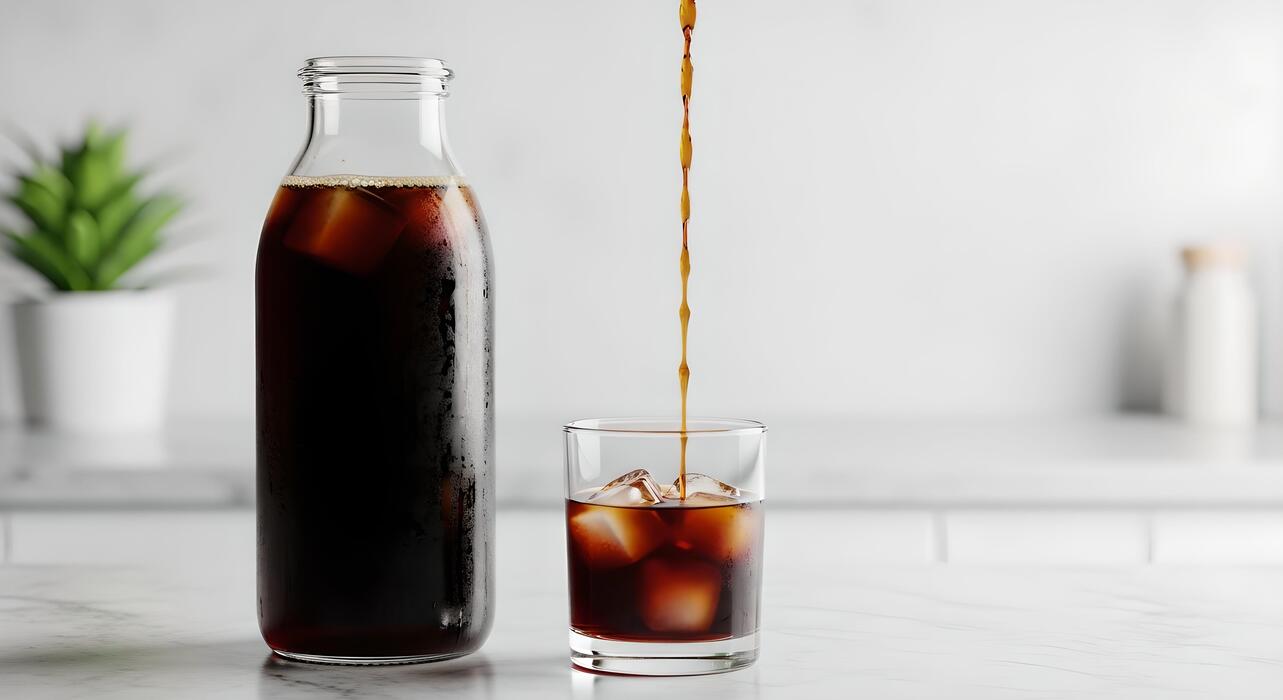
To successfully transform a cold brew concentrate into a steaming cup of coffee, you must prioritize the dilution ratio. Cold brew concentrate is highly potent, often containing double the caffeine and acidity levels of standard drip coffee.
The most effective starting point for a balanced hot cup is a 1:1 or 1:2 ratio of concentrate to hot water. If you prefer a bold, robust flavor profile similar to an Americano, lean toward equal parts of each liquid.
For those who enjoy a smoother, more delicate beverage, adding two parts boiling water to one part concentrate will mellow out the earthy notes without masking the unique profile of the beans. Always pour the hot water over the room-temperature concentrate rather than heating the concentrate directly on a stove.
This method prevents the coffee from over-extracting or developing a burnt, bitter aftertaste, ensuring your hot cold brew remains consistently flavorful, refreshing, and perfectly balanced for your morning routine or afternoon pick-me-up.
Mixing concentrate with steamed milk
Creating a hot cold brew latte is an excellent way to utilize your concentrate while achieving a creamy, professional-grade texture. Instead of using hot water as your primary diluent, you can substitute steamed milk or a plant-based alternative to create a rich, velvety drink.
Start by measuring out your desired amount of cold brew concentrate into a sturdy mug. Using a steam wand or a handheld milk frother, heat your milk until it reaches a silky microfoam consistency. Slowly pour the steamed milk into the concentrate, allowing the two liquids to integrate naturally.
This technique is particularly effective because the natural fats in the milk complement the chocolatey and nutty undertones often found in cold brew batches. If you choose to use an almond or oat milk, ensure you do not overheat the liquid, as excessive heat can cause separation.
By focusing on the synergy between the concentrated coffee oils and the aerated milk, you produce a cafe-quality hot beverage that highlights the smooth characteristics of the cold extraction process.
Temperature targets for the best flavor
Precision in temperature is the final step in mastering the art of making cold brew coffee hot without compromising its integrity. The ideal goal is to reach a serving temperature between 150°F and 165°F.
To achieve this without a thermometer, bring your water to a rolling boil and then let it sit for approximately sixty seconds before pouring. This brief resting period allows the water to drop from 212°F to a safer range that won’t scald the delicate coffee solubles.
Avoid using a microwave to heat the mixed beverage, as this creates uneven hot spots and can rapidly degrade the aromatic compounds that make cold brew so special.
If your concentrate has been stored in a very cold refrigerator, you may need to pre-warm your mug with hot water to ensure the final drink retains its heat for longer.
By carefully managing these thermal variables, you preserve the low-acidity profile of the cold brew while enjoying the comforting warmth of a traditional hot cup, resulting in a superior tasting experience every time.
Pros and cons of heating cold brew
Benefits for sensitive stomachs
Heating cold brew coffee provides a unique solution for coffee lovers who experience digestive discomfort from traditional drip coffee.
Because the initial extraction happens in cold water over twelve to twenty-four hours, the process leaves behind many of the volatile oils and acidic compounds that typically cause heartburn or acid reflux.
When you choose to warm your cold brew concentrate, you retain this low-acid profile while enjoying the comfort of a hot beverage. This method is particularly helpful for individuals with sensitive stomachs or conditions like GERD, as the pH level remains significantly higher than that of heat-extracted beans.
To achieve the best results without increasing acidity, it is recommended to dilute your concentrate with boiling water or gently heat it on a stovetop.
This approach ensures you get a soothing, stomach-friendly hot cup that lacks the harshness often associated with standard brewing methods, allowing you to enjoy your caffeine fix without the subsequent digestive irritation often found in hot-brewed alternatives.
Changes in caffeine potency
One of the most significant advantages of transforming cold brew into a hot drink is the ability to manage caffeine intake with precision. Cold brew is inherently a concentrate, often containing a much higher caffeine density per ounce compared to standard drip coffee.
When you make cold brew hot by adding boiling water, you are essentially creating a customized dilution that allows you to control the potency of your cup. This is a pro for those who need a controlled energy boost without the jittery side effects of over-extraction.
However, a potential con is the risk of over-dilution; if you add too much hot water, the caffeine concentration might drop below your desired level. To maintain the perfect balance, use a one-to-one ratio of concentrate to hot water.
This ensures that you benefit from the efficient caffeine extraction of the cold process while enjoying the thermogenic effects of a hot drink. By carefully monitoring your ratios, you can leverage the high potency of the cold brew method while adapting it to a warm, drinkable format.
Impact on flavor profiles and notes
Warming up cold brew coffee alters the sensory experience by highlighting different aromatic compounds that remain dormant in cold liquids. The primary benefit here is the enhanced aromatic complexity; heat helps release the chocolatey, nutty, and caramel notes that are characteristic of the cold extraction process.
Unlike traditional hot brewing, which can sometimes result in a bitter or burnt aftertaste due to high-temperature extraction, heating a pre-made cold brew avoids new chemical reactions that create bitterness.
However, a notable con is that overheating can lead to oxidation and a flat taste, stripping away the delicate nuances of the bean. To preserve the flavor integrity, you should avoid using a microwave, which can heat unevenly and scorch the liquid.
Instead, use a gentle simmering method or hot water dilution to reach your target temperature.
This preservation of the smooth, mellow profile while introducing the comforting warmth of a hot cup offers the best of both worlds, provided the temperature does not exceed a boiling point that would degrade the existing flavor oils.
Mistakes to avoid when warming cold brew
Why you should never boil your coffee
When you are learning how to make cold brew coffee hot, the most critical rule is to prevent the liquid from reaching a boiling point. The primary appeal of cold brewing is the low acidity and smooth profile achieved through cold extraction.
If you subject this delicate concentrate to intense heat, you trigger a chemical reaction that releases bitter oils and metallic compounds. To preserve the integrity of your beverage, you should aim for a gentle warming process rather than a rapid boil.
Using a thermometer to monitor temperature ensures you stay below 200 degrees Fahrenheit, which is the threshold where flavor degradation typically begins. If you accidentally let it bubble, you will effectively destroy the nuanced flavor notes you spent hours cultivating during the steeping phase.
Instead, prioritize a slow and steady heating method to maintain that signature sweetness. By keeping the heat moderate, you ensure that your morning cup remains refreshing and palatable rather than becoming a harsh and overly acidic chore to drink.
Avoiding the burnt taste
A common mistake when heating cold brew is applying direct, high heat for an extended period, which often results in an unpleasant scorched flavor. This typically happens when people use a small saucepan on a high burner setting without stirring.
To avoid this, you should always warm your coffee gradually while keeping the liquid in motion. If you prefer using a microwave, avoid the temptation to heat it for three minutes straight. Instead, use short thirty-second bursts and stir between each interval to distribute the heat evenly.
This prevents localized hot spots that can cook the coffee solids and create a burnt aftertaste. Furthermore, if you are using the hot water dilution method, ensure you are adding the water to the concentrate rather than the other way around.
This allows for better control over the final temperature and flavor balance. Taking these small precautions will help you maintain the smooth characteristics of the original cold brew while achieving the comforting warmth of a traditional hot cup of coffee.
Using the wrong type of container
The vessel you choose for heating your cold brew can significantly impact the final quality and safety of your drink. Many people make the mistake of using thin plastic containers or non-tempered glass, which can leach chemicals or even shatter under thermal stress.
To ensure a clean taste, you should always opt for high-quality borosilicate glass or stainless steel carafes when applying heat. Avoid using reactive metals like unlined aluminum, as these can impart a metallic tang to your coffee that ruins the flavor profile.
If you are heating your drink in the microwave, ensure the mug is specifically labeled as microwave-safe to prevent overheating the exterior while the liquid remains cool.
Additionally, using a heavy-bottomed pot on the stove provides better heat distribution, which prevents the bottom layer of coffee from scorching before the rest of the cup is warm.
Selecting the correct heat-resistant equipment is a foundational step in successfully transitioning your cold brew from a chilled concentrate to a delicious, steaming hot beverage without compromising on safety or taste.
Equipment you need for hot cold brew
Best kettles for precision
To successfully transform your cold brew concentrate into a steaming beverage, you need a high-quality kettle that offers exact temperature control. Using a variable temperature electric kettle is the most effective way to ensure you do not scald the delicate flavors of the coffee.
When mixing hot water with cold concentrate, the ideal water temperature should be between 195 and 205 degrees Fahrenheit. A gooseneck spout provides the necessary precision to pour slowly, allowing for a more controlled dilution process that maintains the body of the brew.
Look for models with a digital display and hold function, which allows you to keep the water at the perfect temperature if you are preparing multiple servings. High-end brands often feature stainless steel interiors to prevent any metallic aftertaste from leaching into your drink.
By investing in a precise heating tool, you eliminate the guesswork and ensure that every cup of hot cold brew is consistently smooth, rich, and served at the perfect drinking temperature without any bitterness.
Milk frothers and steamers
If you prefer a creamier texture when drinking your cold brew hot, a dedicated milk frother or steamer is an essential piece of equipment. An electric milk frother can simultaneously heat and aerate your milk or dairy-free alternative, creating a luxurious foam that mimics a latte.
For those who want the most professional results, a standalone steam wand allows you to control the micro-foam consistency, which is perfect for integrating seamlessly with the dense profile of cold brew concentrate.
You can also use a handheld battery-operated whisk if you choose to heat your milk separately on the stove. This equipment helps in achieving a harmonious blend where the creaminess balances the low acidity of the cold brew.
Using steamed milk instead of hot water to dilute your concentrate results in a much richer mouthfeel and a naturally sweeter taste profile.
This method is particularly effective for those who find standard hot coffee too acidic, as the frothing process adds a silky layer of protection for the palate while maintaining the heat.
Insulated mugs to maintain heat
Because the process of making hot cold brew involves mixing a cold liquid with a hot one, the final temperature can drop quickly if not managed correctly. Using a double-walled vacuum-insulated travel mug or a ceramic-lined tumbler is the best way to keep your beverage hot for several hours.
High-quality stainless steel insulation prevents heat transfer to the outside of the container, ensuring that the internal temperature remains stable from the first sip to the last.
Additionally, choosing a mug with a secure, BPA-free lid will help trap the steam and aromatic compounds that are often lost in open-air mugs. For the best experience at home, consider pre-heating your mug with plain boiling water for a minute before adding your coffee mixture.
This simple step prevents the cold material of the cup from immediately sapping the heat from your freshly prepared drink. A reliable, insulated vessel is the final piece of the puzzle, ensuring that your unique, low-acid hot coffee remains at an enjoyable and comforting temperature throughout your morning routine.
Tips for better tasting hot cold brew
Adding spices and sweeteners
Elevating the flavor profile of your heated cold brew starts with the strategic addition of aromatics and sweeteners that complement its low-acid nature.
Since heating cold brew can sometimes mute its delicate floral notes, you should infuse spices like cinnamon, cardamom, or star anise directly into the concentrate before adding hot water. This allows the heat to bloom the essential oils within the spices, creating a more robust sensory experience.
For those who prefer a touch of sweetness, liquid sweeteners such as agave, simple syrup, or maple syrup are superior to granulated sugar because they dissolve instantly in the tempered liquid without leaving a gritty residue at the bottom of your mug.
If you find the heated version slightly too intense, a small pinch of sea salt can neutralize residual bitterness and enhance the natural chocolatey undertones of the brew. Experimenting with these additions ensures that your hot beverage remains dynamic, flavorful, and perfectly tailored to your palate preferences every single morning.
Choosing the right coffee beans
The foundation of a superior hot cold brew lies in the quality and roast profile of the beans you select for the initial steeping process.
To achieve a rich and satisfying result when served warm, opt for medium to dark roast beans which typically feature flavor notes of caramel, cocoa, and toasted nuts.
These heavier profiles stand up better to the dilution of hot water compared to light roasts, which may become overly acidic or thin when heated. Additionally, ensure you are using freshly roasted, specialty-grade Arabica beans and grinding them to a very coarse consistency, similar to sea salt, to prevent over-extraction.
Using high-quality beans ensures that the resulting concentrate possesses enough body and complexity to remain flavorful even after being tempered.
By prioritizing single-origin beans from regions like Brazil or Sumatra, you can guarantee a naturally low-acid base that provides a smooth, velvety mouthfeel that is significantly more approachable than standard drip coffee, making your transition from cold to hot both seamless and delicious.
Storage tips for fresh concentrate
Maintaining the integrity of your cold brew concentrate is essential for ensuring that every hot cup tastes as fresh as the first one you brewed.
You should always store your concentrate in an airtight glass container, such as a mason jar or a specialized carafe, to prevent the coffee from absorbing unwanted odors from your refrigerator.
Keeping the liquid in a dark, cold environment is crucial because exposure to oxygen and light will rapidly degrade the delicate oils, leading to a stale or metallic taste when the coffee is eventually heated.
For the best flavor results, try to consume your batch within seven to ten days of brewing; beyond this window, the flavor profile begins to flatten significantly. If you find yourself with an excess of concentrate, consider freezing small portions in silicone trays to preserve the flavor for later use.
By following these disciplined storage habits, you ensure that your base remains vibrant and aromatic, providing a consistent and high-quality foundation for your daily hot coffee ritual.
Frequently Asked Questions
Can you heat up cold brew coffee?
Yes, you can heat up cold brew coffee without losing its signature smooth flavor. Because cold brew is less acidic than drip coffee, heating it up often results in a delicious, low-acid hot cup of coffee.
What is the best way to heat cold brew coffee?
The best method is to heat it gently on the stovetop over medium-low heat until it reaches your desired temperature. Avoid letting it come to a rolling boil, as extreme heat can degrade the flavor profile and introduce bitterness.
How do I use cold brew concentrate to make hot coffee?
To make hot coffee from concentrate, mix one part cold brew concentrate with two parts boiling water. The hot water will dilute the concentrate and bring the entire beverage to a perfect drinking temperature instantly.
Can I microwave cold brew coffee?
Yes, you can microwave cold brew coffee in a microwave-safe mug. Heat it in 30-second intervals, stirring in between, to ensure even heating and to prevent the coffee from scorching.
Will heating cold brew make it taste bitter?
Heating cold brew generally does not make it bitter because the bitter oils and acids were never extracted during the cold steeping process. As long as you don’t overheat or boil the coffee, it will maintain its smooth, chocolatey notes.
What is the ideal ratio for diluting cold brew with hot water?
A standard ratio is 1:2, meaning one part cold brew concentrate to two parts hot water. However, you can adjust this to a 1:1 ratio if you prefer a much stronger, bolder cup of hot coffee.
Can I use a milk frother to heat cold brew?
If you have an electric milk frother with a heating setting, you can use it to warm your cold brew. This is an excellent way to create a hot cold-brew latte with a creamy, aerated texture.
Conclusion
Heating cold brew coffee allows you to enjoy its signature low acidity and smooth flavor profile while staying warm. Now that you master these simple techniques, you can enjoy a premium hot cup any time. Experiment with your preferred ratio today and elevate your morning routine.