How To Make Delicious Iced Coffee
Stop settling for watered-down caffeine fixes and learn how to make delicious iced coffee right in your own kitchen. Whether you crave a bold cold brew or a quick flash-chilled glass, achieving that coffeehouse quality is easier than you think. This guide breaks down the best beans, brewing methods, and simple flavor secrets to ensure every sip is smooth and refreshing. We will show you exactly how to master the perfect balance so you can skip the line.
Best Coffee Beans for Iced Drinks
Choosing Between Light and Dark Roasts
When deciding how to make delicious iced coffee, the roast profile of your beans serves as the foundation for the entire flavor experience.
Many enthusiasts prefer dark roast beans for iced beverages because their bold, chocolatey, and smoky notes can stand up to the dilution caused by melting ice and the addition of milk or sweeteners. These roasts provide a traditional, robust profile that remains prominent even when chilled.
However, light roast beans are an excellent alternative if you enjoy a more complex, tea-like consistency with bright acidity and floral undertones. While light roasts can sometimes lose their character when watered down, they excel in flash-chilled methods where the delicate nuances are preserved.
Ultimately, your choice should depend on whether you prioritize a rich, syrupy body or a crisp, refreshing finish. Experimenting with medium roasts can also offer a balanced middle ground, providing enough sweetness to complement ice without being overly bitter or acidic for your palate.
Why Freshly Ground Beans Matter
The secret to unlocking the full potential of your iced coffee lies in the timing of the grind. Coffee beans begin to lose their aromatic oils and volatile compounds immediately after being crushed, leading to a stale taste if they sit for too long.
To ensure a vibrant and flavorful cup, you should always grind your beans just before brewing. This practice preserves the essential flavors that define a high-quality beverage.
For iced coffee, the grind size is equally critical; a coarse grind is ideal for cold brew to prevent over-extraction and bitterness during the long steeping process, while a medium grind works best for drip-based iced coffee.
Investing in a burr grinder will provide the consistency needed for an even extraction, ensuring that every sip is balanced.
By prioritizing freshness, you avoid the flat, metallic taste often found in pre-ground options, allowing the natural sweetness of the coffee to shine through even when served over a glass of ice.
Top Coffee Regions for Cold Brewing
Selecting beans from specific geographic regions can drastically alter the outcome of your iced coffee. For those who crave a smooth, low-acid profile, Central and South American beans from countries like Colombia or Brazil are top-tier choices.
These regions typically produce coffee with notes of caramel, cocoa, and nuts, which pair perfectly with creamers. If you prefer an iced coffee that is fruity and adventurous, look toward African coffee regions like Ethiopia or Kenya.
These beans often feature citrusy and berry-like qualities that become incredibly refreshing when served cold. Additionally, Sumatran beans offer an earthy, spicy complexity that provides a heavy body, making them a favorite for those who enjoy a very intense cold brew concentrate.
Understanding these regional profiles allows you to tailor your iced coffee to your specific taste preferences, ensuring a gourmet experience at home. By selecting high-altitude Arabica beans from these renowned areas, you guarantee a sophisticated flavor profile that remains delicious from the first sip to the very last drop.
Essential Equipment for Home Baristas

Must-Have Tools for Every Method
To master the art of iced coffee at home, you must first assemble a kit of reliable tools that cater to your preferred brewing style.
Whether you are crafting a concentrated cold brew or a flash-chilled pour-over, a digital scale with 0.1g precision is non-negotiable for maintaining the strict coffee-to-water ratios required for ice dilution. You will also need a gooseneck kettle for controlled pouring, which ensures even extraction when brewing over ice.
For those who prefer the immersion method, a large-capacity glass carafe or French press is essential to handle long steeping times. Don’t forget a long-handled stirring spoon to incorporate syrups or milk efficiently without splashing.
Most importantly, invest in large-format silicone ice molds to create dense cubes that melt slowly, preventing your beverage from becoming watery. Having these professional-grade implements on hand allows you to control every variable, ensuring that your final chilled drink is just as bold and flavorful as a coffeehouse specialty.
The Role of a Quality Burr Grinder
The secret to a vibrant, sediment-free iced coffee lies in the consistency of your coffee particles, making a conical or flat burr grinder the most critical investment for your home setup.
Unlike cheap blade grinders that shatter beans into uneven shards, a burr grinder uses revolving surfaces to crush beans into a uniform grind size, which is vital for balanced extraction.
For cold brew, you require a coarse, consistent setting to avoid a muddy texture, while flash-brew methods demand a medium-fine grind to extract flavor rapidly before the coffee hits the ice.
Achieving this level of precision prevents the over-extraction of bitter compounds that become more pronounced when coffee is served cold. Look for a grinder with stepped or stepless adjustments so you can fine-tune your recipes based on the roast profile of your beans.
By grinding fresh just seconds before brewing, you preserve the volatile aromatic oils that provide the bright acidity and sweet notes characteristic of high-quality iced coffee.
Best Glassware for Temperature Retention
Your choice of vessel significantly impacts the longevity of your iced coffee’s flavor profile and its refreshing chill. To prevent rapid melting and condensation, double-walled borosilicate glassware is the gold standard for home baristas.
The vacuum layer between the two glass walls acts as a thermal barrier, keeping your drink frosty for hours while ensuring the exterior remains dry and comfortable to hold.
If you are frequently on the move, a vacuum-insulated stainless steel tumbler is an excellent alternative, as it offers superior durability and temperature retention compared to plastic.
For a more traditional aesthetic, heavy-bottomed highball glasses provide a beautiful presentation for layered drinks like iced lattes, though they lack the insulation of double-walled options. Regardless of the material, always pre-chill your glassware in the freezer for ten minutes before serving.
This small step minimizes the initial thermal shock when the cold liquid hits the glass, preserving the integrity of your perfectly balanced, ice-cold brew from the first sip to the very last.
How to Make Classic Iced Coffee
The Drip and Chill Method
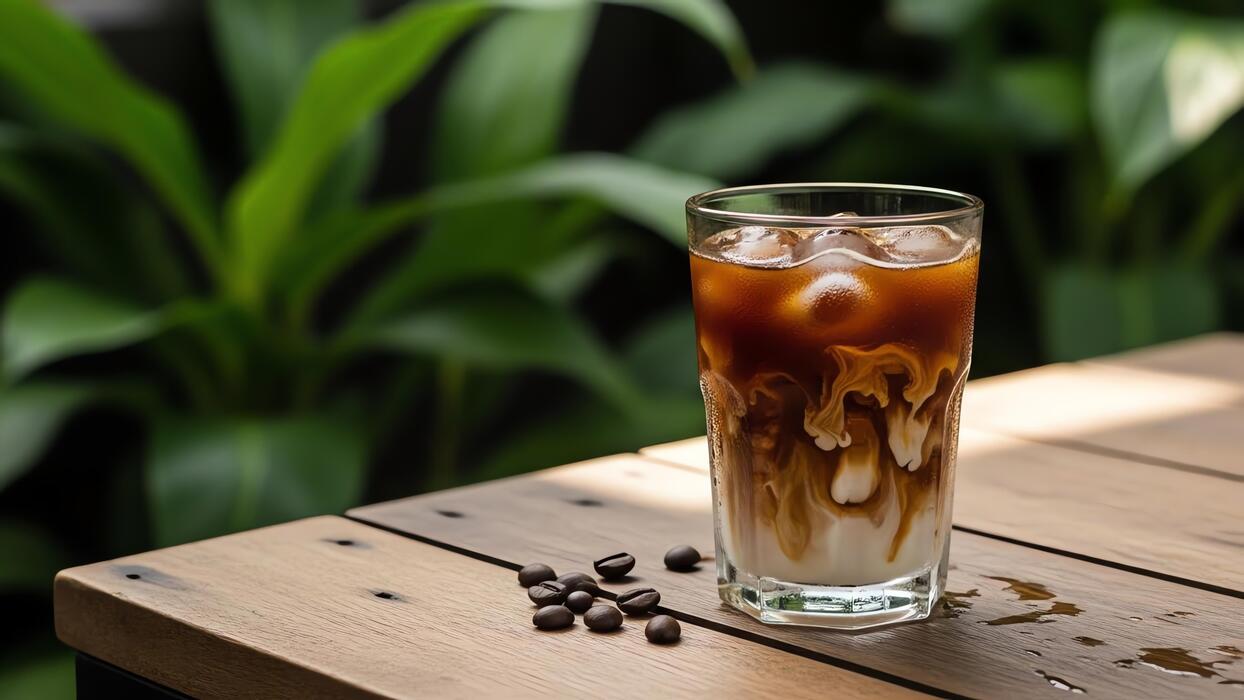
To master the drip and chill technique, start by brewing a batch of coffee at double strength to account for the dilution that occurs when adding ice. Use two tablespoons of fresh grounds for every six ounces of water, ensuring a robust flavor profile that can withstand the cooling process.
Once the brewing cycle is complete, immediately transfer the hot liquid into a heat-safe glass carafe and allow it to sit for a few minutes before adding a small amount of sweetener or syrup while the liquid is still warm enough to dissolve solids effectively.
After the initial cooling period, pour the concentrated coffee over a tall glass packed tightly with large ice cubes, which melt slower than crushed ice and preserve the integrity of the brew. This method provides a clean, crisp finish that highlights the bright acidity of the beans.
For the best results, always use filtered water and high-quality medium roast beans to ensure your homemade beverage tastes exactly like a professional coffee shop creation.
How to Use a French Press for Iced Coffee
Using a French press for iced coffee allows for a rich, full-bodied texture because the metal mesh filter preserves the natural oils of the bean.
Begin by adding coarse coffee grounds to the bottom of the carafe, using a ratio of one part coffee to eight parts water for a balanced concentrate.
Pour hot water over the grounds, ensuring they are fully saturated, and let the mixture steep for exactly four minutes before pressing the plunger down slowly to separate the sediment. Once pressed, pour the hot coffee into a separate container to prevent over-extraction, which can lead to unwanted bitterness.
To serve, fill a glass with fresh ice and pour the French press concentrate over the top, leaving room for a splash of creamy milk or almond milk if desired.
This specific method is ideal for those who prefer a bold, savory flavor profile rather than the lighter notes found in drip methods. Stirring the mixture well ensures the temperature drops rapidly for a refreshing and deeply satisfying caffeine kick.
Quick Single-Serve Pour Over Instructions
The pour over method is the fastest way to achieve a single serving of delicious iced coffee with maximum clarity and precision. To begin, place your dripper directly over a sturdy glass filled with approximately 150 grams of ice.
Use a fine-to-medium grind size and place about 20 grams of coffee into the paper filter. Slowly pour 150 grams of hot water in a circular motion, allowing the coffee to drip directly onto the ice cubes below.
This technique, often called the Japanese flash-brew method, locks in the volatile aromatic compounds that are usually lost during traditional cooling processes. Because the coffee chills instantly as it hits the ice, the resulting drink is incredibly vibrant and refreshing.
Make sure to use a scale for accuracy, as the balance between the hot water and the frozen ice is crucial for achieving the perfect strength. Finish your drink by adding a touch of vanilla extract or cinnamon for a customized flavor profile that rivals any artisanal cafe.
This approach is perfect for busy mornings when quality cannot be compromised for speed.
How to Brew Perfect Cold Brew at Home
The Ideal Water-to-Coffee Ratio
To achieve a rich and balanced flavor profile when making cold brew at home, the most critical factor is establishing a precise water-to-coffee ratio. For a versatile concentrate that tastes excellent when diluted with ice or milk, a ratio of 1:4 or 1:5 is highly recommended.
This means using one cup of coarsely ground coffee for every four to five cups of filtered water. Using a coarse grind size, similar to sea salt, is essential because it prevents over-extraction and bitterness during the long soaking process.
If you prefer a lighter, ready-to-drink version that can be enjoyed immediately without additional water, aim for a 1:8 ratio instead. Always prioritize freshly roasted beans and high-quality filtered water to ensure the natural sweetness of the coffee shines through.
Measuring your ingredients by weight using a digital scale will provide the most consistent results every time you brew, allowing you to fine-tune the strength to match your personal palate preferences perfectly.
Step-by-Step Steeping Guide
Once you have measured your ingredients, the steeping process requires patience and the right environment to extract the best flavors.
Begin by adding your coarse coffee grounds to a large glass jar or specialized cold brew maker, then slowly pour filtered water over the top, ensuring all grounds are fully saturated. Use a long spoon to gently stir the mixture, but avoid over-agitation.
Cover the container tightly and let it sit at room temperature or in the refrigerator for approximately 12 to 18 hours. Steeping at room temperature typically results in a more robust and fruity profile, while cold steeping in the fridge produces a cleaner, more mellow taste.
It is vital to avoid steeping for longer than 24 hours, as this can lead to woody or excessively bitter notes that ruin the smooth characteristic of the beverage.
Finding your personal sweet spot within this timeframe is the secret to a deliciously low-acid iced coffee that stays fresh for up to two weeks.
Filtering Techniques for a Smooth Finish
The final stage in crafting the perfect cold brew is achieving a sediment-free, silk-like texture through proper filtration. Start by pouring the steeped mixture through a fine-mesh sieve to remove the largest coffee particles.
For a truly professional and polished finish, follow this by passing the liquid through a paper coffee filter or a clean nut milk bag. This secondary filtration step is crucial because it captures the fine silts and oils that can make your iced coffee taste muddy or heavy.
If you find the process slow, avoid the urge to squeeze the filter, as this can force bitter tannins into your final brew; instead, let gravity do the work naturally. Once filtered, you will have a clear, shimmering concentrate that highlights the nuanced flavor notes of your chosen beans.
Store this concentrate in a sealed glass carafe in the refrigerator, and simply dilute it with cold water or your favorite dairy alternative for a refreshing and smooth cafe-quality experience at home.
Tips for Preventing Watered-Down Coffee
How to Make Coffee Ice Cubes
One of the most effective strategies for preserving the integrity of your iced beverage is to replace standard frozen water with coffee ice cubes. To begin, simply brew a fresh pot of your favorite blend and allow it to reach room temperature before pouring it into clean silicone trays.
For an enhanced flavor profile, consider adding a touch of vanilla extract or simple syrup directly into the liquid before freezing. These specialized cubes ensure that as they melt, they contribute additional caffeine and richness rather than diluting the drink with excess water.
This method is particularly useful for slow drinkers who enjoy savoring their beverage over several hours. By using high-quality beans for the cubes themselves, you maintain a consistent profile from the first sip to the last.
This proactive approach eliminates the frustration of a weak, translucent finish and guarantees a bold, professional-grade experience right in your own kitchen without needing expensive equipment or complex techniques.
The Japanese Flash Chilling Method
The Japanese flash chilling technique, often referred to as flash brewing, is a superior alternative to traditional methods because it locks in volatile aromatic compounds instantly. To execute this, you brew hot coffee directly over a measured amount of ice using a pour-over dripper or a standard carafe.
The key is to adjust your water-to-coffee ratio so that the hot liquid is twice as strong as usual, accounting for the immediate dilution caused by the melting ice.
This rapid temperature drop preserves the bright acidity and floral notes that are often lost during the long oxidation process of cold brewing. By capturing these delicate flavors at their peak, you produce a vibrant and refreshing cup that remains flavorful until the glass is empty.
Utilizing freshly ground medium-roast beans works best for this approach, as it highlights the natural sweetness. This method is the gold standard for enthusiasts who demand a sophisticated, nuanced flavor profile without the watery texture associated with simply pouring hot coffee over ice.
Using Concentrates to Maintain Flavor
Crafting a potent cold brew concentrate is a foolproof way to ensure your iced coffee remains robust and delicious regardless of how much ice you add.
By steeping coarse grounds in cold filtered water for twelve to twenty-four hours, you create a dense, syrupy base that is significantly more flavorful than standard drip coffee. Because this liquid is so concentrated, you can intentionally over-ice your glass without fearing a loss of character.
When the ice begins to melt, it simply acts as the necessary diluent to bring the concentrate to a drinkable strength. For the best results, maintain a one-to-four ratio of coffee to water during the steeping process to achieve maximum intensity.
This method also offers the benefit of low acidity, making it smoother on the palate and more versatile for mixing with creamers or flavored syrups.
Storing a batch of concentrate in your refrigerator allows for instant assembly, providing a consistent, high-quality solution for preventing watered-down results during the hot summer months.
Best Ways to Flavor and Sweeten Your Drink
How to Make Simple Syrup
The absolute secret to avoiding undissolved sugar at the bottom of your glass is mastering a basic simple syrup. To start, combine equal parts granulated sugar and filtered water in a small saucepan over medium heat.
Stir the mixture constantly until the water turns completely clear, which indicates the sugar has fully dissolved. This process usually takes about three to five minutes and ensures a smooth consistency throughout your beverage.
Once the liquid reaches a gentle simmer, remove it from the heat immediately and let it cool to room temperature before transferring it to a glass bottle.
For a richer texture, you can experiment with a two-to-one sugar ratio, often referred to as rich simple syrup, which provides a heavier mouthfeel. Storing this liquid in the refrigerator allows you to sweeten your iced coffee effortlessly without the gritty texture associated with raw crystals.
This foundational technique is the most reliable way to achieve professional results at home every single morning.
Natural Sweeteners That Dissolve Instantly
If you are looking to avoid refined sugars, several natural alternatives integrate perfectly into cold liquids without requiring heat. Liquid stevia and monk fruit drops are highly concentrated options that provide intense sweetness with zero calories and zero grit.
For those who prefer a more complex flavor profile, pure maple syrup is an exceptional choice because it is already in liquid form and blends seamlessly into chilled espresso.
Unlike honey, which can seize up and become waxy when it hits ice, maple syrup maintains its fluidity and adds a subtle, woody depth to your brew.
Another excellent option is agave nectar, which has a neutral taste and a low glycemic index, making it a favorite for health-conscious coffee drinkers.
By choosing these liquid-state sweeteners, you ensure that every sip of your iced coffee is perfectly balanced and flavorful from the first drop to the last, eliminating the need for constant stirring or worrying about uneven sweetness levels.
Homemade Vanilla and Caramel Creamers
Elevating your morning routine is easy when you transition from store-bought products to customized homemade creamers using fresh ingredients. To create a signature vanilla creamer, whisk together one cup of heavy cream, one cup of whole milk, and two teaspoons of high-quality vanilla bean paste.
For a decadent caramel version, gently melt brown sugar into the milk base before cooling. Using real dairy or oat milk as your base ensures a creamy texture that coats the palate far better than oily commercial alternatives.
These DIY creamers allow you to control the sugar content and avoid artificial preservatives that often mask the natural notes of the coffee beans. Simply store your mixture in a sealed mason jar in the fridge for up to one week.
When you are ready to serve, give the jar a quick shake and pour it over your cold brew for a luxurious, cafe-style finish that looks as beautiful as it tastes, creating those iconic swirls.
Common Mistakes to Avoid
Why You Should Never Use Boiling Water
One of the most frequent errors when brewing a base for iced coffee is using water that is far too hot.
When you pour boiling water directly onto your grounds, you risk scorching the delicate oils, which inevitably leads to a harsh, bitter aftertaste that even sugar and cream cannot fully mask.
To achieve a smooth profile, you must monitor your water temperature closely, aiming for a range between 195 and 205 degrees Fahrenheit. This specific window ensures optimal extraction without burning the beans.
If you do not have a thermometer, simply let your kettle sit for a full minute after it reaches a boil before pouring.
Furthermore, consider the cold brew method as a foolproof alternative; by steeping grounds in room temperature water for twelve to twenty-four hours, you completely bypass the risk of heat-induced acidity.
Mastering temperature control is the primary secret to ensuring your chilled beverage remains refreshing, sweet, and perfectly balanced every single time you brew.
The Problem With Pre-Ground Coffee
Convenience often comes at the cost of flavor, and using pre-ground coffee is a major mistake that leads to a flat, uninspiring iced drink. Once coffee is ground, the increased surface area causes it to oxidize rapidly, losing the vibrant aromatics that define a high-quality roast.
To elevate your home setup, you should invest in a burr grinder and process your beans immediately before brewing. This ensures that the volatile compounds responsible for floral and nutty notes are preserved in your cup. Additionally, you must adjust your grind size specifically for the brewing method you choose.
For instance, a coarse grind is essential for cold brew to prevent a muddy texture, while a medium-fine grind works best for a flash-chilled pour-over.
By grinding fresh, you capture the peak essence of the bean, resulting in a complex and bold flavor profile that stands up beautifully against melting ice cubes, ensuring your drink never tastes like flavored water.
How Incorrect Storage Ruins the Taste
Many enthusiasts sabotage their iced coffee before they even start brewing by failing to store their beans correctly. Exposing your coffee to light, heat, moisture, or air will cause the natural oils to go rancid, turning a potentially delicious drink into something sour and unpleasant.
You should always use an airtight container kept in a cool, dark pantry rather than leaving beans in the original paper bag with a flimsy clip.
A common misconception is that the freezer is an ideal spot; however, the constant temperature fluctuations and potential for condensation can actually introduce moisture that degrades the structure of the bean. Instead, prioritize a vacuum-sealed canister designed to block UV rays and oxygen.
By maintaining a stable, dry environment, you protect the integrity of the roast. This diligence ensures that every time you prepare a glass of iced coffee, the base is fresh, potent, and free from the stale notes that characterize poorly handled coffee supplies.
Frequently Asked Questions
What is the best coffee-to-water ratio for iced coffee?
For a bold flavor that won’t taste watered down, use a 1:8 ratio for cold brew or double the coffee grounds for hot-brewed drip coffee. This ensures the coffee remains delicious even as the ice cubes begin to melt.
How can I prevent my iced coffee from becoming watery?
The most effective method is to use coffee ice cubes made by freezing leftover coffee in an ice tray. Alternatively, brew your coffee at double strength so the melting ice dilutes it to the perfect consistency.
Should I use hot coffee or cold brew for the best flavor?
Cold brew generally produces a smoother, less acidic taste, while chilling hot coffee offers a more traditional, bright flavor profile. If you use hot coffee, allow it to cool to room temperature before pouring over ice to avoid instant dilution.
What is the best way to sweeten iced coffee?
Granulated sugar does not dissolve well in cold liquids, so it is best to use simple syrup or flavored syrups. You can also stir sugar into your coffee while it is still hot before the cooling process begins.
Which type of coffee roast works best for iced drinks?
Medium to dark roasts are typically preferred because they have robust, chocolatey notes that stand up well to cream and ice. Light roasts can sometimes taste overly sour or weak when served cold.
How do I achieve a creamy texture in my iced coffee?
For a professional finish, use whole milk, half-and-half, or oat milk, which provide a rich mouthfeel. You can also use a handheld frother to foam your milk before pouring it over the coffee for a latte-like experience.
Conclusion
Mastering the art of iced coffee at home is both simple and rewarding. By choosing high-quality beans, experimenting with brewing methods like cold brew or pour-over, and using coffee ice cubes to prevent dilution, you can achieve professional results in your own kitchen. Don’t be afraid to customize your glass with unique syrups or creamy milks. Now that you have these essential tips, it is time to start brewing and enjoy your perfect, refreshing caffeine fix.