How To Make Black Cold Coffee At Home
Craving that smooth, bold kick of a chilled caffeine fix without the coffee shop price tag? Learning how to make black cold coffee at home is surprisingly simple and requires no fancy equipment. Whether you prefer the mellow profile of a slow-steeped cold brew or the instant gratification of a flash-chilled pour, we have you covered. This guide breaks down the best methods to achieve a crisp, refreshing brew every time.
Best coffee beans for black cold coffee
Light roast vs dark roast profiles
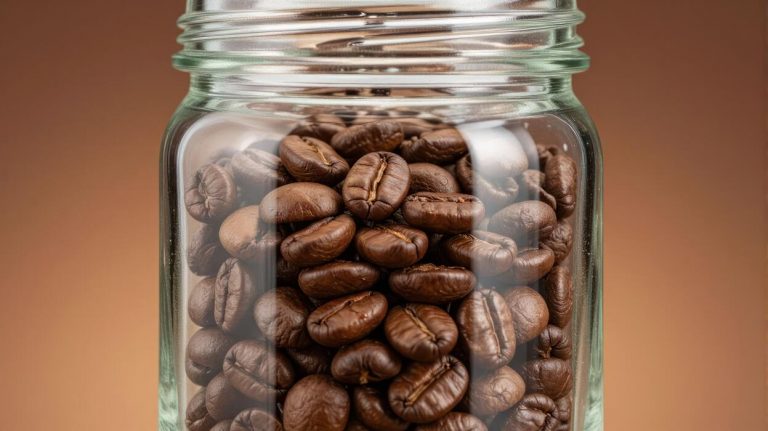
When choosing beans for black cold coffee, your roast preference determines the final flavor landscape of your brew. Light roast beans are excellent for those who enjoy tea-like clarity, offering vibrant floral notes and bright acidity that shine through the cold extraction process.
These beans preserve the unique characteristics of their origin, making them ideal for high-quality single-origin selections. Conversely, dark roast beans are the traditional choice for cold brew enthusiasts because they provide a robust, chocolatey foundation with low acidity and deep smoky undertones.
The long steeping time mellows out the inherent bitterness of darker roasts, resulting in a velvety, full-bodied drink that feels incredibly rich on the palate.
If you are just starting your home brewing journey, a medium-dark roast often provides the best of both worlds, offering enough complexity to be interesting while maintaining a smooth, approachable finish that requires no milk or sugar to enjoy thoroughly.
Why freshly ground beans matter
The secret to café-quality black cold coffee at home lies in the volatile oils and aromatic compounds trapped within the bean. To achieve the best results, you must grind your beans immediately before brewing to prevent oxidation, which rapidly degrades the flavor profile and leads to a stale, flat taste.
Pre-ground coffee loses its peak freshness within minutes of being exposed to air, whereas whole bean coffee acts as a natural protective vault for the delicate flavor precursors.
When you grind fresh, you ensure that the natural sweetness and nuanced aromas are fully transferred into the water during the extended steeping period.
Investing in a reliable burr grinder is the most significant upgrade you can make to your home setup, as it allows for uniform particle size and maximum flavor extraction.
By prioritizing freshness, you will notice a significant reduction in bitterness and a much cleaner, more vibrant cup of cold coffee that highlights the true potential of your chosen roast.
The ideal grind size for cold brewing
Achieving the correct grind size is critical because cold coffee extraction relies on time rather than heat to pull flavor from the grounds. For black cold coffee, you should always aim for a coarse grind size, similar in texture to kosher salt or sea salt.
If the grind is too fine, the water will over-extract the coffee, resulting in a muddy, excessively bitter beverage that is difficult to filter.
A consistent coarse grind allows the water to flow freely around the particles, facilitating a slow and gentle extraction that highlights the bean’s sweetness without pulling out harsh tannins. This specific texture also makes the final filtration process much easier, ensuring your black coffee remains crystal clear and sediment-free.
Using a coarse setting prevents the brew from becoming over-saturated or overly acidic during the typical twelve to twenty-four hour steeping window. Mastering this technical element is the final step in producing a balanced, refreshing glass of cold coffee that rivals your favorite local specialty shop.
How to make cold brew coffee at home

Step-by-step cold brew instructions
To craft a smooth glass of black cold coffee, start by coarsely grinding your favorite dark roast beans until they resemble the texture of sea salt. This specific grind size is crucial because it prevents the final brew from becoming overly bitter or cloudy.
Place the grounds into a clean glass jar or a dedicated cold brew maker, then slowly pour filtered water over them to ensure every particle is fully saturated. Gently stir the mixture with a long spoon to break up any dry clumps that might hinder extraction.
Once combined, cover the container tightly and let it sit at room temperature or in the refrigerator. After the steeping process is complete, filter the concentrate through a fine-mesh sieve followed by a paper coffee filter to remove all sediment.
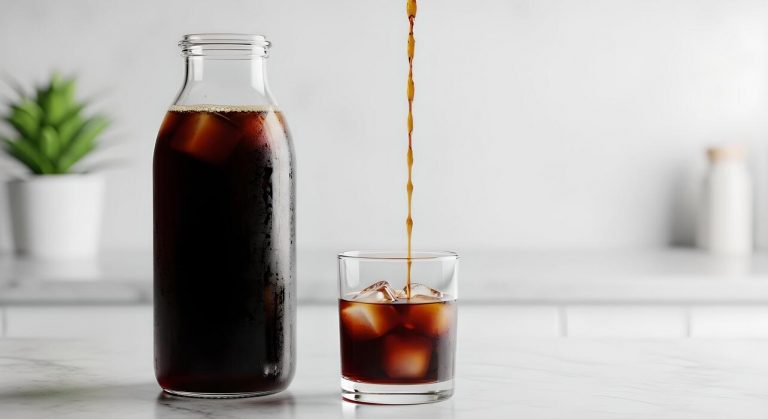
The resulting liquid is a clean, flavorful base that can be diluted with fresh ice or water for a refreshing and bold caffeine kick anytime.
The perfect coffee-to-water ratio
Achieving the ideal balance in your black cold coffee depends heavily on using a standard ratio of 1:4 or 1:5 for a strong concentrate. For instance, mixing one cup of coffee grounds with four cups of filtered water creates a robust foundation that holds up well when poured over ice.
If you prefer a lighter, ready-to-drink version that does not require further dilution, a ratio of 1:8 is often recommended by professional baristas. Using high-quality filtered water is essential, as tap water minerals can sometimes interfere with the delicate chocolatey and nutty notes typical of cold-steeped beans.
Keep in mind that measuring by weight using a digital scale provides the most consistent results, ensuring your morning cup tastes exactly the same every single time.
Adjusting these proportions slightly allows you to customize the strength to your personal palate, making it easy to create a professional-grade beverage in your own kitchen without needing expensive equipment or complex techniques.
How long to steep your coffee
Patience is the secret ingredient when making black cold coffee, as the extraction process relies on time rather than heat. For the best flavor profile, you should steep your coffee for 12 to 18 hours at room temperature.
If you prefer to keep your brewing vessel in the refrigerator, you may need to extend the steeping time to 24 hours to compensate for the slower extraction rate in cold environments.
Leaving the grounds in for too long, such as beyond 24 hours, can lead to over-extraction, which introduces unwanted woody or bitter flavors that mask the natural sweetness of the beans. Conversely, pulling the brew too early will result in a weak, acidic liquid that lacks body.
Once the timer hits the sweet spot, immediately strain the grounds to stop the brewing process. This careful timing ensures a low-acid, velvety smooth concentrate that stays fresh in the fridge for up to two weeks, providing you with a convenient and delicious caffeine source.
How to make Japanese style flash-chilled coffee

Equipment needed for flash brewing
To master Japanese-style flash-chilled coffee at home, you need specific tools to ensure precision and clarity. Start with a high-quality pour-over dripper such as a Hario V60 or a Kalita Wave, which allows for controlled extraction.
You will also need paper filters to remove oils and sediment, resulting in the clean profile that defines this method. A digital scale is non-negotiable because you must measure both coffee grounds and water to the gram for consistency.
A gooseneck kettle helps you manage the flow rate, ensuring you do not over-extract during the shorter brewing cycle. Finally, you need a sturdy glass carafe or server capable of holding the ice without cracking from thermal shock.
By assembling these specific components, you create a controlled environment where hot coffee can transform instantly into a refreshing beverage. This hardware setup bridges the gap between traditional hot brewing and modern cold coffee techniques, providing a professional result in your own kitchen.
Calculating ice displacement
The secret to perfect flash-brewed coffee lies in the ratio of hot water to ice, typically following a 60:40 or 50:50 split of the total liquid weight.
If your recipe calls for 500g of total water, you should use approximately 300g of hot water and 200g of ice placed directly in the carafe. This displacement is crucial because the hot coffee must be concentrated enough to withstand the immediate dilution as it melts the ice.
Using a finer grind size than usual helps compensate for the reduced amount of brewing water, ensuring you still extract the necessary solids and flavors. Always weigh your ice before starting the brew to maintain the integrity of your brew ratio.
As the hot liquid hits the frozen cubes, it reaches an instantaneous equilibrium, locking in the strength of the coffee while lowering the temperature to a drinkable chill. Mastering this mathematical balance prevents your black cold coffee from tasting watery or underwhelming.
Why this method preserves acidity
Unlike traditional cold brew, which steeps grounds for hours and often results in a mellow, chocolatey profile, flash brewing captures vibrant acidity through hot water extraction. The high temperature of the water effectively dissolves the organic acids and aromatic oils that provide fruity and floral notes.
By dripping this hot concentrate directly onto ice, you arrest the oxidation process and prevent the volatile compounds from evaporating into the air. This rapid cooling ‘flashes’ the flavor profile into a stable state, maintaining the bright, crisp characteristics that make specialty beans so unique.
This method is particularly effective for light to medium roast African beans, where the citrus and berry undertones can shine without being muted by long immersion times.
You end up with a glass of black coffee that tastes like a chilled version of a perfect hot pour-over, offering a complex sensory experience that is far superior to simply putting old, room-temperature coffee into a refrigerator.
Quick ways to make iced black coffee
Using an AeroPress for instant cold coffee
The AeroPress is arguably the most efficient tool for creating a concentrated coffee base that stands up to ice without becoming watery. To start, place a paper filter in the cap and rinse it to remove any papery taste.
Use the inverted method by flipping the AeroPress upside down to allow for a longer steep time. Add two rounded scoops of fine-ground coffee and pour in hot water just off the boil, filling it about halfway. Stir gently for ten seconds and let it steep for exactly one minute.
Secure the cap, flip the device over a sturdy glass filled to the brim with large ice cubes, and plunge with steady pressure. The intense pressure extracts a rich, espresso-like concentrate that chills instantly upon contact with the ice.
This method ensures your black coffee remains bold and flavorful rather than diluted. For the best results, use filtered water and fresh beans to highlight the bright acidity and clean finish that the AeroPress is famous for providing.
Making iced coffee with a French Press
A French Press is ideal for those who prefer a full-bodied iced black coffee with a textured mouthfeel. Begin by adding coarse coffee grounds to the carafe, using a higher coffee-to-water ratio than you would for hot service.
Pour half the volume of hot water over the grounds, ensuring they are fully saturated, and let it bloom for thirty seconds before adding the remaining water. After a total steep time of four minutes, press the plunger down slowly to separate the grounds.
Instead of pouring this hot liquid directly onto ice, which causes immediate melting and dilution, it is best to pour the brewed coffee into a separate glass pitcher first.
Allow it to sit at room temperature for a few minutes or use a cocktail shaker with ice to flash-chill the liquid quickly. Serving over freshly frozen coffee cubes is a professional secret that prevents the drink from losing its strength as you sip.
This immersion technique produces a robust profile that stays satisfyingly dark and rich.
How to use a standard drip machine for iced drinks
You can easily adapt your everyday drip coffee maker to produce high-quality iced black coffee by utilizing the pour-over ice technique. The key is to brew at double strength to account for the melting ice.
Start by filling your coffee carafe halfway with ice cubes before you begin the brewing cycle. Measure out the full amount of coffee grounds you would normally use for a full pot, but only use half the amount of water in the reservoir.
As the hot, concentrated coffee drips directly onto the ice, it undergoes a rapid cooling process that locks in the delicate aromatics and flavors often lost in slow-cooling methods.
This flash-chill approach results in a crisp, bright beverage that is much more vibrant than coffee that has been sitting in the fridge.
Once the cycle finishes, give the carafe a quick swirl to ensure all the ice has tempered the heat, then pour the chilled liquid into a fresh glass. This method is perfect for making large batches of refreshing black coffee quickly.
Essential tools for home brewing

Best glass jars and carafes
To begin your journey of making black cold coffee at home, selecting the right vessel is the foundational step for successful steeping.
A large mason jar or a dedicated glass carafe is ideal because glass is non-reactive and does not impart unwanted metallic or plastic flavors into your brew during the long extraction process.
Look for a container with a wide-mouth opening, which makes it significantly easier to pour in coarse coffee grounds and stir them thoroughly to ensure even saturation.
A tight-sealing lid is also essential to prevent your coffee from absorbing odors from other items in your refrigerator, such as onions or leftovers.
If you plan on brewing large batches to last the entire week, a two-quart glass pitcher provides ample space for both the grounds and the water volume required.
Using transparent glass also allows you to visually monitor the color intensity, helping you gauge the strength of your concentrate before you decide to strain it for final consumption.
Filtering methods for a clean cup
Achieving a smooth, sediment-free black cold coffee requires a reliable filtering strategy to remove fine particles after the steeping period.
A fine-mesh stainless steel strainer is a great initial tool for removing larger grounds, but for a truly crisp and polished finish, passing the liquid through a paper coffee filter or a nut milk bag is highly recommended.
Paper filters are particularly effective at trapping oils and micro-sediment that can cause bitterness or a cloudy appearance in your drink. If you prefer a more sustainable approach, a reusable cotton cloth filter offers a middle ground, providing a heavy body without the grit.
For those using a French press for cold brew, remember to plunge slowly and consider a secondary pour through a pour-over dripper to catch any remaining silt.
This double-filtration method ensures that your homemade cold coffee remains refreshing and clean on the palate, allowing the subtle floral or nutty notes of the beans to shine through without any muddy texture.
Digital scales and timers
Precision is the secret to moving from an average cup to a professional-grade black cold coffee, making digital scales and timers indispensable tools. Using a scale allows you to measure your coffee-to-water ratio by weight rather than volume, which is far more accurate since different roasts have varying densities.
A standard 1:8 ratio of coffee to water is a perfect starting point for a concentrate, and a scale ensures you hit this mark every single time for consistent flavor profiles.
Simultaneously, a digital timer or a simple smartphone clock is vital for tracking the extraction duration, which typically ranges between 12 to 24 hours. Over-steeping can lead to a woody or overly bitter taste, while under-steeping results in a weak, sour liquid.
By documenting your exact measurements and the total steep time, you can easily adjust your recipe for future batches. This scientific approach removes the guesswork, ensuring that your home-brewed cold coffee is perfectly balanced, flavorful, and exactly to your personal strength preference every morning.
Tips for better tasting black cold coffee
Using filtered water for better flavor
Since black cold coffee is composed of approximately ninety-eight percent water, the quality of your tap source significantly dictates the final profile of your beverage.
Using filtered water is the single most effective way to eliminate harsh chemical undertones like chlorine or heavy metallic minerals that often mask the delicate notes of high-quality coffee beans.
When you use a reliable filtration system at home, you ensure a clean canvas that allows the natural sweetness and acidity of the roast to shine through without interference. This is particularly vital for cold brewing methods where the long extraction time can amplify any off-flavors present in unfiltered water.
By prioritizing purified water, you prevent the bitterness associated with hard water buildup and achieve a smoother, more refreshing finish.
Investing in a simple pitcher filter or an under-sink system will immediately elevate your home brewing game, resulting in a professional-grade cup that rivals your favorite local cafe’s signature offerings every single morning.
How to make coffee ice cubes
One of the biggest challenges when enjoying black cold coffee is preventing dilution as the ice melts. To solve this, you should start making coffee ice cubes by freezing extra batches of your favorite brew in standard silicone trays.
Simply take any leftover room-temperature coffee and pour it into the molds, ensuring you leave a little space at the top for expansion during the freezing process.
Once these cubes are solid, they serve as the perfect cooling agent that actually strengthens your drink as time passes rather than watering it down. For an extra layer of flavor, you can even infuse your ice cubes with a cinnamon stick or a drop of vanilla extract before freezing.
This technique ensures that your last sip is just as bold and flavorful as your first.
By keeping a steady supply of these frozen treats in your freezer, you can quickly transform a lukewarm brew into a chilled masterpiece without sacrificing the integrity of the original strength or the complex flavor profile.
Storing your coffee to keep it fresh
Proper storage is essential for maintaining the vibrant characteristics of your black cold coffee after the initial brewing process is complete. To maximize longevity, you should always store your finished concentrate or ready-to-drink coffee in an airtight glass container within the refrigerator.
Glass is superior to plastic because it does not leach odors or flavors that could compromise the taste of your brew over several days.
It is important to minimize the amount of oxygen in the container, so try to use a jar that fits the volume of coffee you have produced. Most cold brews will remain delicious for up to seven to ten days if kept consistently cold and sealed.
However, for the absolute best experience, aim to consume your coffee within a week to enjoy the peak aromatic qualities.
Avoid leaving the container on the counter for extended periods, as temperature fluctuations can cause the oils to oxidize rapidly, leading to a sour or stale taste that ruins the smooth experience of a well-crafted cold coffee.
Common mistakes when making cold coffee
How to fix bitter or sour coffee
One of the most frequent errors when preparing black cold coffee at home is using the wrong grind size or extraction time, which leads to unpleasant flavors.
If your coffee tastes overly bitter, you are likely over-extracting the beans; try using a coarser grind similar to sea salt to slow down the release of harsh tannins. Conversely, if the coffee tastes sour or thin, it is under-extracted.
You can fix this by extending the brewing time for cold brew or ensuring your water temperature is high enough if using the flash-chilled method. Additionally, always use filtered water to ensure a clean taste profile, as tap water minerals can clash with the natural acidity of the beans.
By balancing the ratio of coffee grounds to water and adjusting your steep time, you can achieve a smooth, naturally sweet cup that highlights the bean’s origin without needing any added sweeteners or dairy products to mask mistakes.
Avoiding watery or diluted drinks
A common disappointment when making iced black coffee is ending up with a weak, translucent liquid that lacks body. To prevent this, you should avoid pouring hot coffee directly over standard ice cubes, which melt instantly and thin out the brew.
Instead, use the flash-brew method by calculating exactly how much ice will melt and subtracting that volume from your brewing water to maintain a concentrated coffee ratio.
Another professional tip is to create coffee ice cubes by freezing leftover coffee in trays; as these melt, they actually add more flavor to your drink rather than diluting it.
If you prefer cold brew, ensure you are making a strong concentrate with a 1:4 or 1:5 ratio, which allows you to add ice or a splash of water later without losing the robust profile.
This careful management of the ice-to-coffee ratio ensures that your last sip is just as bold and flavorful as the very first one.
Temperature mistakes during the brewing process
Temperature control is the most critical variable when aiming for a cafe-quality black cold coffee at home. A frequent mistake is using boiling water for flash-chilled coffee, which can scorch the delicate oils and result in a burnt aftertaste.
Aim for a water temperature between 195°F and 205°F to extract the best aromatics before the coffee hits the ice. For cold brew enthusiasts, a major error is brewing in a location that is too warm, which can lead to oxidation and a stale flavor.
Always steep your cold brew at room temperature or in the refrigerator to keep the environment stable and controlled.
Furthermore, never leave your finished coffee sitting out at room temperature for too long after the brewing process is complete; instead, transfer it to an airtight glass container and refrigerate it immediately.
This preservation of temperature helps maintain the bright, crisp notes of the coffee and prevents the development of muddy flavors over time, ensuring a refreshing experience.
Frequently Asked Questions
What is the easiest way to make black cold coffee at home?
The simplest method is to brew a strong cup of hot black coffee using your preferred method and pour it over a glass full of ice. To prevent dilution, consider using coffee ice cubes or brewing the coffee at double strength before adding ice.
How do I make black cold brew coffee?
Coarsely grind your favorite coffee beans and steep them in room temperature filtered water for 12 to 24 hours. Strain the mixture through a fine-mesh sieve or paper filter to create a smooth, low-acidity concentrate that can be diluted with cold water.
Can I make black cold coffee using instant coffee?
Yes, you can quickly make iced black coffee by dissolving 1-2 teaspoons of instant coffee granules in a small amount of warm water. Once dissolved, fill the rest of the glass with cold water and ice for an instant refreshment.
How can I prevent my iced black coffee from tasting watery?
To avoid a watery taste, brew your coffee at a higher concentration than usual to account for the melting ice. Alternatively, allow your hot coffee to cool to room temperature or chill it in the refrigerator before pouring it over ice.
What are the best coffee beans for black cold coffee?
Medium to dark roasts are generally preferred for cold coffee as they provide bold, chocolatey, and nutty notes that hold up well when chilled. However, light roasts can offer a refreshing, tea-like experience with bright citrus notes when brewed as cold brew.
Should I sweeten black cold coffee?
While traditional black cold coffee is served unsweetened, you can add simple syrup or liquid sweeteners if you prefer. Since granulated sugar does not dissolve well in cold liquids, a liquid sweetener ensures a consistent flavor throughout the drink.
Conclusion
Mastering the art of black cold coffee at home is a rewarding journey that elevates your daily caffeine routine. By choosing high-quality beans and experimenting with brewing methods like cold brew or the flash-chilled technique, you can unlock incredible flavor profiles without the bitterness. Start brewing today and enjoy a refreshing, professional-quality drink right in your kitchen.