How To Make American Iced Coffee
Making a refreshing glass of American iced coffee at home is easier than you think, and it certainly beats waiting in line at a cafe. Whether you prefer the bold kick of a flash-brewed pour-over or the simplicity of chilling your favorite drip coffee, we have the perfect solution for you. This guide will show you exactly how to make American iced coffee quickly using simple tools you already own. Let’s get brewing so you can enjoy that crisp, caffeine fix.
What is American iced coffee?
The difference between iced coffee and cold brew
To understand how to make American iced coffee, you must first distinguish it from cold brew. While cold brew involves steeping grounds in room temperature water for up to twenty-four hours, the American method relies on rapid heat extraction.
You begin by brewing a standard pot of drip coffee or a pour-over using hot water, which effectively pulls out the bright acidity and nuanced aromatic oils that cold water often misses.
Once the hot extraction is complete, the coffee is immediately cooled, usually by pouring it over a large volume of ice or refrigerating it quickly. This temperature shock preserves the traditional flavor profile while making it refreshing.
Because hot water is used, the process is significantly faster, allowing you to enjoy a crisp beverage in minutes rather than waiting an entire day.
Mastering this distinction is the first step toward achieving that classic, sharp coffee taste found in cafes across the United States, providing a clean finish that differs from the heavy, chocolatey profile of cold-steeped alternatives.
Key characteristics of the American style
The quintessential American iced coffee is defined by its light body and high clarity, achieved through paper filtration and specific dilution techniques. When learning how to make this style, the most important characteristic to manage is the melting ice.
To prevent a watery result, you should brew at double strength by using twice the amount of coffee grounds for the same amount of water. This creates a concentrated hot base that maintains its structural integrity even as it melts the ice cubes upon contact.
The result is a balanced beverage that highlights the bean’s natural sweetness and floral notes. Traditionally served in a tall glass, it is often customized with a splash of cream or simple syrup, but the base should always remain translucent and vibrant.
By focusing on the ratio of coffee to ice, you ensure that the final drink is bold enough to stand up to melting, providing a consistent experience from the first sip to the very last drop without losing its caffeine punch or flavor depth.
Why freshly brewed coffee matters
Quality is paramount when making American iced coffee, and the secret lies in using freshly roasted and ground beans. Because the drink is served cold, any stale or bitter notes from old coffee become much more apparent on the palate.
To get the best results, you should grind your beans immediately before brewing to ensure the volatile organic compounds are at their peak. Hot water extraction acts as a magnifying glass for flavor; therefore, using high-quality Arabica beans will yield a superior iced drink compared to pre-ground varieties.
Furthermore, the flash-chilling process captures the immediate freshness of the brew, locking in the delicate top notes that disappear if the coffee sits out for too long. Always aim to pour your hot coffee over ice while it is still steaming to catch that peak flavor profile.
This commitment to freshness ensures a crisp, invigorating beverage that tastes far better than leftover morning coffee that has been sitting in a pot. Investing in fresh ingredients is the most effective way to elevate your homemade iced coffee to professional standards.
Essential tools and ingredients you need
Choosing the right coffee beans
To craft the perfect American iced coffee, start by selecting medium to dark roast coffee beans that can stand up to dilution. Unlike hot coffee, iced variations require a robust flavor profile that won’t disappear when the ice begins to melt.
Look for beans with chocolatey, nutty, or caramel undertones, as these flavor notes translate beautifully into a cold format. Avoid extremely light roasts which may taste overly acidic or sour when chilled.
For the freshest results, always purchase whole beans and grind them just before brewing to preserve the volatile oils and aromatic compounds. A medium-coarse grind is generally ideal for most standard drip or pour-over methods used in this process.
Consider beans sourced from Central or South America, as they typically offer the balanced body needed for a refreshing, crisp finish. High-quality, fresh-roasted beans are the foundational element that distinguishes a professional-grade beverage from a mediocre one made at home.
Best brewing equipment for home use
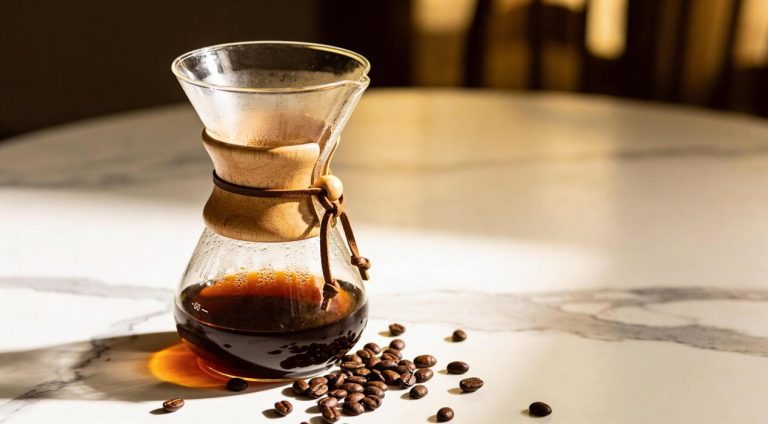
The most efficient way to make American iced coffee at home is using a standard drip coffee maker or a pour-over dripper like a V60. These tools allow you to perform the ‘flash brew’ or Japanese method, which involves brewing hot coffee directly over a vessel filled with ice.
You will also need a reliable kitchen scale to ensure the ratio of water to ice is perfectly balanced; typically, you replace half of the brewing water with ice cubes.
A conical burr grinder is essential for achieving the consistent particle size required for even extraction, preventing your coffee from tasting bitter or weak. If you prefer a smoother, less acidic profile, a large glass carafe or pitcher is necessary for storing the concentrated brew.
Having a long-handled stirring spoon helps incorporate any sweeteners or milk alternatives evenly throughout the chilled liquid. Investing in these basic tools ensures that your home setup produces consistent, cafe-quality results every single morning without fail.
Water quality and ice requirements
Since coffee is over 98% water, using filtered or bottled spring water is non-negotiable for a clean, crisp taste. Tap water often contains chlorine or minerals that can distort the delicate flavors of your chosen beans. Equally important is the quality and quantity of your ice.
For the best experience, use large, solid ice cubes made from filtered water; small or thin ice shavings melt too quickly, leading to a watery and unappealing drink.
Ensure you have enough ice to fill your glass to the brim before pouring the hot coffee over it, as this rapid chilling locks in the aromatics and prevents the brew from becoming lukewarm.
If you want to take your drink to the next level, consider making coffee ice cubes by freezing leftover coffee in a tray. This clever hack ensures that as the ice melts, it only adds more coffee flavor rather than diluting your beverage.
Proper temperature management through high-quality ice is the secret to a professional finish.
How to make American iced coffee step-by-step

Brewing a concentrated hot base
To begin the process of making authentic American iced coffee, you must first focus on brewing a concentrated hot base. Unlike traditional hot coffee, this method requires using double the amount of coffee grounds for the same volume of water.
This creates a high-strength extraction that can withstand the melting ice without becoming watery or thin. Start by selecting a medium to dark roast with chocolatey or nutty notes, as these profiles tend to hold their flavor best when served cold.
Use a standard drip machine, pour-over, or French press, but ensure you are using freshly filtered water heated to approximately 200 degrees Fahrenheit. By maximizing the coffee-to-water ratio during this initial stage, you ensure that the final beverage maintains a bold and robust profile.
This concentrated foundation is the essential secret to achieving a professional-grade result that mimics the quality of your favorite local cafe while allowing for full control over the final strength of your drink.
The flash-chilling technique
The defining characteristic of American iced coffee is the flash-chilling technique, which involves cooling the hot coffee rapidly to preserve its bright acidity and aromatic oils. Once your concentrated brew is ready, you should immediately transfer it into a heat-resistant glass or metal pitcher.
If you have the time, you can let it sit for a few minutes, but for the best flavor preservation, you should move quickly to reduce the temperature.
Many experts recommend stirring the hot liquid vigorously while it is placed in an ice bath or simply allowing it to cool slightly before it touches the ice.
This rapid temperature drop prevents the coffee from developing a bitter or oxidized taste that often occurs when hot coffee sits out for too long.
By prioritizing a fast cooling process, you lock in the intricate flavor notes of the beans, resulting in a crisp and refreshing finish that is far superior to simply pouring leftover morning coffee over a few ice cubes.
Diluting and serving over ice
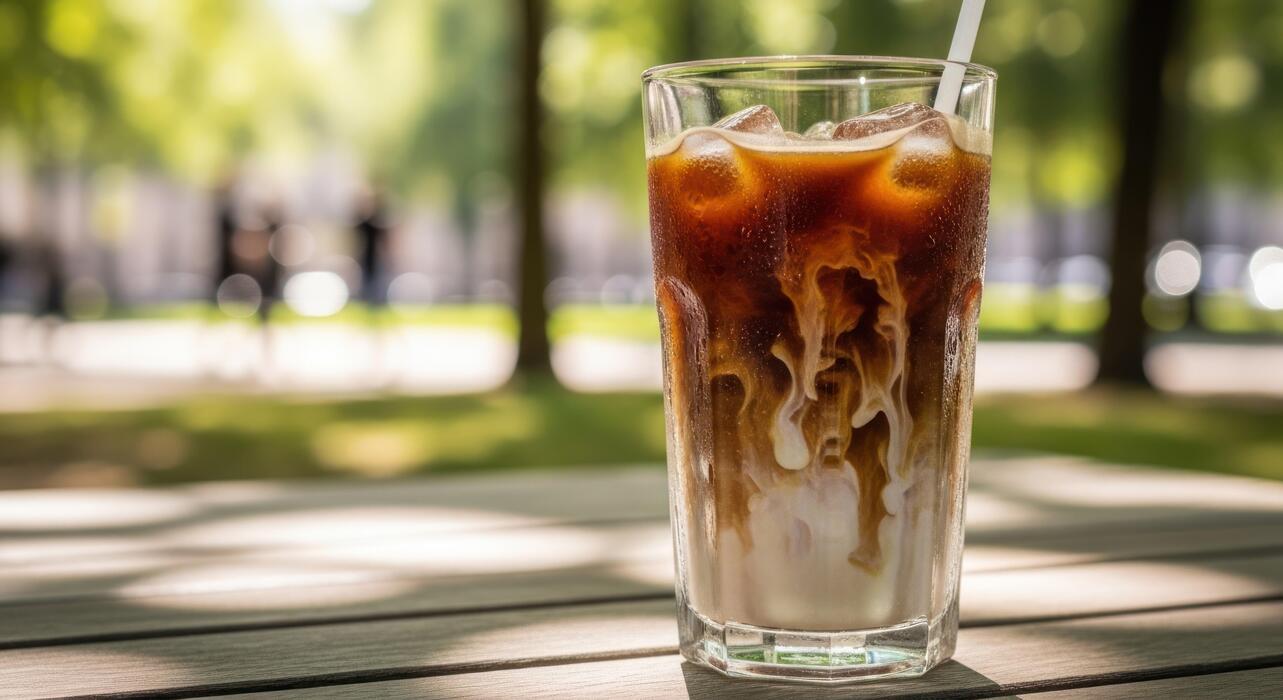
The final stage involves diluting and serving over ice to reach the perfect drinking consistency. Fill a tall glass to the brim with large, solid ice cubes, which melt slower than crushed ice and prevent premature dilution.
Slowly pour your concentrated, flash-chilled coffee over the ice, leaving about an inch of space at the top for customizations. At this point, the ice will slightly melt, naturally balancing the strength of your concentrated base to create a smooth and drinkable texture.
You can now enhance your beverage by adding cold milk, heavy cream, or simple syrup depending on your personal preference. For a truly professional touch, consider using coffee ice cubes made from frozen brew to ensure your drink never gets watered down even on a hot day.
Stir the mixture gently with a long spoon to ensure an even temperature throughout the glass. Your American iced coffee is now ready to be enjoyed, offering a perfectly balanced caffeine kick that is both invigorating and delicious.
Best ways to sweeten your drink
How to make simple syrup at home
One of the most effective ways to sweeten American iced coffee is by preparing a homemade simple syrup, as granulated sugar often fails to dissolve in cold liquids. To create this essential sweetener, combine equal parts of granulated white sugar and water in a small saucepan over medium heat.
Stir the mixture constantly until the sugar completely dissolves and the liquid becomes perfectly clear. Once it reaches a simmer, remove it from the heat and let it cool to room temperature before transferring it to a glass bottle.
Using simple syrup ensures a consistent sweetness throughout the drink without any gritty residue settling at the bottom of your glass. You can easily adjust the sweetness level of your iced coffee by adding one tablespoon at a time.
For those who prefer a richer profile, try a rich simple syrup using a two-to-one sugar-to-water ratio. This homemade solution is a professional-grade technique that elevates the texture and flavor of your daily caffeine fix effortlessly.
Using natural sweeteners and honey
If you are looking for a more wholesome alternative to refined sugar, natural sweeteners like honey, agave nectar, or maple syrup provide unique flavor profiles for your American iced coffee.
Because honey and agave are thicker than standard syrups, the best method is to whisk them into the hot espresso or concentrated coffee before adding ice. This ensures the sweetener integrates fully rather than clumping at the bottom.
Maple syrup is particularly effective for cold drinks because it dissolves easily and adds a subtle, woody sweetness that pairs beautifully with darker roasts. For a zero-calorie option, stevia or monk fruit drops can be used, but be mindful of their potency; a little goes a long way.
These natural choices not only provide the desired sweetness but also introduce complex floral or earthy undertones that enhance the natural characteristics of the coffee beans. Experimenting with these options allows you to customize your beverage while maintaining a focus on high-quality, minimally processed ingredients.
Flavoring with vanilla or caramel
To replicate a cafe-style experience at home, flavoring your American iced coffee with vanilla or caramel adds an indulgent layer of sophistication. You can easily transform your basic simple syrup by adding a teaspoon of pure vanilla extract or a split vanilla bean during the cooling process.
This creates a fragrant, aromatic sweetener that complements the acidity of the coffee. Alternatively, incorporating homemade or store-bought caramel sauce provides a buttery, toasted flavor that balances the bitterness of a strong brew.
When using thick sauces, it is helpful to drizzle the caramel along the inside of the glass before pouring in your coffee and ice for a visually appealing and well-distributed flavor.
For a more subtle approach, consider adding a pinch of sea salt to your caramel-sweetened coffee to enhance the depth of the sweetness.
These flavorings allow you to move beyond basic sugar, offering a customized gourmet beverage that rivals expensive coffee house drinks while giving you total control over the ingredients used.
Tips for perfect flavor balance

How to prevent watery coffee
One of the most common frustrations when learning how to make American iced coffee is ending up with a diluted, flavorless mess as the ice melts. To prevent watery coffee, you must account for the inevitable melting by brewing your coffee at double strength.
This method, often called the flash-chill technique, ensures that when the hot concentrate hits the ice, the resulting dilution creates a perfectly balanced beverage rather than a weak one. Additionally, you should always chill your coffee in the refrigerator for at least thirty minutes before pouring it over fresh ice.
This temperature reduction minimizes the initial thermal shock that causes rapid melting. Using large, dense ice cubes rather than crushed ice will also slow down the dilution process significantly because they have less surface area exposed to the liquid.
By focusing on temperature control and concentration, you can maintain that bold, robust flavor from the first refreshing sip until the very last drop in your glass.
Using coffee ice cubes
A professional secret for achieving the perfect flavor balance is to swap standard water-based ice for specialized coffee ice cubes. To create these, simply brew an extra pot of your favorite blend, let it cool to room temperature, and pour it into silicone ice trays.
As these cubes melt into your drink, they actually reinforce the coffee flavor rather than stripping it away. This is particularly helpful if you enjoy sipping your iced coffee slowly over an hour or more.
You can even get creative by infusing the cubes with vanilla or cinnamon before freezing to add subtle layers of complexity to your drink as time passes.
Many enthusiasts find that using coffee cubes allows them to use a standard brew strength instead of a concentrate, offering more flexibility in their morning routine.
This simple preparation step ensures your American iced coffee remains consistently rich and aromatic, effectively eliminating the deadline imposed by melting water ice and providing a premium cafe-quality experience at home.
Adjusting the coffee-to-water ratio
Mastering the coffee-to-water ratio is the final pillar of a perfect flavor profile. For a standard hot brew, a 1:16 ratio is common, but for a superior iced version, you should aim for a 1:8 or 1:10 ratio to compensate for the ice.
Using a digital scale to measure your coffee grounds by weight rather than volume will provide the most consistent results, ensuring your drink isn’t overly bitter or unpleasantly sour.
If you find the result too intense, you can easily adjust the balance with a splash of milk or a touch of simple syrup, which integrates more smoothly into cold liquids than granulated sugar.
Remember that the roast level matters; a darker roast often holds up better against ice and sweeteners than a light roast. By fine-tuning these measurements, you create a sturdy foundation that allows the natural notes of the bean to shine through.
Consistent experimentation with your ratios will eventually lead you to the exact strength that satisfies your personal palate every single time.
Popular variations and milk options
Adding dairy and plant-based milks
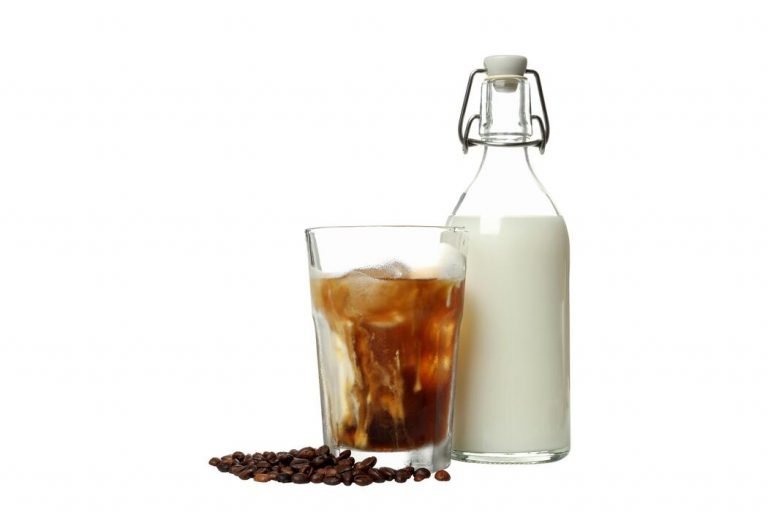
To elevate your standard American iced coffee, selecting the right whitener is essential for balancing the natural acidity of the beans. Traditionalists often prefer whole milk or heavy cream because the high fat content creates a velvety mouthfeel that rounds out the sharp notes of a dark roast.
However, plant-based alternatives have become incredibly popular due to their unique flavor profiles. Oat milk is a top choice for iced coffee because it mimics the creaminess of dairy and does not curdle when hitting the cold liquid.
If you prefer a nuttier undertone, unsweetened almond milk provides a light, crisp finish that keeps the beverage refreshing. When adding your chosen milk, always pour it in last to witness the beautiful marbling effect.
For the best integration, ensure your coffee is stirred thoroughly with any sweeteners before adding the cold milk, as this prevents granules from settling at the bottom of the glass while ensuring a consistent flavor throughout.
Making an iced caffe americano
While many people use the term interchangeably with standard iced coffee, a true iced Caffe Americano is specifically crafted by combining fresh espresso shots with cold water.
To master this variation, start by filling a large glass with plenty of ice to ensure the drink stays chilled as the hot espresso is introduced. Pull two shots of high-quality espresso and pour them directly over the ice, then immediately top the glass with filtered cold water.
This specific order of operations is vital because it helps preserve the crema—the golden froth on top of the espresso—which contributes a rich aroma and complex flavor profile that standard drip coffee lacks.
Because an Americano is more diluted than a straight shot but more intense than filtered coffee, it provides a robust caffeine kick with a clean finish.
You can adjust the water-to-espresso ratio to suit your strength preference, but a standard twelve-ounce serving usually benefits from a double shot to maintain its bold, characteristic personality.
Creating a creamy foam topper
If you want to replicate a professional coffee shop experience at home, adding a velvety cold foam topper is the ultimate solution. Unlike traditional steamed milk, cold foam is created by aerating milk without heat, resulting in a thick, cloud-like consistency that sits elegantly atop your iced coffee.
To achieve this, use a handheld milk frother or a French press to pump air into non-fat milk or a specialized barista-blend oat milk; these options typically hold bubbles better due to their protein structures.
For a gourmet twist, whisk in a splash of vanilla extract or simple syrup before frothing to create a sweet cream layer. Gently spoon the dense foam over your ice-cold Americano so it slowly cascades down into the dark coffee.
This technique not only adds a luxurious texture to every sip but also acts as a decorative element that makes your homemade beverage look sophisticated. The contrast between the bitter coffee and the sweet, airy foam creates a perfectly balanced and indulgent drinking experience.
Common mistakes to avoid
Pouring hot coffee directly on ice
One of the most frequent errors when making American iced coffee is the impulse to pour steaming hot liquid directly over a glass filled with ice cubes.
This immediate temperature shock causes the ice to flash-melt, which results in a watery, flavorless beverage that lacks the characteristic boldness of a true brew.
To avoid this dilution, you should allow your coffee to reach room temperature naturally or store it in the refrigerator for at least thirty minutes before serving.
If you are in a rush, a better strategy is to brew your coffee at a higher concentration to compensate for the inevitable melting. Using coffee ice cubes—made by freezing leftover coffee in trays—is another professional solution that ensures your drink remains robust until the very last sip.
By managing the thermal transition carefully, you preserve the delicate aromatic oils and maintain the structural integrity of the flavor profile you worked hard to extract.
Using the wrong grind size
The texture of your coffee grounds plays a pivotal role in the extraction process, and using the wrong size can lead to a bitter or sour iced coffee experience.
Many home baristas use a fine grind intended for espresso, which often leads to over-extraction and a harsh, ashy taste when served cold. For the best American iced coffee, you should aim for a medium-to-coarse grind that resembles sea salt.
This consistency allows for a cleaner filtration process and prevents fine silt from passing through the filter, which can make your iced drink look muddy. Additionally, a consistent grind size ensures that the water flows evenly through the beans, capturing the sweet and nutty notes rather than the acidic ones.
Investing in a quality burr grinder will give you the precision necessary to avoid the uneven extraction found with blade grinders. Properly ground beans result in a bright, refreshing cup that stands up well to the addition of cream or sweeteners.
Over-sweetening the brew
It is easy to overcompensate for the bitterness of cold coffee by adding too much granulated sugar, but this often leads to a gritty texture and an unbalanced flavor.
Granulated sugar does not dissolve well in cold liquids, meaning most of the sweetness ends up as undissolved sediment at the bottom of your glass. To achieve a professional result, you should switch to a simple syrup or agave nectar, which integrates seamlessly into cold beverages.
Always start with a small amount of sweetener and taste as you go, as the cold temperature can sometimes mask the true intensity of the sugar until it is too late.
Focusing on the natural sweetness of the beans by choosing a medium roast can also reduce the need for added sugars. By avoiding excessive sweeteners, you allow the complex nuances of the coffee to shine through, creating a sophisticated drink that is refreshing rather than cloying.
Remember that a balanced flavor profile is the hallmark of a perfectly crafted American iced coffee.
Frequently Asked Questions
What is the standard method for making American iced coffee?
The most common method involves brewing a strong pot of drip coffee, letting it cool to room temperature, and then pouring it over a glass filled with fresh ice. Unlike cold brew, this method uses heat to extract flavor quickly before chilling the beverage.
How do I prevent my iced coffee from tasting watery?
To avoid dilution, brew your coffee at double strength by using twice the amount of grounds for the same volume of water. Alternatively, you can make coffee ice cubes by freezing leftover coffee, ensuring your drink stays bold as the ice melts.
Can I pour hot coffee directly over ice?
While you can pour hot coffee over ice, it is better to let it sit for a few minutes or flash-chill it to prevent the ice from melting instantly and watering down the flavor. Using a cocktail shaker with ice can also chill hot coffee rapidly while creating a pleasant froth.
What is the difference between American iced coffee and cold brew?
American iced coffee is brewed hot and then chilled, resulting in a crisp, bright flavor with more acidity. Cold brew is made by steeping grounds in cold water for 12-24 hours, producing a smoother, less acidic, and more concentrated coffee profile.
When should I add sugar or cream to my iced coffee?
It is best to add granulated sugar or sweeteners while the coffee is still hot so they dissolve completely. If the coffee is already cold, use a simple syrup or liquid sweetener and add cream or milk last to achieve your desired color and consistency.
Which coffee roast is best for iced coffee?
Medium to dark roasts are generally preferred for American iced coffee because their robust flavors hold up better against dilution from ice. Roasts with nutty or chocolatey notes tend to pair exceptionally well with milk and sugar.
Conclusion
Mastering American iced coffee at home is both simple and rewarding. By choosing quality beans, perfecting your brew strength, and cooling the coffee quickly over fresh ice, you can enjoy a café-quality beverage anytime. Remember that the secret lies in balancing the dilution to maintain a bold, refreshing flavor. Now that you have the techniques, feel free to experiment with syrups and creams. Start brewing today and enjoy your perfect glass of chilled perfection.