How To Make A Pot Of Iced Coffee
If you are wondering how to make a pot of iced coffee that tastes as good as your favorite café, you have come to the right place. There is nothing more refreshing than a chilled brew, but getting the strength just right can be tricky. This guide provides a simple, foolproof method to brew a full pot without ending up with a watery mess. We will show you exactly how to balance your beans and ice for perfection.
Best Coffee Beans and Roasts for Iced Coffee
Why Dark Roast Works Best
When you are learning how to make a pot of iced coffee, selecting a dark roast is the most effective strategy for maintaining flavor integrity.
Because iced coffee is frequently diluted by melting ice cubes or the addition of cold milk and creamers, you need a bean that offers a robust, smoky profile that can cut through these additions.
Dark roasts, such as Italian or French roasts, undergo a longer heating process that develops bold chocolate and toasted nut notes while reducing bright acidity. This lower acidity is particularly beneficial for cold beverages, as it prevents the drink from tasting sour or overly sharp when served at low temperatures.
By using a dark roast for your full pot, you ensure that the final result remains rich and full-bodied, even as the ice begins to melt. Choosing these intense flavor profiles guarantees a professional-tasting beverage that mimics your favorite specialty cafe right in your own home kitchen.
The Importance of Freshly Ground Beans
To achieve a superior pot of iced coffee, you must prioritize using freshly ground beans rather than pre-ground varieties. The moment coffee beans are cracked open, they begin to oxidize and lose the volatile oils responsible for those deep, aromatic characteristics we crave.
For a large batch of iced coffee, using a burr grinder set to a medium-coarse consistency is ideal for standard drip machines. This specific texture allows for an even extraction during the brewing cycle, preventing the bitter over-extraction that often occurs with finer dust.
Freshly grinding your beans immediately before brewing ensures that the natural sweetness and aromatic complexity are preserved and transferred directly into the carafe.
Since cold temperatures can sometimes dull the nuances of coffee, starting with the highest possible oil content from fresh beans is essential for a vibrant and flavorful glass. Investing those extra few minutes into grinding will drastically improve the overall quality and freshness of every single sip you take.
Choosing Between Single-Origin and Blends
Deciding between single-origin beans and blends is a crucial step when mastering the art of the iced coffee pot. Coffee blends are often the preferred choice for iced preparations because they are specifically engineered for consistency and balance.
Roasters combine beans from different regions to create a harmonious flavor profile that remains stable even when chilled or diluted. Look for blends featuring Central and South American beans, which typically provide the classic caramel and cocoa foundations that pair perfectly with ice.
On the other hand, if you prefer a more adventurous brew, a single-origin African bean can offer surprising floral or citrus notes that sparkle when served cold. However, these can sometimes become too acidic when brewed in a standard pot.
For most home brewers, a high-quality medium-dark blend offers the most reliable results, providing a dependable and smooth experience that stands up well to both dairy and sweeteners without losing its unique character or becoming unbalanced.
The Hot Bloom Method for Maximum Flavor
How to Calculate the Coffee-to-Water Ratio
To master the hot bloom method for iced coffee, you must adjust your standard brewing math to account for immediate dilution. A standard golden ratio is typically one part coffee to sixteen parts water, but for this method, you will split your liquid volume between hot water and ice.
Aim for a 50/50 split of hot water and ice cubes by weight to ensure the final brew is perfectly balanced. For a standard 32-ounce pot, use approximately 60 grams of coffee grounds paired with 450 grams of boiling water and 450 grams of ice placed directly in the carafe.
This precision prevents a watery result because the ice is calculated as part of the total beverage weight rather than an extra addition.
Always use a digital kitchen scale for the most accurate results, as measuring by volume with spoons or cups can lead to inconsistent flavor profiles and a brew that feels either too weak or unpleasantly bitter.
Step-by-Step Brewing Instructions
Begin by placing your measured ice into the bottom of your carafe or pitcher. Position your filter and add the coffee grounds, then pour just enough 200-degree water to saturate the bed, allowing it to bloom for thirty seconds.
This initial step releases trapped gases and prepares the beans for full extraction. Slowly pour the remaining hot water in circular motions, ensuring all grounds are evenly soaked.
As the concentrated coffee drips directly onto the ice, it undergoes instantaneous flash-chilling, which locks in the volatile aromatic compounds that are often lost in traditional cooling methods. This thermal shock creates a vibrant and crisp acidity that cold brew lacks.
Once the brewing cycle finishes, give the pot a gentle swirl to melt any remaining ice and homogenize the temperature. Serve immediately over fresh ice in a glass.
This method is the fastest way to achieve a professional-quality iced beverage at home without waiting twelve hours for a slow steeping process to complete.
Why You Should Use Double the Grounds
The secret to a robust pot of iced coffee lies in the concentration of the initial extraction. Because half of your total water volume is replaced with ice, you must use a higher coffee-to-water concentration during the hot phase to avoid a thin, tea-like consistency.
Using double the grounds compared to a standard hot cup ensures that the coffee maintains its structural integrity and boldness even after the ice melts. If you use a standard amount of grounds, the melting ice will dilute the flavor molecules to the point of blandness.
By increasing the dosage, you create a powerful concentrate that is perfectly tempered by the frozen water. This technique highlights the complex flavor notes of your specific roast, whether you prefer fruity light roasts or chocolatey dark roasts.
Remember that the goal is a beverage that tastes just as strong as a hot cup, and doubling your grounds is the most effective way to provide the necessary depth and body for a refreshing finish.
How to Cool Down a Full Pot Quickly

Flash Chilling with Ice Cubes
To cool a full pot of coffee instantly, the most effective method is flash chilling, which involves pouring hot coffee directly over a measured amount of ice.
To prevent a watery result, you must brew your coffee at double strength to compensate for the dilution that occurs as the ice melts. Start by filling a large heat-safe vessel halfway with fresh ice cubes and slowly pour the hot coffee over them.
The rapid temperature drop locks in the bright, acidic notes and prevents the oxidation that often leads to a bitter taste when coffee cools slowly at room temperature.
For the best results, use large, solid ice cubes rather than crushed ice, as they melt more slowly and provide better control over the final concentration. This technique is the gold standard for cafe-quality iced coffee because it provides an immediate chill while maintaining a robust flavor profile.
Always ensure your container has extra headspace to accommodate the rising liquid level as the ice transforms into water during the cooling process.
Using a Glass Pitcher vs. Plastic
The material of your storage container plays a critical role in how quickly and safely your coffee cools down. A borosilicate glass pitcher is the superior choice for high-heat liquids because it offers excellent thermal shock resistance and does not retain odors or oils from previous brews.
Glass also tends to dissipate heat more consistently than thick plastic, allowing the liquid inside to reach a stable temperature faster. Conversely, plastic containers can sometimes warp or leach chemicals when exposed to boiling temperatures, and they often act as insulators, trapping heat inside and prolonging the cooling period.
If you must use plastic, ensure it is specifically rated as BPA-free and heat-resistant to avoid safety issues. For the fastest cooling, a metal pitcher is technically the most conductive, but it can occasionally impart a metallic tang to the coffee.
Therefore, a high-quality glass vessel remains the best balance for maintaining flavor purity and thermal efficiency while you wait for your pot of coffee to transition from piping hot to refreshingly cold.
The Fridge Cooling Timeline
If you prefer to let the refrigerator do the work, understanding the timeline is essential for food safety and flavor management.
Never place a boiling hot pot directly into the fridge, as it can raise the internal temperature of the appliance and put perishable items like milk or eggs at risk. Instead, let the pot sit on the counter for approximately fifteen to twenty minutes until it reaches a lukewarm state.
Once transferred to the fridge, a full pot typically takes three to four hours to become cold enough for serving without melting your ice immediately. To accelerate this timeline, you can place the pot in an ice water bath in the sink for ten minutes before refrigerating.
This pre-cooling step significantly reduces the workload on your fridge and ensures your coffee hits the optimal temperature zone faster. Once chilled, keep the pot tightly sealed with a lid to prevent the coffee from absorbing various refrigerator odors, which can ruin the delicate aroma of your brew over time.
Simple Ways to Sweeten Your Batch
How to Make Homemade Simple Syrup
The most effective way to sweeten a pot of iced coffee is by using a homemade simple syrup, as granulated sugar often fails to dissolve in cold temperatures, leaving a gritty residue at the bottom of your glass.
To create this essential mixer, combine equal parts water and white sugar in a small saucepan over medium heat. Stir the mixture constantly until the liquid becomes completely clear and all granules have vanished.
Once it reaches a gentle simmer, remove it from the heat immediately to avoid over-thickening the consistency. Allow the syrup to cool to room temperature before transferring it to a glass bottle for storage in your refrigerator.
This liquid sweetener integrates seamlessly into your chilled brew, ensuring every sip is perfectly balanced from top to bottom. You can also experiment with a richer ratio of two parts sugar to one part water if you prefer a thicker, more concentrated sweetness that won’t dilute your coffee’s bold profile.
Using this method is the professional secret to achieving that smooth, cafe-quality mouthfeel in every single batch you prepare at home.
Best Natural Sweeteners for Cold Drinks
If you are looking for alternatives to refined white sugar, several natural options work beautifully when making a large pot of iced coffee.
Honey and agave nectar are excellent choices because they are naturally liquid and blend more easily than solids, though honey may require a quick whisk with a splash of warm water first to prevent it from seizing in the ice.
For those who enjoy a deep, earthy complexity, pure maple syrup is a fantastic addition that complements the roasted notes of the coffee beans without being overly cloying.
Another popular choice is coconut sugar, which offers a slight hint of toasted caramel, though it is best dissolved into the hot coffee before you begin the chilling process.
For a zero-calorie option, consider using liquid stevia or monk fruit drops, which provide intense sweetness without the need for bulky syrups. These natural alternatives allow you to customize the nutritional profile of your beverage while enhancing the natural flavor characteristics of your chosen roast.
Always start with a small amount and taste as you go to find your ideal level of sweetness.
Mixing Flavors Like Vanilla and Caramel
Elevating your pot of iced coffee into a gourmet experience is easy when you master the art of mixing classic flavors like vanilla and caramel.
To infuse your batch with a professional touch, add a teaspoon of pure vanilla extract or a scraped vanilla bean directly into your simple syrup while it is still warm. This allows the floral aromas to permeate the liquid, creating a sophisticated base for your drink.
If you prefer a decadent caramel profile, you can whisk a high-quality caramel sauce into a small portion of warm coffee before mixing it into the larger cold pot to ensure even distribution.
For a truly layered taste, try combining both; the warmth of the vanilla balances the buttery sweetness of the caramel, mimicking the popular flavor profiles found in premium coffee shops.
You can also experiment with spices like cinnamon or nutmeg by steeping them in the brew to add warmth and depth. By layering these aromatic components, you transform a standard pot of coffee into a customized signature beverage that caters to your specific cravings.
Don’t be afraid to adjust ratios based on the roast intensity of your coffee beans.
Tips for Preventing Watered-Down Coffee

How to Make Coffee Ice Cubes
One of the most effective strategies for maintaining the integrity of your beverage is to replace standard water-based ice with coffee ice cubes. To do this, simply brew an extra pot of your favorite blend and let it reach room temperature before pouring it into clean silicone molds.
As these cubes melt in your glass, they release additional concentrated flavor rather than diluting the drink with excess water. This ensures your last sip is just as robust and delicious as the first one you took.
For an added flavor boost, you can even whisk in a touch of sugar or vanilla extract before freezing the cubes, which integrates sweetness seamlessly as the ice dissolves.
Using these specialized cubes allows you to enjoy a leisurely drinking experience without the pressure of finishing your beverage before the ice melts away. It is a simple yet revolutionary step that elevates a standard homemade pot into a professional-quality treat that stays bold and flavorful until the very end.
Using Cold Foam for a Creamy Texture
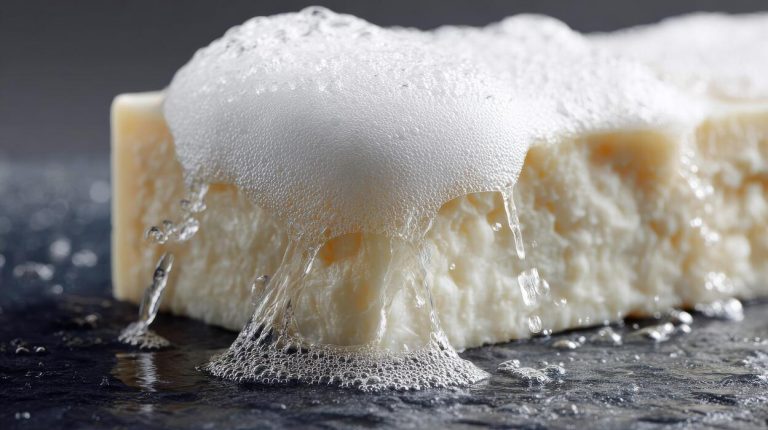
If you find that heavy liquid creamers contribute to a watery consistency, consider switching to a dense cold foam as a superior alternative. Cold foam is created by frothing non-fat or low-fat milk until it reaches a thick, cloud-like state that sits elegantly on top of your iced coffee.
Unlike traditional milk, which mixes immediately and thins out the brew, cold foam slowly incorporates into the drink, providing a rich and velvety mouthfeel without the heavy dilution. You can easily prepare this at home using a handheld frother or a French press to aerate the milk quickly.
For the best results, ensure your milk is chilled before frothing to achieve the highest volume and stability.
This technique not only improves the visual appeal of your drink but also acts as a protective flavor barrier, allowing the deep notes of the coffee to shine through while providing a creamy contrast.
It is a sophisticated way to achieve a luxurious texture while keeping your iced coffee concentrated and satisfying.
Adjusting Your Brew Strength for Dilution
The foundational secret to a perfect pot of iced coffee is doubling the amount of grounds you typically use for a hot brew.
When you pour hot coffee over ice, the immediate melting process introduces a significant volume of water that can quickly turn a standard brew into a weak, translucent liquid. By creating a highly concentrated coffee base, you are intentionally overcompensating for the inevitable melting that occurs during the cooling phase.
Aim for a ratio that feels too strong when sampled hot; this ensures that once the ice does its job, the final result is perfectly balanced and flavorful.
Additionally, try to allow the pot to cool at room temperature for at least twenty minutes before pouring it over ice to minimize the initial thermal shock. This two-step approach of increasing the dosage of coffee grounds while managing the temperature transition ensures your drink remains potent.
Mastering this ratio adjustment is the most reliable way to guarantee your homemade iced coffee rivals the intensity and body found at high-end specialty cafes.
Storage Guide for Large Batches
How Long Iced Coffee Stays Fresh
When brewing a large pot of iced coffee, understanding the timeline for peak flavor is essential for a high-quality experience. Generally, a batch of brewed coffee will maintain its optimal taste profile for three to four days when stored immediately in the refrigerator.
During this window, the nuanced notes of the bean remain intact, and the acidity stays balanced. However, after the fourth day, you may notice a significant decline in quality as the coffee begins to oxidize and lose its aromatic complexity.
If you have brewed a concentrated cold brew style, this can often last up to one full week because the extraction process is more stable.
To ensure your large batch stays fresh, always allow the hot coffee to cool to room temperature before sealing it, as trapping steam can create unwanted condensation and dilute the flavor. By tracking your brew date, you can enjoy a consistent, cafe-quality beverage every single morning without any unnecessary waste.
Best Airtight Containers for the Fridge
The vessel you choose for storing your large batch plays a critical role in preventing flavor contamination from other items in your refrigerator.
Glass pitchers with silicone seals or classic Mason jars are the gold standard for iced coffee storage because glass is non-porous and will not absorb old odors or leach chemicals into your drink.
If you are preparing a very large volume, consider using a stainless steel beverage dispenser with a built-in tap, which minimizes the coffee’s exposure to oxygen every time you pour a glass.
Avoid using cheap plastic containers, as they can retain scents from previous meals and impart a synthetic aftertaste to your delicate brew. Ensure that whatever container you select provides a completely airtight environment to stop the oxidation process in its tracks.
A narrow-necked carafe is also beneficial because it reduces the surface area exposed to air, effectively extending the shelf life of your pot of coffee while keeping it perfectly chilled and ready to serve.
Signs Your Coffee Has Gone Stale
Learning to identify when your iced coffee has passed its prime is vital for avoiding a disappointing glass. The first indicator is usually a noticeable change in aroma; fresh coffee should smell vibrant and toasted, while stale coffee often develops a flat, dusty, or unpleasantly sour scent.
Visually, you should check for any cloudiness or sediment that wasn’t there initially, as this can indicate that the oils have begun to rancidify or that the brew is breaking down.
On the palate, stale iced coffee will lose its brightness and take on a bitter, paper-like, or metallic flavor profile that lingers unpleasantly. If you notice a thin film on the surface or any unusual mold growth, discard the entire batch immediately to ensure safety.
To prevent reaching this stage, try to scale your large batch recipes to what you can realistically consume within seventy-two hours, ensuring that every sip remains as crisp, refreshing, and delicious as the moment it was first brewed and chilled.
Common Mistakes to Avoid When Making Iced Coffee
Using the Wrong Water Temperature
One of the most frequent errors when brewing a pot of iced coffee is using water that is either lukewarm or excessively hot, which can ruin the extraction process.
To achieve a balanced flavor profile, you must use near-boiling water between 195 and 205 degrees Fahrenheit during the initial brewing stage.
If the water is too cool, it fails to extract the necessary oils and acids, resulting in a sour, weak beverage that lacks the complexity of a professional brew. Conversely, boiling water can scorch the grounds, leaving a bitter aftertaste that becomes even more pronounced once the coffee is chilled.
The goal is to create a concentrated hot base that is immediately poured over ice to lock in the aromatic qualities. By monitoring your water temperature with a digital thermometer, you ensure that your iced coffee remains smooth and vibrant rather than flat or overly acidic.
Consistency in heat application is the foundation of a high-quality iced pot.
Adding Sugar to Cold Liquid
Many people make the mistake of trying to sweeten their coffee after it has already been chilled or poured over ice.
Granulated sugar does not dissolve efficiently in cold liquids, meaning you will likely end up with undissolved crystals sitting at the bottom of your pitcher rather than a perfectly sweetened drink.
To avoid this gritty texture and ensure a uniform sweetness throughout the entire pot, you should always incorporate your sweeteners while the coffee is still hot.
If you prefer to sweeten your drink later, the best solution is to prepare a simple syrup by dissolving equal parts sugar and water over heat beforehand. This liquid sweetener integrates seamlessly into cold beverages without any agitation.
By prioritizing the timing of your sweeteners, you can achieve a professional-grade consistency that enhances the natural coffee flavors. This proactive approach eliminates the frustration of a poorly mixed drink and guarantees that every single sip of your iced coffee is perfectly balanced and smooth.
Neglecting to Clean Your Coffee Maker
When making a large pot of iced coffee, the buildup of old oils and mineral deposits inside your machine can significantly distort the final taste.
Because iced coffee is often served black or lightly sweetened, residual bitterness from a dirty carafe or filter basket becomes much more noticeable to the palate.
To maintain a crisp and clean flavor, you must commit to a regular cleaning schedule that involves descaling the internal components with a vinegar solution or a specialized cleanser.
Neglecting this step allows bacteria and mold to thrive in the damp environment of the reservoir, which can lead to off-flavors that ruin even the highest quality beans. Always thoroughly rinse all removable parts after every use to prevent the accumulation of stale coffee residue.
By keeping your brewing equipment in pristine condition, you ensure that the bright, refreshing notes of your iced coffee are never overshadowed by the unpleasant metallic or burnt tastes associated with a neglected machine. Cleanliness is essential for cold brewing success.
Frequently Asked Questions
What is the best ratio for making a pot of iced coffee?
To prevent a watery brew, use double the amount of coffee grounds you would normally use for a hot pot. This creates a coffee concentrate that maintains its flavor even after being diluted by melting ice.
Can I brew hot coffee directly into a pot filled with ice?
Yes, this is known as the flash-brew method. Fill your glass or plastic carafe halfway with ice cubes before starting the brew cycle so the hot coffee chills instantly, locking in the aromatic acids and flavors.
How long does a pot of iced coffee stay fresh in the refrigerator?
A brewed pot of iced coffee can be stored in a sealed container in the fridge for up to 3 to 5 days. For the best taste, ensure the container is airtight to prevent the coffee from absorbing other food odors.
How do I prevent my iced coffee from becoming diluted?
The most effective way to avoid dilution is to make coffee ice cubes by freezing leftover coffee in an ice tray. Using these cubes instead of water-based ice ensures your drink stays strong as they melt.
What type of coffee roast works best for a pot of iced coffee?
Medium to dark roasts are generally preferred for iced coffee because they have bolder profiles that can stand up to dilution. African beans with citrus notes are also popular for a refreshing, bright iced tea-like quality.
When should I add sugar or sweeteners to the pot?
It is best to add sugar or syrups while the coffee is still hot so they dissolve completely. If the coffee is already cold, use a simple syrup or liquid sweetener to avoid undissolved granules at the bottom of the pot.
Conclusion
Mastering the art of iced coffee at home is both simple and rewarding. By choosing the right brewing method and focusing on a concentrated base, you can avoid watery results and enjoy a cafe-quality beverage. Remember to experiment with different roasts and sweeteners to find your perfect flavor profile. Now that you have the tools and techniques, it is time to start brewing.