How To Clean Coffee Stains From Metal Thermos
How to clean coffee stains from metal thermos is a common frustration, as residue can cling to stainless steel and ruin your brew’s taste. You’re in the right place—this isn’t about harsh scrubbing.
Why Coffee Stains Form on Metal Thermos Walls
Tannins and oils in coffee cause discoloration
The primary culprits behind those stubborn stains are tannins and natural oils present in coffee. Tannins are plant-based compounds that are highly pigmented, responsible for coffee’s rich color, and they readily adhere to metal surfaces.
When you brew coffee, these tannins bind with the microscopic pores of your stainless steel thermos. Additionally, coffee oils—which give your brew its aroma and body—can oxidize and form a sticky, yellowish film over time. This combination creates a chemical bond that is far stronger than simple dirt.
To prevent deep staining, rinse your thermos immediately after use with hot water. For existing stains, target the tannins directly by using an acidic cleaner like white vinegar or lemon juice. The acid helps break down these compounds, loosening their grip on the metal.
Remember, the longer the coffee residue sits, the more time tannins and oils have to polymerize, making removal harder. A quick daily rinse is your best defense against this discoloration process.
How heat and time set stains into stainless steel
Heat and prolonged contact are the stain’s best friends. When hot coffee is poured into a metal thermos, the high temperature causes the metal to expand slightly, opening its microscopic pores. This allows tannins and oils to penetrate deeper into the surface.
As the thermos cools, the metal contracts, trapping these compounds inside. Over time, especially if the thermos is left unwashed for hours or days, the stains become baked on through a process of oxidation and polymerization. This creates a durable, discolored layer that resists simple washing.
To reverse this, you need to use heat strategically—but not too much. Fill the thermos with boiling water and add a tablespoon of baking soda or denture cleaner. Let it sit for 15-20 minutes.
The hot water helps re-open the metal’s pores, allowing the cleaning agent to penetrate and lift the set-in stains. Avoid using abrasive scrubbers, which can scratch the surface and create more hiding spots for future stains.
Why regular dish soap often fails to remove buildup
Standard dish soap is designed to break down fresh grease and food residues, but it struggles against polymerized coffee oils and tannin bonds. These stains are not simply sitting on the surface; they have chemically bonded to the stainless steel.
Dish soap’s surfactants are too mild to disrupt these strong molecular bonds. Furthermore, rinsing with soapy water alone does not provide the mechanical or chemical action needed to dislodge deep-set residues. The result is a clean-looking thermos that still retains a faint brown or gray tint.
For effective removal, you need a chemical booster. Use a paste of baking soda and water or a solution of white vinegar and rice. The mild abrasion of baking soda or rice physically scrubs away the bonded layer, while the acid in vinegar dissolves the tannins.
Alternatively, denture cleaner tablets create an effervescent action that lifts buildup from crevices. Skip the dish soap for heavy stains; instead, target the chemistry of the buildup directly.
How to Clean Coffee Stains with Baking Soda and Vinegar

Step-by-step baking soda paste method
To tackle coffee stains in your metal thermos, start by creating a baking soda paste—mix three tablespoons of baking soda with one tablespoon of water until it forms a thick, spreadable consistency.
Apply this paste directly to the stained areas inside the thermos using a soft sponge or bottle brush, ensuring full coverage on all discolored surfaces. Let the paste sit for 15-20 minutes to allow the mild abrasive action to break down the coffee residues without scratching the metal.
Then, scrub gently in circular motions, focusing on stubborn spots near the bottom or lid threads. The alkaline nature of baking soda neutralizes acidic coffee tannins, lifting stains effectively. For best results, use a non-metallic brush to avoid damaging the thermos lining.
This method is ideal for light to moderate stains and can be repeated weekly to maintain a clean, odor-free interior. Rinse thoroughly with warm water after scrubbing to remove all paste traces before moving to the next step.
Using white vinegar for deep stain removal
For deep-set coffee stains that baking soda alone can’t remove, white vinegar provides a powerful acidic solution. Fill the thermos halfway with equal parts white vinegar and hot water—about a 1:1 ratio—and let it soak for 30 minutes to 1 hour.
The acetic acid in vinegar dissolves mineral deposits and coffee oils that trap stains, penetrating porous metal surfaces. After soaking, add one tablespoon of baking soda to the mixture; the resulting fizzing reaction helps dislodge residue.
Close the lid and shake vigorously for 30 seconds, then let it sit for another 15 minutes. Use a bottle brush to scrub the interior, especially the bottom and neck where stains accumulate.
This method is safe for stainless steel and most coated metals, but avoid prolonged soaking (over 2 hours) to prevent potential etching. The combination of vinegar’s acidity and baking soda’s abrasion creates a chemical-free deep clean that restores your thermos’s original shine.
Rinsing and drying to prevent residue
Proper rinsing and drying are crucial to prevent leftover cleaning agents from affecting your next drink’s taste. After treating stains, empty the thermos and rinse thoroughly with hot running water for at least 30 seconds, scrubbing with a clean brush to remove all baking soda and vinegar traces.
Follow up with a final rinse using cold water to close the pores of the metal. For drying, invert the thermos on a dish rack or use a clean, lint-free cloth to wipe the interior dry—avoid paper towels that may leave fibers.
Leave the lid off for several hours to allow complete air circulation, preventing moisture buildup that can cause odors or mold. If you notice any lingering vinegar smell, rinse again with warm water and a drop of mild dish soap, then dry thoroughly.
This step ensures your thermos is ready for immediate use and maintains its non-reactive surface for fresh coffee every time.
Best Ways to Use Denture Tablets for Thermos Cleaning

How denture tablets break down coffee stains
Denture tablets are an effective, fizzing cleaner that targets coffee stains through a combination of sodium bicarbonate, citric acid, and oxidizing agents. When dropped into warm water, they create an effervescent reaction that releases oxygen bubbles.
These bubbles help lift and dissolve organic residues like coffee oils, tannins, and minerals that cling to the metal interior. The alkaline and enzymatic components in the tablet break down the chemical bonds of the stain without harsh scrubbing.
This method is gentle on stainless steel or aluminum surfaces, preventing scratches that could trap future stains. For best results, fill your thermos with hot water (not boiling, to avoid warping), drop in one or two tablets, and let the fizzing action work for 15-30 minutes.
This process is ideal for deep cleaning without damaging the vacuum seal or outer finish. The tablets are widely available, affordable, and odor-neutralizing, leaving your thermos fresh and stain-free.
Instructions for soaking and scrubbing
Start by rinsing your metal thermos with warm water to remove loose debris. Fill it with hot tap water (around 120-140°F) until nearly full, then drop in one denture tablet (use two for heavily stained or large thermoses).
Let it fizz and soak for 30 minutes to an hour; for stubborn coffee rings, extend the soak overnight. The effervescence will lift stains from the walls and lid.
After soaking, pour out the solution and scrub gently with a soft-bristled bottle brush or a non-abrasive sponge—avoid steel wool to prevent scratching. Focus on the bottom and rim where residue accumulates. For the lid, disassemble any removable parts and soak them separately in the same solution.
Rinse thoroughly with clean water to remove any tablet residue. If stains persist, repeat the process or add a small amount of white vinegar to the soak to boost acidity. Always dry the thermos with a clean cloth or leave it open to air-dry completely before storing.
Comparing denture tablets to other cleaners
Denture tablets offer a safer, non-toxic alternative to harsh chemical cleaners like bleach or ammonia-based products. They are specifically designed for stain removal without leaving chemical residues, making them ideal for reusable drinkware.
Unlike baking soda and vinegar, which require manual scrubbing and may not fully penetrate deep stains, the effervescent action of denture tablets reaches crevices and corners effortlessly. Commercial thermos cleaners often contain strong abrasives that can scratch metal surfaces over time, whereas denture tablets are gentle yet effective.
They are also more affordable than specialized cleaning products and can be found at any drugstore. However, for extremely set-in coffee stains, a paste of baking soda and water may be needed as a booster, but denture tablets usually suffice for regular maintenance.
In terms of convenience, they require less elbow grease and time than manual methods. For eco-conscious users, denture tablets are biodegradable and free from phosphates in many brands, making them a sustainable choice for routine cleaning.
Tips for Removing Stubborn Stains with Lemon Juice and Salt
Why lemon juice works on coffee residue
Coffee stains in a metal thermos are stubborn because the tannins in coffee bind to microscopic pores in the metal surface. Lemon juice, with its natural citric acid, acts as a chelating agent that breaks down these mineral–tannin bonds. This acidity helps dissolve the discoloration without harsh chemicals.
For best results, fill the thermos with equal parts warm water and fresh lemon juice (or bottled lemon juice) and let it soak for 15–30 minutes. The acid penetrates the stain, loosening the residue so it can be scrubbed away more easily.
If the stain is older or more set, you can increase the soak time to an hour. The citric acid also neutralizes odors, leaving your thermos smelling fresh. Remember to rinse thoroughly afterward to remove any acidic residue, as prolonged contact might dull the finish over time.
This method is safe for stainless steel and most coated interiors, but avoid using it on aluminum or uncoated copper surfaces.
Mixing salt as a gentle abrasive
When paired with lemon juice, table salt becomes a gentle yet effective abrasive that physically lifts coffee residue without scratching the metal. The salt crystals are hard enough to dislodge stubborn stains but dissolve in water, so they won’t gouge the surface.
To use, sprinkle about 1–2 tablespoons of salt into the thermos, add enough lemon juice to form a paste, then swirl or scrub with a non-abrasive sponge or bottle brush. Focus on stained areas and the rim, where coffee oils accumulate.
The salt’s grit helps break up the loosened stain, while the lemon juice continues to chemically dissolve it. For heavy buildup, let the paste sit for 10 minutes before scrubbing. Avoid using coarse salt like sea salt, as larger crystals can scratch softer metals.
This combination is particularly useful for cleaning the bottom of the thermos, where coffee sediment often settles. After scrubbing, rinse well with warm water to remove all salt and acid traces.
Avoiding damage to metal surfaces
While lemon juice and salt are safe for most metal thermoses, prolonged acid exposure can damage certain finishes. Never let the mixture sit for more than an hour, especially on stainless steel with a colored or brushed coating.
The acid can etch the metal or dull its shine if left too long. Always rinse the thermos immediately after cleaning with warm water, then dry it thoroughly to prevent water spots or corrosion.
Avoid using metal brushes or steel wool, as these can scratch the surface and create tiny crevices where stains will stick in the future. Instead, use a soft sponge or a dedicated bottle brush.
For thermoses with a non-stick interior, skip the salt and use only lemon juice to avoid scratching. Test a small, inconspicuous area first if you’re unsure about the metal type.
By following these precautions, you can keep your thermos looking like new while effectively removing coffee stains without causing long-term damage.
How to Clean Coffee Stains Using Rice and Water
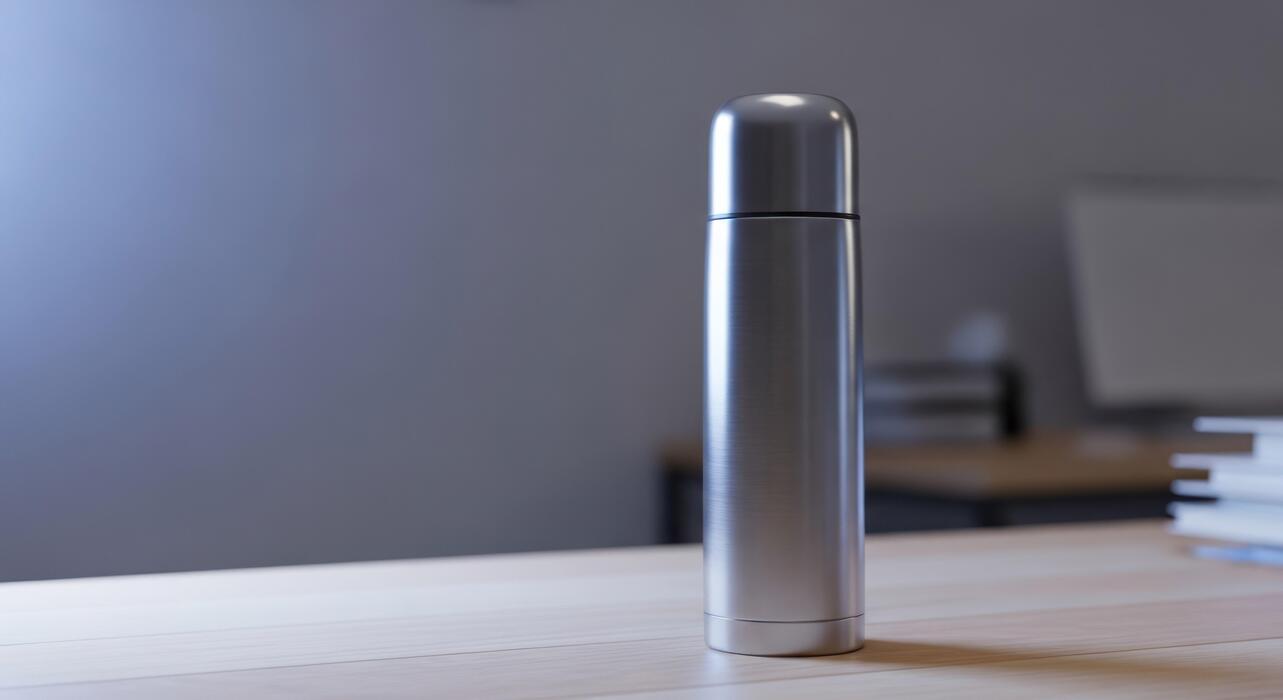
Shaking uncooked rice to scrub interior walls
Start by adding 2 tablespoons of uncooked rice directly into your metal thermos. The hard, irregular grains act as gentle but effective abrasive scrubbers when shaken vigorously. Unlike harsh chemical cleaners or metal brushes, rice won’t scratch the stainless steel surface.
Secure the lid tightly, then shake the thermos in all directions—up and down, side to side, and in a circular motion—for at least one minute. Focus on areas where coffee stains are most visible, such as the bottom and lower walls.
The rice’s motion physically loosens and dislodges coffee residue without requiring elbow grease or soaking. For deeper cleaning, you can add a drop of mild dish soap before shaking. After shaking, discard the rice into the trash (not the sink, to avoid clogs).
This method is especially useful for narrow-neck thermoses where sponges or brushes cannot reach effectively.
Adding water for effective agitation
To boost the cleaning power, combine the rice with 1/4 cup of warm water before shaking. The water helps create a slurry that reaches into crevices and softens stubborn coffee oils. When you shake the thermos, the rice and water mixture agitates vigorously, generating friction against the interior walls.
This combination is more effective than dry rice alone because the water lifts and suspends coffee particles, preventing them from simply redepositing. Shake for two to three minutes, ensuring the mixture contacts all stained areas.
For extra stain-fighting power, use hot water (but not boiling, to avoid pressure buildup) or add a splash of white vinegar. After shaking, rinse thoroughly with clean water.
This technique works well for moderate stains and eliminates the need for soaking, making it a quick, eco-friendly solution that uses common kitchen ingredients.
When to use this method for light stains
This rice and water method is best suited for light to moderate coffee stains that have not baked onto the metal surface over many days. If you notice a thin brown film or minor discoloration after daily use, this technique will restore your thermos quickly.
However, for heavy, old, or burnt-on stains, consider pre-soaking with a baking soda paste or using a specialized stainless steel cleaner first. The rice method works optimally when stains are fresh, as the abrasive action easily lifts loose residue.
It is also ideal for routine maintenance—use it once a week to prevent buildup. Avoid this method if your thermos has a non-stick or coated interior, as the rice could cause scratching. Always test a small area first if unsure.
For best results, combine with a thorough rinse and air-dry to prevent water spots or lingering odors.
What to Avoid When Cleaning a Metal Thermos
Why bleach and harsh chemicals can damage metal
When tackling coffee stains, never use bleach or harsh chemical cleaners like chlorine, ammonia, or oven sprays. These substances can react with the metal lining (especially stainless steel), causing pitting, corrosion, or a metallic taste that transfers to your drinks.
Bleach may also damage the vacuum seal in insulated models, reducing thermal efficiency. Instead, opt for gentle, food-safe solutions: a paste of baking soda and warm water or white vinegar. These are effective at breaking down coffee oils without harming the surface.
If you need extra power, try a non-chlorine oxygen bleach (like hydrogen peroxide) but rinse thoroughly. Remember, metal thermoses are porous on a microscopic level, so harsh chemicals can linger and compromise flavor. Always check the manufacturer’s instructions—most recommend avoiding bleach entirely.
For stubborn stains, a soak in diluted vinegar or a baking soda scrub is safer and just as effective.
Avoiding abrasive scrubbers that scratch surfaces
Coffee stains can be stubborn, but resist the urge to use steel wool, metal scouring pads, or abrasive brushes. These tools scratch the metal surface, creating microscopic grooves where bacteria and stains can hide, making future cleaning harder.
Scratches also damage the protective oxide layer on stainless steel, leading to discoloration or rust. Instead, choose soft sponges, microfiber cloths, or nylon-bristle brushes. For tough residue, soak the thermos in hot water with baking soda or vinegar first to loosen stains, then gently scrub.
A bottle brush with soft bristles is ideal for reaching narrow interiors. If you must use a mild abrasive, try a paste of baking soda applied with a cloth—it’s gentle enough to avoid scratches but effective at lifting coffee oils.
Always rinse and dry thoroughly to prevent water spots or mineral buildup.
Steering clear of dishwasher cycles for insulated models
While it may be tempting to toss your metal thermos in the dishwasher, avoid this for insulated models unless the manufacturer explicitly says it’s safe. The high heat and harsh detergents in dishwashers can damage the vacuum seal between the inner and outer walls, leading to loss of insulation.
This causes your thermos to no longer keep drinks hot or cold. Additionally, the intense water jets may push debris deeper into crevices, and the drying cycle can warp the lid or rubber gaskets. For non-insulated metal thermoses, check the label—some are dishwasher-safe, but hand washing is always gentler.
To clean coffee stains, hand wash with warm soapy water and a soft brush. For deep cleaning, use a baking soda soak or a vinegar rinse. This preserves the thermos’s performance and extends its lifespan, ensuring your next coffee stays perfectly hot.
How to Prevent Coffee Stains in Your Metal Thermos
Rinsing immediately after each use
The most effective way to prevent stubborn coffee stains is to rinse your metal thermos immediately after emptying it. Coffee contains tannins and oils that begin to bond with the stainless steel surface as they dry, creating the dark, baked-on residue you want to avoid.
As soon as you finish your coffee, fill the thermos with hot water, screw on the lid, shake vigorously for 15 seconds, then pour it out. This simple step washes away the majority of the staining compounds before they can set.
For an extra layer of protection, add a drop of mild dish soap to the hot water during this quick rinse. Make it a non-negotiable habit by keeping your thermos near the sink and associating the rinse with your morning routine.
Remember, a 30-second rinse now saves you a 10-minute deep clean later. Never let the thermos sit empty with dried coffee residue, as this dramatically increases the difficulty of removal and allows stains to permanently etch the metal.
Using a dedicated cleaning schedule
Beyond immediate rinses, implement a weekly deep-cleaning schedule to prevent stain buildup. Even with good rinsing habits, microscopic coffee oils can accumulate over time. Dedicate one day each week, such as Sunday evening, for a thorough clean.
The most effective method is to fill the thermos with a mixture of hot water and two tablespoons of baking soda, then let it soak for 15-20 minutes.
For extra stain-fighting power, add a tablespoon of white vinegar to the baking soda solution, which creates a gentle fizzing action that lifts residue from the metal. After soaking, scrub the interior with a bottle brush specifically designed for narrow thermoses, reaching every corner.
Pay special attention to the lid, threads, and rim, where coffee can hide. Rinse thoroughly with hot water.
This weekly habit ensures that any lingering stains are removed before they become permanent, keeping your thermos looking like new and preventing the bitter, rancid taste that can develop from old coffee oils.
Storing with the lid off to dry completely
The final, often overlooked, prevention step is always storing your metal thermos with the lid completely off. Trapped moisture inside a sealed thermos creates a perfect breeding ground for mold, mildew, and bacterial growth, which can lead to musty odors and discoloration that mimics coffee stains.
After cleaning, invert the thermos on a clean dish rack or place it upside down on a paper towel to allow all water to drain out. Leave the lid and any rubber gaskets separately to air dry completely.
Aim for at least 2-4 hours of drying time before reassembling or storing. If you must store it with the lid on for travel, ensure the interior is 100% bone dry first.
A damp environment not only encourages stains but also causes the metal to develop tiny water spots that can trap future coffee particles. By making lid-off storage a consistent habit, you eliminate moisture, keep the interior pristine, and significantly reduce the need for aggressive stain removal later.
Frequently Asked Questions
What is the best way to remove coffee stains from a metal thermos?
The most effective method is to fill the thermos with hot water and add a tablespoon of baking soda or white vinegar. Let it soak for 15-30 minutes, then scrub with a bottle brush and rinse thoroughly.
Can I use bleach to clean coffee stains from my metal thermos?
No, bleach is not recommended as it can damage the metal lining and leave harmful residues. Instead, use mild abrasives like baking soda or natural acids like vinegar or lemon juice.
How do I clean stubborn, old coffee stains from a stainless steel thermos?
For tough stains, create a paste with baking soda and water, apply it inside the thermos, and let it sit overnight. Scrub with a non-abrasive brush the next day, then rinse with warm water.
Will denture tablets clean coffee stains from a metal thermos?
Yes, denture tablets are effective. Drop one or two tablets into the thermos, fill with hot water, and let it fizz for 15-20 minutes. Rinse thoroughly afterward.
Is it safe to use vinegar to clean a metal thermos?
Yes, white vinegar is safe for metal thermos linings. Mix equal parts vinegar and hot water, soak for 30 minutes, then scrub and rinse to remove stains and odors.
How do I prevent coffee stains from forming in my metal thermos?
Rinse the thermos with warm water immediately after each use. For deeper cleaning, wash weekly with baking soda or vinegar to prevent residue buildup.
Can I put my metal thermos in the dishwasher to remove coffee stains?
Check the manufacturer’s instructions first, as some metal thermoses are dishwasher-safe. If so, use the top rack; otherwise, hand wash with a bottle brush and mild detergent to avoid damage.
Conclusion
The key is to scrub gently to avoid scratching the surface and to rinse thoroughly to prevent any aftertaste. For stubborn stains, let your solution soak overnight. With these easy, non-toxic methods, you can keep your thermos looking and smelling fresh. Don’t let stains discourage you—a clean thermos makes every sip better.