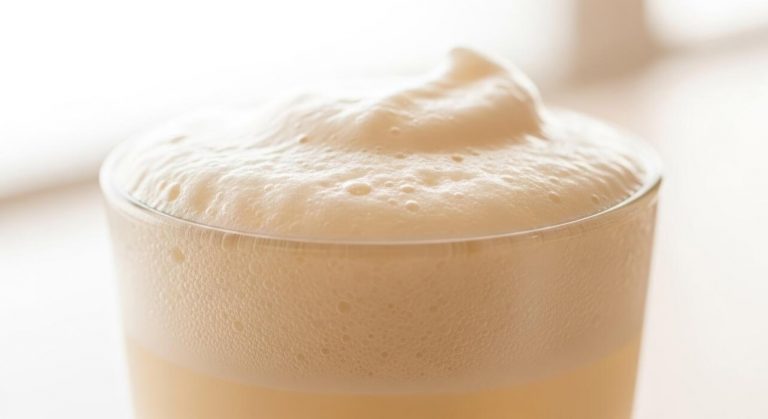
How To Make Creamy Cold Coffee
Craving that café-style indulgence at home? how to make creamy cold coffee without it turning watery or bitter is the real challenge. You need the perfect balance of bold brew, rich milk, and a luscious texture. This guide delivers the exact technique—using cold brew, a quick frothing trick, and quality ingredients—so your glass is silky, satisfying, and never diluted. You’ve found the right spot to master it.
What Makes Cold Coffee Creamy?
Key ingredients for creamy texture
To achieve a luxuriously creamy cold coffee, focus on fat content and emulsifiers. The primary ingredient is a high-fat dairy product like heavy cream or whole milk, as fat molecules create a smooth mouthfeel.
For a vegan option, use full-fat coconut milk or oat milk blended with a tablespoon of cashew butter for richness. Another essential is a natural emulsifier like a pinch of salt or a teaspoon of condensed milk—these help bind water and fat, preventing separation.
Adding a small amount of oil, such as MCT or coconut oil, can further enhance creaminess when blended. Avoid non-fat or low-fat alternatives, as they lack the fat needed for a velvety texture.
For a quick fix, stir in a spoonful of nut butter or a few soaked and blended cashews to boost creaminess without dairy. Finally, use cold-brew concentrate instead of hot-brewed coffee, as it is less acidic and blends more smoothly with creamy ingredients.
Role of milk and cream in cold coffee
Milk and cream are the backbone of creamy cold coffee, providing body, richness, and stability. Whole milk, with about 3.5% fat, gives a balanced creaminess, while heavy cream (36-40% fat) creates a decadent, thick texture that coats the palate.
For a medium option, half-and-half (10-18% fat) offers a lighter yet still creamy result. The key is to chill all dairy ingredients before mixing—cold milk and cream emulsify better with coffee, reducing graininess.
When using milk, opt for barista-style or ultra-pasteurized versions, as they have added stabilizers for a smoother blend. For a frothy finish, steam or whisk the milk until microfoam forms, then pour over ice. Avoid boiling milk, as heat can denature proteins and cause curdling.
If using plant-based milk, choose barista blends with added fats and gums, which mimic dairy’s creaminess. Remember, the fat content directly correlates to creaminess: higher fat equals a silkier, more indulgent cold coffee.
Why ice and blending matter
Ice and blending are critical for achieving a smooth, emulsified, and frothy cold coffee. First, use large ice cubes or ice blocks—they melt slower, preventing dilution while maintaining chill. When blending, combine coffee, milk, cream, and ice in a high-speed blender for 20-30 seconds.
This process aerates the mixture, incorporating tiny air bubbles that create a velvety, milkshake-like texture. Blending also emulsifies fats and water, preventing separation and ensuring every sip is creamy. For a thicker result, add frozen coffee cubes (made from leftover brew) instead of regular ice—they boost flavor without watering down.
The blending speed matters: start low to break ice, then increase to high for froth. Avoid over-blending, which can cause bitterness from over-aeration. If you lack a blender, shake ingredients vigorously in a sealed jar with ice for 30 seconds.
This manual method still incorporates air and emulsifies fats, though less efficiently. Ultimately, ice and blending transform simple ingredients into a cloud-like, creamy cold coffee experience.
How to Choose the Right Coffee for Cold Brew

Best coffee beans for creamy cold coffee
For a truly creamy cold coffee, start with medium to dark roast beans, as they bring out rich, low-acid flavors that blend beautifully with milk or cream. Look for beans with natural chocolate, nutty, or caramel notes—these profiles enhance the creamy texture without bitterness.
Single-origin beans from Brazil, Colombia, or Sumatra are excellent choices because they have a smooth, full body that mimics dairy richness. Avoid light roasts or fruity blends, as they can taste thin or sour when cold-brewed.
Choose Arabica over Robusta for a smoother mouthfeel, though a small percentage of Robusta can add crema-like foam if you’re using a milk frother. Grind the beans coarsely (like sea salt) to prevent over-extraction, which causes harshness.
If you prefer a dairy-free creaminess, opt for oat or coconut milk and select beans with complementary flavors—like a Sumatra with coconut notes. Pre-ground cold brew blends are convenient, but whole beans ground fresh yield the most velvety results.
Experiment with a coffee-to-water ratio of 1:4 for a concentrated brew that stays creamy even when diluted with milk.
Grind size and brewing method tips
The key to creamy cold coffee lies in the grind size and brewing technique. Always use a coarse grind (similar to coarse sea salt) to avoid over-extraction, which leads to bitterness and a thin texture.
For the creamiest results, cold brew method is superior—steep coarse grounds in cold water for 12-24 hours in the fridge. Use a French press or a cold brew maker with a fine mesh filter to trap sediment, ensuring a silky finish.
If you want a quick version, try the Japanese iced coffee method: brew hot coffee directly over ice, which locks in aromatic oils for a smoother, creamier taste than standard iced coffee.
Avoid paper filters if you desire more body; instead, use a metal filter or cheesecloth to retain natural oils that add richness. Agitate the grounds gently after the first hour of steeping to promote even extraction.
For a milk-like creaminess, blend the brewed coffee with a dash of heavy cream or a splash of oat milk before serving. Strain twice if you notice grit, as sediment ruins the smooth texture.
Instant coffee vs. fresh brew
For creamy cold coffee, freshly brewed cold brew wins hands down for texture and flavor depth, but instant coffee can work in a pinch if you follow smart tricks.
Instant coffee often lacks the natural oils that create a creamy mouthfeel, so choose a high-quality, freeze-dried instant with a medium-dark roast profile. To mimic fresh brew, dissolve 1-2 teaspoons of instant in a small amount of hot water (not boiling), then pour over ice and add milk or cream.
For extra creaminess, whisk the instant coffee with a splash of warm milk until frothy before adding cold milk. Fresh cold brew, however, delivers inherently smoother, richer results because the slow extraction preserves delicate oils and reduces acidity.
If you’re short on time, pre-brew a batch of cold brew concentrate and store it for up to two weeks—just dilute with milk for instant creamy coffee. Avoid cheap instant brands that taste chalky or sour; instead, look for specialty instant options like those from Starbucks or Mount Hagen.
Ultimately, fresh brew is worth the wait for the silkiest, most luxurious cup.
Step-by-Step Recipe for Creamy Cold Coffee
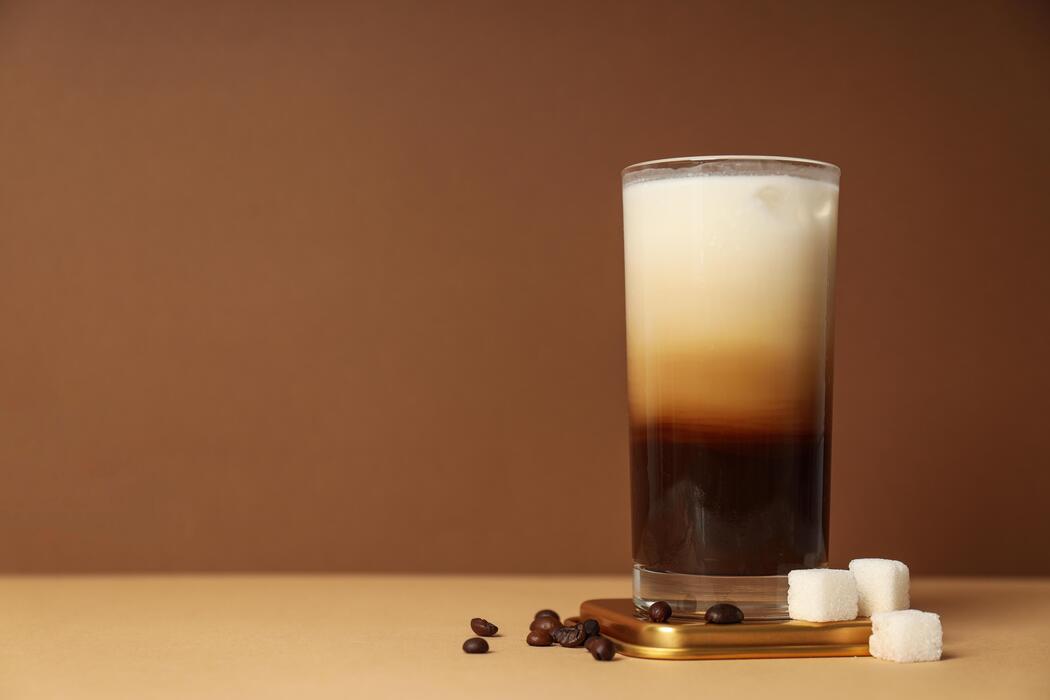
Ingredients you need
To create a creamy cold coffee, start with 2 tablespoons of instant coffee or one strong espresso shot. Use 1 cup of cold milk—whole milk or oat milk gives the richest creaminess. Add 2 tablespoons of sugar (adjust to taste) and 1/2 cup of ice cubes.
For extra indulgence, include 2 tablespoons of heavy cream or a scoop of vanilla ice cream. A pinch of salt enhances flavor without adding saltiness. Optionally, add 1 teaspoon of cocoa powder for a mocha twist. Ensure all ingredients are chilled for best results.
If using instant coffee, dissolve it in 2 tablespoons of hot water first to avoid graininess. For a dairy-free version, substitute with coconut cream or almond milk plus a splash of soy creamer. Prep these ingredients before blending to save time.
Blending technique for smooth texture
For a silky, frothy texture, use a high-speed blender (not a hand whisk). Combine the dissolved coffee, milk, sugar, cream, and ice in the blender jar. Blend on high for 30–45 seconds until the ice is fully crushed and the mixture turns thick and airy.
Avoid over-blending as it can cause separation; stop when you see a creamy foam layer on top. If using ice cream, add it halfway through blending for even distribution. For a lighter texture, add an extra 1/4 cup of milk and blend for 10 seconds more.
To test consistency, pour a small amount—it should be smooth, not watery. If lumps remain, blend again for 10 seconds. Serve immediately over fresh ice for a café-style finish. A French press can also work: shake vigorously with ice, then strain.
Adjusting sweetness and strength
Customize your cold coffee by tasting before serving. For sweeter coffee, add 1 extra tablespoon of sugar or 1 tablespoon of condensed milk—this also boosts creaminess. For a stronger coffee kick, increase instant coffee to 3 tablespoons or add a second espresso shot.
If it’s too bitter, balance with a dash of cinnamon or vanilla extract. For diet-friendly options, use stevia or monk fruit sweetener starting with 1/2 teaspoon. Adjust milk ratio: less milk yields bolder flavor; more milk softens it.
For a chilled version, avoid diluting by using coffee ice cubes (freeze leftover coffee in ice trays). Always stir after blending to ensure even sweetness. Remember, cold dulls sweetness, so make it slightly sweeter than hot coffee. Serve with a straw for easy sipping.
Tips for Making Cold Coffee Without a Blender
Using a shaker or whisk
To achieve a creamy cold coffee without a blender, grab a mason jar or a cocktail shaker. Combine cold brew concentrate (or strong instant coffee dissolved in a little hot water) with milk, sugar, and a few ice cubes. Seal the jar tightly and shake vigorously for 20–30 seconds.
This action emulsifies the coffee and milk, creating a frothy, smooth texture. Alternatively, use a wire whisk in a deep bowl: whisk the coffee and milk mixture rapidly in a circular motion until foam forms. For extra creaminess, add a splash of heavy cream before shaking or whisking.
Pour over fresh ice and enjoy a café-style drink with zero equipment.
How to froth milk by hand
Frothing milk without a machine is simple and yields a luxuriously creamy cold coffee. Warm the milk slightly (not hot) in a saucepan or microwave—this helps it foam better. Pour it into a narrow, deep jar (like a French press or a tall glass).
Using a manual milk frother (a handheld whisk) or a wire whisk, plunge up and down rapidly for 30–60 seconds until the milk doubles in volume with soft peaks. For a dairy-free option, full-fat oat milk froths exceptionally well.
Combine the frothed milk with your cold coffee, pouring it slowly to let the foam settle on top. The result is a silky, airy texture that mimics a barista’s touch without any electrical gadgets.
Adding cream for richness
For an indulgent, creamy cold coffee, incorporate heavy cream, half-and-half, or condensed milk. Simply stir 1–2 tablespoons of heavy cream into your brewed cold coffee—the fat content creates a velvety mouthfeel.
For a sweeter twist, use sweetened condensed milk; its thickness and sugar dissolve instantly, making the coffee rich and luscious without needing a blender. Another trick: whisk the cream with a fork until slightly thickened before adding it to your coffee. This adds a silky, cloud-like layer on top.
Pair with cold foam (frothed cream) for extra decadence. Avoid low-fat milk if you want that full-bodied creaminess—fat is your friend for a non-blended, smooth result.
Best Milk and Cream Options for Creamy Results
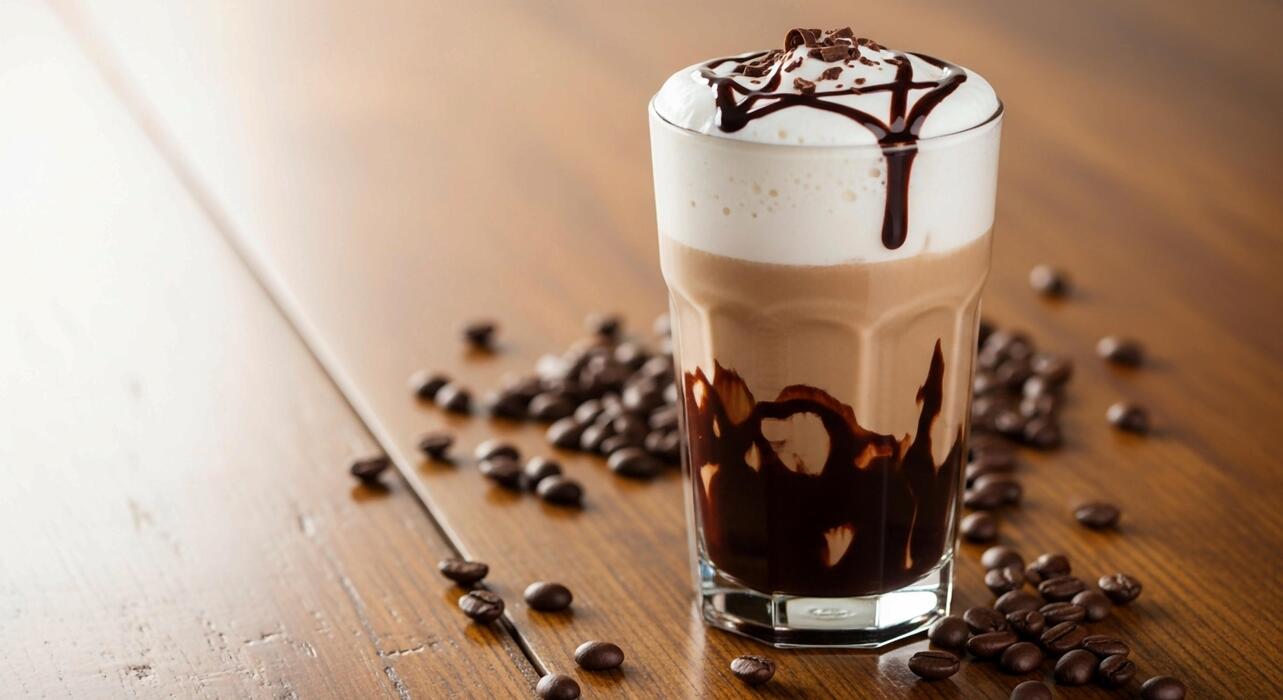
Whole milk vs. plant-based alternatives
For the creamiest cold coffee, start with whole milk—its 3.25% fat content creates a rich mouthfeel and smooth texture when chilled.
If you prefer plant-based options, choose barista-edition oat milk (which has added fats and stabilizers for frothing) or full-fat coconut milk from a can (not carton) for a luscious, tropical twist. Avoid skim or low-fat milks, as they can turn watery and dilute the coffee’s body.
For a dairy-free alternative that mimics whole milk’s creaminess, blend unsweetened cashew milk with a teaspoon of coconut cream or a splash of heavy cream (if not strictly vegan). Always shake or stir plant-based milks well before using, as natural separation can occur.
For extra richness, heat the milk slightly (not boiling) before adding to cold coffee, as this helps emulsify fats and sugars. Remember, cold coffee with whole milk or a high-fat plant milk will yield a velvety, satisfying drink without being overly heavy.
Heavy cream and half-and-half
When you crave indulgent creaminess, heavy cream (36-40% milk fat) is your secret weapon. Add 1-2 tablespoons per cup of cold coffee—it blends easily without curdling and creates a silky, almost milkshake-like texture. For a lighter option, half-and-half (10-18% fat) offers a balanced richness without overwhelming the coffee’s flavor.
To incorporate, pour the cream or half-and-half slowly while stirring, or use a frother for a foamy top layer. For a dairy-free version, try coconut cream (the thick part from a chilled can of coconut milk) or cashew cream—both provide a similar luxurious consistency.
A pro tip: chill the cream thoroughly before adding, as cold fat emulsifies better into cold coffee, preventing greasy separation. Start with a small amount and adjust to your preference; too much can mask the coffee’s natural notes.
For a quick fix, use pre-whipped cream as a topping, but remember it dissolves faster than liquid cream.
Sweetened condensed milk trick
Transform your cold coffee into a creamy, dessert-like treat with sweetened condensed milk. Its thick, syrupy consistency and high sugar content (about 40% sugar) eliminate the need for separate sweeteners while adding a velvety smoothness that regular milk can’t match.
Start with 1-2 tablespoons per 8-ounce serving—the sweetness is intense, so taste before adding more. For the best results, whisk the condensed milk with a splash of hot coffee first to thin it, then pour over ice and add the remaining cold coffee. This prevents clumping and ensures even distribution.
For a dairy-free version, use coconut condensed milk or make your own by simmering full-fat coconut milk with sugar until reduced by half. The trick works especially well with strong-brewed cold brew or espresso, as the sweetness balances bitterness.
For a layered effect, drizzle condensed milk over the ice before pouring coffee—it sinks slowly, creating a marbled look. Store leftover condensed milk in an airtight container in the fridge for up to two weeks.
How to Fix Common Cold Coffee Problems
Watery coffee solutions
A watery cold coffee often results from using too much ice or not enough coffee concentrate. Start by doubling your coffee grounds to create a stronger brew. Use a 1:4 ratio of coffee to water for a robust base.
Brew with hot water first, then cool it quickly to avoid dilution. Alternatively, make coffee ice cubes by freezing leftover coffee in an ice tray. This prevents melting ice from watering down your drink.
For instant results, add a teaspoon of instant coffee powder directly to your cold coffee mixture and stir until dissolved. Finally, use cold milk or cream instead of ice to maintain richness. These adjustments ensure a creamy, full-bodied texture without sacrificing flavor.
Too bitter or too sweet fixes
Bitterness in cold coffee often comes from over-extraction or dark roasts. Switch to a medium roast and reduce brew time by steeping for 12 hours max. To mask bitterness, add a pinch of salt or a splash of vanilla extract.
For sweetness overload, balance with a dash of cinnamon or unsweetened cocoa powder. Dilute with extra milk or cream to mellow the sugar. If using syrup, start with half the amount and taste-test. Blend in a spoonful of peanut butter for a nutty twist that cuts sweetness.
For a professional fix, cold brew concentrate naturally reduces bitterness and allows better control. Always stir thoroughly to distribute sweetness evenly. These tweaks create a harmonious, creamy flavor profile.
Lumpy or grainy texture fixes
Lumpy cold coffee usually results from undissolved sugar or instant coffee clumps. Dissolve sugar in a small amount of hot water first, then cool it before adding. For instant coffee, mix it with a few drops of cold water to form a paste before blending.
Use a blender or frother on high speed for 30 seconds to break up any clumps. Sift your cocoa powder or spices before adding to prevent graininess. For a smoother texture, strain through a fine-mesh sieve or cheesecloth. Adding cold heavy cream or half-and-half creates a silky mouthfeel.
If using ice, crush it finely or use a high-powered blender to incorporate evenly. Finally, chill your glass beforehand to maintain consistency. These steps ensure a velvety, lump-free cold coffee every time.
Creative Variations of Creamy Cold Coffee
Mocha cold coffee recipe
Elevate your creamy cold coffee into a rich mocha by adding high-quality cocoa powder or chocolate syrup. For the base, use 1 cup of chilled strong coffee, 1/2 cup of milk (any kind), 2 tablespoons of cocoa powder or 1-2 tablespoons of chocolate syrup, and sweetener to taste.
Blend these ingredients with ice cubes until smooth. The key to creaminess is adding 2 tablespoons of heavy cream or a scoop of vanilla ice cream during blending. For a more intense chocolate flavor, melt dark chocolate and let it cool before adding.
Serve in a tall glass with whipped cream and a dusting of cocoa or shaved chocolate. This variation balances the bitterness of coffee with the sweetness of chocolate, creating a decadent, dessert-like drink perfect for a special treat.
Vanilla or caramel flavored cold coffee
Transform your creamy cold coffee with the sweet, aromatic notes of vanilla or caramel. For a vanilla version, add 1-2 teaspoons of pure vanilla extract or the seeds from half a vanilla bean to your coffee-milk-ice blend.
For caramel, use 2 tablespoons of caramel sauce (homemade or store-bought) and reduce the sweetener. To ensure creaminess, incorporate 1/4 cup of full-fat coconut milk or half-and-half. For extra indulgence, drizzle caramel syrup inside the glass before pouring the coffee.
You can also make a salted caramel version by adding a pinch of sea salt. These flavors pair beautifully with a splash of oat milk for a velvety texture. Garnish with a cinnamon stick or whipped cream and a drizzle of sauce.
Protein-packed cold coffee
Turn your creamy cold coffee into a nutritious, energy-boosting drink by adding protein powder. Use 1 scoop of vanilla or chocolate protein powder (whey, plant-based, or collagen) per cup of coffee.
Blend with 1 cup of cold brew or strong coffee, 1/2 cup of milk (almond or oat milk work well), and a handful of ice. For extra creaminess, add 1/2 a frozen banana or 2 tablespoons of Greek yogurt. This creates a thick, milkshake-like consistency while packing in protein.
Adjust sweetness with a drizzle of honey or a date. This variation is ideal as a post-workout recovery drink or a satisfying breakfast on the go. Shake or blend vigorously to avoid clumps. Sprinkle with cinnamon or cocoa nibs for added flavor and nutrients.
Frequently Asked Questions
What is the key to making cold coffee creamy?
The key to creamy cold coffee is using full-fat milk or cream, and blending it with ice and coffee until frothy. Adding a splash of condensed milk or a scoop of vanilla ice cream also enhances creaminess and sweetness.
How do I make creamy cold coffee without a blender?
You can make creamy cold coffee without a blender by shaking strong brewed coffee, milk, and a sweetener in a sealed jar with ice cubes. Shake vigorously for 30 seconds until frothy, then pour over fresh ice.
What type of coffee is best for creamy cold coffee?
Use strong brewed coffee, espresso, or instant coffee for the best flavor. Chilled coffee concentrate works especially well because it doesn’t dilute the drink when mixed with ice and cream.
Can I make creamy cold coffee with instant coffee?
Yes, dissolve 1-2 teaspoons of instant coffee in a little hot water, then chill. Blend or shake with milk, ice, and a sweetener like sugar or condensed milk for a creamy texture.
How do I make a dairy-free creamy cold coffee?
Use full-fat oat milk, coconut cream, or almond milk for a dairy-free version. Blend with ice and a ripe banana or soaked cashews to add natural creaminess without dairy.
What can I add to make cold coffee extra creamy and thick?
Add a scoop of vanilla ice cream, a tablespoon of condensed milk, or a splash of heavy cream. Blending with a frozen banana or a bit of cream cheese also creates a thick, milkshake-like consistency.
How do I prevent my cold coffee from becoming watery?
Use coffee ice cubes (frozen brewed coffee) instead of regular ice to avoid dilution. Also, chill your coffee and milk beforehand so less ice is needed.
What is a simple 3-ingredient recipe for creamy cold coffee?
Mix 1 cup chilled strong coffee, 1/2 cup milk, and 2 tablespoons sweetened condensed milk. Blend with ice until smooth, then pour into a glass for a quick creamy treat.
Conclusion
Making creamy cold coffee at home is simple: blend strong coffee with milk, ice, and a touch of sweetener, then add a splash of cream for velvety texture. The key is using chilled ingredients and a high-speed blender to achieve that frothy, café-style finish. Experiment with flavors like vanilla or cinnamon to make it your own. Now, grab your blender and treat yourself to a refreshing, indulgent cup—you deserve it.