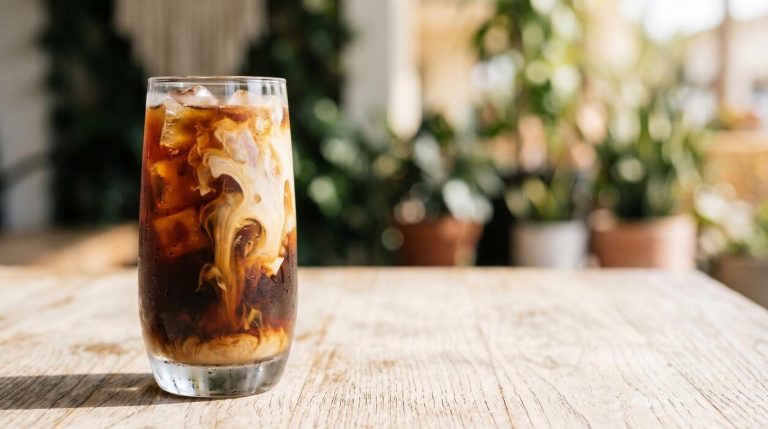
How To Pre Make Iced Coffee
Wondering how to pre make iced coffee without it turning watery or bitter? The core problem is that regular hot-brewed coffee diluted by ice gets weak fast. You’ve come to the right place. The solution is to brew a double-strength concentrate, cool it completely, then store it in the fridge. This way, you pour it over ice without losing flavor, giving you ready-to-drink iced coffee all week. Let’s get into the exact method.
Why Pre-Make Iced Coffee at Home
Save money on daily coffee shop runs
Pre-making iced coffee at home can dramatically cut your daily coffee expenses. A typical iced coffee from a café costs $4–$6, while brewing at home reduces that to roughly $0.50–$1.00 per serving.
Brew a large batch of cold brew or double-strength hot coffee once a week, store it in a sealed pitcher in the fridge, and pour individual servings as needed. This habit can save you over $1,000 annually if you usually buy one iced coffee per day.
To maximize savings, buy whole beans in bulk and grind them fresh for each batch. Use a simple French press or a large mason jar with a filter for cold brew—no special equipment required. You can also reuse the coffee grounds for garden compost or body scrubs.
By pre-making, you avoid impulse purchases and have a ready-to-drink option that costs pennies per glass. For even more savings, invest in a reusable tumbler and skip the disposable cup fees. This approach not only helps your wallet but also reduces waste from single-use cups and straws.
Control strength and flavor to your taste
When you pre-make iced coffee at home, you become the barista in charge of every detail. Adjust the coffee-to-water ratio to create a concentrate that suits your preference—use a 1:4 ratio for a bold, intense brew that won’t water down with ice, or a 1:8 for a milder cup.
You can experiment with different roast profiles, from light and fruity to dark and smoky, to find your perfect flavor.
Also, control the brewing time: cold brew steeps for 12–24 hours for a smooth, low-acid taste, while iced coffee made from hot brew can be chilled quickly for a brighter flavor. Add customizations like vanilla extract, cinnamon, or a pinch of salt directly into the batch before storing.
Sweeten with simple syrup, honey, or stevia to your exact sweetness level, avoiding the overly sugary syrups from shops. You can also blend in milk alternatives—oat, almond, or coconut—to create a creamy base.
By pre-making, you eliminate the guesswork and guarantee every glass meets your standards, whether you crave a strong wake-up or a subtle afternoon treat.
Reduce morning prep time significantly
Mornings are busy, and pre-making iced coffee eliminates the need to brew, cool, and assemble a drink from scratch. Spend just 10 minutes on a weekend preparing a week’s worth of concentrate or fully mixed iced coffee.
Store it in a large pitcher or individual mason jars, and each morning simply pour over ice and go. This cuts your routine from 10–15 minutes (including brewing and cooling) to under 30 seconds.
For even faster mornings, pre-fill glasses with ice and coffee the night before, or use a beverage dispenser in the fridge. You can also prepare add-ins like creamer or flavored syrups in a small container to stir in quickly.
Batch prep also reduces decision fatigue—you grab one consistent, delicious drink without thinking. If you use a cold brew system, it requires minimal effort: steep grounds in water, then strain and store.
This method ensures you never skip coffee due to time constraints, keeping your energy high and your mornings stress-free. Plus, you’ll avoid the long lines at coffee shops, giving you extra minutes to enjoy your day.
Best Coffee Beans for Pre-Made Iced Coffee
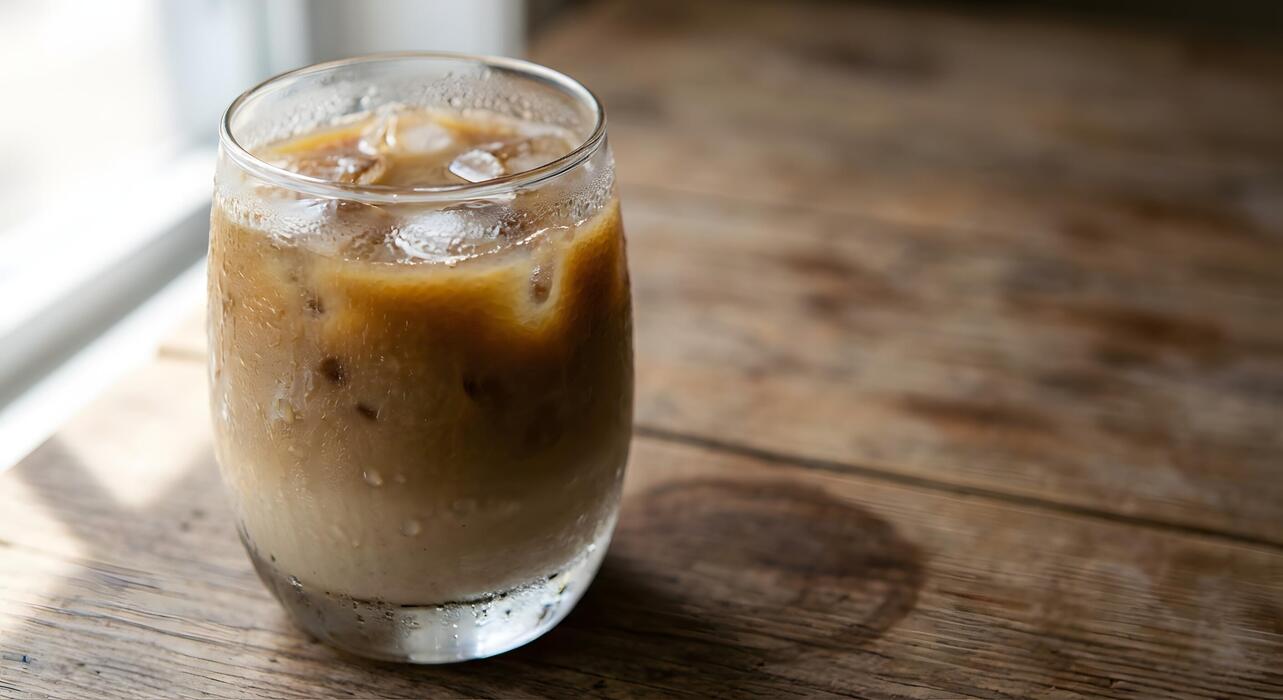
Choose medium to dark roast for bold flavor
For pre-made iced coffee, medium to dark roasts are your best bet because their robust flavor profile holds up beautifully when chilled and diluted by ice.
Lighter roasts can taste sour or overly acidic when cold, but darker roasts offer rich, chocolatey, and caramel notes that remain satisfying even after refrigeration. Look for beans labeled ‘French,’ ‘Italian,’ or ‘Full City’ roast.
These beans have been roasted longer, reducing acidity and enhancing body—exactly what you need for a cold brew or iced pour-over. To get the most flavor, use a 1:4 coffee-to-water ratio for cold brew concentrate, or a standard 1:16 ratio for hot-brewed iced coffee.
Store your pre-made coffee in an airtight container in the fridge for up to two weeks. Before serving, shake or stir well, as some sediment may settle. This approach ensures every glass is bold, smooth, and never watery.
Opt for coarsely ground beans to avoid bitterness
Grind size directly impacts your pre-made iced coffee’s taste, so choose a coarse grind similar to sea salt. Fine grinds extract too quickly, releasing bitter compounds that become overpowering when steeped for hours in cold water or chilled after brewing.
A coarse grind allows for a slower, more controlled extraction, yielding a smooth, sweet concentrate with minimal bitterness. For cold brew, steep coarsely ground beans in cold water for 12–24 hours at room temperature, then strain.
For hot-brewed iced coffee, use a coarse grind in a French press or drip machine, then cool rapidly. If using pre-ground coffee, look for ‘cold brew grind’ or ‘French press grind’ on the package. Avoid pre-ground espresso or drip grinds as they are too fine.
Investing in a burr grinder lets you adjust coarseness precisely. This simple change transforms your iced coffee from harsh to refreshingly mellow.
Single-origin vs. blends: which works better cold
When pre-making iced coffee, coffee blends often outperform single-origin beans due to their balanced, consistent flavor profile. Blends are crafted by roasters to combine beans from different regions, resulting in a harmonious taste that remains pleasant when cold—often featuring notes of chocolate, nuts, or caramel.
Single-origin beans can be delightful, but their distinct floral or fruity notes may become muted or tart when iced. For example, an Ethiopian Yirgacheffe might taste like lemonade cold, while a Colombian single-origin often retains a bright but smooth acidity.
If you prefer single-origin, choose beans from Brazil, Sumatra, or Guatemala as they offer low acidity and full body that hold up well cold. For a foolproof pre-made iced coffee, start with a high-quality medium-to-dark blend.
You can always experiment with single-origin later, but blends provide reliable, crowd-pleasing results every time.
How to Make Cold Brew Concentrate for Iced Coffee

Step-by-step cold brew ratio: coffee to water
The ideal ratio for cold brew concentrate is 1:4 (one part coffee to four parts water by weight). For a standard batch, use 1 cup (about 100 grams) of coarsely ground coffee to 4 cups (950 ml) of cold, filtered water. This yields a strong concentrate that you’ll dilute later.
Avoid fine grinds, as they can make the brew bitter and cloudy. In a large jar or pitcher, combine the grounds and water, stirring gently to ensure all grounds are saturated. Cover and let it sit at room temperature.
For a milder concentrate, use a 1:5 ratio, but for true iced coffee strength, stick with 1:4. Remember, coarse grind is key for easy straining and smooth flavor. This ratio works for any batch size—just scale up or down while keeping the proportion consistent.
Steep time and temperature for smooth results
Steep for 12 to 24 hours at room temperature for optimal smoothness. Unlike hot brewing, cold brew extracts slowly, minimizing bitterness and acidity. Room temperature (around 68-72°F) is ideal; refrigeration slows extraction and may lead to a weaker concentrate.
After 12 hours, taste a small sample—if it’s bold and smooth, it’s ready. For a stronger brew, let it steep up to 24 hours, but avoid exceeding 24 hours to prevent over-extraction and off-flavors. Stir the mixture once or twice during steeping to ensure even extraction.
Once done, proceed to strain immediately. This patient method delivers a silky, low-acid concentrate perfect for iced coffee.
Strain and store your concentrate properly
Strain through a fine-mesh sieve lined with a coffee filter or cheesecloth into a clean container. For best results, use a nut milk bag or a dedicated cold brew filter. Pour slowly, letting gravity do the work—avoid pressing on the grounds to prevent sediment. You’ll get a smooth, sediment-free concentrate.
Store in an airtight glass jar or pitcher in the refrigerator for up to two weeks. For iced coffee, dilute 1 part concentrate with 1 to 2 parts water or milk (adjust to taste). Add ice and enjoy immediately. Label your container with the date to track freshness.
Proper storage preserves the rich flavor and prevents spoilage, so you always have ready-to-use iced coffee.
How to Make Hot Brew Iced Coffee Ahead of Time
Brew double-strength coffee to prevent dilution
To make iced coffee that doesn’t taste watery, brew your coffee at double strength. Use twice the amount of coffee grounds you normally would for hot coffee—for example, 4 tablespoons of ground coffee per 6 ounces of water instead of 2.
This ensures that when the coffee is poured over ice, the melting ice dilutes it back to regular strength without sacrificing flavor. Start with cold, filtered water for the best taste. If using a drip coffee maker, simply add the extra grounds to the filter.
For a French press, steep for 4 minutes at double strength. This method works for any hot brew method. Pro tip: Use a medium-coarse grind to avoid bitterness. Once brewed, immediately remove the coffee from the heat source to prevent over-extraction.
This concentrated base is the foundation for a perfect iced coffee that stays bold and refreshing.
Cool quickly with an ice bath method
Rapidly cooling your hot-brewed coffee preserves its fresh flavor and prevents it from becoming bitter or stale. Prepare an ice bath by filling a large bowl or sink with equal parts ice and cold water.
Pour the freshly brewed double-strength coffee into a heatproof container, then place that container directly into the ice bath. Stir the coffee gently for 2-3 minutes to speed up cooling.
This method drops the temperature from hot to cold in under 10 minutes, locking in the coffee’s aromatic oils and bright notes. Avoid letting the coffee sit at room temperature, which can cause oxidation and a flat taste.
Important: Do not add ice directly to the hot coffee yet, as it will melt and dilute the concentrate. Once cooled, transfer the coffee to a sealed pitcher. This quick-chill technique ensures your iced coffee tastes as vibrant as if it were just brewed.
Refrigerate and use within 3-4 days
Store your pre-made iced coffee properly to maintain its quality and safety. Pour the cooled, double-strength coffee into an airtight container—a glass pitcher or mason jar works well. Seal it tightly and place it in the refrigerator immediately.
For best flavor, consume within 3-4 days. After this time, the coffee may develop a stale or sour taste due to oxidation. To serve, fill a glass with ice cubes, then pour the chilled concentrate over the ice. Add water or milk to taste, adjusting to your preferred strength.
Pro tip: Label the container with the brew date so you know when it was made. Avoid adding sugar or cream until serving, as these can spoil faster. This make-ahead method saves you morning time while delivering consistently delicious iced coffee.
Enjoy your pre-made brew within the recommended window for peak freshness.
Tips for Storing Pre-Made Iced Coffee

Use airtight glass or BPA-free containers
For optimal freshness and flavor preservation, always store your pre-made iced coffee in airtight glass or BPA-free plastic containers. Glass is ideal because it won’t absorb odors or impart any chemical taste, keeping your cold brew crisp and clean.
If you prefer plastic, choose BPA-free options to avoid any unwanted leaching over time. Airtight seals are crucial to prevent your coffee from absorbing other food smells in the fridge, which can quickly ruin its delicate taste. Additionally, using containers with wide mouths makes pouring and cleaning much easier.
Avoid metal containers, as they can sometimes leave a metallic aftertaste. For best results, fill the container nearly to the top to minimize oxygen exposure, which causes oxidation and staleness. Mason jars, glass bottles with swing tops, or dedicated cold brew carafes are excellent choices.
Remember, the container’s material and seal directly impact how long your iced coffee stays delicious, so invest in quality storage for the best coffee experience.
Keep in the fridge, not the freezer
While it might be tempting to freeze your pre-made iced coffee for longer storage, the refrigerator is your best friend for maintaining quality. Always store your iced coffee in the fridge, not the freezer, as freezing can alter its texture and concentration.
When coffee freezes, the water expands and can break down the coffee’s delicate oils and compounds, leading to a flat, watery, or even bitter taste once thawed. Moreover, freezing can cause separation, resulting in a grainy or uneven consistency.
The refrigerator keeps your brew cold and ready to pour without these negative effects. Aim to consume your refrigerated iced coffee within one to two weeks for peak freshness. After that, it will still be safe but may lose its vibrant flavor.
For quick chilling, you can pour the coffee over ice immediately from the fridge. If you need to transport it, use a well-insulated thermos to keep it cold without freezing. Storing it properly in the fridge ensures every glass tastes as good as the first.
Label with date to track freshness
A simple yet highly effective habit is to label your container with the date you made the coffee. This small step prevents guesswork and ensures you always enjoy your iced coffee at its peak flavor.
Use a permanent marker or a label sticker to write the brewing date directly on the container or lid. Since cold brew concentrate can last up to two weeks in the fridge, but regular iced coffee may degrade faster, the date helps you prioritize consumption.
For example, you might note “Brewed 10/5” and aim to finish it by “10/19.” This is especially useful if you make multiple batches or have several containers. Without labeling, it’s easy to lose track and end up drinking stale coffee that tastes flat or overly acidic.
To go a step further, you can also note the coffee-to-water ratio or any flavor additions like vanilla or cinnamon. This practice not only tracks freshness but also helps you replicate your favorite batches. A dated label is a small effort that guarantees consistent, delicious iced coffee every time.
Best Ways to Flavor Pre-Made Iced Coffee
Add vanilla or caramel syrup before chilling
Sweeten and flavor your pre-made iced coffee from the start by stirring in a high-quality vanilla or caramel syrup before refrigerating. For a balanced taste, use about 1-2 tablespoons per 8-ounce serving, adjusting to your preference.
Homemade syrups work best—simmer equal parts sugar and water with a vanilla bean or caramel extract, then cool before adding. This method ensures the sweetness integrates fully as the coffee chills, preventing a watery or uneven sip later.
Avoid granulated sugar, which can settle at the bottom, and instead opt for liquid sweeteners that dissolve completely. For a richer profile, try brown sugar vanilla syrup or a salted caramel variant by adding a pinch of sea salt.
You can also batch-make a large container of sweetened coffee for the week, but remember to shake or stir well before pouring each serving, as flavors may settle. This technique transforms plain cold brew into a café-style treat without any last-minute fuss.
Infuse with cinnamon sticks or cocoa powder
Elevate your pre-made iced coffee with warm, aromatic spices by infusing it directly during the chilling process. Drop 2-3 cinnamon sticks into your pitcher of freshly brewed coffee before refrigerating for 4-6 hours; this gentle infusion adds a subtle, sweet warmth without overpowering the coffee.
For a chocolatey twist, whisk in 1-2 tablespoons of unsweetened cocoa powder per quart, ensuring it dissolves fully by mixing with a small amount of hot coffee first. Pair cinnamon with a dash of nutmeg or add a pinch of chili powder for a spicy kick.
These infusions work best with cold brew or double-strength coffee, as the flavors meld beautifully over time. Remember to strain out cinnamon sticks before serving to avoid a gritty texture, and taste-test after 2 hours to adjust intensity.
This method creates a naturally flavored, low-calorie coffee that feels indulgent yet refined, perfect for those avoiding added sugars.
Try dairy or plant-based creamers for richness
Transform your pre-made iced coffee into a creamy delight by adding a splash of dairy or plant-based creamer before serving. For a classic, velvety texture, use heavy cream, half-and-half, or whole milk—about 2 tablespoons per cup.
If you prefer plant-based options, oat creamer provides a rich, neutral base, while coconut creamer adds a subtle tropical note. Sweetened condensed milk is a popular choice for Vietnamese-style iced coffee, offering both sweetness and thickness.
To avoid separation, pour the creamer slowly into the cold coffee and stir gently, or shake in a sealed jar for a frothy finish. For a flavored twist, try vanilla or hazelnut creamers, or make your own by blending soaked cashews with dates and vanilla.
Always chill the creamer beforehand to maintain the coffee’s temperature. This approach lets you customize each serving without altering the entire batch, making it perfect for households with diverse tastes. Experiment with ratios to find your ideal balance of richness and coffee flavor.
How to Serve Pre-Made Iced Coffee Without Watering It Down
Use coffee ice cubes for undiluted drinks
The most effective way to keep your pre-made iced coffee strong from the first sip to the last is to swap regular ice cubes for coffee ice cubes. Simply pour leftover or freshly brewed coffee into an ice cube tray and freeze it overnight.
When you serve your iced coffee, use these cubes instead of water-based ice. This ensures that as the cubes melt, they add more coffee flavor rather than watering down your drink. For best results, use strongly brewed coffee for the cubes—cold brew concentrate or double-strength drip coffee works perfectly.
You can also get creative by freezing flavored coffee or adding a splash of milk to the cubes for a creamy twist. Remember to store your coffee ice cubes in a sealed bag or container to prevent them from absorbing freezer odors.
This method not only preserves the rich taste but also keeps your drink chilled longer without compromising quality.
Pour over fresh ice and adjust milk ratio
When serving pre-made iced coffee, always pour it over fresh, dry ice just before drinking. Avoid adding ice directly to your storage container, as that can cause premature dilution. Start with a glass full of fresh ice, then pour your pre-made coffee over it.
To further prevent watering down, adjust the milk or cream ratio in your recipe. If you typically add milk, consider using less liquid milk or opt for a splash of heavy cream, which has less water content.
Another tip is to chill your pre-made coffee thoroughly in the refrigerator before serving—this reduces the amount of ice needed to cool it down. You can also make a concentrated coffee base (like cold brew) and dilute it with milk or water at serving time.
This way, the ice only serves to maintain temperature, not to cool a warm drink, significantly minimizing dilution.
Shake or stir before serving for even flavor
Pre-made iced coffee often separates as it sits, with stronger coffee settling at the bottom and lighter liquid rising. To ensure a consistent, bold flavor in every sip, shake or stir vigorously just before pouring over ice.
If you’re using a sealed container, give it a good shake for 10–15 seconds. For a pitcher, use a long spoon to stir from the bottom up. This action reincorporates any sediment or concentrated coffee that has settled, preventing a weak first sip and an overly strong last one.
For an even more professional touch, use a cocktail shaker with ice to chill and aerate the coffee briefly before serving—this also adds a slight frothiness. Remember to taste after stirring and adjust sweetness or milk if needed.
This simple step transforms your pre-made coffee into a freshly made experience, ensuring every glass tastes as intended.
Frequently Asked Questions
What is the best way to pre-make iced coffee for the week?
The best method is to brew a strong batch of coffee (double the normal coffee-to-water ratio) and let it cool to room temperature. Pour it into a sealed glass pitcher or jar, refrigerate it for up to 5 days, and serve over ice with your preferred milk or sweetener.
Can I pre-make iced coffee with cold brew instead of hot coffee?
Yes, cold brew is ideal for pre-making because it’s naturally less acidic and stays fresh longer. Simply steep coarsely ground coffee in cold water for 12-24 hours, strain it, and store the concentrate in the fridge for up to two weeks. Dilute with water or milk when serving.
How do I prevent my pre-made iced coffee from getting watery when I add ice?
To avoid dilution, make your coffee extra strong (use double the grounds) or freeze some of your pre-made coffee into ice cubes. When you pour the coffee over regular ice cubes, the melting water won’t weaken the flavor as much.
Should I add milk or sweetener before refrigerating pre-made iced coffee?
It’s best to add milk and sweetener just before serving to maintain freshness and prevent spoilage. However, you can add a small amount of simple syrup (which doesn’t spoil) to the pre-made batch if you prefer a sweeter base.
How long does pre-made iced coffee last in the refrigerator?
Pre-made iced coffee, whether brewed hot or cold, typically stays fresh for 3-5 days in an airtight container in the fridge. Cold brew concentrate can last up to two weeks due to its lower acidity and lack of heat extraction.
Can I pre-make iced coffee in a large batch using a drip coffee maker?
Absolutely. Brew a full pot using a double-strength ratio (e.g., 4 tablespoons of coffee per 6 ounces of water), let it cool completely, then transfer it to a pitcher and refrigerate. This method works well for weekly meal prep.
What containers are best for storing pre-made iced coffee?
Use glass or BPA-free plastic pitchers or jars with tight-fitting lids to prevent odor absorption and keep the coffee fresh. Mason jars or airtight beverage dispensers are excellent choices, and avoid metal containers that might impart a metallic taste.
Conclusion
Pre-making iced coffee saves you time and money while ensuring a perfectly chilled, never-diluted drink. Key takeaways: brew double-strength coffee, cool it completely before refrigerating, and store it in a sealed container. For best results, use ice cubes made from coffee to maintain flavor. With just a little weekend prep, you can enjoy café-quality iced coffee all week long—simply pour and go.