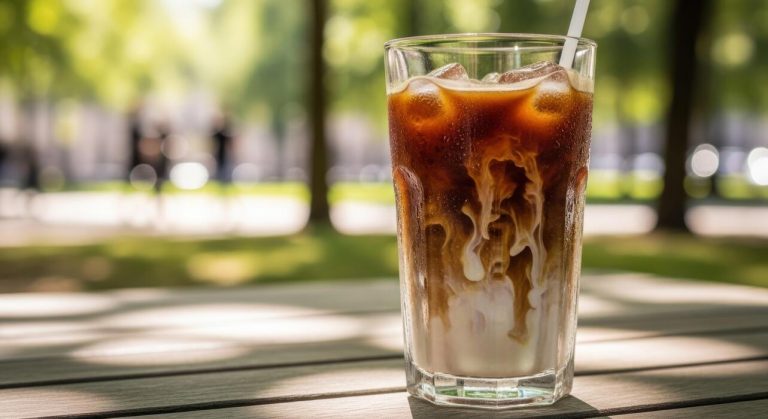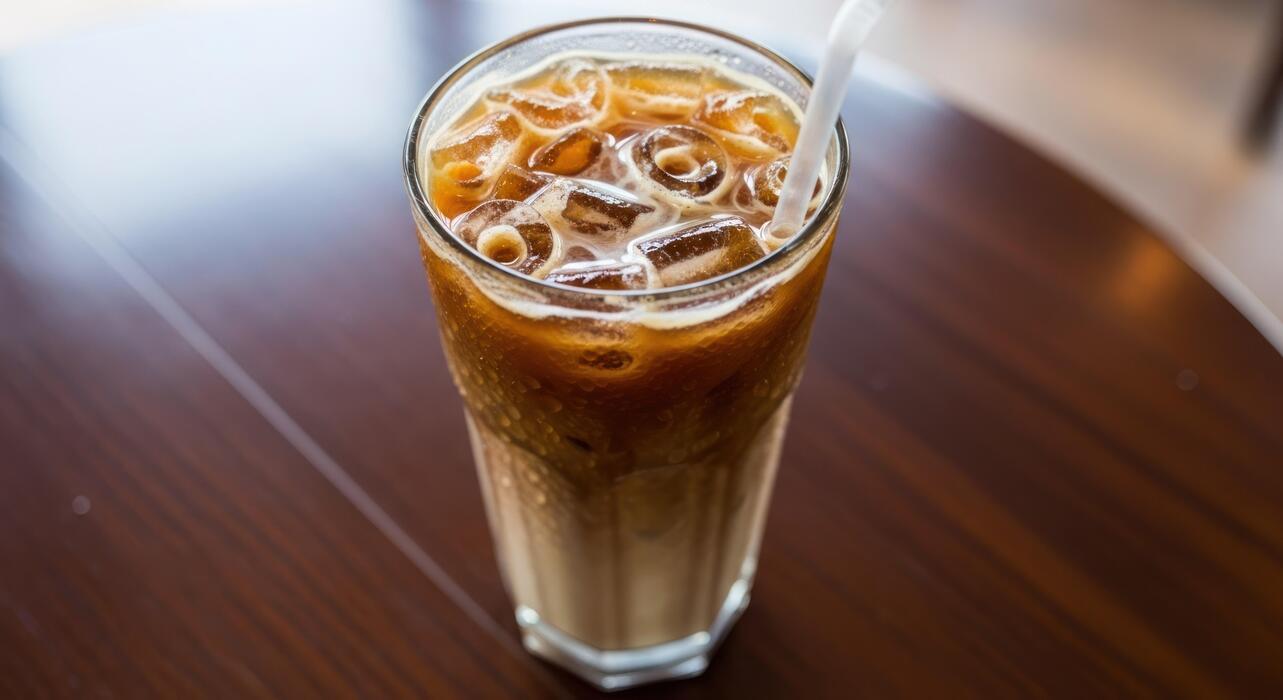
How To Make Cold Filter Coffee
To master how to make cold filter coffee, you need the right ratio of coarse-ground coffee to cold water, plus patience for a slow, 12-hour steep. The biggest mistake? Rushing the drip or using fine grounds, which makes it bitter. You’re in the right place—skip the heat and get a smooth, full-bodied concentrate every time.
What is Cold Filter Coffee?
Cold brew vs. cold filter coffee: key differences
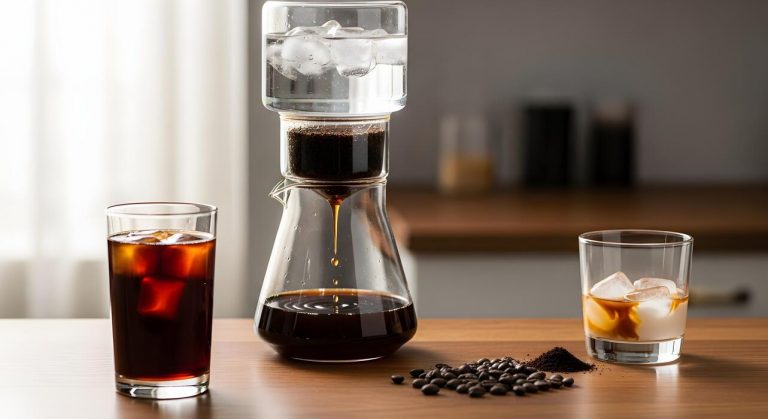
To make cold filter coffee, you need to understand its distinction from cold brew. Cold filter coffee, also known as Japanese iced coffee, involves brewing hot coffee directly onto ice, which rapidly chills and dilutes it. In contrast, cold brew steeps coarse grounds in cold water for 12-24 hours.
The key difference is temperature: cold filter uses hot water for extraction (typically 195-205°F), then flash-chills, while cold brew extracts solely with cold water. This means cold filter coffee retains more aromatic oils and complex acidity, resulting in a brighter, cleaner flavor.
For cold filter, you’ll need a pour-over dripper, paper filter, and ice in the carafe—not a long steep. Start with a 1:15 coffee-to-water ratio (e.g., 20g coffee to 300g total water, with 100g as ice).
This method is faster (3-5 minutes) and preserves delicate notes, unlike cold brew’s mellow, less acidic profile. Choose this for a refreshing, vibrant iced coffee without bitterness.
Why cold filter coffee tastes smoother
The smoothness of cold filter coffee comes from its rapid chilling process, which locks in flavor compounds. When hot water extracts coffee grounds, it releases volatile oils and acids that create complexity.
By brewing directly onto ice, you instantly cool the coffee, preventing these compounds from degrading or becoming overly bitter. This method also reduces extraction of harsh tannins that develop with prolonged heat exposure. The ice melts to dilute the coffee to the perfect strength, balancing acidity without masking it.
For the smoothest result, use a medium-fine grind (like table salt) and pre-wet the filter to avoid paper taste. The hot water extracts sweetness and fruit notes quickly, while the ice stops extraction at the peak of flavor. This yields a crisp, clean cup with no burnt or sour aftertaste.
To replicate, pour hot water in a slow, circular motion over grounds in a pour-over cone set on a carafe filled with ice. Enjoy a smooth, refreshing coffee that highlights origin characteristics.
Best coffee beans for cold filter coffee
For cold filter coffee, choose single-origin beans with bright, fruity notes to shine through the chilling process. Light to medium roasts work best, as they retain higher acidity and floral aromas that contrast nicely with the cold temperature.
Beans from Ethiopia (Yirgacheffe) offer jasmine and citrus flavors, while Kenyan beans provide blackcurrant and wine-like complexity. Avoid dark roasts, which can taste ashy or flat when chilled. For a balanced cup, try a washed-process Colombian with caramel and nutty undertones, or a natural-process Brazilian for chocolatey sweetness.
Grind the beans to a medium-fine consistency (similar to sea salt) to ensure even extraction without clogging the filter. Freshness is key: use beans roasted within 2-3 weeks for maximum flavor. Start with a 1:16 coffee-to-total-water ratio (e.g., 20g coffee to 320g water, with 100g as ice).
This highlights the bean’s origin while maintaining smoothness. Experiment with different origins to find your preferred flavor profile for a refreshing, aromatic iced coffee.
Equipment You Need for Cold Filter Coffee
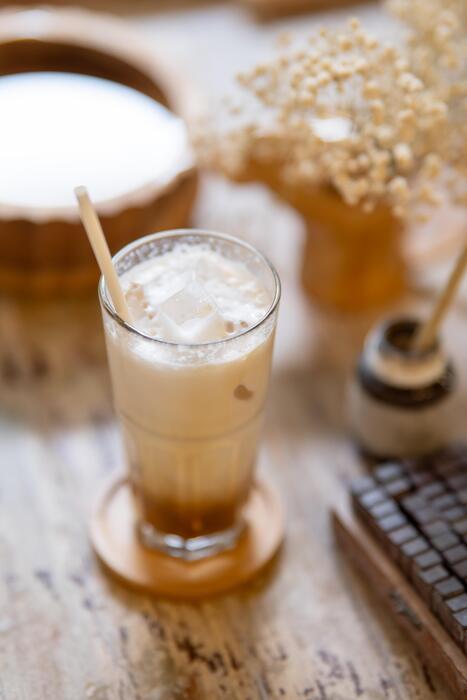
Essential tools: filters, jars, and grinders
To make cold filter coffee, you need three core items: a quality filter, a large glass jar, and a consistent coffee grinder.
The filter is crucial—choose a paper filter (like a V60 or Chemex) for a clean, bright cup with no oils, or a metal mesh filter (like a French press) for a fuller body.
A 1-liter glass jar with a wide mouth works best for steeping, as it’s easy to clean and lets you see the extraction. For the grinder, opt for a burr grinder over a blade one; it produces uniform grounds, ensuring even extraction and avoiding bitterness.
A medium-coarse grind (similar to sea salt) is ideal for cold brew. Avoid pre-ground coffee, as it’s often too fine and leads to over-extraction. Start with these basics—you’ll achieve a smooth, low-acid coffee concentrate that stores well in the fridge for up to two weeks.
How to choose the right coffee grinder
For cold filter coffee, a burr grinder is non-negotiable for consistent particle size. Blade grinders chop unevenly, resulting in a mix of fine dust and large chunks that extract unpredictably.
Invest in a manual burr grinder (like a Hario Skerton) for budget-friendly precision, or an electric burr grinder (like a Baratza Encore) for speed and repeatability. Look for a model with adjustable grind settings—you’ll need a medium-coarse setting for cold brew, where grounds look like coarse sand.
A consistent grind prevents over-extraction (bitterness) or under-extraction (sourness). If you’re on a tight budget, a high-quality manual grinder costs under $50 and lasts years. Remember: freshly ground beans unlock maximum flavor, so grind just before brewing.
Avoid pre-ground coffee; it’s often too fine and stale, ruining the smooth, sweet profile of cold filter coffee.
Optional gear for better results
While not essential, a few upgrades can elevate your cold filter coffee. A digital scale ensures precise coffee-to-water ratios (e.g., 1:8 for concentrate), eliminating guesswork. A gooseneck kettle helps you pour water evenly over grounds, though a standard pitcher works fine.
For faster filtration, a dedicated cold brew system like a Toddy or Hario Mizudashi simplifies steeping and filtering. A fine-mesh strainer or cheesecloth catches sediment if you use a metal filter. To store your brew, invest in amber glass bottles that block light and preserve freshness.
For temperature control, a kitchen thermometer ensures water stays at room temperature (cold brew doesn’t need heat). Finally, a coffee scale with a timer tracks steeping time (12-24 hours). These tools aren’t mandatory but enhance consistency, flavor, and convenience—perfect for refining your technique.
How to Make Cold Filter Coffee at Home
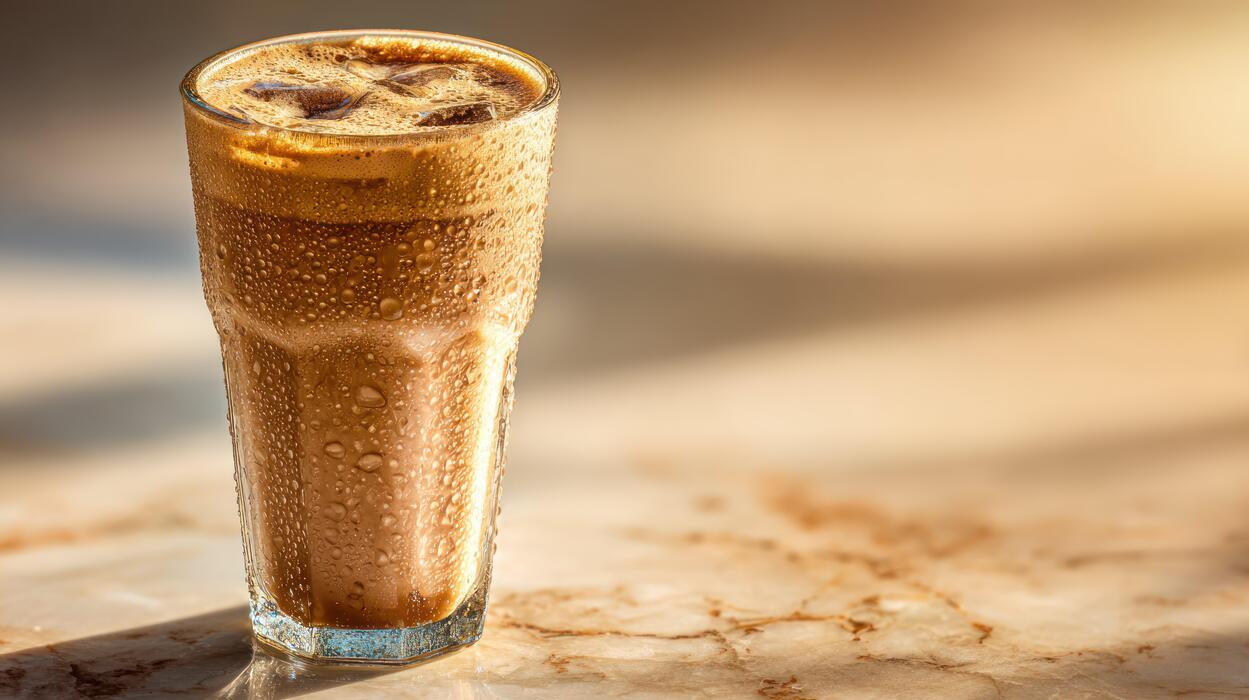
Step-by-step cold filter coffee recipe
To make cold filter coffee at home, start with coarse ground coffee and a large container or pitcher. Line a fine-mesh sieve or colander with a paper filter or use a dedicated cold brew maker.
Add 1 cup of coarse grounds to the filter, then slowly pour 4 cups of cold, filtered water over them. Stir gently to ensure all grounds are saturated. Cover the container and let it steep at room temperature for 12 to 24 hours—longer for stronger flavor.
After steeping, remove the filter and grounds, and your cold brew concentrate is ready. For a milder drink, dilute with equal parts water or milk. Serve over ice with your favorite additions like vanilla syrup, oat milk, or a pinch of cinnamon.
This method yields a smooth, low-acid coffee that stays fresh in the fridge for up to two weeks. Adjust the steeping time to suit your taste: 12 hours for a lighter brew, 24 hours for a bold, rich concentrate.
Remember to always use cold water to prevent bitterness and preserve delicate flavors.
Coffee-to-water ratio for perfect strength
The ideal coffee-to-water ratio for cold filter coffee is 1:4 to 1:8 by weight, depending on your desired strength. For a strong concentrate, use a 1:4 ratio—like 1 cup (100g) of coarse ground coffee to 4 cups (400g) of water.
This yields a bold base perfect for diluting with milk or water. For a ready-to-drink strength, aim for a 1:8 ratio, such as 1 cup coffee to 8 cups water. Always use a kitchen scale for accuracy, as volume measurements can vary.
If you prefer a lighter brew, increase water to 1:10, but avoid going below 1:3 to prevent over-extraction. A simple rule: start with 1:5 (e.g., 100g coffee to 500g water) and adjust based on taste.
Remember that cold brew extracts less quickly than hot methods, so a coarser grind and longer steep (12-24 hours) compensate. Write down your preferred ratio for consistency, and always use cold, filtered water for the smoothest result.
How long to steep cold filter coffee
Steeping time is crucial for cold filter coffee—12 to 24 hours is the sweet spot. At 12 hours, you get a mild, tea-like brew with subtle flavors, perfect for those new to cold brew.
For a balanced, medium-strength coffee, steep for 18 hours; this brings out chocolate and nutty notes without bitterness. For a bold, rich concentrate that stands up to milk or ice, go the full 24 hours.
Avoid steeping beyond 24 hours, as it can lead to over-extraction and a harsh, bitter taste. The grind size matters: coarse grounds require longer steeping (18-24 hours), while medium-coarse may need only 12-16 hours. Always steep at room temperature—refrigerating slows extraction and can yield a weaker brew.
To test, taste a small amount after 12 hours; if it’s not strong enough, let it go longer. Once done, strain immediately to stop extraction. Store your cold brew in the fridge and use within two weeks for best flavor.
Tips for the Best Cold Filter Coffee
Grind size and its impact on flavor
The grind size is the most critical factor for perfect cold filter coffee. For cold brew methods, you need a coarse, uniform grind similar to breadcrumbs or raw sugar.
If the grind is too fine, it will over-extract during the long steeping process, leading to a harsh, bitter, and muddy cup. Conversely, an overly coarse grind may under-extract, resulting in a weak, sour, and thin brew.
Use a burr grinder for the most consistent particle size, as blade grinders produce uneven grounds that can ruin the flavor. A good rule is to aim for a grind that feels like kosher salt.
This coarseness allows the cold water to slowly and gently extract the sweet, aromatic oils and caffeine without pulling out the bitter tannins. If you buy pre-ground coffee, look for a “French press” or “cold brew” setting. Remember, the larger the surface area of the coffee, the more extraction happens.
A coarse grind minimizes this, ensuring a smooth, rich, and naturally sweet concentrate that you can dilute with water or milk to your taste.
Water quality and temperature tips
Water makes up over 98% of your cold filter coffee, so its quality directly affects the final taste. Always use filtered or bottled water to avoid chlorine, minerals, or off-flavors from tap water that can create a metallic or flat brew.
For cold filter coffee, the water temperature should be room temperature or cold (around 20°C or 68°F). Unlike hot brewing, you don’t need boiling water. Using cold water slows down extraction, which is key to preventing bitterness.
For best results, let your filtered water sit out for a few minutes to de-gas any chlorine, or use refrigerated water for an even slower, smoother extraction. Never use hot or warm water, as it will over-extract the grounds and ruin the delicate flavor profile.
The ideal ratio is 1 part coffee to 4-5 parts water for a concentrate, or 1:8 for a ready-to-drink cup. Stir the grounds and water gently to ensure all coffee is saturated.
A good rule is to start with cold water and let the brew steep at room temperature for 12-24 hours before filtering.
How to avoid bitterness in cold filter coffee
Bitterness in cold filter coffee usually comes from over-extraction, stale beans, or a too-fine grind. To avoid this, use fresh, high-quality coffee beans roasted within the last two weeks. Stale beans produce a flat, bitter taste.
Next, stick to a coarse grind and a cold water temperature, as heat and fine grinds extract bitter compounds. A 12-18 hour steep time is ideal; steeping for more than 24 hours can lead to over-extraction and bitterness.
After steeping, filter the coffee thoroughly using a fine-mesh sieve, cheesecloth, or a paper filter to remove all fine sediment, which continues to extract and cause bitterness. Another tip is to use a proper coffee-to-water ratio—too much coffee relative to water can make the concentrate overly strong and bitter.
Aim for a 1:4 or 1:5 ratio for concentrate. Finally, store your finished cold brew in the refrigerator and consume within 1-2 weeks. The cold temperature slows down oxidation, but old cold brew can develop stale, bitter notes.
If you notice bitterness, try reducing steep time or using a slightly coarser grind next batch.
How to Serve and Store Cold Filter Coffee
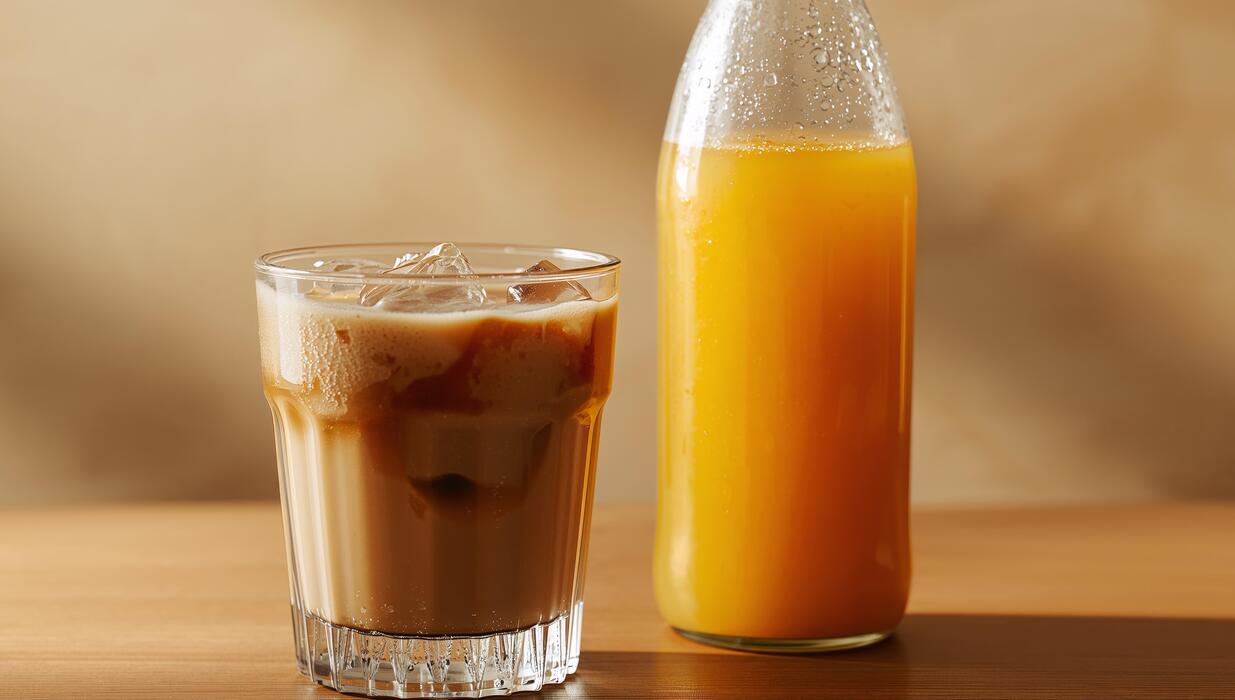
Best ways to serve cold filter coffee over ice
To serve cold filter coffee at its best, start by chilling your glass or mug beforehand for a frosty experience. Fill the glass with large ice cubes—they melt slower than small ones, preventing dilution. Pour the cold filter coffee over the ice, filling about two-thirds of the glass.
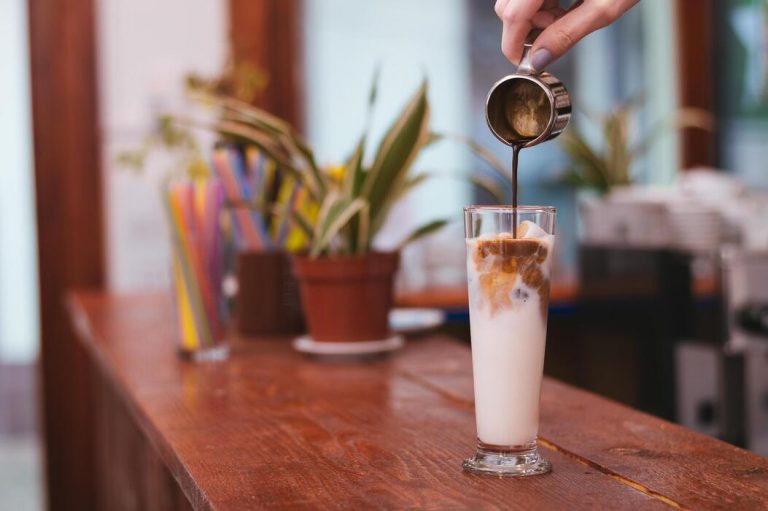
For a balanced flavor, add cold water or milk to taste, typically a 1:1 ratio for concentrate or straight if brewed as ready-to-drink. Enhance with simple syrup, vanilla extract, or a splash of cream for sweetness. Stir gently to integrate without breaking the ice.
For a luxurious touch, top with cold foam or whipped cream and a dusting of cinnamon or cocoa. Avoid hot coffee over ice, as it melts rapidly and creates a watery brew. Serve immediately to enjoy the bold, smooth, and refreshing profile of cold filter coffee, perfect for hot days.
How to store cold filter coffee concentrate
Store cold filter coffee concentrate in an airtight glass container to preserve freshness and prevent absorbing fridge odors. Glass is preferred over plastic because it doesn’t retain flavors or chemicals. Cool the concentrate completely to room temperature before sealing to avoid condensation, which can dilute the brew.
Label the container with the date of brewing to track freshness. Place it in the main body of the refrigerator, not the door, where temperature fluctuates less. For long-term storage, portion the concentrate into smaller jars to minimize air exposure each time you open one.
Avoid adding milk or sweeteners until serving, as they shorten shelf life. If you notice any off smells or mold, discard immediately. Properly stored, the concentrate stays vibrant and ready for quick iced coffee preparation. Shake or stir gently before use, as some settling may occur.
How long does cold filter coffee last in the fridge?
Cold filter coffee concentrate lasts up to 7–10 days in the refrigerator when stored properly in an airtight container. Ready-to-drink cold filter coffee (diluted) has a shorter lifespan of 3–5 days due to added water or milk, which accelerates spoilage.
For best quality, consume within the first week when flavors are bold and crisp. After 10 days, the coffee may develop a stale or sour taste as oils oxidize and aromatics fade. Always check for signs of spoilage: off odors, cloudiness, or mold growth.
To extend freshness, brew smaller batches more frequently and avoid contaminating the container with dirty spoons or cups. Do not freeze cold filter coffee, as freezing alters the flavor profile and causes separation when thawed.
For optimal taste, plan to finish your batch within 5–7 days and enjoy the smooth, low-acid profile at its peak.
Common Mistakes When Making Cold Filter Coffee
Using the wrong coffee grind
The most frequent mistake is using a grind that is either too fine or too coarse. For cold filter coffee, you need a medium-coarse grind, similar to sea salt or raw sugar.
A fine grind, like you’d use for espresso, will extract too quickly and result in a bitter, over-extracted brew that tastes harsh and muddy. Conversely, a very coarse grind leads to under-extraction, producing a weak, sour, and watery cup.
To get it right, use a burr grinder for consistent particle size. If you buy pre-ground coffee, look for a ‘cold brew’ or ‘French press’ grind. Remember, the goal is a slow, even extraction over 12-24 hours.
The grind is your primary control for flavor balance, so take the time to adjust it. A good test is to pinch the grounds: they should feel gritty, not powdery or chunky.
Over-steeping or under-steeping
Time is critical in cold filter coffee, and many people either rush the process or forget about it entirely. Under-steeping (less than 12 hours) means the water hasn’t had enough time to extract the coffee’s full flavor potential, resulting in a flat, acidic, and weak concentrate.
On the other hand, over-steeping (beyond 24-30 hours) can lead to over-extraction, pulling out bitter and woody compounds that ruin the smoothness. The sweet spot is typically 16-20 hours at room temperature, or up to 24 hours in the refrigerator. Use a timer to avoid guesswork.
Also, consider the water temperature: colder water requires more time. A consistent, controlled steep is your best tool for achieving that signature sweet, chocolatey, and low-acid cold brew profile. Set it and forget it, but don’t truly forget it.
Skipping the filtration step
A common shortcut is pouring the steeped coffee directly into a glass, leaving fine coffee silt and sludge at the bottom. This skips the crucial second filtration step, which removes the sediment that makes the final cup gritty and cloudy.
Even if you use a fine mesh filter initially, micro-grounds can pass through. After steeping, always pour the concentrate through a paper filter (like a Chemex or V60 filter), a clean nut milk bag, or a double layer of cheesecloth. This final filtration yields a crystal-clear, silky-smooth brew.
For best results, filter twice: first through a coarse sieve to remove the big grounds, then through a paper filter to catch the fines. Don’t press or squeeze the grounds at the end, as that forces bitter sediments through. A clean cup is the hallmark of quality cold filter coffee.
How to Customize Your Cold Filter Coffee
Adding milk, cream, or plant-based alternatives
To customize your cold filter coffee, start by selecting your preferred dairy or plant-based addition. For a classic creamy texture, pour in cold whole milk or heavy cream after brewing—this mellows the boldness and adds richness.
If you prefer a lighter option, try oat milk for its natural sweetness and smooth consistency, or almond milk for a nutty undertone that complements the coffee. For a vegan twist, coconut milk introduces a subtle tropical flavor, while soy milk offers a protein boost without overpowering the brew.
Always add the milk slowly to your chilled coffee, stirring gently to combine. To achieve a frothy top, use a handheld frother or shake the milk in a jar before pouring.
Adjust the ratio to taste: start with 1 part milk to 2 parts coffee for a balanced cup, or increase for a milder drink. Remember, cold filter coffee is concentrated, so adding milk not only customizes flavor but also dilutes strength to your liking.
Sweeteners and flavor syrups for cold filter coffee
Enhance your cold filter coffee by incorporating sweeteners and syrups that dissolve easily in cold liquids. Simple syrup (equal parts sugar and water) is ideal because it blends instantly without grittiness. For a deeper flavor, use brown sugar syrup or honey—stir thoroughly until dissolved.
If you prefer zero-calorie options, stevia or monk fruit sweetener work well in liquid form. For syrups, classic choices like vanilla, caramel, or hazelnut add a familiar sweetness; pour 1-2 tablespoons per serving and stir. Experiment with seasonal flavors like pumpkin spice or peppermint for a twist.
To make your own, simmer water with sugar and flavorings (e.g., cinnamon sticks or vanilla beans) then cool before adding. Always taste as you go to avoid oversweetening. For a balanced cup, start with 1 tablespoon of syrup and adjust.
Remember, cold filter coffee’s smooth profile pairs beautifully with subtle sweetness, so let the coffee’s character shine through.
Spices and toppings to try
Elevate your cold filter coffee with spices and toppings that add aroma and texture. Ground cinnamon or nutmeg sprinkled on top provides warmth and depth—use a fine mesh strainer for even distribution. For a spicy kick, add a pinch of cardamom or cayenne pepper directly into the brew before chilling.
Cocoa powder or cinnamon sticks can be steeped with the coffee grounds for a infused flavor. Toppings like whipped cream or coconut cream create a luxurious finish; dollop on top and dust with cocoa or cinnamon. For crunch, try crushed nuts (almonds or walnuts) or chocolate shavings.
A dash of sea salt can balance sweetness and enhance coffee’s natural notes. For a refreshing twist, add fresh mint leaves or orange zest as a garnish. Experiment with combinations like cinnamon and honey or cardamom and cream.
Remember, spices are potent—start with 1/4 teaspoon per cup and adjust to preference. These additions transform your cold filter coffee into a personalized, sensory experience.
Frequently Asked Questions
What is cold filter coffee?
Cold filter coffee, also known as cold brew, is made by steeping coarsely ground coffee in cold water for 12-24 hours. This slow extraction produces a smooth, less acidic concentrate that is typically diluted with water or milk before serving.
How do I make cold filter coffee at home without a special maker?
Combine 1 cup of coarsely ground coffee with 4 cups of cold water in a large jar. Stir, cover, and let it steep at room temperature or in the fridge for 12-24 hours. Strain the mixture through a fine-mesh sieve lined with a coffee filter or cheesecloth into a clean container.
What coffee grind size is best for cold filter coffee?
A coarse grind, similar to breadcrumbs or sea salt, works best for cold filter coffee. Fine grinds can over-extract, making the coffee bitter, while too coarse a grind may result in weak flavor.
How long should I steep cold filter coffee for the best flavor?
Steep for 12-24 hours, depending on your taste preference. 12 hours yields a milder brew, while 24 hours produces a stronger, more robust concentrate. Avoid steeping beyond 24 hours to prevent bitterness.
What is the ideal coffee-to-water ratio for cold filter coffee?
A common ratio is 1 part coffee to 4 parts water by volume (e.g., 1 cup coffee to 4 cups water). For a stronger concentrate, use a 1:3 ratio; for a milder brew, try 1:5. Adjust based on your taste.
How do I serve cold filter coffee?
Pour the concentrate over ice and dilute with equal parts water, milk, or a milk alternative. For a classic Indian filter coffee, mix with hot milk and sugar. You can also add flavored syrups or cream.
Can I use a French press to make cold filter coffee?
Yes, a French press works well. Add coarse grounds and cold water, stir, and let steep for 12-24 hours. Then press the plunger down slowly and pour the concentrate into a separate container for storage.
How should I store cold filter coffee concentrate?
Store the strained concentrate in an airtight container in the refrigerator for up to 2 weeks. Keep it away from strong odors to maintain freshness. Do not leave it at room temperature for extended periods.
Conclusion
Mastering cold filter coffee is simple: steep coarse grounds in cold water for 12-24 hours, strain through a fine filter, and dilute with milk or water to taste. The result is a smooth, low-acid brew perfect for hot days. Experiment with steeping times to find your ideal strength. Embrace the patience—your reward is a refreshing, homemade concentrate that beats any store-bought version.