How To Make Cold Brew Coffee Espresso
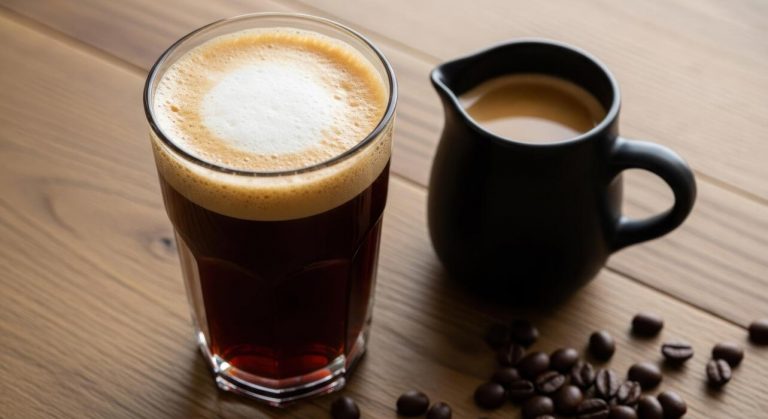
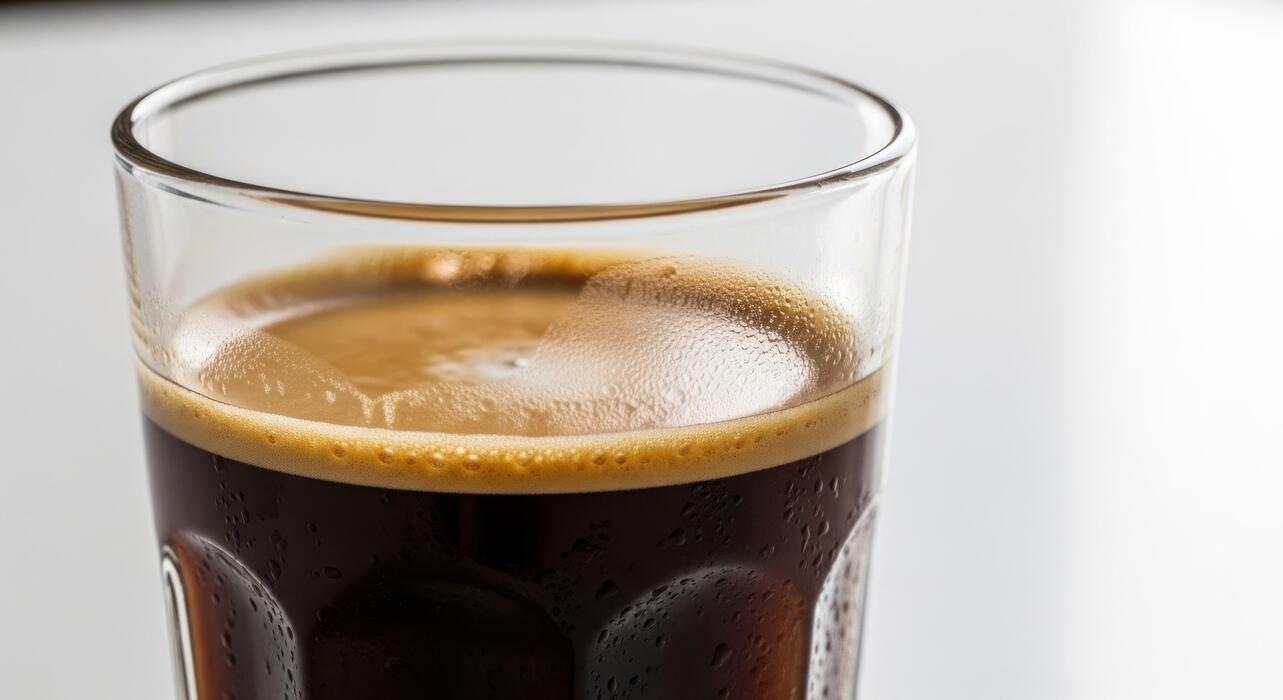
If you are craving that intense, concentrated kick but want the smooth finish of a slow steep, learning how to make cold brew coffee espresso is your next caffeine breakthrough. While true espresso requires high pressure, you can easily mimic those bold results at home using a specific coffee-to-water ratio. This guide shows you exactly how to achieve that rich, syrupy concentrate using simple tools. We will dive straight into the recipe so you can enjoy your DIY cold espresso immediately.
What is cold brew espresso?
The difference between cold brew and traditional espresso
To understand how to make cold brew coffee espresso alternatives, you must first distinguish between these two distinct brewing methods. Traditional espresso relies on high pressure and near-boiling water to force liquid through finely-ground beans in under thirty seconds, resulting in a small, intense shot topped with crema.
In contrast, cold brew is a passive immersion process that uses room temperature or cold water over a period of 12 to 24 hours. Because cold brew lacks the intense pressure of an espresso machine, it cannot produce true crema or the same chemical complexity found in a standard shot.
However, by significantly increasing the coffee-to-water ratio, you can create a potent liquid that mimics the strength of espresso. This concentrated version serves as a versatile base for lattes or Americanos.
While they share a high caffeine density, the extraction physics are fundamentally different, meaning your homemade cold brew version will be naturally smoother and less acidic than any heat-extracted espresso shot you might pull from a high-end Italian machine.
Why people call it cold brew espresso
The term cold brew espresso is technically a misnomer, yet it has gained popularity among home baristas looking for a shortcut to high-strength coffee without expensive equipment. Most people use this phrase to describe a heavy cold brew concentrate designed to be used in recipes that traditionally call for espresso.
By using a ratio such as 1:2 or 1:4 (coffee to water), you produce a liquid that is thick and powerful enough to stand up against heavy milk and syrups.
It is frequently sought after by those who want to make iced lattes or espresso martinis at home without investing in a pressurized extraction system. This method is incredibly helpful because it allows for batch preparation of ‘shots’ that stay fresh in the refrigerator for up to two weeks.
While a purist would argue that espresso requires nine bars of pressure, the average consumer uses the name to signal a bold, concentrated caffeine kick that delivers a similar sensory impact to a standard double shot of espresso.
Flavor profile of cold brew concentrates
When you successfully learn how to make cold brew coffee espresso style, you will notice a dramatic shift in the flavor profile compared to hot-brewed methods.
Because cold water does not dissolve the oily acids and bitter tannins as quickly as hot water, the resulting concentrate is remarkably sweet and mellow. You will often find deep notes of dark chocolate, molasses, and toasted nuts, which are heightened when using a dark roast bean.
This lack of perceived bitterness makes it an ideal solution for those with sensitive stomachs or anyone who prefers a cleaner, more rounded finish in their morning cup. Because the concentrate is so dense, it maintains its structural integrity when poured over ice, preventing your drink from becoming watery.
This robust and syrupy texture provides a luxurious mouthfeel that rivals the intensity of a traditional shot while offering a unique, wine-like complexity. Whether served black or mixed with cream, the flavor remains consistently balanced and low-acid, making it a versatile staple for any modern home coffee bar setup.
Equipment you need for cold brew espresso
Best jars and containers for brewing
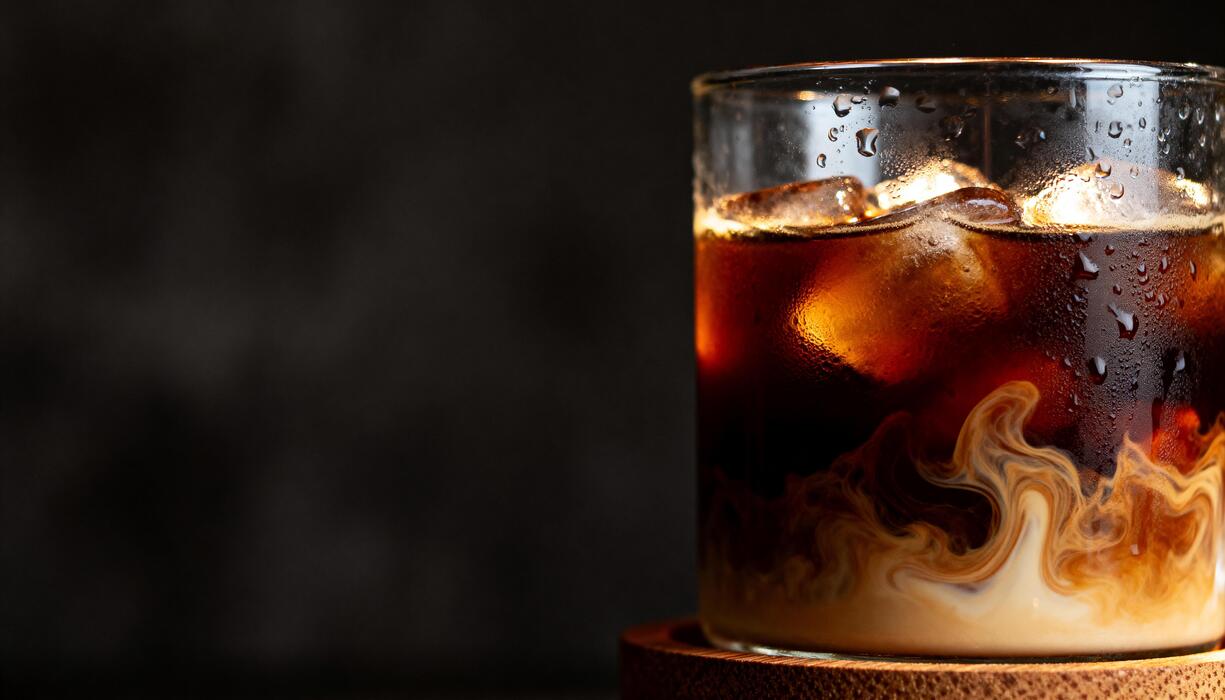
To successfully create a concentrated cold brew espresso base, you must start with a high-quality, airtight vessel. Large glass Mason jars are the industry standard because they are non-reactive, ensuring that no metallic or plastic flavors leach into your coffee during the long twenty-four-hour steeping process.
Using a vessel with a wide mouth is particularly beneficial as it allows you to easily stir the dense grounds and water mixture, ensuring every particle is fully saturated for maximum extraction.
If you plan on making larger batches, specialized cold brew coffee makers with integrated mesh filters can simplify the process, though a simple glass pitcher works perfectly well.
Ensure your container has a silicone seal to keep oxygen out, which preserves the delicate aromatic oils and prevents the coffee from taking on any unwanted odors from your refrigerator.
Choosing a transparent container also helps you monitor the color and sediment levels, allowing you to gauge the strength of your brew visually before you begin the final filtration step.
Why a quality burr grinder matters
The secret to a smooth, non-bitter cold brew espresso lies in the uniformity of your coffee grounds. Investing in a quality burr grinder is non-negotiable because it crushes beans into consistent, pebble-like pieces rather than chopping them into uneven shards like a blade grinder would.
For this specific brewing method, you need a consistent coarse grind setting to prevent over-extraction and bitterness. If your grounds are too fine, they will create a muddy silt that is nearly impossible to filter and results in a harsh, astringent flavor profile.
A burr grinder allows you to control the particle size with precision, which is essential when you are using a high coffee-to-water ratio to achieve that espresso-like intensity.
Freshly grinding your beans right before adding water also ensures that the volatile aromatic compounds remain intact, providing a much richer and more complex flavor in the final concentrate.
This piece of equipment is the single most important factor in moving from a basic iced coffee to a professional-grade cold brew espresso.
Filtering tools for a clean finish
Once your cold brew espresso has finished steeping, achieving a crisp and sediment-free finish requires the right filtration tools.
A fine-mesh stainless steel strainer is a great first step to remove the largest grounds, but for a true espresso-style clarity, you must follow up with a secondary paper filter or a cloth nut milk bag.
Using a double-filtration method ensures that all the fine silty particles are removed, which prevents the coffee from continuing to extract and becoming bitter in storage.
If you prefer a heavier mouthfeel with more natural oils, a reusable cloth filter is an excellent choice as it captures sediment while allowing flavorful lipids to pass through.
For those seeking the cleanest possible cup, a pour-over dripper with a thick paper filter will yield a bright, polished concentrate that mimics the refined nature of a traditional espresso shot.
Properly filtered concentrate can be stored in the fridge for up to two weeks, so taking the time to use high-quality filtering tools is a vital investment in the longevity and taste of your homemade brew.
Best coffee beans for cold brew concentrate
Choosing between light and dark roasts
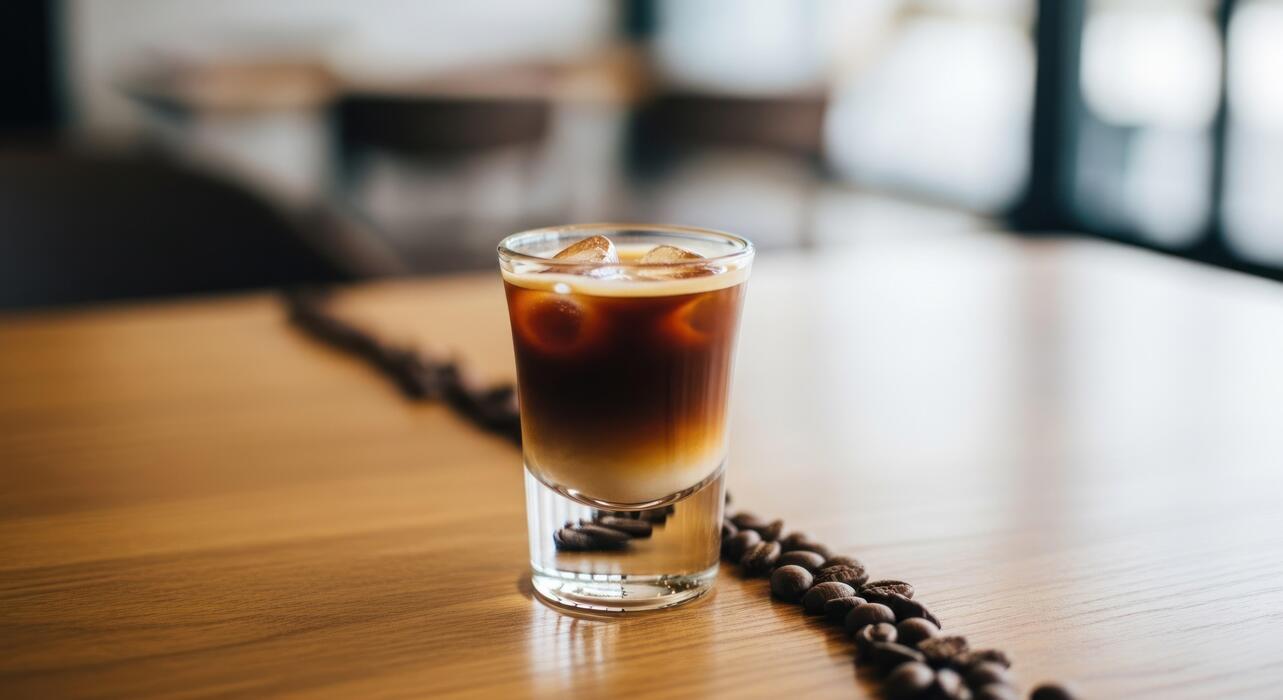
When learning how to make cold brew coffee espresso, the roast profile you select determines the foundational flavor of your concentrate. For a rich, syrupy texture that mimics traditional espresso, dark roast beans are the superior choice.
Dark roasts provide the chocolatey, nutty, and smoky notes that stand up well to dilution or the addition of milk. Because cold brewing naturally reduces acidity, these beans produce a smooth, bold finish without the bitter bite often found in hot-brewed dark coffee.
Conversely, light roasts offer a brighter, more floral profile that can feel tea-like. While interesting, light roasts often lack the body required for a true espresso-style concentrate. To achieve that intense, punchy kick necessary for mock-lattes or iced Americanos, aim for beans labeled as French Roast or Espresso Blend.
These beans have developed oils that contribute to a heavier mouthfeel, ensuring your cold brew concentrate remains potent and flavorful even after being mixed with water or ice.
The importance of a coarse grind size
The secret to a clean, sediment-free cold brew espresso lies in your grind consistency. Unlike traditional espresso which requires a fine powder, cold brew concentrate demands a consistent coarse grind, similar in texture to sea salt or breadcrumbs.
Because the steeping process lasts between 12 and 24 hours, using a fine grind will lead to over-extraction, resulting in a harsh, overly bitter liquid that is difficult to drink. Furthermore, fine particles are notoriously hard to filter out, leaving your concentrate cloudy and gritty.
Utilizing a high-quality burr grinder is essential for maintaining uniformity across all coffee particles. If your grind is too uneven, the smaller bits will over-extract while the larger bits under-extract, ruining the balance of your brew.
By maintaining a strictly coarse profile, you allow the water to slowly draw out the deep sugars and oils from the beans. This patience produces a concentrated syrup that is exceptionally smooth, allowing you to enjoy a homemade espresso experience without the need for expensive high-pressure machinery.
Freshness and bean storage tips
To ensure your cold brew espresso concentrate tastes professional, you must prioritize the freshness of your raw ingredients. Always start with whole bean coffee and grind it immediately before you begin the steeping process to preserve volatile aromatic compounds.
Once coffee is ground, its surface area increases, leading to rapid oxidation and a loss of the vibrant flavors essential for a strong concentrate. Look for bags with a recent roast date, ideally within the last two weeks, to guarantee peak flavor potential.
When storing your beans, keep them in an airtight, opaque container located in a cool, dark place like a pantry. Avoid the refrigerator or freezer, as moisture and fluctuating temperatures can degrade the cell structure of the bean and introduce unwanted odors.
Proper storage ensures that the natural oils, which provide the ‘crema’ feel in your cold brew espresso, remain intact. By protecting your beans from light, heat, and oxygen, you ensure every batch of concentrate is consistently bold, aromatic, and free from the stale taste of aged coffee.
How to make cold brew espresso step-by-step
Measuring the perfect coffee-to-water ratio
To achieve a true espresso-style intensity with cold brew, you must prioritize a high coffee-to-water ratio, typically ranging from 1:2 to 1:4.
Unlike standard cold brew which uses a 1:8 ratio for ready-to-drink results, an espresso concentrate requires a much higher density of solubles to mimic the mouthfeel and strength of a machine-pulled shot. Start by measuring one cup of coarsely ground beans for every two to four cups of filtered water.
Using a digital scale is highly recommended to ensure precision, as volume measurements can vary based on the roast level and bean density. Select a dark roast with low acidity to replicate the traditional flavor profile of espresso, which often features notes of chocolate and toasted nuts.
Ensure your water is filtered and at room temperature before starting the process, as impurities in tap water can lead to off-flavors that become magnified in such a concentrated solution. This foundational step ensures your final brew has the necessary kick for lattes or Americanos.
Mixing and steeping times for maximum strength
Once you have measured your ingredients, combine the grounds and water in a clean glass jar or specialized cold brew maker. It is crucial to stir gently to ensure every coffee particle is fully saturated, but avoid over-agitation which can lead to excessive bitterness.
Cover the vessel tightly and let it sit at room temperature for 18 to 24 hours. While standard cold brew might only need 12 hours, a concentrated espresso base benefits from a longer extraction time to pull out the deeper, bolder oils and caffeine content required for a potent shot.
Avoid steeping for longer than 24 hours, as this can result in woody or overly oxidized flavors that ruin the smooth profile.
If you prefer a slightly cleaner finish, you can move the container to the refrigerator, though this may require an additional 4 to 6 hours of steeping time due to the slower extraction rate in cold environments.
Consistency is key here, so set a timer to ensure you don’t over-extract the delicate oils.
How to strain and store your concentrate
After the steeping process is complete, you must carefully filter the mixture to remove all sediment. Start by pouring the liquid through a fine-mesh sieve to catch the large grounds, followed by a secondary pass through a paper coffee filter or cheesecloth for a sediment-free, crisp finish.
This double-filtration method is essential for a professional-grade espresso concentrate that feels smooth on the palate. Once strained, transfer your cold brew espresso into an airtight glass bottle or carafe.
Because this is a concentrated extract, it will remain fresh in the refrigerator for up to two weeks, though the flavor is most vibrant within the first seven days.
To serve, treat this liquid like a standard espresso shot; you can pour it over ice, mix it with frothed milk for a cold latte, or add hot water for a quick Americano.
Always keep the container sealed tightly to prevent the coffee from absorbing other odors in your fridge, ensuring every pour tastes as fresh and bold as the first day.
Ways to use cold brew espresso in drinks
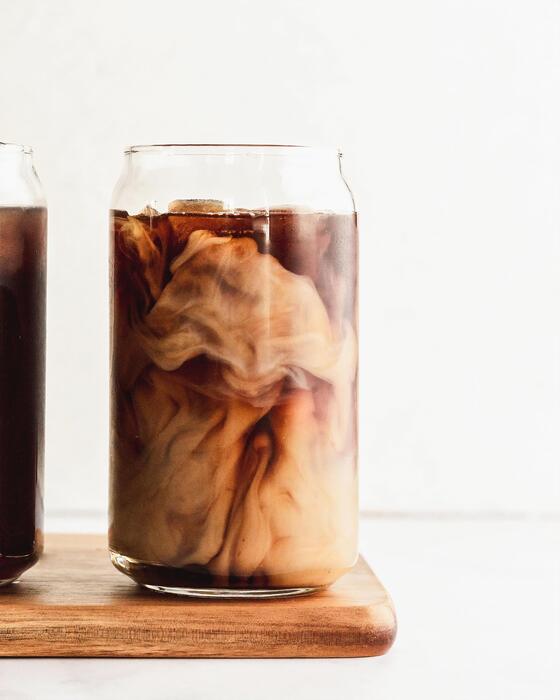
Making a cold brew latte
To craft a silky cold brew latte, start by selecting a high-quality, dark-roasted bean to ensure your cold brew espresso concentrate maintains its structural integrity against heavy dairy. Fill a tall glass with large ice cubes to prevent rapid dilution, then pour in approximately two ounces of your potent concentrate.
The magic happens when you introduce your milk of choice; for a truly indulgent texture, use whole milk or barista-blend oat milk which provides the necessary fats for a creamy mouthfeel.
Unlike a traditional hot latte, you do not need to steam the milk, but you can use a handheld frother to create a light layer of cold foam on top for an elevated aesthetic.
If you prefer a touch of sweetness, stir in a teaspoon of simple syrup or vanilla bean paste before adding the milk.
This method results in a refreshing, low-acidity beverage that highlights the smooth chocolatey notes of the cold extraction process while providing a significant caffeine kick perfect for warm mornings.
How to mix a cold brew martini
The cold brew martini is a sophisticated evolution of the classic espresso martini, offering a smoother profile with less bitterness. To begin, chill a coupe or martini glass in the freezer to ensure your cocktail stays crisp.
In a weighted cocktail shaker, combine two ounces of your homemade cold brew espresso, two ounces of premium vodka, and one ounce of coffee liqueur.
To achieve that signature frothy crema topping without a hot espresso machine, add a half-ounce of simple syrup and shake the mixture vigorously with plenty of ice for at least twenty seconds. The aeration from the hard shake is vital for creating the luxurious foam head that defines this drink.
Strain the mixture through a fine-mesh sieve into your chilled glass to remove any ice shards. Garnish the surface with exactly three coffee beans, representing health, wealth, and happiness.
The result is a perfectly balanced, caffeine-infused cocktail that showcases the deep, complex flavors of your cold-steeped concentrate without the harsh acidic bite often found in standard coffee drinks.
Creating a sparkling coffee tonic
For a bright and effervescent pick-me-up, the sparkling coffee tonic is an exceptional way to utilize your cold brew espresso. This drink highlights the floral and citrus undertones of the coffee that are often masked by milk.
Start by filling a highball glass with fresh ice and pouring in four to five ounces of premium tonic water; choosing a tonic with real quinine and botanical notes will significantly improve the final flavor profile.
Slowly pour one to two ounces of your cold brew espresso concentrate over the back of a spoon to create a visually stunning layered effect as the dark coffee bleeds into the clear tonic.
The carbonation naturally lifts the aromatics of the coffee, creating a sensory experience that is both refreshing and complex. For a professional finish, express a twist of orange or grapefruit peel over the glass to release essential oils, then drop it in.
This drink is an excellent alternative to soda, offering a sophisticated bitterness and crisp finish that cleanses the palate while providing a steady, clean energy boost throughout the afternoon.
Tips for better tasting cold brew
Using filtered water for better clarity
To achieve a professional-grade cold brew espresso at home, the quality of your water is just as critical as the beans themselves. Since coffee is roughly ninety-eight percent water, any impurities, minerals, or chemicals like chlorine found in tap water will be magnified during the long steeping process.
Using purified or filtered water ensures a clean canvas that allows the complex, chocolatey notes of your espresso roast to shine through without interference. Hard water can lead to a chalky texture and muted flavors, while excessively soft water might result in an over-extracted, salty profile.
By opting for a charcoal filtration system or bottled spring water, you create a chemically balanced environment that promotes optimal extraction.
This clarity is especially vital when making a concentrated espresso style, as the higher density of coffee solids requires a pure liquid base to maintain a crisp and refreshing finish. Investing in better water is the simplest way to elevate the overall transparency and aromatic quality of your final brew.
How to adjust strength for your palate
Creating a cold brew that mimics the intensity of espresso requires a specific approach to the coffee-to-water ratio. For a standard cold brew, a one-to-eight ratio is common, but for an espresso-style concentrate, you should aim for a one-to-four or even one-to-three ratio.
This high concentration allows the brew to hold its own when diluted with milk or water, or when shaken over ice. If you find the result too intense, you can easily calibrate the strength by adding small increments of filtered water until you reach your desired potency.
Conversely, if the brew feels thin, try increasing the steeping time by two hours or using a slightly finer grind setting next time. Remember that the steeping duration—typically between twelve and eighteen hours—is your primary lever for body and depth.
By meticulously tracking your ratios and timing, you can customize a bold, syrupy liquid that delivers the punch of a traditional espresso shot with the signature smoothness of a cold extraction method.
Common mistakes that cause bitterness
The most frequent error when attempting a cold brew espresso is using a grind size that is too fine. While traditional espresso requires a powdery grind, cold brew necessitates a consistent coarse grind similar to sea salt.
If the particles are too small, they will over-extract during the long soak, leading to a harsh, astringent bitterness that masks the natural sweetness of the bean. Another mistake is steeping for too long; exceeding twenty-four hours often pulls out woody, bitter tannins from the cellulose of the coffee grounds.
Temperature also plays a pivotal role; while it is called ‘cold’ brew, steeping in a refrigerator can actually slow down extraction too much, while a very warm room might trigger oxidation. For the best results, steep at cool room temperature and then move the filtered concentrate to the fridge.
Finally, ensure you are using a high-quality burr grinder to avoid ‘fines’—tiny dust-like particles that pass through filters and create a muddy, bitter sediment in your cup, ruining the silky mouthfeel.
Frequently asked questions about cold brew espresso
How much caffeine is in cold brew concentrate?
When you prepare a cold brew espresso concentrate, the resulting caffeine content is significantly higher than standard drip coffee due to the prolonged extraction time and high coffee-to-water ratio.
Typically, a standard serving of this concentrate can contain anywhere from 200 to 500 milligrams of caffeine, depending on the specific beans used and the exact steeping duration.
Because the cold water extracts caffeine more slowly than boiling water, the extended twenty-four-hour contact time ensures a maximum chemical yield from the grounds. To manage your intake effectively, it is essential to dilute the concentrate with water, milk, or ice rather than drinking it straight.
This high potency makes it an excellent base for creating lattes or americanos that provide a sustained energy boost without the immediate jitters often associated with rapid-fire espresso shots.
Always monitor your portion sizes to ensure you are enjoying the bold flavor profile safely while benefiting from the smooth, low-acid characteristics that define a well-made cold brew espresso base.
How long does it stay fresh in the fridge?
One of the primary benefits of making a cold brew espresso concentrate is its impressive shelf life compared to traditionally brewed hot coffee. When stored in an airtight glass container, your concentrate will maintain its peak flavor profile for seven to ten days.
To ensure maximum freshness, it is vital to filter the grounds thoroughly to prevent over-extraction, which can lead to a bitter aftertaste over time. Keeping the liquid in the back of the refrigerator where temperatures are most consistent will help preserve the delicate aromatic compounds and prevent oxidation.
If you notice a sour smell or a significant loss of aroma, it is likely time to brew a fresh batch.
For those who brew in large quantities, you can even freeze the concentrate in ice cube trays to lock in the flavor for several weeks, allowing you to drop a cube into a glass of milk for an instant iced latte.
This longevity makes it a highly efficient solution for busy mornings when you need a quick caffeine fix.
Can you heat up cold brew espresso?
A common misconception is that cold brew must be served cold, but you can certainly heat up your concentrate to enjoy a steaming cup of low-acid coffee.
The best method to achieve this without compromising the flavor is to add boiling water to a room-temperature concentrate, which gently raises the temperature while maintaining the smooth profile.
Alternatively, you can use a stovetop or microwave, but you must be careful to avoid boiling the liquid, as excessive heat can re-introduce bitterness and destroy the nuanced notes created during the cold steeping process.
Heating cold brew espresso is particularly beneficial for individuals with sensitive stomachs, as the cold extraction process leaves behind many of the acidic oils that are normally released by hot water.
By warming the concentrate, you get the best of both worlds: a rich, chocolatey depth and a soothing warmth that is easy on the digestive system. This versatility allows you to use your cold brew batch for both iced and hot beverages throughout the week, regardless of the weather outside.
Frequently Asked Questions
Can you actually make real espresso using the cold brew method?
Technically, true espresso requires high pressure and hot water, which cold brewing doesn’t use. However, you can create a ‘cold brew espresso’ concentrate that mimics the intensity and strength of espresso by using a much higher coffee-to-water ratio.
What is the best coffee-to-water ratio for cold brew espresso concentrate?
To achieve an espresso-like strength, use a ratio of 1:2 or 1:3 (one part coffee to two or three parts water). This creates a very thick, potent liquid that can be used as a base for lattes and cappuccinos.
What grind size should I use for cold brew espresso?
Even though traditional espresso uses a fine grind, cold brew espresso still requires a coarse, breadcrumb-like grind. Using a fine grind for a long cold steep will result in an over-extracted, bitter flavor and a muddy texture that is difficult to filter.
How long should I steep cold brew to get an espresso-like strength?
You should steep the concentrate for 18 to 24 hours at room temperature. Because you are using less water to create a concentrate, the longer steeping time is necessary to ensure full extraction of the oils and caffeine.
How do I use cold brew concentrate to make an iced latte?
Fill a glass with ice and add 2 ounces of your cold brew concentrate, which acts as your ‘espresso shot.’ Top it with 4 to 6 ounces of milk or a dairy alternative and stir well for a smooth, low-acid iced latte.
Do I need special beans to make cold brew espresso?
While you can use any coffee, a dark roast or a specific ‘espresso blend’ usually works best. These roasts provide the chocolatey, bold, and smoky notes typically associated with espresso, which hold up well against milk and ice.
Conclusion
Mastering cold brew espresso allows you to enjoy a bold, velvety caffeine kick without the bitterness of traditional brewing. By using a high coffee-to-water ratio and allowing ample steeping time, you can create a versatile concentrate perfect for lattes or neat sipping. Now that you know the secrets to this smooth, low-acid method, it is time to experiment with your favorite beans. Start brewing today and elevate your home barista skills with every refreshing cup.