How Long Do Roasted Coffee Beans Stay Good
how long do roasted coffee beans stay good depends on storage, roast date, and whether the bag remains sealed. Most beans taste best within two to four weeks after roasting and stay usable for months, though flavor gradually fades. If you want to know when beans are freshest, when they start losing aroma, and how to store them for longer-lasting quality, you are in the right place. This guide gives clear timelines and practical storage advice for every brewing style.
How long do roasted coffee beans stay good after roasting
Freshness timeline in the first days after roast
Right after roasting, coffee beans are technically drinkable, but they are often too fresh for the best cup. During the first 24 to 72 hours, beans release a lot of carbon dioxide in a process called degassing.
That gas can interfere with extraction, especially for espresso, and may make flavors seem sharp, uneven, or muted. For most home brewers, a practical approach is to wait at least 2 to 5 days after roast before opening the bag for regular brewing.
Lighter roasts may benefit from a slightly longer rest, while darker roasts are often ready sooner. If the bag has a roast date, use that instead of relying on a sell-by date.
To get the best early results, keep beans sealed, cool, dry, and away from light during this resting period. If you must brew immediately, use methods like French press or drip, which are often more forgiving than espresso in the first few days.
Best flavor window for whole beans
For most coffees, the ideal drinking period starts after the initial degassing phase and lasts for several weeks.
A solid rule of thumb is that whole roasted coffee beans taste best from about 5 days to 4 weeks after roasting, though some beans, especially lighter specialty roasts, can stay vibrant a bit longer.
In this window, you are most likely to notice clear aroma, sweetness, balance, and origin character. To make that flavor last, store beans in an airtight container at room temperature, away from moisture, heat, and sunlight. Avoid keeping them in a frequently opened hopper or clear jar on the counter.
Buy only what you can use within two to four weeks, and grind just before brewing for the biggest quality difference. If you want to stretch freshness, freezing small, well-sealed portions can help, but for daily use, good storage and smaller purchases usually matter more than complicated methods.
When coffee beans start to taste stale
Roasted coffee beans do not suddenly go bad on one exact day, but they usually begin to lose noticeable flavor after about 3 to 5 weeks, depending on roast level, packaging, and storage.
The first signs of staling are often a weaker aroma, flatter taste, less sweetness, and a dull or papery finish. Dark roasts may taste oily and tired sooner, while lighter roasts can sometimes hold up a little better.
Beans are often still safe to drink well beyond their peak, but they may no longer deliver the fresh, lively cup most people want. If your coffee tastes hollow or lifeless, adjust your brew recipe first, but also check the roast date.
To avoid stale beans, use whole beans within about a month of roast for best quality, keep the bag tightly sealed, and avoid exposure to air each day. If beans are older, they can still work in cold brew or milk-based drinks where subtle notes matter less.
What affects how long roasted coffee beans stay fresh
How oxygen changes flavor over time
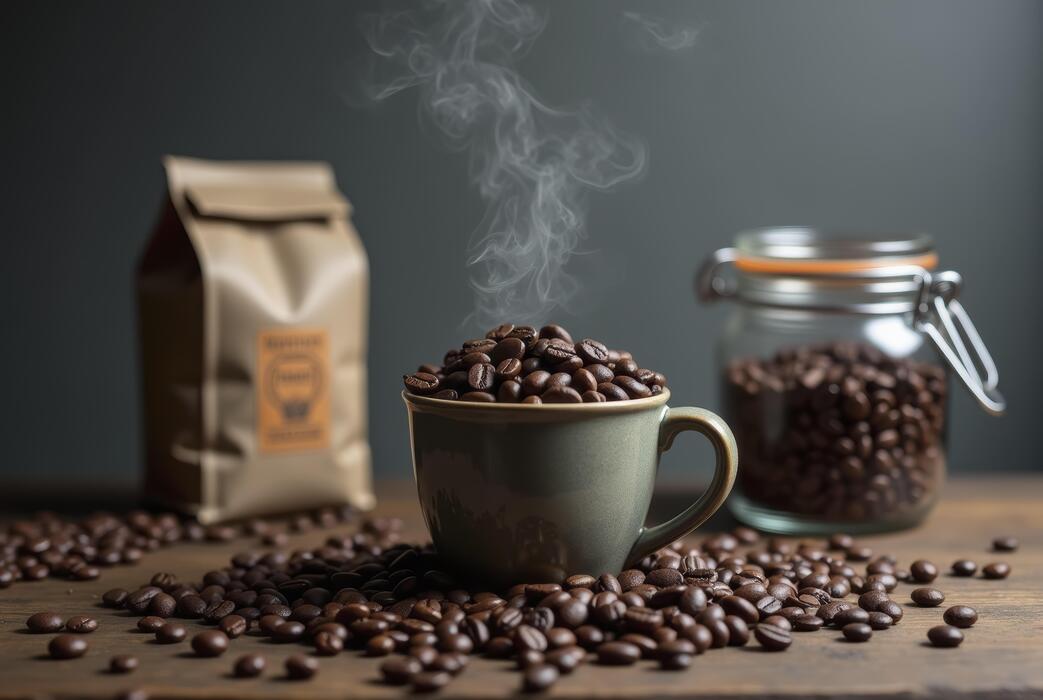
Oxygen is the main reason roasted coffee beans slowly lose their best flavor. After roasting, beans release gases and start reacting with air, which causes the bright aromas and sweeter tasting notes to fade.
In practical terms, whole roasted beans usually taste best within 2 to 4 weeks of the roast date if stored well, though they can still be drinkable for several weeks after that.
Once a bag is opened, repeated air exposure speeds up staling, so opening and resealing too often shortens freshness. To make beans stay good longer, keep them in an airtight, opaque container and only open it when needed.
If you buy a larger amount, divide it into smaller portions so the main supply stays less exposed. A useful rule is simple: if the coffee smells flat, less sweet, or dull compared with when it was fresh, oxygen has already taken a noticeable toll.
Why light, heat, and moisture matter
Light, heat, and moisture can make roasted coffee beans go stale faster, even if the bag is sealed. Heat speeds up flavor breakdown, causing the oils and aromatic compounds in the beans to deteriorate more quickly.
Light, especially sunlight, also weakens flavor over time, which is why clear containers on a counter are not ideal. Moisture is especially harmful because beans can absorb it from the air, leading to dull taste and in some cases spoilage risks if conditions are very damp.
The best way to keep roasted coffee beans good is to store them in a cool, dark, dry place, such as a cupboard away from the stove, oven, dishwasher, or window. Avoid the refrigerator, since temperature changes and condensation can introduce moisture.
If you need to store beans for longer than a month, freezing small airtight portions can help, but only thaw each portion once before use.
How roast level can affect shelf life
Roast level changes how quickly coffee beans lose their best qualities. Darker roasts tend to stale faster because the beans are more porous and their oils move closer to the surface, making them more vulnerable to oxygen and heat.
This means a dark roast may taste at its peak for a shorter window, often around 2 to 3 weeks after roasting when stored properly.
Lighter roasts often hold onto their character a bit longer, sometimes staying more vibrant for 3 to 5 weeks, because they are denser and less oily on the outside. That said, roast level does not override storage habits; poor storage will shorten freshness no matter what roast you buy.
If you want beans to stay good longer, buy only what you can use within a few weeks, check for a clear roast date, and match purchase size to your brewing routine. Smaller, fresher purchases usually beat bulk bags for flavor.
How to tell if roasted coffee beans have gone stale
Changes in aroma, flavor, and body
A practical way to judge how long roasted coffee beans stay good is to track aroma first, then taste and mouthfeel. Fresh beans usually smell vivid and specific, with notes like chocolate, nuts, fruit, or caramel.
As they stale, the smell becomes flat, papery, woody, or faint, especially right after grinding. In the cup, stale beans often lose sweetness and complexity, and the flavor can seem muted, dull, or slightly cardboard-like. You may also notice the coffee feels thinner, with less body and a shorter finish.
If you brew espresso, stale beans usually produce weaker crema and less balance. For most home storage situations, roasted beans are at their best for about 2 to 6 weeks after roasting, though they remain drinkable beyond that.
To check your beans, grind a small amount and compare the fragrance and cup quality against what you normally expect. If the character is fading rather than spoiled, the beans are likely stale, not unsafe.
What oily beans can mean for freshness
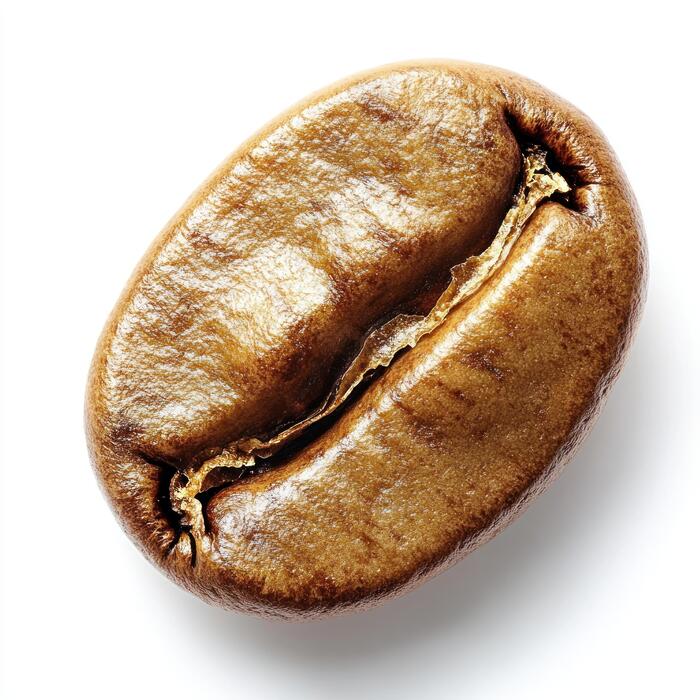
Seeing oil on roasted coffee beans does not automatically tell you whether they are fresh or stale, so it helps to look at roast level, timing, and overall condition.
Dark roasts often show surface oil naturally, sometimes even when they are fairly fresh, because the roasting process brings internal oils outward. However, if beans that were originally dry-looking become increasingly shiny over time, that can be a clue that they are aging and losing freshness.
Excess oil exposure can speed up oxidation, which makes flavors fade faster and can create a rancid or ashy edge in the cup. Smell the beans closely: if the aroma is still rich and pleasant, they may simply be dark roasted.
If the scent seems stale, greasy, or oddly bitter, they are likely past peak quality. Store beans in an airtight container away from heat, light, and moisture to slow this process. Oily beans are usually still usable, but they may no longer brew their best.
Signs your beans are still safe but past their best
Roasted coffee beans often remain safe to brew long after peak freshness, so the main issue is usually quality rather than food safety.
If your beans smell weak but not moldy, brew coffee that tastes bland instead of vibrant, or produce a cup with reduced sweetness, clarity, and crema, they are probably past their best rather than dangerous.
Beans that are a few months old may still work well in milk drinks, cold brew, or recipes where subtle flavor matters less. The bigger warning signs are different: avoid beans with visible mold, moisture damage, or a clearly sour, rotten, or rancid odor.
Those suggest storage problems, not simple staling. If you are asking how long roasted coffee beans stay good, a useful rule is that whole beans are usually best within one month of opening and somewhat longer if unopened and well sealed.
When quality drops, use them quickly for lower-stakes brewing, and buy smaller amounts next time to keep your coffee fresher.
Best ways to store roasted coffee beans at home
Use airtight containers to slow staling
Roasted coffee beans usually taste their best for about 2 to 4 weeks after roasting once opened, though they can still be enjoyable for up to 6 to 8 weeks if stored well.
The simplest way to preserve flavor is to move beans into an airtight, opaque container that limits exposure to oxygen, light, and moisture. A container with a tight seal helps slow the loss of aromatic oils that make coffee smell and taste fresh.
If possible, buy coffee in smaller amounts so you open only what you will use within a couple of weeks. Keep the original roast date in mind rather than relying on a best-by date.
For even better results, avoid opening the container repeatedly by dividing beans into smaller portions for daily use. Less air contact means slower staling, and that gives you a longer window of sweet, balanced flavor before the beans become flat or dull.
Where to keep beans for the best results
The best place to store roasted coffee beans at home is in a cool, dark, dry cupboard away from heat sources and direct sunlight.
Beans stay good longest when the storage area has a stable temperature and low humidity, so avoid spots near the oven, dishwasher, toaster, or a sunny windowsill. For most households, a pantry shelf is better than the refrigerator because fridges introduce moisture and food odors each time the door opens.
If you have more beans than you can finish in a month, you can freeze them in small, fully sealed portions and thaw only what you need, once, before use. This approach helps preserve quality for longer-term storage without repeated condensation.
As a general rule, roasted beans kept properly at room temperature are best used within several weeks, while frozen backup portions can hold quality longer. Consistency in storage conditions matters almost as much as the container itself.
Common storage mistakes to avoid
A few common habits can make roasted coffee beans lose freshness much faster. The biggest mistake is storing them where they face air, heat, light, or moisture, all of which speed up staling.
Clear jars on the counter may look nice, but they let in light and often sit near warm appliances. Another mistake is putting a large bag in and out of the freezer every day; this creates condensation and temperature swings that can damage flavor.
Avoid grinding beans far in advance, because ground coffee goes stale much faster than whole beans. It is also unhelpful to keep beans in the refrigerator, where they can absorb odors from other foods. Finally, do not buy oversized bags unless you drink coffee quickly.
Even great beans will fade if they sit too long. For the best taste, buy what you can finish within 2 to 4 weeks, store it carefully, and grind only what you need right before brewing.
How long roasted coffee beans stay good in different storage methods
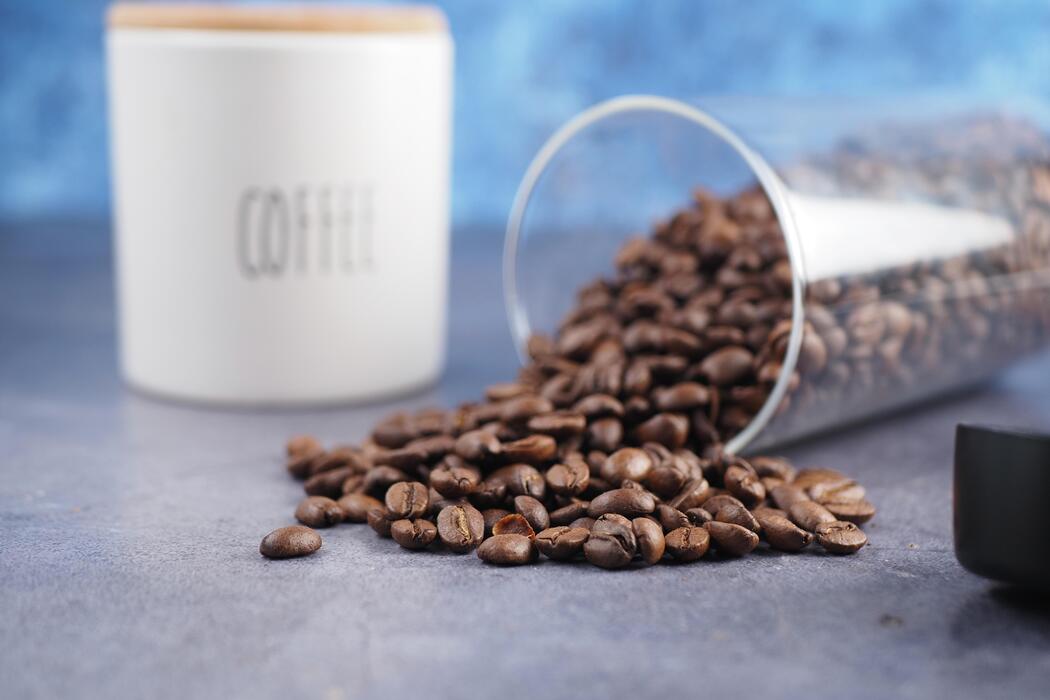
Countertop storage vs pantry storage
Roasted coffee beans usually taste their best for about 2 to 4 weeks after opening when stored well, but where you keep them makes a real difference. Countertop storage is convenient, yet beans age faster there if they sit near sunlight, a stove, or fluctuating room temperatures.
In many kitchens, that means the flavor starts flattening sooner, often closer to 2 weeks of peak quality.
Pantry storage is generally better because it is darker, cooler, and more stable, which helps beans stay fresher for 3 to 4 weeks after opening and sometimes longer if the bag is tightly sealed.
For best results, move beans into an opaque, airtight container and store it in a dry cupboard away from heat sources. Avoid clear jars on display, even if they look nice.
The main enemies are oxygen, light, heat, and moisture, so whichever spot reduces those most will help roasted beans stay good longer.
Do vacuum-sealed bags help beans last longer
Yes, vacuum-sealed bags can help roasted coffee beans last longer, especially before you open them.
An unopened, properly sealed bag with a one-way valve can keep beans in good condition for around 1 to 3 months past roast date, though the brightest flavors are usually strongest within the first 2 to 6 weeks.
Once opened, the benefit drops because every opening lets in fresh oxygen, and oxidation is what gradually dulls aroma and sweetness. To make vacuum-sealed packaging work better, buy smaller bags that you can finish within 2 to 4 weeks, rather than one large bag that stays open too long.
If the coffee arrives in a high-quality resealable valve bag, you can often keep using it, squeezing excess air out after each use. For even better protection, transfer opened beans to an airtight canister that limits air exposure.
Vacuum sealing extends freshness, but it does not stop aging completely, so flavor still declines over time.
Should you freeze roasted coffee beans or not
Freezing roasted coffee beans can be a smart option, but only if you do it correctly. If you buy more coffee than you can use within 2 to 4 weeks, freezing helps preserve flavor much better than leaving extra beans at room temperature for months.
The key is to freeze beans in small, airtight portions so each packet is opened only once. Moisture and repeated temperature changes are the biggest risks, so do not keep taking the same container in and out of the freezer.
When you are ready to use a portion, let it come fully to room temperature before opening to prevent condensation from forming on the beans. For daily-use beans, freezing is usually unnecessary and less convenient than pantry storage.
But for backup coffee, it can keep beans tasting good for about 2 to 3 months, sometimes longer. Avoid freezing beans loosely in the original bag unless it is very well sealed and protected from moisture.
How grinding changes the shelf life of roasted coffee beans
Why whole beans last longer than ground coffee
Whole roasted coffee beans stay good longer because their outer structure protects the flavorful oils and aromatic compounds inside. Once coffee is ground, thousands of tiny particles are exposed to air, light, heat, and moisture all at once, which speeds up staling.
If you are wondering how long roasted coffee beans stay good, whole beans usually taste best for about 2 to 6 weeks after roasting when stored well, though they can remain acceptable longer. Ground coffee, however, loses quality much faster because oxidation happens on a much larger surface area.
To make your beans last, keep them in an airtight, opaque container at room temperature, away from the stove, sunlight, and humidity. Avoid storing coffee in the fridge, where condensation can hurt flavor.
If you buy coffee in larger amounts, split it into smaller sealed portions so you only open what you need and keep the rest fresher.
How fast ground coffee loses flavor
Ground coffee starts losing flavor within minutes of grinding, and the change becomes much more noticeable over the first few hours and days.
That does not mean it becomes unsafe right away, but it does mean the cup will taste flatter, less sweet, and less aromatic far sooner than whole beans.
If roasted whole beans can stay enjoyable for several weeks, pre-ground coffee is usually at its best the same day it is ground and often shows a clear drop in quality after a few days to a week, depending on storage.
The finer the grind, the faster it stales because even more surface area is exposed. To slow this down, only grind what you need for each brew, and store any extra in a tightly sealed container with minimal air space.
If you must buy ground coffee, purchase smaller bags more often rather than one large bag that stays open too long.
Best time to grind for peak taste
For the best flavor, grind coffee immediately before brewing. This is the simplest way to get the most from roasted beans that are still within their ideal freshness window.
Even high-quality beans lose some of their most delicate aromas quickly after grinding, so waiting until the last moment preserves brightness, sweetness, and complexity in the cup. A practical routine is to measure your beans first, grind only the amount needed, and brew right away.
If you prepare coffee in advance, try to keep the delay between grinding and brewing under 15 to 30 minutes, and shorter is even better. This matters especially for espresso, where flavor clarity is very sensitive to freshness. If convenience is your concern, consider pre-portioning whole beans instead of pre-grinding.
That way, you save time without sacrificing as much quality. Fresh-ground coffee consistently gives a fuller, more vibrant taste than coffee ground hours or days earlier.
Tips for buying and using roasted coffee beans before they go stale
How much coffee to buy at one time
For the best flavor, buy roasted coffee beans in small, practical amounts rather than stocking up for months. A useful rule is that whole beans usually taste their best for about 2 to 4 weeks after opening, though they can still be enjoyable a bit longer if stored well.
To avoid stale coffee, estimate your actual use before shopping. If you brew one or two cups a day, a 10 to 12 ounce bag often makes more sense than a large bulk bag.
Heavy coffee drinkers may finish a larger bag while it is still fresh, but occasional drinkers should stay with smaller sizes. If you want to save money, buy multiple small bags instead of one oversized bag and keep the unopened extras sealed until needed.
That way, you get fresher cups, better aroma, and less waste, while making it easier to enjoy beans before oxidation and flavor loss noticeably flatten the taste.
What roast date to look for on the bag
When you want to know how long roasted coffee beans stay good, the roast date matters more than a vague best-by date. Look for bags that clearly show when the beans were roasted, and aim to buy coffee roasted within the last 7 to 21 days.
Very fresh beans can sometimes benefit from a few days of rest after roasting, especially for espresso, but for most home brewers that window is ideal for balanced flavor and aroma. If a bag has no roast date, that is usually a sign to skip it.
A best-by date alone does not tell you whether the beans are already old. As a general guide, unopened roasted beans can remain decent for several weeks to a couple of months, but flavor fades over time.
Choosing a recent roast date gives you more control, better planning, and a longer enjoyable window once you bring the beans home and start using them.
Simple habits to keep every cup tasting fresh
Once you open a bag, a few easy habits can help roasted coffee beans stay good longer and keep each brew tasting lively. Store beans in an airtight, opaque container placed in a cool, dry cupboard away from sunlight, heat, and moisture.
Avoid keeping them in a clear jar on the counter, and do not open the container more often than necessary. Grind only what you need right before brewing, since ground coffee loses freshness much faster than whole beans.
It also helps to keep beans away from strong odors, because coffee can absorb smells from the environment. Unless you are storing coffee for a longer period and can portion it carefully, frequent refrigeration is usually not ideal because of condensation risk.
For daily use, the goal is simple: less air, less light, less heat, and less moisture. These habits slow staling and help preserve sweetness, aroma, and clarity in every cup.
Frequently Asked Questions
How long do roasted coffee beans stay good after roasting?
Roasted coffee beans are usually at their best for about 2 to 4 weeks after the roast date when stored properly. They do not suddenly go bad after that, but flavor and aroma gradually fade, especially once the bag is opened.
Do roasted coffee beans expire or just lose freshness?
Roasted coffee beans mostly lose freshness rather than becoming unsafe right away. Over time, oxygen, light, heat, and moisture cause the oils and aromas to break down, making the coffee taste flat or stale.
How long do whole roasted coffee beans stay fresh after opening?
After opening, whole beans generally taste best within 2 to 3 weeks if kept in an airtight container. They can still be usable for longer, but the most noticeable flavor notes usually begin to diminish after that window.
Do ground coffee and whole bean coffee last the same amount of time?
No, ground coffee goes stale much faster than whole beans because more surface area is exposed to air. Whole roasted beans hold their flavor longer, which is why grinding just before brewing is usually recommended.
What is the best way to store roasted coffee beans?
Store roasted coffee beans in an airtight, opaque container at room temperature in a cool, dry place. Avoid keeping them near sunlight, heat, moisture, or frequent air exposure, since all of these speed up staling.
Should roasted coffee beans be refrigerated or frozen?
Refrigeration is usually not ideal because coffee can absorb moisture and odors from the fridge. Freezing can work for long-term storage if the beans are sealed tightly in small portions and not repeatedly thawed and refrozen.
How can I tell if roasted coffee beans are no longer good?
Beans that are past their prime often smell weak, dull, or slightly rancid instead of rich and aromatic. Brewed coffee made from stale beans may taste flat, papery, bitter, or lacking in sweetness and complexity.
Conclusion
Roasted coffee beans stay at their best for a limited time, usually delivering peak flavor within a few weeks after roasting when stored properly. Keeping beans in an airtight container, away from heat, light, moisture, and air, helps preserve freshness longer. While they may still be usable beyond that window, the taste gradually fades. With smart storage habits and timely use, you can enjoy richer, more satisfying cups every day.