Are Dark Roast Coffee More Caffeinated
If you reach for a dark roast thinking it will give you an extra energy boost, you might be surprised by the truth. Many coffee lovers assume that a bold, smoky flavor equals more caffeine, but the reality of the roasting process tells a different story. In this guide, we will quickly clear up the confusion between roast levels and stimulant levels. You will discover exactly how caffeine changes during the roast so you can choose the perfect morning brew.
The Truth About Caffeine Content in Dark vs. Light Roast
How roasting levels change the coffee bean
To understand the caffeine dynamics between different roasts, you must first look at how heat alters the physical structure of the coffee bean. During the roasting process, beans are subjected to intense temperatures that cause them to expand in size while simultaneously losing moisture and mass.
Dark roast beans stay in the roaster longer, resulting in a physical structure that is significantly less dense and more porous than their light roast counterparts. This structural transformation is the primary reason for the confusion regarding caffeine levels.
If you measure your coffee by volume using a scoop, you will likely use fewer beans for a dark roast because the expanded beans take up more space, potentially leading to lower caffeine intake per cup.
Conversely, if you measure your coffee by weight using a digital scale, you will need more dark roast beans to reach the target mass, which actually results in a slightly higher concentration of caffeine in your final brewed beverage.
The common myth about dark roast strength
A widespread misconception among coffee drinkers is that the bold, smoky, and bitter flavor profile of a dark roast indicates a higher caffeine content. Many people mistakenly equate a ‘strong’ flavor with a ‘strong’ stimulant effect, but the reality is that caffeine is remarkably stable during the roasting process.
While the heat destroys some of the bean’s organic compounds and creates new aromatic oils, the actual caffeine molecule remains largely intact regardless of whether it is a light or dark roast.
Therefore, the idea that dark roast is more caffeinated is simply a myth based on sensory perception rather than chemical reality. To manage your energy levels effectively, you should focus on the total mass of coffee used rather than the color of the bean.
If you are looking for a significant boost, choosing a brewing method with a high extraction rate, such as a French press or an espresso machine, will have a much larger impact on your caffeine consumption than the roast level.
Why taste and caffeine levels are different things
It is crucial to differentiate between flavor intensity and physiological stimulation when selecting your morning brew. The dark roasting process caramelizes sugars and develops deep, charred notes that many associate with potency, while light roasts retain more of the original bean’s acidity and floral characteristics.
However, these flavor profiles are independent of the caffeine molecules present in the cup. If you prefer the smooth, chocolatey notes of a dark roast but want to limit your jitters, you can simply use a slightly smaller portion of grounds.
On the other hand, if you enjoy the bright, tea-like quality of a light roast but need maximum alertness, you can increase your coffee-to-water ratio. The most helpful solution for consistent caffeine dosing is to always use a digital kitchen scale to weigh your coffee grounds in grams.
By focusing on weight rather than volume or taste intensity, you can precisely control your caffeine intake regardless of whether you choose a light, medium, or dark roast for your daily routine.
How Bean Volume and Weight Affect Caffeine Levels
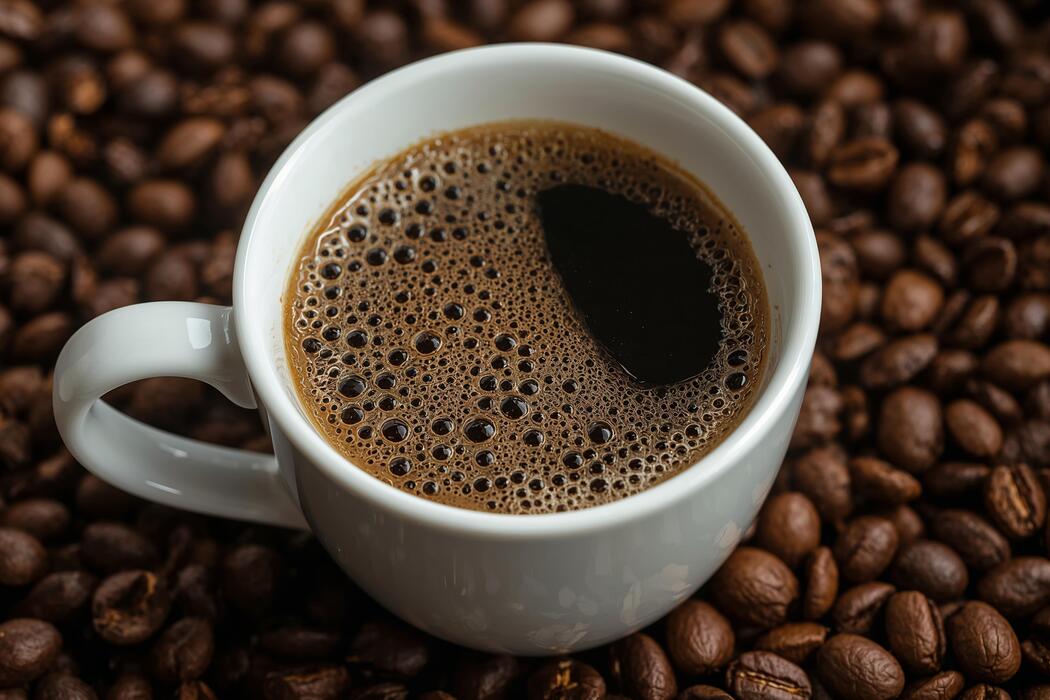
Measuring by the scoop vs. the scale
When determining if dark roast coffee is more caffeinated, your measurement method is the deciding factor. If you use a scoop to measure by volume, light roast coffee typically contains more caffeine because the beans are smaller and denser, allowing more individual beans to fit into the vessel.
Conversely, if you measure your coffee using a digital scale to achieve a specific weight, dark roast coffee often results in a more caffeinated cup. This occurs because dark roast beans are lighter, meaning you must add more physical beans to reach the target weight on the scale.
To achieve a consistent caffeine intake, you should always use a scale for precision rather than relying on volume-based scoops. Understanding this distinction helps you control your daily caffeine consumption effectively.
By choosing to measure by weight instead of volume, you ensure that the roast profile does not unintentionally spike your energy levels, providing a more predictable and balanced brewing experience every morning.
Why dark roast beans are larger and lighter
The physical transformation of a coffee bean during the roasting process significantly alters its structure and caffeine concentration relative to size. As beans are exposed to heat for longer durations to reach a dark roast level, they undergo a process of expansion.
The internal cellular structure stretches, causing the beans to become physically larger while simultaneously becoming more porous and brittle. Because of this expansion, a dark roast bean occupies more space than a light roast bean but weighs significantly less.
This physical change is why volume-based measurements can be misleading when calculating caffeine. If you are looking for a specific caffeine kick, remember that darker beans are less dense and take up more room in your grinder or storage container.
Recognizing that bean expansion affects density is crucial for baristas and home enthusiasts who want to master the art of coffee strength. This structural shift explains why a bag of dark roast often looks fuller than a bag of light roast.
The impact of water loss during the roasting process
A primary reason for the difference in weight between roast levels is the evaporation of moisture. During the roasting cycle, coffee beans lose approximately 15% to 22% of their total mass, primarily through the release of water vapor.
Since caffeine is a stable molecule that survives the roasting process, the concentration of caffeine per bean remains relatively constant, even as the bean loses its water weight. This means that a single dark roast bean and a single light roast bean have nearly identical caffeine content.
However, because the dark roast has lost so much water, it takes more beans to reach a standard measurement weight, such as 20 grams. To maximize your caffeine efficiency, focus on the total weight of the grounds rather than the roast color.
By accounting for moisture loss, you can accurately predict the potency of your brew. Ultimately, weighing your coffee beans is the most reliable way to ensure your dark roast delivers the specific caffeine boost you desire.
Factors That Determine Caffeine Concentration
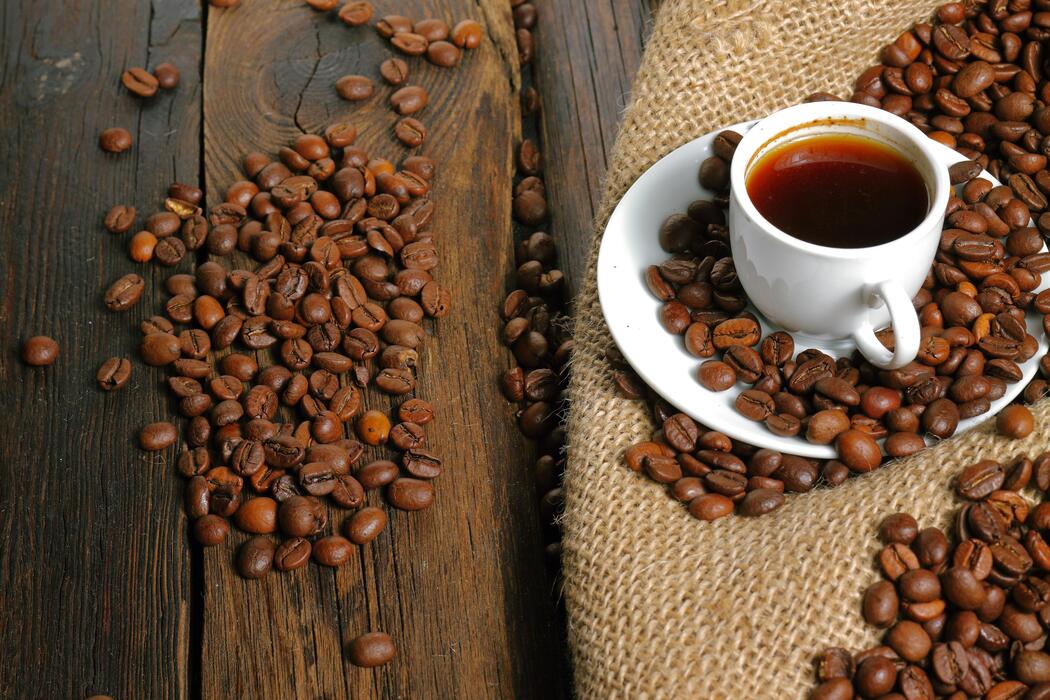
Arabica vs. Robusta bean varieties
When evaluating whether dark roasts contain more caffeine, the most critical factor is the species of the bean itself. While dark roasts may taste bolder, the genetic makeup of the coffee plant dictates the baseline caffeine levels.
Arabica beans are prized for their nuanced flavors and lower acidity, but they generally contain about 1.2% to 1.5% caffeine. In contrast, Robusta beans contain nearly double the caffeine concentration, averaging between 2.2% and 2.7%.
If your goal is to maximize alertness, choosing a Robusta-heavy blend will have a significantly larger impact than choosing between light or dark roast levels.
Darker roasts lose mass during the roasting process, which can lead to a slightly higher caffeine concentration if you measure your coffee by weight rather than by volume.
To optimize your intake, look for blends labeled with Robusta if you need a stronger physiological kick, as the bean variety serves as the primary driver of total caffeine content regardless of the final roast color.
The role of temperature in caffeine extraction
The temperature of the water used during brewing is a vital variable that determines how much caffeine is successfully pulled from the coffee grounds. Caffeine is highly water-soluble, and its solubility increases as the water temperature rises.
To achieve an efficient extraction, you should aim for a brewing temperature between 195°F and 205°F. If the water is too cool, such as in cold brew preparations, the extraction process slows down significantly, requiring much longer immersion times to reach high caffeine concentrations.
Conversely, using boiling water can lead to over-extraction and bitter flavors without significantly increasing the caffeine yield beyond the optimal range.
For those seeking a consistent boost, maintaining a stable thermal environment during the brewing cycle ensures that the maximum amount of caffeine is released from the cellular structure of the bean.
This makes the thermal efficiency of your drip machine or manual pour-over technique more influential on your final cup’s potency than the specific darkness of the roast you have selected for your morning routine.
How grind size changes your caffeine intake
The physical size of your coffee grounds plays a definitive role in determining the final caffeine concentration of your beverage. A finer grind increases the total surface area exposed to water, which allows for a more rapid and thorough extraction of caffeine molecules.
This is why a small shot of espresso, made with a very fine grind, can feel so potent despite its low volume.
If you use a coarse grind, such as that required for a French press, the water has a harder time penetrating the center of the particles, often resulting in a lower caffeine yield unless the steeping time is extended.
To effectively manage your caffeine intake, match your grind size to your brewing method specifically to control extraction rates. If you find your dark roast feels weak, try refining your grind size to increase the contact area.
This mechanical adjustment is a practical way to ensure you are getting the full benefits of the beans’ chemical profile. Ultimately, maximizing surface area through precision grinding is a more effective strategy for boosting caffeine than simply switching to a darker roast profile.
Best Brewing Methods for a High Caffeine Kick
Why drip coffee often has more caffeine than espresso
While many believe that a concentrated shot of espresso is the ultimate caffeine source, a standard cup of drip coffee usually provides a higher total caffeine count. This occurs because caffeine extraction is heavily dependent on contact time between water and grounds.
In an espresso machine, water is forced through the coffee in just twenty-five seconds, limiting the window for caffeine to dissolve. Conversely, a standard drip brewer keeps water in contact with the beans for several minutes.
Because dark roast beans are more porous, they release their soluble compounds quickly, but they require that extended volume of water to yield a higher total dose.
If you are looking for a significant energy boost, choosing a twelve-ounce mug of drip coffee will consistently outperform a single or even a double shot of espresso.
This method ensures you get the most out of your dark roast by allowing the brewing process to fully exhaust the available caffeine levels over a longer duration.
Cold brew vs. hot brew caffeine stats
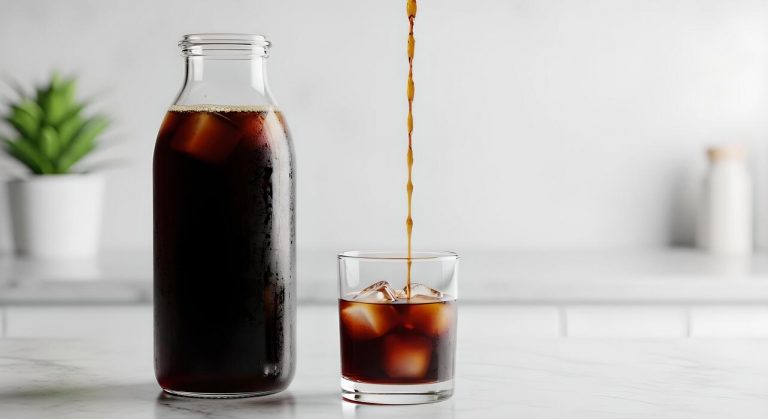
When comparing cold brew to traditional hot brewing, the primary driver of caffeine concentration is the coffee-to-water ratio. Cold brew typically utilizes a much higher concentration of grounds, often doubling or tripling the amount used in a standard pot.
Because cold water is less efficient at extraction than boiling water, this method requires a long steeping period of twelve to twenty-four hours to pull the caffeine from the beans.
Even though dark roasts lose some caffeine during the intense roasting process, the extended immersion time in cold brew creates a dense concentrate that is exceptionally high in caffeine.
If you brew a dark roast using hot water, you benefit from heat-driven extraction which is faster, but you rarely reach the sheer potency of a cold brew concentrate.
For those seeking the maximum kick, drinking cold brew undiluted or with minimal ice provides the highest caffeine density available, making it a superior choice for those who prefer the bold, smoky notes of a dark roast.
Using a French Press for maximum strength
The French Press is an excellent tool for maximizing the caffeine output of dark roast coffee due to its full immersion brewing technique.
Unlike paper filters used in drip machines, which can trap some of the coffee’s oils and fine particles, the metal mesh of a French Press allows everything to pass into your mug.
To achieve the highest caffeine kick, use a slightly finer grind than usual and extend your steep time to five or six minutes.
Because dark roast beans are less dense, you should measure your coffee by weight rather than scoops to ensure you are using enough material for a strong brew.
This method ensures that every bit of surface area on the grounds is saturated, leading to a more efficient transfer of caffeine into the liquid.
By controlling the temperature and the timing yourself, you can push the limits of extraction to create a robust, heavy-bodied cup that delivers a more sustained and powerful energy boost compared to other home brewing styles.
Health Benefits and Side Effects of Different Roasts
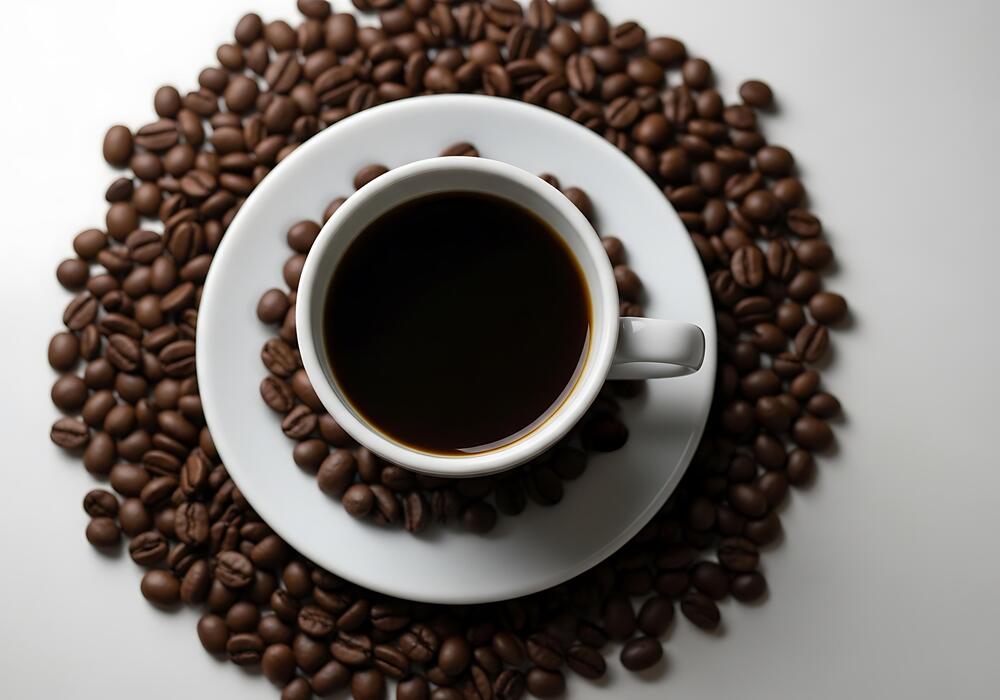
Acidity levels in light vs. dark roasts
When comparing roast profiles, the perception of acidity is one of the most significant differences for the consumer. Light roasts are characterized by a vibrant, bright acidity that highlights the bean’s origin flavors, whereas dark roasts undergo a longer heating process that reduces these organic acids.
Contrary to popular belief, dark roast coffee is not more caffeinated than light roast; in fact, the caffeine content remains relatively stable during roasting, but the density of the bean changes.
To manage your intake effectively, remember that darker beans are less dense, meaning if you measure by scoops rather than weight, you might actually consume less caffeine with a dark roast.
If you prefer a smoother, less sharp drinking experience, choosing a dark roast can significantly lower the perceived acidic bite on your palate. This makes dark roasts an excellent choice for those who enjoy a bold, smoky flavor profile without the tartness often found in lighter, more floral coffee varieties.
Antioxidants and chemical changes in the bean
The roasting process fundamentally alters the chemical composition of the coffee bean, impacting its health-promoting properties. Light roasts typically retain a higher concentration of chlorogenic acids, which are powerful antioxidants known for reducing inflammation and protecting against oxidative stress.
As the roast progresses to a darker stage, these specific antioxidants decrease, but new compounds called melanoidins are formed. These compounds provide the dark color and offer their own set of anti-inflammatory and antimicrobial benefits.
While many wonder if the darker color implies more energy, the reality is that caffeine levels stay consistent across roasts when measured by weight. To maximize your health benefits, you might consider rotating between different roast levels to receive a diverse spectrum of antioxidants.
Understanding these chemical shifts allows you to choose a roast that aligns with your specific wellness goals, whether you are seeking the raw polyphenol power of a light roast or the unique protective compounds generated during the intense heat of a dark roast cycle.
How to choose a roast based on stomach sensitivity
For individuals with sensitive stomachs or acid reflux, the choice of roast can make a substantial difference in daily comfort. Dark roast coffee contains a unique compound called N-methylpyridinium (NMP), which is generated during the prolonged roasting process.
Research suggests that NMP helps reduce the secretion of stomach acid, making dark roasts gentler on the digestive system compared to their lighter counterparts. If you find that coffee often leads to heartburn, switching to a dark roast is a practical, solution-focused adjustment.
It is also important to clarify that darker roasts do not contain more caffeine, which is a common stimulant that can sometimes trigger gastric distress. By selecting a dark roast, you benefit from a lower acid profile and higher NMP levels, providing a much more soothing experience for your gut.
To further protect your stomach, try pairing your dark roast with a small snack or choosing cold brew methods, which further reduce the total acid extraction, ensuring you can enjoy your morning ritual without any unwanted physical discomfort.
Tips for Choosing Your Perfect Coffee Roast
How to read coffee labels for caffeine clues
When browsing for beans, it is vital to understand that the common myth regarding dark roasts containing more caffeine is scientifically inaccurate.
In reality, the roasting process causes beans to lose mass and expand in size, which means that while a dark roast might look larger, it actually contains slightly less caffeine by volume than a light roast.
To navigate this when reading labels, focus on the bean density and origin rather than just the color of the roast.
If you measure your coffee by the scoop, a light roast will provide a more potent caffeine kick because the beans are denser and have retained more of their original chemical structure. Conversely, if you use a scale to measure by weight, the caffeine difference between roasts becomes almost negligible.
Always look for single-origin descriptors or specific altitude markers on the packaging, as beans grown at higher elevations often naturally possess a more concentrated chemical profile, regardless of the final roast level applied.
Selecting roasts based on flavor profiles
Choosing the perfect roast requires balancing your desired energy boost with your specific palate preferences. If you enjoy bright, acidic, and floral notes, a light roast is your best bet; these beans are roasted for a shorter duration, preserving the unique terroir characteristics of the growing region.
For those who prefer a more traditional, balanced cup, medium roasts offer a harmonious blend of acidity and body with hints of toasted nuts or chocolate. However, if you are looking for that classic, bold, and smoky essence, a dark roast is the ideal selection.
Despite the misconception that bitterness equals higher caffeine, the dark roasting process actually caramelizes sugars and creates a heavy mouthfeel with low acidity, making it easier on the stomach for some drinkers.
By focusing on the flavor notes listed on the bag, such as citrus, caramel, or spice, you can select a roast that satisfies your taste buds while providing the exact level of morning stimulation you personally require for your day.
Matching your roast to your morning routine
Your daily schedule should dictate your roast choice just as much as your flavor preferences do. If you are someone who needs an immediate, sharp jolt of energy to start a high-intensity workday, reaching for a light roast prepared via pour-over is the most effective strategy.
The higher density of these beans ensures a robust caffeine delivery per cup. On the other hand, if your morning routine involves a slow, leisurely breakfast or multiple cups of coffee over several hours, a dark roast might be more appropriate.
Because dark roasts often feel more substantial and satisfying due to their bold oils and smoky finish, they provide a sensory experience that feels intense without overstimulating your nervous system with excessive caffeine.
Additionally, dark roasts are the superior choice for milk-based drinks like lattes or cappuccinos, as their strong profile cuts through the creaminess. Matching your brewing method and roast level to your lifestyle and metabolic sensitivity ensures you enjoy your caffeine responsibly while maximizing your overall enjoyment.
Common Questions About Coffee Roasts and Energy
Does oily coffee mean more caffeine?
The visible oil on the surface of dark roast beans is often mistaken for a sign of increased potency, but it actually relates to the physical structure of the bean rather than its chemical caffeine content.
During the extended roasting process, internal cell structures break down, causing natural oils to migrate to the exterior. While these oils contribute to a bold, smoky flavor profile and a heavier mouthfeel, they do not indicate a higher caffeine concentration.
In fact, because caffeine is stable at high temperatures, the total amount remains relatively consistent, but the physical mass of the bean decreases as moisture is lost. If you measure your coffee by scoops, you might actually consume less caffeine with oily beans because they are less dense.
To ensure a consistent energy boost, it is more effective to measure your coffee by weight using a digital scale rather than relying on the visual presence of surface oils to judge the strength of your morning brew.
How long does the caffeine buzz last?
Regardless of whether you choose a light or dark roast, the duration of the caffeine buzz is determined primarily by your individual metabolism and the half-life of the stimulant in your system.
Typically, the effects of caffeine peak within 30 to 60 minutes and have a half-life of about five hours, meaning half the caffeine remains in your blood after that time.
Dark roasts are often perceived as more relaxing due to their lower acidity, but they still provide a sustained energy release similar to lighter varieties.
If you want to maximize the longevity of your energy, consider spacing out your coffee consumption throughout the morning rather than drinking a large amount all at once.
Staying hydrated and consuming your dark roast alongside a balanced meal can also help modulate the absorption rate, preventing a sharp crash later in the afternoon. Understanding your own sensitivity is the most actionable way to manage how long that characteristic caffeine buzz will ultimately last.
Can you get a high caffeine dark roast?
If you prefer the deep, caramelized flavors of a dark roast but require a significant energy kick, you can certainly find high-caffeine options by looking at the bean species rather than the roast level.
Selecting a dark roast Robusta blend is the most effective way to increase caffeine intake, as Robusta beans naturally contain nearly twice the caffeine of standard Arabica beans. Many specialty roasters now create ‘high-voltage’ blends that utilize these beans specifically for those who crave maximum stimulation with a dark profile.
Additionally, you can manipulate the caffeine output by adjusting your brewing method; using a French press or a longer steep time can extract more stimulants from the dark grounds. Always check the packaging for origin and bean type to ensure you are getting the desired potency.
By focusing on the raw material and precise brewing variables, you can enjoy the intense, bittersweet notes of a dark roast without sacrificing the powerful physiological boost you need to power through a demanding workday.
Frequently Asked Questions
Does dark roast coffee have more caffeine than light roast?
Contrary to popular belief, dark roast coffee actually contains slightly less caffeine than light roast when measured by volume. This is because the longer roasting process causes the coffee beans to lose mass and burn off a small amount of caffeine.
How does bean density affect caffeine content in different roasts?
Darker roasts are less dense because they expand during the longer roasting process. If you measure your coffee by the scoop (volume), you are getting fewer beans and therefore less caffeine compared to a scoop of denser light roast beans.
Is there a caffeine difference when measuring coffee by weight?
When measuring coffee by weight (using a scale), dark roast may actually result in a slightly higher caffeine content per cup. Since dark roast beans weigh less, you need more of them to reach the same weight as light roast beans, which can offset the caffeine lost during roasting.
Does the strong flavor of dark roast mean it is stronger in caffeine?
No, the bold and bitter flavor of dark roast is a result of the roasting process, not the caffeine level. Taste is a reflection of the smoky, charred notes developed over time, while caffeine content remains relatively stable across all roast levels.
Which roast should I choose for the maximum energy boost?
If you want the highest caffeine intake per scoop, choose a light roast. However, the difference is generally minimal, so you are better off choosing a roast based on your flavor preference or simply brewing a larger portion.
Does the brewing method impact caffeine more than the roast level?
Yes, factors like the grind size, water temperature, and brewing time typically have a much larger impact on the final caffeine content of your cup than the roast level of the beans.
Conclusion
In conclusion, the debate between dark and light roast caffeine levels often comes down to how you measure your scoops. While dark roasts lose density and caffeine during the roasting process, they provide a bolder, smoky flavor profile. Whether you prefer the bright acidity of a light roast or the rich intensity of a dark blend, the actual difference in caffeine is minimal. Choose the roast that satisfies your palate and enjoy every energizing sip.