How To Make Cold Coffee With Water
If you’ve been wondering how to make cold coffee with water without milk or fancy equipment, you’re in the right spot. The core problem is achieving smooth, non-bitter flavor using only water—no dairy, no machines. I’ll walk you through the simple, foolproof method: just coffee, cold water, and a bit of patience for the perfect steep. No fluff, just results.
Why Make Cold Coffee with Water Instead of Milk
Calorie savings and dietary benefits
Making cold coffee with water instead of milk significantly reduces calorie content, making it an excellent choice for weight management. A standard 8-ounce serving of black cold brew contains fewer than 5 calories, while the same amount with whole milk adds about 150 calories.
Opt for unsweetened black cold coffee to keep sugar and fat at a minimum. This approach also suits lactose-intolerant individuals and those following vegan or low-dairy diets. If you crave creaminess, add a splash of unsweetened almond milk or oat milk—both add fewer than 30 calories per serving.
For a protein boost, stir in a scoop of collagen or plant-based protein powder. Remember, cold coffee with water hydrates better because water aids digestion without the heaviness of dairy.
You can also infuse flavors naturally by adding a pinch of cinnamon, a drop of vanilla extract, or a few ice cubes made from brewed coffee. This method keeps your drink refreshing and guilt-free, perfect for daily consumption without derailing your nutritional goals.
Faster preparation and fewer ingredients
Using water streamlines the cold coffee process, requiring only coffee grounds and cold or room-temperature water. No need for milk, cream, or frothers—just steep coarse grounds in water for 12-24 hours in the fridge. This hands-off method saves active prep time; you simply combine ingredients, let it steep, then strain.
For an instant version, dissolve instant coffee granules in cold water and shake with ice for a 2-minute drink. Fewer ingredients mean less cleanup and lower grocery costs. You can also skip chilling milk or cleaning a blender.
If you want sweetness, add a simple syrup made by dissolving sugar in equal parts hot water, then cool it. Store your cold brew concentrate in the fridge for up to two weeks, allowing quick assembly anytime.
This efficiency is ideal for busy mornings or when you crave a caffeine fix without extra steps. Plus, water-based cold coffee avoids curdling issues that can happen when mixing acidic coffee with milk, ensuring a smooth, consistent result every time.
Cleaner coffee flavor without dairy
Water allows the true taste of your coffee beans to shine, offering a clean, crisp flavor profile unaltered by milk’s fats and proteins. High-quality single-origin beans reveal nuanced notes of chocolate, fruit, or floral undertones that dairy often masks.
Use filtered water to avoid chlorine or mineral tastes that can clash with delicate coffee flavors. Cold brewing with water extracts fewer bitter compounds, resulting in a naturally smooth, low-acid beverage. This method highlights the beans’ origin characteristics, making it ideal for coffee enthusiasts.
To enhance flavor without milk, add a pinch of sea salt to reduce bitterness or a dash of cardamom for warmth. Serve over large ice cubes to prevent dilution and preserve the pure taste.
If you prefer a touch of richness, stir in a teaspoon of coconut oil or a splash of cold foam made from aquafaba. Ultimately, water-based cold coffee delivers an authentic, unadulterated coffee experience that lets you appreciate every subtle note in your cup.
What You Need to Make Cold Coffee with Water

Essential ingredients: coffee, water, sweetener
To make cold coffee with water, you need just three core ingredients. Start with high-quality instant coffee or strong brewed coffee that has been cooled. Use 1-2 teaspoons of instant granules or 1/2 cup of concentrated brew. The water should be cold, filtered water to ensure a clean taste.
For sweetness, choose granulated sugar, honey, or a zero-calorie sweetener like stevia. Add 1-2 teaspoons, adjusting to your preference. Dissolve instant coffee directly in 2-3 tablespoons of hot water first for smooth mixing, then pour in the remaining cold water.
If using brewed coffee, ensure it’s chilled completely to avoid dilution. This base creates a refreshing, low-calorie drink that highlights the coffee’s natural flavors without milk or cream.
Optional add-ins: ice, flavorings, creamer
Elevate your cold coffee with water by adding ice cubes for instant chill—use large cubes to slow melting and prevent watery taste. For flavor, experiment with vanilla extract, cinnamon, or cocoa powder; stir in 1/4 teaspoon for subtle depth. Liquid flavor syrups like caramel or hazelnut work well—add 1-2 pumps.
If you prefer creaminess without dairy, try non-dairy creamers such as oat, almond, or coconut milk, using 2-3 tablespoons. For a frothy texture, shake vigorously in a sealed jar or use a milk frother. Pinch of salt can enhance sweetness.
These add-ins let you customize your drink to mimic café-style iced coffee while keeping the water-based method simple and flexible.
Recommended tools: glass, spoon, shaker or blender
For the best results, use a tall glass (12-16 oz) to hold your drink and allow for stirring or layering. A long-handled spoon is essential for mixing sweeteners and flavorings evenly. For a frothy, blended texture, a shaker or blender is key.
If using a shaker, combine coffee, water, sweetener, and ice; shake vigorously for 15-20 seconds until chilled and slightly foamy. A blender can create a smoothie-like consistency—blend on low for 10 seconds. For simple preparation, just stir ingredients in the glass with a spoon.
Optional tools include a measuring spoon for precise portions and a strainer if using brewed coffee with grounds. These tools ensure a quick, mess-free process and a consistently delicious cold coffee every time.
How to Make Cold Coffee with Water: Basic Recipe

Step-by-step instructions for instant coffee
To make a quick cold coffee with water using instant coffee, start by adding 1 to 2 teaspoons of instant coffee granules to a tall glass. For a smoother result, first dissolve the granules in 2 tablespoons of hot water (not boiling) until fully dissolved.
Then, fill the glass with 1 cup of cold or room-temperature water and stir well. Add ice cubes to your preference and stir again to chill the drink evenly.
For sweetness, mix in 1 to 2 teaspoons of sugar or a sweetener of your choice during the hot water step to ensure it dissolves completely. You can also add a splash of milk or a dairy-free alternative for creaminess, though this is optional.
For a richer flavor, use a whisk or frother to blend the coffee with water until frothy before adding ice. This method works best with high-quality instant coffee for a balanced taste. Adjust the coffee amount based on your desired strength—start with less and add more if needed.
Serve immediately for a refreshing, no-fuss cold coffee that’s ready in under 2 minutes.
Step-by-step instructions for brewed coffee
For a more robust cold coffee using brewed coffee, begin by brewing a double-strength batch using your preferred method (drip, French press, or pour-over) with 2 tablespoons of ground coffee per 6 ounces of water.
Let the coffee cool to room temperature, then refrigerate for at least 1 hour or until fully chilled. To serve, fill a glass with ice cubes and pour the chilled coffee over the ice, leaving space for water.
Add equal parts cold water (or to taste) to dilute the strong brew to your preferred strength. For example, use 1/2 cup of concentrated coffee and 1/2 cup of cold water. Stir gently to combine.
Sweeten with simple syrup (equal parts sugar and water, dissolved) or liquid sweetener to avoid graininess. For extra flavor, add a pinch of cinnamon or a splash of vanilla extract. This method yields a smooth, full-bodied cold coffee that’s less acidic than hot-brewed versions.
Store any leftover concentrate in the refrigerator for up to 3 days. Adjust the water-to-coffee ratio to fine-tune the intensity—more water for a milder drink, less for a stronger kick.
Tips for achieving the right strength and temperature
The key to perfect cold coffee with water is balancing strength and temperature to avoid a watery or bitter taste. For instant coffee, always dissolve granules in a small amount of hot water first to ensure even mixing—this prevents undissolved clumps that weaken the flavor.
For brewed coffee, use double the usual coffee grounds to compensate for dilution from ice and water, aiming for a concentrate that’s 1.5 to 2 times stronger than your typical hot brew.
To maintain cold temperature without dilution, chill your coffee base thoroughly before adding ice, or use coffee ice cubes made from leftover coffee. If using regular ice, account for melting by reducing the amount of added water.
For the ideal strength, start with a 1:1 ratio of coffee concentrate to water, then adjust to taste—more water for a lighter body, less for intensity. Always taste before serving and add sweetener while the coffee is still slightly warm for better dissolution.
Finally, serve in a pre-chilled glass to keep the drink cold longer, ensuring a refreshing experience without rapid melting.
Best Ways to Sweeten Cold Coffee with Water
Using simple syrup for even sweetness
For a perfectly balanced cold coffee without the gritty texture of undissolved sugar, simple syrup is your best friend. To make it at home, combine equal parts granulated sugar and water in a saucepan, heat gently until the sugar dissolves completely, then let it cool.
This liquid sweetener blends seamlessly into cold water and coffee, ensuring every sip is uniformly sweet. Start with 1 to 2 tablespoons per cup of cold coffee, then adjust to your taste.
You can also make a large batch and store it in the refrigerator for up to two weeks, ready for quick use. For a richer flavor, try brown sugar simple syrup by substituting brown sugar for white—it adds a subtle molasses note that complements the coffee’s bitterness.
When mixing, stir the syrup directly into the cold water before adding the coffee, or drizzle it over ice for a layered effect. This method is ideal for those who want a consistent, professional-tasting cold coffee at home without any clumps or aftertaste.
Natural sweeteners: honey, agave, or stevia
If you prefer a more wholesome approach, natural sweeteners like honey, agave nectar, or stevia offer excellent alternatives for sweetening cold coffee with water. Honey adds a floral, earthy sweetness that pairs well with dark roasts, but it can thicken in cold liquids.
To avoid clumping, mix 1 to 2 teaspoons of honey with a splash of warm water first to create a thin syrup, then stir it into your cold coffee.
Agave nectar is sweeter than sugar and dissolves instantly in cold water, making it a convenient choice—use about half the amount you would of sugar. For a zero-calorie option, stevia (liquid drops or powder) works well; start with just a few drops per cup, as it’s highly concentrated.
Each of these sweeteners brings unique flavor notes, so experiment to find your favorite. Remember, natural sweeteners can alter the taste profile, so adjust gradually to avoid overpowering the coffee’s natural richness.
Flavored syrups: vanilla, caramel, or hazelnut
Elevate your cold coffee with water by incorporating flavored syrups like vanilla, caramel, or hazelnut, which add both sweetness and depth.
These syrups are designed to mix easily into cold liquids, so no preheating is needed—simply pour 1 to 2 tablespoons directly into your glass of cold water and coffee, then stir.
Vanilla syrup enhances the coffee’s natural aroma with a smooth, creamy sweetness, while caramel adds a buttery richness that complements iced drinks perfectly. Hazelnut syrup brings a nutty, toasted flavor that pairs beautifully with medium roasts.
For a homemade version, combine 1 cup of water, 1 cup of sugar, and 1 teaspoon of your chosen extract (e.g., vanilla or hazelnut); simmer until dissolved, then cool. Store in a sealed bottle in the fridge for up to a month.
These syrups allow you to customize your cold coffee effortlessly, turning a simple brew into a café-style treat without extra calories from cream or milk.
How to Make Iced Coffee with Water (No Milk)
Pour-over method for iced coffee
The pour-over method delivers a clean, bright iced coffee by brewing hot coffee directly over ice. Start by placing a paper filter in your pour-over cone (like a V60 or Chemex) and rinsing it with hot water to remove paper taste and warm the brewer.
Add medium-coarse ground coffee (about 2 tablespoons per 6 ounces of water) to the filter. Fill a heatproof carafe or mug with ice cubes equal to half the total water volume you plan to use. For example, if you normally use 12 ounces of water, add 6 ounces of ice.
Slowly pour hot water (just off boil) over the grounds in a circular motion, starting from the center and moving outward. Let the coffee bloom for 30 seconds, then continue pouring in stages until you reach your target water amount.
The hot coffee melts the ice, instantly chilling the brew without dilution beyond the intended strength. Serve immediately over fresh ice if desired. This method preserves the coffee’s aromatic complexity and acidity, making it perfect for black iced coffee lovers.
Cold brew concentrate diluted with water
Cold brew concentrate offers a smooth, low-acid iced coffee that’s easily diluted with water. To make the concentrate, combine coarse-ground coffee and cold, filtered water in a 1:4 ratio (e.g., 1 cup coffee to 4 cups water) in a large jar or pitcher.
Stir gently to ensure all grounds are saturated. Cover and let steep at room temperature for 12-24 hours. The longer steep extracts more flavor but can become bitter, so 18 hours is a good starting point.
After steeping, pour the mixture through a fine-mesh strainer lined with a cheesecloth or a coffee filter into a clean container. The resulting concentrate is strong and can be stored in the fridge for up to two weeks.
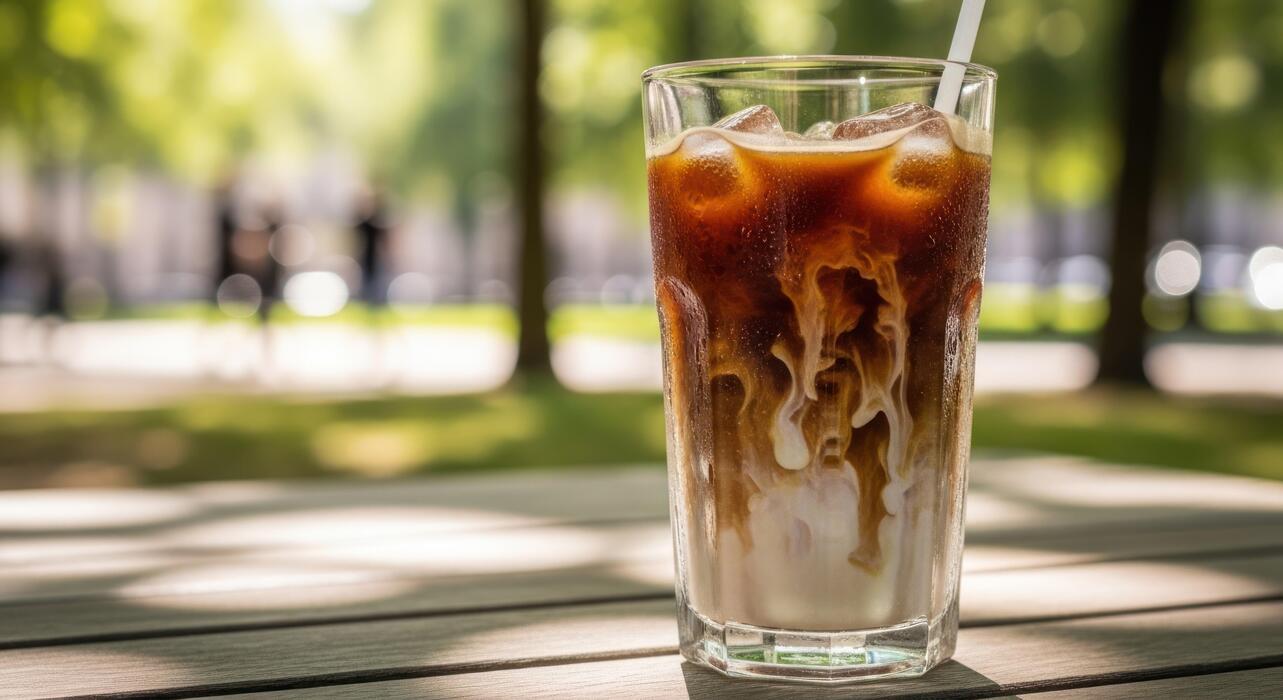
To serve, fill a glass with ice cubes and add one part concentrate to one part water (or adjust to taste). For a lighter flavor, use more water; for a bolder kick, use less. Stir well and enjoy.
This method eliminates bitterness and acidity, creating a smooth, naturally sweet iced coffee that’s perfect for sipping black.
Quick chill method using ice cubes
The quick chill method is the fastest way to make iced coffee with water, using hot brewed coffee and ice.
Brew a double-strength batch of hot coffee by using twice the usual amount of coffee grounds (e.g., 4 tablespoons per 6 ounces of water) in your drip machine, French press, or AeroPress.
While the coffee is brewing, fill a heatproof glass or carafe with ice cubes—enough to fill the vessel about halfway. Once the coffee is ready, immediately pour the hot, strong coffee directly over the ice.
The ice will melt rapidly, cooling the coffee within seconds while diluting it to a normal strength. Stir briefly to ensure even chilling. If the coffee isn’t cold enough, add more ice or refrigerate for a few minutes.
This method works best with a bold roast that can stand up to dilution. For an even stronger flavor, brew coffee with less water and add extra ice. Serve immediately over fresh ice. This technique is perfect for when you need a quick, refreshing iced coffee without planning ahead.
Tips for the Best Cold Coffee with Water
Use filtered water for cleaner taste
The quality of water directly impacts your cold coffee’s flavor since water makes up the majority of the drink. Always use filtered or bottled water instead of tap water, which may contain chlorine, minerals, or impurities that create off-notes or a metallic aftertaste.
For the cleanest taste, run tap water through a basic pitcher filter or use a countertop filtration system.
If you’re using bottled water, choose one with balanced mineral content—neither too hard nor too soft—as extreme water hardness can mute coffee’s subtle flavors while overly soft water may make it taste flat.
Cold brewing with filtered water ensures that the natural sweetness and smoothness of the coffee beans shine through without any chemical interference. Additionally, filtered water helps maintain consistent results batch after batch, so your cold coffee tastes reliably delicious.
Remember that cold water doesn’t mask flaws like hot water sometimes does, so starting with high-quality water is essential for a refreshing, crisp final drink.
Adjust coffee-to-water ratio for your preference
The right coffee-to-water ratio is key to achieving your ideal cold coffee strength. A standard starting point for cold brew concentrate is 1 part coffee to 4 parts water by weight (e.g., 1 cup coffee grounds to 4 cups water).
This yields a strong, smooth concentrate that you can dilute with water, milk, or ice when serving. If you prefer a milder, ready-to-drink cold coffee, use a 1:8 ratio (e.g., 1 cup coffee to 8 cups water). For a bolder, more intense flavor, try 1:3.
Always use a kitchen scale for accuracy since coffee density varies. Remember that steeping time also affects strength—longer steeping extracts more flavor. Experiment with ratios by making small test batches, adjusting by 10-15% until you find your perfect balance.
Keep notes on your preferred ratio so you can easily replicate your favorite cup. With practice, you’ll dial in a recipe that suits your taste buds perfectly.
Avoid bitterness with proper brewing time
Brewing time is critical when making cold coffee with water because over-extraction leads to bitter, harsh flavors. For cold brew, the ideal steeping period is 12 to 24 hours at room temperature or in the refrigerator. Start checking at the 12-hour mark—taste a small amount.
If it’s smooth and flavorful, strain it immediately. Longer steeping (up to 24 hours) extracts more caffeine and deeper flavors but risks bitterness if you go beyond. Never steep for more than 24 hours as this can cause unpleasant astringency.
For faster cold coffee, you can use a flash-chill method: brew hot coffee double-strength and pour it over ice, which dilutes and cools it instantly. This method requires careful timing—steep hot coffee for only 4-5 minutes before pouring over ice to avoid bitterness.
Whichever method you choose, strain the coffee immediately after brewing to stop extraction. Use a fine-mesh sieve, cheesecloth, or a dedicated cold brew bag for a clean, grit-free cup.
Common Mistakes When Making Cold Coffee with Water
Using hot coffee directly over ice
A common shortcut is brewing hot coffee and pouring it straight over ice, but this leads to a watery, diluted drink. The heat melts the ice rapidly, which not only weakens the flavor but also creates a lukewarm beverage instead of a refreshingly cold one.
Instead, cool your hot coffee to room temperature first by letting it sit for 10-15 minutes. Then, pour it over ice for a more controlled chill. Alternatively, use cold brew concentrate or brew your coffee with cold water from the start.
If you must use hot coffee, double the coffee grounds in your brewing process to account for the dilution, or use coffee ice cubes made from leftover coffee. This way, even if some ice melts, your drink stays bold and flavorful.
Prioritize chilling methods that preserve the coffee’s integrity, ensuring every sip is robust and satisfying.
Not dissolving instant coffee properly
When using instant coffee, a major mistake is adding granules directly to cold water and stirring briefly, leaving gritty clumps at the bottom. Instant coffee needs complete dissolution to release its full flavor and create a smooth texture.
To fix this, first dissolve the granules in a small amount of hot water (about 1-2 tablespoons) until fully mixed. This creates a concentrated syrup that blends seamlessly into cold water or milk.
For an even quicker method, use a shaker bottle with cold water and shake vigorously for 30 seconds, or whisk with a fork to break up lumps.
Another trick is to mix the coffee with a tiny bit of sugar before adding liquid, as the sugar helps the granules dissolve faster. Proper dissolution ensures a silky, even drink without unpleasant grit, so always pre-dissolve your instant coffee for the best cold coffee experience.
Over-sweetening or under-sweetening
Balancing sweetness in cold coffee is tricky because cold temperatures dull our perception of sweetness. Adding sweetener when the coffee is cold often leads to under-sweetening, as the sweetener doesn’t dissolve evenly, causing you to add more and risk over-sweetening later.
Instead, always sweeten while the coffee is warm (or when dissolving instant coffee with hot water), as heat helps sugar or syrups blend smoothly. Start with a small amount—like 1 teaspoon of sugar or 1 tablespoon of simple syrup per cup—then taste and adjust.
For a healthier approach, use liquid sweeteners like honey or agave, which mix easier in cold liquids. Remember, you can always add more, but you can’t remove excess sweetness. If you accidentally over-sweeten, balance it with a pinch of salt or a splash of unsweetened milk.
Mastering sweetness ensures your cold coffee is perfectly palatable every time.
Frequently Asked Questions
What is the simplest way to make cold coffee with water?
Mix 1-2 teaspoons of instant coffee with a little hot water to dissolve, then add cold water and ice cubes. Stir well and add sugar or milk if desired.
Can I make cold coffee with just water and no milk?
Yes, you can make a black cold coffee by dissolving instant coffee in a small amount of hot water, then adding cold water and ice. This creates a refreshing iced coffee without dairy.
How do I make cold brew coffee with water at home?
Combine 1 part coarsely ground coffee with 4 parts cold water in a jar. Stir, cover, and refrigerate for 12-24 hours. Strain through a fine sieve or coffee filter, then serve over ice.
What ratio of coffee to water should I use for cold coffee?
For instant coffee, use 1-2 teaspoons per 8 ounces of water. For cold brew, use a 1:4 ratio of coffee to water (e.g., 1 cup coffee grounds to 4 cups water).
How can I make cold coffee with water without instant coffee?
Brew strong hot coffee using a drip or French press, then let it cool to room temperature. Pour over ice and add cold water to dilute to your preferred strength.
What tips make cold coffee with water taste better?
Use filtered water for a cleaner taste, dissolve sugar in hot water before cooling, and add a pinch of salt to reduce bitterness. Chill the coffee completely before serving over ice.
Can I use hot water to dissolve instant coffee for cold coffee?
Yes, dissolve instant coffee in 1-2 tablespoons of hot water first to ensure it fully mixes, then add cold water and ice. This prevents clumps and improves flavor.
How long does cold coffee made with water last in the fridge?
Cold coffee made with water can be stored in a sealed container in the fridge for up to 3-5 days. Shake or stir before serving, as it may separate slightly.
Conclusion
Making cold coffee with water is simple and refreshing. By using instant coffee, cold water, and a few minutes of shaking or stirring, you create a smooth, low-calorie brew without milk. For best results, use fine-ground coffee and adjust sweetness to taste. Experiment with ratios or add ice for extra chill. Enjoy this quick, hydrating alternative to hot coffee—perfect for hot days. Start your morning with this effortless, delicious pick-me-up.