How To Make Delicious Cold Brew Coffee
If you’re searching for how to make delicious cold brew coffee, you’ve likely tried it at a café and want that same smooth, low-acid richness at home—without bitterness or guesswork. You’re in the right place. The secret isn’t complicated equipment; it’s the right ratio, coarse grind, and patience. This guide cuts through the noise to give you a foolproof method for bold, silky cold brew every time.
What Is Cold Brew Coffee and Why Make It at Home?
Cold brew vs. iced coffee: key differences
Understanding the difference is your first step to mastering homemade cold brew. Unlike iced coffee, which is regular hot-brewed coffee poured over ice, cold brew is made by steeping coarse-ground coffee in cold or room-temperature water for 12-24 hours.
This gentle extraction produces a smooth, naturally sweet concentrate with up to 66% less acidity and bitterness than hot-brewed coffee. The result is a rich, chocolatey flavor that’s perfect for sipping black or with milk.
To make it at home, simply combine 1 cup of coarse coffee grounds with 4 cups of cold, filtered water in a large jar, stir, cover, and let it steep in the refrigerator. After steeping, strain through a fine-mesh sieve lined with a coffee filter or a nut milk bag.
The resulting concentrate can be diluted with water or milk (1:1 or 1:2 ratio) and served over ice. This method gives you complete control over strength and flavor, saving you money while delivering a superior taste experience.
Benefits of homemade cold brew
Making cold brew at home offers distinct advantages that elevate your coffee routine. First, cost savings are significant: a single batch costs roughly $0.50 per serving versus $4-6 at cafes, saving you hundreds annually.
Second, you control the flavor profile by selecting your favorite beans—try a medium roast for balanced sweetness or a dark roast for bold, chocolatey notes. Third, homemade cold brew is healthier because you avoid added sugars, syrups, or preservatives often found in store-bought versions.
The low-acidity extraction is gentler on your stomach, making it ideal for those with acid reflux or sensitive digestion. Additionally, you can customize the strength by adjusting the coffee-to-water ratio or steeping time (12 hours for mild, 24 hours for intense).
The concentrate keeps in the refrigerator for up to two weeks, so you always have a ready-to-drink option. This convenience means you can whip up a refreshing, energizing beverage in seconds without waiting in line or compromising on quality.
What you need to get started
You likely already have most of the essentials. The basic setup requires coarse-ground coffee (avoid fine grinds to prevent sludge), cold filtered water, and a large glass jar or pitcher (32-64 oz).
For straining, use a fine-mesh sieve lined with a paper coffee filter, a nut milk bag, or a dedicated cold brew maker (like a Toddy or French press). Start with a 1:4 ratio (1 cup coffee to 4 cups water) for a versatile concentrate.
Mix the grounds and water in your container, stir gently, cover, and refrigerate for 12-24 hours. After steeping, pour through your strainer into a clean jar. For best results, grind your own beans just before brewing to maximize freshness and flavor.
Optional tools include a kitchen scale for precise measurements and a reusable filter for easy cleanup. That’s it—no expensive equipment or complex steps. With these simple tools, you can produce silky, delicious cold brew that rivals any café’s version, all from the comfort of your kitchen.
Best Coffee Beans for Cold Brew

Choosing the right roast level
For a delicious cold brew, roast level is your most important choice. Dark roasts are the gold standard because their bold, smoky, and chocolatey flavors shine through the cold extraction process. The low acidity and fuller body create a smooth, rich concentrate.
Medium roasts work well too, offering a balanced profile with subtle fruit or nut notes without becoming overly acidic. Avoid light roasts for cold brew—they often taste sour, grassy, or underdeveloped when steeped cold, as their delicate flavors don’t extract fully.
For best results, select a dark roast from a reputable roaster, like a Sumatran or French roast. If you prefer a lighter, tea-like brew, try a medium roast from Central America. Always choose freshly roasted beans (within 2-4 weeks) for maximum flavor.
Remember, the cold brew process mellows acidity, so don’t fear bold roasts—they’ll yield a smooth, satisfying cup.
Single-origin vs. blends for cold brew
When choosing between single-origin and blends, consider your flavor goals. Single-origin beans from a specific region (like Ethiopia or Colombia) offer unique, pronounced flavors—think floral, fruity, or nutty notes. These can make a fascinating cold brew, but they may be less balanced if the origin is too bright or acidic.
For a consistently delicious cold brew, blends are often superior. Roasters create blends to balance body, sweetness, and acidity, resulting in a smooth, chocolatey, or nutty profile that cold brew excels at. Look for blends marketed as “cold brew blends”—they’re specifically designed for cold extraction.
For adventurous drinkers, try a single-origin natural-processed Ethiopian for a fruity, wine-like brew. For everyday enjoyment, a blend of Brazilian and Sumatran beans delivers a heavy body with low acidity. Experiment with both, but start with a quality blend to ensure a foolproof, crowd-pleasing result.
Grind size: why coarse matters
Grind size is critical for cold brew success—always use a coarse grind, similar to breadcrumbs or sea salt. Fine grinds (like for espresso) over-extract during the long steep (12-24 hours), producing a bitter, muddy, or sludgy brew.
A coarse grind allows water to flow slowly, extracting smooth flavors without harsh tannins. Use a burr grinder for consistent coarse grounds; blade grinders create uneven particles that lead to over-extraction. If you buy pre-ground, look for “cold brew grind” or ask your roaster to grind coarse.
After steeping, a coarse grind filters easily through a cheesecloth, French press, or cold brew maker. For perfect results, aim for particles about 0.5-1 mm in diameter. Too fine? Your brew will be cloudy and bitter. Too coarse? It may be weak and watery.
Invest in a quality grinder or buy fresh-ground coarse beans from a local roaster—this simple step ensures a clean, rich, and delicious cold brew every time.
Essential Equipment for Cold Brew
Simple mason jar method
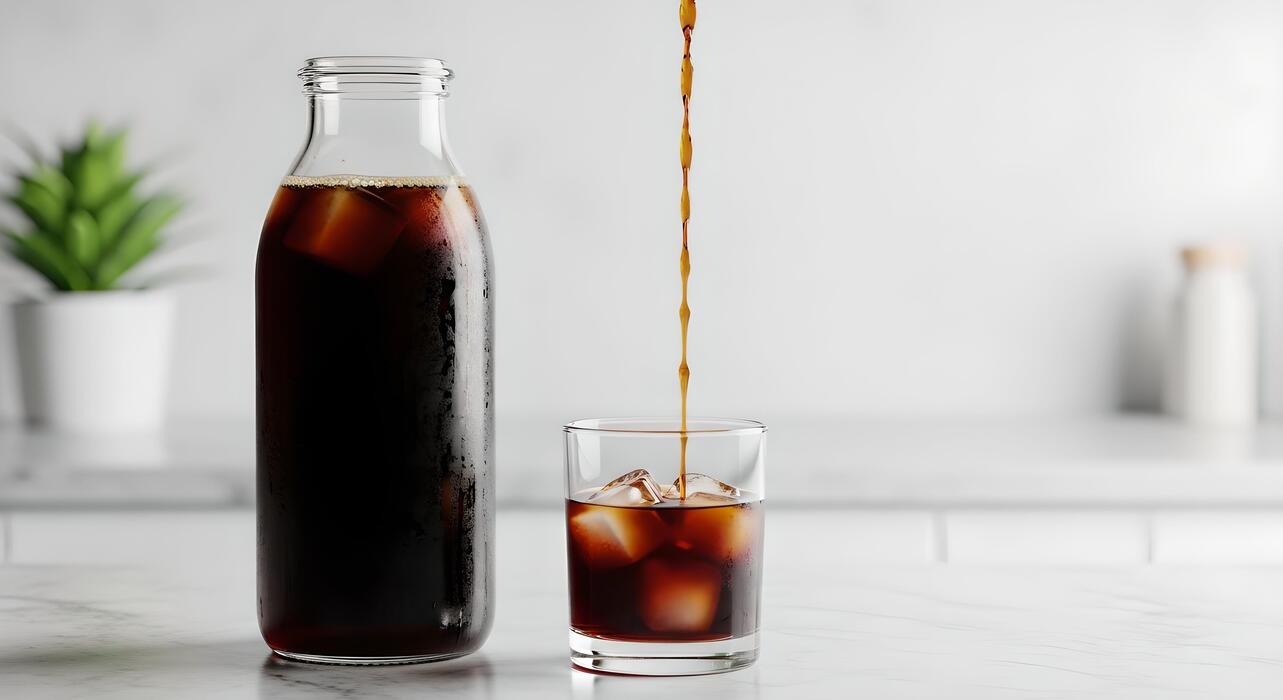
For the simplest, most accessible cold brew setup, grab a large mason jar (32 oz or larger). You’ll need coarse ground coffee (avoid fine grinds to prevent sludge) and filtered water at room temperature. The standard ratio is 1 part coffee to 4 parts water by volume.
Combine them in the jar, stir gently, and seal with a lid. Let it steep in the refrigerator for 12 to 24 hours—longer for a stronger concentrate.
After steeping, pour the mixture through a fine-mesh sieve lined with a paper coffee filter or a nut milk bag into a clean container. This method is budget-friendly, requires no special equipment, and yields a smooth, rich concentrate. Store it in the fridge for up to two weeks.
For best results, use a coffee scale to measure precisely, and always rinse the filter with hot water before use to avoid paper taste.
Using a French press for cold brew
A French press is an excellent tool for cold brew because its built-in plunger and mesh filter simplify the straining process. Start with coarse ground coffee (about 1 cup per 4 cups of water). Add the grounds to the press, pour in cold, filtered water, and stir thoroughly.
Place the lid on with the plunger pulled all the way up, and let it steep at room temperature for 12-24 hours (or in the fridge for up to 36 hours). When ready, press the plunger down slowly to separate the grounds.
This method eliminates the need for additional filters, though you may get a slightly grittier brew than with paper filtration. For a cleaner cup, pour the pressed coffee through a fine-mesh sieve or a coffee filter into a carafe.
The French press is reusable, easy to clean, and perfect for small batches. Remember to use coarse grinds to avoid clogging the mesh and to achieve optimal extraction without bitterness.
Cold brew makers and filters
Dedicated cold brew makers simplify the process with built-in filtration systems that reduce mess and guesswork. Popular options include the Toddy Cold Brew System, which uses a reusable felt filter, and the OXO Brew Compact Cold Brewer, with a fine mesh filter and an airtight carafe.
These makers typically feature a two-part design: a brewing chamber for coffee and water, and a collection container for the concentrate. Simply add coarse coffee and water (often at a 1:4 or 1:5 ratio), steep for 12-24 hours, then release the brew through a valve or remove the filter.
Many models yield a smooth, sludge-free concentrate without needing additional straining. For filtering, consider reusable metal filters, paper filters, or nut milk bags to catch fine particles.
Key tips: rinse reusable filters between uses, store concentrate in glass to avoid plastic odors, and experiment with steep times to find your perfect strength. These tools are ideal for consistent, large-batch brewing with minimal cleanup.
How to Make Cold Brew Coffee: Step-by-Step
Coffee-to-water ratio for perfect strength
Achieving delicious cold brew starts with the right coffee-to-water ratio. For a smooth, concentrated brew that isn’t too weak or bitter, use a 1:8 ratio of coffee to water by weight. This means for every 1 gram of coarsely ground coffee, add 8 grams (or milliliters) of cold, filtered water.
For a standard batch, try 100 grams of coffee to 800 grams of water. If you prefer a stronger concentrate for mixing with milk or ice, use a 1:5 ratio (e.g., 100g coffee to 500g water). Always use coarse ground coffee, similar to breadcrumbs, to prevent over-extraction and siltiness.
Avoid fine grinds, which lead to a cloudy, bitter brew. Weigh your ingredients using a kitchen scale for precision—this ensures consistent, balanced flavor every time. Adjust the ratio slightly based on your taste preference, but start here for a foolproof, rich base.
Steeping time and temperature tips
Steeping cold brew is all about patience and control. Use room temperature or cold water—never hot—and steep in the refrigerator for a clean, smooth profile. The ideal steeping time is 12 to 18 hours.
Shorter than 12 hours may yield a weak, under-extracted brew, while longer than 24 hours can cause bitterness and off-flavors. For a balanced, sweet cup, aim for 14-16 hours. If you’re short on time, steep at room temperature for 8-12 hours, but note this can extract more acidity.
Always cover your container to prevent absorbing fridge odors. Stir the grounds and water gently at the start to ensure even saturation. After steeping, do not disturb the mixture before filtering. This slow, cold extraction highlights chocolatey and nutty notes while minimizing bitterness, giving you a smooth, delicious concentrate.
Filtering and storing your cold brew
Proper filtering ensures a silky, sediment-free cold brew. After steeping, pour the mixture through a fine-mesh sieve lined with a coffee filter or cheesecloth into a clean container. For best results, use a nut milk bag or a dedicated cold brew filter—these remove even the finest particles without clogging.
Avoid pressing or squeezing the grounds, as this releases bitter compounds. Let it drip naturally for 10-15 minutes. For larger batches, a French press works well: simply plunge slowly after steeping. Store your filtered cold brew in an airtight glass jar or bottle in the refrigerator.
It stays fresh for up to 7-10 days, though flavor peaks within the first 3-4 days. Do not add water or milk until serving—keep it as a concentrate. This method yields a clean, smooth base that’s ready to enjoy over ice or mixed with your favorite additions.
Tips for the Smoothest Cold Brew
Avoiding bitterness and over-extraction
The key to a smooth, never-bitter cold brew lies in controlling extraction. Unlike hot brewing, cold water extracts flavors slowly, but it can still pull bitter tannins if left too long or ground too fine. Use a coarse grind—similar to breadcrumbs—to prevent over-extraction.
Steep for 12 to 18 hours at room temperature or in the fridge; longer than 24 hours risks harshness. Always taste after 12 hours and stop when it’s balanced. Strain thoroughly with a fine-mesh filter or cheesecloth to remove fine particles that continue steeping and cause bitterness.
If your brew tastes astringent, reduce steep time or use a slightly coarser grind next batch. Remember, cold brew concentrate is meant to be diluted, so a smooth base ensures every cup stays pleasant. For best results, start with a 1:4 coffee-to-water ratio and adjust from there.
Patience and precision are your tools for a clean, sweet, and refreshing cold brew every time.
Using filtered water for better taste
Water makes up over 98% of your cold brew, so its quality directly impacts flavor. Always use filtered or bottled water to avoid off-tastes from chlorine, minerals, or impurities in tap water.
Cold brew’s long steeping process amplifies any subtle flavors, so clean water ensures the coffee’s natural notes shine through. Ideally, aim for water with a neutral pH (around 7) and moderate mineral content—too soft can taste flat, too hard can dull acidity.
If your tap water has a strong smell, let it sit out for an hour before using, or invest in a basic pitcher filter. Cold water is best; never use hot water, as it extracts differently and can create bitterness. For consistent results, measure your water precisely.
A simple upgrade like this costs nothing extra but dramatically improves the final brew’s clarity, sweetness, and depth. Your taste buds will notice the difference from the first sip.
How to adjust strength to your preference
Customizing cold brew strength is easy once you understand the ratio of coffee to water. Start with a standard 1:4 ratio (1 cup coffee to 4 cups water) for a concentrate that you’ll dilute later.
For a bolder, more intense brew, increase coffee to a 1:3 ratio; for a milder, ready-to-drink version, use 1:8 and skip dilution. Steep time also plays a role—longer steeps (up to 18 hours) extract more, so adjust accordingly.
After brewing, taste the concentrate straight: if it’s too strong, dilute with water or milk (try 1:1 or 1:2). For a lighter body, add more water or steep for fewer hours next batch. Keep a brewing journal to note ratios and steep times that work for you.
Remember, cold brew is forgiving—you can always add water, but you can’t remove over-extraction. Experiment until it’s perfect for your palate, whether you prefer it bold and dark or smooth and subtle.
How to Serve and Flavor Cold Brew
Classic serving with milk or cream
For a traditional and satisfying cold brew experience, start by pouring your concentrate over a tall glass filled with ice. The key to a smooth, balanced drink is the dilution—use a 1:1 ratio of cold brew concentrate to cold water or milk.
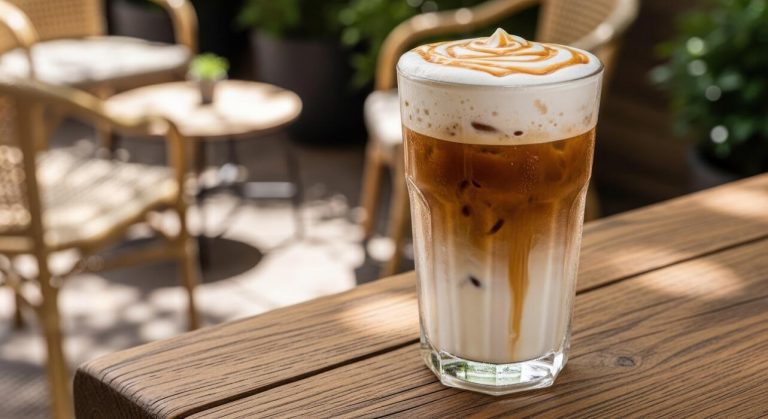
For a creamy texture, add whole milk, oat milk, or a splash of heavy cream. Pour the milk first to create a layered effect, then stir gently to blend. If you prefer a bolder coffee taste, reduce the milk to a 2:1 ratio.
To keep your drink cold without watering it down, use large ice cubes or coffee ice cubes made from leftover cold brew. Serve immediately for a refreshing, low-acid coffee that highlights the natural sweetness and chocolate notes of your brew.
For a dairy-free option, try coconut milk or almond milk—they add a subtle nuttiness that complements the coffee’s richness.
Sweeteners and syrups to try
Enhance your cold brew with simple sweeteners that dissolve easily without clumping. Start with a classic simple syrup (equal parts sugar and water, heated until dissolved) or use honey or agave nectar for a natural twist.
For a flavor boost, try vanilla syrup—just add vanilla extract to your simple syrup—or a dash of cinnamon for warmth. If you crave indulgence, a caramel or mocha syrup turns your cold brew into a dessert-like treat.
For a sugar-free option, use stevia or monk fruit sweetener, but be sure to stir thoroughly as they can be less soluble. To avoid a gritty texture, always mix sweeteners into the cold brew concentrate before adding ice or milk.
Experiment with lavender or rose syrup for floral notes, or add a pinch of salt to enhance the coffee’s natural sweetness. Remember, cold brew’s smooth profile allows flavors to shine, so start with a small amount and adjust to taste.
Creative cold brew cocktails and recipes
Elevate your cold brew into sophisticated drinks perfect for brunch or evening relaxation.
For a Cold Brew Old Fashioned, muddle an orange slice and a cherry with a teaspoon of brown sugar syrup in a glass, add ice, then pour in 2 ounces of cold brew concentrate and 1.5 ounces of bourbon or whiskey. Stir gently and garnish with an orange peel.
For a creamy Espresso Martini twist, shake 2 ounces cold brew concentrate, 1.5 ounces vodka, 1 ounce coffee liqueur (like Kahlúa), and a splash of vanilla syrup with ice, then strain into a chilled martini glass.
Non-alcoholic options include a Cold Brew Float: scoop vanilla ice cream into a glass, top with cold brew, and drizzle with chocolate syrup. For a refreshing Iced Coffee Lemonade, mix equal parts cold brew and lemonade over ice—the acidity cuts the bitterness beautifully.
Always use fresh, high-quality ingredients to let the coffee’s complex flavors shine through.
Common Cold Brew Mistakes to Avoid
Grinding too fine or too coarse
The grind size is arguably the most crucial factor in cold brew success. Using a grind that’s too fine, like you would for espresso, will lead to over-extraction and a bitter, muddy cup. The fine particles can also slip through your filter, leaving a gritty texture.
Conversely, a grind that’s too coarse, like cracked peppercorns, results in under-extraction, yielding a weak, sour, and watery brew. The ideal grind for cold brew is a medium-coarse consistency, similar to raw sugar or coarse sea salt.
This allows for a slow, even extraction over the long steeping period without releasing harsh, bitter compounds. Invest in a quality burr grinder for a consistent particle size. If you’re using pre-ground coffee, look for a specific cold brew grind.
Remember, the goal is a smooth, rich concentrate, so adjusting your grind is the first step to achieving that perfectly balanced flavor profile.
Steeping for too long or too short
Patience is key, but so is precision. Steeping your cold brew for too short a time (under 12 hours) will result in a weak, acidic, and disappointingly thin brew that lacks the deep, chocolatey notes you’re after.
On the flip side, steeping for too long (over 24 hours) can extract bitter, woody, and even metallic flavors from the coffee grounds, ruining the smoothness that makes cold brew so beloved. The sweet spot is typically 16 to 18 hours at room temperature.
However, if you brew in the refrigerator, you may need to extend that to 20-24 hours. Always taste your brew at the 16-hour mark. It should be rich and smooth, not harsh. Once it reaches your desired strength, immediately strain and refrigerate the concentrate to halt extraction.
This simple timing adjustment is your best defense against a bitter or weak final product.
Skipping the filtration step
Skipping a thorough filtration is a common mistake that leads to a gritty, sludge-filled coffee. While a coarse filter, like a French press screen, is a start, it often lets fine sediment pass through.
This sediment not only creates an unpleasant texture but can also continue to extract, making your brew bitter over time.
Double filtration is your secret weapon. After the initial coarse strain, pour the coffee through a paper filter (like a V60 or Chemex filter) or a very fine mesh nut milk bag. This step removes the ultra-fine particles, resulting in a brilliantly clean, smooth, and velvety concentrate.
If you find paper filters too slow, a clean, undyed cotton cloth or a specialized cold brew paper filter can work wonders. Don’t rush this final step.
The clarity it brings elevates your cold brew from good to exceptional, allowing the true flavor notes of your coffee to shine without any distracting grit.
Frequently Asked Questions
What is cold brew coffee?
Cold brew coffee is made by steeping coarsely ground coffee beans in cold or room-temperature water for 12-24 hours, then straining out the grounds. This slow extraction process produces a smooth, less acidic concentrate that is typically diluted with water or milk before drinking.
What coffee beans are best for cold brew?
Medium to dark roast beans with low acidity, such as Colombian or Brazilian varieties, work best for cold brew. Coarse grinding (like French press grind) is essential to prevent over-extraction and bitterness.
What is the basic cold brew coffee recipe?
Combine 1 cup of coarsely ground coffee with 4 cups of cold, filtered water in a large jar. Stir gently, cover, and let steep at room temperature or in the fridge for 12-24 hours. Strain through a fine-mesh sieve lined with a coffee filter or cheesecloth.
How long should I steep cold brew coffee?
Steep for 12-24 hours depending on your taste preference: 12 hours yields a milder brew, while 24 hours gives a stronger, bolder flavor. Avoid steeping longer than 24 hours to prevent bitterness.
How do I strain cold brew coffee without a special filter?
Pour the steeped mixture through a fine-mesh strainer lined with a paper coffee filter, a clean cloth napkin, or cheesecloth into a pitcher. For extra clarity, strain twice or use a nut milk bag.
How should I serve and store cold brew coffee?
Dilute the concentrate with equal parts water, milk, or ice to taste (start with a 1:1 ratio). Store the concentrate in an airtight container in the fridge for up to two weeks, but it’s freshest within the first week.
Can I make cold brew in a French press?
Yes, a French press is ideal: add coarse grounds and cold water, stir, and steep for 12-24 hours. Then press the plunger down slowly to separate the grounds from the liquid. This eliminates the need for additional filtering.
Why is my cold brew bitter or weak?
Bitterness often comes from over-steeping (more than 24 hours) or using too fine a grind. Weak cold brew results from too little coffee or too short a steep time. Adjust grind size to coarse and aim for a 1:4 coffee-to-water ratio.
Conclusion
In conclusion, making delicious cold brew coffee is all about patience and quality ingredients. By using coarse grounds, a 12-24 hour steep in cold water, and a fine filter, you unlock a smooth, rich concentrate that is less acidic and perfect for customizing with milk or sweeteners. Give it a try tonight—your future mornings will thank you for this refreshing, effortless upgrade to your coffee routine.